
Taking the First Step Towards Healing
Rehab addiction centers near me offer hope and a clear path forward for individuals and families facing the challenges of substance use. Here’s how to start your search:
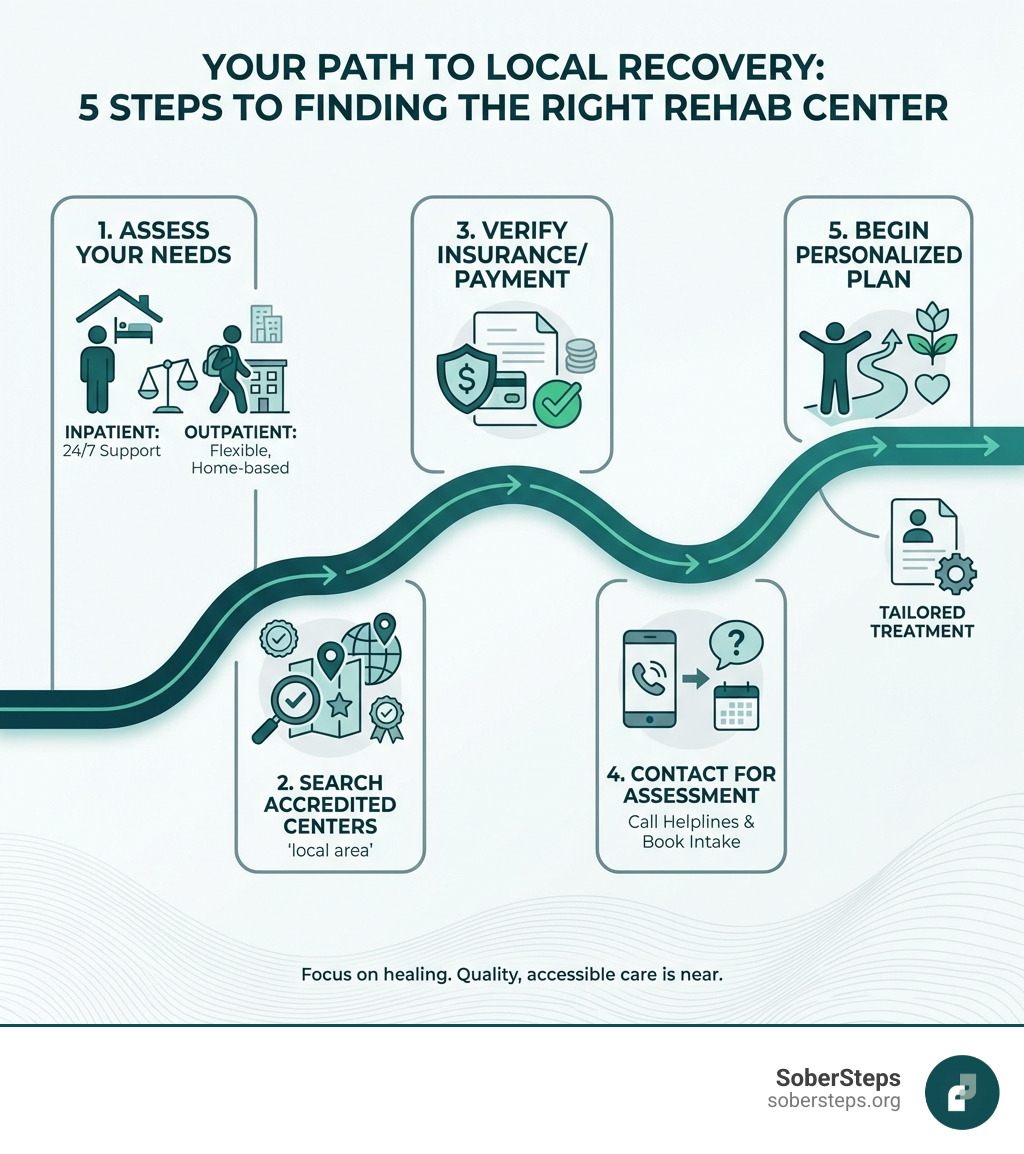
- Understand Your Options: Decide between inpatient (24/7 support) or outpatient (flexible, home-based) care
- Find Detox Services: Look for medically supervised detox clinics in your area for safe withdrawal management
- Consider Specialized Programs: Seek centers offering dual diagnosis care, adolescent programs, or culturally sensitive support
- Check Accessibility: Verify insurance coverage, payment plans, or free/low-cost public options
- Contact Centers Directly: Call 24/7 helplines for immediate assessment and same-day intake availability
You are not alone. Many have walked this path before, and help is available for everyone affected by addiction.
Finding the right treatment center can feel overwhelming, but it doesn’t have to be. Whether you’re in New York, San Francisco, or anywhere else in the country, quality addiction treatment is available near you. The journey to recovery begins with understanding what’s out there—from public programs to private, personalized care options—and knowing what to expect from the process.
Making an informed choice matters. The right center will offer evidence-based therapies, compassionate staff, and a treatment plan custom to your specific needs. Some facilities specialize in dual diagnosis care for co-occurring mental health issues. Others focus on specific populations like adolescents, veterans, or LGBTQ+ individuals. Many offer same-day intake to help you start as quickly as possible.
At Sober Steps, we’ve helped thousands of individuals and families steer the path to recovery by connecting them with trusted rehab addiction centers near me and providing comprehensive support throughout their journey. Our mission is to make finding quality, accessible addiction treatment as straightforward as possible, so you can focus on what matters most: healing.
Contact our confidential helpline to speak with a compassionate recovery specialist who can help you find the right center today.
Understanding Your Treatment Options: Inpatient vs. Outpatient Care
When you’re looking for rehab addiction centers near me, one of the first decisions you’ll face is choosing the right level of care. Addiction treatment is not a one-size-fits-all solution; it’s a personalized journey that requires a program custom to individual needs. We understand that this can feel like navigating a maze, but don’t worry, we’re here to help illuminate the path.
The United States offers a wide range of high-quality rehab services, including drug rehab and alcohol rehab programs, medically supervised detox clinics, inpatient and outpatient recovery plans, mental health and addiction counseling, and robust support groups with aftercare planning. It’s about finding the environment and intensity that best suits your situation.

Inpatient Rehabilitation: An Immersive Path to Recovery
Imagine a place where your sole focus is healing, free from the distractions and triggers of daily life. That’s the essence of inpatient, or residential, rehabilitation. This option provides 24/7 medical and emotional support, making it ideal for those needing a more intensive, immersive treatment experience. It’s particularly beneficial for individuals with severe dependency, a history of relapse, or co-occurring mental health disorders that require constant supervision.
Inpatient programs typically involve a structured daily schedule. This includes individual and group therapy, educational sessions, and activities designed to build coping skills and promote overall well-being. While programs vary, many facilities offer 28-day rehabs for intensive initial treatment, with options for longer stays, such as 90-day programs, depending on individual progress and needs. The goal is to provide a safe, structured environment where patients can learn to live without drugs or alcohol, develop crucial life skills, and address underlying issues.
We know that committing to an inpatient program is a significant step, but it offers a powerful foundation for lasting recovery. To explore inpatient options, visit our Inpatient Drug Rehab page.
Outpatient Rehabilitation: Flexible Support for Your Daily Life
For individuals with strong home support systems, lower levels of dependency, or those who need to maintain work, school, or family responsibilities, outpatient rehab offers a flexible yet effective solution. This approach allows clients to continue living at home while attending regular therapy sessions and support programs at a facility.
Outpatient services range from standard weekly therapy sessions to more intensive options like Partial Hospitalization Programs (PHPs) or Intensive Outpatient Programs (IOPs). For instance, some centers offer Extended Day Treatment and Day Treatment programs, allowing patients to participate in structured therapy for several hours a day, multiple days a week, and may even offer telehealth options for those who need remote access. The Matrix Model, a structured approach for treating alcohol and drug addictions, is often integrated into IOPs, covering individual/conjoint sessions, early recovery skills, relapse prevention, and family education.
Outpatient care is about integrating recovery into your existing life, providing the tools and support you need without completely disrupting your routine. It’s a testament to the idea that recovery can happen anywhere. For a comprehensive look at your options, check out our Treatment Options: Ultimate Guide and learn about the flexibility of Online Rehab options.
The First Step: Finding a Detox Center Near You
Before therapy and rehabilitation can truly begin, many individuals need to safely and comfortably withdraw from substances. This is where detox centers come in. Medically supervised detox clinics provide a safe environment for managing withdrawal symptoms and stabilizing patients before they begin the therapeutic phase of treatment. This process typically takes between 5-7 days for most patients.
Detoxification is crucial because withdrawal can be uncomfortable, and in some cases, dangerous. Medical professionals can administer medications to ease symptoms and ensure safety. For example, opioid substitution therapy, using medications like buprenorphine/naloxone and methadone, can significantly improve the health and quality of life for individuals addicted to opioids. This process helps to reduce withdrawal symptoms and stabilize patients, setting the stage for successful rehabilitation.
If you or a loved one needs immediate help with withdrawal, searching for “Detox Near Me” is a critical first step. Explore resources on Medications for Alcohol Use Disorder and understand more about Alcohol Withdrawal to be prepared. Detox is not the end of treatment, but a vital beginning.
Finding Specialized Rehab Addiction Centers Near Me
Finding rehab addiction centers near me that understand your unique circumstances can make all the difference in your recovery journey. No two people experience addiction the same way, and specialized programs are designed to address these individual differences, offering personalized treatment plans that significantly increase the chances of long-term success.

We believe in the power of finding the right fit, because when treatment aligns with your specific needs, it resonates deeply. To help you steer these options, our platform at Find Addiction Treatment is an excellent resource. You can also call us to speak with a specialist who can help you find a specialized center custom just for you.
Dual Diagnosis: Treating Addiction and Mental Health Together
It’s very common for drug and alcohol addiction to be accompanied by additional disorders, often referred to as co-occurring disorders or dual diagnosis. In fact, many individuals seeking addiction treatment also struggle with underlying mental health problems such as anxiety, depression, PTSD, or bipolar disorder. Treating these conditions separately can be less effective, which is why integrated care is a best practice.
Dual diagnosis programs address both the substance use disorder and the mental health condition concurrently. This integrated approach helps improve life in recovery and significantly reduces the likelihood of relapse. For instance, many leading behavioral health centers are equipped to handle dual diagnosis patients. They provide comprehensive assessments and treatment plans that consider the complex interplay between addiction and mental health. Evidence-based therapies, often combined with medication-assisted treatment (MAT), are central to these programs. For more information, explore our pages on Dual Diagnosis and Mental Health and Substance Use Co-occurring Disorders. Additionally, understanding MAT Medications, Counseling, and Related Conditions can provide further insight into integrated care.
Custom Programs for Specific Populations
The journey to recovery can be profoundly influenced by personal identity and life experiences. That’s why many rehab addiction centers near me offer custom programs designed for specific populations. These specialized services ensure that treatment is not only effective but also culturally sensitive and deeply understanding of unique challenges.
- Adolescent and Young Adult Programs: These programs cater to the developmental needs of younger individuals, often incorporating family therapy and educational support.
- LGBTQ+ Affirming Care: Designed to create a safe and inclusive environment, these programs address the unique stressors and experiences faced by the LGBTQ+ community.
- Trauma-Informed Treatment: For individuals whose addiction is intertwined with past trauma, these programs provide specialized therapeutic approaches like EMDR or somatic experiencing.
- Gender-Specific Programs: Some centers offer programs exclusively for men or women, recognizing that gender-specific issues can impact recovery. Our Female Rehab Centers page provides more details on this.
- Military/Veterans Programs: These programs address the specific challenges faced by service members, including PTSD and other combat-related traumas.
When looking for rehab addiction centers near me, consider if a specialized program could offer a more custom and supportive environment for your recovery journey.
Your Path to Recovery: What to Expect from a Nearby Center
Starting on the journey to recovery is a brave and commendable step. Once you’ve identified potential rehab addiction centers near me, understanding what to expect during the intake process, how to steer costs and insurance, and the role of family involvement can alleviate anxieties and help you prepare. We aim to make this process as clear and reassuring as possible, because a smooth start contributes to a strong recovery.
What to expect during intake at rehab addiction centers near me
The intake and assessment process is the crucial first step at any reputable rehab center. This is where the center learns about your unique situation to create the most effective treatment plan.
Typically, it begins with an initial phone call, often to a confidential helpline, where you’ll speak with a compassionate admissions specialist. This is a judgment-free zone where you can openly discuss your challenges. Following this, you’ll undergo a comprehensive assessment, which may involve medical evaluations, psychological assessments, and discussions about your addiction history, mental health, and social support system. For example, leading centers emphasize a comprehensive assessment by a multidisciplinary team to develop an individualized treatment plan.
This evaluation is not just about identifying problems; it’s about understanding your strengths and needs. The goal is to create a personalized plan that addresses both the addiction and any underlying issues. We encourage you to be open and honest during this process, as it directly impacts the quality and effectiveness of your care. For immediate assistance and to begin this process, reach out to our Confidential Addiction Helpline.
Navigating Costs and Insurance for Treatment
One of the most common concerns we hear is about the cost of addiction treatment. It’s a valid worry, but it’s important to know that help is available regardless of your financial situation. Treatment costs can vary dramatically based on the level of care (inpatient vs. outpatient), length of stay, and specific services included.
Many rehab addiction centers near me accept various forms of payment. In the US, a significant number of rehabs accept private insurance, Medicaid, and Medicare. For example, in New York State, over 592 facilities accept private insurance, 651 accept Medicaid, and 395 accept Medicare. Furthermore, 234 facilities take TRICARE military health insurance. Many centers, for instance, work with most major insurance providers and offer payment plans.
If you don’t have insurance, or if your coverage is limited, there are still options:
- Publicly funded programs: Many states offer low-cost or free addiction treatment through public health services.
- Non-profit organizations: Some non-profits provide services on a sliding-fee scale based on your income.
- Payment plans: Many private centers offer payment plans to spread the cost over time.
- Scholarships and grants: Some facilities or organizations offer scholarships for treatment.
- SAMHSA block grants: These grants provide funding for addiction services to low-income individuals.
We can help you Verify Insurance to understand your benefits, and our Insurance pages provide detailed information on various providers. Don’t let cost be a barrier to recovery; explore our guide on No Cost Big Impact: Finding Free Addiction Help.
The Role of Family: Involvement and Support
Addiction doesn’t just affect the individual; it impacts entire families. That’s why family involvement is often considered essential to recovery. Many centers emphasize that mending and building family relationships is key. Many rehab addiction centers near me integrate family therapy, educational sessions, and support groups into their programs.
Family therapy provides a safe space for communication, healing old wounds, and establishing healthy boundaries. Support groups for loved ones can help family members understand addiction, cope with its effects, and learn how to best support their loved one’s recovery without enabling.
While visiting policies for inpatient centers can vary (e.g., some centers have designated Sunday visiting hours and strict rules on items), the underlying principle is to support the patient’s recovery while maintaining a therapeutic environment. Some facilities prioritize patient focus during treatment, but still offer specific times for family visits and phone calls.
Your family can be a powerful source of support, and their involvement can significantly strengthen the recovery process. Learning how to steer these dynamics is a crucial part of The First Step is the Hardest: How to Begin Addiction Recovery.
How to Choose the Right Center and Plan for Aftercare
Choosing the right rehab addiction centers near me is one of the most critical decisions you’ll make on your path to sobriety. It requires careful consideration, but with the right information, you can make an informed choice that sets the stage for long-term success and prevents relapse.
We want you to feel confident in your decision. For a deeper dive into making this choice, check out our Buyers Guide: Best Drug Rehabs for 2024. When you’re ready, call today to discuss your options with one of our specialists.
Choosing the right rehab addiction centers near me: A Checklist
To help you make an informed decision, here’s a checklist of factors to consider when evaluating rehab addiction centers near me:
- Accreditation: Look for facilities accredited by recognized bodies like SAMHSA, CARF, or the Joint Commission. These accreditations signify adherence to high standards of care.
- Staff Credentials: Ensure the staff are qualified and experienced professionals, including masters-level clinicians, physicians, psychologists, and counselors.
- Treatment Philosophy: Understand the center’s approach. Does it align with your beliefs? Options include 12-step models, non-12-step facilities, or holistic approaches.
- Evidence-Based Practices: Prioritize centers that use therapies backed by scientific research, such as Cognitive Behavioral Therapy (CBT), Dialectical Behavior Therapy (DBT), and Medication-Assisted Treatment (MAT).
- Location and Environment: Consider if the environment is conducive to healing. Some prefer serene, natural settings, while others benefit from urban accessibility.
- Program Length and Flexibility: Does the center offer program lengths that match your needs (e.g., 28-day, 90-day, extended care) and flexibility for outpatient options?
- Aftercare Support: A robust aftercare program is crucial for sustained sobriety. Inquire about alumni programs, sober living options, and ongoing support.
The “best” center is the one that best fits your unique needs and circumstances.
Life After Rehab: The Importance of Continued Support
Completing a residential or intensive outpatient program is a monumental achievement, but it’s not the end of the journey; it’s a new beginning. Life after rehab, or aftercare, is critical for maintaining sobriety and preventing relapse. Support should not end at discharge.
Many rehab addiction centers near me emphasize comprehensive aftercare planning. This can include:
- Sober living homes: These provide a structured, substance-free environment as individuals transition back to independent living. Learn more on our Sober Living page.
- Peer support groups: Programs like Alcoholics Anonymous (AA) and Narcotics Anonymous (NA) offer invaluable community and ongoing support.
- Recovery coaching: Addiction Recovery Coaches can provide personalized guidance and accountability.
- Alumni programs: Many centers offer alumni networks and events to keep graduates connected and supported. Some centers even offer extended aftercare programs, sometimes lasting up to two years, for their residential clients.
- Continued therapy: Ongoing individual or group counseling can help address new challenges and reinforce coping skills.
The goal is to equip you with a strong support network and practical tools to steer life’s inevitable ups and downs without returning to substance use. Explore Online Addiction Recovery Support Groups for convenient access to community.
Frequently Asked Questions about Local Rehab Centers
We understand you likely have many questions as you explore rehab addiction centers near me. Here, we address some of the most common inquiries to provide clarity and peace of mind.
How long does addiction rehab typically last?
The duration of addiction rehab is not a fixed number; it’s highly individualized and depends on several factors, including the severity of the addiction, the presence of co-occurring mental health disorders, and the individual’s progress.
- Detoxification: Typically lasts 5-7 days.
- Short-term inpatient programs: Often 28-30 days, providing an intensive initial phase of treatment. You can find more about these on our 28 Day Rehabs Near Me page.
- Long-term inpatient programs: Can range from 60 to 90 days, or even longer (e.g., 6-month core programs), offering a more immersive and sustained therapeutic environment.
- Outpatient programs: These can last several weeks to several months, depending on the intensity (IOP, PHP) and individual needs.
The typical program length is not a preset number of days but is instead tied to your exact clinical needs. It’s about finding what’s “long enough” for you to build a solid foundation for recovery.
What are visiting hours and communication policies like in inpatient rehab?
Visiting hours and communication policies vary significantly among rehab addiction centers near me, but they are always designed with the patient’s recovery as the top priority.
- Structured Communication: Most inpatient facilities have structured communication policies to minimize distractions and maintain a therapeutic environment. This often means limits on phone use, with designated times or areas for calls.
- Family Therapy Sessions: Many centers encourage family involvement through scheduled therapy sessions, which are a vital part of the healing process for both the patient and their loved ones.
- Designated Visiting Times: Inpatient centers typically have specific visiting hours, often on weekends, to allow family and supportive friends to connect with patients. For example, some centers may have visiting hours on Sundays.
- Focus on Recovery: While family connection is valued, policies are in place to ensure that external interactions support, rather than hinder, the patient’s focus on treatment. This might include restrictions on bringing certain items into the facility.
It’s always best to inquire directly with the specific rehab center about their exact visiting and communication policies.
Can I get help for addiction if I don’t have insurance?
Absolutely, yes! Not having insurance should never be a barrier to seeking help for addiction. There are numerous pathways to treatment even without private insurance coverage.
- Publicly Funded Programs: Many states and local governments fund addiction treatment services, often providing low-cost or free options for residents. These programs are designed to ensure access to care for all, regardless of ability to pay.
- Non-Profit Centers: Non-profit rehabs often operate on donations and grants, allowing them to offer reduced-cost or free services.
- Sliding Scale Fees: Many facilities offer a sliding-fee scale, meaning the cost of treatment is adjusted based on your income and financial situation.
- Payment Plans: Even some private treatment centers are willing to work with individuals on payment plans, making treatment more affordable over time.
- Medicaid and Medicare: If you qualify, these government programs cover a significant portion of addiction treatment costs. Learn more on our Insurance: Medicaid page.
- SAMHSA Block Grants: These federal grants are distributed to states to fund substance abuse prevention and treatment services, often benefiting low-income individuals.
The key is to reach out and ask about your options. We can help you find Affordable Mental Health Care and steer the financial aspects of treatment.
Your Journey to a Sober Life Starts Now
We understand that finding the right rehab addiction centers near me can feel like a daunting task, filled with questions and uncertainties. But remember, every step you take towards understanding your options and reaching out for help is a victory. The journey to a sober life is possible, and you don’t have to walk it alone.
At Sober Steps, we are committed to connecting you with the resources and support you need to begin your healing. From understanding different treatment types and specialized programs to navigating costs and aftercare, we’re here to guide you. The first step, often the hardest, is simply reaching out.
Your search for hope and healing ends here. Find a rehab center near you today and take that courageous first step. For immediate assistance, our Confidential Addiction Helpline is available 24/7. We’re ready to listen, offer guidance, and help you find the path to lasting recovery.