
Why Understanding Drug Rehabilitation Information Matters
Drug rehabilitation information is essential for anyone facing substance use challenges—whether for yourself or a loved one. In 2022, more than one in six Americans aged 12 or older reported experiencing a substance use disorder (SUD). Yet despite how common addiction is, many people struggle to understand what treatment actually involves, where to start, or what to expect from the recovery process.
Quick answers to your most pressing questions:
- What is drug rehabilitation? Evidence-based treatment programs that help people stop compulsive drug use through therapy, medication, and support
- Is addiction treatable? Yes—addiction is a chronic but treatable disease, similar to diabetes or asthma
- What treatment options exist? Detox, inpatient/residential care, outpatient programs, therapy (CBT, DBT), medication-assisted treatment, and aftercare
- How long does treatment last? Most people need at least 90 days for effective results, though duration varies by individual needs
- Does relapse mean failure? No—relapse can be part of recovery and signals a need to adjust treatment, not that treatment failed
- How do I find help? Speak with your healthcare provider, call SAMHSA’s National Helpline (1-800-662-HELP), or use resources like SoberSteps’ Get Help Now page
The reality is that addiction changes the brain, affecting decision-making and self-control. But research consistently shows that with the right treatment approach—combining behavioral therapies, medications when needed, and ongoing support—people can and do recover.
This guide breaks down everything you need to know about drug rehabilitation: from understanding what addiction really is, to exploring different treatment levels and therapies, to finding quality care and paying for it. You’ll learn about medication-assisted treatment, how to address co-occurring mental health disorders, and why relapse doesn’t mean failure. Most importantly, you’ll find that recovery is possible and help is available.
At Sober Steps, we’ve supported countless individuals and families through their recovery journeys by providing comprehensive drug rehabilitation information and connecting people to the care they need. Our mission is to make the path to recovery clearer and less overwhelming for everyone seeking help.
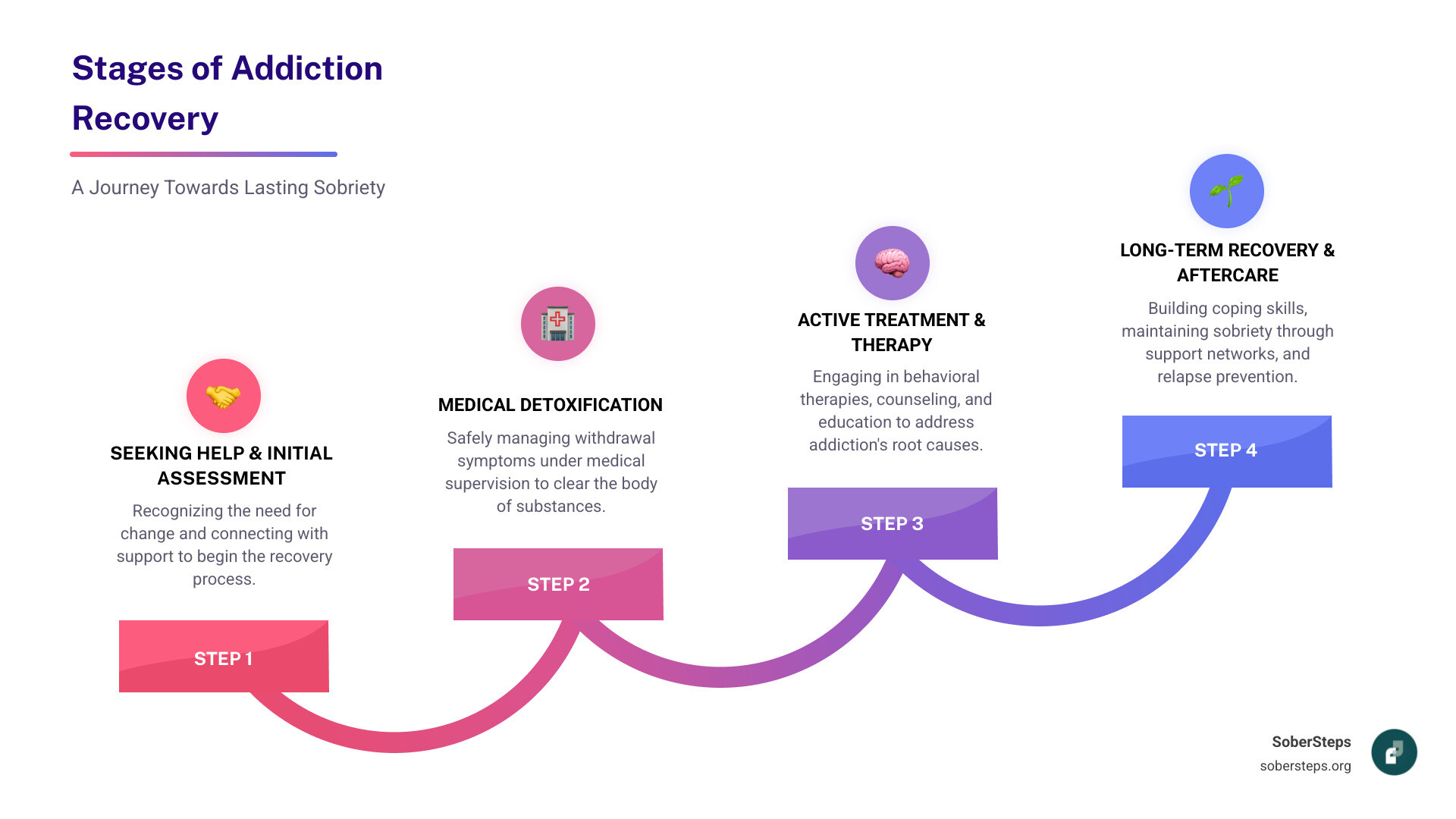
If you or a loved one is struggling with substance use, reach out to SoberSteps today for confidential support. You don’t have to figure this out alone—our team is here to help you understand your options and take that crucial first step. Learn more about what drug rehabilitation involves and how the right program can make all the difference.
Drug rehabilitation information terms at a glance:
Understanding Addiction: The Foundation of Recovery
Addiction can feel like a maze, but understanding its true nature is the first step toward finding the exit. It’s not a moral failing or a lack of willpower; it’s a complex medical condition that fundamentally alters the brain.
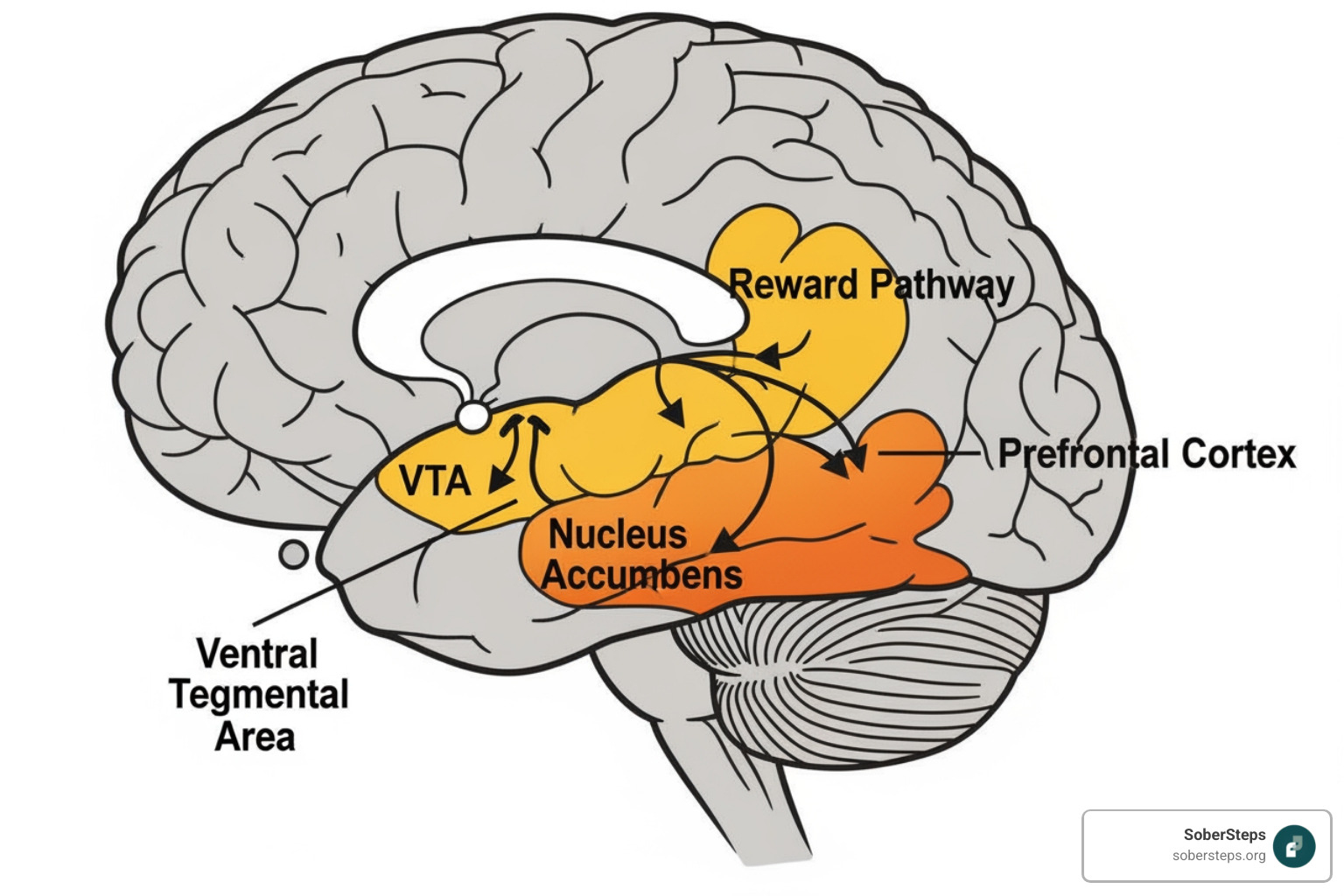
Research has shown that long-term drug abuse results in changes in the brain that persist long after a person stops using drugs. These drug-induced changes can lead to an inability to control the impulse to use drugs despite harmful consequences. This is the defining characteristic of addiction. Psychological stress, social cues, or environmental triggers can all ignite intense cravings, making it incredibly difficult for individuals to stop using on their own.
At SoberSteps, we believe that armed with accurate addiction knowledge, individuals and families can begin the journey of overcoming drug addiction with a clearer path forward.
Learn more about how addiction affects the brain.
Get help understanding addiction
What is a Substance Use Disorder (SUD)?
A substance use disorder (SUD) is a treatable, chronic disease characterized by a cluster of cognitive, behavioral, and physiological symptoms. It indicates that an individual continues using a substance despite significant substance-related problems. Addiction is considered a severe form of SUD.
The Diagnostic and Statistical Manual of Mental Disorders (DSM-5) outlines specific criteria for diagnosing SUDs, classifying them as mild, moderate, or severe based on the number of symptoms present. These symptoms can include using more or for longer than intended, strong cravings, continuing use despite problems, and experiencing withdrawal symptoms.
An SUD is a medical condition, not a character flaw. People experiencing SUDs often have trouble controlling their drug use even though they know the drugs are harmful. This is due to the profound impact substances have on brain function, particularly areas related to reward, motivation, memory, and impulse control.
According to the CDC, in 2022, more than one in six Americans aged 12 or older reported experiencing a SUD. This statistic highlights how widespread these conditions are, affecting people of any race, sex, income level, or social class.
Internal Link: What is SUD?
Can Addiction Be Treated Successfully?
Yes, absolutely! Addiction is a treatable disorder. While it’s not a “cure” in the sense that it disappears forever, it can be successfully managed, much like other chronic diseases such as heart disease, asthma, or diabetes. Treatment helps people counteract addiction’s powerful effects, regain control of their lives, and return to productive functioning.
The goal of treatment is to help individuals stop or reduce drug use, prevent relapse, alleviate negative consequences, and improve their overall functioning in work, family, and community. Research indicates that most addicted individuals need at least 3 months in treatment to significantly reduce or stop their drug use, and the best outcomes occur with longer durations of treatment. This is why sustained engagement with recovery resources is so vital.
Internal Link: Treatment and recovery at SoberSteps
Start your recovery journey with SoberSteps
Core Principles and Types of Drug Rehabilitation Information
Effective drug rehabilitation isn’t a one-size-fits-all solution. It’s a dynamic process guided by several core principles that ensure treatment is custom, comprehensive, and responsive to individual needs.

Key principles of effective treatment, backed by extensive research, include:
- No Single Treatment Is Appropriate for Everyone: Treatment must be matched to an individual’s specific needs, including the type of drug used, co-occurring mental health conditions, and personal circumstances.
- Treatment Needs to Be Readily Available: When someone is ready for help, access to treatment should be immediate. Delays can lead to lost opportunities for intervention.
- Effective Treatment Attends to Multiple Needs: Beyond drug abuse, treatment should address medical, psychological, social, vocational, family, and legal problems.
- Remaining in Treatment for an Adequate Period is Critical: Good outcomes are contingent on sufficient treatment length. Generally, less than 90 days for residential or outpatient treatment is of limited effectiveness. Longer durations are recommended.
- Continuous Monitoring and Assessment: Treatment plans must be continuously assessed and modified to meet changing patient needs.
At SoberSteps, we accept these principles to provide comprehensive drug rehabilitation information and connect individuals with programs that align with these best practices.
Internal Link: Principles of Drug Addiction Treatment
Explore our treatment philosophy
Contact us for a personalized assessment
Exploring Different Levels of Care
The journey to recovery often involves different “stops” along the way, known as levels of care. These vary in intensity and structure to meet diverse needs.
- Medical Detoxification: This is often the first, medically supervised stage of treatment, focusing on safely managing withdrawal symptoms. Detoxification alone is insufficient for recovery and generally leads to resumed drug use without subsequent treatment. It’s crucial not to attempt self-detox.
- Inpatient Drug Rehab (Residential Treatment): Provides 24-hour care in a structured, drug-free environment. Patients live at the facility, receiving intensive therapy and support. This is often recommended for individuals with severe SUDs, co-occurring mental health issues, or those who need a complete change of environment.
- Partial Hospitalization Programs (PHP): Offers intensive treatment during the day, but patients return home or to a sober living environment at night. It’s a step down from inpatient care, providing significant support while allowing some independence.
- Intensive Outpatient Programs (IOP): Less intensive than PHP, IOP involves several hours of therapy and education a few days a week. It allows individuals to maintain work, school, or family commitments while receiving structured support.
- Standard Outpatient Treatment: Involves weekly therapy sessions or group meetings. This level of care is suitable for individuals with milder SUDs, those stepping down from more intensive programs, or as a long-term maintenance strategy.
- Sober Living Environments: These are supportive, substance-free residences that help individuals transition back into independent living after completing more intensive treatment. They provide a safe community and accountability.
To help you visualize the differences, here’s a comparison of our inpatient versus outpatient options:
| Feature | SoberSteps Inpatient Rehab | SoberSteps Outpatient Rehab |
|---|---|---|
| Intensity | High (24/7 care, highly structured) | Moderate (regular sessions, allows for external commitments) |
| Living | Reside at facility | Live at home or in sober living |
| Support | Constant medical and therapeutic support | Scheduled therapeutic support, more self-directed |
| Ideal for | Severe SUDs, co-occurring disorders, unstable home life | Milder SUDs, strong home support, need to maintain daily routine |
| Cost | Generally higher, but often covered by insurance | Generally lower, more flexible |
Internal Link: Which level of care is right for you?
Contact us for a personalized assessment
Common Treatment Program Philosophies
Beyond the structure of care, different programs often operate under distinct philosophies. At SoberSteps, we integrate principles from several effective approaches to offer a comprehensive and individualized treatment experience.
- 12-Step Facilitation: Programs like Alcoholics Anonymous (AA) and Narcotics Anonymous (NA) are peer-led mutual help groups that emphasize spiritual principles, sponsorship, and working through steps. Research suggests 12-step programs can be very effective in supporting long-term recovery and complement professional treatment. We often encourage participation in these groups as part of a robust aftercare plan.
- Non-12-Step Programs: These include approaches like SMART Recovery, which focuses on self-empowerment and self-reliance using cognitive behavioral tools. SoberSteps integrates evidence-based principles from non-12-Step models, empowering individuals with practical coping strategies.
- Holistic and Experiential Therapy: These therapies address the whole person—mind, body, and spirit. They can include activities like art therapy, music therapy, equine therapy, wilderness therapy, yoga, and mindfulness. These approaches help individuals explore emotions, develop self-awareness, and find healthy outlets for expression.
- Faith-Based Programs: For many, spiritual beliefs are a cornerstone of recovery. We can help individuals find programs that integrate faith and spirituality into the healing process, as available within our network.
- Drug-Free Social Models: These programs emphasize a supportive, drug-free community environment, often in residential settings, where peers support each other in maintaining abstinence and developing life skills.
Internal Link: Explore different treatment options
Internal Link: Discover our therapy options
Find the right program for you
The Building Blocks of Recovery: Therapies and Medications
Effective substance abuse treatment often involves a combination of therapies and, for many, medication. This dual approach addresses both the psychological and physiological aspects of addiction, helping individuals change behaviors, manage cravings, and build a foundation for lasting recovery.
The goal is to help individuals identify the underlying causes of their substance use, develop healthier coping mechanisms, and reshape thought patterns that contribute to addictive behaviors. Treatment should always be custom to the individual, as what works for one person may not work for another.
Internal Link: Learn about our approach to substance abuse treatment
How Behavioral Therapies Reshape Recovery
Behavioral therapies are cornerstones of drug rehabilitation, helping individuals modify attitudes and behaviors related to drug use. These therapies teach vital skills for handling stressful situations, triggers, and cravings.
- Cognitive Behavioral Therapy (CBT): Helps individuals recognize, avoid, and cope with situations in which they are most likely to use drugs. It teaches strategies to manage cravings and change negative thought patterns.
- Dialectical Behavior Therapy (DBT): A form of CBT that focuses on teaching individuals skills in mindfulness, emotional regulation, distress tolerance, and interpersonal effectiveness. It’s particularly effective for those with co-occurring mental health conditions.
- Motivational Interviewing (MI): Helps individuals resolve ambivalence about engaging in treatment and stopping drug use. It aims to increase a person’s motivation for change.
- Contingency Management (CM): Uses positive reinforcement, such as vouchers or small cash rewards, for desired behaviors like remaining drug-free or attending counseling sessions.
- Family Therapy: Especially important for adolescents, family therapy addresses family influences on drug use patterns and improves overall family functioning.
- Individual Therapy: One-on-one sessions with a therapist provide a safe space to explore personal issues, trauma, and develop coping strategies.
- Group Therapy: Allows individuals to share experiences, receive support from peers, and practice new coping skills in a supportive setting. It fosters a sense of community and reduces feelings of isolation.
Internal Link: Explore all therapy options
The Role of Medication in Withdrawal and Recovery
Medications play a vital role in many treatment plans, especially in managing withdrawal symptoms and reducing cravings. This approach, often called Medication-Assisted Treatment (MAT), is a key component of the comprehensive care offered by SoberSteps.
- Managing Drug Withdrawal: Medical detox programs use medications to alleviate severe withdrawal symptoms, making the process safer and more comfortable. This is particularly critical for substances like alcohol and opioids, where withdrawal can be dangerous.
- Reducing Cravings and Preventing Relapse: Certain medications can help stabilize brain chemistry, reduce intense cravings, and block the euphoric effects of drugs, making it easier for individuals to maintain abstinence.
- Medications for Opioid Rehab:
- Methadone: A long-acting opioid agonist that reduces cravings and withdrawal symptoms without producing a “high.” It’s typically administered in highly regulated clinics.
- Buprenorphine: A partial opioid agonist that also reduces cravings and withdrawal. It can be prescribed in office-based settings, offering more accessibility. Buprenorphine is FDA-approved for adolescents aged 16 and over with opioid use disorder.
- Naltrexone: An opioid antagonist that blocks the euphoric and sedative effects of opioids, reducing the desire to use. It’s available in oral and injectable forms.
Using medications like methadone and buprenorphine is not simply replacing one addiction with another. These medications are used under monitored conditions to stabilize individuals, reduce cravings, and help restore brain balance, allowing patients to manage their addiction and other life problems.
- Medications for Alcohol Withdrawal and Use Disorder:
- Naltrexone: Reduces alcohol cravings and the pleasurable effects of drinking.
- Acamprosate: Helps reduce symptoms of protracted withdrawal, such as insomnia, anxiety, and restlessness.
- Disulfiram: Produces unpleasant effects (nausea, vomiting) when alcohol is consumed, discouraging drinking.
Internal Link: Medication options for recovery
Internal Link: Find Buprenorphine Providers
Navigating the Broader Recovery Landscape
The journey of recovery extends far beyond the initial treatment phase. It’s a continuous process that requires sustained effort, a strong support system, and a commitment to addressing all aspects of life. At SoberSteps, we emphasize building a robust foundation for long-term recovery: building a foundation for a sober future.
This means not just abstaining from substances, but also healing relationships, finding meaningful activities, managing stress, and developing a healthy lifestyle. Recovery is about rebuilding a fulfilling life, one step at a time.
Internal Link: Building a foundation for long-term recovery
Get support for long-term recovery
Treating Co-Occurring Disorders (Dual Diagnosis)
It’s common for individuals struggling with substance use disorders to also experience mental health conditions. This is known as a dual diagnosis or co-occurring disorders. In fact, as many as 6 in 10 people with an illicit substance use disorder also suffer from another mental illness.
When drug addiction co-occurs with other mental disorders, one condition often makes the other harder to treat. That’s why an integrated treatment approach, addressing both conditions simultaneously, is generally the most effective strategy. This might include:
- Depression: Often co-occurs with SUDs, contributing to feelings of hopelessness and low motivation.
- Anxiety: Can fuel substance use as a coping mechanism, creating a vicious cycle.
- PTSD: Trauma is a significant risk factor for SUDs, and treating both simultaneously is critical for lasting recovery.
- ADHD: Individuals with ADHD and substance use often face unique challenges that require specialized attention.
At SoberSteps, we understand the complexities of dual diagnosis and connect individuals with programs that offer integrated co-occurring disorders treatment to ensure comprehensive care.
Internal Link: Learn about dual diagnosis treatment
Get help for co-occurring disorders
Understanding Relapse and the Importance of Aftercare
Relapse, or a return to drug use after a period of abstinence, is a common part of the recovery process for chronic conditions like substance use disorders. It does not mean treatment has failed. In fact, relapse rates for drug use are similar to those for other chronic medical illnesses like high blood pressure or asthma.
Think of it this way: if someone with diabetes eats a sugary treat, it doesn’t mean their diabetes treatment failed; it means they need to adjust their management plan. Similarly, a relapse in addiction signals a need for resumed, modified, or new treatment.
Understanding this is crucial for reducing the stigma and shame often associated with relapse. Instead of viewing it as a failure, we see it as an opportunity to learn, identify triggers, and strengthen coping skills. That’s where relapse prevention planning and robust aftercare come into play.
Aftercare plans can include:
- Ongoing individual and group therapy.
- Participation in mutual help groups like AA or NA (e.g., Online NA Meetings).
- Sober living arrangements.
- Regular check-ups with healthcare providers.
- Developing healthy routines and hobbies.
Internal Link: Aftercare and relapse prevention
Special Considerations for Adolescents
Adolescence is a unique developmental stage, and drug rehabilitation for young people requires a custom approach. The adolescent brain is still developing, particularly areas responsible for decision-making, judgment, planning, and self-control. This makes young people especially vulnerable to the effects of drug use and co-occurring mental health disorders.
Effective treatment for adolescents often includes:
- Customized Programs: Designed to address developmental needs, integrate school and peer systems, and foster positive social relationships.
- Family Involvement: Family therapy and parental involvement are crucial for adolescent treatment success, helping to address family dynamics that may contribute to substance use.
- Addressing Co-occurring Conditions: Mental health issues like ADHD, conduct problems, depression, and anxiety commonly co-occur with adolescent substance use. Integrated treatment for conditions like ADHD and substance use is essential.
Internal Link: Adolescent substance use resources
How to Find and Access Drug Rehabilitation
Taking the first step toward recovery can be daunting, but it’s the most courageous one you can make. The journey to recovery begins with recognizing the need for help and actively seeking it.
Overcoming the fear and stigma surrounding addiction is a critical hurdle. Many people feel shame, which can prevent them from reaching out. But remember, addiction is a disease, and seeking treatment is a sign of strength, not weakness.
As we often say, the first step is the hardest: how to begin addiction recovery. Once you’ve decided to seek help, researching programs and asking the right questions becomes key to finding the best fit.
Contact SoberSteps for guidance
Internal Link: How to find the right rehab
Utilizing Resources for Finding Quality Drug Rehabilitation Information
Finding the right treatment program can feel overwhelming, but plenty of resources are available to guide you. When looking for how to find rehab, it’s important to ask thorough questions.
Here’s a list of questions we recommend asking potential rehab facilities to gather comprehensive drug rehabilitation information:
- What types of behavioral therapies do you use (e.g., CBT, DBT, MI)?
- What levels of care do you offer (detox, inpatient, PHP, IOP, outpatient)?
- What is the typical duration of your programs, and do you offer longer-term options?
- How do you address co-occurring mental health disorders (dual diagnosis)?
- What is your approach to medication-assisted treatment (MAT)?
- How do you involve family members in the treatment process?
- What kind of aftercare planning and support do you provide?
- What are the costs, and what insurance plans do you accept?
For broader resources, government agencies offer reliable information and locator tools:
- SAMHSA’s Treatment Locator: The Substance Abuse and Mental Health Services Administration (SAMHSA) provides a confidential online tool to find treatment facilities in your area.
- SAMHSA’s National Helpline: Call 1-800-662-HELP (4357) for confidential treatment referral and information, available 24/7.
At SoberSteps, we’re dedicated to helping you steer these options. Get Help Now through our confidential helpline.
Internal Link: Questions to ask when choosing rehab
Let us help you find the right program
Key Drug Rehabilitation Information on Paying for Treatment
The cost of addiction treatment can be a concern for many, but it shouldn’t be a barrier to getting help. There are numerous ways to fund treatment, and understanding your options is key. We can help you understand how to pay for addiction treatment.
- Insurance Coverage: Many private health insurance plans cover addiction treatment. We can assist with verifying your insurance coverage to understand your benefits. SoberSteps works with various private insurance providers, including:
- Aetna
- Cigna
- Blue Cross Blue Shield (BCBS)
- Humana
- UnitedHealth Group
- Medical Mutual
- Magellan Health
- Guide Health
- UMR
- CareSource
- Highmark
- Public Insurance: Programs like Medicaid and Medicare can provide coverage for addiction treatment services.
- Government Assistance: The U.S. Department of Health and Human Services (HHS) offers resources and help with insurance for mental health and addiction care. You can find more information here: HHS help with insurance.
- Free and Low-Cost Programs: There are also free rehab centers near me and community-based programs available for individuals with limited financial resources.
It’s worth noting that investing in addiction treatment is economically sound. Research shows that every dollar invested in addiction treatment programs yields a return of between $4 and $7 in reduced drug-related crime, criminal justice costs, and theft. When savings related to healthcare are included, total savings from addiction treatment can exceed costs by a ratio of 12 to 1. To put it into perspective, the average cost for one full year of methadone maintenance treatment is approximately $4,700 per patient, whereas one full year of imprisonment costs approximately $24,000 per person.
Internal Link: Insurance and payment options
Your Path to a New Beginning Starts Now
The journey through drug rehabilitation is profound, offering a path to healing, self-findy, and a renewed sense of purpose. We’ve explored that addiction is a treatable, chronic disease, not a personal failing. We’ve seen that a diverse range of effective treatment options exists, from medical detox and intensive inpatient care to various behavioral therapies and medication-assisted treatment. And we’ve highlighted the crucial role of ongoing support, aftercare, and addressing co-occurring mental health disorders.
Recovery is not just a possibility; it’s an achievable reality for millions of Americans. Hope and healing are within reach. If you or a loved one is struggling with substance use, please don’t wait. The information and support you need are available.
At SoberSteps, we believe in the power of connection and informed choices. Our confidential 24/7 helpline is here to connect you with treatment providers who can offer the specialized care you deserve.
Find a Drug Rehab Program Today and take the first courageous step toward a brighter, healthier future.