
Your Path to Recovery in the Heart of Dixie
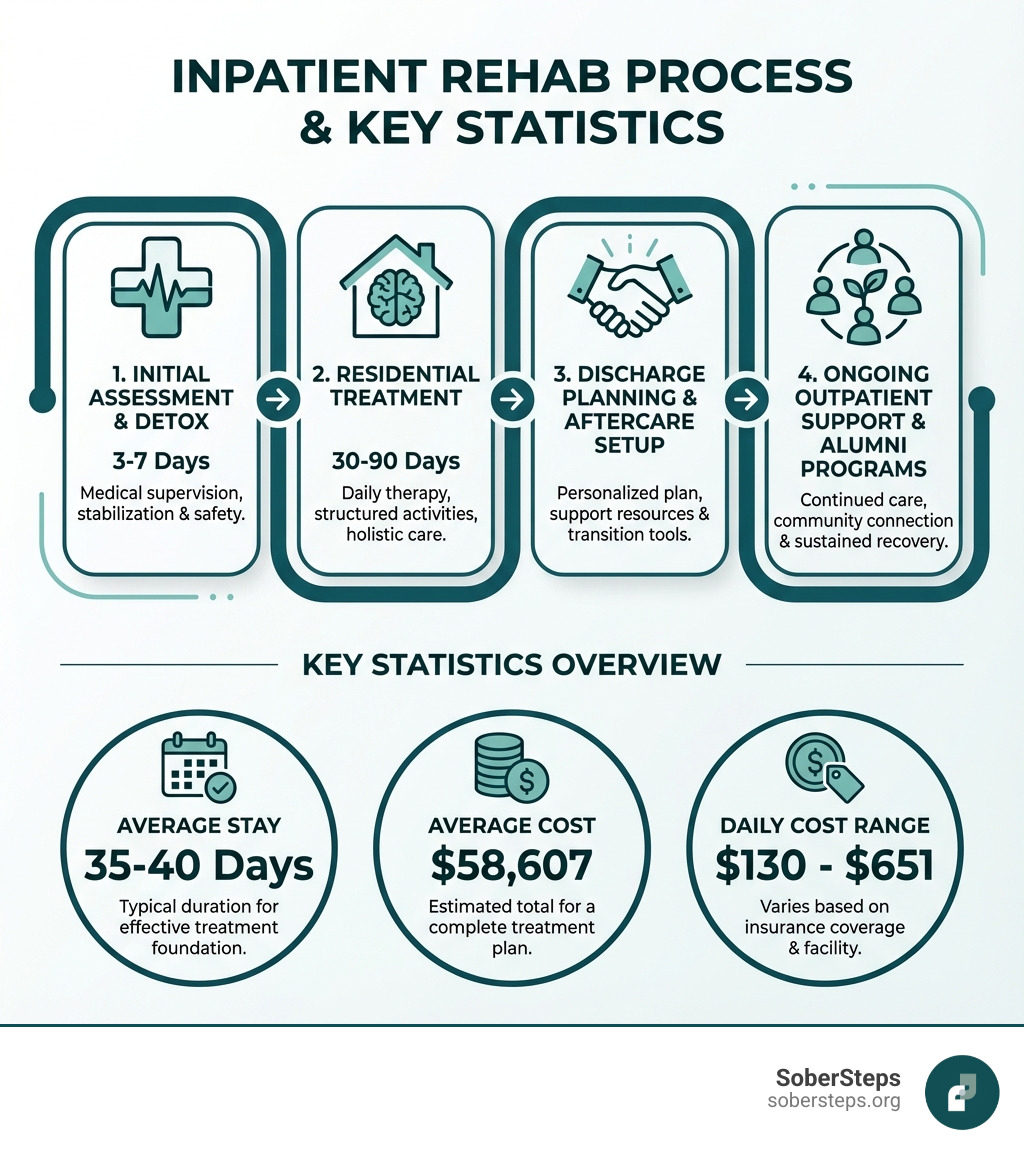
Inpatient rehab centers in Alabama provide 24/7 medical supervision, structured therapy, and a safe environment away from daily triggers for individuals struggling with substance use disorders. These residential programs typically last 30-90 days and treat alcohol addiction, opioid use, methamphetamine abuse, and co-occurring mental health conditions.
Quick Overview: Alabama Inpatient Rehab Centers
- What it is: Residential treatment with round-the-clock care and supervision
- Average length: 30-40 days (programs range from 14-90+ days)
- Average cost: $58,607 for a complete treatment plan; $651.19/day without insurance
- What’s treated: Alcohol, opioids, meth, prescription drugs, and dual diagnosis conditions
- Key benefits: Structured environment, peer support, removal from triggers, medical monitoring
- How to start: Call (844) 491-5566 for confidential assessment and insurance verification
Facing addiction can feel isolating. If you’ve tried to stop on your own without success, it’s important to know that recovery often requires more than willpower alone—it needs professional support in a safe environment, away from daily triggers.
That’s where inpatient rehab comes in. These residential programs offer immersive treatment in a controlled setting where you can focus entirely on healing. Alabama’s treatment centers provide evidence-based therapies like Cognitive Behavioral Therapy (CBT) and Dialectical Behavior Therapy (DBT), along with holistic approaches.
Research shows that longer stays yield better outcomes. While a long-term commitment may seem daunting, even a 30-day program can provide the foundation you need to begin your recovery journey.
At Sober Steps, we connect individuals struggling with addiction to quality inpatient rehab centers in Alabama through confidential resources and compassionate guidance. We understand how difficult it is to take that first step, and our team at (844) 491-5566 is here to make the process as simple and anonymous as possible.
This guide will walk you through everything you need to know about inpatient treatment in Alabama—from what to expect to how to find and pay for care. Whether for yourself or a loved one, you’ll find practical information to help you make an informed decision.
What is Inpatient Rehab and Why Choose Alabama?
Inpatient rehab refers to residential treatment programs where individuals live at a facility for the duration of their recovery. These programs offer around-the-clock care in a safe, structured environment, which is crucial for overcoming a substance use disorder. Unlike outpatient options, inpatient care immerses you in a therapeutic setting, away from the triggers and stresses of daily life.
An inpatient rehab center in Alabama provides 24/7 medical and emotional support. This is vital during detox, as medical supervision ensures safety and comfort. Beyond detox, the structured daily routines, constant access to professional help, and a strong peer support community create an ideal setting for healing. You’ll be surrounded by others who understand your struggles, fostering a sense of shared purpose.
Choosing Alabama for rehab can offer unique advantages. The state’s serene landscapes can contribute to a peaceful and focused recovery experience. Many facilities leverage these tranquil settings as a backdrop for intensive therapy. If you’re ready to explore your options, call (844) 491-5566 for a confidential conversation.
The Core Benefits of Residential Treatment
Residential treatment offers a comprehensive approach that is highly effective, especially for severe addiction or co-occurring mental health issues. The benefits lay a strong foundation for long-term recovery.

One key advantage is the immersive therapy environment. You’re not just attending a few sessions a week; you’re living and breathing recovery. This constant engagement helps you dig deeper into the root causes of addiction and develop robust coping mechanisms.
Another benefit is the removal from daily triggers. In an inpatient setting, external pressures are minimized, allowing you to focus solely on healing without the temptation of old habits. This safe, substance-free environment is essential for early recovery.
Building foundational life skills is also a cornerstone of residential treatment. Many programs help you improve communication, rebuild healthy relationships, and learn to manage life’s challenges constructively. This holistic approach ensures you’re equipped for life after treatment.
Finally, the medical safety and supervision in an inpatient setting are unparalleled, making it particularly suitable for severe addiction and significantly increasing the chances of successful recovery.
Addictions Treated in Alabama Inpatient Facilities
Inpatient rehab centers in Alabama are equipped to treat a wide spectrum of substance use disorders and related conditions, ensuring specialized care is available for your specific struggle.
Common addictions treated include:
- Alcohol Use Disorder: Comprehensive support for overcoming alcohol dependence, including medical detox and therapy.
- Opioid Addiction: Treatment for prescription painkillers (oxycodone, hydrocodone) and illicit opioids (heroin, fentanyl), often using Medication-Assisted Treatment (MAT) alongside therapy.
- Methamphetamine Abuse: Intensive behavioral therapies to address the powerful psychological dependence.
- Prescription Drug Misuse: Includes benzodiazepines (Xanax) and stimulants (Adderall). Treatment focuses on safe tapering, therapy, and relapse prevention.
- Other Substances: Many facilities also treat addiction to cocaine, marijuana, and other drugs.
A critical aspect of care is addressing co-occurring mental health disorders (dual diagnosis), such as anxiety, depression, or PTSD. Top inpatient rehab centers in Alabama offer integrated treatment, where both the substance use disorder and the mental health condition are treated simultaneously by a multidisciplinary team. This includes therapy, psychiatric evaluation, and medication management. For more information, visit the National Institute of Mental Health.
A Day in the Life: What to Expect from an Alabama Inpatient Program
Stepping into an inpatient rehab center in Alabama means entering a new, highly structured routine focused entirely on your healing. This structure helps rebuild healthy habits and provides a sense of purpose often lost during active addiction.
Your days will be filled with therapeutic activities. Individual therapy offers a private space to work one-on-one with a counselor. Group counseling provides a powerful communal experience to share, gain insights from peers, and practice new communication skills. Many programs also include family therapy to help heal relationships and teach loved ones how to support your recovery. You’ll also focus on physical health through nutritional planning and recreational therapy. To learn what a typical day might look like for you, call (844) 491-5566 for a confidential consultation.
A Sample Daily Schedule
While schedules vary, a day in an inpatient rehab center in Alabama often follows a rhythm designed to maximize therapeutic engagement.
Morning (7:00 AM – 12:00 PM):
- Wake-up & Personal Time: A quiet start, often with meditation or light exercise like yoga.
- Breakfast: A nutritious meal with peers.
- Morning Group Sessions: Core therapy sessions using methods like CBT or DBT, focusing on topics like relapse prevention or coping skills.
- Individual Counseling: One-on-one time with your primary therapist.
Afternoon (12:00 PM – 5:00 PM):
- Lunch: A communal meal.
- Experiential Therapy: Hands-on therapies like art, music, or equine therapy help process emotions. Learn more about recreational therapy in this video.
- Educational Workshops: Sessions on the science of addiction, nutrition, or stress management.
- Family Therapy: Sessions to mend relationships and educate loved ones.
Evening (5:00 PM – 10:00 PM):
- Dinner: A final meal together.
- 12-Step Meeting or Support Group: Participation in groups like AA or NA is common.
- Recreational Time: Opportunities for relaxation, journaling, or reading.
- Lights Out: A consistent bedtime to regulate sleep patterns.

This structured environment helps you build a solid foundation for a sober future.
How Long are Inpatient Programs?
The duration of an inpatient rehab center in Alabama program is not one-size-fits-all. Common program lengths include:
- 30-day programs: A good starting point for detox and an introduction to therapy.
- 60-day programs: Allows for more in-depth therapeutic work and skill-building.
- 90+ day programs: Recommended for severe addictions or co-occurring disorders, providing comprehensive support.
Our clients typically stay for 35 to 40 days, but the ideal length depends on the severity of the addiction, the presence of co-occurring disorders, and insurance coverage. The National Institute on Drug Abuse (NIDA) emphasizes that remaining in treatment for an adequate period is critical for success. The focus is always on creating an individualized plan that gives you the best chance for lasting sobriety.
Navigating the Logistics of Inpatient Rehabs in Alabama
Deciding to enter an inpatient rehab center in Alabama is a huge step, and the logistics can seem daunting. The process typically begins with a confidential assessment to create a personalized treatment plan. Following that, our team can guide you through insurance verification to clarify your coverage and discuss payment options.
Once the financial aspects are clear, we’ll help you prepare for your stay, ensuring you know what to bring and what to expect. You don’t have to figure this out alone. Call (844) 491-5566 to verify your insurance benefits and get started.
Admission Requirements and What to Pack
Preparing for your stay at an inpatient rehab center in Alabama involves understanding admission requirements and packing guidelines. Most facilities require an ID, insurance card, and relevant medical records. A pre-admission assessment ensures the facility is the right fit.
When packing, always check with your chosen center for their specific policies. General guidelines include:
- Comfortable Clothing: 5-7 days of casual clothing. Avoid items with drug/alcohol references.
- Personal Toiletries: Essentials like a toothbrush, toothpaste, and shampoo. Products must not contain alcohol as a primary ingredient, and aerosols are typically not allowed.
- Identification and Cards: Your driver’s license/ID and insurance card.
- Prescription Medications: Bring them in their original, labeled pharmacy containers.
- Smoking/Vaping Products: If permitted, bring new, unopened products. Open items are usually discarded.
- Contact Information: A list of important phone numbers.
- Personal Comfort Items: A book, journal, or photos of loved ones.
Personal belongings are inspected upon arrival. Prohibited items generally include electronics, outside food/drinks, and weapons.
Understanding the Costs of Inpatient Rehab in Alabama
The cost of inpatient rehab centers in Alabama is a significant concern, but it shouldn’t deter you from seeking help. While most centers don’t publicly share pricing, we have compiled average statistics to provide a clearer picture.
The average cost for a comprehensive treatment plan in an Alabama recovery center is approximately $58,607.
Here’s a breakdown of average daily costs for a 30-day stay:
| Insurance Coverage | Average Daily Cost |
|---|---|
| Without Insurance | $651.19 |
| With 60% Coverage | $260.48 |
| With 80% Coverage | $130.24 |
These costs can vary based on the facility, length of stay, and therapies offered. Thankfully, there are several ways to cover these costs. Health insurance is the primary method, as the Affordable Care Act (ACA) expanded coverage for substance use disorder treatment. Our team can help you verify your benefits.
For those with limited resources, state-funded options are available, often supported by grants from the Substance Abuse and Mental Health Services Administration (SAMHSA) and Medicaid. Some facilities also offer sliding-scale fees or payment plans. Don’t hesitate to reach out to (844) 491-5566 to discuss your financial options confidentially.
Finding a Reputable Inpatient Rehab Center in Alabama
Finding the right inpatient rehab center in Alabama is a critical step. It’s not just about finding any center, but one that is reputable, effective, and aligns with your needs.
First, accreditation matters. Look for centers accredited by The Joint Commission (JCAHO) or CARF, as this signifies they meet high national standards for quality and safety. Also, ensure the facility and its staff are licensed by the state of Alabama.
A reputable center will employ licensed and experienced staff and offer evidence-based therapies like Cognitive Behavioral Therapy (CBT) and Dialectical Behavior Therapy (DBT). These scientifically-backed treatments are crucial for effective recovery.
Finally, prioritize centers that offer individualized treatment plans. A good facility will conduct a thorough assessment to create a plan customized to your specific needs and emphasize aftercare planning from the start. For help finding a vetted center that meets these criteria, call (844) 491-5566.
How to Search for Inpatient Rehabs in Alabama
Searching for the right inpatient rehab center in Alabama can feel overwhelming, but a structured approach can help you make an informed decision.
Use Trusted Resources: Your insurance provider can offer a list of in-network facilities. Additionally, government resources like the Substance Abuse and Mental Health Services Administration provide valuable information and directories of licensed treatment centers.
Verify Credentials: Once you have a few options, verify their accreditations (Joint Commission, CARF) and state licensing to ensure they meet recognized standards of care.
Read Reviews and Testimonials: While not the only factor, reviews from former clients can offer insights into a facility’s environment and effectiveness.
Ask Comprehensive Questions: Call facilities and ask about their treatment philosophy, therapies offered, staff-to-patient ratios, and aftercare planning. A reputable center will be transparent.
Use Confidential Search Tools: If you value anonymity, helplines like ours provide a discreet way to gather information and get personalized recommendations. Our helpline at (844) 491-5566 is always available for confidential consultations.
Seek Recommendations: Your doctor or a mental health professional can provide trusted referrals.
By taking these steps, you can confidently find a place where healing can truly begin.
Key Features of Top-Tier Alabama Rehabs
When evaluating inpatient rehab centers in Alabama, certain features distinguish top-tier facilities from the rest.
Specialized Tracks: Leading rehabs may offer specialized programs for veterans, LGBTQ+ individuals, or professionals. Gender-specific care and programs for pregnant women may also be available.
Holistic Therapies: Top centers integrate holistic approaches like yoga, meditation, art therapy, or equine therapy to treat the whole person—mind, body, and spirit.
Dual Diagnosis Capabilities: The ability to effectively treat co-occurring mental health disorders alongside addiction is a hallmark of excellent care.
Strong Family Programs: Premier rehabs offer robust family programs, including counseling and educational workshops, to help mend relationships and create a supportive home environment.
Robust Aftercare Support: A top-tier facility plans for your transition back into daily life from the very beginning. This includes comprehensive discharge planning, connections to local support groups, and alumni programs to boost long-term success.
Life After Rehab: Aftercare and Continuing Support in Alabama
Completing an inpatient rehab program is a monumental achievement, but it’s the beginning of a lifelong journey. Life after rehab involves transitioning back into daily life, which is why aftercare and continuing support are crucial for maintaining sobriety.
Effective aftercare focuses on relapse prevention, equipping you with tools to identify triggers and manage high-risk situations. It involves building a robust support network of family, friends, and peers. Many individuals find support through sober living homes or outpatient programs, which allow you to continue receiving therapeutic care while managing daily responsibilities. If you’re wondering about the best aftercare options for you, call (844) 491-5566 to discuss your needs confidentially.
The Importance of Aftercare for Lasting Sobriety
Aftercare is a vital component of a successful, long-term recovery strategy. It helps solidify the gains made during primary treatment.
- Ongoing Therapy: Continuing with individual and group therapy reinforces coping mechanisms and provides consistent professional guidance.
- Support Groups: Peer-led groups like 12-Step programs (AA, NA) or SMART Recovery offer a powerful community, accountability, and a sense of belonging.
- Alumni Programs: Many rehab facilities offer alumni programs that foster a community among former residents through meetings, events, and mentorship. This ongoing connection can make all the difference in navigating the challenges of long-term recovery.
- Structured Living: Sober living homes provide a supportive, drug-free environment that bridges the gap between intensive treatment and full independence.
Research consistently highlights the importance of aftercare. Studies, such as those found on PubMed, often indicate that sustained engagement in aftercare significantly reduces the risk of relapse. Recovery is a journey, and aftercare ensures you have the resources needed for lasting sobriety.
What are the Success Rates for Inpatient Rehabs in Alabama?
When considering an inpatient rehab center in Alabama, it’s natural to wonder about success rates. “Success” in recovery is multifaceted, encompassing not just sobriety but also improved quality of life, relationships, and overall well-being.
Outcomes are influenced by the severity of the addiction, co-occurring disorders, and the length of stay. The National Institute on Drug Abuse (NIDA) consistently finds that remaining in treatment for the full recommended duration yields better outcomes.
While specific success rates for all inpatient rehab centers in Alabama are difficult to pinpoint, national studies provide encouraging insights. For instance, research has shown that women who spent six months or longer in inpatient treatment achieved sobriety rates of 68-71% one year after leaving treatment. This highlights the significant impact of long-term, comprehensive care.
The goal of inpatient rehab is to provide the strongest foundation for long-term recovery. Success is a personal journey, and with the right support, it is absolutely achievable.
Your Confidential Path to a New Beginning
Taking the step towards an inpatient rehab center in Alabama is a powerful first step toward reclaiming your life from addiction. Alabama offers a range of quality options, each dedicated to providing the care and support you need for a fresh start. We understand that this journey can feel overwhelming, but remember, recovery is possible with the right guidance and resources.
At SoberSteps, we are committed to providing a confidential and anonymous way to find help. Our platform offers a discreet entry point to explore your options, connect with reputable facilities, and verify your insurance benefits without pressure. We believe everyone deserves the opportunity to heal. Begin your anonymous search for the right fit by calling (844) 491-5566 or exploring our Alabama treatment resources. Your new beginning is just a call or click away.