Help is Here: Locating the Best Alcohol Treatment Centers
Find safe alcohol detox near you. Learn about withdrawal, treatment options, and start your recovery journey today with expert help.

Wilderness Therapy is a mental health treatment approach that takes adolescents and young adults into remote outdoor settings for extended periods, combining traditional therapy with challenging wilderness experiences. It’s designed to address behavioral disorders, substance abuse, depression, anxiety, and other mental health issues when conventional treatment hasn’t worked.
What You Need to Know:
Imagine being woken at 4 a.m. by strangers standing over your bed. Your phone is gone. You’re told to get dressed—you’re going somewhere, but no one will say where. This was Sarah Stusek’s experience at age 17 when she was taken to a wilderness therapy camp. Her story is not unique. About half of teens entering wilderness programs arrive through involuntary transport services.
Wilderness therapy sits at the intersection of hope and controversy. On one hand, research shows some participants experience improved mental health, better coping skills, and stronger family relationships. On the other, the industry has a troubling history—since the 1990s, more than a dozen teens have died in these programs, and thousands of abuse allegations have been documented.
The troubled-teen industry generates billions of dollars annually, with an estimated $23 billion in public funds used each year. Yet there’s no federal oversight, and state regulations vary wildly. Some programs are rigorous, accredited, and staffed by licensed professionals. Others operate with minimal oversight, inadequate training, and questionable practices.
If you or a loved one are struggling with mental health or substance use issues, confidential help is available 24/7 at (844) 491-5566. Our team can help you understand your options and find safe, evidence-based treatment.
At Sober Steps, we’ve guided thousands of families through the complex landscape of behavioral health treatment, including wilderness therapy programs. We’re committed to providing confidential, anonymous resources to help you make informed decisions about wilderness therapy and alternative treatment options.
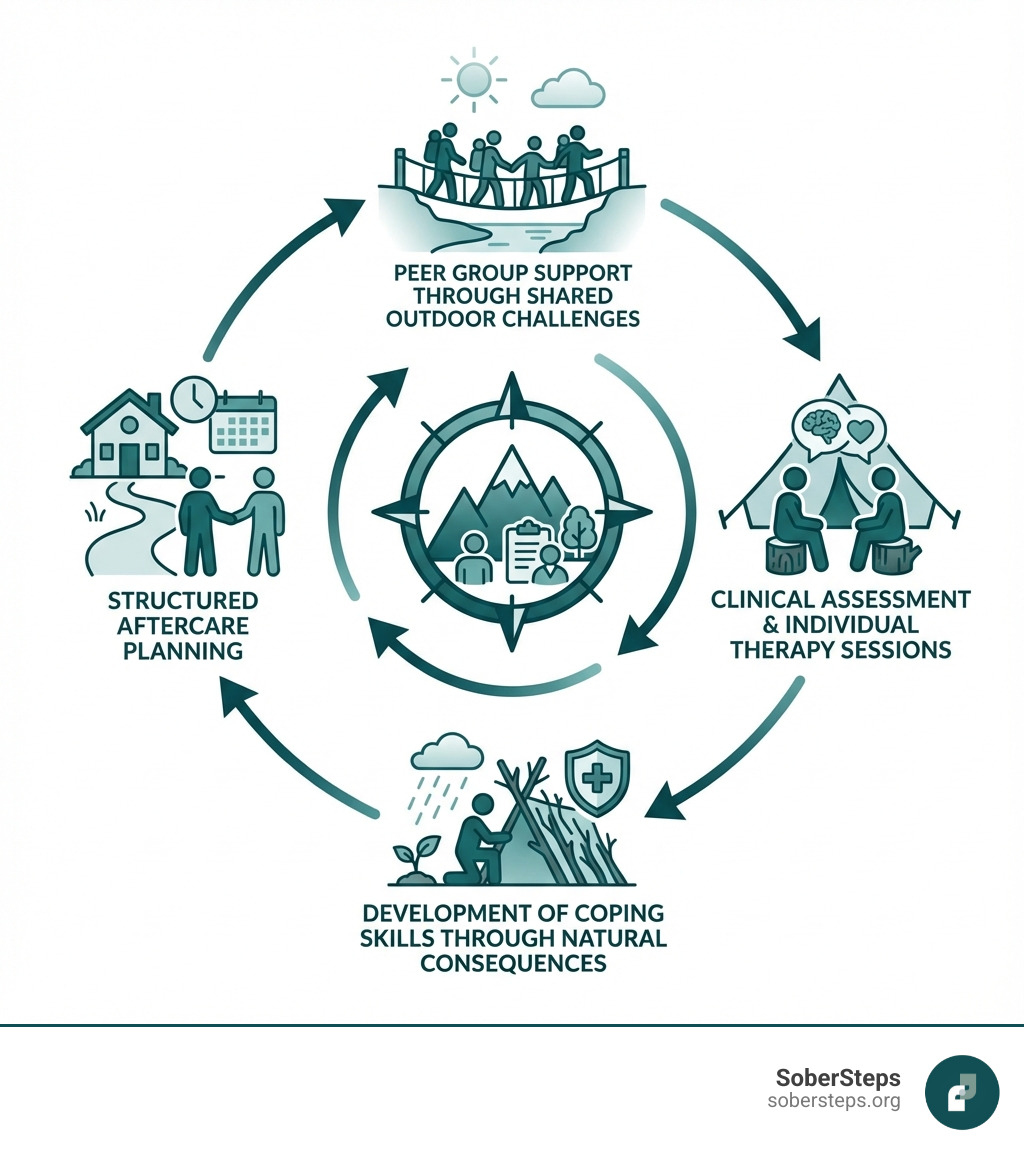
Wilderness Therapy, often referred to as Outdoor Behavioral Healthcare (OBH), is a treatment strategy that uses the unique environment of the wilderness to “kinetically engage clients on cognitive, affective, and behavioral levels,” as described by Psychology Today. It’s designed for adolescents with behavioral or mental health issues, guiding them to address problem behaviors by fostering personal and social responsibility and emotional growth. We find that the immersive nature of these programs can be profoundly impactful, offering a break from the distractions of daily life and fostering deep self-reflection.
At its core, Wilderness Therapy involves taking young people into remote outdoor environments for an extended period, where they live communally, engage in challenging activities, and participate in therapy. The U.S. Bureau of Land Management defines it as a less restrictive alternative to incarceration or hospitalization for youth with emotional or behavioral challenges.
Wilderness Therapy is distinct from recreational camps or even other nature-based interventions. While all these activities might involve being outdoors, true Wilderness Therapy programs integrate licensed therapists and structured clinical interventions directly into the outdoor experience. This means that while a recreational camp might teach survival skills, a Wilderness Therapy program uses those skills as a metaphor for personal growth and resilience, with therapeutic processing woven into every activity.
Unlike adventure therapy, which may involve high-adrenaline activities like rock climbing or zip-lining and doesn’t always include overnight stays, Wilderness Therapy typically involves prolonged immersion in the natural environment. This immersion is key to fostering a sense of personal responsibility, as participants must rely on themselves and their group for basic needs like shelter, food, and safety. This distinction is vital for families seeking specific therapeutic outcomes, as the intensity and duration of wilderness immersion are central to the therapeutic model.
The therapeutic process in Wilderness Therapy leverages several unique aspects of the outdoor setting. One significant factor is the formation of a strong therapeutic alliance between participants and staff. When removed from their usual environments and working together to overcome challenges, a bond of trust and mutual respect naturally forms.
Another powerful element is the reliance on natural consequences. In the wilderness, actions have immediate and tangible results. If you don’t secure your food, animals might get it. If you don’t work with your team, tasks become harder. This allows staff to step away from traditional roles of authority, letting nature itself become the “rule maker.” This approach helps participants understand the direct impact of their choices without feeling lectured, fostering a deeper sense of accountability. This concept is sometimes referred to as the “disequilibrium principle,” where novel situations in the wilderness challenge old patterns and create opportunities for new, healthier behaviors.
Research consistently points to a range of benefits from engaging with nature. Spending time outdoors has been shown to decrease adolescent depression, anxiety, and stress. Hiking in nature, for instance, reduces rumination—the negative pattern of thinking associated with depression. It also increases neuroplasticity, enhancing the brain’s ability to adapt and learn. These physiological and psychological shifts contribute to building healthy coping skills, a critical component for long-term well-being, especially for those struggling with mental health or substance use issues. For help with mental health or behavioral issues, we encourage you to call (844) 491-5566.
Wilderness Therapy programs generally follow two main models: the expedition model and the base camp model.
| Feature | Expedition Model | Base Camp Model |
|---|---|---|
| Duration | Typically 2-3 months | Typically 6-12 weeks |
| Immersion | Constant, 24/7 primitive camping and hiking | Regular returns to a central base camp |
| Activities | Long hikes, primitive skill mastery, survival skills | Adventure activities (rock climbing, ropes courses), shorter excursions |
| Focus | Deep introspection, self-reliance, coping with nature | Teamwork, mastery experiences, structured activities |
| Comforts | Very minimal, rustic | Some modern comforts, bunkhouse visits for hygiene |
In the expedition model, participants are continuously on the move, backpacking and camping for weeks or months. This constant immersion in the natural environment fosters deep introspection and resilience. Activities include long hikes, learning primitive skills like fire-starting and shelter-building, and navigating rough terrain.
The base camp model involves participants returning to a central camp after shorter wilderness excursions. This allows for a blend of primitive living with more structured adventure activities such as rock climbing, white-water rafting, or obstacle courses. These activities are carefully chosen to create “peak experiences” and “mastery experiences,” where individuals overcome challenges they previously thought impossible, leading to increased self-efficacy and confidence.
Both models integrate individual and group therapy sessions, often held around a campfire or during a hike. Group processing is a cornerstone, allowing participants to share experiences, receive feedback, and practice new social skills. For individuals in addiction recovery, these activities provide a powerful alternative to their previous habits, helping them replace destructive behaviors with positive, healthy experiences.

When considering any therapeutic intervention, we always look for evidence of its effectiveness and what typical outcomes can be expected. Wilderness Therapy is no exception, and research has shed light on who benefits and in what ways.
The effectiveness of Wilderness Therapy has been a subject of ongoing research, with studies showing mixed but often positive results, particularly for specific populations. A 2022 meta-analysis published in Criminal Justice and Behavior suggested that Wilderness Therapy may reduce delinquent behaviors among young participants. For childhood cancer survivors, programs have been found to increase social involvement, self-esteem, self-confidence, self-efficacy, social support, and physical activity, while potentially decreasing discomfort and psychological distress.
A 2016 meta-analysis of Wilderness Therapy outcomes for private-pay clients, published in the Journal of Child and Family Studies, also found positive effects. We’ve seen that consistent research from the Outdoor Behavioral Healthcare Research Cooperative (OBHRC) has contributed significantly to understanding the processes and outcomes. For instance, a 2010 study in the Journal of Therapeutic Schools and Programs noted that youth in these programs showed significant improvement in mood and behavior during treatment, with gains often maintained after returning home. Some follow-up studies have reported that a high percentage of clients (e.g., 83% in one 2004 study) were doing better years after treatment.
However, it’s important to acknowledge that the overall scientific evidence can be debated. Critics argue that some research on effectiveness has limitations, including a lack of comparison groups or potential biases in participant self-reporting. A 2024 study, for example, indicated that one in three teens sent to these programs did not meet clinical criteria for residential treatment, and a portion of these showed no improvement or even worsened. This highlights the ongoing need for more rigorous, independent research to fully understand the long-term success factors and optimize Wilderness Therapy interventions.
Adolescents who attend Wilderness Therapy programs typically present with a range of complex behavioral and mental health issues. Common characteristics and backgrounds include defiance, substance abuse, school problems, running away, and family conflict. Studies have shown that approximately 44% of clients had assaulted family or non-family members prior to admission, and about a third reported self-harm, including suicide attempts. Many struggle with mood disorders, anxiety, and trauma. Interestingly, clients often demonstrate above-average intelligence and academic achievement despite their behavioral challenges.
The goal of Wilderness Therapy is to replace negative coping behaviors with healthy strategies and skills. Typical outcomes often include:
While many participants experience significant positive changes, the journey isn’t over when the program ends. Success often hinges on the quality of aftercare and transitional support. Without a solid plan for reintegration and continued therapy, participants are at a higher risk of relapse into old behaviors.

The landscape of Wilderness Therapy in the United States is complex, marked by both promising therapeutic potential and significant historical and ongoing controversies. Understanding these realities is crucial for any family considering this path.
The “troubled-teen industry,” which includes Wilderness Therapy programs, is a multi-billion dollar business in the U.S. Annually, an estimated $23 billion in public funds is purportedly used to treat vulnerable youth in this sector. For families, the costs are substantial. A survey of 28 wilderness camps found that sending a child to one of these programs for 30 days costs, on average, $19,934. This translates to about $558 per day, often adding up to upwards of $50,000 for a typical program duration.
For most families, these costs present a significant financial burden. The role of insurance in covering Wilderness Therapy is limited and complex. Many health insurers do not currently cover these programs, viewing them as educational rather than purely medical, or citing a lack of specific accreditation or licensed medical staff. While some programs are working towards accreditation to facilitate insurance coverage, and the American Hospital Association recognized Wilderness Therapy in 2016, providing an insurance billing code, most operate on a private-pay model. This means that access to these programs is often restricted to wealthier families, raising questions of equity in mental healthcare.
The origins of modern Wilderness Therapy programs in the U.S. can be traced back to the 1960s, with some early programs started by former students of Brigham Young University. The first programs were often billed as “tough love” rehabilitation, using military-like discipline and survival skills in harsh desert environments. While some intentions may have been good, many early programs lacked regulation and qualified staff, leading to serious consequences.
Since the early 1990s, the industry has been plagued by allegations of abuse, neglect, and even deaths. More than a dozen teens have died while participating in Wilderness Therapy programs. Causes have ranged from dehydration and heat exhaustion to restraint-related injuries and hypothermia, as seen in the tragic case of a 17-year-old who died of hypothermia after running away from a North Carolina camp. In 2001, The New York Times reported 31 deaths at outdoor camps for troubled youths in 11 states since 1980.
Thousands of reports of child abuse and neglect have been documented in these programs over the years. In 2007 and 2008, the United States Government Accountability Office (GAO) held hearings addressing these widespread allegations. Their extensive report detailed inadequate care, insufficient food, reckless practices, and improper restraint. In one harrowing example from a GAO report, children were given minimal food during strenuous activity and forced to sit in 113-degree heat as punishment. These deeply concerning incidents have led to lawsuits and a persistent call for greater accountability. If you have concerns about a program or need to report a potential issue, call (844) 491-5566 for confidential guidance.
A significant contributing factor to the controversies is the glaring lack of consistent regulatory frameworks governing Wilderness Therapy programs in the U.S. There is no federal oversight, leaving a patchwork of state laws that vary wildly in their scope and enforcement. Many programs strategically operate in remote areas or states with loose regulations, making effective monitoring challenging.
This regulatory vacuum often leads to serious concerns regarding staff qualifications and training. Reports have highlighted instances of unqualified staff, sometimes young and inexperienced, lacking the necessary training or equipment to handle medical emergencies or provide adequate therapeutic support. A 2023 University of Pennsylvania journal, The Regulatory Review, reported that some currently operating Wilderness Therapy programs do not provide adequate counseling or enough qualified mental health professionals.
In response to these issues, industry organizations like the Outdoor Behavioral Health Council (OBHC) and the National Association of Therapeutic Schools and Programs (NATSAP) have emerged. They aim to establish best practices, promote ethical conduct, and offer accreditation processes. For instance, Blue Ridge Therapeutic Wilderness earned a six-year accreditation from the Association for Experiential Education (AEE) in 2023, described as the most rigorous in the field. While these self-regulatory efforts are positive steps, they do not replace comprehensive governmental oversight. Legislative efforts are underway in some states, like Montana, which passed HB218 in 2023 to revise program practices and add licensing requirements. Oregon was the first state to regulate “teen kidnapping” services in 2021, prohibiting practices like handcuffs and requiring state registration for transporters. These state-level actions are critical in an industry that has historically lacked sufficient external accountability.
Navigating Wilderness Therapy requires careful consideration of various perspectives, from the experiences of former participants to the potential risks and benefits for specific conditions like addiction. Making an informed decision means vetting programs thoroughly and understanding the nuances of this unique therapeutic approach.
The experiences of former Wilderness Therapy participants are diverse, often painting a complex picture. Some adults who attended these programs as teens recount profoundly positive, life-changing experiences, crediting the wilderness with helping them overcome significant challenges. They speak of improved self-esteem, newfound coping skills, and a deeper connection to nature.
However, a vocal and growing community of survivors describes deeply traumatic accounts. Many, like Sarah Stusek, recall the involuntary transport to these programs as feeling like a “kidnapping”—a deeply unsettling and potentially traumatizing start to a supposed therapeutic journey. Former participants often describe feeling “on guard at all times,” experiencing inadequate medical attention, and enduring harsh conditions that were more punitive than therapeutic. Advocacy groups like Breaking Code Silence and Unsilenced provide platforms for these survivors to share their stories and push for reform, highlighting the lasting trauma that unregulated or poorly run programs can inflict. These narratives underscore the critical importance of distinguishing between reputable, clinically sound programs and those that may cause more harm than good.
For individuals struggling with addiction, Wilderness Therapy presents a unique set of potential risks and benefits.
Potential Benefits for Addiction Treatment:
Potential Risks for Addiction Treatment:
We believe that for addiction treatment, Wilderness Therapy should always be integrated into a comprehensive, evidence-based treatment plan. It can be a powerful tool, but it must be applied thoughtfully and ethically, with a clear focus on the individual’s specific needs and a seamless transition to continued care. For confidential help with addiction, call (844) 491-5566 now.
Choosing a Wilderness Therapy program is a monumental decision. Given the industry’s complexities, diligent vetting is absolutely essential. We recommend consulting with an educational consultant who can help you steer the nuances of different programs and plan for aftercare. Here’s a list of questions we encourage you to ask:
Checking for State Licensure: Verify that the program is licensed in the state where it operates, especially in states like Colorado, Maine, North Carolina, Oregon, Utah, and Vermont, which have specific licensing requirements for Wilderness Therapy programs.
Verifying Accreditations: Look for accreditations from recognized U.S. organizations such as:
Red Flags in Marketing: Be wary of programs that make exaggerated claims, promise quick fixes, or use highly coercive language. Marketing materials that show idyllic scenes but lack details about clinical staff or therapeutic processes might be misleading. The GAO report from 2008 specifically highlighted how some programs employ deceptive marketing, including false statements and misleading representations. Always look beyond pretty pictures to the substance of the program.
The safety of Wilderness Therapy is a critical concern, and the answer is not straightforward. Reputable programs, especially those accredited by organizations like AEE or OBHC, adhere to strict safety protocols, maintain low incident rates, and employ trained staff. They prioritize medical checks, adequate nutrition, and emergency preparedness.
However, the industry has a documented history of safety failures and abuse, particularly among unregulated or poorly managed programs. Since the early 1990s, more than a dozen teens have died, and thousands of abuse and neglect reports have surfaced. These incidents often stem from inadequate staff training, insufficient food and water, reckless practices, and improper restraint. Therefore, while well-vetted programs can be safe, thorough parental due diligence is absolutely crucial to avoid programs with a history of safety issues.
Insurance coverage for Wilderness Therapy is generally rare and complex. Most programs operate on a private-pay model, meaning families bear the full cost upfront. While the American Hospital Association recognized Wilderness Therapy in 2016 and provided an insurance billing code, this doesn’t guarantee coverage. Many insurers view these programs as educational rather than medical, or they may dispute the “medical necessity” of the wilderness component.
Some families work with third-party billing services to seek partial reimbursement for the clinical, therapeutic components of the program, but this is not guaranteed and can be a lengthy process. It’s essential to contact your health insurance provider directly to understand any potential benefits for out-of-network mental health residential treatment and to inquire about specific coverage for Wilderness Therapy.
What happens after a Wilderness Therapy program ends is often as critical as the program itself. Success heavily depends on a structured and well-planned aftercare strategy. It’s rare for participants to simply return home without further support. Instead, many transition to other therapeutic settings, such as therapeutic boarding schools, residential treatment centers, or intensive outpatient programs.
Without appropriate follow-up care and a plan for reintegration, participants are at a high risk of relapsing into old behaviors or struggling to maintain the gains they made in the wilderness. Effective aftercare involves continued individual and family therapy, academic support, and strategies to apply newly learned coping skills in their home environment. Programs should work with families and educational consultants to ensure a seamless transition and a sustained path to healing.
Wilderness Therapy can be a powerful, transformative experience for adolescents and young adults struggling with mental health issues, behavioral disorders, and substance abuse. It offers a unique environment for growth, self-findy, and the development of essential life skills. We’ve seen how the immersive power of nature, combined with structured therapeutic interventions, can lead to profound and lasting change for many.
However, we also recognize the significant pitfalls of this industry, marked by high costs, a history of controversy, and inconsistencies in regulation and staff qualifications. The narratives of survivors serve as a stark reminder that while the promise of healing in nature is real, the execution must be ethical, safe, and clinically sound.
For families navigating these challenging decisions, due diligence is paramount. We encourage you to thoroughly vet any program, ask probing questions, and seek out accredited facilities with licensed professionals and clear, evidence-based therapeutic models. The path to healing is unique for every individual and family.
At SoberSteps, we understand the complexities of finding the right support. We provide a confidential and anonymous platform to explore treatment options for mental health and substance use, helping you make informed choices that prioritize safety and effective care. If you need help navigating these difficult decisions, don’t hesitate to reach out. Call our 24/7 helpline at (844) 491-5566 or find confidential help now.

Find safe alcohol detox near you. Learn about withdrawal, treatment options, and start your recovery journey today with expert help.
Ready for change? Explore 28 day rehabs near me. Understand the journey, costs, and take your first step to lasting recovery.
Your guide to confidential mental health support. Learn privacy rights, recognize signs, and find trusted, private care. Call (844) 491-5566.