Relapse Prevention in Addiction: Signs, Risks, and Solutions
Why Relapse Prevention Matters in Your Recovery Journey
Relapse Prevention is a critical set of skills and strategies that helps individuals maintain sobriety and avoid returning to substance use after treatment. If you’re seeking information on relapse prevention, here’s what you need to know right away:
Core Elements of Relapse Prevention:
Recognizing Warning Signs – Emotional, mental, and physical stages that lead to relapse
Identifying Triggers – People, places, emotions, and situations that increase risk
Building Coping Skills – Healthy ways to manage stress, cravings, and difficult emotions
Creating Support Systems – Connecting with peers, professionals, and loved ones
Developing a Written Plan – A personalized roadmap with specific actions for high-risk moments
Important Reality: Research shows that relapse rates are approximately 50% within the first 12 weeks after completing intensive inpatient programs. This isn’t a sign of failure—addiction is a chronic disease, and relapse can be a common part of the recovery process. The key is having proactive strategies in place.
Recovery is a journey, not a destination. It requires ongoing commitment, self-awareness, and the right support system. The good news? With the right tools and a solid relapse prevention plan, you can significantly reduce your risk and build a fulfilling life in sobriety.
If you’re struggling right now and need immediate, confidential support, call us at (844) 491-5566. Our compassionate team is available 24/7 to help you find the treatment and resources you need.
At Sober Steps, we understand the challenges of maintaining recovery because we’ve dedicated ourselves to providing confidential, anonymous support for individuals navigating mental health and substance use disorders. Our comprehensive approach to Relapse Prevention connects you with evidence-based strategies, treatment resources, and a supportive community to help you succeed at every stage of your recovery journey.
Understanding the Path to Relapse
When we talk about relapse, it’s easy to picture a sudden, dramatic event. However, this isn’t usually the case. Relapse is almost always a progressive process, not an abrupt incident. Think of it like a winding road with clear warning signs along the way. Pioneering work by G. Alan Marlatt and Terence Gorski has helped us understand this process, allowing us to intervene much earlier.
A crucial distinction in Relapse Prevention is understanding the difference between a “lapse” and a “relapse.” A lapse, sometimes called a “slip-up,” is a single instance of substance use after a period of abstinence. It’s like taking one wrong turn on our winding road. A relapse, on the other hand, implies a return to a previous, uncontrolled pattern of substance use—it’s getting completely lost and heading back to square one.
The way we respond to a lapse is critical. Viewing a lapse as an absolute failure can trigger the “Abstinence Violation Effect” (AVE), where guilt and shame lead to further use. Instead, we encourage viewing a lapse as a learning opportunity, a chance to identify what went wrong and adjust our plan to prevent a full-blown relapse. It’s a chance to re-evaluate, strengthen our coping skills, and get back on track.
The Three Stages of Relapse
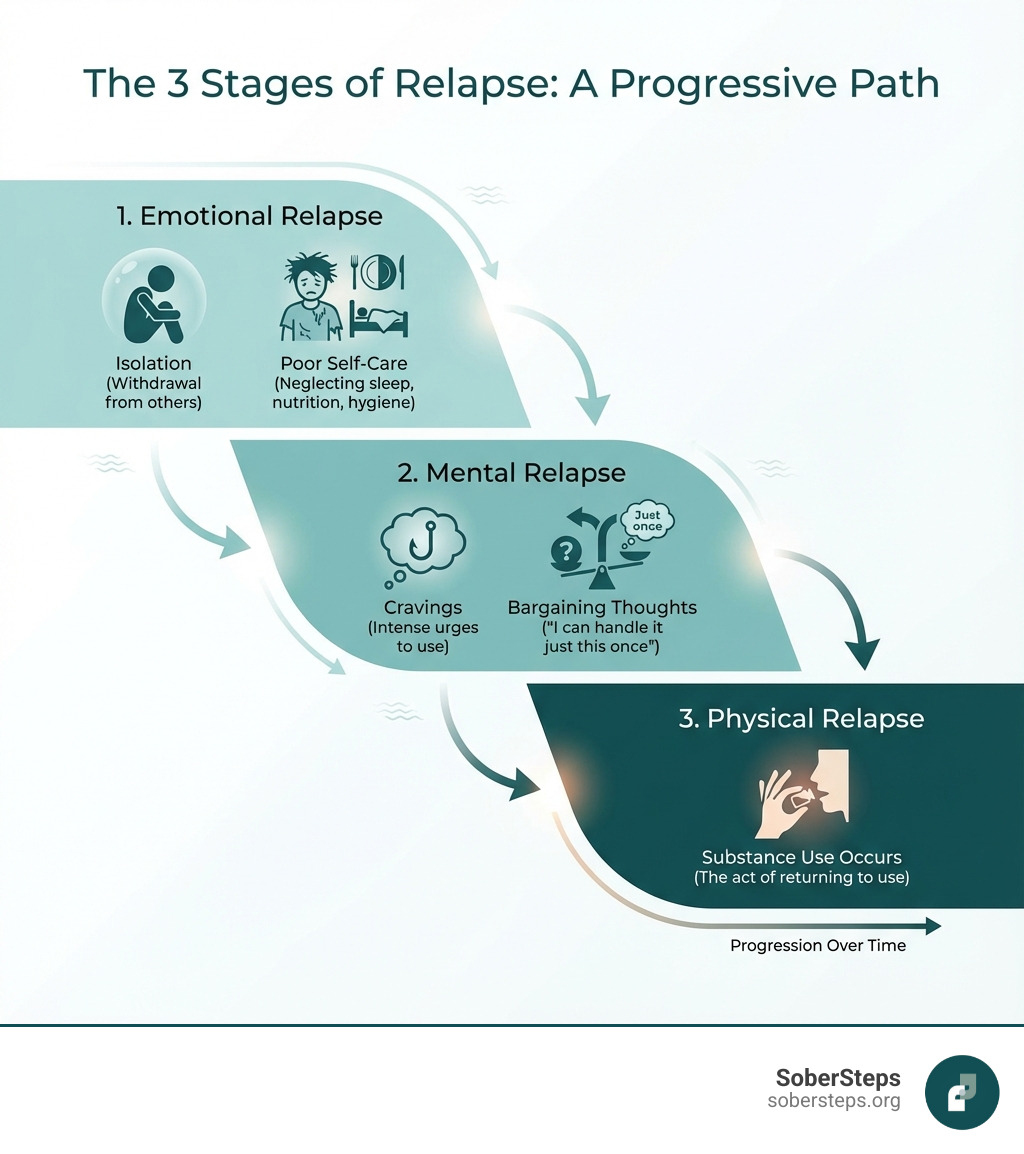
Relapse unfolds in distinct stages, often starting long before any substance is consumed. Recognizing these stages is paramount for effective Relapse Prevention.
1. Emotional Relapse: This is the earliest stage, where individuals aren’t actively thinking about using but their emotions and behaviors are setting the stage for future vulnerability. The common denominator here is often poor self-care. – Signs: Bottling up emotions, isolating from others, poor eating habits, irregular sleep, neglecting self-care, feeling overwhelmed, anxiety, anger, irritability, defensiveness, not asking for help, and neglecting recovery routines like attending meetings. We might start to feel “HALT” – Hungry, Angry, Lonely, or Tired – which are prime conditions for emotional instability.
2. Mental Relapse: At this stage, there’s an internal battle. The individual starts contemplating substance use. – Signs: Cravings for substances become more frequent or intense, thinking about people, places, or things associated with past use, glamorizing past use (forgetting the negative consequences), minimizing the severity of past problems, bargaining with oneself (“just one time”), lying to others or oneself about thoughts and actions, and actively planning a relapse. This stage involves a significant internal struggle between the desire to use and the desire to remain abstinent.
3. Physical Relapse: This is the final stage, where the individual actually consumes the substance. – Signs: This stage is marked by the act of using drugs or alcohol. It often begins with a lapse, which, if not addressed quickly and effectively, can escalate into a full return to previous patterns of substance use.
Post-Acute Withdrawal Syndrome (PAWS)
A significant and often underestimated risk factor for relapse, especially in early recovery, is Post-Acute Withdrawal Syndrome (PAWS). While acute withdrawal symptoms subside after detoxification, PAWS can linger for an extended period, sometimes up to 2 years.
PAWS symptoms are unpredictable and can include:
Mood swings
Anxiety and panic attacks
Low energy and fatigue
Sleep disturbances (insomnia or vivid dreams)
Difficulty concentrating or memory problems
Increased sensitivity to stress
Difficulty managing emotions
The unpredictable nature and discomfort of PAWS symptoms can make individuals feel like they aren’t progressing, leading to frustration and increased vulnerability to relapse. Learning to identify and manage PAWS symptoms through therapy, self-care, and support is a crucial aspect of early Relapse Prevention.
Building a Strong Defense: Key Relapse Prevention Strategies
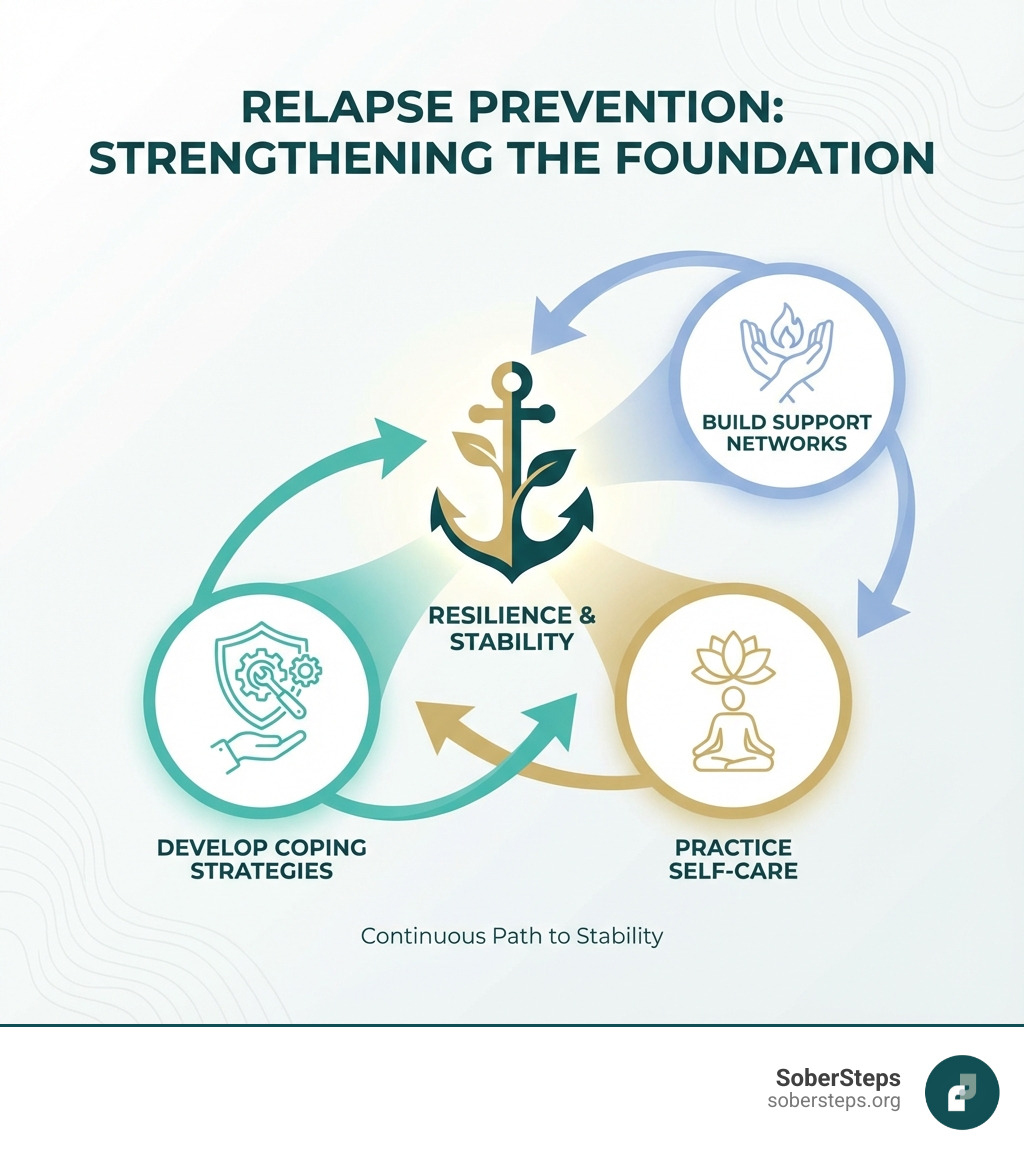
Effective Relapse Prevention isn’t about having a magic shield; it’s about building a robust defense system. This involves a proactive approach, anticipating challenges and equipping ourselves with the tools to steer them, rather than reacting only when a crisis hits. Taking personal responsibility for our recovery means actively engaging in strategies that support our sobriety. For immediate, anonymous support, call (844) 491-5566.
Identify and Manage Your Triggers
Triggers are like tripwires that can set off cravings or thoughts of using. They can be internal or external, and identifying them is the first step in disarming them.
Internal Triggers: These come from within us. They include emotions (stress, anxiety, depression, anger, boredom, loneliness), thoughts (glamorizing past use, feeling hopeless), and physical sensations (PAWS symptoms, general discomfort). Stress, in particular, is a major trigger, as individuals with addiction are often more vulnerable to its effects.
External Triggers: These are outside influences. They can be people (old using buddies, conflict with loved ones), places (bars, old neighborhoods), things (paraphernalia, money), or even specific times (weekends, holidays).
A useful tool for identifying internal triggers is the HALT acronym:
Hungry: Low blood sugar or physical discomfort can make us irritable and vulnerable.
Angry: Unresolved anger or resentment can fuel a desire to escape.
Lonely: Isolation and lack of connection are potent relapse risks.
Tired: Exhaustion compromises our ability to cope and make sound decisions.
Creating a “trigger inventory” is a highly effective Relapse Prevention strategy. This involves writing down every internal and external trigger you can identify and, for each, listing healthy coping mechanisms or avoidance strategies.
The Five Rules of Recovery
Dr. Stephen M. Melemis outlined “The Five Rules of Recovery” in the Yale Journal of Biology and Medicine, providing a simple yet powerful framework for maintaining sobriety. These rules guide individuals in making choices that support long-term recovery.
Change Your Life: This is arguably the most important rule. Recovery isn’t just about stopping substance use; it’s about creating a new life where it’s easier to stay sober. This means addressing underlying issues, changing old habits, and finding new sources of fulfillment. As the saying goes, “If nothing changes, nothing changes.”
Be Completely Honest: Honesty, especially within your “recovery circle” (therapist, sponsor, trusted family, and friends), is crucial. Secrecy is often called “fertilizer for lapses” because it prevents us from seeking help when we need it most.
Ask for Help: You don’t have to do this alone. Asking for help means reaching out to your support network, whether it’s a sponsor, therapist, or a trusted friend. Support groups like AA/NA are built on this principle.
Practice Self-Care: This isn’t selfishness; it’s essential for sustained recovery. Self-care includes adequate sleep, healthy eating, exercise, managing stress, and engaging in activities that bring joy and relaxation. Ignoring self-care can lead to feeling HALT and increase relapse risk.
Don’t Bend the Rules: This means committing fully to your Relapse Prevention plan and recovery program. Looking for loopholes or trying to do recovery “your way” often leads back to old patterns. Consistency and adherence to established guidelines are key.
No one recovers alone. Building a strong and diverse support network is a cornerstone of effective Relapse Prevention.
Peer Support: Connecting with others who have similar experiences is incredibly powerful. Peer support from individuals with lived experience can maintain motivation, reduce feelings of isolation, and provide invaluable insights. Research supports the effectiveness of peer-delivered recovery support services.
Support Groups: Organizations like Alcoholics Anonymous (AA), Narcotics Anonymous (NA), and SMART Recovery offer structured environments for peer support, sharing experiences, and learning coping strategies. Regular attendance at these meetings significantly increases the likelihood of long-term sobriety.
Professional Therapy: Individual and group therapy sessions with qualified addiction specialists provide personalized guidance, help process trauma, and equip individuals with clinical coping skills.
Family and Friends: Rebuilding trust and fostering healthy relationships with supportive family members and friends who are not associated with past substance use is vital. They can offer emotional support, accountability, and a sense of belonging.
Sponsorship: In 12-step programs, a sponsor is an experienced member who guides a newcomer through the steps and provides personal support. This mentorship can be a lifeline during challenging times.
Our compassionate team at SoberSteps can help you explore options and connect with the right support system for your journey; call us for confidential support at (844) 491-5566.
Evidence-Based Therapies and Techniques for Sustained Recovery
While personal commitment and peer support are vital, professional treatment offers evidence-based therapies and techniques that significantly improve the chances of long-term recovery. Combining these professional strategies with personal efforts creates a powerful framework for Relapse Prevention. Our team is available 24/7 at (844) 491-5566 to guide you through these options.
Evidence-Based Therapies for Relapse Prevention
Several therapeutic approaches have strong empirical support for their effectiveness in Relapse Prevention:
Cognitive Behavioral Therapy (CBT): This therapy helps individuals identify and change negative thought patterns and behaviors that contribute to substance use. CBT equips individuals with skills to cope with cravings, manage high-risk situations, and develop healthier responses to stress. It’s a cornerstone of many Relapse Prevention programs. Research on CBT for alcohol dependence has shown its significant impact on recovery outcomes.
Motivational Interviewing (MI): MI is a collaborative, person-centered form of guidance designed to strengthen an individual’s motivation for and commitment to change. It helps individuals explore and resolve their ambivalence about sobriety. MI is highly effective, with studies showing effect sizes of up to d=0.5, indicating a strong correlation with positive outcomes in addiction recovery.
Contingency Management (CM): CM uses motivational incentives, often in the form of vouchers or privileges, to reinforce positive behaviors like abstinence. Patients receive rewards for negative drug tests or adherence to treatment goals. These programs are among the most effective interventions in addiction recovery, with effect sizes of up to d=0.62.
Mind-Body and Relaxation Techniques
Integrating mind-body practices can dramatically improve emotional regulation, reduce stress, and help manage cravings, all crucial elements of Relapse Prevention.
Mindfulness-Based Relapse Prevention (MBRP): This innovative approach combines traditional Relapse Prevention strategies with mindfulness meditation. MBRP teaches individuals to observe their thoughts, feelings, and cravings without judgment, allowing them to pass without being acted upon. A systematic review of Mindfulness-Based Relapse Prevention highlights its effectiveness in reducing cravings and increasing self-awareness, helping individuals remain clean and sober longer.
Meditation: Regular meditation practice can train the mind to be more present, reducing rumination on past use or anxiety about the future.
Yoga: Combines physical postures, breathing exercises, and meditation to promote physical and mental well-being, reducing stress and improving mood.
Deep Breathing Exercises: Techniques like 4×4 breathing (inhaling for 4 counts, holding for 4, exhaling for 4) can be used anywhere, anytime, to calm the nervous system, reduce anxiety, and manage acute cravings.
These techniques help individuals develop a sense of “comfort with discomfort,” understanding that negative feelings are normal and don’t necessarily require a substance to cope.
Medication-Assisted Treatment (MAT)
For many, medication-assisted treatment (MAT) is a vital component of Relapse Prevention, especially for alcohol and opioid use disorders. These medications, when prescribed and monitored by a healthcare professional, can reduce cravings, block the effects of substances, and help maintain abstinence.
Disulfiram: Used for alcohol use disorder, Disulfiram creates an unpleasant physical reaction (nausea, vomiting, headache) when alcohol is consumed. It has been shown to be superior to other medications when used in observed dosing, acting as a powerful deterrent.
Naltrexone: Available in oral and injectable forms, Naltrexone helps reduce alcohol cravings and blocks the euphoric effects of opioids. For alcohol use disorder, Naltrexone use is associated with a reduced risk of relapse, with a number-needed-to-treat (NNT) to prevent a return to any drinking of 20.
Acamprosate: Also used for alcohol use disorder, Acamprosate helps reduce post-acute withdrawal symptoms like anxiety and sleeplessness. It has an NNT to prevent a return to any drinking of 12.
Methadone and Buprenorphine: These medications are critical for opioid use disorder. They work by stabilizing brain chemistry, reducing cravings, and preventing withdrawal symptoms. Methadone has demonstrated a lower rate of relapse compared with buprenorphine in some studies.
Here’s a quick comparison of common medications for Alcohol Use Disorder:
Note: There is limited or insufficient evidence for specific medications for cannabis and methamphetamine relapse prevention.
Navigating the Long-Term Stages of Recovery
Recovery is a dynamic journey, not a static state. It’s a process of personal growth with developmental milestones, each presenting its own unique challenges and risks for relapse. Understanding these stages allows us to tailor our Relapse Prevention strategies over time.
Abstinence Stage (1 to 2 years): This initial phase focuses on establishing sobriety and learning basic coping skills.
Repair Stage (2 to 3 years): Individuals begin to address the damage caused by addiction and work on rebuilding their lives.
Growth Stage (3 to 5+ years and beyond): This long-term phase is about sustained personal development, finding new purpose, and integrating recovery into a fulfilling life.
Relapse Risks in Early Recovery (Abstinence Stage)
The abstinence stage, typically lasting 1 to 2 years, is often the most challenging and relapse-prone period. The brain is still healing, and individuals are learning to steer life without substances.
High Risk of Relapse: The initial weeks and months are critical, with high relapse rates.
Navigating PAWS: Post-Acute Withdrawal Syndrome symptoms are most pronounced, making emotional regulation difficult.
Learning to Cope Without Substances: Individuals must develop new ways to handle stress, boredom, and difficult emotions, as old coping mechanisms are no longer an option.
Establishing New Routines: Creating a structured, recovery-oriented daily life is essential to replace old patterns.
Overcoming Initial Challenges: This includes managing intense cravings, avoiding high-risk situations, and building a supportive network from scratch.
Relapse Risks in Mid-Stage Recovery (Repair Stage)
Lasting approximately 2 to 3 years, the repair stage shifts focus from initial abstinence to healing and rebuilding.
Addressing Underlying Issues: This often involves confronting trauma, mental health disorders, and other root causes of addiction. This can be emotionally taxing and temporarily increase vulnerability.
Rebuilding Relationships: Mending broken trust with family and friends, and establishing healthy boundaries, can be a complex and painful process.
Dealing with Guilt and Shame: Processing the consequences of past actions can lead to intense feelings that, if not managed, can trigger a desire to escape.
Risk of Complacency: As time passes, some may start to feel overconfident, neglecting their recovery routines or believing they are “cured.”
Believing You Are ‘Cured’: This dangerous thought can lead to testing boundaries or reducing engagement with support, increasing relapse risk.
Relapse Risks in Long-Term Recovery (Growth Stage)
The growth stage typically begins 3 to 5 years after stopping substance use and is a lifetime path. While the immediate threat of relapse may lessen, new challenges emerge.
Maintaining Vigilance: The need for ongoing self-awareness and attention to Relapse Prevention strategies remains crucial.
Finding New Purpose and Meaning: Developing a fulfilling life beyond addiction, including career, hobbies, and relationships, is a key task.
Dealing with Major Life Changes: Significant life events—both positive (new relationships, career success) and negative (job loss, death of a loved one)—can be highly stressful and trigger old coping mechanisms if not managed effectively.
Recovery as a Lifelong Commitment: Understanding that recovery is an ongoing process, not a destination, helps maintain a proactive stance against relapse.
Creating Your Personalized Relapse Prevention Plan
A comprehensive, written Relapse Prevention plan is your personal roadmap for navigating the challenges of recovery. It’s not just a good idea; it’s a vital tool that can literally save your life. This plan should be accessible, reviewed regularly, and custom precisely to your unique triggers, strengths, and support systems. Need help creating a plan? Call our confidential line at (844) 491-5566.
Key Components of an Effective Relapse Prevention Plan
A well-crafted Relapse Prevention plan is a living document that evolves with your recovery. Here are the essential elements we recommend including:
A Detailed List of Personal Triggers: Go beyond general categories. What specific emotions, thoughts, people, places, or situations have led you to use in the past? Be as specific as possible.
Specific Coping Strategies for Each Trigger: For every trigger identified, list at least one or two healthy ways you will cope. For example, if stress is a trigger, your coping strategy might be “go for a run,” “call my sponsor,” or “practice deep breathing.”
A List of Support Contacts with Phone Numbers: Include your sponsor, therapist, trusted family members, and friends in recovery. Make sure this list is easily accessible.
An Emergency Plan for Intense Cravings: What will you do if a craving feels overwhelming? This might involve calling a specific person, going to a meeting, engaging in a distracting activity, or using a specific grounding technique.
A Schedule for Self-Care Activities and Meetings: Integrate daily self-care (exercise, healthy meals, sufficient sleep) and regular attendance at support group meetings into your routine. This helps build resilience and prevents the “HALT” triggers.
Short-Term and Long-Term Goals: What do you want to achieve in recovery? Break down big goals into smaller, manageable steps to maintain motivation.
Accountability Methods: How will you hold yourself accountable? This could involve regular check-ins with your sponsor or therapist, journaling, or reviewing your plan with a trusted individual.
Strategies for “Playing the Tape Through”: When tempted to use, visualize the full sequence of events – from the initial high to the inevitable negative consequences. This can reinforce your commitment to sobriety.
Lapse Management Plan: Outline the steps you will take if you experience a lapse. This should include immediately contacting your support system, reassessing triggers, and recommitting to your recovery plan.
Putting Your Plan into Action
Creating the plan is only half the battle; implementing it consistently is where the magic happens.
Reviewing the Plan Regularly: Don’t just write it and forget it. Review your plan daily or weekly to keep it fresh in your mind and make necessary adjustments.
Sharing the Plan with a Therapist or Sponsor: This provides an extra layer of accountability and allows them to offer feedback and support.
Practicing Skills Before They Are Needed: Don’t wait for a crisis to try out a new coping mechanism. Practice mindfulness, deep breathing, or assertive refusal skills regularly so they become second nature.
Being Flexible and Updating the Plan: As you grow in recovery, your triggers might change, and your coping skills will evolve. Be open to revising your plan to reflect your current needs and progress.
Conclusion: Embracing a Future of Sobriety
Recovery is not merely the absence of substance use; it’s the presence of a fulfilling, meaningful life. While the path to sobriety can be challenging, we firmly believe that recovery is possible for everyone. Relapse Prevention is not about avoiding failure; it’s about acquiring a robust set of skills and strategies that empower you to steer life’s inevitable ups and downs without resorting to old patterns.
A proactive, personalized Relapse Prevention plan is your best defense, providing a clear roadmap and a powerful toolkit for maintaining your sobriety. It embodies hope and empowerment, reminding you that you have the strength and the resources to face any challenge.
At SoberSteps, we are dedicated to supporting you every step of the way. We provide a confidential and anonymous platform to help you find the help you need, connecting you with evidence-based treatments and a community that understands. Don’t let fear or uncertainty hold you back from the life you deserve. Take the first step towards lasting recovery by calling (844) 491-5566 or visiting our website. Your journey to a healthier, happier future starts now.
For anyone seeking help for addiction for themselves or a loved one calls to Sober Steps are completely confidential and available 24/7.
Please note: any treatment center listed on our site that receives calls is a paid advertiser.
Calls to a specific treatment center’s listing will be connected directly to that center.
Calls to our general helpline will be answered by treatment providers, all of whom are paid advertisers.
By calling the helpline, you agree to our terms and conditions. These calls are free of charge and carry no obligation to enter treatment. Neither Sober Steps nor anyone answering your call receives a commission or fee based on your choice of treatment provider.
If you’d like to explore additional treatment options or connect with a specific rehab center, you can browse our top-rated listings, visit our homepage, or call us at (844) 491-5566. You may also contact us for further assistance.