Individual Therapy: Effective Treatment for Addiction Recovery
Understanding Individual Therapy as a Cornerstone of Recovery
Individual Therapy is a confidential, one-on-one treatment approach where you work directly with a licensed mental health professional to address the emotional, psychological, and behavioral factors contributing to addiction. Here’s what you need to know:
What it is: Private sessions between you and a therapist focused on your unique recovery needs
How it helps: Identifies root causes of addiction, builds coping skills, and prevents relapse
Who provides it: Licensed counselors, psychologists, social workers, and psychiatrists (96% of U.S. treatment facilities offer it)
What to expect: Weekly sessions lasting 45-60 minutes in a safe, judgment-free environment
Proven approaches: CBT, DBT, EMDR, and other evidence-based methods custom to you
Confidentiality: Complete privacy protected by law, with rare exceptions for immediate safety concerns
If you’re struggling with addiction, you’re not alone—1 in 5 U.S. adults face mental health challenges, and at least 20% of people with mental health conditions also have a co-occurring substance use disorder. The overwhelming isolation and shame can make it feel impossible to move forward, but individual therapy offers a proven path out.
Unlike group sessions or couples counseling, individual therapy gives you undivided attention from a trained professional who helps you understand the why behind your substance use. It’s a safe space to process trauma, develop healthier thought patterns, and practice new behaviors without fear of judgment. Research consistently shows that therapy can be as effective as medication for conditions like depression and anxiety—and often works better when treating the whole person, not just symptoms.
The journey from addiction to recovery isn’t just about stopping substance use. It’s about rebuilding your life, repairing relationships, and refinding who you are without substances controlling your decisions. Individual therapy addresses the environmental, situational, and social triggers that threaten your sobriety, while helping you process past traumas that may fuel addictive behaviors. Many people find that the skills they learn in therapy—stress management, emotional regulation, healthy communication—continue to serve them long after treatment ends.
At Sober Steps, we’ve guided thousands of individuals through their recovery journey by connecting them with qualified therapists who specialize in addiction treatment. Our confidential matching service ensures you find the right therapeutic fit for your unique needs. Call (844) 491-5566 now for a free, confidential consultation—our team is available 24/7 to help you take the first step.
The Core Benefits of Individual Therapy for Addiction
When you start on the path of recovery, the idea of facing your struggles alone can feel daunting. That’s where Individual Therapy steps in, offering a guide of hope and a structured path forward. It’s a unique opportunity to dig deep into your personal story, motivations, and challenges in a setting designed for your growth.
One of the primary goals of Individual Therapy is to provide a safe, private space where you can explore issues from your past or current situation without fear of judgment or criticism. Our therapists understand that understanding your unique journey is the first step to healing. This personalized approach allows us to develop a customized plan, offering support, tools, and care for meaningful, lasting change.
A significant benefit is the ability to address the specific issues or conditions that fuel addiction. For many, substance use is intertwined with underlying mental health concerns. Research indicates that at least 20% of people with mental health conditions also have a co-occurring substance use disorder, and for some conditions like schizophrenia, this number can be as high as 50%. This dual diagnosis requires integrated care, and individual therapy is an ideal setting to treat these conditions simultaneously. Whether it’s anxiety, depression, mood disorders, or eating disorders, individual therapy provides a focused environment to heal both the addiction and its contributing factors. You can learn more about how we support overall mental well-being at our Mental Health Clinic.
Building a Foundation for Lasting Sobriety
Individual Therapy isn’t just about stopping substance use; it’s about building a robust foundation for a life free from addiction. Through one-on-one sessions, you’ll gain invaluable self-awareness, understanding the triggers and patterns that lead to substance use. This deeper insight empowers you to develop effective emotional regulation and stress management techniques, replacing old, destructive coping mechanisms with healthy, sustainable ones.
Our therapists work with you to improve communication skills, foster healthier relationships, and boost your self-esteem. As you process past experiences, including trauma, you’ll find yourself developing resilience and confidence. Many people with substance use disorders have experienced trauma and suffer from post-traumatic stress disorder (PTSD), making individual therapy a crucial space to acknowledge and process these past traumatic experiences. This process helps reduce the risk of symptoms returning long after therapy has ended. We also offer specialized support to Help With Cravings, equipping you with strategies to manage urges effectively.
A Confidential and Personalized Path
The one-on-one nature of Individual Therapy ensures that you receive undivided attention, allowing for a deeply personalized treatment experience. Your therapist tailors each session to your unique needs, goals, and preferences, making the journey truly yours. This focused attention is a relatively unique feature of individual therapy, ensuring that your story and struggles are at the forefront of every discussion.
Confidentiality is paramount, creating an environment where you feel safe enough to explore vulnerable topics without reservation. This privacy fosters trust, which is the bedrock of the therapeutic alliance – the collaborative relationship between you and your therapist. Data shows that this therapeutic relationship directly affects the success of addiction treatment. When you feel comfortable and understood, you’re more likely to be open and honest, which in turn allows your therapist to provide the most effective support. We prioritize this bond, knowing it’s essential for your healing. If you’re ready to start your confidential journey, call (844) 491-5566 for a confidential assessment.
Proven Therapeutic Approaches for Addiction Recovery
The world of Individual Therapy offers a rich mix of approaches, each designed to address different facets of your recovery journey. At SoberSteps, we believe in utilizing evidence-based practices that have been rigorously studied and shown to be effective. Our goal is to help you find the right fit, ensuring the therapeutic modality aligns with your unique needs and challenges. We offer comprehensive Behavioral Health Support to guide you through these options. Call (844) 491-5566 to discuss therapy options and find out what might work best for you.
Cognitive Behavioral Therapy (CBT)
Cognitive Behavioral Therapy (CBT) is one of the most widely recognized and effective types of Individual Therapy, particularly for addiction and co-occurring mental health conditions like anxiety and depression. The core idea behind CBT is that our thoughts, feelings, and behaviors are interconnected, and by changing one, we can influence the others.
In CBT, you’ll learn to identify and challenge negative thought patterns that contribute to substance use. For example, if you often think, “I can’t cope with stress without a drink,” CBT helps you reframe that thought and explore healthier coping strategies. It’s a practical, goal-oriented approach where you learn concrete skills to modify behaviors and manage triggers. Studies have shown that CBT can be a vital part of addiction treatment, with patients learning to modify thought and behavioral patterns. In fact, one study reported that 60% of patients in a CBT condition provided clean toxicology screens at their one-year check-ups. Your therapist might assign “homework” exercises, like journaling or practicing new coping skills, to reinforce what you learn in sessions. For more in-depth information on its impact, you can explore CBT’s effectiveness in addiction treatment.
Dialectical Behavior Therapy (DBT)
Dialectical Behavior Therapy (DBT) is an adaptation of CBT that places a strong emphasis on emotional regulation and distress tolerance. It’s particularly effective for individuals who experience intense emotions, struggle with self-harm, or have co-occurring mental health disorders, such as Borderline Personality Disorder, which often accompany addiction.
DBT focuses on four key skill areas:
Mindfulness: Learning to be present in the moment and observe thoughts and feelings without judgment.
Distress Tolerance: Developing strategies to cope with intense, painful emotions and situations without resorting to destructive behaviors like substance use.
Interpersonal Effectiveness: Improving communication and relationship skills, helping you steer social situations more effectively.
Emotion Regulation: Understanding, identifying, and managing your emotional responses to reduce vulnerability to mood swings and impulsive actions.
Through DBT in Individual Therapy, you gain a powerful toolkit to manage the ups and downs of recovery, especially when dealing with the intense emotional challenges that often arise.
Eye Movement Desensitization and Reprocessing (EMDR)
For many individuals, addiction is deeply rooted in past trauma. Eye Movement Desensitization and Reprocessing (EMDR) is a specialized Individual Therapy approach designed to help process distressing memories and reduce their emotional impact. It’s commonly used for trauma, including PTSD, but can be just as effective for the memories and fears linked to addiction.
During EMDR sessions, your therapist guides you through a structured process where you recall traumatic events while simultaneously engaging in bilateral stimulation, often through eye movements. This process helps your brain reprocess the memory, reducing its emotional intensity and allowing you to develop new, healthier perspectives. Addiction itself can be traumatic, and fears of relapse can feel debilitating. EMDR helps individuals grow less sensitive to triggers and past experiences, empowering them to move forward. You can find more information on EMDR for trauma and addiction.
What to Expect on Your Individual Therapy Journey
Starting Individual Therapy can feel like stepping into the unknown, but knowing what to expect can ease any anxieties. Our approach at SoberSteps is collaborative, meaning you and your therapist work together as partners, setting goals and navigating your journey. We believe in transparency and support every step of the way, making sure you feel comfortable and informed. This is a crucial part of our comprehensive Substance Abuse Treatment programs.
Your First Individual Therapy Session
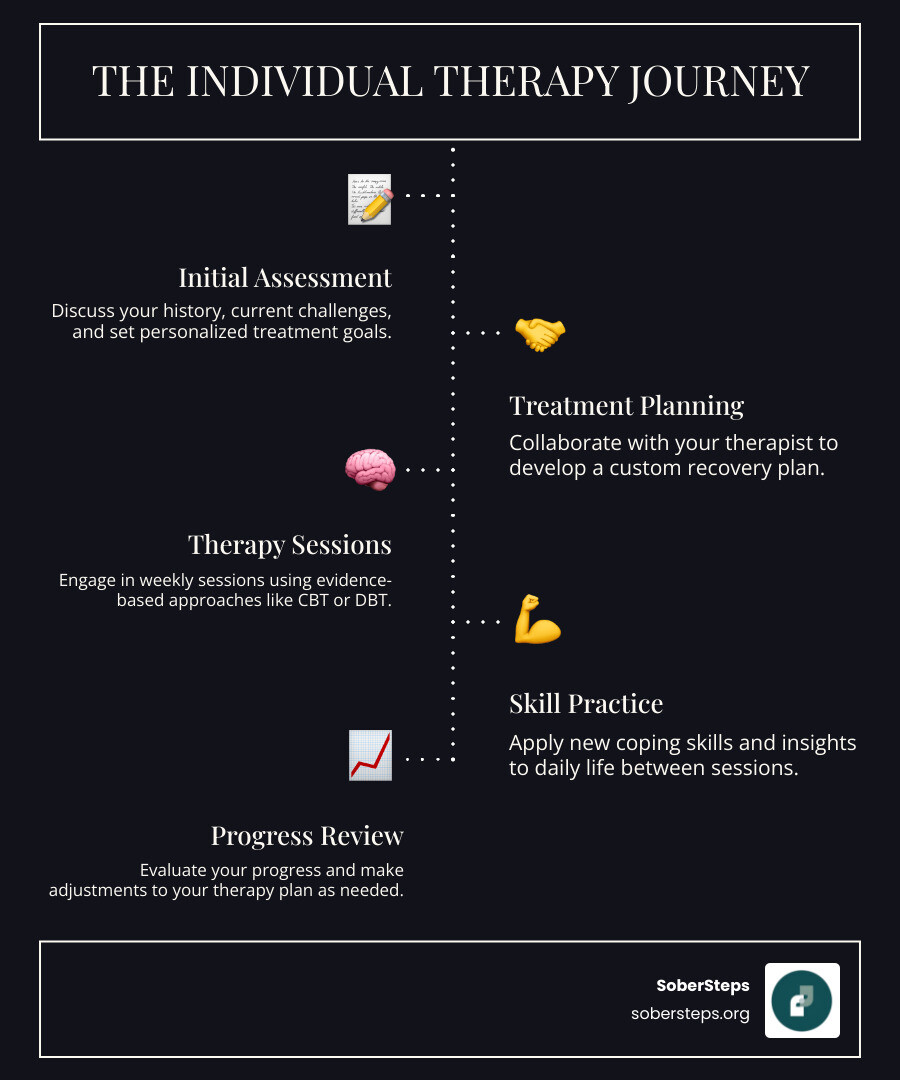
Your first Individual Therapy session, often called an intake session, is primarily about getting to know each other. It’s a chance for your therapist to gather important information about your history, current concerns, and what you hope to achieve through therapy. Don’t worry, you won’t be doing all the talking if you’re not ready; your therapist will guide the conversation with questions about your background, family, health, and substance use history.
This initial meeting is also your opportunity to assess the fit. Do you feel comfortable with your therapist? Do you sense a connection? The bond between you and your therapist is incredibly important for successful treatment. You can ask questions about their approach, experience, and what the therapeutic process might look like. It might take a few sessions for your therapist to fully understand your situation and for you to feel completely at ease, and that’s perfectly normal.
The Role of Confidentiality in Treatment
Confidentiality is the cornerstone of Individual Therapy and a fundamental ethical principle for all mental health professionals. We understand that sharing deeply personal information, especially concerning addiction, requires immense trust. Your conversations with your therapist are private and protected by law, ensuring you can speak openly and honestly without fear of judgment or exposure.
In the United States, your privacy is safeguarded by regulations like HIPAA (Health Insurance Portability and Accountability Act). This means your therapist won’t share private information with your family, friends, or other patients without your explicit consent if you’re over 18. However, it’s important to understand the limits of confidentiality. Therapists are legally and ethically obligated to break confidentiality in rare circumstances, such as if there’s an immediate threat of harm to yourself or others, or if there’s suspected abuse or neglect of a child, elderly person, or a person with disabilities. These limits are typically discussed during your first session, ensuring you’re fully informed. For a detailed explanation, you can refer to the limits of confidentiality explained. This trust is essential for effective treatment, and we take it very seriously.
Duration and Progress in Individual Therapy
“How long will this take?” is a common question, and the answer, like much in life, is “it depends!” The duration of Individual Therapy varies significantly based on several factors: the severity and complexity of the issues, how long they’ve been present, your personal goals, and your commitment to the process.
Some concerns can be addressed in short-term therapy, perhaps a few months, focusing on specific goals like coping with a recent relapse or managing acute stress. More chronic issues, deeply ingrained patterns, or extensive trauma may require long-term treatment, spanning several months to a year or more. Sessions typically last 45 to 60 minutes, often held weekly.
What makes therapy successful? Research consistently highlights the importance of the therapeutic relationship – the bond and agreement on goals between you and your therapist. The stronger this connection, the more effective the treatment. You’ll work together to monitor your progress, celebrating small victories and adjusting the treatment plan as needed. The skills you learn, such as healthy coping mechanisms and improved self-awareness, are designed to have an enduring effect, reducing the risk of symptoms returning even after treatment ends. You can learn more about how the therapeutic bond impacts treatment. Patience and consistency are key; lasting change takes time and effort, but the rewards are immeasurable. If you’re ready to begin your journey or have more questions about what to expect, call us at (844) 491-5566.
Finding and Affording the Right Help
Deciding to seek Individual Therapy is a powerful first step. The next is finding the right professional and understanding how to manage the costs. At SoberSteps, we streamline this process, making access to quality care as straightforward as possible. Call (844) 491-5566 for help navigating your options and finding the support you deserve.
Who Provides Therapy and What to Look For
Individual Therapy is provided by a range of qualified mental health professionals, each with distinct training and credentials. These include:
Psychologists: Typically hold a doctoral degree (Ph.D. or Psy.D.) and are trained in psychological assessment and therapy.
Psychiatrists: Medical doctors (M.D.) specializing in mental health. They can prescribe medication and may also provide therapy.
Licensed Professional Counselors (LPC) / Licensed Mental Health Counselors (LMHC): Hold a master’s degree and are trained to provide counseling for various mental health issues.
Licensed Clinical Social Workers (LCSW): Hold a master’s degree in social work and are trained in counseling and connecting clients with resources.
Licensed Marriage and Family Therapists (LMFT): Hold a master’s or doctoral degree and specialize in relationship dynamics, though they also provide individual therapy.
When looking for a therapist, check their credentials and licensing in your state. This ensures they meet professional standards and are qualified to provide care. Our SoberSteps clinical team comprises experienced and licensed professionals dedicated to your recovery. You can find more information about our team and their qualifications on our List of mental health professionals.
How to Find a Qualified Therapist
Finding the right therapist is a bit like finding the right pair of shoes – it needs to be a good fit! Beyond checking credentials, it’s crucial to find someone with whom you feel a strong therapeutic connection. Here are some ways to find a qualified Individual Therapy provider:
Insurance Provider Lists: Your health insurance company’s website or customer service line can provide a list of in-network therapists.
Professional Organizations: Websites of professional associations like the American Psychological Association (APA) or the National Association of Social Workers (NASW) often have searchable directories.
Referrals: Your primary care physician, friends, or family members who have positive therapy experiences can offer recommendations.
SoberSteps Professional Matching: We simplify this process by offering a confidential matching service. Based on your needs, preferences, and location, we connect you with qualified therapists who specialize in addiction recovery. Our goal is to help you find that perfect fit without the stress of endless searching. For personalized assistance, call (844) 491-5566 for a confidential matching service. You can also explore our resources on how to Find Addiction Treatment.
Covering the Cost of Treatment
The cost of Individual Therapy can vary widely depending on location, the therapist’s qualifications, and whether they accept insurance. Session fees can range from $75 to $200 or more per hour, but don’t let this deter you from seeking help. There are several options to make treatment affordable:
Insurance Coverage: In the United States, the Affordable Care Act (ACA) mandates that most health insurance plans must cover mental health and substance abuse treatment as essential health benefits. This includes Individual Therapy. ACA plans also cannot disqualify you for having a pre-existing substance use disorder or cap spending on addiction treatment. It’s crucial to contact your insurance provider to understand your specific benefits, including deductibles, co-pays, and whether a therapist is in-network or out-of-network. You can learn more about mental health coverage under the ACA.
Sliding Scale Fees: Many therapists offer sliding scale fees, which adjust the cost based on your income and ability to pay. Don’t hesitate to ask about this option.
Employee Assistance Programs (EAPs): If you’re employed, your company might offer an EAP that provides a limited number of free therapy sessions.
Community Mental Health Centers: These centers often provide therapy at reduced rates based on income.
We understand that navigating insurance and costs can be complex. Our team at SoberSteps can assist you in verifying your benefits and exploring financial options to ensure you receive the care you need.
Frequently Asked Questions about Individual Therapy
We often hear similar questions from individuals considering Individual Therapy. Let’s address some of the most common ones to explain the process and clear up any confusion.
How is individual therapy different from group therapy?
Individual Therapy provides a private, one-on-one setting with a therapist, allowing for an in-depth, personalized exploration of your unique issues, thoughts, and feelings related to addiction. It offers undivided attention, enabling you to dig into past traumas, specific triggers, and personal dynamics that might be uncomfortable to share in a group. The focus is entirely on you and your progress.
Group therapy, on the other hand, involves multiple individuals who share similar struggles, guided by one or more therapists. Its primary benefits include peer support, a sense of community, shared experiences, and the opportunity to practice social skills in a safe environment. While group therapy provides accountability, belonging, and community that can be very beneficial to the process of addiction recovery, it doesn’t allow for the same level of personalized attention or deep dive into individual history. At SoberSteps, we believe both forms of therapy are vital components of a comprehensive recovery program, offering distinct yet complementary benefits for your healing journey.
Is online therapy as effective as in-person therapy?
The digital age has revolutionized access to mental healthcare, and Individual Therapy is no exception. Technology has made therapy more accessible through telehealth, offering convenience, flexibility, and privacy. U.S.-based research consistently shows that online therapy, or teletherapy, can be just as effective as in-person sessions for many conditions, including anxiety, depression, and substance use disorders.
For individuals in recovery, online therapy can be particularly beneficial, reducing barriers like transportation, scheduling conflicts, and the stigma sometimes associated with visiting a physical clinic. It allows you to connect with a qualified therapist from the comfort and privacy of your own home, making consistent engagement easier. While some people prefer the face-to-face interaction of in-person sessions, the evidence suggests that the quality of the therapeutic relationship and the effectiveness of the intervention remain high in a virtual setting.
What are common misconceptions about therapy for addiction?
There are many myths surrounding therapy, especially for addiction, that can prevent people from seeking the help they need. Let’s bust a few:
“Therapy is only for ‘crazy’ people.” This is perhaps the most damaging misconception. In reality, therapy is for anyone facing challenges, seeking personal growth, or needing support to steer difficult life circumstances. It’s a sign of strength and self-awareness to seek help, not weakness.
“It’s just paying someone to talk.” While talking is a key component, Individual Therapy is far more than just conversation. It’s a structured, evidence-based process where a trained professional uses specific techniques to help you identify patterns, challenge negative thoughts, develop coping skills, and make tangible changes in your life. It’s a collaborative effort with clear goals.
“Therapy is a quick fix.” Addiction recovery is a journey, not a destination, and therapy is a process that requires commitment and patience. There are no instant solutions, but the skills and insights gained in therapy have long-lasting positive effects, well beyond the treatment period.
“I can just handle it on my own.” While resilience is admirable, addiction is a complex disease that often requires professional intervention. Trying to “tough it out” alone can lead to relapse and prolonged suffering. Individual Therapy provides expert guidance and a safe space to address issues that are difficult to face alone.
These misconceptions can create unnecessary stigma and shame. Our goal at SoberSteps is to normalize seeking help and empower you with the facts about effective treatment. If you have more questions or are ready to speak with someone, call our confidential helpline at (844) 491-5566.
Conclusion
Individual Therapy is a powerful and proven pathway to lasting recovery from addiction. It provides a confidential, personalized space where you can explore the root causes of substance use, develop essential coping skills, and build a strong foundation for a healthier, more fulfilling life. From uncovering and processing past traumas with EMDR to reshaping negative thought patterns with CBT and managing intense emotions with DBT, the custom approaches in Individual Therapy equip you with the tools you need for long-term sobriety.
We’ve seen how the unwavering support of a qualified therapist, coupled with your commitment to healing, can lead to profound and enduring change. The journey may present its challenges, but with the right guidance, you’ll gain self-awareness, build resilience, and find new ways to steer life’s complexities without relying on substances.
At SoberSteps, we are committed to providing confidential, anonymous help for mental health and substance use disorders. We believe everyone deserves the chance to recover and thrive. If you or a loved one is struggling, don’t wait until symptoms become severe. Take the first step towards a new life today. Call (844) 491-5566—our team is available 24/7 to help you find the right support and connect you with a qualified therapist who understands your unique needs. Your path to healing begins here.
Understanding the Complexities of Dual Diagnosis Treatment Substance use disorder treatment for people with co occurring disorders requires a comprehensive, integrated approach that addresses both conditions simultaneously.
For anyone seeking help for addiction for themselves or a loved one calls to Sober Steps are completely confidential and available 24/7.
Please note: any treatment center listed on our site that receives calls is a paid advertiser.
Calls to a specific treatment center’s listing will be connected directly to that center.
Calls to our general helpline will be answered by treatment providers, all of whom are paid advertisers.
By calling the helpline, you agree to our terms and conditions. These calls are free of charge and carry no obligation to enter treatment. Neither Sober Steps nor anyone answering your call receives a commission or fee based on your choice of treatment provider.
If you’d like to explore additional treatment options or connect with a specific rehab center, you can browse our top-rated listings, visit our homepage, or call us at (844) 491-5566. You may also contact us for further assistance.