
Beyond the Buzz: Navigating Stimulant Addiction Recovery
Find hope in stimulant addiction recovery. Explore effective treatments, detox, therapies, and support for a life beyond the buzz. Get help today.

Therapy (also called talk therapy or psychotherapy) is a form of treatment that helps people identify and change troubling emotions, thoughts, and behaviors that drive addiction. It’s a collaborative process with a licensed mental health professional that provides the tools and support needed for lasting recovery.
What You Need to Know About Therapy for Addiction:
Most people seeking addiction treatment will engage in some form of psychotherapy. Research shows that about 75 percent of people who enter psychotherapy show some benefit from it. The goals are clear: gain relief from symptoms, improve daily functioning, and build a better quality of life.
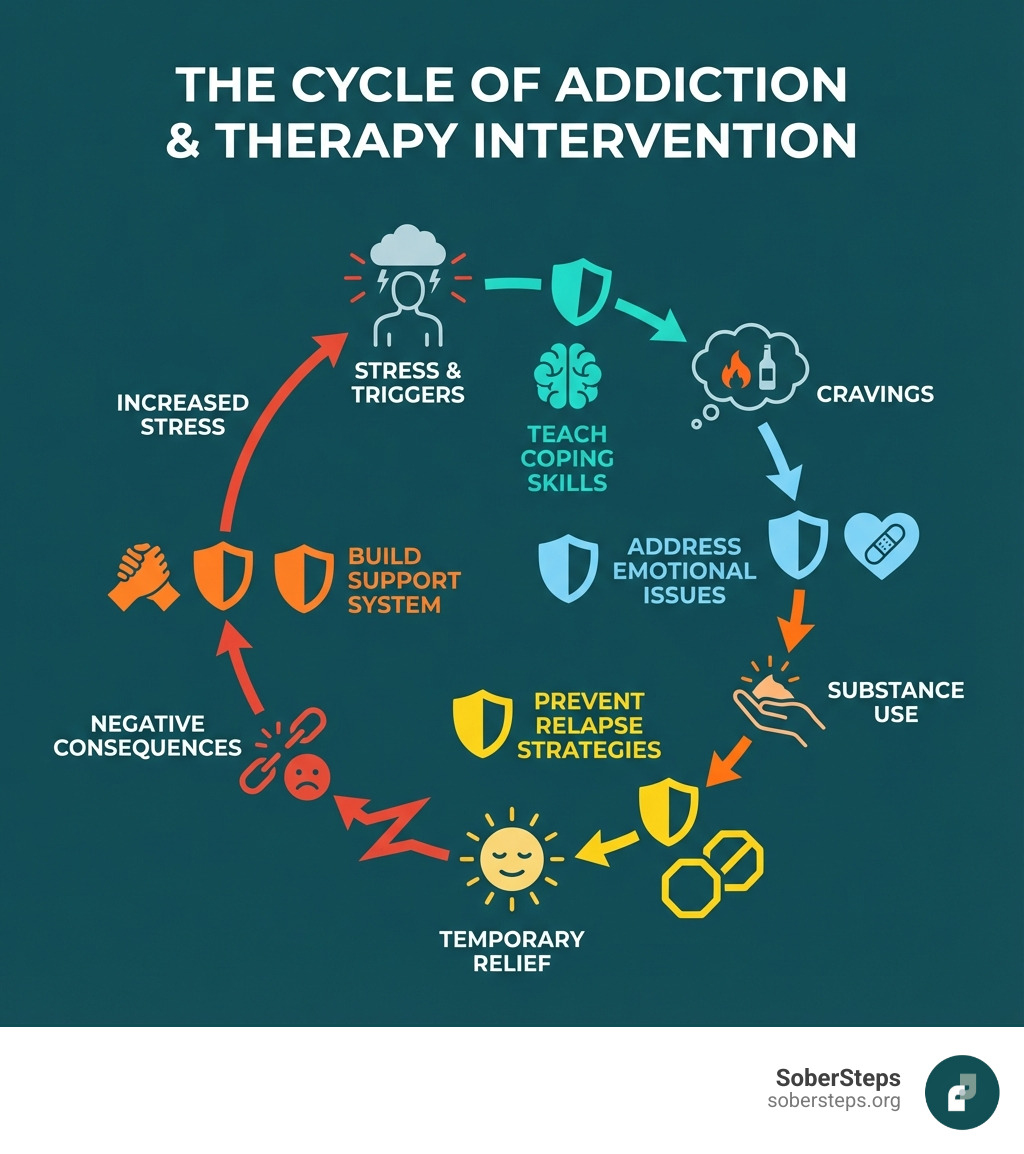
Therapy isn’t just about talking through problems. It’s about gaining insight into life choices, understanding how past experiences shape current behaviors, and learning practical skills to manage cravings and prevent relapse. Whether you’re struggling with alcohol, opioids, or other substances, therapy helps you understand why you use and gives you tools to make different choices.
The therapeutic process requires commitment and honesty. You’ll work with your therapist to identify negative thought patterns, explore underlying trauma, and practice new coping strategies. Many people find that therapy addresses not just their addiction, but co-occurring mental health conditions like depression and anxiety that often fuel substance use.
If you’re feeling isolated and overwhelmed by addiction, you don’t have to face it alone. Confidential support is available right now. Call (844) 491-5566 to speak with a compassionate specialist who can help you find the right treatment program. Your call is completely confidential and anonymous—no judgment, just help.
At Sober Steps, we’ve helped thousands of individuals steer their recovery journey by connecting them with evidence-based therapy and treatment resources. We understand that taking the first step toward therapy can feel overwhelming, which is why we provide confidential guidance to help you find the right support for your unique needs.
Psychotherapy, often referred to as therapy or talk therapy, is a type of treatment designed to help individuals address and overcome mental health conditions and emotional challenges. It involves a trained, licensed mental health professional communicating and interacting with patients to assess, diagnose, and treat dysfunctional emotional reactions, ways of thinking, and behavior patterns. The goal is to help you find relief from emotional distress, seek solutions to problems in your life, and modify ways of thinking and acting that are preventing you from living productively and enjoying personal relationships.
For addiction treatment, psychotherapy is custom-custom to the individual. It helps you identify and change troubling emotions, thoughts, and behaviors that contribute to substance use. Most psychotherapy takes place one-on-one with a licensed mental health professional, though group settings are also common and highly effective.
The overarching goals of addiction therapy are to help you achieve lasting sobriety and improve your overall well-being. This includes:
Therapy isn’t just about stopping substance use; it’s about building a foundation for a fulfilling life in recovery. For more in-depth information, you can explore Understanding psychotherapy and how it works.
When it comes to addiction recovery, there’s no single “magic bullet” therapy. Instead, we find that evidence-based therapies, backed by extensive research, offer a range of powerful tools. The best approach is often a combination of techniques, custom to your unique needs and circumstances. What matters most is finding a therapy and therapist that feel like a good fit for you.

Cognitive Behavioral Therapy (CBT) is often hailed as the “gold standard” of psychotherapy, and for good reason. It’s a talk therapy that helps you understand the powerful connection between your thoughts (cognition), feelings (emotion), and behaviors.
CBT operates on the principle that by challenging and adjusting unhealthy thought patterns, you can make better decisions and live a healthier life. This process, known as cognitive restructuring, helps you identify distorted or negative thoughts about yourself, the world, or your future, and then reframe them into more realistic and positive ones. For example, if you constantly think, “I’m a failure, so why bother trying to stay sober?” CBT helps you challenge that thought and develop a more constructive perspective.
CBT is highly effective for addiction treatment and is particularly valuable for addressing co-occurring mental health disorders like anxiety and depression, which often fuel substance use. A systematic review of patients with Post Traumatic Stress Disorder (PTSD) and substance addiction found that CBT treatment had a favorable outcome in all areas. It provides relatively short-term, practical strategies for a wide range of issues, from anxiety disorders and anger control problems to general stress and substance addiction.
Dialectical Behavior Therapy (DBT) is an advanced form of CBT that focuses specifically on regulating intense emotions. It emphasizes a balance between acceptance (acknowledging your current feelings and circumstances) and change (actively working to improve them).
DBT equips individuals with four core sets of behavioral skills:
DBT is particularly effective for individuals who experience deep, fluctuating emotions and may be prone to making decisions based on feelings rather than rationality. It was originally developed to help people with borderline personality disorder (BPD) and is used to treat severe mental health issues including PTSD, self-harming behaviors, eating disorders, and chronic suicidality, as it reduces self-directed violence.
While CBT and DBT are cornerstones of addiction treatment, we use a range of other effective therapy modalities to create comprehensive, individualized recovery plans:
These approaches, often used in combination, help in building motivation, healing trauma, improving relationships, and finding vital peer support, all critical components of lasting recovery.
Therapy is a core component of addiction treatment, but it’s rarely a standalone cure. Instead, it’s an integrated approach that works synergistically with other treatments to address the complex nature of addiction. Think of it like building a house – therapy lays the foundation, but you also need walls, a roof, and plumbing for it to be a complete, functional home.
It’s important to understand how therapy differs from, and often complements, other forms of addiction treatment.
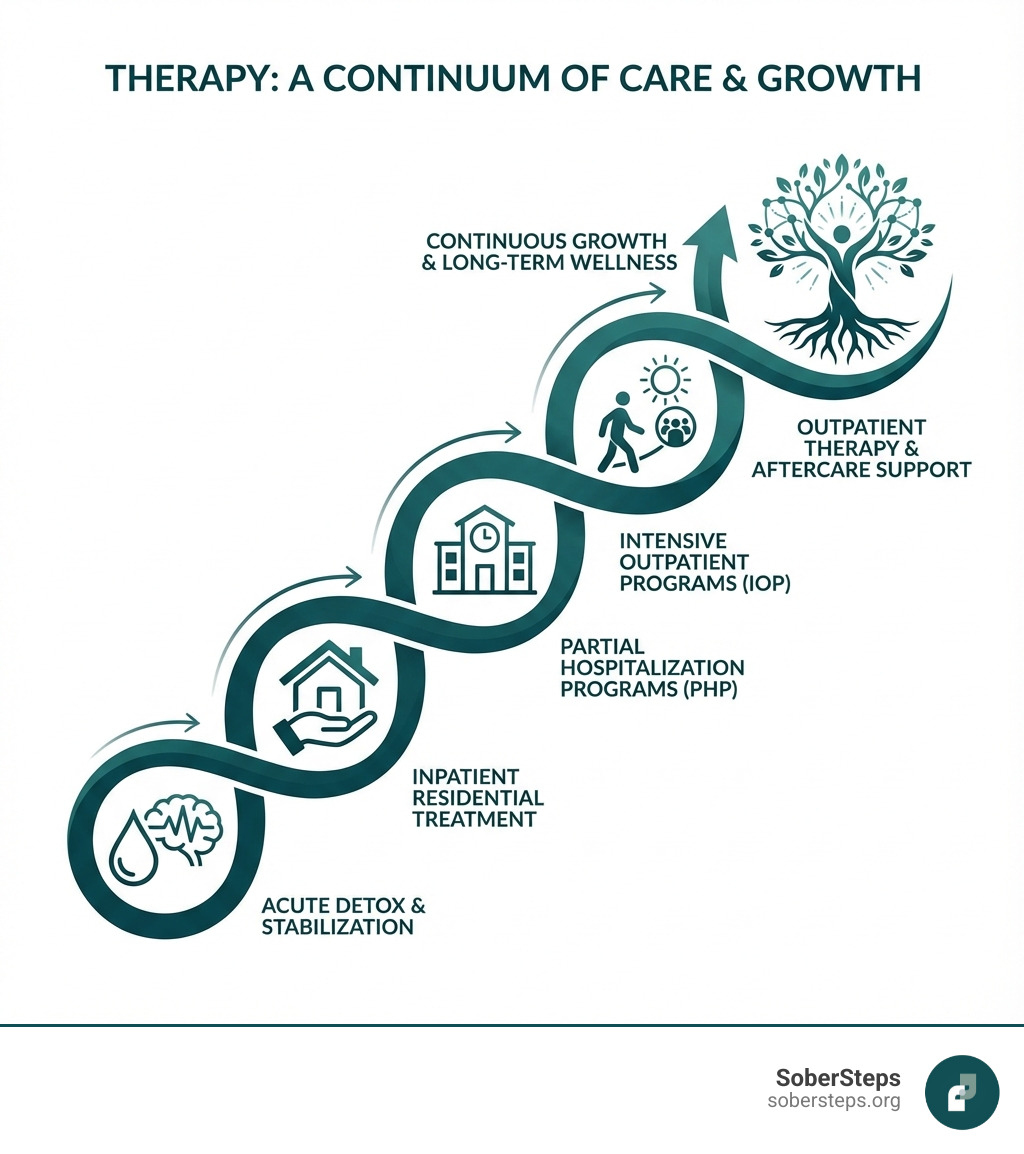
The role of therapy is essential across the entire spectrum of addiction care, adapting to your needs as you progress through different Levels of Care.
Regardless of the level of care, therapy remains a constant, adapting to provide the right intensity and focus. Finding the right level of care for you is paramount. If you’re unsure which setting is best, call (844) 491-5566 to connect with a specialist who can help guide you through your options.
Starting on therapy can feel like a big step, but finding the right therapist is crucial for a successful journey. We know that the collaborative relationship between you and your therapist, also known as the therapeutic alliance, is a key predictor of success. Don’t be afraid to be selective – finding someone you trust and feel comfortable with is paramount.
Finding a qualified addiction therapist in the United States involves a bit of homework, but it’s well worth the effort:
For confidential help finding a provider who specializes in addiction therapy, call (844) 491-5566. We can connect you with resources custom to your needs.
It’s completely normal to feel nervous or unsure about your first therapy session. Many people experience anxiety, and that’s okay! Most initial sessions follow a predictable format designed to gather information and build rapport.
Your therapist will likely ask general questions to get a sense of your background, your past experiences with therapy (if any), and what issues you’re hoping to address, particularly concerning your substance use. This is your chance to share your story and your goals for treatment. Building a trusting and comfortable relationship is key, so pay attention to how you feel talking to them. You’ll also discuss important practicalities like confidentiality and privacy, understanding the boundaries and any exceptions.
We know that the cost of therapy can be a concern, but there are often more options than people realize. The cost will depend on several factors, including your insurance coverage, your location, and the therapist’s specific credentials.
To confidentially verify your insurance coverage for addiction therapy and explore payment options, call (844) 491-5566. Our specialists can help you understand your benefits and find affordable treatment solutions.
Therapy is built on a foundation of trust and ethics. Licensed therapists adhere to strict professional codes of conduct, with confidentiality being a cornerstone. Your conversations are private, except in rare cases where there’s an immediate threat to your safety or the safety of others, or when mandated by law (e.g., reporting child abuse). Your therapist will explain these limits to confidentiality.
It’s crucial to be aware of potential red flags for an unqualified or unethical therapist. These include:
If you encounter any of these red flags, end the therapy immediately and report the individual to their licensing board.
Therapy typically ends when you feel you have achieved your goals, are no longer making significant progress, or due to logistical issues like changing insurance. A good therapist will work with you on a planned termination process, ensuring you feel prepared to continue your recovery journey independently, or referring you to another professional if appropriate.
Technology has profoundly impacted the delivery and accessibility of therapy, particularly for addiction treatment. It’s breaking down traditional barriers to care, making it easier for more people to access the support they need, regardless of their location or schedule.
Telehealth, also known as online therapy or telemental health, uses technology to deliver mental health services remotely. This includes video sessions, phone calls, and even text-based communication. As stated by the National Institute of Mental Health (NIMH), What is Telemental Health? encompasses a wide range of services designed to deliver mental health care remotely.
The benefits are significant:
If you’re interested in exploring online therapy options for addiction, call (844) 491-5566 to discuss how telehealth can fit into your recovery plan.
Beyond formal telehealth sessions, mobile apps and other digital tools are becoming increasingly popular as supplements to traditional therapy. These resources offer:
These digital solutions can improve your therapy experience, providing tools and support between sessions, and empowering you to take an active role in your recovery.
Therapy is a powerful and evidence-based tool for overcoming addiction. It provides the skills and support needed for long-term recovery, helping you uncover the root causes of substance use, develop healthy coping mechanisms, and build a fulfilling life free from addiction. Finding the right therapist and approach is a personal journey toward a healthier life, and it’s a journey you don’t have to take alone.
At SoberSteps, we provide confidential resources to start that journey. Don’t wait to seek help. If you or a loved one is struggling with addiction, confidential and anonymous support is available 24/7. Call (844) 491-5566 now or learn more about our rehab centers to take the first step.

Find hope in stimulant addiction recovery. Explore effective treatments, detox, therapies, and support for a life beyond the buzz. Get help today.

Discover how addiction is treated with modern therapies. SoberSteps guides you through detox, therapy, and long-term recovery.

Discover specialized alcohol inpatient treatment centers. Find comprehensive care, detox, and support for lasting sobriety with SoberSteps.