

Why Finding the Right Treatment Can Change Everything
The Ultimate Guide to Finding Mental Health and Addiction Treatment starts with understanding this: you are not alone, and help is available. Across the United States, millions of Americans face mental health or addiction challenges every year. The human cost—lost relationships, careers, and lives—is immeasurable, and the economic burden is staggering.
Quick Answer: How to Find Mental Health and Addiction Treatment
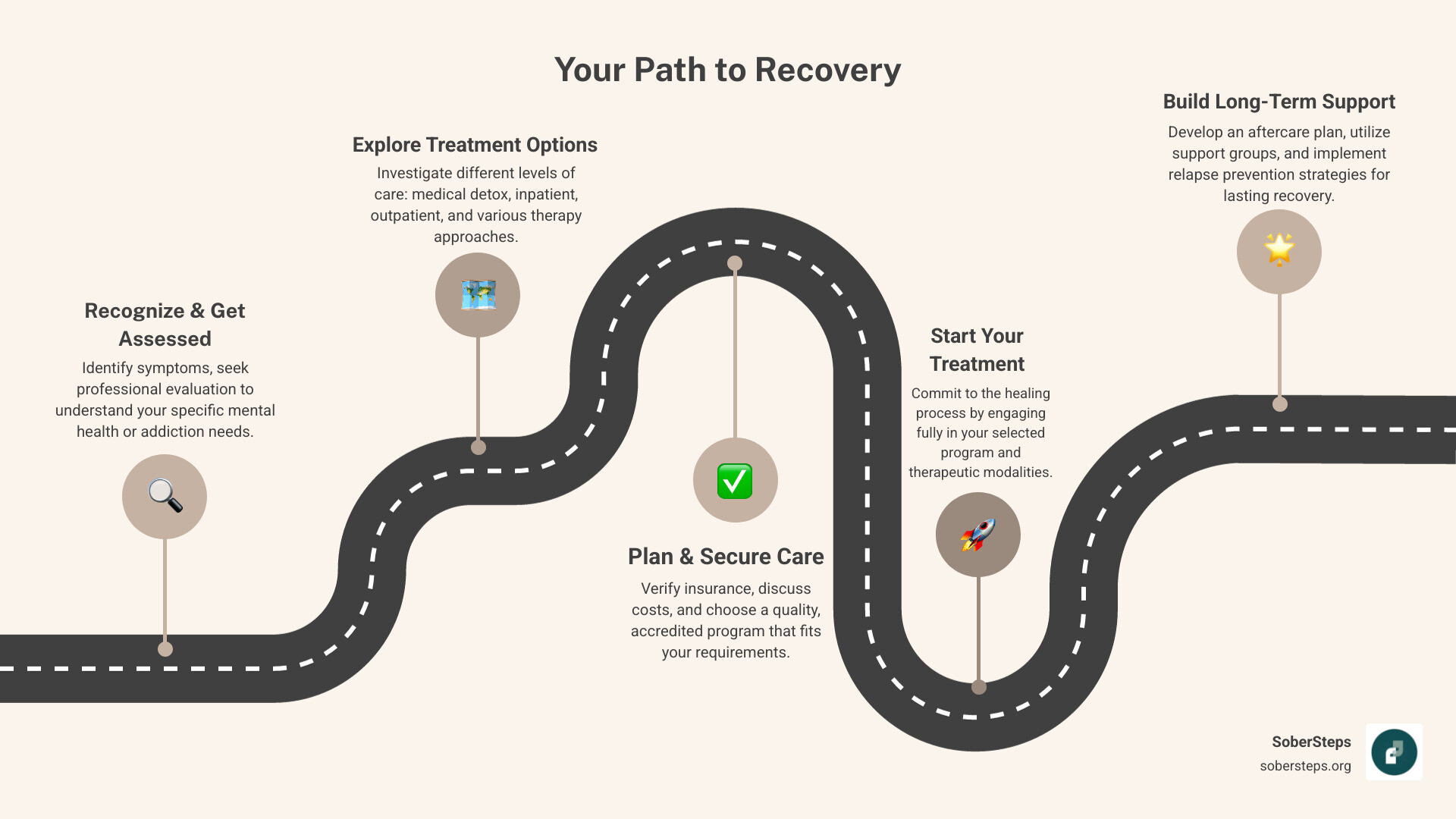
- Recognize the signs – Anxiety, depression, substance use affecting daily life, withdrawal symptoms, or concerns from loved ones
- Get a professional assessment – Contact a doctor, therapist, or treatment specialist to determine your level of care
- Explore your options – Research inpatient rehab, outpatient therapy, medical detox, or specialized programs
- Verify insurance and costs – Check coverage, ask about payment plans, or explore state-funded and sliding-scale options
- Ask the right questions – Inquire about accreditation, staff qualifications, evidence-based therapies, and aftercare planning
- Take action – Set a start date, prepare for treatment, and commit to your recovery journey
Despite how common these struggles are, stigma and confusion often create barriers to getting help. Many people don’t know what kind of treatment they need, how to pay for it, or if a program is legitimate. Families can feel overwhelmed. Yet, recovery is possible. With the right information and support, healing can begin.
This guide is designed to empower you to take action. We’ll walk you through recognizing the signs, understanding your options, finding quality care, and building a foundation for long-term recovery. Whether you’re seeking help for yourself or someone you care about, you’ll find clear, practical steps to steer the treatment landscape with confidence. You can learn more about how to begin addiction recovery on our blog.
At SoberSteps, we’ve dedicated ourselves to supporting individuals on their journey to recovery by providing educational resources, expert insights, and a comprehensive directory of treatment options. Our mission is to make The Ultimate Guide to Finding Mental Health and Addiction Treatment accessible, so you can find the care that fits your unique needs and start your path to healing today.
Ready to take the first step? Contact SoberSteps for confidential help or learn more about how SoberSteps can support you.
Understanding Your Needs: Signs, Symptoms, and Levels of Care

Recognizing the Signs It’s Time for Help
Millions of Americans experience mental health and substance use disorders, often simultaneously. Addiction is a chronic disease that changes the brain, making it hard to stop using substances despite negative consequences. Recognizing the signs early leads to better outcomes. It’s normal to feel uncertain about needing professional help, but treatment specialists are trained to work with this ambivalence and help you build motivation for a healthier life.
So, how do you know if it’s time to seek help? Look for signs such as:
- Anxiety or depression interfering with your daily life, work, or relationships.
- Using substances to cope with stress, emotions, or problems.
- Difficulty maintaining responsibilities at home, work, or school.
- Experiencing withdrawal symptoms when you try to cut back or stop using a substance.
- Concerns expressed by loved ones about your mental health or substance use.
- Feeling a persistent sense of sadness, hopelessness, or emptiness.
- Loss of interest in activities you once enjoyed.
If these signs resonate with you, professional support could be beneficial. Entering treatment early can significantly improve your chances of a successful recovery. We believe in Overcoming Drug Addiction by starting the journey as soon as possible.
Call to Action: Unsure if you need help? Take our self-assessment quiz or speak with a recovery specialist who can offer confidential guidance. You can also explore common signs and symptoms on our website.
Determining the Right Level of Care
Once you recognize the need for help, the next step in The Ultimate Guide to Finding Mental Health and Addiction Treatment is determining the appropriate level of care. A professional assessment is crucial to determine what’s most appropriate for your situation. Recovery programs offer various levels of care designed to match your specific needs.
Here’s a breakdown of the main levels of care:
- Medical Detoxification (Detox): Provides 24/7 supervised care to safely manage withdrawal from substances like alcohol, which can be dangerous. It’s a crucial first step before transitioning to further treatment to prevent relapse or overdose. Learn more about Medical Detox Programs.
- Inpatient/Residential Treatment: This involves staying at a facility for intensive, 24/7 care in a structured, supportive environment away from triggers. It’s ideal for serious conditions requiring medical monitoring. Inpatient Drug Rehab offers comprehensive care and a safe space for healing.
- Partial Hospitalization Programs (PHP): Often called “day treatment,” PHPs offer intensive care for several hours a day, multiple days a week, while you return home at night. It’s a step down from inpatient care but more structured than standard outpatient.
- Intensive Outpatient Programs (IOP): IOPs are less intensive than PHPs, with fewer hours per week. This allows you to maintain work, school, or family commitments while receiving structured therapy.
- Outpatient Therapy: This involves scheduled appointments with therapists for counseling, support groups, or medication management. It’s suitable for ongoing maintenance or as a step-down from more intensive programs. Many individuals find Levels of Care: Online Rehab a flexible and accessible option.
For those dealing with co-occurring mental health and substance use disorders (dual diagnosis), integrated treatment is essential. Programs that address both conditions simultaneously provide a more holistic and effective path to recovery. You can find more information on Co-occurring Disorders Treatment.
Call to Action: Unsure which path is right for you? Explore all levels of care at SoberSteps and compare treatment options to find your best fit.
The Ultimate Guide to Finding Mental Health and Addiction Treatment

A Step-by-Step Guide to Finding Mental Health and Addiction Treatment
Finding the right treatment can feel like navigating a maze, but with the right guidance, it becomes a clear path. Here’s a step-by-step approach to help you in your search for The Ultimate Guide to Finding Mental Health and Addiction Treatment:
- Start with a Professional Assessment: The first crucial step is to get a professional assessment. This can be done by a doctor, therapist, or a treatment specialist. They can help determine the severity of your condition, identify any co-occurring disorders, and recommend the most appropriate level of care. We offer specialists who can provide confidential guidance to help you assess your needs.
- Understand Your Insurance Coverage: Before diving deep into options, understand what your insurance plan covers. Many insurance providers cover a significant portion of mental health and addiction treatment costs. Contact your insurance provider directly or let us help you with a free insurance verification.
- Research Your Options: Once you know your insurance details, you can begin researching facilities. Our platform, SoberSteps, provides a comprehensive and confidential Find Addiction Treatment tool to help you explore options in your area that match your needs.
- Ask the Right Questions: When you’re considering a treatment program or provider, empower yourself by asking thorough questions. A quality treatment program will be transparent and happy to discuss their credentials and methods.
- Accreditation and Licensing: Ensure the program is licensed by the state and accredited by nationally recognized organizations like The Joint Commission or CARF International.
- Staff Qualifications: Inquire about staff qualifications and experience. Look for licensed therapists (LMFT, LCSW, LPC) with expertise in addiction treatment.
- Evidence-Based Practices: Ask about the therapeutic approaches used. Quality programs use evidence-based practices like Cognitive Behavioral Therapy (CBT), Dialectical Behavior Therapy (DBT), and Motivational Interviewing.
- Family Involvement: Ask if the program involves family members in the treatment process, as family support can be crucial for healing.
- Clear Communication: A reputable program will clearly state its approach, measure success, and provide transparent information on costs and methods.
- Support for Other Life Needs: Consider programs that offer holistic support for other life needs, such as housing or job placement assistance, which are integral to long-term recovery.
Quality treatment programs will respect your need to ask questions and take time to make an informed decision. For more detailed guidance, see our Help is Here: Finding the Best Drug Treatment and Rehab Centers for You guide.
Call to Action: Start your treatment search now using our comprehensive tools, or call our 24/7 helpline to speak with a specialist who can help you steer these questions. You can also see our guide to choosing a treatment center for more in-depth advice.
Navigating Treatment Types and Therapies
Effective treatment is rarely a one-size-fits-all solution. It’s most effective when matched to your unique needs. The Ultimate Guide to Finding Mental Health and Addiction Treatment involves understanding the diverse array of therapies available.
Here are some common and effective treatment types and therapies:
- Cognitive Behavioral Therapy (CBT): This therapy helps you identify and change negative thought patterns and behaviors linked to substance use and mental health issues like depression and anxiety. We offer resources on Cognitive Behavioral Therapy (CBT).
- Dialectical Behavior Therapy (DBT): A type of CBT, DBT teaches skills to manage intense emotions, improve relationships, and handle stress, making it ideal for co-occurring disorders.
- Motivational Interviewing (MI): This collaborative approach strengthens your own motivation to change and commit to recovery.
- Medication-Assisted Treatment (MAT): MAT uses FDA-approved medications to treat addictions like alcohol and opioid use disorder by reducing cravings and withdrawal. MAT should always be managed by a healthcare professional. Our guides on Alcohol Rehab Centers often discuss MAT options.
- Trauma-Informed Therapy: This approach recognizes the impact of trauma on addiction and mental health. It creates a safe treatment environment that avoids re-traumatization and supports healing.
- Family Therapy: Family therapy involves loved ones to help heal relationships, improve communication, and build a supportive home environment for recovery.
- Holistic and Experiential Approaches: Many programs offer holistic practices like yoga, art, or mindfulness. These experiential approaches complement traditional therapy by promoting well-being and emotional expression.
- Harm Reduction Programs: These programs aim to reduce the negative consequences of substance use for those not ready for abstinence. They meet people where they are, providing resources and support to minimize risks.
For those facing dual diagnosis, integrated treatment for Dual Diagnosis: ADHD, depression, or other co-occurring conditions is vital for comprehensive recovery.
Call to Action: Ready to explore the right treatment path for you? Learn more about our therapies and programs or explore all therapy options available through our network.
Paying for Care: Costs and Affordable Options
A common concern when seeking The Ultimate Guide to Finding Mental Health and Addiction Treatment is the cost. It’s crucial to remember that quality treatment doesn’t always have to be the most expensive.
Several factors can influence the cost of treatment:
- Level of Care: Inpatient programs are generally more expensive than outpatient options.
- Program Length: Longer programs typically incur higher costs.
- Location: Costs can vary significantly by state and region.
- Amenities and Specializations: Luxury facilities or specialized therapies may have higher fees.
Navigating payment options can be complex, but we’re here to help:
- Private Insurance: Under the Affordable Care Act, most private insurance plans must cover mental health and substance use treatment. Your plan may cover a large portion of the cost, but contact your provider to understand your specific benefits, deductibles, and co-pays. SoberSteps can assist you with a free insurance verification to help you understand your coverage.
- Medicare and Medicaid: These government-funded programs also cover a range of mental health and addiction services. Coverage varies by plan and state.
- State-Funded Programs and Sliding Scale Options: Many states offer publicly funded treatment programs for individuals with limited financial resources. Additionally, many centers offer sliding scale fees based on income, payment plans, or scholarships. For those seeking Affordable Mental Health Care, these options can be a lifeline.
- Non-Profit Facilities: Non-profit organizations often provide reduced-cost or free services. Searching for Free Rehab Centers Near Me can connect you with these valuable resources.
Don’t let financial concerns deter you from seeking help. Use this worksheet to help you take notes to compare treatment options (PDF | 146 KB) as you explore your choices.
Call to Action: Let us help you explain the costs. Contact us for a free insurance verification to understand your benefits, or explore affordable options and payment solutions today. You can also learn more about payment and insurance on our website.
Life After Treatment: Building a Foundation for Long-Term Recovery
The Importance of Continuing Care (Aftercare)
Completing a treatment program is a huge achievement, but it’s the beginning of recovery, not the end. Addiction and mental health issues are often chronic conditions requiring ongoing support, known as aftercare. This is a vital part of The Ultimate Guide to Finding Mental Health and Addiction Treatment.
Aftercare planning begins during your initial treatment and involves developing a strategy to maintain your recovery and prevent relapse. If you don’t continue treatment immediately after detox, you’re at a high risk of relapse or overdose.
Key components of effective aftercare include:
- Ongoing Therapy and Counseling: Continuing individual or group therapy provides a safe space to process challenges and develop new coping skills.
- Sober Living Environments: Transitioning to a sober living home offers a structured, substance-free environment that supports independence while providing accountability.
- Medication Management: If medication is part of your treatment plan, ongoing monitoring by a healthcare provider is essential.
- Relapse Prevention Planning: Developing a detailed plan to identify triggers, implement coping strategies, and know who to contact in times of crisis.
At SoberSteps, we emphasize the importance of Levels of Care: Aftercare in building a strong foundation for a sober future. It’s about creating a sustainable lifestyle that supports your long-term well-being.
Call to Action: Don’t let your recovery journey end after initial treatment. Discover aftercare options at SoberSteps and read about long-term recovery to ensure lasting success.
Relapse Prevention and Building a Support System
Relapse can be part of recovery, but it doesn’t mean failure. A solid relapse prevention plan and a robust support system help you steer challenges and maintain progress. This section of The Ultimate Guide to Finding Mental Health and Addiction Treatment focuses on equipping you with these essential tools.
Developing a Relapse Prevention Plan:
A strong relapse prevention plan involves:
- Identifying Triggers: Understanding what situations, emotions, or people might tempt you to return to old patterns.
- Coping Strategies: Developing healthy ways to manage stress and cravings, like exercise, mindfulness, or calling a sponsor.
- Emergency Contacts: Knowing exactly who to call—a sponsor, therapist, or trusted friend—if you feel a relapse is possible.
Building a Support System:
No one recovers alone. A strong support system is a cornerstone of long-term recovery:
- Peer Support Groups: Organizations like Alcoholics Anonymous (AA), Narcotics Anonymous (NA), and SMART Recovery offer invaluable peer support, community, and accountability. SoberSteps offers convenient Online NA Meetings and Virtual Recovery Meetings to connect you with others.
- Family Involvement: Family therapy and support groups can help mend relationships and create a more supportive home environment.
- Integrated Support Systems: Recovery extends beyond therapy. Access to resources for housing, employment, and social assistance can significantly contribute to stability and well-being.
If you’re feeling uncertain about committing to treatment, it’s okay. You can start with outpatient therapy or attend support group meetings. Every small step forward is progress.
Call to Action: Strengthen your recovery by building a powerful support network. Join a support group today or connect with our recovery community to find the encouragement you need. Find more support resources on our platform.
Frequently Asked Questions about Finding Treatment
We understand that you likely have many questions as you steer The Ultimate Guide to Finding Mental Health and Addiction Treatment. Here are answers to some of the most common inquiries.
What should I do in a mental health or addiction crisis?
If you or someone you know is experiencing a mental health or addiction crisis, immediate action is crucial.
- For immediate danger or life-threatening situations, always call 911 or go to the nearest emergency room.
- For free and confidential support 24/7, you can call or text 988 to reach the 988 Suicide & Crisis Lifeline. This lifeline connects you with trained crisis counselors who can provide support.
- For treatment referral and information, the National Helpline is available 24/7 at 1-800-662-HELP (4357).
- If you’re dealing with crisis counseling related to disasters, the Disaster Distress Helpline is available 24/7 at 1-800-985-5990.
- For urgent guidance, SoberSteps offers Immediate Addiction Help through our confidential helpline.
Call to Action: Don’t hesitate to seek help in a crisis. Access immediate help and resources through our platform, or explore additional crisis resources and hotlines we’ve compiled.
What is the difference between inpatient and outpatient treatment?
The primary difference lies in the intensity and setting of care:
- Inpatient Treatment: Involves staying overnight at a hospital or residential facility. This level of care provides 24/7 supervision, medical monitoring, and intensive therapy. It’s ideal for severe conditions, individuals needing medical detox, or those who require a highly structured environment.
- Outpatient Treatment: Allows you to live at home while attending scheduled therapy sessions, counseling, and support groups at a facility. This is suitable for ongoing treatment or as a step-down from more intensive programs, offering flexibility to maintain work, school, or family commitments.
The right choice depends on the severity of your symptoms, your safety needs, and your home environment. A professional assessment can help determine the most appropriate level of care. You can learn more about levels of care and compare inpatient and outpatient options on our website.
How do I choose a treatment center for a specific issue like alcohol abuse?
Choosing the right treatment center, especially for a specific issue like alcohol abuse, requires careful consideration. Here’s how to approach it:
- Specialized Programs: Look for centers that offer programs specifically designed for alcohol use disorder. These often include medical detox protocols for alcohol withdrawal. Our resources on Alcohol Rehab Centers can help you find specialized options.
- Evidence-Based Therapies: Ensure the center uses proven therapies for alcohol addiction, such as CBT, DBT, and Motivational Interviewing. Inquire if they offer Medication-Assisted Treatment (MAT) with FDA-approved medications for alcohol use disorder.
- Accreditation and Staff Credentials: Always verify that the program is licensed and accredited by national organizations like The Joint Commission or CARF International. Confirm that their staff are qualified and experienced in treating alcohol addiction.
- Holistic Approach: Consider programs that address not just the alcohol use but also any underlying mental health conditions (dual diagnosis), trauma, and life skills necessary for long-term recovery.
- Aftercare Planning: A good program will have a robust aftercare plan to support you post-treatment, including connections to support groups, ongoing therapy, and relapse prevention strategies.
Call to Action: Let us help you find the perfect match. Find the right alcohol rehab for you by exploring our comprehensive directory and see our alcohol treatment resources for more detailed information.
Conclusion: Your Path to Recovery Starts Now
Deciding to get help for mental health or addiction challenges is one of the most courageous and important decisions you can make. It’s a testament to your strength and commitment to a healthier, more fulfilling life. The journey may seem daunting, but as The Ultimate Guide to Finding Mental Health and Addiction Treatment shows, recovery is achievable and sustainable.
We’ve walked through recognizing the signs, understanding the different levels of care, navigating treatment types and therapies, and finding ways to make care affordable. We’ve also highlighted the critical importance of continuing care and building a strong support system for long-term recovery. Every step you take, no matter how small, moves you closer to healing.
You don’t have to figure this out alone. SoberSteps is your independent resource, dedicated to simplifying the search for quality treatment and recovery options. Our mission is to connect you with the support you need, when you need it. We’ve seen countless Addiction Success Stories, and we believe your story can be one of them.
Your path to recovery starts now. For confidential help, explore our comprehensive treatment options guide or call our 24/7 helpline to speak with a compassionate specialist.
Call to Action: Start your recovery journey with SoberSteps today.
Return to top