

Why Cocaine Addiction Treatment Matters
Cocaine addiction treatment is a comprehensive process that combines behavioral therapies, medical support, and ongoing aftercare to help individuals break free from dependence on this powerful stimulant. Treatment typically includes:
- Behavioral therapies like Cognitive Behavioral Therapy (CBT) and Contingency Management
- Medical detox to safely manage withdrawal symptoms
- Individualized treatment plans custom to each person’s specific needs
- Levels of care ranging from inpatient rehab to outpatient programs
- Dual diagnosis support for co-occurring mental health conditions
- Relapse prevention strategies and long-term recovery support
Cocaine is one of the most addictive substances in the United States. According to the National Institute on Drug Abuse (NIDA), approximately 1.3 million Americans struggled with cocaine use disorder in 2020, and 19,447 people died from cocaine-related overdoses. The growing presence of fentanyl in cocaine supplies has made the drug even more dangerous than before.
But here’s the good news: recovery is absolutely possible. Research shows that the majority of people who complete professional treatment for cocaine addiction remain drug-free. With the right support, evidence-based therapies, and commitment to healing, you or your loved one can overcome cocaine addiction and build a fulfilling life in recovery.
At SoberSteps, we’ve dedicated ourselves to supporting individuals on their journey to recovery from cocaine addiction treatment and all forms of substance use disorders through our comprehensive resources, supportive community, and extensive directory of quality treatment centers. Our mission is to help you take meaningful steps toward a healthier, sober life.
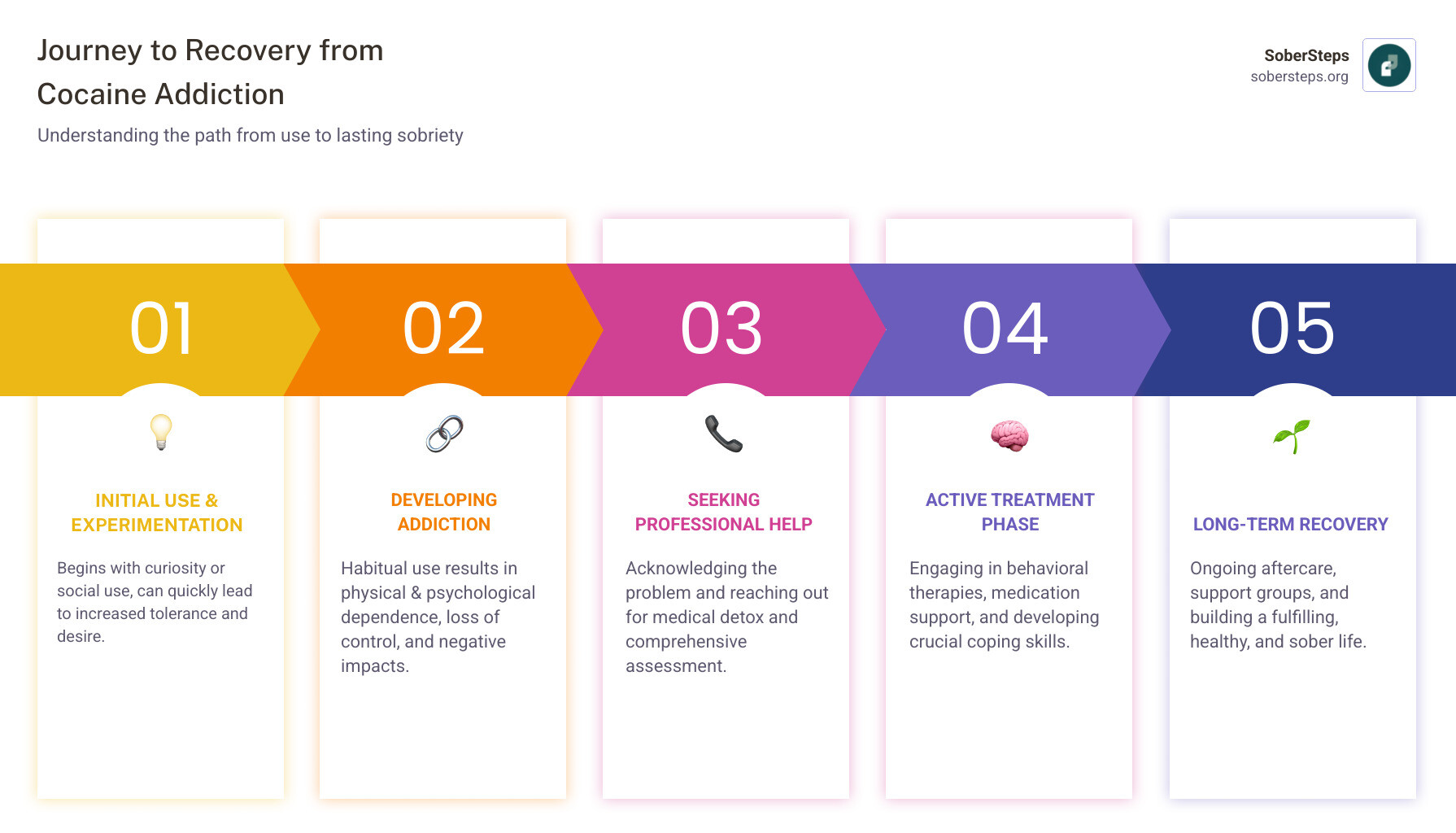
Ready to take the first step? Contact SoberSteps today to explore your treatment options and begin your journey to recovery.
Understanding Cocaine Addiction: Its Impact and Signs
Cocaine is a powerful central nervous system stimulant that creates a rapid, intense rush of euphoria, energy, and confidence. This feeling is primarily due to cocaine’s effect on the brain’s reward system, specifically by increasing dopamine levels in the brain. Dopamine is a neurotransmitter associated with pleasure and motivation. Cocaine blocks the reuptake of dopamine, causing it to build up in the synapse and overstimulate brain cells.
With repeated use, the brain’s reward system can become less sensitive, meaning the individual needs more of the drug to achieve the same pleasurable effects. This phenomenon, known as tolerance, is a key factor in the development of cocaine addiction. Chronic cocaine use can even cause structural changes in the brain, particularly in regions responsible for response inhibition and addiction. These changes can persist long after someone stops using the drug, contributing to the ongoing risk of relapse.
Cocaine addiction involves both physical and psychological dependence. Physical dependence means the body has adapted to the drug and experiences withdrawal symptoms if use stops. Psychological dependence refers to the intense cravings and compulsive drug-seeking behavior driven by the desire for cocaine’s effects or to avoid withdrawal.
A significant concern in the United States today is the increasing contamination of cocaine with other dangerous substances, especially fentanyl. In 2021, of the 24,486 overdose deaths involving cocaine, more than 15,000 also involved synthetic opioids, primarily fentanyl. This makes every dose of cocaine potentially lethal, even for recreational users.
Cocaine addiction treatment is essential not just for breaking the cycle of dependence, but for addressing the profound impact the drug has on an individual’s physical and mental health.

Learn more about how addiction affects the brain and how we can help.
Signs and Symptoms of Cocaine Use Disorder
Recognizing the signs of cocaine use disorder (CUD) is the first step toward seeking help. These signs can manifest as behavioral, physical, and psychological changes.
Behavioral Changes:
- Neglecting responsibilities: Failing to meet obligations at work, school, or home.
- Financial trouble: Spending excessive amounts of money on cocaine, leading to debt or other money problems.
- Interpersonal problems: Strained relationships with family and friends due to drug use, secretive behavior, or withdrawal from loved ones.
- Giving up activities: Losing interest in hobbies, social events, or other activities once enjoyed.
- Risky behavior: Engaging in dangerous activities while under the influence or to obtain cocaine.
- Compulsive drug-seeking: Spending a lot of time obtaining, using, or recovering from cocaine.
Physical Symptoms:
- Dilated pupils: A common sign of stimulant use.
- Runny nose or nosebleeds: Especially in individuals who snort cocaine, potentially leading to chronic rhinitis or even a deviated septum.
- Weight loss: Cocaine can suppress appetite, leading to rapid, inexplicable weight loss.
- Injection marks: For those who inject, track marks may be visible on arms or other body parts.
- Poor hygiene: A decline in personal care and appearance.
- Cardiovascular issues: Rapid heart rate, high blood pressure, or chest pain.
Psychological Symptoms:
- Paranoia: Intense and irrational distrust of others.
- Irritability and aggression: Mood swings, becoming easily agitated or violent.
- Anxiety and depression: Profound emotional lows after the initial high wears off.
- Psychosis: In severe cases, hallucinations (seeing or hearing things that aren’t there) and delusions.
- Sleep disturbances: Insomnia or hypersomnia.
- Intense cravings: A powerful urge to use cocaine.
According to the Diagnostic and Statistical Manual of Mental Disorders, Fifth Edition (DSM-5), cocaine addiction is diagnosed based on criteria that include using larger amounts or for longer than intended, unsuccessful attempts to cut back, and continuing use despite negative consequences.
If you notice these signs in yourself or a loved one, reach out for help. Our compassionate team at SoberSteps is here to guide you.
The Process of Cocaine Withdrawal
When cocaine use stops or is significantly reduced, individuals typically experience a “cocaine crash,” followed by a withdrawal period. Unlike withdrawal from some other substances (like alcohol or opioids), cocaine withdrawal is rarely life-threatening in itself. However, the psychological symptoms can be severe and dangerous, particularly the profound depression that can lead to suicidal thoughts.
Common cocaine withdrawal symptoms include:
- Intense cravings: A powerful, almost overwhelming urge to use cocaine again.
- Fatigue: Extreme tiredness and lack of energy.
- Depression: A pervasive feeling of sadness, hopelessness, and anhedonia (inability to feel pleasure).
- Agitation and irritability: Restlessness, anxiety, and being easily annoyed.
- Sleep disturbances: Insomnia (difficulty sleeping) or hypersomnia (sleeping excessively).
- Increased appetite: A sudden and strong desire for food.
- Psychomotor retardation or agitation: Slowed movements and thinking, or restlessness and fidgeting.
- Vivid or unpleasant dreams.
- Slowed thinking processes.
- Paranoia.
The withdrawal timeline can vary, but symptoms typically begin within hours to days of the last use. The acute phase can last for several days to weeks, followed by a protracted dysphoria that can linger for months. Managing these symptoms, especially the intense cravings and depression, is crucial for preventing relapse. Medical supervision during withdrawal can help ensure safety and provide supportive care.
If you or someone you care about is struggling with withdrawal symptoms, Get help with cravings now. Support is available 24/7—call us today for immediate assistance.
Long-Term Consequences on the Brain and Body
The long-term effects of cocaine addiction are extensive, impacting nearly every system in the body and brain. These consequences underscore the critical need for effective cocaine addiction treatment.
Cardiovascular Damage: Cocaine puts immense strain on the heart and circulatory system. Long-term use can lead to:
- Heart attacks
- Stroke
- Arrhythmias (irregular heartbeats)
- Dangerously high blood pressure
- Atherosclerosis (hardening of the arteries)
- Cardiomyopathy (weakening of the heart muscle)
Respiratory Issues: Especially for those who smoke crack cocaine, respiratory problems are common:
- “Crack lung”: a syndrome involving acute pulmonary injury.
- Chronic cough and shortness of breath.
- Sinus infections and chronic rhinitis (inflammation of nasal passages) for those who snort.
Nasal and Oral Damage: Snorting cocaine can cause:
- Deviated septum
- Perforation of the nasal septum or palate (a hole in the roof of the mouth)
- “Coke nose” (damage to nasal tissues)
- Oral health issues like cavities, gum disease, and an increased risk of oral cancers.
Neurological Effects: Beyond the brain changes contributing to addiction, long-term cocaine use can result in:
- Seizures
- Impaired cognitive function, including problems with attention, memory, and decision-making.
- Altered glutamate neurotransmission, which plays a role in learning and memory.
Mental Health Issues: Cocaine addiction often co-occurs with other mental health conditions, and long-term use can exacerbate or induce them:
- Chronic depression and anxiety.
- Paranoia and hallucinations, even after discontinuing use.
- Increased sensitivity to stress.
- Post-Traumatic Stress Disorder (PTSD): An estimated 25-50% of individuals with cocaine use disorder also experience depression, anxiety, or PTSD.
Other Physical Consequences:
- Malnutrition due to suppressed appetite.
- Gastrointestinal ulcers.
- Liver and kidney damage.
- Increased risk of infectious diseases like HIV and Hepatitis C, particularly among those who inject cocaine.
- Risks during pregnancy, including harm to the fetus.
These severe consequences highlight why seeking professional cocaine addiction treatment is not just about stopping drug use, but about protecting and restoring overall health and well-being.
Protect your health—explore treatment options with SoberSteps today.
The Core Components of Effective Cocaine Addiction Treatment
Effective cocaine addiction treatment is not a one-size-fits-all solution; it’s a personalized journey built on evidence-based therapies, comprehensive medical care, and robust psychological support. Our goal at SoberSteps is to guide individuals toward lasting recovery by addressing the multifaceted nature of addiction.
Treatment is designed to help you:
- Build confidence: Rebuilding self-esteem and belief in your ability to live a drug-free life.
- Acquire recovery tools: Learning coping mechanisms, relapse prevention strategies, and healthy communication skills.
- Experience community: Connecting with others who understand your struggles and can offer support.
Statistics reinforce the importance of professional intervention. In the U.S., about 5.2 million people aged 12 and older reported using cocaine in the previous year, and 1.3 million suffered from a cocaine addiction. Yet, the majority of people treated for a powder cocaine addiction remain drug-free, demonstrating the effectiveness of structured programs. Recovery is better sustained when individuals use self-help behaviors, commit to abstinence, and truly believe in their capability to resist cocaine use.
Find how SoberSteps can help you steer your path to sobriety.
Behavioral Therapies for Lasting Change
Behavioral therapies are the cornerstone of cocaine addiction treatment, as there are currently no FDA-approved medications specifically for cocaine use disorder. These therapies help individuals identify and change problematic behaviors and thought patterns, develop coping skills, and address underlying issues contributing to their addiction.
Some of the most effective behavioral therapies include:
-
Cognitive Behavioral Therapy (CBT): CBT is a widely used and highly effective therapy. It helps individuals recognize and challenge the negative thought patterns and beliefs that lead to drug use. By learning to identify triggers for cocaine craving and developing healthy coping strategies—such as distraction, positive thought substitution, and stress management techniques—patients can prevent relapse. The skills learned in CBT are durable and can continue to support recovery long after formal treatment ends.
-
Contingency Management (CM): This approach provides tangible rewards for positive behaviors, such as negative drug tests or active participation in therapy. Voucher-based reinforcement therapy (VBRT) is a specific type of CM that has shown significant success in promoting initial abstinence from cocaine. For example, patients might earn vouchers redeemable for goods and services for every drug-free urine sample they provide. CM is considered one of the most reliable methods for helping actively using patients achieve initial abstinence.
-
Motivational Interviewing (MI): MI is a collaborative, goal-oriented style of communication designed to strengthen a person’s motivation for and commitment to change. It helps individuals explore and resolve ambivalence about treatment and drug cessation by highlighting the discrepancies between their current behavior and their personal goals and values.
-
Community Reinforcement Approach (CRA): CRA aims to make a non-drug-using lifestyle more rewarding than drug use. It involves various strategies to rearrange an individual’s environment to support sobriety, including vocational counseling, family therapy, and recreational activities. When combined with vouchers (CRA Plus Vouchers), it has shown effectiveness for both cocaine and alcohol addiction.
-
The Matrix Model: Developed specifically for stimulant abuse, the Matrix Model provides a comprehensive framework that includes individual and group therapy, family education, and relapse prevention. It offers a structured approach to engagement and abstinence.
These therapies can be delivered in various formats, including individual counseling and Group Therapy, allowing individuals to share experiences and learn from peers. While not specifically for cocaine addiction, our Dialectical Behavior Therapy (DBT) programs can also help individuals develop emotional regulation and distress tolerance skills, which are invaluable in recovery.
Find out about our therapy options and how they can support your journey.
The Role of Medication in Cocaine Addiction Treatment
Currently, there are no medications specifically approved by the U.S. Food and Drug Administration (FDA) to treat cocaine addiction treatment or detox. This means that psychosocial and behavioral therapies remain the primary standard of care.
However, medication can still play a crucial supportive role in cocaine addiction treatment by:
- Managing withdrawal symptoms: While cocaine withdrawal is rarely life-threatening, the intense cravings, depression, and agitation can be debilitating. Physicians may prescribe supportive medications to alleviate these severe symptoms, promote sleep, or manage acute anxiety.
- Treating co-occurring disorders: Many individuals with cocaine addiction also struggle with mental health conditions like depression, anxiety, PTSD, or ADHD. Medications prescribed for these co-occurring disorders can significantly improve treatment outcomes for cocaine addiction. For example, antidepressants might be used to manage severe depression, or stimulant medications for comorbid ADHD.
- Off-label use under medical supervision: Researchers have investigated several medications for their potential to reduce cocaine cravings or prevent relapse, though none have gained FDA approval for this specific indication. These include:
- Disulfiram: Primarily used for alcohol dependence, disulfiram has shown some mixed results in reducing cocaine use in certain populations, possibly by interfering with dopamine metabolism.
- Modafinil: A medication used for narcolepsy, modafinil is a wakefulness-promoting agent that has been studied for its potential to reduce cocaine use and blunt its euphoric effects in some individuals. However, its efficacy has been mixed, with some studies showing promise in specific subgroups.
- Topiramate: An anti-seizure and migraine medication, topiramate has been explored for its ability to affect glutamate and GABA neurotransmission, which are implicated in addiction. Some studies suggest it can increase abstinence rates for cocaine, especially in individuals with co-occurring alcohol dependence.
- Long-acting amphetamines: These medications, typically used for ADHD, have been studied as a “substitute” therapy for cocaine, aiming to stabilize dopamine levels. Research has shown some success in reducing cocaine use, particularly in individuals with comorbid ADHD.
Any use of these medications for cocaine addiction treatment would be considered “off-label” and should only occur under strict medical supervision, with a thorough assessment of potential benefits and risks. Our team carefully evaluates each patient’s needs, including any co-occurring conditions like Dual Diagnosis: Depression, to determine the most appropriate and safe treatment plan.
Our team can help you manage symptoms and steer medication options—learn more about our integrated approach to care.
Addressing Co-Occurring Disorders
One of the most critical aspects of effective cocaine addiction treatment is the integration of care for co-occurring mental health disorders, often referred to as dual diagnosis. It’s a common scenario: a significant portion of individuals with cocaine use disorder also struggle with conditions like depression, anxiety, PTSD, bipolar disorder, or ADHD. In fact, an estimated 25-50% of patients with cocaine use disorder experience depression, anxiety, or PTSD.
When these conditions exist simultaneously, they can complicate recovery. For example, someone might use cocaine to self-medicate symptoms of anxiety or depression, creating a vicious cycle. Addressing only the substance use without treating the underlying mental health condition often leads to relapse.
At SoberSteps, we believe in providing comprehensive, integrated treatment where both the cocaine addiction and any co-occurring mental health disorders are treated simultaneously. This approach ensures that all aspects of an individual’s well-being are addressed, leading to more stable and sustainable recovery.
Our integrated treatment typically involves:
- Thorough Medical and Psychiatric Assessment: A detailed evaluation by medical and mental health professionals to accurately diagnose all conditions.
- Individualized Treatment Plans: Custom plans that incorporate therapies and, if appropriate, medications for both the addiction and the mental health disorder.
- Specialized Therapies: Behavioral therapies like CBT and DBT are highly effective for managing both addiction and mental health symptoms.
- Medication Management: Careful oversight of any prescribed medications to ensure they support recovery from both conditions.
For individuals struggling with conditions like ADHD and Substance Use, our programs are designed to address the unique challenges and needs that arise from such dual diagnoses. We understand that effective cocaine addiction treatment means treating the whole person, not just the addiction.
Get comprehensive care—see our dual diagnosis services and let us help you achieve holistic healing.
Navigating Treatment Options: Finding the Right Level of Care
Choosing the right cocaine addiction treatment program is a pivotal decision on the road to recovery. It’s not about finding a single “best” option, but rather the most appropriate level of care that meets your unique needs. This often involves a continuum of care, where treatment intensity can be adjusted as you progress.
The journey typically begins with a thorough assessment process. During this assessment, addiction professionals evaluate the severity of your cocaine addiction, any co-occurring medical or mental health conditions, your living situation, social support, and other factors that influence your recovery. Based on this evaluation, an individualized treatment plan is developed.
We understand that navigating these options can feel overwhelming. That’s why we’re here to help you understand the different levels of care available and how they might fit into your recovery journey.

Find the right level of care for you by speaking with one of our specialists. Not sure where to start? Speak with our admissions team for personalized guidance.
Inpatient vs. Outpatient Programs
When considering cocaine addiction treatment, a primary distinction is between inpatient and outpatient programs. Each offers a different level of structure and support.
| Feature | Inpatient Rehab | Outpatient Programs |
|---|---|---|
| Environment | Live at the treatment facility 24/7. | Live at home and travel to the facility for treatment sessions. |
| Structure | Highly structured with a full schedule of therapy, activities, and medical supervision. | More flexible, with treatment sessions scheduled for a few hours, several days a week. |
| Intensity | Intensive, immersive care with 24/7 support. | Less intensive, allowing for work, school, or family commitments. |
| Best For | Individuals with severe addiction, co-occurring disorders, or an unstable home environment. | Individuals with mild to moderate addiction, a strong support system, and a stable living situation. |
| Learn More | Learn about Inpatient Rehab | Explore Outpatient Programs |
Find the program that fits your needs—contact us for a free assessment.