
Why Substance Use Support Matters Now More Than Ever
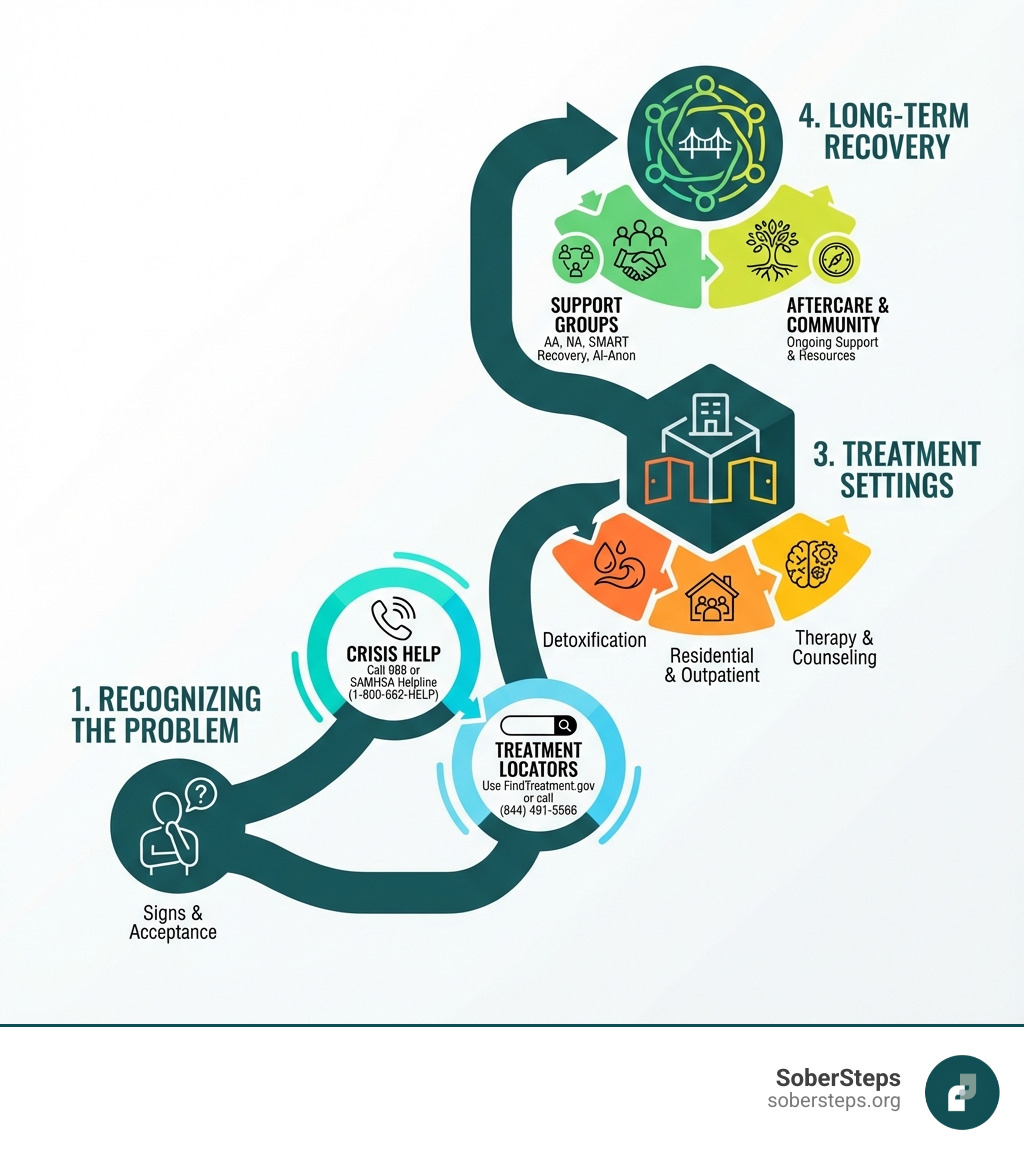
Substance use support is available right now, and you don’t have to face this alone. Here’s how to access help immediately:
- Crisis Help: Call or text 988 for immediate crisis support, or contact the SAMHSA National Helpline at 1-800-662-HELP (4357)
- Find Treatment: Use FindTreatment.gov to locate nearby facilities, or call (844) 491-5566 for personalized guidance
- Support Groups: Connect with Alcoholics Anonymous (AA), Narcotics Anonymous (NA), or SMART Recovery
- Online Resources: Access 24/7 information through SAMHSA.gov and other evidence-based platforms
- Family Support: Al-Anon and Nar-Anon offer help for loved ones
In 2023, 48.5 million Americans aged 12 or older struggled with a substance use disorder. That’s more than 1 in 6 people in the United States. If you’re reading this, you or someone you care about may be part of that statistic.
But what matters most is that recovery is possible. Research shows most people with substance use disorders benefit from treatment, with many substantially reducing their drinking or drug use. Treatment works. Support works. And you deserve both.
Addiction isn’t a choice or a character flaw. It’s a medical condition affecting your brain and behavior, making it hard to stop using substances even when you want to. The good news? There are more treatment options, support systems, and resources available today than ever before.
Whether you’re looking for yourself, a family member, or a friend, understanding the full landscape of substance use support can feel overwhelming. Where do you start? What type of help is right? How do you pay for it? These are all valid questions, and we’re here to answer them.
At Sober Steps, we empower individuals on their recovery journey by providing comprehensive substance use support resources in a confidential, supportive environment. We connect people with treatment options, educational resources, and a community of support, ensuring no one faces their challenges alone. Call (844) 491-5566 to learn how we can help.
Recognizing the Need for Professional Help
Sometimes, the hardest part is admitting there’s a problem. Substance use disorders often develop gradually, making it hard to pinpoint when use crosses into dependence. But recognizing the signs is the first crucial step toward seeking help and finding effective substance use support.
A substance use disorder isn’t just about how much or how often someone uses; it’s about the impact on their life. According to the Mayo Clinic, a drug addiction (substance use disorder) involves an intense focus on using a certain substance to the point where it takes over your life. Here are some common signs and symptoms that might indicate a need for professional help:
Behavioral Changes:
- Neglecting Responsibilities: Failing to meet obligations at work, school, or home due to substance use. This can mean missing deadlines, poor performance, or losing a job.
- Relationship Problems: Continued substance use despite negative consequences on relationships with family, friends, or partners. Arguments, isolation, and broken trust are common.
- Loss of Interest: Giving up hobbies, social activities, or other enjoyable pursuits that were once important.
- Secretive Behavior: Hiding substance use from loved ones, lying about the amount used, or experiencing guilt or shame.
- Engaging in Risky Behaviors: Using substances in dangerous situations, such as driving under the influence, or engaging in unsafe sexual practices.
Physical Symptoms:
- Changes in Appearance: Neglecting personal hygiene, noticeable weight changes, or unusual odors.
- Increased Tolerance: Needing to use more of the substance to achieve the same effect. This is a classic sign the body is adapting to the substance.
- Withdrawal Symptoms: Experiencing physical or psychological discomfort when stopping or reducing use. For alcohol, this can include trouble sleeping, shakiness, restlessness, sweating, a racing heart, or even seizures. Other substances can have their own distinct withdrawal symptoms.
- Physical Health Issues: Developing health problems related to substance use, such as liver damage, respiratory issues, or dental problems.
Psychological Signs:
- Strong Cravings: An intense urge or desire to use the substance.
- Mood Swings: Experiencing sudden and unexplained changes in mood, irritability, anxiety, or depression.
- Denial: Refusing to acknowledge the severity of the problem or its impact on one’s life.
- Attempts to Quit Unsuccessfully: Making repeated efforts to cut down or stop using the substance, but being unable to do so.
If you recognize these signs in yourself or a loved one, it’s a strong indicator that professional substance use support and assessment could be beneficial. Addiction is a chronic, relapsing brain disease, not a moral failing. Seeking help is a sign of courage and self-awareness.
For more detailed information on signs, symptoms, and causes, you can refer to the information on addiction symptoms provided by the Mayo Clinic.
Navigating the Landscape of Substance Use Support
When considering substance use support, it’s important to understand there’s no one-size-fits-all solution. Every individual’s journey is unique, and effective treatment is highly individualized. What works for one person might not work for another, and that’s perfectly okay. The goal is to find a continuum of care that best fits your needs, circumstances, and goals.
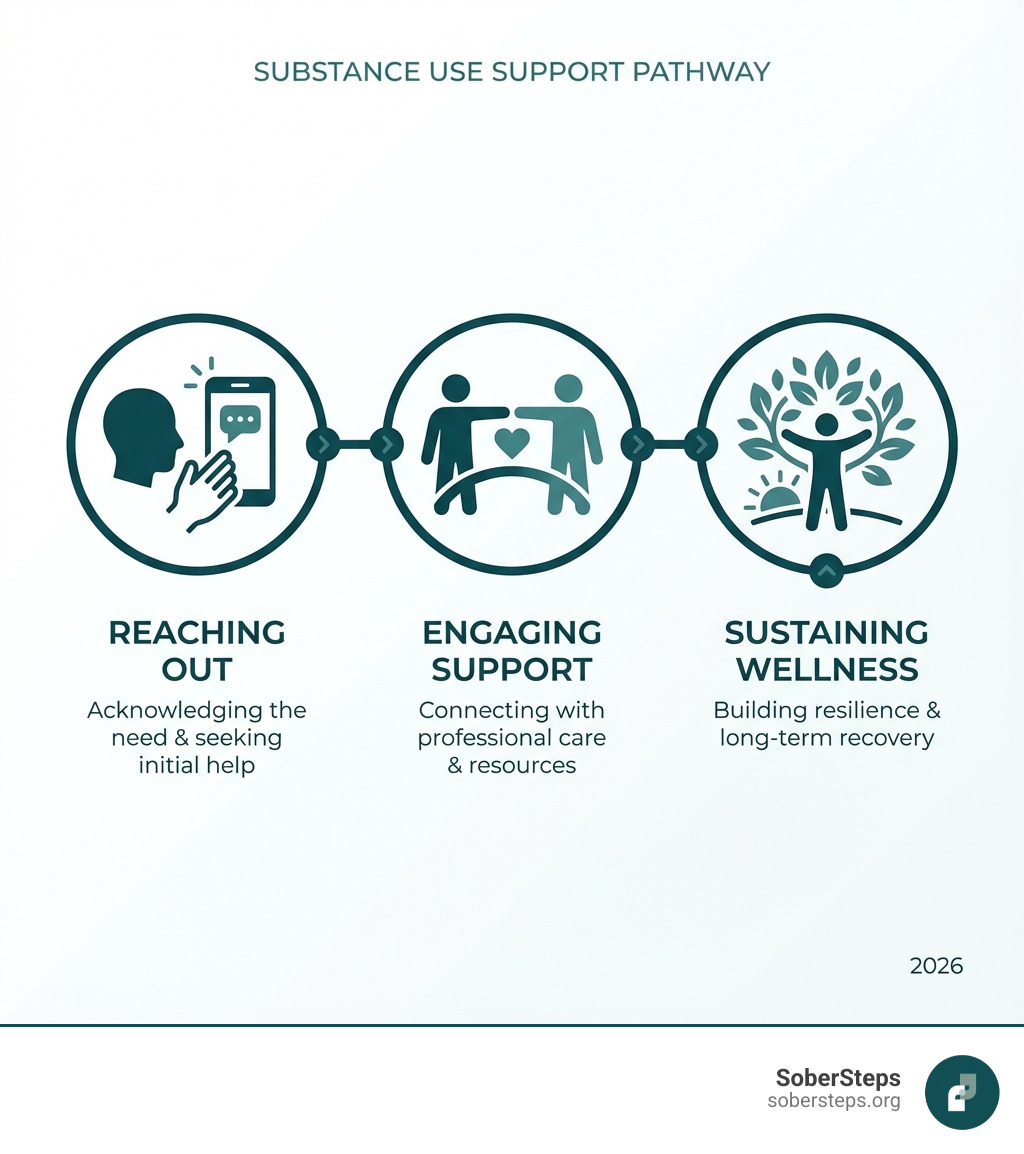
The treatment landscape is broad, encompassing various professional settings, evidence-based therapies, medications, and vital peer and community support. We believe in offering a comprehensive approach, recognizing that true recovery addresses the whole person.
Professional Treatment Settings
The first step in seeking professional help often involves choosing the right environment for treatment. These settings vary in intensity and structure, designed to meet different levels of need.
- Detoxification (Detox): This is often the first stage, especially for severe dependence. Detox is medically supervised withdrawal from substances to manage acute physical symptoms safely. This can be done in a hospital setting or a specialized residential detox facility, providing 24-hour monitoring. Medical intervention may be necessary for safety and comfort during this critical phase.
- Residential Treatment: For those requiring a highly structured and supportive environment away from triggers, residential treatment offers 24-hour care in a non-hospital setting. Programs typically range from 21 days to several months and include individual and group therapy, educational sessions, and activities designed to build coping skills and promote a healthy lifestyle.
- Inpatient Programs: Similar to residential, but often located within a hospital or a medical facility, inpatient programs provide intensive medical and psychiatric care alongside addiction treatment. These are for individuals with severe substance use disorders, co-occurring medical conditions, or significant mental health challenges requiring constant supervision.
- Outpatient Programs: These programs allow individuals to live at home while attending scheduled treatment sessions. They offer flexibility, making them suitable for those with stable living situations, strong support systems, or work/school commitments.
- Intensive Outpatient Programs (IOP): Offer a higher level of care than traditional outpatient, with more frequent and longer sessions, typically several days a week for a few hours each day.
- Partial Hospitalization Programs (PHP): Provide the most intensive outpatient care, often resembling a full-day program for several days a week, but without requiring an overnight stay. PHPs are a good step down from residential treatment or for those who need significant support but don’t require 24/7 supervision.
At SoberSteps, we understand that finding the right setting is crucial. We offer specialized rehab options, including dedicated female rehab centers, recognizing that women often face unique challenges and require custom support in their recovery journey. Call (844) 491-5566 to learn more about our specialized programs.
Evidence-Based Therapies and Medications
Beyond the setting, the core of effective substance use support lies in evidence-based treatments—therapies and medications proven to be effective through scientific research.
- Behavioral Treatments: These therapies help individuals change their attitudes, behaviors, and thoughts related to substance use. They teach coping skills, how to handle cravings and triggers, and ways to prevent relapse.
- Cognitive-Behavioral Therapy (CBT): Helps individuals identify and correct problematic behaviors by understanding the thoughts and feelings that lead to substance use. It equips them with skills to cope with high-risk situations and manage cravings.
- Motivational Improvement Therapy (MET): A counseling approach to help individuals resolve their ambivalence about treatment and stopping drug use. It focuses on eliciting rapid, internally motivated change.
- Other effective behavioral therapies include Contingency Management (using incentives for positive behaviors), Couples and Family Counseling (to heal relationships and build support), and Brief Interventions (short, structured sessions often in primary care settings).
- Medication-Assisted Treatment (MAT): For some substance use disorders, medications are a vital component of treatment. MAT combines behavioral therapy and medications to treat substance use disorders and prevent opioid overdose.
- For alcohol use disorder (AUD), three nonaddictive medications are approved in the United States to help people stop or reduce drinking and prevent a return to drinking. These medications help manage cravings and withdrawal symptoms, making it easier to engage in therapy and recovery.
- For opioid use disorder (OUD), medications like buprenorphine, methadone, and naltrexone can normalize brain chemistry, block the euphoric effects of opioids, relieve physiological cravings, and normalize body functions.
- Taking these medications for addiction is not “trading one addiction for another.” These are nonaddictive medications to manage a chronic disorder, much like medication for diabetes or heart disease.
We at SoberSteps integrate these evidence-based approaches, including Medication-Assisted Treatment (MAT) where appropriate, to provide comprehensive care. The National Institute on Drug Abuse (NIDA) is a leading federal agency supporting scientific research on drug use and addiction, and their findings underscore the effectiveness of these combined approaches. You can find more information on scientific research on treatment approaches.
The Role of Peer and Community Support
Recovery is rarely a solitary journey. Peer and community support groups play an invaluable role by providing belonging, shared understanding, and ongoing encouragement.
- Peer Support: These groups are led by individuals who have lived experience with substance use and recovery. They offer empathy, guidance, and a safe space to share struggles and successes. Examples include:
- Alcoholics Anonymous (AA) and Narcotics Anonymous (NA): Widely known 12-step programs focused on abstinence and spiritual growth. They offer a “Find a Meeting” app and online/hybrid options.
- SMART Recovery (Self-Management and Recovery Training): A secular program that focuses on self-empowerment and practical tools based on cognitive-behavioral therapy principles. They offer free, peer-led online and in-person groups.
- Dual Recovery Anonymous (DRA): A 12-step program specifically for individuals with a dual diagnosis (co-occurring mental health and substance use conditions).
- Other options like LifeRing, Women for Sobriety, and Secular AA cater to diverse preferences.
- Family Support Groups: Addiction impacts the entire family system. Groups like Al-Anon Family Groups and SMART Recovery Family & Friends provide support and education for loved ones, helping them cope with the effects of addiction and support their family member’s recovery without enabling. The Partnership to End Addiction also offers phone-based parent coaching and resources.
At SoberSteps, we recognize the power of community. Our programs often incorporate group support options, and we provide resources for family members, understanding that when families heal, individuals often find stronger footing in their own recovery. Call (844) 491-5566 to learn how we can support you and your loved ones.
Finding the Right Resources For You
The journey to recovery begins with finding the right resources. It can feel like searching for a needle in a haystack, but the right tools and guidance can connect you with effective substance use support.
At SoberSteps, our goal is to simplify this process, providing clear pathways to help.
Immediate Crisis and Substance Use Support
When in distress, immediate access to help is paramount. If you or someone you know is in immediate crisis related to substance use or mental health, there are lifelines available 24/7.
- 988 Suicide & Crisis Lifeline: This national resource provides free, confidential support for people in distress, plus prevention and crisis resources for you or your loved ones. You can call or text 988 anytime.
- SAMHSA National Helpline: The Substance Abuse and Mental Health Services Administration (SAMHSA) offers a confidential, free, 24/7 information service in English and Spanish for individuals and family members facing mental and/or substance use disorders. Call 1-800-662-HELP (4357).
- Veterans Crisis Line: For veterans and service members in crisis, confidential support is available 24/7. Call 988 and press 1, text 838255, or chat online at VeteransCrisisLine.net.
For immediate and confidential substance use support, our SoberSteps 24/7 Helpline is available to guide you. Don’t hesitate to call (844) 491-5566 for immediate support and to connect with resources. We’re here to listen and help you find the right path forward.
Locating Treatment Services
After addressing the immediate crisis, the next step is locating ongoing treatment services. Several powerful tools can help you find local and appropriate care.
- SAMHSA Treatment Locator (FindTreatment.gov): This federal agency website is a comprehensive resource for finding substance use disorder treatment facilities across the U.S. You can filter by location, type of treatment, payment options (including low-cost/sliding scale), and more.
- NIAAA Alcohol Treatment Navigator: Offered by the National Institute on Alcohol Abuse and Alcoholism, this navigator provides extensive information on alcohol use and a treatment facility finder specifically for alcohol addiction.
- Federally Qualified Health Centers (FQHCs): These centers provide care to underserved areas or populations regardless of ability to pay and often offer integrated substance use and mental health services. You can locate them via the Health Resources and Services Administration webpage.
- Certified Community Behavioral Health Clinics (CCBHCs): These clinics provide a comprehensive range of mental health and substance use support services and typically serve everyone, regardless of insurance or financial status. The National Council for Mental Wellbeing offers a CCBHC finder.
At SoberSteps, we leverage an extensive network of care to help you find the services you need. Our online locator and dedicated team can assist you in finding specialized care, including specific programs like our female rehab centers, ensuring you find a program that truly understands and addresses your unique circumstances. Call (844) 491-5566 for personalized assistance.
Navigating Costs and Insurance
A common concern when seeking substance use support is treatment cost. We believe financial barriers shouldn’t prevent anyone from accessing life-saving care.
- Insurance Coverage: Many health insurance plans, including those offered through the Affordable Care Act (ACA), are required to cover mental health and substance use disorder services. It’s crucial to understand your plan’s benefits.
- In-network vs. Out-of-network: Treatment centers may be “in-network” (contracted with your insurance, with lower out-of-pocket costs) or “out-of-network” (higher costs, though some plans offer partial reimbursement).
- Verifying Benefits: Before starting treatment, always contact your insurance provider to verify your coverage, deductible, co-pays, and any pre-authorization requirements. We at SoberSteps can assist you with these insurance questions and help you understand your benefits. Call us at (844) 491-5566 for a confidential benefits check.
- Low-Cost and Sliding Scale Options:
- Many facilities offer sliding scale fees based on income, making treatment more affordable.
- As mentioned, Federally Qualified Health Centers (FQHCs) and Certified Community Behavioral Health Clinics (CCBHCs) provide care regardless of ability to pay.
- State and local government programs often provide funding or direct services for individuals who cannot afford private care.
- Non-profit organizations and mutual-support groups (like AA, NA, SMART Recovery) are often free or operate on voluntary contributions.
Don’t let concerns about cost deter you. There are options available, and we are here to help you steer them. Call us at (844) 491-5566 to discuss your options and find a solution that works for you.
Understanding Key Aspects of Recovery
Recovery from a substance use disorder is a transformative journey, not a destination. It’s a continuous process of change where individuals improve their health and wellness, live self-directed lives, and strive to reach their full potential. This definition from SAMHSA highlights that recovery is more than abstinence; it’s about building a fulfilling life.
Long-term recovery requires persistence, resilience, and a commitment to ongoing strategies. Setbacks, or relapses, are a common part of the process, not a sign of failure. The key is to learn from them and recommit to the path of healing.
The Importance of Treating Co-Occurring Disorders
One of the most critical aspects of effective substance use support is addressing co-occurring mental health conditions. A “dual diagnosis” means an individual struggles with both a substance use disorder and a mental health condition. This is incredibly common; for example, people with alcohol use disorder are more likely to suffer from major depression or anxiety.
- The Interplay: Substance use can exacerbate mental health symptoms, and mental health conditions can increase the likelihood of substance use as a coping mechanism. This creates a challenging cycle requiring integrated treatment.
- Integrated Treatment: The most effective approach involves treating both conditions concurrently, rather than separately. This ensures that underlying issues are addressed, and individuals develop healthy coping strategies for both their mental health and substance use challenges. Treatment should consider the whole person, their experiences, and their biology.
- Common Co-occurring Conditions: Depression, anxiety disorders, PTSD, bipolar disorder, and other mental illnesses frequently co-occur with substance use disorders. Addressing these conditions simultaneously leads to better long-term outcomes for both.
At SoberSteps, we emphasize integrated treatment, understanding that true healing encompasses both mental wellness and freedom from substance dependence. Call (844) 491-5566 to learn about our integrated approach. For more information, the National Institute of Mental Health provides valuable resources on Substance Use and Co-Occurring Mental Disorders.
How Family and Friends Can Provide Support
Support from family and friends can be a powerful catalyst for recovery, but it’s important to offer support in healthy, constructive ways. Loved ones often need their own support and education to steer this complex situation.
Do’s for Supporting a Loved One:
- Educate Yourself: Learn about addiction as a disease. Understanding the challenges your loved one faces can foster empathy and guide your actions.
- Communicate Openly and Honestly: Express your concerns calmly and lovingly. Focus on specific behaviors and their impact, rather than judgment.
- Encourage Treatment: Offer to help your loved one find resources, make appointments, and even accompany them to initial consultations.
- Set Healthy Boundaries: This is crucial. Boundaries protect your well-being and prevent enabling behaviors. Clearly communicate what you will and will not tolerate.
- Practice Self-Care: Supporting someone with a substance use disorder can be emotionally draining. Seek your own support through family groups like Al-Anon or therapy.
- Celebrate Small Victories: Acknowledge and praise progress, no matter how small. This reinforces positive change.
- Be Patient: Recovery is a long and winding road with potential setbacks. Your consistent, loving support (within healthy boundaries) is invaluable.
Don’ts for Supporting a Loved One:
- Don’t Enable: Avoid making excuses, covering up consequences, or providing financial support that facilitates substance use.
- Don’t Blame or Shame: Addiction is a disease, not a moral failing. Guilt and shame often drive further substance use.
- Don’t Preach or Lecture: Your loved one is likely aware of the negative impacts. Focus on support and solutions.
- Don’t Take It Personally: Your loved one’s actions, especially when actively using, are often driven by the addiction, not a lack of love for you.
- Don’t Give Up on Yourself: Your well-being matters. If the situation becomes too overwhelming, ensure you prioritize your own health.
Family involvement, especially through family therapy, can significantly increase the chances of maintaining abstinence. If you need guidance on how to support a loved one, call our confidential helpline at (844) 491-5566.
Overcoming Stigma and Embracing Long-Term Recovery
One of the most insidious challenges in seeking substance use support is the pervasive stigma associated with addiction. This stigma—rooted in misunderstanding and judgment—can prevent people from seeking help and often leads to shame, isolation, and hopelessness.
- Addiction as a Medical Condition: It’s vital to reiterate that addiction is a chronic, relapsing brain disease, not a moral failing or a lack of willpower. Scientific research shows changes in brain chemistry and function from prolonged substance use, making it incredibly difficult for individuals to stop without help.
- Using Person-First Language: To combat stigma, we advocate for person-first language. Instead of “addict” or “junkie,” we say “person with a substance use disorder.” This acknowledges their humanity and separates the individual from their disease.
- The Power of Recovery Stories: Sharing personal stories of recovery can be incredibly powerful. They offer hope, demonstrate that recovery is possible, and help break down misconceptions. These stories show that individuals can and do reclaim their lives.
- Building a Sober Network: A strong sober support network is a cornerstone of long-term recovery. This includes connections made in treatment, mutual-support groups, and healthy relationships with friends and family who support a sober lifestyle.
- Aftercare Planning: Recovery doesn’t end when treatment does. Comprehensive aftercare planning is essential. This often includes ongoing therapy, regular attendance at support group meetings, sober living arrangements, vocational training, and developing healthy coping mechanisms. The importance of persistence cannot be overstated; recovery is an ongoing process that requires continuous effort and adaptation. Setbacks may occur, but they are opportunities for learning and strengthening one’s commitment to a healthier life.
By challenging stigma, embracing compassionate language, and committing to comprehensive, long-term strategies, we can create a society where seeking substance use support is seen as a brave and positive step toward a fulfilling life.
Conclusion
Taking the step to seek help for a substance use disorder is one of the most courageous decisions anyone can make. It’s a clear sign of strength, resilience, and a commitment to a healthier, more fulfilling future. You are not alone in this journey. Millions of Americans have faced similar struggles, and millions have found their path to recovery.
Substance use support is not a luxury; it’s a necessity, and it’s available to you right now. Recovery is not only possible but is a reality for countless individuals who access the right resources and accept the process.
Key Takeaways:
- Recognize the Signs: Be aware of the behavioral, physical, and psychological indicators that suggest a need for professional help.
- Explore Diverse Options: A wide range of effective substance use support is available, from professional treatment settings like residential and outpatient programs to evidence-based therapies, medications, and peer support groups.
- Use Resources: Helplines, online locators, and specialized centers are designed to connect you with the help you need. Don’t let financial concerns deter you; options exist to steer costs and insurance.
- Address Co-Occurring Issues: Integrated treatment for mental health conditions alongside substance use disorders leads to better, more sustainable recovery.
- Lean on Support: Family, friends, and peer networks play a critical role. Learn how to give and receive support in healthy ways.
- Fight Stigma: Addiction is a medical condition. Use person-first language and share stories of hope to create a more understanding and supportive environment.
- Persistence is Key: Recovery is a lifelong journey. Accept long-term strategies, learn from setbacks, and celebrate every step forward.
At SoberSteps, we are committed to providing confidential and anonymous help, connecting you with the right substance use support resources. We understand the unique challenges you face and are here to guide you toward healing. Call us anytime at (844) 491-5566.
For confidential and anonymous help finding the right support for you or a loved one, including specialized options like female rehab centers, you can call our 24/7 helpline at (844) 491-5566 or visit our website to explore your options. Your lifeline is within reach.