

Understanding Your Path to Recovery from Alcohol Addiction
Alcohol inpatient treatment centers provide 24/7 medical care and structured support for individuals struggling with alcohol use disorder. If you’re searching for specialized treatment, here’s what you need to know.
Key Features of Alcohol Inpatient Treatment:
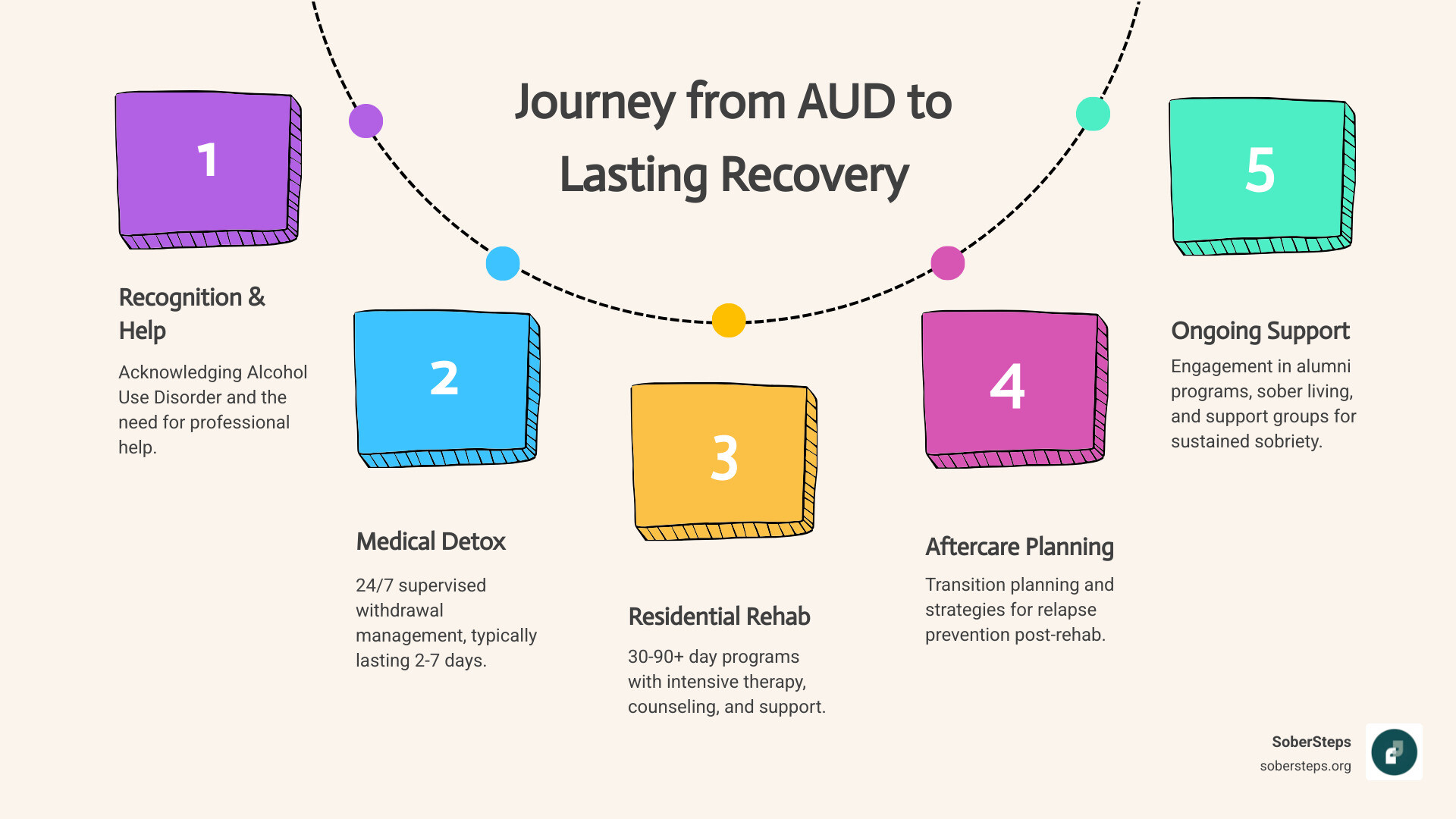
- Medical Detox: 2-7 days of supervised withdrawal management
- Residential Rehab: 30-90+ day programs with therapy and counseling
- 24/7 Medical Care: Constant physician availability and monitoring
- Comprehensive Services: Individual therapy, group counseling, family support
- Dual Diagnosis Treatment: Integrated care for co-occurring mental health disorders
- Structured Environment: Freedom from triggers and daily temptations
While alcohol use disorder affects millions of American adults, recovery is possible with the right support. Alcohol inpatient treatment centers offer the most intensive level of care available by providing a live-in facility for the duration of your program. This immersive approach removes you from triggers and surrounds you with professionals dedicated to your recovery.
Statistics show that most people with alcohol use disorder benefit from treatment, with many achieving lasting sobriety. The key is finding quality care that addresses your unique needs, including any co-occurring mental health conditions like depression or anxiety.
At SoberSteps, we’ve guided countless individuals through their recovery journey by connecting them with evidence-based *alcohol inpatient treatment centers that provide compassionate, comprehensive care.* Our mission is to support you as you explore your options and take meaningful action toward sobriety. Find the right addiction treatment program for you through SoberSteps.
This guide will walk you through everything you need to know about inpatient alcohol treatment—from services and costs to choosing the right facility and planning for life after treatment.
Ready to explore your treatment options? Contact SoberSteps today for a confidential assessment.
Understanding Inpatient Alcohol Treatment
When you or a loved one is struggling with alcohol use disorder (AUD), alcohol inpatient treatment centers offer an immersive environment designed for the highest level of care. It’s a place to step away from daily stressors and focus entirely on healing.

What Services Are Offered in SoberSteps Inpatient Programs?
Our alcohol inpatient treatment centers offer a comprehensive array of services to address both the physical and psychological aspects of addiction. Here’s a closer look at what you can expect:
- Medical Detox: This first step is a 2-7 day process of safely managing withdrawal under 24/7 medical supervision. Our teams use medications to ease symptoms and prevent dangerous complications like seizures.
- Withdrawal Management: Beyond detox, our teams manage the full spectrum of withdrawal symptoms, including physical discomfort, anxiety, and sleep disturbances, ensuring you’re as comfortable as possible.
- Individual Therapy: In private sessions, you’ll work with a therapist using methods like Cognitive Behavioral Therapy (CBT) to explore the root causes of your addiction and build coping skills.
- Group Therapy: Connecting with peers in guided sessions reduces isolation and builds a strong support network. It’s a space to practice new skills and learn from others’ journeys. Learn more about the power of Group Therapy at SoberSteps.
- Family Counseling: Addiction impacts the entire family. We offer family counseling to help heal strained relationships and build a supportive home environment for your return.
- Psychoeducational Groups: These sessions provide crucial information about addiction as a disease, relapse prevention, and the science behind alcohol’s effects on the brain and body.
- Holistic Therapies: To support overall well-being, many programs integrate yoga, meditation, art therapy, or physical fitness to help manage stress and promote a healthier lifestyle.
- Nutritional Planning: A balanced diet is essential for recovery. Our centers include nutritional guidance to help restore your body’s health.
Each service contributes to an individualized treatment plan. We believe in treating the whole person, not just the addiction. For a deeper dive, explore our page on Alcohol Addiction Treatment.
The Role of Medical Supervision and Care
In alcohol inpatient treatment centers, 24/7 medical supervision is a necessity, especially during detox. Our top priority is your safety.
- 24/7 Medical Monitoring: Constant on-site medical presence is crucial for managing rapidly escalating withdrawal symptoms and ensuring patient safety.
- Physician-Led Care: A physician oversees your medical care, from initial assessments to managing medications and addressing any co-occurring health issues.
- Medication Management: Physicians may prescribe non-addictive medications like Naltrexone or Acamprosate to help reduce cravings and support your recovery journey.
- Preventing Withdrawal Complications: The risk of severe withdrawal symptoms like seizures makes medical supervision indispensable for a safer, more comfortable detox.
- Safe, Supportive Environment: Knowing that expert medical help is always available provides peace of mind, allowing you to focus on your recovery without fear.
For those needing immediate medical attention for withdrawal, finding a facility with robust medical care is paramount. Find a Detox Near Me with SoberSteps to ensure a safe start to your recovery.
Typical Duration of SoberSteps Alcohol Inpatient Treatment
The length of stay in alcohol inpatient treatment centers varies, as recovery is a highly individual process.
- Detoxification (2-7 days): The initial detox phase is typically short, lasting up to a week depending on the severity of dependence.
- Short-Term Rehab (30 days): A 30-day program is a common starting point, providing an intensive period of therapy and education to build foundational recovery skills.
- Long-Term Rehab (60-90+ days): For more severe AUD, a longer stay of 60-90 days is often recommended. Research shows that longer treatment durations lead to better long-term outcomes.
- Individualized Treatment Plans: The right duration for you will be determined by your specific needs, the severity of your addiction, and your progress in treatment.
Choosing the right program length is a significant decision. We can help you steer these options. Help is Here: Finding the Best Drug Treatment and Rehab Centers for You.
Why Choose SoberSteps Alcohol Inpatient Treatment Centers Over Outpatient Options?
Deciding between inpatient and outpatient care is a crucial step. While outpatient programs offer flexibility, alcohol inpatient treatment centers provide an immersive level of support that is particularly beneficial for those with severe AUD or an unstable home environment.

The Core Benefits of a Residential Setting
Imagine a place where your only focus is getting better, free from the pressures and temptations that might trigger alcohol use. That’s the essence of our residential alcohol inpatient treatment centers.
- Immersive Environment: Living at the facility means you are fully immersed in a structured healing process, helping to establish new, healthy routines.
- Freedom from Triggers: In an inpatient setting, you’re removed from external influences, allowing you to build strength and resilience in a safe space.
- 24/7 Support Structure: Help is always available. Whether it’s a medical issue, a craving, or just needing to talk, our staff and peer community are there around the clock.
- Peer Community: You’re not alone. Living alongside others who understand your struggles fosters a powerful sense of camaraderie and mutual support.
- Building Sober Friendships: The bonds formed in inpatient treatment are built on shared vulnerability and a common goal, creating a network of individuals committed to sobriety.
- Focused Recovery: Without daily distractions, you can dedicate all your energy to healing, which significantly increases your chances of success.
Choosing a residential program is a profound act of self-care. Learn more about Overcoming Drug Addiction with our resources. If you’re ready to explore this path, Contact SoberSteps for a confidential assessment today.
Comparing Inpatient vs. Outpatient Care
To help you understand if alcohol inpatient treatment centers are the right fit, let’s compare them with outpatient options:
| Feature | Inpatient (Residential) Care | Outpatient Care |
|---|---|---|
| Level of Care | Highest intensity; 24/7 supervision and support. | Varies from Intensive Outpatient Programs (IOP) and Partial Hospitalization Programs (PHP) to standard outpatient; live at home, attend sessions during the day/evening. |
| Environment | Structured, sober living environment at a dedicated facility; removed from triggers and stressors. | Live at home; attend treatment sessions at a facility or via telehealth; steer daily life and potential triggers while in treatment. |
| Time Commitment | Full-time residency (30, 60, 90+ days); entire focus on recovery. | Part-time; hours vary from a few hours a week to several hours daily; allows for work, school, and family responsibilities. |
| Ideal Candidate | Severe AUD, co-occurring mental health disorders, unstable home environment, history of relapse, need for medical detox. | Mild to moderate AUD, strong support system at home, no need for medical detox, stable living situation, ability to manage daily triggers, stepping down from inpatient care. |
| Support Structure | Constant access to medical staff, therapists, and peer community within the facility. | Regular access to therapists and group sessions; relies more on external support systems (family, friends, support groups) for daily challenges. |
Is an Inpatient Program the Right Choice for You?
Deciding on the right treatment path is a personal choice, but certain factors often point toward the need for an inpatient program:
- Severity of Addiction: If your alcohol use is severe and has led to significant negative consequences, an inpatient program provides the necessary structure and medical oversight.
- Previous Relapse History: If you’ve tried to get sober before without sustained success, the immersive environment of an inpatient center can offer a fresh start.
- Unstable Home Environment: A chaotic or unsupportive home life can be a major barrier to recovery. Inpatient treatment removes you from these surroundings.
- Co-occurring Disorders: If you’re dealing with mental health issues like depression or anxiety alongside your AUD, an integrated inpatient program is often the most effective approach.
- Need for Medical Detox: If you anticipate moderate to severe withdrawal symptoms, a medically supervised detox within an inpatient setting is crucial for your safety.
If any of these resonate with your situation, an alcohol inpatient treatment center might be the most effective choice. We can help you Find the right SoberSteps rehab program for you.
Comprehensive Care for Complex Needs
Addiction is rarely a standalone issue. It often intertwines with mental health challenges, making the path to recovery more complex. Our alcohol inpatient treatment centers are equipped to address these multifaceted needs with integrated care that treats the whole person.
How SoberSteps Inpatient Programs Address Co-occurring Disorders
Addiction often walks hand-in-hand with mental health conditions, a phenomenon known as dual diagnosis or co-occurring disorders.
- Dual Diagnosis Definition: Dual diagnosis refers to having both a substance use disorder (like AUD) and a mental health disorder (such as depression, anxiety, or PTSD). According to the National Institute of Mental Health (NIMH), about half of people with substance use disorders also have a co-occurring mental health disorder.
- Integrated Treatment: For effective recovery, it’s crucial to treat both conditions simultaneously. Our alcohol inpatient treatment centers specialize in this approach, as one condition can worsen the other.
- Treating Addiction and Mental Health Together: Our programs combine addiction therapy with mental health care. Multidisciplinary teams, including psychiatrists and therapists, collaborate to create a cohesive treatment plan. For example, individuals with PTSD and AUD would receive specialized trauma-informed therapy. Explore our resources on Mental Health and Substance Use Co-Occurring Disorders and Dual Diagnosis: PTSD.
Treating just the addiction without addressing underlying mental health issues often leads to a higher risk of relapse. By providing integrated care, we help you build a stronger foundation for lasting sobriety and mental well-being.
SoberSteps Hospital Detoxification vs. Rehabilitation Stays
While often used interchangeably, hospital detoxification and rehabilitation serve distinct purposes within our alcohol inpatient treatment centers.
- Detox Focus (Medical Stability): Detox is focused on the immediate medical management of acute withdrawal. The goal is to safely stabilize your physical condition and prevent dangerous complications. This phase is heavily medical, involving 24/7 monitoring and medication.
- Rehab Focus (Psychological Healing): Once medically stable, the focus shifts to rehabilitation. This phase is about psychological healing, behavioral change, and developing coping strategies through intensive therapy, skill-building, and addressing the root causes of addiction.
- Transition of Care: In our comprehensive alcohol inpatient treatment centers, there is a seamless transition from detox to rehabilitation, often within the same facility. This ensures continuity of care as you move from crisis management to long-term healing.
Detox ensures you survive withdrawal; rehab teaches you how to thrive in sobriety. For more details on stay criteria, please refer to our information on Inpatient Hospital Stays for Alcoholism.
Finding and Financing Your Treatment
Choosing an alcohol inpatient treatment center is a significant decision. Understanding how to select the right one and manage the costs is an essential part of the process. We’re here to help you steer these practical considerations.
Key Factors in Selecting SoberSteps Alcohol Inpatient Treatment Centers
How do you choose the right alcohol inpatient treatment center? We recommend considering these key factors:
- Accreditation: Look for centers accredited by reputable organizations like CARF or the Joint Commission. Accreditation signifies that a facility meets rigorous standards of quality and patient care.
- Evidence-Based Therapies: Ensure the center uses scientifically proven modalities like Cognitive Behavioral Therapy (CBT) or Dialectical Behavior Therapy (DBT).
- Staff Qualifications: Inquire about the credentials of the treatment team. Look for licensed therapists, certified addiction counselors, and medical doctors.
- Location and Environment: Consider whether a local center or one further away would be more beneficial. The setting itself—whether serene and natural or urban—can also play a role.
- Program Philosophy: Find a program that aligns with your personal beliefs, whether it incorporates 12-step models, offers non-12-step alternatives, or emphasizes holistic care.
- Individualized Treatment Plans: A good program will conduct a thorough assessment and develop a personalized treatment plan custom to your unique needs and goals.
We at SoberSteps are dedicated to connecting you with programs that meet these high standards. Find Addiction Treatment that fits your specific needs.
Understanding the Cost and Payment Options
The cost of alcohol inpatient treatment centers can be a concern, but various options are available to make treatment accessible.
- Cost Variation: Costs vary based on program length, location, and services. However, as the National Institute on Alcohol Abuse and Alcoholism (NIAAA) points out, the “most expensive option isn’t always the best.”
- Verify Insurance: The first step is to Verify Insurance. Most private health insurance plans cover at least a portion of addiction treatment costs.
- Private Insurance Coverage: We can help you check if your plan, such as Insurance: Blue Cross Blue Shield, covers inpatient alcohol treatment.
- Medicaid: For individuals with limited income, Medicaid can be a vital resource. Many facilities accept it, and we can help you find them. Learn more about Insurance: Medicaid.
- Sliding-Scale Fees: Some centers adjust the cost of treatment based on your income and ability to pay.
- Financing Options: Many facilities offer financing plans, allowing you to pay for treatment in installments.
Don’t let financial concerns stop you from seeking help. Contact SoberSteps for a free insurance check to understand your coverage and explore affordable options.
Life After Inpatient Care: A Blueprint for Lasting Sobriety
Completing a program at an alcohol inpatient treatment center is a monumental achievement. But recovery is a lifelong journey, and the period immediately following inpatient care is critical for building a sustainable sober life.
The Importance of Aftercare Planning
Before you leave an inpatient center, a robust aftercare plan should be in place. This plan is a blueprint for your continued success.
- Continuing Support: Aftercare provides a bridge between the intensive inpatient environment and independent living, ensuring you don’t abruptly lose your support structure.
- Relapse Prevention Strategies: Aftercare helps you apply the coping mechanisms learned in treatment to real-world situations where triggers are more prevalent.
- Transition Planning: This involves practical steps like securing safe housing and establishing healthy routines to minimize stress and reduce the likelihood of relapse.
- Building a Sober Network: Connecting with others in recovery through support groups and alumni networks provides a crucial safety net of accountability and encouragement.
We emphasize the importance of this phase and offer resources to help. Explore our Levels of Care: Aftercare to understand how we support you beyond inpatient treatment. For personalized support, Contact SoberSteps anytime.
Continued Support Systems
Aftercare incorporates various support systems to help you maintain sobriety and thrive.
- Sober Living Homes: These residences provide a structured, alcohol-free environment for individuals transitioning from inpatient care, offering peer support and accountability. Learn more about Levels of Care: Sober Living.
- Alumni Programs: Many alcohol inpatient treatment centers have robust alumni programs that offer continued connection to the facility and fellow graduates through events and support groups.
- Support Groups (AA, SMART Recovery, etc.): Peer-led support groups like Alcoholics Anonymous (AA) and SMART Recovery offer invaluable, ongoing support and a space for sharing experiences.
- Ongoing Therapy: Continuing individual or group therapy after inpatient treatment can help address new challenges and reinforce coping strategies.
Your recovery is a testament to your resilience. Read inspiring Addiction Success Stories from others who have walked this path.
Take the Next Step on Your Recovery Journey
Choosing to seek help at an alcohol inpatient treatment center is a brave, life-changing decision. We’ve explored the comprehensive care these centers offer, from medically supervised detox and intensive therapy to dual diagnosis treatment and robust aftercare planning.
Alcohol use disorder is a treatable condition, and recovery is a reality for millions. Your journey to a healthier, happier life starts with a single step.
If you’re ready to explore your options or simply have questions, our confidential helpline is available 24/7. We are here to connect you with the resources and support you need to begin your healing.
Don’t wait another day to reclaim your life. Call us today to explore your options and find the right alcohol inpatient treatment center for you. Your path to a healthier life starts now. Contact SoberSteps now—we’re ready to help.