Sober Living Homes: A Complete Guide to Recovery and Support
Understanding Your Path to Recovery: What Sober Living Homes Offer
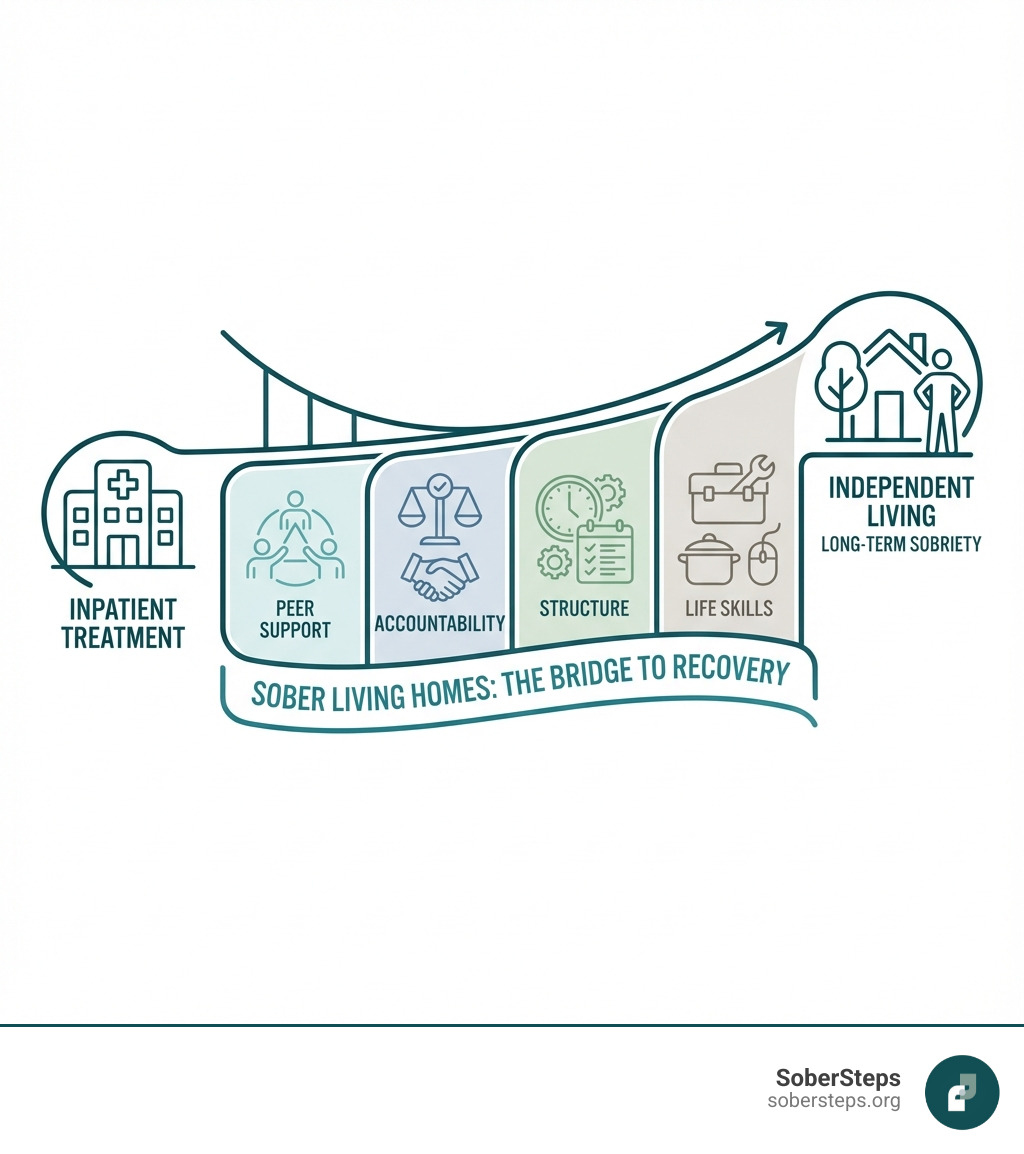
Sober Living Homes are substance-free residential environments that provide structure, support, and accountability for individuals recovering from addiction. They serve as a critical bridge between intensive treatment programs and independent living, offering a safe space to practice sobriety skills in a real-world setting.
Quick Overview:
What they are: Peer-supported, alcohol and drug-free housing for people in recovery
Who they’re for: Individuals transitioning from rehab, those needing structure, or anyone committed to maintaining sobriety
How long: Typically 90 days minimum, often 6-18 months for best results
What to expect: House rules, drug testing, shared responsibilities, peer support, and 12-step meeting attendance
Cost: Average $500-$1,200/month for standard homes; luxury options can exceed $3,000/month
Effectiveness: Research shows significant improvements in abstinence rates (from 11% to 68% at 6 months in one study), employment, and reduced arrests
If you’re finishing treatment and wondering what’s next, the transition to everyday life can feel overwhelming. That gap is exactly where Sober Living Homes make their biggest impact.
Sober Living Homes aren’t treatment facilities. They don’t offer clinical therapy but provide a supportive community, a structured environment for accountability, and the time needed to build healthy habits before facing life’s pressures alone.
Research shows that residents in Sober Living Homes improve sobriety rates, employment outcomes, and reduce arrest rates. One study found abstinence rates jumped from 11% at baseline to 68% at 6 and 12 months, an improvement that often continued after residents moved out.
At Sober Steps, we connect individuals with resources for lasting recovery, including guidance on finding quality Sober Living Homes. We know the right environment can transform a recovery journey from a daily struggle into a sustainable path. For confidential help, call us at (844) 491-5566.
Understanding Sober Living: What It Is and How It Works
Sober Living Homes, also known as recovery residences, are crucial components of the recovery continuum. They are alcohol and drug-free living environments designed for individuals committed to abstaining from substances. They are a safe harbor after the turbulence of addiction, allowing you to find your bearings before living independently.
The primary goals are sustained abstinence, life skill development, and community building. It’s a peer-driven model where residents support each other in rebuilding a life of purpose, not just avoiding substances. Many homes integrate 12-Step programs, emphasizing mutual aid.
The social model of recovery is central to many homes. This philosophy views recovery as learning new behaviors through interaction with peers. It’s about building a new, healthy social network—a “sober tribe”—that supports your journey.
Feature
Sober Living Home
Halfway House
Rehab Center
Purpose
Transition to independent sober living
Reintegration after incarceration or treatment
Intensive treatment for addiction
Funding
Mostly resident fees, some private/non-profit funding
Often state-regulated, tied to criminal justice system
State-licensed, medically regulated
Structure
Peer-driven, house rules, self-governance
More structured, staff supervision, time limits
Highly structured, medical and therapeutic staff
Services
Peer support, life skills, 12-Step meetings, accountability
Supervision, some counseling, job assistance
Medical detox, therapy (individual/group), medication, aftercare planning
Duration of Stay
Flexible, often 6-18 months, no fixed limit
Time-limited (e.g., 6-12 months)
Fixed duration (e.g., 30, 60, 90 days)
Admission
Voluntary, commitment to abstinence
Often court-mandated or post-incarceration
Requires active addiction, medical assessment
The Core Philosophy: Structure and Support
Sober Living Homes provide structure and support. A stable, substance-free environment is essential for sustained abstinence, as destructive environments can derail recovery.
Structure includes house rules, routines, and personal responsibility. Residents are accountable to each other, creating a peer-driven environment that helps develop healthy habits and financial management. The goal extends beyond sobriety to “emotional sobriety”—managing emotions and building healthy relationships.
Skill building is also key. Residents practice decision-making and problem-solving in a safe environment, which is crucial for navigating life without substances. This gradual re-entry fosters growth and self-efficacy.
Different Models of Sober Living Homes
Sober Living Homes vary in their model. The National Association of Recovery Residences (NARR) identifies four levels of support:
Level I – Oxford Housing: These are peer-run and self-organized. Residents make decisions collectively, emphasizing self-governance and mutual support. Oxford House is a well-known network of such homes.
Level II – Monitored: These homes have at least one paid staff member for oversight, but still emphasize peer support.
Level III – Supervised: These offer more structure with certified staff providing clinical support and intensive programming.
Level IV – Integrated Services (Residential Treatment): These homes are integrated with clinical services, with credentialed staff and administrative supervision. They are often therapeutic communities (TCs) offering long-term care.
Other models include:
Freestanding Homes: Independent homes not associated with a treatment center, ideal for those needing a stable environment after formal treatment.
Outpatient-Associated Homes: Affiliated with outpatient programs, allowing residents to receive clinical care while living in a supportive, substance-free home.
Sober Living vs. Other Recovery Housing Options
Understanding the differences between recovery housing options is key to finding the right fit.
Sober Living Homes differ from halfway houses:
Halfway Houses: Often government-funded and tied to the criminal justice system for individuals post-incarceration. Stays are often court-mandated and time-limited.
Sober Living Homes: Generally voluntary, resident-funded, and peer-governed. Stays are flexible, focusing on recovery participation rather than legal supervision.
Compared to rehab centers:
Rehab Centers: Formal treatment facilities offering medical detox and intensive clinical therapy. They are the first step in recovery.
Sober Living Homes: A step after rehab, they don’t provide clinical treatment but offer a supportive environment to apply skills learned in rehab.
A study on sober living characteristics highlights how these distinctions impact outcomes, with sober living providing a unique blend of autonomy and support that complements formal treatment.
Life Inside a Sober Living Home
Life in a Sober Living Home is structured yet empowering, fostering independence within a supportive community. It’s a chance to practice healthy habits without outside pressures, like a recovery boot camp with a shared sense of purpose.
Typical House Rules and Requirements
To maintain a safe environment, homes have clear rules that create a foundation for recovery and mutual respect. Common requirements include:
Zero-Tolerance for Substance Use: This is non-negotiable. Any use of alcohol or drugs often results in immediate eviction to protect the sobriety of all residents.
Mandatory Drug Testing: Regular and random drug tests are common to ensure compliance with the zero-tolerance policy.
Curfews: Most homes have set curfew times to ensure residents are safely in the house and to promote a structured routine.
House Meetings: Regular meetings are held for residents to discuss house issues, resolve conflicts, and provide peer support.
Chores and Upkeep: Residents are expected to contribute to the cleanliness and maintenance of the home.
Employment or School Requirements: Many Sober Living Homes require residents to be actively working, seeking employment, or attending school.
Visitor Policies: Rules regarding visitors are in place to protect the privacy and sobriety of residents. Overnight guests are typically prohibited.
Services and Support Offered
Sober Living Homes offer various services to reinforce recovery:
Group Support: Daily or weekly group sessions focus on goal setting, meditation, and self-reflection.
Access to Counseling Resources: Many homes have connections to external therapists, psychologists, and psychiatrists.
Life Skills Training: Residents learn practical skills like budgeting, cooking, job searching, and conflict resolution.
Vocational Support: Some homes assist with job placement or connect residents with resources for vocational training.
12-Step Meeting Attendance: Involvement in 12-step programs (like AA or NA) is often mandated or strongly encouraged.
Peer Mentorship: More experienced residents often mentor newer ones, sharing their journey and offering guidance.
How Long Do Residents Stay?
The length of stay is flexible, allowing individuals to progress at their own pace. While a 90-day minimum is often recommended, many residents stay for 6 to 18 months to solidify their recovery.
The duration depends on:
Individual Progress: Residents stay until they feel confident and equipped to live independently without risking relapse.
Home Environment Readiness: If a resident’s home environment is full of triggers, a longer stay can be invaluable.
Building Skills: It takes time to develop new habits, build a sober social network, and gain essential life skills.
Research on 18-month outcomes suggests longer stays improve outcomes, with residents showing continued improvement in abstinence and well-being even after leaving.
The Benefits and Effectiveness of Sober Living Homes
Choosing a Sober Living Home helps build a foundation for long-term recovery. The benefits go beyond sobriety to include rebuilding lives, fostering independence, and creating a supportive community. It’s about gaining the tools to thrive in sobriety.
Proven Success Rates in Promoting Sobriety
The effectiveness of Sober Living Homes is backed by research, showing positive outcomes for residents, especially with longer stays.
Improved Abstinence Rates: One study found abstinence rates at one facility soared from 11% at baseline to 68% at 6- and 12-month follow-ups. Another facility saw rates improve from 20% at baseline to 45% at 12 months.
Reduced Substance Use Severity: Even for those who didn’t achieve complete abstinence, the severity of substance use significantly decreased.
Lowered Arrest Rates: Arrest rates for residents dropped significantly, from 42% before entry to 22% at the 12-month follow-up in one study, indicating reduced criminal activity.
Improved Employment Outcomes: Residents often see improvements in employment, helping them regain financial stability.
Improved Mental Health: Residents often report improved psychiatric symptoms, which is crucial as many also face co-occurring mental health disorders.
These statistics, from scientific research on 18-month outcomes, underscore the impact of a supportive environment. Involvement in 12-step groups is linked to better outcomes, while a social network with substance use is linked to worse outcomes, emphasizing the need for a new, sober support system.
Potential Challenges and Drawbacks
While beneficial, it’s important to acknowledge potential challenges in sober living.
Cost and Financial Burden: Monthly rent can be a financial strain for those rebuilding their lives.
Lack of Privacy: Communal living means less personal space, which can be an adjustment.
Potential for Conflict with Housemates: Close quarters can lead to conflict, making conflict resolution skills vital.
Finding a Quality Home: Lack of mandatory regulation means quality can vary, requiring careful research to find a reputable home.
Risk of Poorly Run Houses: Some homes are poorly managed or fraudulent, underscoring the need for due diligence.
Finding and Choosing the Right Sober Living Home
Choosing a Sober Living Home is a significant decision that requires thoughtful research. Find a place where you feel safe, supported, and empowered in your recovery. For confidential help, call us at (844) 491-5566.
Key Factors to Consider
Key factors to consider include:
Location and Environment: Look for easy access to work, school, and support networks in a peaceful environment.
Staff Qualifications: Staff or house managers should be knowledgeable and supportive. Lived experience can be valuable.
House Rules and Structure: Ensure rules are clear, fair, and aligned with your recovery goals and needs.
Cost and Payment Options: Understand the full financial commitment, including what’s covered in the rent.
Services Offered: Check for support like group meetings, life skills training, or connections to resources.
Resident-to-Staff Ratio: In monitored homes, a good ratio indicates adequate support.
Understanding the Costs and Payment Options
Costs vary, with standard homes typically ranging from $500 to $1,200 per month. Luxury facilities can exceed $3,000 per month. The monthly rate usually covers rent and utilities. Ask for a detailed breakdown of all costs.
Insurance Coverage: Sober living is not typically covered by insurance as it’s not medical treatment. However, associated outpatient therapy may be covered.
Sliding Scale Fees: Many homes offer income-based sliding scale fees.
Scholarships or Grants: Some non-profits or organizations receiving SAMHSA grants may offer financial assistance for sober living.
Your Rights: Under The Fair Housing Act and the ADA, residents of sober living homes are protected from housing discrimination.
Accreditation and Regulation
Accreditation for sober living homes can be complex. Unlike licensed treatment centers, they are often minimally regulated, so quality can vary.
National Association of Recovery Residences (NARR): NARR sets national standards for recovery residences. Look for NARR-certified homes, as this indicates a commitment to best practices.
State-Level Certification: Some states have their own certification programs. Check for any in your area.
Importance of Standards: Standards ensure a safe, ethical, and supportive environment, covering safety, resident rights, and policies.
Red Flags: Be wary of homes that only accept cash, offer “free” rent tied to kickbacks, have unclear policies, or high turnover. These can be signs of a poorly run operation.
The Broader Role of Sober Living in Recovery and Society
Sober Living Homes are more than just housing. They are a vital part of the addiction treatment and criminal justice systems, fostering community integration and reducing stigma.
A Vital Step After Inpatient Treatment
After inpatient treatment, returning to everyday life can be daunting. Sober Living Homes offer a crucial bridge, allowing individuals to:
Apply Learned Skills: Sober living provides a safe space to practice coping skills learned in treatment when faced with daily stressors.
Prevent Relapse Post-Rehab: The high-risk period after treatment is when a supportive, substance-free environment is most critical for preventing relapse. Sober living homes provide this continued support.
Gradual Independence: Residents experience a gradual transition to independence, earning more privileges as they demonstrate commitment to sobriety.
Role in the Criminal Justice System
Sober Living Homes also have a significant impact on the criminal justice system, offering a path to rehabilitation and reduced recidivism.
Housing for Parolees:Sober Living Homes provide essential, stable housing for individuals released from incarceration.
Reducing Re-Arrest Rates: Studies show a substantial reduction in re-arrest rates for residents, dropping from 42% before entry to 22% at 12 months in one case.
Challenges for Justice-Referred Individuals: These individuals may face unique challenges like employment barriers. Good homes provide support for these issues.
Supporting Community Reentry: Sober living helps justice-involved individuals reenter communities by providing structure, support, and opportunities, reducing the likelihood of reoffending.
Frequently Asked Questions about Sober Living Homes
Here are answers to common questions about Sober Living Homes:
Are sober living homes safe?
Yes, reputable homes prioritize safety through:
Strict Rules: Zero-tolerance policies for substance use and disruptive behavior.
Regular Drug Testing: To maintain a substance-free environment.
Peer Support: Residents hold each other accountable, creating a collective commitment to sobriety.
House Management: Many homes have managers or staff to oversee operations.
Choosing a NARR-certified or state-certified home ensures a commitment to safety and ethics.
Can I be evicted from a sober living home?
Yes, residents can be evicted. Common reasons include:
Relapse: Violating the zero-tolerance policy is grounds for immediate eviction to protect the house.
Non-Payment of Rent: Failure to pay monthly fees can lead to eviction.
Violent or Disruptive Behavior: Actions that threaten the safety or peace of the house.
Repeated Rule Violations: Consistent disregard for house rules.
These policies protect all residents. Reputable homes have a clear grievance procedure before eviction.
Do I have to have gone to rehab to enter a sober living home?
Not always. While many residents come from rehab, it’s not always required. Some homes accept individuals who are:
Motivated for Recovery: A genuine commitment to abstinence and following rules is most important.
Already Abstinent: You usually need to be sober for a period before entering.
Seeking Structure: Those who need a structured environment to maintain sobriety can benefit, even without formal rehab.
However, if you need medical detox or are struggling with active addiction, a rehab center is the right first step. Sober living is for those who have achieved initial sobriety. For confidential help, call us at (844) 491-5566.
Conclusion: Your Next Step Towards Lasting Sobriety
Addiction recovery is a marathon, not a sprint. Sober Living Homes offer a life-changing bridge between intensive treatment and independent sober living. They empower individuals to practice new skills, build supportive relationships, and gain confidence for long-term sobriety.
A supportive environment is powerful. With rules, peer accountability, and a focus on growth, sober living homes provide the stability needed to thrive. Residents become active members of a sober community and society.
If you’re considering this step, remember the proven benefits: improved abstinence, reduced substance use, lower arrest rates, and better employment. It can be the difference-maker in your recovery.
For confidential, anonymous help finding the right support for a substance use or mental health disorder, call us at (844) 491-5566 or explore your options with us today.
Speak to addiction Specialist 100% Free and Confidential
For anyone seeking help for addiction for themselves or a loved one calls to Sober Steps are completely confidential and available 24/7.
Please note: any treatment center listed on our site that receives calls is a paid advertiser.
Calls to a specific treatment center’s listing will be connected directly to that center.
Calls to our general helpline will be answered by treatment providers, all of whom are paid advertisers.
By calling the helpline, you agree to our terms and conditions. These calls are free of charge and carry no obligation to enter treatment. Neither Sober Steps nor anyone answering your call receives a commission or fee based on your choice of treatment provider.
If you’d like to explore additional treatment options or connect with a specific rehab center, you can browse our top-rated listings, visit our homepage, or call us at (844) 491-5566. You may also contact us for further assistance.