

Why Porn Addiction Recovery Matters Now More Than Ever
Porn addiction recovery is a journey to regain control, rebuild relationships, and break free from compulsive pornography use. Here’s what you need to know:
Key Steps in Porn Addiction Recovery:
- Acknowledge the problem – Recognize when porn use has become compulsive.
- Seek professional help – Work with therapists trained in behavioral addiction.
- Build a support network – Connect with others who understand.
- Make lifestyle changes – Replace unhealthy habits with positive ones.
- Prevent relapse – Develop strategies to manage triggers.
With pornography more accessible than ever, many people find themselves trapped in a compulsive cycle that affects their relationships, mental health, and daily life. While casual use isn’t always an addiction, the line can blur for many.
The good news is that recovery is absolutely possible. With the right support and commitment, you can rewire your brain, heal relationships, and build a life free from compulsive porn use.
At Sober Steps, we’ve supported countless individuals on their porn addiction recovery journey. We understand that seeking help takes courage, and we’re here to guide you through every stage of recovery.
If you or a loved one is struggling, get help with porn addiction recovery today.
Understanding Porn Addiction and Its Effects
Porn addiction is a behavioral addiction characterized by a compulsion to view pornographic material that interferes with daily life, relationships, and well-being. Unlike casual viewing, it’s not just a “bad habit”; it can change the brain’s reward system, leading to significant distress. This compulsion leads to a loss of control, with individuals unable to stop despite trying. It often results in shame, guilt, and isolation as people hide their use, creating a vicious cycle that distances them from loved ones.
At Sober Steps, we recognize that porn addiction is a serious behavioral issue that consumes time and energy. For a deeper dive into how addiction works, you can explore more info about addiction.
Signs and Symptoms to Recognize
Identifying the signs of porn addiction is the first critical step toward recovery. Common signs and symptoms include:
- Inability to Stop or Control Use: Unsuccessful attempts to limit or stop viewing pornography.
- Escalating Use and Tolerance: Needing more frequent or graphic content to get the same effect, and spending increasing amounts of time watching porn at the expense of other responsibilities.
- Withdrawal Symptoms: Experiencing irritability, anxiety, depression, or obsessive thoughts when trying to stop.
- Loss of Interest in Real-Life Intimacy: A diminished interest in a romantic partner or real-life intimacy due to overstimulation from porn.
- Secrecy and Isolation: Hiding porn use, which fosters isolation, guilt, and shame.
- Negative Consequences: Problems at work or school, financial issues from spending on porn, or engaging in risky behaviors.
- Emotional Distress: A cycle of excitement followed by intense shame, guilt, or depression.
If you recognize these signs, it’s important to understand that you’re not alone. We offer resources to help, including information on managing co-occurring depression which often accompanies addiction.
Recognize the signs—take our self-assessment.
How Porn Addiction Rewires the Brain
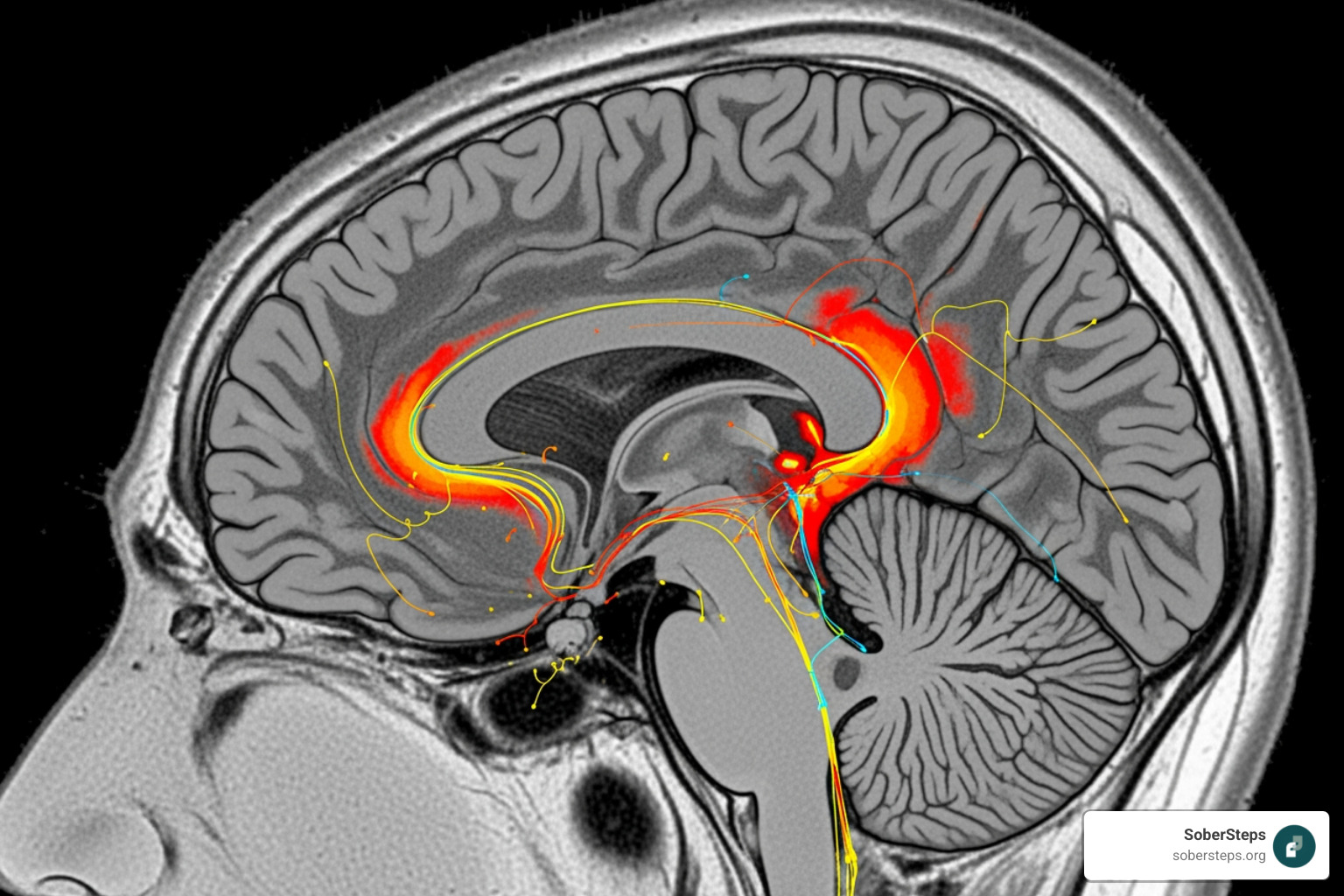
The impact of porn addiction is biological. Watching porn releases a surge of dopamine, the brain’s pleasure chemical. Over time, repeated exposure to high dopamine levels rewires the brain’s reward system.
This rewiring leads to tolerance, where the brain needs more stimulation to feel pleasure. This drives the search for more graphic content and makes everyday activities feel less satisfying.
Fortunately, the brain is adaptable (a concept known as neuroplasticity). Porn addiction recovery uses this to create new, healthier pathways. By stopping porn use and engaging in positive behaviors, the brain can be retrained to find pleasure in real life, restoring balance to its reward system.
Underlying Causes and Contributing Factors
Understanding why someone develops a porn addiction is crucial for effective recovery. It’s rarely a single cause but a complex interplay of factors:
- Psychological Factors: Using porn to cope with stress, anxiety, loneliness, depression, or low self-esteem.
- Co-Occurring Disorders: It often exists alongside other issues like substance use disorders or depression. Treating these conditions together is vital for recovery. We offer dedicated support for co-occurring disorders treatment.
- Accessibility, Affordability, and Anonymity (The “Triple-A” Impact): The internet makes porn easy to access, often for free and anonymously, lowering the barrier to compulsive use.
- Past Trauma: Using porn to self-soothe or cope with unresolved trauma.
- Genetic and Biological Factors: Some people may have a genetic predisposition to addiction.
Recognizing these factors allows for a more holistic and compassionate approach to recovery, focusing on the roots of the problem to foster lasting healing.
Explore your treatment options.
The Path to Porn Addiction Recovery: Stages and Strategies
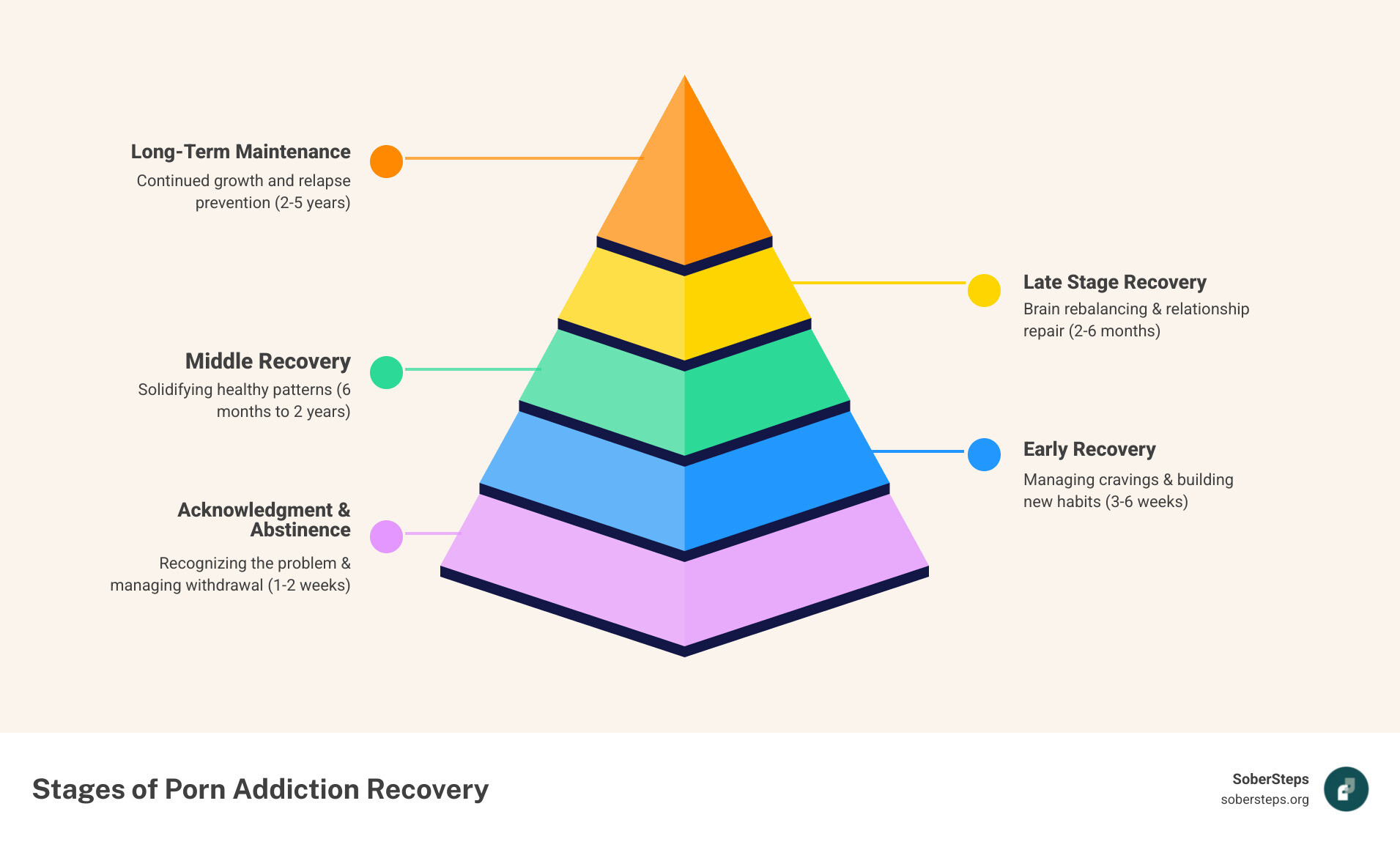
The path to porn addiction recovery is a journey with distinct stages. It’s a process requiring self-reflection, acknowledgment, and healthy boundaries. At Sober Steps, we empower you with the knowledge and tools to steer this path successfully. You can find more details on steps to recovery.

Starting Your Porn Addiction Recovery Journey: The Early Stage
The early stage of porn addiction recovery is often the most challenging but also the most pivotal. This period focuses on achieving and maintaining abstinence.
What you can expect:
- Abstinence: The primary goal is to stop viewing pornography completely.
- Withdrawal Symptoms: As your brain adjusts, you may experience irritability, anxiety, fatigue, and mood swings. These are temporary signs of recalibration. We offer support for drug withdrawal that shares similar principles.
- Managing Urges and Cravings: Urges are normal. Manage them with grounding techniques, healthy distractions, or by making your environment less triggering (e.g., blocking sites). We can help you learn how to get help with cravings.
- Creating a Safe Environment: Identify and remove triggers from your surroundings, such as canceling subscriptions or changing tech habits.
This initial phase demands immense courage and perseverance. It’s about breaking old patterns and laying the groundwork for a new, healthier life.
Start your recovery journey now.
The Middle Stage: Repair and Rebuilding
After achieving initial abstinence, the middle stage of porn addiction recovery begins. This “repair stage” is for deeper healing and personal growth, often lasting several months.
Key aspects of this stage include:
- Brain Healing and Rewiring: Your brain continues to rebalance, a process that can take 3 to 6 months. New, healthy neural pathways form as you engage in positive behaviors.
- Addressing Guilt and Shame: Therapy is invaluable for working through the guilt and shame that often accompany addiction and for developing self-compassion.
- Rebuilding Self-Esteem: Consistent progress and healthy activities will naturally improve your self-esteem. Acknowledge your strengths and celebrate your efforts.
- Repairing Relationships: This stage focuses on rebuilding trust and intimacy with loved ones through open communication and transparency.
- Developing New Habits: Continue replacing old behaviors with positive ones, like new hobbies and meaningful social connections.
This stage is about changing from the inside out. We offer various therapy options for recovery to support you, including individual therapy for addiction.
The Late Stage: Maintenance and Growth
The late stage of porn addiction recovery focuses on solidifying new habits and building a fulfilling life. This long-term commitment, often spanning two to five years, is crucial for breaking the addiction cycle.
During this stage, you’ll concentrate on:
- Solidifying New Habits: Healthy habits become second nature through consistent practice.
- Overcoming Complacency: Avoid overconfidence, which can lead to relapse. Stay vigilant and connected to your support system.
- Personal Growth: Focus on deep self-findy and personal development, building a better version of yourself rather than just counting days of abstinence.
- Building a Fulfilling Life: Create a life so satisfying that porn holds no appeal by pursuing passions and strengthening relationships.
- Long-Term Commitment: Recovery is an ongoing journey requiring continuous effort and self-awareness.
Sober Steps offers various resources to support you in this critical phase, including aftercare programs designed to provide ongoing support.
Stay on track with aftercare support.
Effective Treatment Options and Professional Support
Starting on porn addiction recovery can feel overwhelming, but you don’t have to do it alone. Professional guidance and structured treatment options significantly increase the chances of long-term success. We offer personalized plans and can help you learn how to find rehab and even verify your insurance for treatment.
Therapy and Counseling
Therapy and counseling are cornerstones of effective porn addiction recovery, providing a safe space to explore root causes, develop coping skills, and process emotions.
Some of the most effective therapeutic approaches include:
- Cognitive Behavioral Therapy (CBT): CBT is highly effective for porn addiction. It helps you identify and change negative thought patterns and behaviors, reducing problematic use and related symptoms.
- Individual Therapy: Individual therapy offers a personalized, one-on-one approach to explore your history, triggers, and goals, helping you develop strategies to overcome addiction.
- Couples Counseling: If addiction has impacted your relationship, couples counseling helps rebuild trust and redefine intimacy through open communication.
- Other Behavioral Therapies: Therapies like Motivational Improvement Therapy and Acceptance and Commitment Therapy (ACT) are also effective, focusing on values and commitment to change.
We offer a range of therapy options to support your recovery journey.
Connect with a therapist today.
Support Groups and Community
Support groups are invaluable in porn addiction recovery, offering a unique sense of community and shared understanding.
Benefits of support groups include:
- Peer Support: Peer support is proven to improve self-efficacy and self-esteem.
- Shared Understanding: Connecting with others who “get it” reduces isolation and shame.
- Accountability: Groups provide accountability, reinforcing your commitment to recovery.
- Guidance and Encouragement: Members share strategies and encouragement in a supportive environment.
Many groups follow a 12-step model, providing a structured path to healing. We encourage you to explore online support groups to find a community that resonates with you.
Join our online recovery community to find your tribe.
Addressing Co-Occurring Disorders
Porn addiction often co-occurs with other mental health conditions like anxiety or depression, known as a Dual Diagnosis. These conditions can contribute to the addiction or be made worse by it.
Integrated treatment is crucial. Addressing the addiction without the underlying mental health issues hinders recovery. Effective programs treat these interconnected challenges simultaneously, sometimes using medication alongside therapy.
At Sober Steps, we emphasize a holistic approach. If you’re struggling with both porn addiction and another mental health condition, we’re here to provide confidential mental health support.
Learn about dual diagnosis treatment and how we can help.
Building a Healthy Life: Lifestyle Changes and Relapse Prevention
Porn addiction recovery is more than stopping a behavior; it’s about building a fulfilling life where pornography holds no power. This holistic approach, as seen in addiction success stories, involves key lifestyle changes for long-term freedom.
The Role of Healthy Habits and Routines
Healthy habits and routines are a powerful recovery strategy. They naturally boost dopamine in a balanced way, helping your brain find pleasure in real-life experiences.
- Exercise and Physical Activity: Regular exercise distracts from cravings, improves mood, and provides a healthy dopamine boost.
- Healthy Diet: A balanced diet supports brain health and stabilizes mood.
- Sleep Hygiene: A steady sleep routine improves focus, emotional stability, and resilience against triggers.
- Mindfulness and Meditation: These practices help you manage stress and stay present, preventing compulsive behavior.
- Finding New Hobbies: New interests provide healthy outlets for time and energy, replacing old behaviors.
- Replacing Old Behaviors: Actively replace time spent on porn with healthy habits to build a life where artificial stimulation isn’t needed.
We encourage you to explore and find new healthy routines that resonate with you.
Long-Term Porn Addiction Recovery and Relapse Prevention
Long-term recovery requires proactive relapse prevention. Challenges are normal; the key is to manage them effectively and build resilience.
- Identifying High-Risk Situations: Recognize the people, places, emotions, and situations that trigger your urges.
- Creating a Relapse Prevention Plan: Develop an “if-then” plan for navigating urges, such as “If I feel a trigger, then I will use a coping strategy.”
- Managing Stress and Emotions: Develop healthy coping mechanisms for stress, like exercise or journaling. Avoid alcohol and drugs, which can lower inhibitions.
- Building Resilience: Recovery isn’t linear. View setbacks as learning opportunities and practice self-compassion to build resilience.
We offer valuable resources for relapse prevention strategies to help you stay on track.
Rebuilding Intimacy and Real-Life Connections
Porn addiction damages real-life connections. Recovery is an opportunity to heal these wounds and foster meaningful relationships.
- Overcoming Isolation: Counter the secrecy of addiction by re-engaging in social activities and reaching out to friends and family.
- Communicating with Partners: Open communication with a partner about the addiction and recovery efforts is essential for rebuilding trust.
- Rebuilding Trust: Trust is rebuilt over time through consistent, committed action.
- Redefining Intimacy: Move away from the unrealistic expectations of porn and redefine intimacy to value emotional connection.
- Fostering Meaningful Relationships: Build authentic relationships that provide a sense of belonging and satisfaction.
We believe that strengthening your relationships is a cornerstone of lasting recovery. Explore how individual therapy can help you steer these sensitive issues.
Strengthen your relationships—get support.
How to Support a Loved One in Recovery
Supporting a loved one in porn addiction recovery requires patience, understanding, and a commitment to their well-being without enabling the behavior.
Here’s how you can help:
- Educate Yourself: Learn about porn addiction, its effects on the brain, and the recovery process to offer more empathetic support.
- Communicate Without Judgment: Express your concerns with empathy, not shame or blame. Let them know you’re there for them.
- Encourage Professional Help: Gently encourage them to seek treatment. Offer to help them find resources, check insurance, or go to appointments.
- Set Healthy Boundaries: Support is crucial, but enabling is not. Set clear boundaries to protect your own well-being.
- Support, Don’t Enable: Spend quality time on healthy activities and celebrate their progress. A partner can offer support and accountability but should not be expected to police their behavior.
You don’t have to steer this alone either. We offer resources like our anonymous mental health hotline guide to help you find support for yourself.
Frequently Asked Questions about Porn Addiction Recovery
We understand that you might have many questions about porn addiction recovery. Here, we address some of the most common inquiries.
How long does recovery from porn addiction take?
The recovery timeline is highly personal, but here are some general expectations:
- Early Progress: Shifts in mindset and reduced urges can occur within a few weeks to a few months.
- Brain Rebalancing: The brain’s chemistry may take 3 to 6 months to rebalance. A temporary “flatline” in sexual response is normal during this time.
- Long-Term Habit Change: Solidifying new habits and breaking the addiction cycle can take several months to years, with a 2-5 year commitment often needed for lasting change.
Focus on progress, not perfection. Recovery is a journey, and every step forward is a victory.
Start your recovery today and take that first crucial step.
Is relapse a normal part of the recovery process?
Yes, relapse can be a part of the recovery learning curve. It doesn’t erase your progress but offers valuable insight into your triggers and patterns.
- A Learning Opportunity: Use a relapse to identify triggers and strengthen your coping strategies.
- Not a Sign of Failure: Practice self-compassion and focus on getting back on track.
- Importance of a Relapse Prevention Plan: A clear plan is essential for managing urges and knowing what to do if a lapse occurs.
We provide resources and guidance on what to do after a relapse to help you steer these moments with strength.
What are the most effective ways to manage intense cravings or urges?
Intense cravings are a normal part of early recovery and can be managed with the right strategies:
- Grounding Techniques: Use deep breathing or mindfulness to stay present and ride out the urge.
- Distraction: Redirect your focus to a healthy activity like exercise, a hobby, or calling a friend.
- Urge Surfing: Acknowledge the urge without judgment and observe it until it passes.
- Reach Out for Support: Contact a friend, sponsor, or therapist. Sharing your struggle reduces its power.
- Identify the Underlying Emotion: Urges are often linked to feelings like stress or loneliness. Address the root emotion.
- Create Friction: Make it harder to access porn by using content filters or removing apps.
Urges become less frequent and easier to handle over time. We can provide you with more custom strategies to get help with cravings now.
Conclusion: Your Path to Freedom Starts Today
Starting on porn addiction recovery is a courageous step towards a life of freedom, authenticity, and deeper connection. It’s a journey of healing and profound personal growth, where you learn to rewire your brain, repair relationships, and build a fulfilling existence far beyond the grip of addiction.
We know that taking the first step can be daunting, but we want you to know that you are not alone. Sober Steps is here to walk alongside you, offering comprehensive resources, compassionate support, and a community that understands. We believe that recovery is not only possible but entirely within your reach.
Your path to freedom starts today.
Contact SoberSteps for confidential support and let us help you explore your treatment options.