Online Drug Rehab: When to Choose Telehealth for Addiction
The New Era of Addiction Treatment: An Introduction to Online Rehab
Online Drug Rehab: When to Choose Telehealth for Addiction is a critical question for millions seeking help. The answer depends on several key factors:
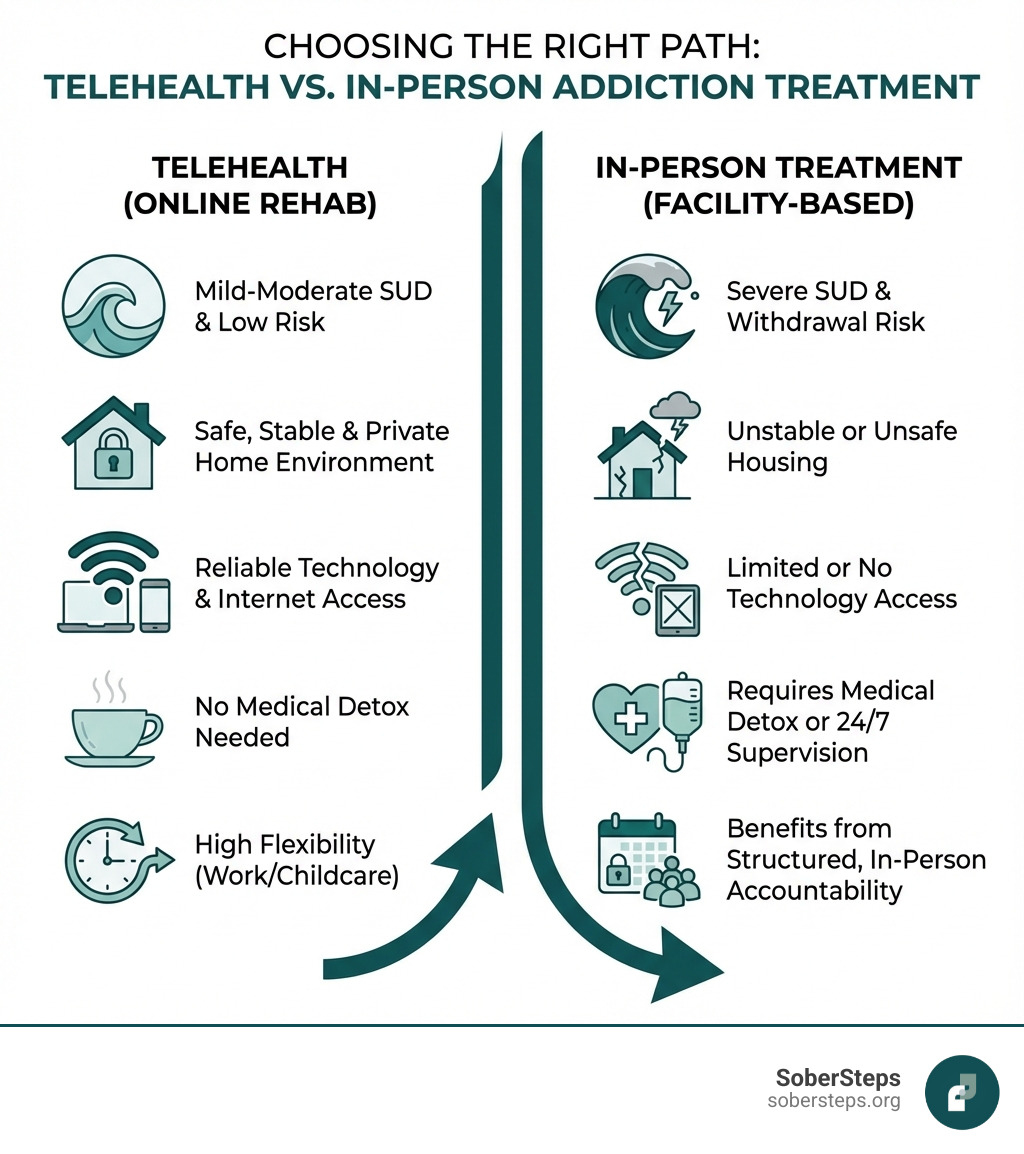
Consider Telehealth If You:
Have mild to moderate substance use disorder
Live in a rural area or far from treatment centers
Need flexibility for work or childcare
Have reliable internet access and a private space
Feel more comfortable seeking help from home
Have mobility issues or transportation challenges
Choose In-Person Treatment If You:
Have severe addiction or risk of dangerous withdrawal
Need medical detox or 24/7 supervision
Lack stable housing or technology access
Have serious co-occurring mental health conditions
Benefit from structured, in-person accountability
The COVID-19 pandemic transformed addiction treatment forever. Before 2020, only 27% of specialty addiction facilities offered telehealth. By fall 2021, that number jumped to over 70% using telephone or video platforms. What started as an emergency response became a proven treatment option—research shows telehealth is just as effective as in-person care for many people.
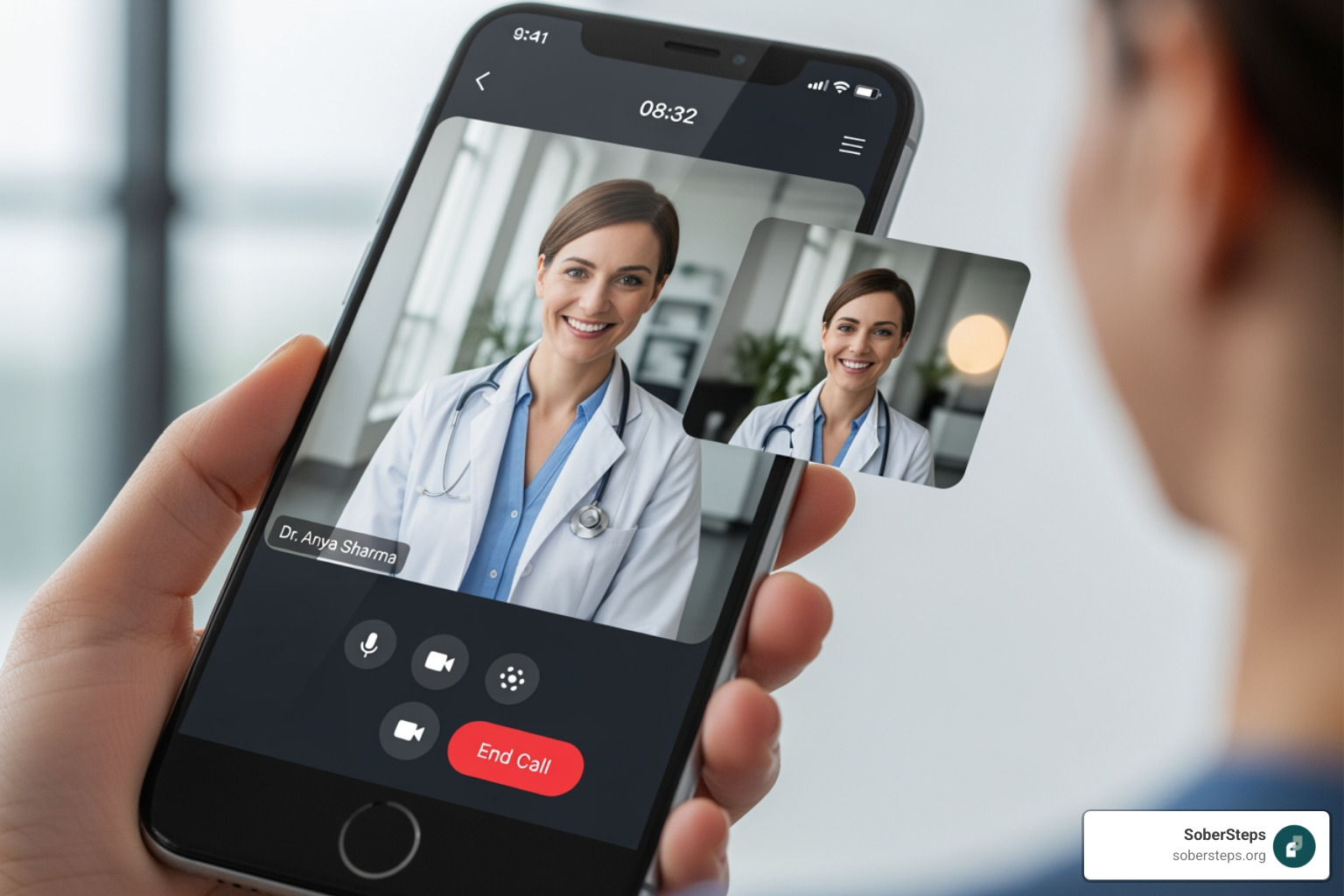
Telehealth for addiction uses video calls, phone sessions, mobile apps, and secure messaging to deliver therapy, medication management, and support. It’s not just convenient—it saves lives by removing barriers like transportation, stigma, and long wait times.
But telehealth isn’t right for everyone. If you’re experiencing severe withdrawal symptoms, need medical detox, or don’t have a safe home environment, in-person treatment may be essential.
At SoberSteps, we’ve guided thousands through the complexities of choosing the right treatment path, including helping individuals understand when Online Drug Rehab: When to Choose Telehealth for Addiction makes sense for their unique situation. Our team knows that recovery isn’t one-size-fits-all—it’s about finding what works for you.
This article breaks down everything you need to know: how online rehab works, what the research says about effectiveness, who benefits most, and how to access quality care. Whether you’re researching for yourself or a loved one, you’ll find honest, evidence-based answers.
How Does Online Drug Rehab Work? A Look at the Technology and Services
Telehealth, also known as telemedicine, virtual care, or digital medicine, is essentially the delivery of healthcare services remotely using telecommunication technologies. It’s not a new concept, having been used in clinical settings for over 60 years, but its application in addiction treatment has seen a dramatic rise recently.
At its core, telehealth connects you with medical and mental healthcare professionals without the need for an in-person visit. This can involve a variety of digital communication methods:
Synchronous vs. Asynchronous: Telehealth can be real-time (synchronous), like a live video call or phone conversation, or it can involve delayed communication (asynchronous), such as exchanging messages through a secure patient portal or using interactive web-based tools. Both play a vital role in comprehensive care.
Video Conferencing: This is perhaps the most recognized form of telehealth. It allows for live, face-to-face interaction with your therapist or doctor through platforms like Zoom or Doxy.me. This modality is particularly valued because it allows both parties to observe non-verbal cues and body language, fostering a stronger connection. In fact, clinical users often prefer video technologies for virtually all substance use disorder (SUD) services due to these benefits.
Telephone-Based Therapy: For those with limited internet access or who prefer simplicity, telephone-based therapy is a highly accessible option. It’s a synchronous method that allows for direct verbal communication with a therapist or counselor. Studies show telephonic services are considered more accessible and easier to use, especially for services like screening and assessment.
Mobile Apps and Text Message Support: These tools can significantly improve the recovery journey. Mobile apps offer personalized features such as push notifications, direct support connections, and even GPS tracking for high-risk locations. Text messaging can be used for appointment reminders, motivational messages, or immediate support during moments of temptation or struggle. These seemingly small interventions have been shown to reduce dropout rates in rehab programs and improve long-term abstinence.
Patient Portals: Secure, password-protected online portals serve as a central hub for communication, sharing documents, scheduling appointments, and accessing educational resources. These portals are designed to be HIPAA-compliant, ensuring your sensitive health information remains protected.
Crucially, all reputable telehealth services, including those for Online Drug Rehab: When to Choose Telehealth for Addiction, must adhere to strict privacy regulations, primarily the Health Insurance Portability and Accountability Act (HIPAA) in the United States. This means your data is encrypted and protected, just as it would be in an in-person setting. While some flexibility was granted during the pandemic, the fundamental obligation to protect client data remains paramount.
What Services Are Offered Virtually?
The beauty of telehealth lies in its versatility. Many essential addiction treatment services can be effectively delivered remotely, making care more accessible and convenient.
Individual Counseling: This is where telehealth truly shines. Providers are most confident in the effectiveness of individual counseling delivered via telehealth, often finding it as effective as in-person sessions. This includes various therapeutic approaches like Cognitive Behavioral Therapy (CBT) and Motivational Interviewing.
Group Therapy: While traditionally an in-person staple, group therapy has successfully transitioned online. While some providers express concerns about maintaining engagement and group cohesion in a virtual setting, especially for patients with attention issues, others find that some patients, particularly those with social anxiety, may feel more comfortable sharing in an online group due to a sense of anonymity.
Medication-Assisted Treatment (MAT): For opioid use disorder (OUD), telehealth has proven invaluable for managing medications like buprenorphine. During the COVID-19 emergency, federal agencies even allowed for new patients to be initiated on buprenorphine without an in-person visit, significantly lowering the barrier to treatment initiation. However, medications like methadone still typically require in-person induction, though take-home dosing flexibility has increased.
Intake Assessments: The initial evaluation process can often be completed via telehealth. This can shorten waiting times for treatment initiation, getting individuals the help they need faster. While some providers feel that building rapport is easier in person, virtual assessments are effective for data gathering and initial screening.
Recovery Support and Case Management: Beyond formal therapy, telehealth facilitates ongoing recovery support, including peer recovery services, and case management. These services are crucial for long-term sobriety and can be easily maintained through phone calls, video check-ins, and secure messaging.
The COVID-19 pandemic was an undeniable catalyst for the widespread adoption of telehealth in addiction treatment. Before 2020, regulatory problems, policy constraints, and concerns about patient safety, fraud, and quality severely limited telehealth’s reach. For instance, in 2019, only 21% of psychologists offered videoconferencing, and only 0.1% of addiction treatment visits for privately insured individuals and Medicare beneficiaries were conducted via telehealth.
However, the necessity of social distancing quickly forced a paradigm shift. Federal and state agencies temporarily eased many restrictions, including HIPAA regulations and requirements for in-person evaluations before prescribing certain controlled substances. This led to a “skyrocketing” demand and adoption rate. Telehealth use for SUDs, which had already seen a 20-fold increase between 2010 and 2017, surged even further. By fall 2021, a staggering 96% of psychologists were providing telehealth services, and over 70% of organizations providing SUD treatment used telephone or video platforms during the pandemic.
What’s clear is that this rapid expansion wasn’t just a temporary fix. Organizations providing SUD services overwhelmingly intend to continue using telehealth technologies post-COVID-19. Policymakers are now considering which of these temporary flexibilities should become permanent, recognizing telehealth’s potential to address long-standing access issues in addiction care. The pandemic, in an unexpected way, proved that virtual care could be a robust and reliable component of addiction treatment.
Is Online Rehab as Effective as In-Person Treatment? A Look at the Evidence
This is often the first question people ask, and it’s a good one. The good news is that research largely supports the effectiveness of telehealth for addiction treatment, particularly for certain types of services and patient populations.
Several studies have directly compared telehealth addiction treatment with traditional in-person care across various metrics:
Treatment Retention Rates: Research has found no significant difference in patient retention rates between telehealth and in-person treatment. This means individuals are just as likely to stick with their treatment plan whether they attend sessions virtually or in a physical office. One Canadian study even found that telehealth facilitated methadone prescribing and improved retention, although this specific finding needs further corroboration.
Substance Use Outcomes: Perhaps most importantly, studies indicate that there’s no significant difference in levels of substance use between patients receiving telehealth and those in in-person treatment. This suggests that virtual care can be just as effective in helping individuals achieve and maintain sobriety.
Therapeutic Alliance: The quality of the relationship between a patient and their therapist, known as the therapeutic alliance, is crucial for successful treatment. Studies have shown that this vital connection can be just as strong in a telehealth setting as it is in traditional in-person therapy.
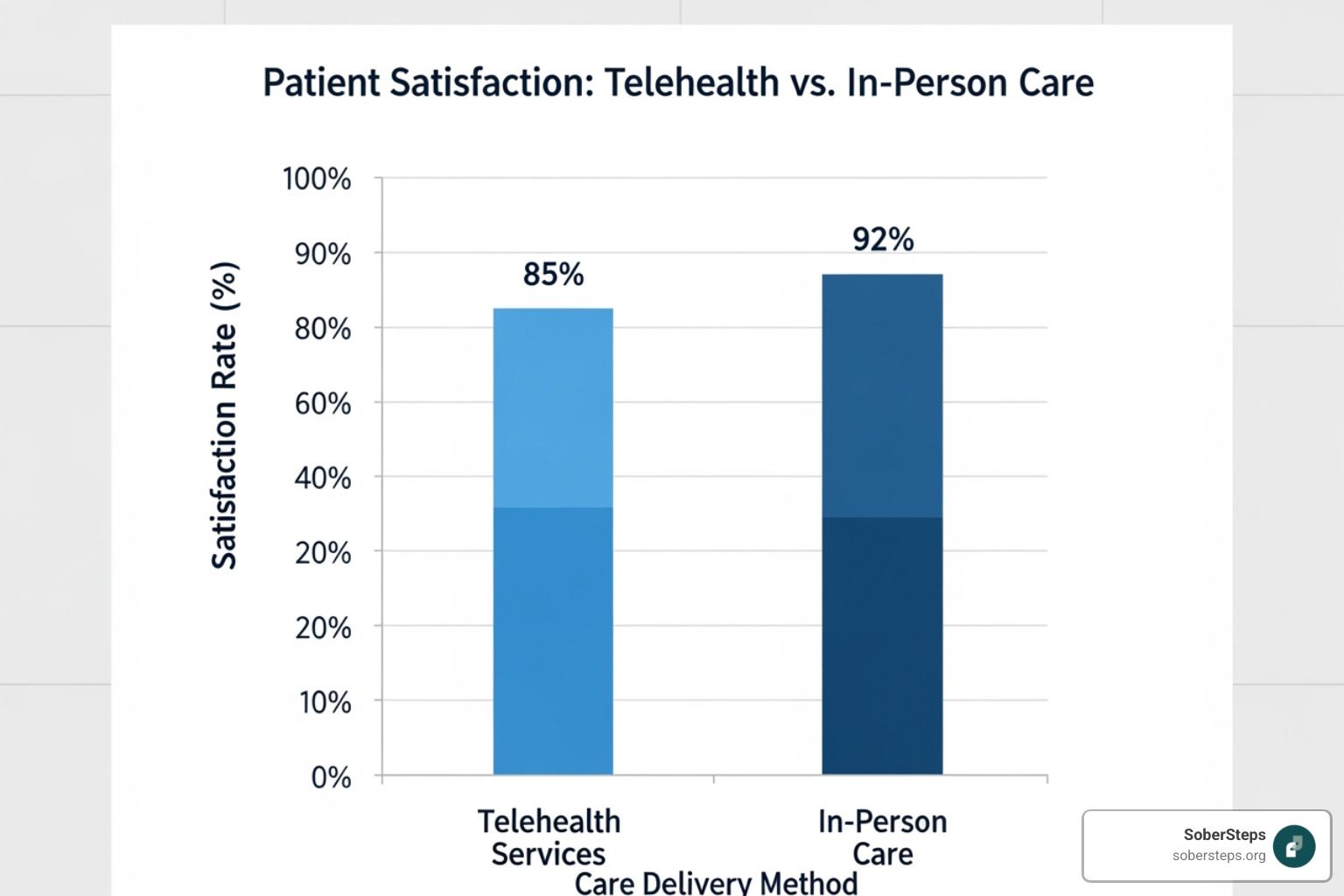
Patient Satisfaction: Patients generally report high satisfaction with telehealth services for SUDs. The convenience and accessibility often contribute positively to their experience. A recent study explicitly found no difference in patient satisfaction, levels of substance use, retention rates, or collaboration between therapists and patients when comparing in-person to telehealth services.
Comparing Effectiveness: What the Research Says
A comprehensive review, such as the one published in Addiction Treatment and Telehealth: Review of Efficacy and Provider Insights During the COVID-19 Pandemic, highlighted that seven out of eight studies found telehealth treatment to be as effective as in-person treatment regarding retention, therapeutic alliance, and substance use. This is powerful evidence that virtual care is not a lesser alternative but a comparable and effective option.
However, it’s worth noting that provider confidence varies depending on the specific service. While providers were most confident that individual counseling via telehealth was as effective as in-person individual counseling, they were less sure about the relative effectiveness of telehealth-delivered medication management, group counseling, and intake assessments. This suggests that while the overall outcomes are similar, the dynamic and perceived efficacy for certain modalities might differ from a clinician’s perspective.
For example, some providers found it challenging to sense patient affect and body language during virtual sessions, or to keep groups engaged. One provider noted, “half of counseling and therapy is body language and visual,” and that subtle cues like “dark circles under your eyes or you haven’t showered in a week” might be visible on video but not over the phone. Despite these perceptions, the objective research on outcomes remains largely positive.
Online Drug Rehab: When to Choose Telehealth for Addiction
Deciding whether telehealth is the right path for your addiction recovery is a deeply personal choice. It involves a careful self-assessment and, ideally, a professional consultation. We’ve seen that telehealth is effective, but its suitability depends on individual circumstances.
Here’s a table comparing key factors to help you consider your options:
Factor
Consider Telehealth If…
Consider In-Person If…
Severity of SUD
You have a mild to moderate substance use disorder.
You have a severe SUD or a high risk of dangerous withdrawal.
Home Environment
You have a stable, private, and safe home environment for sessions.
Your home environment is unstable, unsafe, or lacks privacy.
Technology Access
You have reliable internet access and a device (smartphone, computer) with a camera/microphone.
You lack reliable technology, internet access, or comfort with digital tools.
Need for Flexibility
You need flexibility for work, childcare, or other responsibilities.
You thrive on structured routines and a dedicated treatment environment away from home.
Medical Needs
You do not require medical detox or 24/7 medical supervision.
You need medical detox, constant medical monitoring, or complex physical care.
Geographic Location
You live in a rural or remote area, or far from treatment centers.
You prefer local, community-based support and easy access to a physical facility.
Privacy Concerns
You prefer the anonymity and privacy of receiving treatment from your own space.
You benefit from the direct, in-person connection and accountability of a physical setting.
Co-occurring Conditions
You have mild to moderate mental health conditions (e.g., anxiety, depression) alongside SUD.
You have severe co-occurring mental health conditions (e.g., severe BPD, thought disorders) requiring intensive support.
Who Benefits Most from Online Drug Rehab?
Telehealth is a game-changer for many individuals seeking help for addiction. It particularly benefits those who:
Have Mild to Moderate SUDs: For individuals whose substance use is not yet severe enough to require medical detox or intensive 24/7 supervision, telehealth offers an accessible and effective pathway to recovery.
Reside in Rural or Remote Areas: Telehealth was originally developed to provide care for those in remote regions. For Americans living far from treatment centers, virtual care eliminates the significant barrier of travel, making quality treatment a reality.
Face Mobility Issues or Transportation Challenges: Whether due to a physical disability, lack of a vehicle, or unreliable public transport, getting to in-person appointments can be a major hurdle. Telehealth removes this obstacle entirely.
Are Busy Professionals, Parents, or Caregivers: The flexibility of online sessions allows individuals to integrate treatment into demanding schedules, balancing work, family responsibilities, and recovery without constant disruption. This means you can continue to travel for work or care for children while receiving support.
Seek Greater Privacy and Reduced Stigma: For some, the idea of walking into an addiction treatment center can feel daunting or expose them to perceived stigma. Telehealth allows individuals to seek help from the comfort and privacy of their own homes, which can make the initial step much easier.
Are Managing Co-occurring Anxiety or Depression: With 68.4% of telehealth users in the U.S. in April 2023 seeking services for mental health conditions, online platforms are well-equipped to address co-occurring mental health challenges alongside SUDs.
When is In-Person Treatment a Better Option for Addiction?
While telehealth offers incredible advantages, it’s not a universal solution. Certain situations necessitate the structured, medically supervised environment of in-person treatment:
Severe Substance Use Disorder: If your addiction is severe, characterized by heavy, prolonged use and significant functional impairment, the intensity and direct oversight of an inpatient or residential program may be crucial for your safety and recovery.
High Risk of Dangerous Withdrawal: Withdrawal from certain substances (like alcohol or benzodiazepines) can be medically dangerous, even life-threatening. If you are at risk of severe withdrawal symptoms, medical detox with 24/7 supervision is non-negotiable. Telehealth cannot provide this level of medical monitoring.
Need for Medical Detox or 24/7 Supervision: Beyond withdrawal, some individuals require constant medical attention due to co-occurring physical health issues exacerbated by substance use. In these cases, a facility with round-the-clock medical staff is essential.
Unstable or Unsafe Housing: For individuals without stable housing or those living in an environment that is not conducive to recovery (e.g., surrounded by active substance use), an in-person residential program provides a safe, supportive, and controlled environment.
Lack of Reliable Technology or Digital Comfort: If you don’t have consistent internet access, a suitable device, or simply aren’t comfortable with technology, telehealth can become a source of frustration rather than support. Telephone-based services can help, but for comprehensive care, stable technology is often needed.
Need for Physical Accountability: Some individuals benefit greatly from the inherent accountability of showing up in person, undergoing daily drug testing, and having their vital signs monitored. Online appointments don’t allow for these physical checks, which can be critical for some in early recovery.
Severe Co-occurring Mental Health Conditions: While telehealth can address many mental health concerns, severe conditions such as suicidal ideation, homicidal thoughts, severe borderline personality disorder, or thought disorders like schizophrenia often require the immediate and intensive support that only in-person care can provide.
The choice should be made in consultation with a healthcare professional who can assess your specific needs, the severity of your addiction, and your living situation.
Navigating the Practicalities of Virtual Rehab
Once you’ve determined that telehealth might be a good fit, the next steps involve understanding the practicalities: how to pay for it and how to find a quality program.
Insurance, Costs, and Finding a Reputable Online Program
One of the significant advantages of telehealth for addiction treatment is its increasing affordability and accessibility through insurance:
Insurance Coverage: Most insurance providers in the United States now cover Online Drug Rehab: When to Choose Telehealth for Addiction. The pandemic accelerated this trend, as many insurers expanded their telehealth coverage. This includes private insurance plans and Medicare.
Verifying Your Plan: While coverage is common, it’s crucial to verify your specific benefits. We recommend contacting your insurance provider directly or asking the treatment program to help you check if your plan is in-network with them.
Potential Cost Savings: Beyond insurance coverage, telehealth can lead to significant out-of-pocket savings. You eliminate costs associated with transportation (gas, public transit), childcare, and time off work. This can make long-term recovery more sustainable.
Finding a reputable online program is just as important as finding a good in-person facility. Here are key considerations and questions to ask a potential provider:
Licensed Therapists: Ensure all clinicians are licensed in your state. State licensure laws can be strict, especially regarding therapy for out-of-state clients.
HIPAA-Compliant Platforms: Verify that the platform used for video calls, messaging, and patient portals is fully HIPAA-compliant. This protects your privacy and the security of your health information. Ask about their data security measures.
Emergency Protocols: Inquire about their protocols for emergencies, such as suicidal ideation or overdose. A quality program will have clear steps in place, including how they would connect you to local emergency services if needed.
Treatment Modalities Offered: Understand what types of therapy (e.g., CBT, group therapy) and services (e.g., MAT, case management) they provide and how they adapt these for a virtual setting.
Technology Requirements: Ask about the specific technology you’ll need (internet speed, device type) and if they offer support for technical issues.
In-Person Components: Some telehealth programs offer a hybrid model. Ask if there are any required or recommended in-person components, such as initial assessments or periodic drug testing.
Choosing a quality provider means asking the right questions and ensuring their practices align with your needs and comfort level.
Frequently Asked Questions about Online Addiction Treatment
We understand you likely have many questions about Online Drug Rehab: When to Choose Telehealth for Addiction. Here are answers to some of the most common ones:
Can I get medication prescribed through online drug rehab?
Yes, for some conditions and medications, you can receive prescriptions through online drug rehab. For example, physicians can prescribe medications like buprenorphine for Opioid Use Disorder (OUD) via telehealth. During the COVID-19 pandemic, federal regulations were relaxed to allow for the initiation of buprenorphine treatment without an in-person visit, significantly improving access.
However, this isn’t universally applicable. Methadone, for instance, typically still requires in-person induction, although take-home dosing flexibility has increased. Additionally, not all mental health therapists are licensed to prescribe medication; usually, psychiatrists or medical doctors within a telehealth program handle prescriptions. Always clarify with your provider what medications can be prescribed and managed virtually.
Is my privacy protected during online therapy?
Absolutely. Reputable online drug rehab programs are legally and ethically bound to protect your privacy, just like in-person services. In the United States, this means adhering to HIPAA regulations. Providers use HIPAA-compliant platforms with features like end-to-end encryption for video calls and secure patient portals for messaging.
However, your role in maintaining privacy is also important. We advise ensuring you are in a private, secure space where you won’t be overheard or interrupted during your sessions. Check your device and home network security. If you have any concerns about confidentiality, always discuss them with your provider to ensure their specific practices meet your needs.
What technology do I need for telehealth?
To participate in most telehealth addiction treatment programs, you typically need:
A Reliable Internet Connection: This is crucial for stable video calls and accessing online resources. A minimum bandwidth of 384 Kbps is recommended for videoconferencing.
A Device with a Camera and Microphone: This could be a smartphone, tablet, laptop, or desktop computer. Most modern devices come equipped with these features.
A Private Space: While not a technological requirement, having a quiet, private area for your sessions is essential for your comfort and confidentiality.
It’s also important to remember that many programs offer telephone-based services as an alternative if you have limited internet access or prefer phone calls. Telephonic services are considered highly accessible and are a vital part of comprehensive telehealth offerings.
Your Confidential Path to Recovery
The landscape of addiction treatment has evolved, and Online Drug Rehab: When to Choose Telehealth for Addiction has emerged as a powerful, effective, and accessible option for many. The evidence is clear: for suitable candidates, telehealth can provide comparable outcomes to in-person care, while offering unparalleled convenience, reducing stigma, and overcoming geographical barriers.
At SoberSteps, we believe that every individual deserves a confidential and anonymous path to recovery that fits their unique life. We understand that taking the first step can be challenging, and choosing the right treatment method is a significant decision. Whether telehealth is your primary choice or a complement to in-person care, it represents an empowering option to reclaim your life.
If you’re ready to explore your options and find the personalized care that’s right for you, don’t hesitate. Take the next step towards recovery Call our 24/7 confidential helpline at (844) 491-5566 to discuss your options.
Speak to addiction Specialist 100% Free and Confidential
Understanding Your Path to Recovery Alcohol rehab centers provide professional treatment and support for individuals struggling with alcohol use disorder. If you or a loved one need help, here’s what
For anyone seeking help for addiction for themselves or a loved one calls to Sober Steps are completely confidential and available 24/7.
Please note: any treatment center listed on our site that receives calls is a paid advertiser.
Calls to a specific treatment center’s listing will be connected directly to that center.
Calls to our general helpline will be answered by treatment providers, all of whom are paid advertisers.
By calling the helpline, you agree to our terms and conditions. These calls are free of charge and carry no obligation to enter treatment. Neither Sober Steps nor anyone answering your call receives a commission or fee based on your choice of treatment provider.
If you’d like to explore additional treatment options or connect with a specific rehab center, you can browse our top-rated listings, visit our homepage, or call us at (844) 491-5566. You may also contact us for further assistance.