

Why Nutrition is a Cornerstone of Sobriety
Nutrition in recovery is a critical component of healing from substance use disorder. Your body works overtime in recovery to repair damage, rebalance chemistry, and rebuild strength—and it needs the right fuel to do so.
Quick Answer: How Nutrition Supports Your Recovery
- Repairs physical damage caused by substance abuse to organs like the liver, pancreas, and digestive system
- Restores essential nutrients depleted by drugs and alcohol (B vitamins, magnesium, amino acids)
- Stabilizes mood and reduces cravings by supporting neurotransmitter production
- Improves mental clarity and focus needed for therapy and building coping skills
- Boosts energy levels to support your daily recovery work
- Strengthens immunity to help your body fight illness
- Supports brain healing and the formation of new, healthy neural pathways
Substance abuse takes a profound toll on the body. It depletes essential vitamins and minerals, damages organs, and disrupts your body’s ability to heal. In fact, research shows the majority of people entering treatment for substance use disorder show signs of nutritional deficiency. These deficiencies can worsen symptoms that make recovery harder, like depression, anxiety, fatigue, and intense cravings.
But here’s the hope: malnutrition is reversible. Your body can learn to thrive without substances. Proper nutrition provides the building blocks to repair damaged tissue, produce mood-regulating neurotransmitters, and restore energy. It’s about healing from the inside out.
This guide covers how substance abuse disrupts nutritional health, the key nutrients for recovery, and practical steps to nourish yourself on your sobriety journey. Understanding nutrition’s power can make a real difference. For comprehensive support, explore our resources on Overcoming Drug Addiction.
At Sober Steps, we’ve supported thousands of individuals through their recovery journeys by providing evidence-based information on all aspects of healing, including nutrition in recovery. We understand that lasting sobriety requires addressing the whole person—mind, body, and spirit.
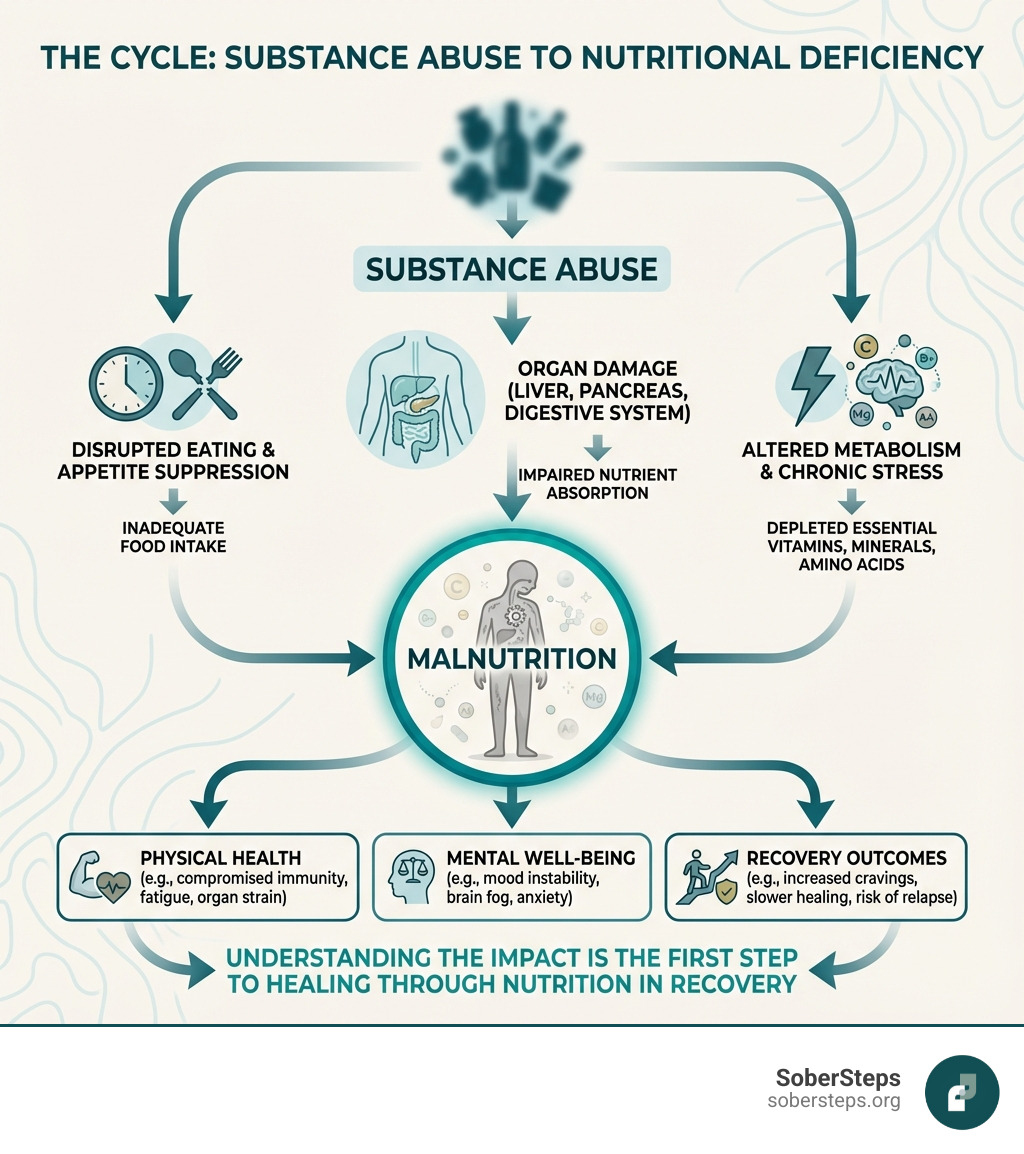
How Substance Abuse Disrupts Your Nutritional Health
Substance use disorders (SUDs) wreak havoc on your physical body, altering how it absorbs, processes, and uses nutrients. This creates a vicious cycle where poor nutrition in recovery can make the journey even harder.

The Impact of Alcohol
Alcoholic drinks are often high in ’empty calories,’ providing calories but little to no nutritional value. This can suppress appetite, leading to poor food intake, while alcohol itself actively impairs nutrient absorption.
Chronic alcohol use is a major cause of nutritional deficiency in the United States. It damages crucial organs like the liver and pancreas, which are responsible for metabolism and nutrient processing. This damage leads to an imbalance of fluids, calories, protein, and electrolytes.
Common deficiencies linked to alcohol abuse include essential B vitamins like Thiamine (B1), B6, and Folic Acid. A severe lack of Thiamine can even lead to serious neurological conditions like Wernicke-Korsakoff Syndrome, often called ‘wet brain.’ Alcohol addiction can also disrupt electrolyte balance, leading to low sodium (hyponatremia) which can cause confusion, seizures, or even coma. Beyond these, alcohol can cause inflammation and damage to the stomach and intestines, further impairing nutrient absorption.
If you or a loved one is struggling with alcohol misuse, seeking professional help is a vital first step. You can find help at Alcohol Rehab Centers that understand these complex nutritional needs.
The Impact of Opiates
Opioids significantly disrupt the digestive system. Common issues like severe constipation, nausea, and vomiting lead to appetite suppression, poor nutrient absorption, and electrolyte imbalances. These problems can also lower vitamin D levels, potentially worsening anxiety and depression. Reduced saliva production can also impact oral health, leading to a preference for softer, less nutritious foods.
The Impact of Stimulants
Stimulants like cocaine and methamphetamine often cause appetite suppression. Users may go on binges without eating or drinking, leading to dehydration, electrolyte imbalance, and severe malnutrition. This cycle, combined with an increased metabolism, can cause significant weight loss and other health complications. The body’s lack of sustenance makes nutrition in recovery even more critical. For more on the dangers of malnutrition, see MedlinePlus.
The Impact of Marijuana
Marijuana often increases appetite (‘the munchies’), but this typically leads to cravings for unhealthy foods high in fat, sugar, and salt. This can cause excessive calorie intake and weight gain, increasing the risk of health issues like heart disease and diabetes. This nutritional imbalance requires careful attention during recovery.
The Building Blocks of Healing: Essential Nutrients for Recovery
After understanding how substances damage the body, the next step is learning how to rebuild it. Nutrition in recovery involves providing the essential macro and micronutrients your body needs to repair, restore, and thrive.
Macronutrients: The Body’s Fuel Source
Macronutrients are the big players—protein, carbohydrates, and fats—that provide the bulk of your energy and structural components.
-
Protein: Protein, the body’s building blocks, is crucial for repairing tissue damaged by substance abuse. It also plays a vital role in producing amino acids, which are essential for creating neurotransmitters—the chemical messengers in your brain that regulate mood, sleep, and cravings. You can learn more about how protein is found in every cell of the body.
-
Complex Carbohydrates: Carbohydrates are your body’s preferred energy source, especially for the brain. Choosing complex carbohydrates (like whole grains, fruits, and vegetables) over simple sugars provides sustained energy, stabilizes blood sugar, and supports the production of serotonin, a key mood regulator.
-
Healthy Fats: Healthy fats are essential for hormone production, brain function, and absorbing certain vitamins. The Dietary Guidelines for Americans recommend they make up 20% to 35% of daily calories. Focus on monounsaturated and polyunsaturated fats from avocados, nuts, seeds, and olive oil, not unhealthy saturated and trans fats. Get the full scoop on the truth about fats.
Micronutrients: The Spark Plugs of Recovery
While needed in smaller amounts, micronutrients—vitamins and minerals—are the unsung heroes that enable countless bodily functions.
-
Vitamins: The human body needs 13 different essential vitamins to stay healthy.
- B-Vitamins (B1, B6, B12, Folate): These are particularly important in nutrition in recovery, as they are often severely depleted by substance abuse, especially alcohol. They’re vital for energy production, nerve function, brain health, and red blood cell formation. Deficiencies can lead to fatigue, neurological problems, and mood disorders.
- Vitamin C: An antioxidant that supports the immune system and aids in tissue repair.
- Vitamin D: Crucial for bone health, immune function, and mood regulation. Opioid use, for example, can contribute to lower vitamin D levels.
-
Minerals:
- Magnesium: Excessive alcohol use can lead to low magnesium levels (hypomagnesemia), affecting muscle and nerve function, and contributing to anxiety and sleep issues.
- Zinc: Important for immune function, wound healing, and DNA synthesis.
- Iron: Inadequate iron intake can lead to anemia and debilitating fatigue, common in individuals with substance use disorders.
- Electrolytes (Sodium, Potassium): Crucial for maintaining fluid balance, nerve impulses, and muscle function. Dehydration and certain substances can throw these out of whack.
The Critical Role of Hydration
Water is arguably the most vital nutrient, making up around 60% of the body and playing a role in nearly every bodily function. During recovery, proper hydration is paramount for:
- Flushing toxins: Helping your body naturally eliminate residual substances and metabolic waste.
- Aiding brain function: The brain relies heavily on water for optimal performance, impacting mood, concentration, and cognitive clarity.
- Managing withdrawal symptoms: Dehydration can exacerbate symptoms like headaches, nausea, and fatigue.
- Nutrient transfer: Water is the medium through which nutrients are transported to cells and waste products are removed.
The National Academies of Sciences, Engineering, and Medicine suggest 11.5 to 15.5 cups of water per day for adults. This means making water your beverage of choice and actively replacing sugary drinks, which can contribute to blood sugar spikes and crashes, further destabilizing your mood and energy. Hydration is a simple yet powerful tool in your nutrition in recovery toolkit.
Fueling the Brain’s Comeback: Nutrition, Neuroplasticity, and Mental Well-being
The brain is at the heart of recovery. While substance abuse damages neural pathways, the brain is incredibly resilient. Its ability to adapt and rewire itself is called neuroplasticity, and nutrition in recovery is key to helping your brain heal and build new, healthy connections.
Nutrition’s Role in Neuroplasticity
Drug addiction disrupts brain connectivity, an example of neuroplasticity where reward pathways adapt to substances. This makes it harder for healthy neurotransmission to re-stabilize during recovery.
Adequate nutrition in recovery can improve neuroplasticity by helping the brain replenish normal amounts of neurotransmitters. Think of it like this: your brain needs specific building blocks to repair damaged connections and create new ones.
- Amino Acids: These are crucial. For example, tryptophan is needed to produce serotonin (your “feel-good” neurotransmitter), which regulates mood and sleep. Tyrosine is essential for creating dopamine and norepinephrine, which impact motivation, reward, and attention—systems often severely disrupted by substance abuse.
- Omega-3 Fatty Acids: Found in fatty fish, flaxseeds, and walnuts, these healthy fats are vital for brain cell membrane integrity, reducing inflammation, and supporting overall cognitive function. They’re like the high-quality insulation for your brain’s wiring.
By providing these essential nutrients, we’re giving the brain the best chance to heal, adapt, and reinforce the new, sober pathways you’re working so hard to build.
Managing Cravings and Withdrawal
Cravings—an intense, uncontrollable urge to use—are a primary symptom of addiction. The rewired brain can perceive the substance as essential for survival. This is where nutrition in recovery offers powerful support:
- Stabilizing Blood Sugar: Erratic blood sugar levels can mimic or worsen cravings, mood swings, and irritability. Eating balanced meals with complex carbohydrates and protein helps maintain steady blood glucose, reducing these disruptive fluctuations.
- L-Glutamine: This amino acid has been studied for its potential to help alleviate depressive symptoms and cognitive impairment, which can be triggers for cravings. It’s found in foods like beef, poultry, fish, and beans.
- GABA-Producing Foods: GABA (gamma-aminobutyric acid) is a neurotransmitter that helps calm the nervous system. Foods that contain or boost GABA production, such as fermented foods (kimchi, kefir), fava beans, and spinach, can help manage anxiety and promote relaxation during withdrawal and early recovery.
- The Link Between Hunger and Cravings: Sometimes, our bodies can confuse hunger cues with cravings. Ensuring you’re well-fed with nutritious foods can help differentiate between actual hunger and the brain’s demand for a substance.
Managing cravings is a multi-faceted approach. While nutrition in recovery provides a strong foundation, exploring therapy options for coping skills can equip you with additional tools to steer these challenging moments.
The Psychological Benefits of Good Nutrition in Recovery
The link between diet and mood is undeniable, especially during recovery. Proper nutrition in recovery offers profound psychological benefits:
- Boosting Serotonin and Dopamine: As mentioned, key nutrients are precursors to these neurotransmitters, which are critical for mood regulation, pleasure, and motivation. Replenishing them can significantly reduce feelings of depression and anxiety.
- Improving Sleep Quality: Tryptophan-rich foods, coupled with stable blood sugar, can promote better sleep, a cornerstone of mental well-being. Sleep deprivation is strongly linked to increased risks of mental health disorders.
- Lowering Stress Hormones: Chronic stress, common in addiction and early recovery, can deplete nutrients and lift stress hormones like cortisol. A nutrient-dense diet helps the body manage stress more effectively, reducing its damaging effects.
- Enhancing Cognitive Function: When your brain is adequately nourished, you’ll experience improved focus, memory, and problem-solving abilities—all essential for engaging in therapy and building a new life.
Good nutrition isn’t just about physical health; it’s a powerful tool for rebuilding mental resilience. If you’re looking for comprehensive mental health support, SoberSteps is here to support your mental health journey.
Your Practical Guide to Nutrition in Recovery
Now that we understand the “why,” let’s dive into the “how.” Implementing effective nutrition in recovery doesn’t have to be complicated. It’s about making conscious, consistent choices that support your healing journey.
Best Foods for a Recovery-Focused Diet
Focus on whole, unprocessed foods that provide a wide array of nutrients. Here’s a list of top foods to prioritize for addiction recovery:
- Poultry and Fish: Excellent sources of lean protein and, importantly, tyrosine. Tyrosine is an amino acid essential for creating dopamine and norepinephrine, neurotransmitters often depleted by substance abuse, helping to improve mood and well-being.
- Tofu: A versatile, low-calorie, low-fat protein source that can support liver recovery.
- Bananas: A convenient snack that provides tryptophan (for serotonin production and healthy sleep), potassium, and B6.
- Berries (Blueberries, Raspberries, Strawberries): Packed with antioxidants, which help protect cells from damage and boost the immune system. They also contribute to reducing inflammation, often linked to mental health issues.
- Yogurt and Fermented Foods (Kimchi, Kefir): These contain probiotics that help repair the digestive system and build a healthy gut microbiome. A healthy gut is crucial for nutrient absorption and has a direct link to brain health and mood. Learn more about the benefits of probiotics.
- Leafy Greens (Spinach, Kale): Powerhouses of vitamins (like B vitamins, C, K), minerals (magnesium, iron), and fiber, supporting overall health and detoxification.
- Whole Grains (Oats, Brown Rice, Quinoa): Provide complex carbohydrates for sustained energy, fiber for digestive health, and B vitamins.
- Nuts and Seeds (Almonds, Walnuts, Chia Seeds): Offer healthy fats (including Omega-3s), protein, fiber, and important minerals like magnesium and zinc.
Why to Avoid Fad Diets
Your body is in a fragile healing state during recovery, making it a poor time for restrictive or unbalanced fad diets. These plans often lack scientific backing and can lead to:
- Nutrient Deprivation: Your body desperately needs a wide range of nutrients to repair damage. Fad diets can strip you of these essential building blocks.
- Unsustainability: These diets are rarely long-term solutions and can lead to a cycle of restriction and bingeing, which is counterproductive to recovery.
- Stress of Restriction: The mental burden of strict dieting can be immense, adding unnecessary stress during an already challenging time.
- Risk of Triggering Disordered Eating: The control and restriction in fad diets can trigger or worsen disordered eating patterns, a significant risk given the high comorbidity between SUDs and eating disorders.
Our focus should be on balance, not perfection. It’s more important to consistently provide your body with wholesome, nourishing foods than to adhere to a rigid, unsustainable diet. Avoiding relapse is paramount, and sometimes, a strict diet can add unneeded pressure.
Building a Sustainable Plan for Nutrition in Recovery
A sustainable eating plan is key for long-term success in nutrition in recovery.
- Meal Planning: Take time each week to plan your meals and snacks. This helps ensure you have nutritious options readily available and reduces the likelihood of impulsive, unhealthy choices when hunger strikes.
- Regular Meal Times: Stick to consistent meal and snack times. This helps stabilize blood sugar, manage hunger, and reduce the chances of intense cravings. Your body thrives on routine.
- Mindful Eating: Pay attention to what you eat, how it tastes, and how your body feels. Slow down, savor your food, and recognize your hunger and fullness cues. This helps differentiate between physical hunger and emotional cravings.
- Healthy Snacking: Keep nutritious snacks on hand—fruit, nuts, yogurt, or vegetable sticks. This prevents extreme hunger that can lead to overeating or poor food choices.
- Limiting Processed Foods and Sugar: These often lack essential nutrients and can contribute to energy crashes and mood swings. Gradually reduce your intake of sugary drinks, fast food, and highly processed snacks.
Building a new relationship with food is part of your overall recovery journey. If you’re looking for a comprehensive program that integrates these principles, we can help you find a treatment program that supports your goals.
The Role of Professional Support in Nutritional Healing
While knowledge is empowering, the complexities of addiction and nutrition often require expert guidance. Professional support in nutrition in recovery provides personalized strategies for a holistic approach to healing.
Nutritional Therapy in Treatment Centers
Many treatment centers now recognize nutrition’s vital role. However, a gap remains: less than 7% of centers report using a nutritionist, and only half of residential centers offer nutrition education. At SoberSteps, we advocate for programs that prioritize this.
When nutrition is properly integrated, you can expect:
- Initial Assessment: Upon admission, a thorough nutritional screening is conducted to identify deficiencies, dietary habits, and any potential co-occurring eating disorders.
- Working with Dietitians: Registered Dietitians or nutritionists analyze your needs and create personalized meal plans designed to replenish missing nutrients, support organ healing, and stabilize mood.
- Education and Cooking Classes: Many centers offer education on healthy eating, meal preparation, and understanding the impact of food choices. This empowers individuals with practical skills for long-term recovery.
- Customized Plans: Every individual has unique nutritional needs. Treatment centers committed to comprehensive care will tailor dietary plans, sometimes even providing liquid, oral, or IV nutritional supplements when necessary.
Understanding the different Levels of Care available can help you choose a program that aligns with your needs, including robust nutritional support.
Co-Occurring Eating Disorders and SUDs
The link between eating disorders and substance use disorders is alarmingly strong. Statistics show that:
- Up to 50% of people with an eating disorder abuse drugs or alcohol, which is five times the rate of the general population.
- Up to 35% of people who have abused drugs or been addicted also struggle with an eating disorder, a rate 11 times higher than the general population.
These conditions often share underlying issues like control, body image, and using substances or food to cope. When both are present, it’s a dual diagnosis requiring integrated treatment that addresses both simultaneously. Treating one without the other can hinder recovery. Learning about Dual Diagnosis treatment is crucial for comprehensive healing.
Frequently Asked Questions about Nutrition and Addiction Recovery
We understand you might have questions about how to integrate nutrition in recovery into your journey. Here are some common inquiries we receive:
Can changing my diet really help me stay sober?
Yes. While not a standalone cure, nutrition is a powerful tool that significantly supports sobriety. A healthy diet helps:
- Stabilize Mood: By providing the building blocks for neurotransmitters, reducing emotional volatility.
- Reduce Cravings: Steady blood sugar and adequate nutrients can lessen the intensity of cravings.
- Repair Physical Damage: Healing your body makes you feel better physically, reducing discomfort that could trigger relapse.
- Improve Mental Clarity: A well-nourished brain can better engage in therapy and develop coping skills.
- Provide Structure: Regular, healthy eating habits bring routine and self-care into your daily life.
- Supports Overall Well-being: When you feel good physically and mentally, you’re better equipped to face recovery’s challenges. Explore our drug treatment programs to find holistic support.
What are the first nutritional steps I should take in early recovery?
In early recovery, simplicity is key. Focus on these foundational steps:
- Prioritize Hydration: Drink plenty of water throughout the day. Dehydration can worsen withdrawal symptoms and mimic cravings.
- Eat Small, Frequent Meals: This helps stabilize blood sugar, prevents extreme hunger, and can be easier on a sensitive digestive system.
- Prioritize Protein and Complex Carbs: Include a source of lean protein and complex carbohydrates at each meal to provide sustained energy and support neurotransmitter production.
- Avoid Excessive Sugar and Caffeine: These can lead to energy spikes and crashes, exacerbating mood swings and anxiety.
- Consider a Multivitamin Supplement: After consulting with your doctor or a dietitian, a high-quality multivitamin can help address widespread nutrient deficiencies common in early recovery.
How long does it take to repair nutritional damage from addiction?
The timeline for nutritional repair varies greatly and depends on several factors:
- The substance(s) used: Different substances cause different types and degrees of damage.
- Duration and intensity of use: Longer and heavier use typically means more extensive damage.
- Overall health before addiction: Pre-existing conditions can influence healing.
- Consistency with your new diet: The more consistently you adhere to a nutritious eating plan, the faster your body can recover.
Some people see improvements in energy and mood within weeks to months, but full repair of organ damage can take much longer. It’s a marathon, not a sprint. Every healthy choice contributes to your long-term healing.
Conclusion: A Lifelong Commitment to Nourishment and Sobriety
Nutrition in recovery is more than just “eating healthy.” It’s a profound act of self-care and a vital component of healing your body and mind. By understanding how addiction impacts nutrition and intentionally fueling your body correctly, you can better manage cravings, stabilize your mood, repair damage, and boost your overall well-being.
A recovery-focused diet is a lifelong commitment that pays dividends in sustained sobriety, mental clarity, and renewed vitality. Nourishing your body is a powerful way to honor your recovery journey.
At SoberSteps, we believe in supporting every aspect of your recovery. If you’re ready to explore options for treatment programs that integrate comprehensive nutritional support, we’re here to help. Contact Us to explore your options or call our confidential 24/7 helpline. Your journey to a healthier, sober life starts now.