
What Medical Detox Programs Really Mean for Your Recovery
Medical detox programs are supervised treatment services that help your body safely eliminate addictive substances while managing withdrawal symptoms under 24/7 medical care. Here’s what you need to know:
Key Components of Medical Detox:
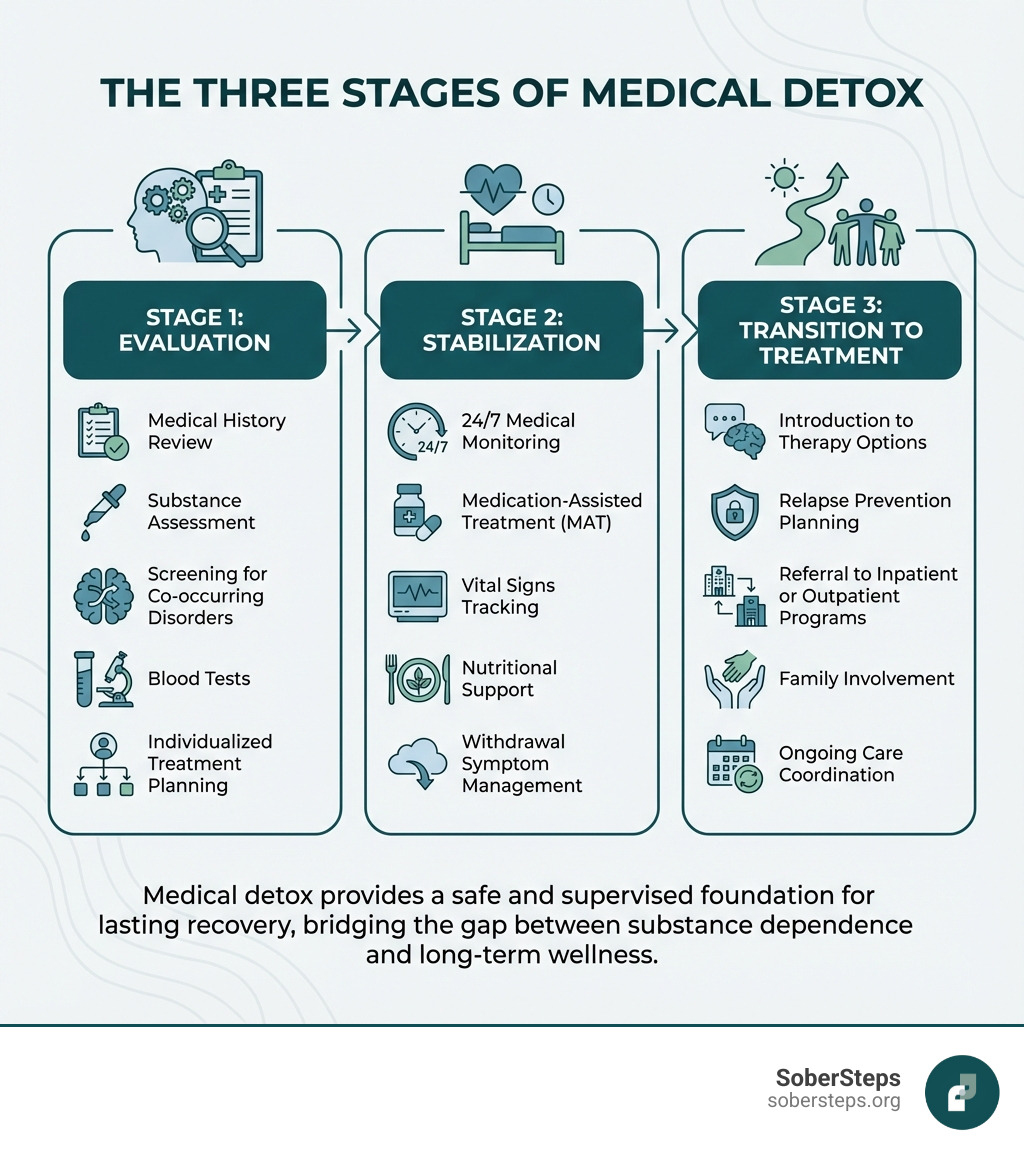
- Evaluation – Comprehensive health assessment, substance use history, and blood tests
- Stabilization – Medical monitoring, medication-assisted treatment, and symptom management
- Transition Planning – Preparation for ongoing addiction treatment and recovery support
- Duration – Typically 5-7 days for most substances, though some may require longer
- Safety Focus – Prevention of life-threatening complications like seizures, delirium tremens, and cardiac issues
Medical detox differs from quitting “cold turkey” because withdrawal from alcohol, benzodiazepines, and opioids can be fatal without proper supervision. The average length of alcohol detox ranges from two to eight days, while opioid detox can last from 0 to 120 days. Most importantly, completing medical detox increases your likelihood of staying in treatment longer and maintaining sobriety.
If you or a loved one is struggling with substance dependence, understanding your options is the first step toward recovery. The process can feel overwhelming, especially when dealing with dangerous withdrawal symptoms or co-occurring mental health conditions.
At Sober Steps, we’ve supported countless individuals and families through the confusion and fear that comes with seeking addiction treatment. Our comprehensive resources on medical detox programs help you understand what to expect, how to find quality care, and why medically supervised withdrawal is essential for safe recovery.
Get confidential help now – our team is available 24/7 to answer your questions and connect you with quality medical detox programs near you.
Why is Medically Supervised Detox Necessary?
When someone develops a physical dependence on a substance, their body adapts to its presence. When the substance is removed, the body reacts with withdrawal symptoms, which can range from uncomfortable to life-threatening. This is where medically supervised detox becomes not just beneficial, but often critical.
Physical dependence is distinct from addiction, though they often co-occur. Physical dependence means the body has become accustomed to the substance and will experience withdrawal without it. Addiction, on the other hand, is a chronic brain disease characterized by compulsive drug seeking and use, despite harmful consequences. While addiction involves psychological and behavioral components, medical detox primarily addresses the physical dependence.
The dangers of attempting to detox without medical supervision cannot be overstated. For substances like alcohol and benzodiazepines, withdrawal can be incredibly dangerous. Alcohol withdrawal, in its most severe form, can lead to delirium tremens (DTs), which can be fatal without immediate medical intervention. Statistics show that about five percent of alcohol withdrawal cases involve DTs, making professional oversight essential. Similarly, benzodiazepine withdrawal can cause dangerous seizures and other severe complications if not managed properly. Even opioid withdrawal, while typically not fatal on its own, can be so uncomfortable that it drives individuals back to use, increasing the risk of overdose.
Beyond seizures and DTs, unsupervised withdrawal can lead to severe dehydration, dangerous fluctuations in heart rate and blood pressure, and other life-threatening cardiac issues. For individuals with pre-existing medical conditions like heart disease or diabetes, these risks are even higher. That’s why close monitoring of vital signs by nursing staff is a standard practice in medical detox programs.
Addiction is a chronic condition, much like diabetes or asthma, as highlighted by the National Institute on Drug Abuse (NIDA). Just as an emergency room visit stabilizes an asthma attack, medical detox provides acute stabilization for substance dependence. It’s a crucial first step in a longer journey, offering a safe environment to begin recovery. If you or a loved one are concerned about the risks of withdrawal, don’t hesitate to Get Help Now.
Substances That Require Medical Detox
Certain substances carry a higher risk for severe or life-threatening withdrawal symptoms, making medical detox a necessity. We commonly see individuals needing supervised detox for:
- Alcohol: Alcohol withdrawal can be one of the most dangerous, leading to seizures, hallucinations, and delirium tremens.
- Opioids: This category includes illicit drugs like Heroin and Fentanyl, as well as prescription painkillers. While opioid withdrawal is rarely fatal, it is notoriously painful and uncomfortable, often described as a severe flu, making relapse highly likely without medical support.
- Benzodiazepines: Often prescribed for anxiety or sleep, sudden cessation of benzodiazepines can lead to seizures, extreme anxiety, psychosis, and can be fatal. The brain, accustomed to the depressant effect, can become overexcited without the drug.
- Stimulants: Drugs like Cocaine and Methamphetamine primarily cause psychological withdrawal symptoms, including severe depression, fatigue, and intense cravings. While not typically life-threatening physically, the psychological distress can be immense and lead to suicidal ideation or immediate relapse.
- Other Prescription Drugs: This can include muscle relaxants, sleeping medications, and even gabapentin, which can have withdrawal syndromes similar to alcohol and benzodiazepines if misused.
- Synthetic Drugs: Substances like synthetic opioids (e.g., some forms of fentanyl), “bath salts,” or kratom can have unpredictable and severe withdrawal symptoms due to their varying chemical compositions.
Common Withdrawal Symptoms
Withdrawal symptoms vary depending on the substance, the duration and quantity of use, and individual health factors. However, there are commonalities we observe:
- Physical symptoms: Nausea, vomiting, diarrhea, body aches, muscle cramps, headaches, sweating, chills, tremors (shakes), rapid heartbeat, high blood pressure, and dilated pupils.
- Psychological symptoms: Anxiety, panic attacks, depression, irritability, restlessness, insomnia, nightmares, difficulty concentrating, and intense cravings for the substance. In severe cases, hallucinations or psychosis can occur.
For example, alcohol withdrawal can manifest as anxiety, headaches, insomnia, nausea, vomiting, and tremors, progressing to more severe symptoms like seizures and DTs. Understanding the timeline and potential severity of these symptoms is crucial for safe management. You can learn more about the Alcohol Withdrawal Symptoms Treatment Timeline on our site.
The Process of Medical Detox Programs
The journey through medical detox is a structured, compassionate process designed to safely steer withdrawal and prepare individuals for long-term recovery. It’s more than just getting substances out of the body; it’s about setting a foundation for healing.

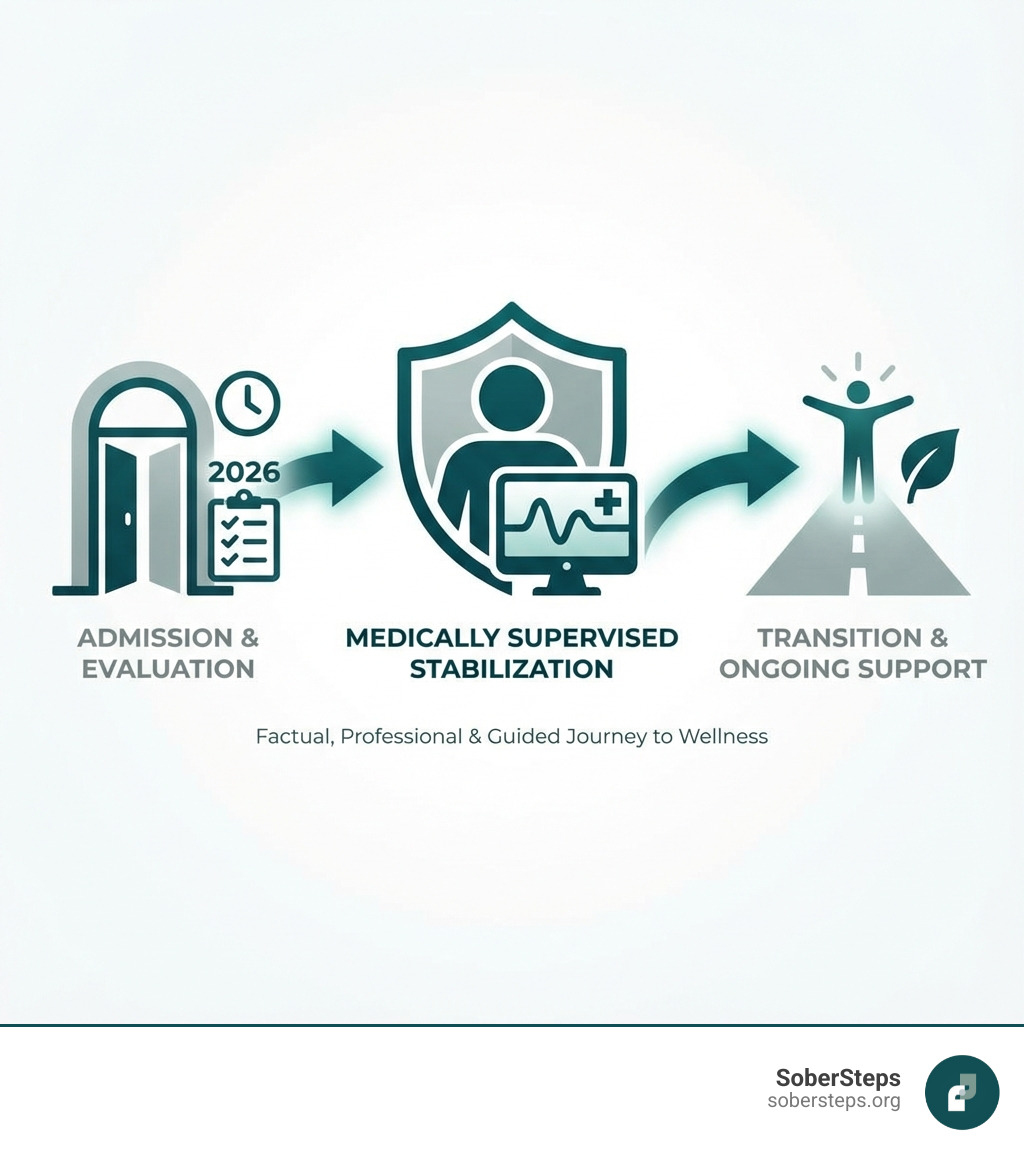
The process typically involves three main steps: evaluation, stabilization, and preparing for continued treatment. The ultimate goal is not just to detox, but to equip individuals with the tools and support needed to transition into comprehensive Substance Abuse Treatment and sustain sobriety.
Step 1: Comprehensive Evaluation
Every individual’s journey is unique, and medical detox begins with a thorough understanding of their specific needs. This initial phase, or intake process, is critical:
- Medical History Review: Our medical team gathers detailed information about an individual’s physical health, including any pre-existing conditions, past surgeries, and current medications. This helps us anticipate potential complications during detox.
- Substance Use Assessment: We conduct an in-depth evaluation of the individual’s substance use history – what substances were used, how much, how often, and for how long. This informs the detox protocol and helps predict the severity of withdrawal.
- Blood Tests: These tests provide vital information about an individual’s overall health, organ function, and can detect substances in their system, guiding treatment decisions.
- Screening for Co-Occurring Disorders: Many individuals struggling with substance use also have underlying mental health conditions, known as co-occurring disorders or dual diagnosis. Screening for conditions like depression, anxiety, or PTSD is essential, as these can significantly impact withdrawal and recovery. Addressing these simultaneously is key to effective treatment, highlighting the importance of Dual Diagnosis care.
- Creating an Individualized Plan: Based on all gathered information, our medical and clinical team develops a personalized detox and treatment plan. This plan considers the specific substances, withdrawal risks, medical history, and any co-occurring mental health needs.
Step 2: Stabilization and Withdrawal Management
Once the evaluation is complete, the focus shifts to stabilization – safely managing the physical and psychological symptoms of withdrawal. This is the core of what makes medical detox programs so vital:
- 24/7 Medical Monitoring: Our licensed medical professionals, including physicians and nurses, provide constant supervision. They closely monitor vital signs such as heart rate, blood pressure, and temperature, ready to intervene if complications arise. This round-the-clock care ensures safety, especially during the most acute phases of withdrawal.
- Managing Physical Symptoms of Drug Withdrawal: Medications are often used to alleviate discomfort and prevent dangerous symptoms. This is known as Medication-Assisted Treatment (MAT).
- Medication-Assisted Treatment (MAT): MAT combines FDA-approved medications with counseling and behavioral therapies to provide a whole-person approach to treatment. Common medications used during detox include:
- Buprenorphine (often in Suboxone or Sublocade): Used for opioid withdrawal, it helps reduce cravings and withdrawal symptoms without producing the same “high” as other opioids. Sublocade, an injectable form, offers extended release.
- Methadone: Another medication for opioid withdrawal, methadone has been used since the 1950s to prevent symptoms and cravings. It requires specific federal licensing.
- Naltrexone (often in Vivitrol): Blocks the euphoric and sedative effects of opioids and reduces alcohol cravings. It’s crucial to ensure opioids are completely out of the system before administering Naltrexone to avoid precipitated withdrawal.
- Benzodiazepines (e.g., Librium, Valium): Paradoxically, these are often used cautiously to manage severe alcohol and benzodiazepine withdrawal symptoms, preventing seizures and reducing anxiety.
- Other Symptom-Specific Medications: Anti-nausea medications, muscle relaxants, and sleep aids may also be used to improve comfort.
- Nutritional Support and Hydration: Proper nutrition and hydration are critical during detox, as withdrawal can lead to appetite loss, vomiting, and diarrhea, further compromising health. Our programs ensure individuals receive balanced meals and adequate fluids.
Step 3: Preparing for Continued Treatment
Medical detox is an essential first step, but it is not a cure for addiction itself. As the body stabilizes, the focus shifts to preparing for the next phase of recovery. Research shows that those who complete medical detox are more likely to stay in treatment longer and achieve sustained sobriety.
- Detox as the First Step: We emphasize that detox addresses physical dependence, but the psychological, emotional, and behavioral aspects of addiction require ongoing care.
- Transitioning to the Next Levels of Care: Our team works closely with individuals to develop a plan for continued treatment. This might include transitioning to inpatient residential programs, partial hospitalization programs (PHPs), or intensive outpatient programs (IOPs).
- Introduction to Therapy: Even during detox, individuals may begin introductory sessions of therapy, such as Individual Therapy or Group Therapy. This helps them start processing the underlying issues contributing to their substance use.
- Developing a Relapse Prevention Strategy: Early discussions about identifying triggers and developing coping mechanisms are crucial for preventing relapse once an individual leaves the structured detox environment.
Navigating Your Options: Types, Costs, and Finding Help
Finding the right support for yourself or a loved one can feel overwhelming. We understand that you want to make an informed decision about medical detox programs. This section aims to clarify the different types of programs, financial considerations, and how to find a quality center.
Inpatient vs. Outpatient Detox Programs
The primary distinction in medical detox is between inpatient and outpatient settings. The choice depends on the severity of dependence, medical history, and individual circumstances.
| Feature | Inpatient Detox | Outpatient Detox |
|---|---|---|
| Supervision Level | 24/7 medical and clinical oversight | Regular medical check-ins, less constant supervision |
| Environment | Residential facility, structured, substance-free | Home-based, allows for daily responsibilities |
| Ideal Candidate | Severe dependence, high withdrawal risk, co-occurring mental/physical health issues, lack of stable home environment | Mild to moderate dependence, stable home environment, strong support system, highly motivated |
| Structure | Intensive, all-encompassing care | Flexible scheduling, allows work/school |
| Risk Factor | Minimizes external triggers, highest safety | Higher risk of relapse or complications if not followed strictly |
For those with severe dependence, a history of complicated withdrawals, or co-occurring medical or mental health issues, an inpatient program is almost always recommended due to the higher level of medical supervision and structured environment. Explore our Inpatient Detox Program for intensive support and a safe space to begin your recovery journey.
How Long Does Detox Last?
The duration of medical detox is highly individualized. It’s influenced by several factors:
- Type of Substance: Different substances have different withdrawal timelines. For example, alcohol withdrawal symptoms typically peak within 24-72 hours and subside within 5-7 days. Opioid withdrawal can last longer, with acute symptoms lasting a week or more, and post-acute withdrawal syndrome (PAWS) extending for months. Benzodiazepine withdrawal can be protracted, sometimes lasting weeks or even months.
- Length and Frequency of Use: Longer and heavier use generally leads to more severe and prolonged withdrawal symptoms.
- Quantity Used: Higher daily doses usually mean a more intense detox period.
- Individual Health: Metabolism, age, overall physical health, and the presence of co-occurring medical or mental health conditions can all affect how an individual experiences and processes withdrawal.
While the process is individualized, we can provide some general timelines based on our experience and industry data:
- Average timeline for Alcohol detox: Ranges from two to eight days, with most acute symptoms resolving within a week.
- Average timeline for Opioid detox: Can last much longer, sometimes from 0–120 days depending on the specific opioid, the use of MAT, and individual factors.
The goal is safe and comfortable stabilization, not just speed.
Paying for Treatment: Costs and Insurance
We understand that the cost of medical detox can be a significant concern for individuals and families. While costs vary widely depending on the type of program (inpatient vs. outpatient), location, amenities, and length of stay, we believe that financial barriers should not prevent access to life-saving treatment.
- Average Costs: Without insurance, inpatient medical detox can range from several thousand dollars for a short stay to tens of thousands for longer or more luxurious programs. Outpatient detox is generally less expensive.
- How Insurance Helps: Most health insurance plans now cover a portion of addiction treatment, including medical detox, under the Affordable Care Act’s essential health benefits. Coverage can vary significantly based on your specific plan, deductible, and out-of-pocket maximums.
- Verify Insurance Coverage: We highly recommend verifying your insurance benefits directly with your provider or by contacting a treatment center’s admissions team. Our team at SoberSteps can help you steer this process and understand what your plan covers.
- Other Payment Options: If insurance coverage is limited, other options may include payment plans, financing, personal loans, or state-funded programs. Don’t let cost deter you from seeking help. Learn more about How Do I Pay for Addiction Treatment?
Finding Reputable Medical Detox Programs Near You
Choosing the right medical detox program is a crucial decision. We encourage you to look for several key indicators of quality and effectiveness:
- Licensing and Accreditation: Ensure the facility is licensed by the state and accredited by recognized bodies like The Joint Commission or CARF. This indicates adherence to high standards of care.
- Staff Credentials: A reputable program will have a team of qualified medical professionals, including physicians, nurses, and addiction specialists, with experience in withdrawal management.
- Evidence-Based Practices: The program should use treatments and medications that are backed by scientific research, such as Medication-Assisted Treatment (MAT) for opioid and alcohol dependence.
- Comprehensive Care: Look for programs that don’t just focus on detox but also offer a clear pathway to continued treatment, including therapy, aftercare planning, and support for co-occurring mental health disorders.
- Support for Family Members: Addiction impacts the entire family. Quality programs often offer family therapy, educational resources, and support groups to help loved ones heal and learn how to best support the individual in recovery.
Finding a program that meets these criteria can feel like a daunting task, especially when you’re under stress. Let us help you Find Addiction Treatment that’s right for you or your loved one. Our helpline is available 24/7 to guide you through the options.
Frequently Asked Questions about Medical Detox
We often hear similar questions from individuals and families exploring medical detox programs. Here, we address some of the most common inquiries to provide clarity and peace of mind.
Is Detox the Same as Rehab?
No, detox is not the same as rehab, though they are often closely linked and represent sequential steps in the recovery process.
- Detox addresses physical dependence: As we’ve discussed, medical detox focuses on safely managing the physical withdrawal symptoms as the body rids itself of substances. It’s a short-term, acute phase of care.
- Rehab is comprehensive treatment: Rehabilitation (rehab) addresses the psychological, emotional, and behavioral aspects of addiction. It involves therapy, counseling, education, and skill-building to help individuals understand their addiction, develop coping mechanisms, and prevent relapse. Rehab can be inpatient or outpatient and typically lasts much longer than detox, from weeks to months.
Think of it this way: detox is the critical first step to get physically stable, while rehab is the ongoing journey to address the root causes of addiction and build a sober life. Medical detox alone is not considered addiction treatment; it’s the gateway to it. Those who complete medical detox are more likely to stay in treatment longer and have longer stretches of sobriety. After detox, individuals often transition to Drug Rehab or Alcohol Rehab Centers for comprehensive care. SAMHSA, the Substance Abuse and Mental Health Services Administration, provides valuable guidance on this distinction in their resource, TIP 45: Detoxification and Substance Abuse Treatment.
How Are Co-Occurring Mental Health Disorders Handled?
It’s common for individuals with substance use disorders to also experience mental health conditions like depression, anxiety, PTSD, or bipolar disorder. These are known as co-occurring disorders or dual diagnosis. Effectively treating both simultaneously is crucial for long-term recovery.
- Integrated Treatment Approach: In reputable medical detox programs, co-occurring disorders are not treated in isolation but are addressed through an integrated approach. This means mental health concerns are assessed and managed alongside substance withdrawal.
- Psychiatric Evaluation and Support: Individuals undergo psychiatric evaluations to diagnose any underlying mental health conditions. Psychiatrists and therapists are part of the treatment team, providing support and therapy during detox.
- Medication Management for Mental Health: Medications may be prescribed to manage mental health symptoms during detox, carefully chosen to avoid interactions with withdrawal medications or to prevent further dependence.
- The importance of Co-occurring Disorders Treatment cannot be overstated, as untreated mental health issues can easily trigger relapse. Our programs aim to provide a holistic approach, recognizing that true healing involves addressing the whole person.
What Support is Available for Families?
Addiction is a family disease, and recovery is often a family journey. We believe in supporting not just the individual undergoing detox, but their loved ones as well.
- Family Therapy Programs: Many treatment centers offer family therapy sessions where family members can learn about addiction, improve communication, and heal from the impact of substance use.
- Educational Resources: Families are provided with information about addiction, the recovery process, and how to create a supportive home environment.
- Support Groups: We often recommend external support groups like Al-Anon or Nar-Anon, which provide a safe space for family members to share experiences, gain insight, and find strength from others facing similar challenges.
- Importance of Family Involvement: Active, healthy family involvement can significantly contribute to an individual’s long-term success in recovery. Learning new ways of operating within the family system is crucial for everyone involved.
At SoberSteps, we understand the profound impact addiction has on families. We can help you find Behavioral Health Support for the entire family system, ensuring everyone has the resources they need to heal.
Conclusion: Taking the First Step Toward Recovery
Navigating the complexities of substance dependence and withdrawal can be incredibly challenging. However, medical detox programs offer a guide of hope, providing a safe, comfortable, and effective pathway to begin the journey of recovery. We’ve seen how medically supervised withdrawal, with its focus on safety, compassionate care, and personalized treatment, can transform lives.
Medical detox is the essential first step – it stabilizes the body and prepares the mind for the deeper, therapeutic work of addiction treatment. It minimizes the risks associated with withdrawal and significantly increases the likelihood of engaging in and completing longer-term recovery programs.
Your journey to a new life, free from the grip of addiction, begins with this crucial decision. There is hope, and there is help available. Don’t wait to take that first courageous step.
SoberSteps is here to guide you. We provide a confidential helpline that connects you with experienced professionals who can help you explore your options and find the right medical detox program for your unique needs. Don’t hesitate to reach out. Call our Anonymous Hotline for Mental Health Guide to speak with someone now and find the support you deserve.