
Understanding Medication-Assisted Treatment: A Foundation for Recovery
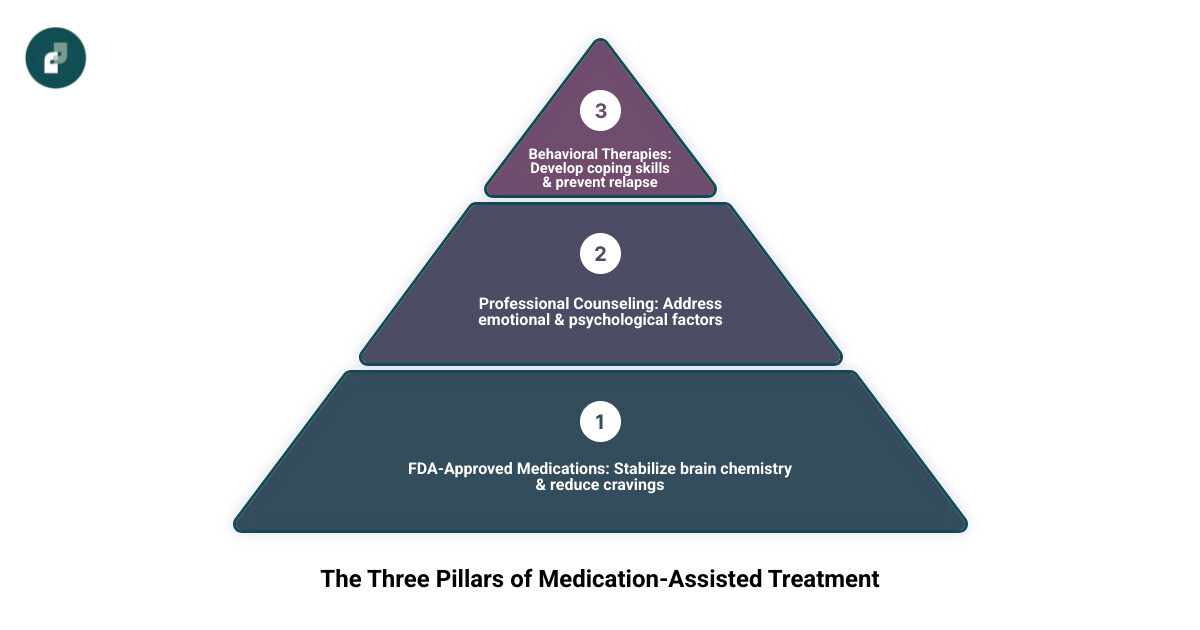
Medication assisted treatment combines FDA-approved medications with counseling and behavioral therapies to treat substance use disorders. It is a structured medical approach that stabilizes brain chemistry, reduces cravings, and supports people as they rebuild daily life, relationships, and health.
Quick Answer: What is Medication-Assisted Treatment?
- What it is: An evidence-based approach pairing prescription medications with therapy to treat alcohol and opioid use disorders.
- How it works: Medications reduce withdrawal and cravings while therapy addresses underlying emotional, psychological, and social causes.
- Who it helps: People with opioid use disorder (OUD) or alcohol use disorder (AUD), including those who have tried abstinence-only approaches without success.
- The goal: Long-term recovery, improved survival rates, and a return to healthy functioning at home, at work, and in the community.
- Key fact: Research shows MAT can reduce emergency room visits by 51% and increase 5-year abstinence rates.
Substance use disorder (SUD) is a chronic medical condition, not a moral failing. Millions of Americans live with SUD, and many find meaningful, long-term recovery with the help of medication assisted treatment. MAT is endorsed by leading health organizations, including SAMHSA and the National Institute on Drug Abuse, as a standard of care for OUD and an important option for AUD.
MAT emphasizes a whole-patient approach:
- Medication to stabilize the body and brain
- Counseling to address thoughts, emotions, and behaviors
- Behavioral and social support to rebuild routines, relationships, and purpose
At SoberSteps, we connect individuals and families with quality medication assisted treatment programs across the United States. Our independent platform helps you compare options, understand levels of care, and connect with a confidential 24/7 helpline that routes callers to participating treatment providers.
You can learn more about who we are on our About SoberSteps page and how we design care plans on Our Approach. Many people also find hope by reading Success Stories from others who have used MAT on their recovery journey.
Learn more about how SoberSteps supports your recovery journey. You can also explore our dedicated page on medication assisted treatment to see how MAT fits into different treatment settings.
If you are unsure where to begin, you can start with a brief Assessment or reach out through our Contact Us page for confidential guidance.
Understanding the Goals and Components of MAT
Medication assisted treatment (MAT) is a comprehensive strategy that combines the power of medication with therapeutic support to achieve lasting recovery from substance use disorders.
The primary goals of MAT are to:
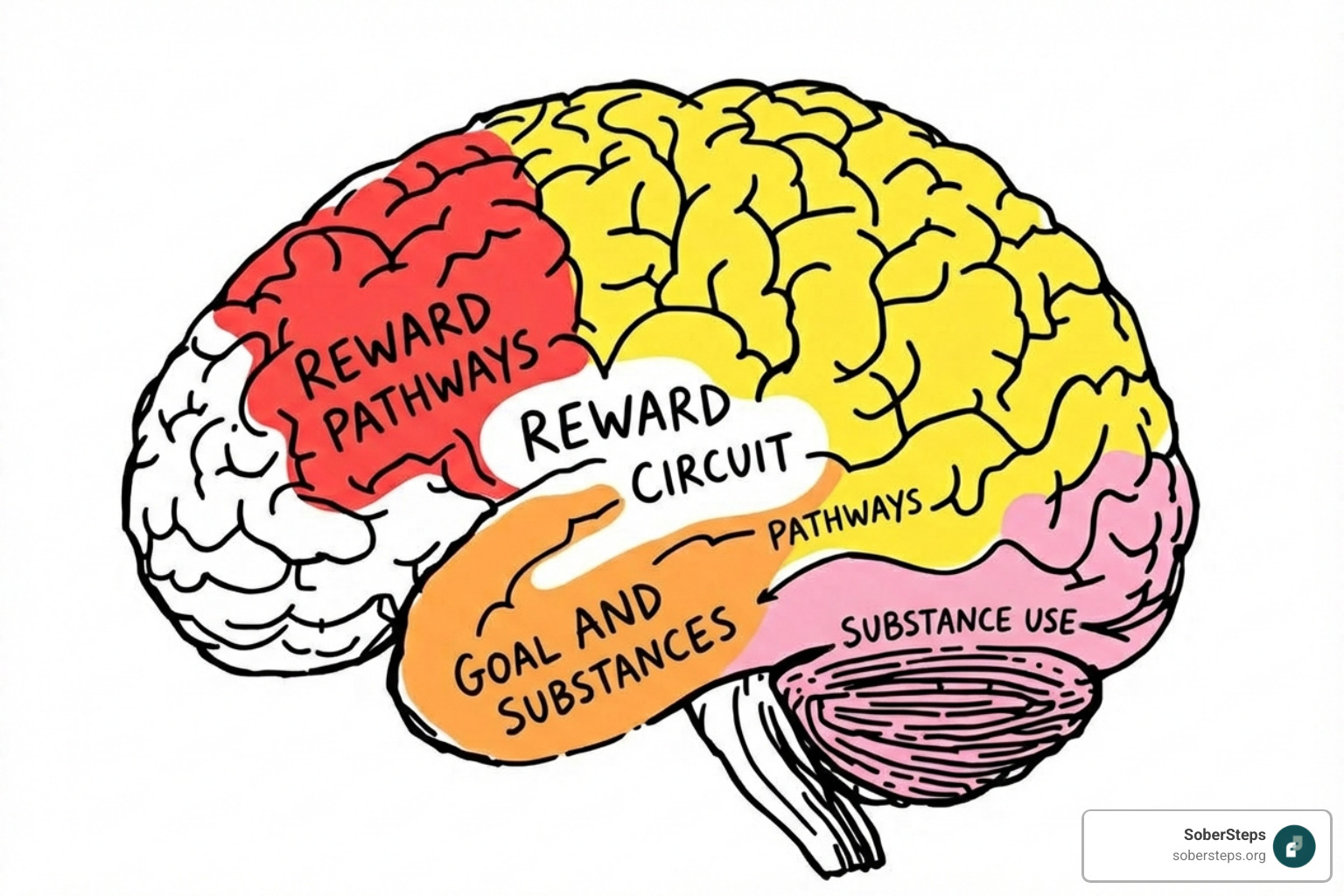
- Stabilize brain chemistry: Addiction alters brain function. MAT medications help normalize these chemical imbalances over time.
- Relieve withdrawal symptoms: Medications ease the intense discomfort of withdrawal, making detox safer and more manageable under medical supervision.
- Reduce cravings: MAT medications minimize powerful urges, allowing individuals to focus on therapy, relationships, and rebuilding their lives.
- Block the euphoric effects of substances: Some MAT medications block the “high” from opioids, making illicit use less rewarding.
- Improve overall functioning: MAT helps individuals regain stability in work, school, relationships, and daily responsibilities.
The key components of medication assisted treatment are:
- Pharmacological Treatment (Medications): FDA-approved medications prescribed to treat alcohol and opioid use disorders based on individual patient needs, medical history, and goals.
- Behavioral Therapies and Counseling: Evidence-based therapies that help individuals develop coping skills, increase insight, and address the root causes and triggers of addiction.
This dual approach differs from abstinence-only models. While abstinence-only recovery can work for some people, MAT provides a vital path for individuals with severe cravings, chronic relapse, or a history of overdose. It treats addiction as a complex medical condition where medication is one important tool—similar to managing diabetes, high blood pressure, or heart disease.
To see how these components can come together in real-world programs, you can review Our Approach and browse facilities in the SoberSteps directory.
At SoberSteps, we believe in providing every possible tool for a successful recovery. Explore SoberSteps treatment options to see how MAT can be integrated into your personalized plan.
If you would like to talk through options with someone, visit Contact Us or start with a brief Assessment to better understand which services might fit your situation.
Contact SoberSteps for a confidential assessment to learn more about our comprehensive MAT programs.
The ‘Whole-Patient’ Approach in Medication-Assisted Treatment
Medication assisted treatment uses a “whole-patient” approach, treating addiction as a chronic disease that affects many areas of life. Care goes beyond physical symptoms to address:
- Physical health and dependence: Managing withdrawal, cravings, and co-occurring medical issues.
- Psychological factors: Trauma, stress, anxiety, depression, and other mental health concerns.
- Social well-being: Housing, employment, relationships, legal issues, and community support.
Custom MAT plans are flexible and individualized, integrating medical care with behavioral health services. A team of doctors, therapists, case managers, and support specialists may work together to address medical, mental health, family, and legal concerns, supporting both mind and body.
You can see how this philosophy guides our work on Our Approach and find programs that emphasize whole-person care in our Provider Locator.
Find holistic treatment at SoberSteps partner centers that prioritize this comprehensive, person-centered care.
Call to Action: See how SoberSteps personalizes your recovery plan and explore additional support through our Support Groups.
The Critical Role of Counseling and Behavioral Therapies
While medications are powerful, they are most effective when combined with counseling and behavioral therapies. This combination addresses the biological, psychological, and social aspects of addiction.
SoberSteps partner programs may incorporate a range of evidence-based therapies, including:
- Cognitive Behavioral Therapy (CBT): Helps identify and change unhelpful thought patterns and behaviors related to substance use.
- Contingency Management (CM): Uses tangible rewards to reinforce positive behaviors like abstinence and appointment attendance.
- Motivational Interviewing (MI): Strengthens an individual’s motivation to change and commit to treatment.
- Dialectical Behavior Therapy (DBT): Builds skills in emotion regulation, distress tolerance, and interpersonal effectiveness, which can reduce relapse risk.
- Individual Counseling: Provides a safe, one-on-one space to explore personal challenges, trauma, and goals.
- Group Therapy: Offers peer support, shared experiences, and accountability to reduce isolation.
- Family and Couples Therapy: Helps rebuild trust, communication, and boundaries within family systems affected by addiction.
These therapies are crucial for developing coping skills, addressing the root causes of addiction, and preventing relapse. The medications provide stability, while the therapies provide the tools for long-term change and a more fulfilling life.
To see how medication and therapy work together in practice, visit our page on Medication Assisted Treatment and learn more about Support Groups offered through SoberSteps partners.
Learn about the benefits of combining medication and therapy at SoberSteps.
Call to Action: Meet our licensed therapists and consider taking the next step with a confidential Assessment or by reaching out on our Contact Us page.
FDA-Approved Medications for SUD
The medications used in medication assisted treatment are rigorously tested and approved by the U.S. Food and Drug Administration (FDA) for safety and efficacy. A common misconception is that MAT substitutes one drug for another, but this is not the case. When prescribed and monitored by a healthcare professional, these medications do not produce a “high.” Instead, they help normalize brain chemistry, reduce cravings, and ease withdrawal symptoms.
By stabilizing the body and brain, MAT allows individuals to participate more fully in counseling and recovery activities, significantly reducing the risk of overdose and improving quality of life.
To understand how medications fit into a broader recovery plan, you can review Our Approach and read real-life Success Stories from people who combined MAT with therapy and peer support.
For more detailed information about how these medications are integrated into our programs, please visit Information about SoberSteps’ MAT programs.
Find out if MAT is right for you by taking our confidential assessment. You can also use our Provider Locator to search for MAT-capable facilities in your area.
Medications for Alcohol Use Disorder (AUD)
For individuals with Alcohol Use Disorder (AUD), several FDA-approved medications can aid recovery when combined with therapy and social support.
-
Naltrexone (Vivitrol, ReVia): As an opioid receptor antagonist, Naltrexone blocks the euphoric effects of alcohol in the brain. This reduces cravings and makes drinking less rewarding, which can cut relapse rates. It is available as a daily oral pill (ReVia) or a monthly injection (Vivitrol). Common side effects include nausea, headache, and fatigue. You must be opioid-free for 7–10 days before starting to avoid withdrawal.
-
Acamprosate (Campral): This medication helps restore the balance of brain neurotransmitters disrupted by chronic alcohol use. It reduces the discomfort, restlessness, and agitation common in prolonged abstinence, easing cravings. It is taken as an oral pill three times a day. Side effects can include diarrhea and nausea.
-
Disulfiram (Antabuse): This medication works as a deterrent. It interferes with alcohol metabolism, causing a severe, unpleasant reaction (such as nausea, headache, and flushing) if alcohol is consumed. This reaction discourages drinking. It is taken as a daily oral pill and requires strong motivation and careful monitoring.
These medications offer crucial support for individuals committed to recovery from AUD. They are most effective when paired with therapy, peer support, and lifestyle changes.
Explore SoberSteps AUD treatment programs that incorporate these effective options, and learn more on our Alcohol Addiction Treatment page.
Call to Action: Start your alcohol recovery journey with SoberSteps and consider joining one of our partner Support Groups for ongoing connection.
Medications for Opioid Use Disorder (OUD)
For the serious and life-threatening condition of Opioid Use Disorder (OUD), effective medication assisted treatment options are available to reduce cravings, alleviate withdrawal, and lower overdose risk.
Here is a comparison of the key medications used in MAT for OUD:
| Medication | How it Works | Administration | Benefits | Potential Side Effects |
|---|---|---|---|---|
| Methadone | A full opioid agonist that reduces cravings and withdrawal symptoms without a “high” when taken as prescribed. Helps prevent relapse and overdose. | Daily liquid dispensed only in specialty regulated opioid treatment clinics (OTPs). | Reduces cravings and withdrawal, can block effects of other opioids, long history of effectiveness. | Sedation, constipation, sweating, potential for respiratory depression if misused. |
| Buprenorphine (Suboxone, Sublocade) | A partial opioid agonist that alleviates withdrawal and cravings. Often combined with naloxone (in Suboxone) to reduce misuse. | Sublingual film/tablet, buccal film, or long-acting injectable. Can be prescribed in physician offices, increasing access. | Reduces cravings and withdrawal, lower overdose risk than methadone when used as directed, can be office-based. | Nausea, constipation, headache. Risk of precipitated withdrawal if taken too soon after other opioids. |
| Naltrexone (Vivitrol) | An opioid antagonist that blocks opioid receptors, preventing any euphoric effects. Eliminates the reward of opioid use. | Daily oral pill or monthly injection. | Non-addictive, no potential for diversion, blocks all opioid effects when active. | Nausea, headache, dizziness. Must be opioid-free for 7–10 days to avoid precipitated withdrawal. |
Choosing the right medication depends on individual needs, treatment history, other health conditions, and lifestyle. A healthcare provider will conduct a thorough assessment to determine the best course of action and adjust the plan over time.
To learn more about OUD care, visit our Opioid Addiction Treatment page, or browse our Support Groups for peer-based resources that complement MAT.
Find a SoberSteps OUD treatment provider near you and take the next step toward healing.
Call to Action: Explore additional tools and education on our Opioid Addiction Resources page, and use the Provider Locator to find MAT-capable clinicians in your area.
Proven Benefits and How to Access Medication-Assisted Treatment
The evidence supporting medication assisted treatment is extensive. MAT is not only about managing withdrawal or cravings; it is about improving health, safety, and long-term quality of life.
Positive Outcomes and Success Rates
Research and real-world experience highlight why MAT is widely considered a gold standard for treating opioid use disorder and an important option for alcohol use disorder.
- Improves survival rates: MAT significantly reduces the risk of fatal overdose, with some studies showing a reduction in death rates by 50% or more among people with OUD.
- Increases treatment retention: Patients in MAT are more likely to remain in treatment, and longer engagement is a strong predictor of sustained recovery.
- Decreases illicit drug use and crime: By reducing cravings and withdrawal, MAT helps break the cycle of illicit drug use and related criminal activity.
- Boosts long-term abstinence: One study found a 5-year heroin abstinence rate of 33.2% for patients on methadone or buprenorphine/naloxone.
- Improves health outcomes: MAT is associated with better employment outcomes, improved birth outcomes for pregnant women, and a 51% reduction in emergency room visits.
- Reduces disease transmission: By decreasing injection drug use, MAT lowers the risk of spreading HIV and Hepatitis C.
These outcomes show that MAT provides a pathway to a healthier, more stable, and more fulfilling life for many individuals and families.
If you would like to see how these benefits translate into personal stories, explore our Success Stories and read about people who combined MAT with counseling, support groups, and lifestyle changes.
Find a successful SoberSteps MAT program that has helped many individuals achieve positive outcomes.
Call to Action: Learn more about our overall philosophy on Our Approach and consider joining a partner Support Group to strengthen your recovery network.
Overcoming Barriers and Finding Care
Despite its effectiveness, accessing MAT can be challenging. Understanding these barriers is the first step to addressing them.
Common challenges include:
- Stigma: Persistent stigma and misconceptions about MAT can deter individuals, families, and even some providers.
- Lack of providers: Rural and underserved areas face a shortage of MAT providers, with many counties lacking a buprenorphine prescriber.
- Cost and insurance: Navigating insurance, copays, and prior authorizations can be complex, although laws such as the Mental Health Parity and Addiction Equity Act require many plans to cover addiction treatment similar to other medical care.
- Transportation and logistics: Getting to regular appointments can be a major barrier for those without reliable transportation or childcare.
SoberSteps cannot change every barrier, but we can help you understand options, insurance questions, and different types of programs available through our independent platform and 24/7 helpline that connects callers to participating treatment providers.
For help with insurance, the U.S. Department of Health and Human Services (HHS) offers resources: Mental Health and Addiction Insurance Help (HHS).
How can you find MAT treatment options?
- Talk to your doctor: Your primary care physician is a useful first step for assessment, lab work, and referrals.
- SAMHSA’s National Helpline: Call 1-800-662-HELP or use SAMHSA’s online treatment locator.
- SoberSteps Directory: Use our directory to find Medication Assisted Treatment that fits your needs and preferences.
- Buprenorphine Provider Locators: Use the SoberSteps Buprenorphine Provider Locator to find authorized prescribers nearby.
You can also learn how we match people to appropriate levels of care on Our Approach page, and connect with others in recovery through Support Groups.
Call to Action: Get help navigating insurance and access by contacting our team, or begin with a brief Assessment to clarify your needs before reaching out to providers.
Frequently Asked Questions about MAT
We understand that you might have many questions about medication assisted treatment. The answers below address some of the most common concerns so you can feel more informed and confident about this recovery path.
Is Medication-Assisted Treatment just substituting one addiction for another?
No. This is a persistent myth.
- Medications are prescribed and monitored: MAT medications are carefully managed by licensed healthcare providers to stabilize an individual, not to create a “high.”
- They normalize brain function: Addiction changes brain chemistry. MAT medications work to normalize these functions, reducing cravings and withdrawal so the brain and body can begin to heal.
- They allow focus on recovery: By alleviating physical and psychological symptoms, MAT enables individuals to fully engage in counseling, support groups, and lifestyle changes.
Physical dependence on a prescribed medication, when managed by a doctor, is different from the compulsive, harmful behavior that defines addiction.
For a deeper dive into common misunderstandings, see our page on Medication Assisted Treatment and explore Success Stories from people who chose MAT.
Call to Action: Learn more about MAT myths and facts and consider joining a partner Support Group to hear from others in recovery.
How long does MAT last?
There is no single timeline, as the duration of medication assisted treatment is highly individualized.
- It varies by individual: The length of treatment depends on the severity of the disorder, treatment history, overall health, and personal goals.
- It can be short-term or long-term: Some people use MAT for a few months to stabilize, while others may benefit from maintenance treatment for several years. Research suggests at least 12–18 months is associated with better outcomes for many individuals.
- It is a collaborative decision: The choice to adjust, taper, or discontinue MAT is always made with a healthcare provider, based on safety, stability, and progress.
- The goal is sustained recovery: The longer a person engages in effective treatment, including MAT and counseling, the lower their risk of relapse tends to be.
If you would like help thinking through timelines and options, you can read more on Our Approach or speak with a professional.
Speak with a SoberSteps specialist about your options, or start with our online Assessment to prepare for that conversation.
How do I know if MAT is right for me?
Deciding if medication assisted treatment is the right path is a personal choice best made with professional guidance.
To determine if MAT is suitable for you, you should:
- Consult a doctor or addiction specialist: A comprehensive evaluation is the most crucial first step. They can assess your situation and recommend appropriate treatments.
- Undergo a full assessment: A provider will review your substance use history, physical health, medications, and any co-occurring mental health conditions.
- Discuss your goals and preferences: An open discussion about your recovery goals, fears, and practical needs (like work schedule or childcare) helps tailor a plan that fits your life.
MAT is often recommended for individuals with moderate to severe opioid or alcohol use disorders, especially those who have experienced repeated relapses or overdose.
You can read more about how we approach matching people to services on Our Approach and explore peer support options through our Support Groups.
Take our assessment to get matched with a SoberSteps therapist who can help guide you through this decision-making process, or visit Contact Us to reach our team directly.
Your Path to Recovery Starts Here
Taking the first step toward recovery can feel overwhelming, but with medication assisted treatment, long-term healing is possible. MAT is a life-saving, evidence-based approach that combines the power of medication with essential counseling and behavioral therapies, providing a comprehensive and effective path forward for many people living with opioid or alcohol use disorder.
You do not have to face addiction alone. At SoberSteps, our independent platform is dedicated to connecting you with the resources and support you need to start or strengthen your recovery journey. We offer:
- A confidential 24/7 helpline that connects callers to participating treatment providers
- An online directory of treatment centers that offer medication assisted treatment and other services
- Educational resources about Medication Assisted Treatment, Alcohol Addiction Treatment, and Opioid Addiction Treatment
- Access to partner Support Groups and inspiring Success Stories
You can learn more about who we are on About SoberSteps and how we help match people to care on Our Approach. If you are unsure where to begin, you can start with an Assessment to clarify what kind of support might be most helpful.
Your path to recovery can start today, one step at a time.
Call our 24/7 helpline for immediate, confidential support, or explore treatment centers near you through our extensive directory and Provider Locator.
If you have questions about paying for care, visit our Insurance Help page, or reach out directly through Contact Us for guidance.
Call to Action: Start your recovery with SoberSteps today and connect with a community of support committed to helping you move toward a healthier, more hopeful future.