
Understanding Your Path to Recovery
Inpatient drug rehab is a residential treatment program where you live full-time at a facility and receive around-the-clock care, medical supervision, and intensive therapy to help you overcome addiction in a safe, structured environment.
What You Need to Know About Inpatient Drug Rehab:
- What it is: A live-in treatment program offering 24/7 medical care and support
- Who it’s for: People with severe addiction, co-occurring mental health disorders, or unsafe home environments
- How long it lasts: Typically 30, 60, or 90 days (sometimes longer)
- What’s included: Medical detox, individual and group therapy, medication management, and holistic treatments
- Cost: Varies widely; many insurance plans cover part or all of treatment
If you’re reading this, you or someone you care about is likely struggling with substance use. You’re not alone. More than 20 million Americans have substance use disorder, and it’s a chronic brain disease—not a moral failing or lack of willpower.
The good news? Recovery is possible. Inpatient rehab provides the intensive, structured care that many people need to break free from addiction and start rebuilding their lives.
This guide will walk you through everything you need to know about inpatient treatment. You’ll learn what happens during a typical day, what therapies are offered, how to choose the right program, and what comes after rehab. We’ll also answer common questions about costs, insurance, and specialized programs.
At Sober Steps, we’ve dedicated ourselves to connecting individuals with confidential, compassionate resources for recovery from substance use and mental health disorders. Our team understands the challenges of finding the right inpatient drug rehab, and we’re here to guide you every step of the way.
Whether you’re just starting to explore your options or you’re ready to take action today, this guide will help you understand what inpatient treatment involves and how it can set you on the path to lasting recovery.
For immediate, confidential support, call our 24/7 helpline at (844) 491-5566.
Understanding Inpatient Drug Rehab: What It Is and Who It’s For
When facing addiction, the idea of stepping away from your daily life to enter treatment can feel daunting. However, for many, inpatient drug rehab offers the most effective path to lasting sobriety. It provides a sanctuary where individuals can focus entirely on their healing, free from the triggers and stresses of their everyday environment.
At its core, inpatient drug rehab is a live-in program designed to provide comprehensive care for drug and alcohol addiction. Patients reside at the facility 24/7, receiving constant supervision and support from a multidisciplinary team of professionals. This intensive level of care is crucial for individuals who require a safe, structured, and drug-free environment to begin their recovery journey. It allows us to place distance between patients and their problematic home environments, enabling a deeper focus on healing.
The benefits of choosing an inpatient rehab program are significant. We prioritize safety through 24/7 supervision, ensuring that you are medically stable and secure as you steer withdrawal and early recovery. This structured setting removes external influences and temptations, allowing you to immerse yourself in therapy and build a strong foundation for sobriety. Within the facility, you’ll find a sense of community and peer support, fostering connections with others who understand your journey. This intensive environment offers professional guidance, allowing for aggressive treatment of addiction and any associated medical or psychiatric problems.
What Inpatient Treatment Entails
An inpatient drug rehab program entails a holistic approach to recovery. Upon admission, you’ll typically undergo a comprehensive evaluation by a team of medical and mental health professionals. This assessment helps us create an individualized treatment plan custom to your unique needs, addressing not just the addiction but any underlying issues.
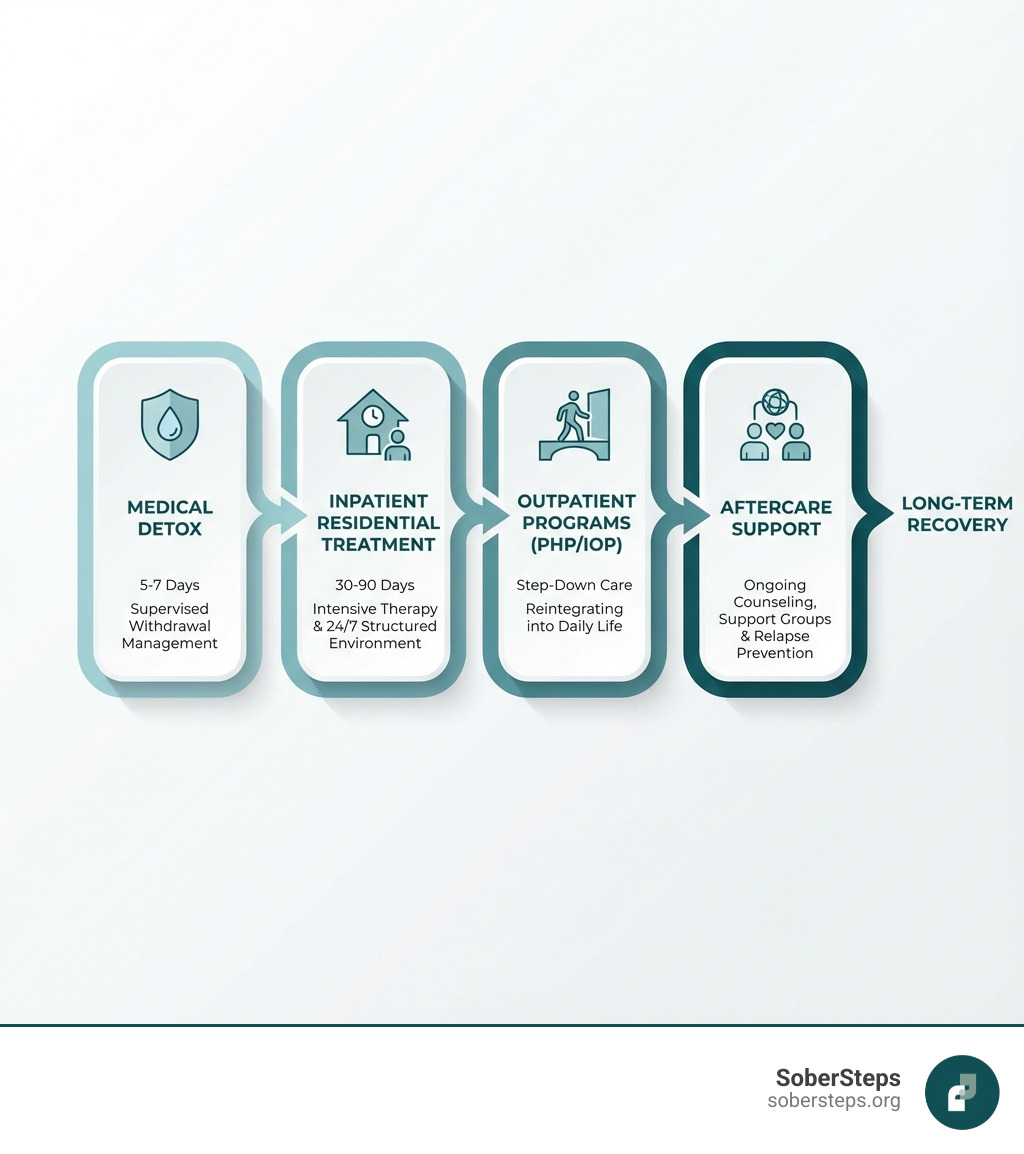
The first step for many is medically supervised detox. This process safely removes addictive substances from your body, with medical staff managing withdrawal symptoms to ensure your comfort and safety. Detox typically lasts between 5-7 days, though this can vary depending on the substance and your medical condition.
Following detox, the rehabilitation phase begins. This involves a structured daily routine filled with various therapeutic activities, including individual counseling, group therapy, and often holistic activities like yoga, meditation, or art therapy. The goal is to help you understand and accept your addiction, develop healthy coping skills, and learn how to experience life without drugs or alcohol.
Inpatient vs. Outpatient Care at SoberSteps
Understanding the differences between inpatient drug rehab and outpatient treatment is key to choosing the right path. Both offer valuable support, but they cater to different needs and levels of addiction severity.
| Feature | Inpatient Rehab | Outpatient Rehab |
|---|---|---|
| Level of Care | High: 24/7 medical supervision and support | Moderate to Low: Scheduled sessions, live at home |
| Time Commitment | Full-time residency (30-90+ days) | Part-time attendance (10-30 hours/week) |
| Living Situation | Live at the treatment facility | Live at home, attend sessions at a facility or virtually |
| Ideal Candidate | Severe addiction, co-occurring disorders, unstable home environment, history of relapse, need for medical stabilization | Less severe addiction, stable home, strong support system, step-down from inpatient |
| Supervision Level | Constant, round-the-clock | Intermittent, during scheduled sessions |
Inpatient drug rehab is ideal for those requiring a complete change of environment and intensive, structured support. Outpatient programs, including Partial Hospitalization Programs (PHP) and Intensive Outpatient Programs (IOP), offer flexibility, allowing individuals to maintain work, school, or family responsibilities while receiving treatment. Often, outpatient care serves as a crucial step-down program after completing an inpatient stay, providing continued support as you reintegrate into daily life.
Signs You or a Loved One May Need Inpatient Care
Recognizing the need for inpatient drug rehab is a critical step toward recovery. Here are some signs that suggest a higher level of care might be necessary:
- Severe Substance Use Disorder: If addiction has taken over daily life, leading to significant impairment in work, relationships, or health, an immersive environment can provide the necessary intervention.
- Co-occurring Mental Health Disorders: About 8 million Americans living with substance use disorder also have one or more co-existing psychiatric diseases, such as depression or anxiety. When these “dual diagnoses” are present, integrated inpatient treatment ensures both conditions are addressed simultaneously and effectively.
- Unstable or Triggering Home Environment: If your home or social circle is not conducive to sobriety, or contains significant triggers for substance use, removing yourself from that environment is essential for successful recovery.
- Previous Relapse After Outpatient Treatment: If you’ve tried less intensive programs and found yourself returning to substance use, the 24/7 structure and support of inpatient drug rehab can offer a more robust foundation for sobriety.
- Need for Medical Stabilization: For individuals experiencing severe withdrawal symptoms or other medical complications due to substance use, inpatient drug rehab provides the continuous medical supervision required for safe detox and stabilization.
If you or a loved one are experiencing these challenges, please know that help is available. Call our 24/7 helpline at (844) 491-5566 for immediate, confidential support. We also offer specialized resources, such as our programs designed for women: More info about our services for women.
A Look Inside: The Daily Life and Therapies of Inpatient Rehab
Life in an inpatient drug rehab program is intentionally structured to promote healing and self-findy. While routines vary slightly between facilities, the core purpose remains consistent: to provide a supportive, therapeutic environment where every moment contributes to recovery.

Our programs are staffed by a multidisciplinary team of professionals, including doctors, nurses, psychiatrists, and addiction counselors. This team works collaboratively to address all aspects of your well-being – physical, mental, and emotional. A key focus is on dual diagnosis treatment, recognizing that addiction often co-exists with mental health disorders. By treating both simultaneously, we ensure a more comprehensive and effective path to recovery. Each patient receives a personalized treatment plan, custom to their specific needs and challenges.
A Typical Day in a Program
A typical day in an inpatient drug rehab program is carefully planned to maximize therapeutic engagement and personal growth. Here’s what you might expect:
- Morning Meditation/Mindfulness: Many days begin with a quiet period for reflection, meditation, or mindfulness exercises to promote a calm and focused start.
- Breakfast: A nutritious meal shared with peers, fostering community and healthy habits.
- Group Therapy Session: A cornerstone of inpatient drug rehab, these sessions provide a safe space to share experiences, learn from others, and develop coping strategies under the guidance of a therapist.
- Individual Counseling: One-on-one sessions with a primary therapist to explore personal issues, trauma, and specific challenges related to your addiction.
- Lunch: Another opportunity for communal dining and connection.
- Fitness or Holistic Therapy: Activities like yoga, exercise, art therapy, music therapy, or outdoor recreation to promote physical well-being and emotional expression.
- Skills Workshop: Educational sessions focusing on relapse prevention, anger management, stress reduction, communication skills, or vocational training.
- Dinner: A final group meal.
- 12-Step Meeting or Support Group: Participation in programs like Alcoholics Anonymous (AA) or Narcotics Anonymous (NA) to build peer support networks and reinforce recovery principles.
- Personal Reflection Time: Time for journaling, reading, or quiet contemplation before lights out.
This structured environment helps replace old, unhealthy routines with new, positive habits, crucial for long-term sobriety.
Core Therapies and Treatments Offered at SoberSteps
At Sober Steps, we incorporate a variety of evidence-based therapies and treatments into our inpatient drug rehab programs to address the complex nature of addiction. Our goal is to equip you with the tools and insights needed to maintain sobriety long after you leave the facility.
- Cognitive Behavioral Therapy (CBT): This therapy helps you identify and change negative thought patterns and behaviors that contribute to substance use.
- Dialectical Behavioral Therapy (DBT): Often used for individuals with co-occurring mental health conditions, DBT focuses on emotional regulation, distress tolerance, interpersonal effectiveness, and mindfulness.
- Motivational Interviewing (MI): A client-centered approach that helps you explore and resolve ambivalence about change, strengthening your motivation for recovery.
- Family Therapy: Addiction affects the entire family system. Family therapy helps mend relationships, improve communication, and educate loved ones on how to support recovery.
- Trauma-Informed Care: Recognizing that trauma often plays a significant role in addiction, this approach creates a safe environment and integrates trauma-specific interventions.
- Holistic Therapies: We often incorporate practices like yoga, meditation, art, music, or equine therapy to promote overall well-being and provide alternative coping mechanisms.
- Medication-Assisted Treatment (MAT): For certain addictions, particularly opioid and alcohol use disorders, MAT combines FDA-approved medications with counseling and behavioral therapies. These medications can help manage withdrawal symptoms, reduce cravings, and prevent relapse. For more information on withdrawal management, you can refer to Clinical guidelines for withdrawal management.
Program Duration: How Long Does Inpatient Rehab Last?
The typical length of stay in an inpatient drug rehab program can vary significantly based on individual needs, the severity of the addiction, and any co-occurring conditions. While the average length of stay is often cited as 30 days, we recognize that recovery is a highly personal journey.
- 30-day programs: These programs provide an initial intensive period for detox and establishing foundational recovery skills.
- 60-day programs: Offering a longer period of immersion, these allow for deeper therapeutic work and habit formation.
- 90-day programs: Often recommended for more severe addictions or those with a history of relapse, 90-day programs provide extended time to solidify recovery strategies and address complex issues. Research suggests that longer stays can be more beneficial to long-term recovery and preventing relapse.
- Long-term residential care: Some programs, particularly those based on the therapeutic community (TC) model, can last 6 to 12 months. These programs emphasize a complete readjustment to life outside a hospital setting, focusing on personal accountability and responsibility.
The factors influencing the length of your stay include the type and severity of your addiction, the presence of co-occurring mental health disorders, your individual progress in therapy, and your personal circumstances. Our team works with you to determine the optimal duration for your recovery journey.
How to Choose the Right Inpatient Program
Choosing the right inpatient drug rehab facility is one of the most critical decisions you’ll make on your path to recovery. With many options available, consider several factors to ensure the program aligns with your needs and offers the best chance for success.
When evaluating facilities, we encourage you to look beyond superficial amenities. Focus on the core aspects of treatment: accreditation, licensing, the credentials of the staff, the underlying treatment philosophy, and the reliance on evidence-based practices. While some treatment centers offer luxury accommodations with amenities like on-site pools and spas, others provide more basic, communal living. More expensive doesn’t necessarily mean higher quality. The most effective program is one that meets your specific clinical and personal needs.
Key Factors for Selecting an Inpatient Drug Rehab
To help you make an informed decision, here are key factors we recommend considering:
- Facility Accreditation and Licensing: Ensure the inpatient drug rehab facility is accredited by recognized bodies and licensed by the state. This indicates adherence to professional standards of care.
- Staff Credentials and Experience: Inquire about the qualifications of the clinical staff, including doctors, nurses, therapists, and counselors. A multidisciplinary team with specialized training in addiction and mental health is ideal.
- Evidence-Based Modalities: Look for programs that use scientifically validated treatment approaches, such as CBT, DBT, and MAT, which have proven effectiveness in addiction recovery.
- Cost and Payment Options: Understand the total cost of the program and what payment options are available. This includes verifying your insurance benefits, inquiring about private pay options, sliding scale fees, and potential financing or scholarships.
- Reviews and Success Rates: While individual results vary, positive reviews and transparent information about a program’s approach can provide valuable insights. Focus on programs that emphasize long-term recovery and aftercare planning.
Finding a Specialized Inpatient Drug Rehab Program at SoberSteps
Addiction is not a one-size-fits-all condition, and neither is treatment. Many individuals benefit from specialized inpatient drug rehab programs custom to their unique demographics or circumstances. At Sober Steps, we can help you find programs that offer:
- Gender-Specific Programs: These facilities provide an environment where men and women can address addiction issues in a setting sensitive to their unique experiences and challenges. We recognize the distinct needs of women in recovery, and you can Learn more about specialized programs like our Female Rehab Centers.
- Programs for Veterans: Veterans often face unique struggles, including PTSD and trauma, which can contribute to substance use. Specialized programs offer targeted support for these populations.
- LGBTQ+ Affirming Care: These programs provide a safe and inclusive space where LGBTQ+ individuals can receive treatment that respects their identity and addresses specific challenges they may face.
- Executive Rehab: Designed for professionals, these programs often offer a higher level of privacy and amenities, allowing individuals to manage some professional responsibilities while in treatment.
- Faith-Based Programs: For those who find strength in spirituality, faith-based programs integrate religious principles into the recovery process.
Understanding Costs and Insurance Coverage
The cost of inpatient drug rehab can vary substantially, ranging from basic communal living to luxury accommodations. This is often a significant concern for individuals and families seeking treatment.
- Verifying Insurance Benefits: Many health insurance plans, both private and through Medicare/Medicaid, cover at least part of the cost of addiction treatment. We strongly recommend calling your insurance provider directly or using our confidential helpline at (844) 491-5566 to verify your benefits and understand what addiction recovery services are covered under your plan.
- Private Pay Options: For those without insurance or who prefer not to use it, private pay is an option. Costs can be as much as $800 per day or more, depending on the facility and services.
- Sliding Scale Fees: Some facilities offer treatment based on a sliding scale, where costs are adjusted according to your income and ability to pay.
- Financing and Scholarships: Many treatment centers provide in-house financing plans, payment plans, or can help you explore scholarship opportunities to make treatment more accessible. No individual should be denied access to treatment due to inability to pay.
We encourage you to speak openly with potential inpatient drug rehab facilities about their pricing and payment options to ensure transparency and avoid unexpected costs.
Life After Rehab: Ensuring Lasting Recovery
Completing an inpatient drug rehab program is a monumental achievement, but it’s just the beginning of a lifelong journey. The transition back to daily life requires careful planning and continued support to prevent relapse and build a sustainable, sober future.
Aftercare planning is a critical component of any effective treatment program. Before you complete your inpatient stay, our team will work with you to develop a comprehensive aftercare plan custom to your needs. This plan often includes:
- Continuing Care: This might involve transitioning to a less intensive level of care, such as an outpatient program (IOP or PHP), which allows you to continue therapy while reintegrating into your community. Sober Steps offers a range of outpatient programs to support this transition.
- Relapse Prevention Strategies: You’ll learn to identify triggers, develop coping mechanisms, and create a robust set of strategies to steer challenges and avoid returning to substance use.
- Building a Support Network: Connecting with sober peers and mentors is vital. This often includes participation in 12-Step programs like AA or NA, or other support groups like SMART Recovery. Research shows that participating in peer-led recovery groups helps to improve the likelihood of lasting sobriety.
- Sober Living Options: For some, transitioning to a sober living home after inpatient drug rehab provides a structured, drug-free environment with peer support, bridging the gap between intensive treatment and full independence.
- Ongoing Therapy and Counseling: Continuing individual or group therapy helps reinforce learned skills, address new challenges, and provide ongoing emotional support.
How to Find an Inpatient Rehab Facility
Finding the right inpatient drug rehab facility can feel overwhelming, but we’re here to simplify the process.
- Speaking with a SoberSteps Treatment Professional: Our confidential and anonymous platform allows you to connect with experts who can assess your needs and guide you toward suitable programs in the United States. Call our 24/7 helpline at (844) 491-5566.
- Using the SoberSteps Directory: We offer resources and directories to help you locate reputable facilities that meet your specific criteria.
- Calling our Confidential Helpline: Our admissions navigators are available at (844) 491-5566 to answer your questions, discuss treatment options, verify insurance coverage, and provide immediate assistance.
- Verifying Credentials: Always confirm the accreditation, licensing, and staff qualifications of any facility you are considering.
You can also speak with your doctor or therapist, who can provide referrals, or use the Substance Abuse and Mental Health Services Administration (SAMHSA) directory, which allows you to search for facilities by location, program type, and payment options.
Frequently Asked Questions about Inpatient Treatment
We understand you likely have many questions about inpatient drug rehab. Here, we address some of the most common inquiries.
Are cell phones and visitations allowed during inpatient rehab?
Policies regarding cell phones and visitations vary by inpatient drug rehab facility. Many programs implement an initial “blackout period,” often around one week, where cell phone use and outside contact are restricted. This is designed to help you fully immerse yourself in treatment, detox, and adjust to the new environment without external distractions or temptations. After this initial phase, scheduled communication with family and designated visitation days are typically allowed. The focus is always on supporting your recovery while maintaining necessary connections.
How is inpatient rehab different from a residential treatment center?
The terms “inpatient drug rehab” and “residential treatment center” are often used interchangeably, and they both refer to programs where you live at the facility 24/7. However, there can be subtle distinctions. “Inpatient” might sometimes imply a higher level of medical acuity, potentially offering hospital-based settings with around-the-clock medical care for complex conditions or severe withdrawal. “Residential treatment” often emphasizes a therapeutic community model, focusing on a less sterile environment, peer support, and daily responsibilities like chores, while still facilitating access to medical services when needed. Both provide comprehensive 24/7 care, structured therapy, and a safe environment for recovery.
How are co-occurring mental health disorders addressed?
The presence of co-occurring mental health disorders (also known as a “dual diagnosis”) alongside substance use disorder is very common. As we mentioned, about 8 million Americans with substance use disorder also have one or more co-existing psychiatric diseases. Effective inpatient drug rehab programs use an integrated treatment approach. This means that addiction and mental health conditions (such as depression, anxiety, PTSD, or bipolar disorder) are treated simultaneously and in a coordinated manner. Our multidisciplinary teams, including psychiatrists and therapists specializing in dual diagnosis, work together to develop a comprehensive treatment plan. This approach is crucial because untreated mental health issues can often trigger relapse, and substance use can exacerbate mental health symptoms. By addressing both concurrently, we aim for more stable and lasting recovery.
Conclusion
Your journey to recovery is a testament to your strength and resilience. Inpatient drug rehab offers a powerful, transformative experience, providing the intensive care, structured environment, and expert guidance needed to break free from the cycle of addiction. We’ve seen countless individuals find hope and healing through these programs, rebuilding their lives and fostering lasting sobriety.
At Sober Steps, we are committed to being your confidential and compassionate resource for mental health and substance use disorders. We believe that everyone deserves the chance to thrive and lead a healthy life free from addiction. Taking the first step can be challenging, but it is also the most courageous.
If you’re ready to explore your options or need immediate support, we are here for you. Learn more about specialized programs like our Female Rehab Centers and other resources we provide. Your path to a healthier life starts now. For immediate, confidential help, call our 24/7 helpline at (844) 491-5566.