
Understanding Your Path to Safe Recovery
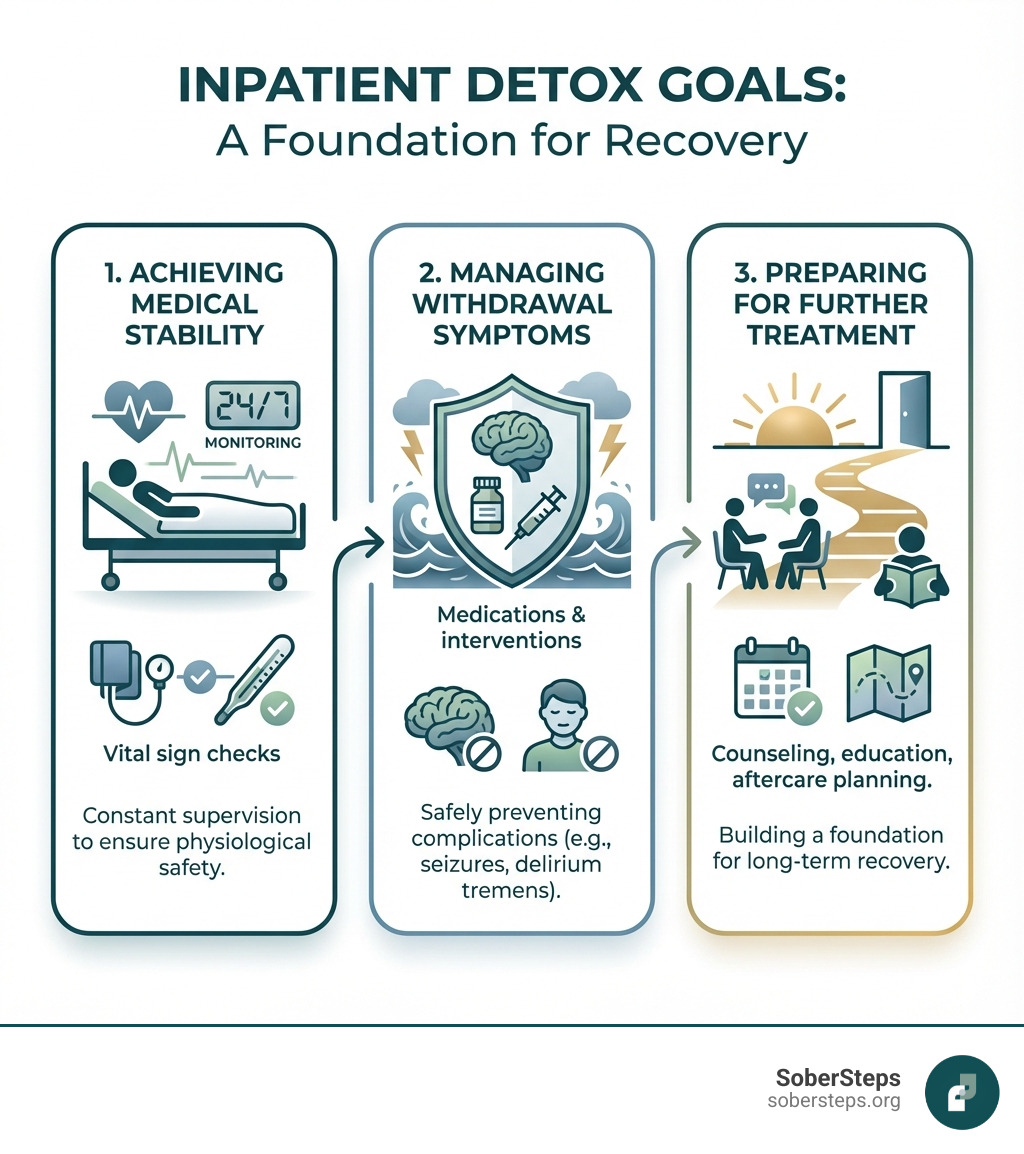
An inpatient detox program is a medically supervised treatment setting where individuals receive 24/7 care while safely withdrawing from alcohol or drugs. These programs typically last 3-7 days and provide constant medical monitoring, medication management, and therapeutic support in a hospital or residential facility.
Key features of inpatient detox programs include:
- 24/7 medical supervision by physicians, nurses, and addiction specialists
- Medication-assisted treatment to ease withdrawal symptoms and prevent complications
- Safe, structured environment away from triggers and access to substances
- Individualized assessment of medical, psychiatric, and psychosocial needs
- Transition planning for ongoing rehabilitation and aftercare services
Deciding to seek help for substance use is a brave first step. If you feel overwhelmed or unsure where to turn, know that research shows an inpatient setting is the safest path forward for severe withdrawal or co-occurring health conditions.
Detoxification typically lasts 2-7 days, depending on the substance and individual needs. The goal is to manage physical withdrawal and create a foundation for lasting recovery in a protected, supportive environment where you are never alone.
At Sober Steps, we’ve dedicated ourselves to connecting individuals with the confidential treatment resources they need to reclaim their lives, including guiding people toward appropriate inpatient detox program options that match their unique situations. We understand that taking this first step requires courage, and we’re here to support you through every stage of your recovery journey. Call our 24/7 helpline at (844) 491-5566 for a confidential conversation.
Inpatient detox program terms to remember:
- find addiction treatment
- female rehab centers
- free rehab centers near me
What Is an Inpatient Detox Program and Who Needs It?
An inpatient detox program is a specialized medical setting designed to help individuals safely and comfortably withdraw from drugs or alcohol. It’s often the crucial first step on the path to recovery. In this structured environment, patients receive continuous medical care, typically within a hospital or a dedicated residential facility, ensuring their safety throughout the challenging withdrawal process.
The primary purpose of an inpatient detox program is to achieve medical stability by removing addictive substances from the body. This process, known as detoxification, focuses on managing acute intoxication and the often uncomfortable, and sometimes dangerous, symptoms of withdrawal. It’s like hitting the reset button for your body, but with a team of medical professionals guiding you every step of the way.
So, who needs this intensive level of care? While the decision is always individualized, certain circumstances strongly indicate the need for an inpatient detox program:
- Severe Withdrawal Symptoms: Individuals likely to experience intense physical symptoms such as seizures, delirium tremens (severe alcohol withdrawal), or extreme nausea require immediate medical intervention.
- Co-occurring Medical Conditions: Those with existing health issues like heart problems, diabetes, or liver disease need constant medical oversight during detox.
- Co-occurring Psychiatric Disorders: People battling mental health conditions like depression, anxiety, or bipolar disorder can receive simultaneous dual diagnosis treatment to ensure psychiatric symptoms are stabilized alongside withdrawal.
- Unstable Home Environment: A home filled with triggers or lacking support can make outpatient detox nearly impossible. An inpatient setting offers a safe, substance-free space.
- History of Relapse: For those who have relapsed during past outpatient attempts, an inpatient detox program offers a higher level of structure and protection.
- Polysubstance Use: Dependence on multiple substances can create a complex and unpredictable withdrawal process that is best managed in an inpatient setting.
Our goal at Sober Steps is to help you or your loved one find a program that provides safe medical detoxification and addresses any associated medical or psychiatric problems. Call our 24/7 helpline at (844) 491-5566 for a confidential conversation.
Why Choose Inpatient Over Outpatient Detox?
The choice between an inpatient detox program and an outpatient alternative is critical and depends on individual needs. While both aim to achieve a substance-free state, their approaches and levels of support differ significantly.
Here’s a comparison to help illustrate the differences:
| Factor | Inpatient Detox Program | Outpatient Detox Program |
|---|---|---|
| Level of Supervision | 24/7 medical monitoring and clinical support | Scheduled visits to a clinic; patient returns home daily |
| Safety for Severe Withdrawal | High; immediate intervention for complications like seizures | Lower; best for mild-to-moderate symptoms with stable support |
| Environment | Structured, substance-free, away from triggers | Patient remains in their home environment, exposed to triggers |
| Completion Rate | Generally higher due to constant supervision and support | Lower risk of missing appointments and relapse due to access |
| Cost | Relatively higher due to intensive medical care and residency | Generally lower than inpatient alternatives |
| Ideal Candidate | Severe withdrawal, co-occurring conditions, unstable environment, polysubstance use | Mild withdrawal, strong social support, ability to manage triggers |
The main advantage of an inpatient detox program is constant medical supervision. Staff are always available to manage withdrawal symptoms and prevent serious complications. Inpatient programs also remove individuals from triggers and access to substances, creating a protective, substance-free environment that often leads to higher detox completion rates.
Outpatient detox has its own advantages. It’s less expensive and allows individuals to maintain work and family commitments, making it suitable for those with mild symptoms and strong support systems.
According to research published in “An Overview of Outpatient and Inpatient Detoxification”, the best setting depends on the individual’s needs, such as the severity of their condition and their social support, not on the mode of detox itself. For instance, fewer than 10 percent of patients with alcohol withdrawal symptoms typically need admission to an inpatient unit. Our role at Sober Steps is to help you assess these characteristics and guide you toward the most appropriate and effective inpatient detox program or outpatient option for your unique journey. Call our 24/7 helpline at (844) 491-5566 for a confidential conversation.
What to Expect During an Inpatient Detox Program
Entering an inpatient detox program might feel like stepping into the unknown, but it’s a journey taken with compassion, expertise, and unwavering support. From the moment you arrive, you’ll experience a patient-centered approach where your comfort, safety, and individual needs are paramount.

You’ll be supported by a dedicated multidisciplinary team, typically including:
- Physicians: Overseeing your overall medical care and managing health complications.
- Nurses: Providing 24/7 monitoring, administering medications, and offering direct care.
- Counselors: Offering individual and group therapy and emotional support.
- Psychiatrists: Addressing any co-occurring mental health conditions.
- Other Clinical Staff: Such as social workers and case managers who contribute to your holistic care.
This team works together to ensure a safe and therapeutic experience, easing discomfort and assisting you towards a healthier, substance-free lifestyle.
The Admission and Evaluation Process
Your journey in an inpatient detox program begins with a thorough assessment. This crucial step allows the medical team to understand your unique situation and tailor a treatment plan specifically for you.
Reputable programs conduct a comprehensive assessment upon admission. This evaluation typically includes a review of your medical and substance use history, a full physical check-up, and psychiatric and psychosocial assessments. This detailed process culminates in the development of an individualized treatment plan, a roadmap designed to meet your specific needs and goals.
Medical Supervision and Withdrawal Management
The heart of an inpatient detox program is its robust medical supervision and expert withdrawal management. You’ll receive 24-hour medical monitoring, allowing for immediate intervention if any complications arise.
Symptom management is a key focus. Medical staff use a range of strategies, including medication-assisted treatment (MAT), to ease symptoms and prevent severe reactions. For example, certain medications are commonly used to reduce alcohol withdrawal symptoms and prevent seizures. Other withdrawal medications are customized to the specific substance and your individual needs, ensuring you remain as comfortable and safe as possible.
Beyond medication, vital signs monitoring and nutritional support are crucial for helping the body heal and regain strength. Preventing complications like delirium tremens or severe dehydration is a top priority, providing a safe and humane environment for detoxification.
Therapeutic Support in an Inpatient Detox Program
While medical stabilization is the immediate goal, an inpatient detox program also lays the groundwork for long-term recovery through integrated therapeutic support. This is about beginning to heal your mind and spirit.
You’ll participate in a variety of therapeutic activities designed to help you understand your addiction and develop coping mechanisms:
- Individual and Group Counseling: Confidential one-on-one sessions and peer group discussions provide a supportive space to discuss challenges, triggers, and goals.
- Psychoeducational Groups: These sessions provide valuable information about substance use disorder, the recovery process, and healthy living.
- Relapse Prevention and Coping Skills: You’ll learn to identify warning signs, manage cravings, and handle difficult emotions without resorting to substance use.
- Stress Reduction Techniques: Practices like mindfulness, meditation, or gentle exercise can help calm the mind and body.
- Family Education and Support: Many programs offer resources for families, recognizing that their involvement can be essential to recovery.
- Introduction to 12-Step Programs: Many programs introduce patients to self-help groups like Alcoholics Anonymous or Narcotics Anonymous, providing a foundation for ongoing support.
A typical daily schedule in an inpatient detox program is structured to balance medical care, therapy, and personal time, which helps establish a routine that is beneficial for both physical and mental healing. Call our 24/7 helpline at (844) 491-5566 for a confidential conversation.
From Detox to Lasting Recovery
It’s vital to understand that an inpatient detox program is a powerful first step, but it is not a cure for addiction. Think of it as clearing the path and building a strong foundation. The real work of recovery, which addresses the underlying behavioral, psychological, and social problems associated with addiction, continues long after the physical toxins have left your body.

Detoxification provides the critical medical stabilization necessary to safely begin this journey, but it’s just the prelude to a symphony of healing.
Detoxification vs. Rehabilitation: Understanding the Difference
The terms “detoxification” and “rehabilitation” are often used interchangeably, but they represent distinct, though interconnected, phases of addiction treatment.
-
Detoxification Focus: The primary goal of detox is to manage physical dependence and achieve medical stabilization. It’s about safely removing substances from the body and alleviating withdrawal symptoms. The focus is heavily on medical monitoring and ensuring the patient’s physical well-being over a shorter period, often 3-7 days.
-
Rehabilitation Focus: Rehabilitation addresses the psychological addiction and the root causes of substance use. It’s a longer-term process that involves intensive behavioral therapies and skill-building to help individuals learn to live without drugs or alcohol and develop long-term strategies for relapse prevention. While detox helps you get clean, rehab helps you stay clean and build a new, fulfilling life.
Think of it like treating a broken leg. Detox is like setting the bone and managing the initial pain. Rehabilitation is the physical therapy needed to walk again, build strength, and prevent future injuries. Both are critical for a full recovery.
How an Inpatient Detox Program Prepares You for What’s Next
An inpatient detox program is carefully designed not just to get you through withdrawal, but also to prepare you for the next, equally vital, stages of your recovery. It builds a bridge from acute crisis to sustained healing.
A key component of this preparation is aftercare planning and discharge planning. Counselors and case managers work with you to develop a personalized aftercare plan, which might include:
- Referrals to Rehabilitation: This is often the most common next step, such as an inpatient rehabilitation program where you reside at a facility for a longer period (often 28-30 days or more) to engage in intensive therapy.
- Partial Hospitalization Programs (PHP): These programs offer intensive treatment during the day, with patients returning home at night.
- Intensive Outpatient Programs (IOP): Less intensive than PHP, IOPs provide structured therapy several times a week while allowing patients to live at home.
- Sober Living Homes: These provide a supportive, substance-free living environment for individuals transitioning back into independent living.
- Ongoing Therapy and Support Groups: Individual counseling, group therapy, and participation in 12-step programs are crucial for long-term sobriety.
The goal is to build motivation for continued treatment. According to the National Institute on Drug Abuse (NIDA), detox alone does not address the underlying issues of addiction, and ongoing treatment is recommended. Our team at Sober Steps is dedicated to helping you connect with these vital next steps. Call our 24/7 helpline at (844) 491-5566 for a confidential conversation.
Navigating the Practical Side of Treatment
Taking the courageous step to seek help is monumental, and we want to make the practical aspects of finding treatment as straightforward as possible. Finding the right inpatient detox program involves understanding various factors, vetting facilities, and making an informed choice that aligns with your needs.
Typical Length of Stay, Costs, and Insurance
When considering an inpatient detox program, two common questions that arise are about the duration of stay and the financial commitment.
Length of Stay:
The typical length of stay for an inpatient detox program is often between three to seven days, but can range from 2 to 14 days. The exact duration depends on the substance used, the severity of dependence, and your individual medical needs. Medical professionals will assess your progress and adjust the duration as needed to ensure your safety and stability.
Costs and Insurance:
The cost of an inpatient detox program can be a concern, as it is generally more expensive than outpatient alternatives due to the intensive 24/7 medical care. However, there are various options for coverage and payment:
- Insurance Coverage: Most reputable programs accept various insurance plans.
- Medicaid and Medicare: Many facilities accept Medicaid and Medicare. Medicare’s coverage for inpatient hospital stays for alcoholism treatment is detailed, requiring medical necessity when complications necessitate constant physician availability. Generally, a 3-week period is considered reasonable for combined inpatient hospital alcohol detoxification/rehabilitation programs if medically necessary. You can read more about this policy here: https://www.cms.gov/medicare-coverage-database/view/ncd.aspx?NCDId=26&ncdver=1.
- Private Insurance: Most private insurance plans will cover at least part of the cost of residential inpatient rehab, including detox. We recommend contacting your insurance provider directly or calling a program to verify your benefits.
- Payment Options:
- Sliding Scale Fees: Some facilities offer a sliding fee scale based on income for those without insurance.
- State-Funded Programs: State-funded programs can be a vital resource for individuals with limited financial means.
- Financing and Payment Plans: Many centers also offer financing options or payment plans to help manage costs.
At Sober Steps, we can help you steer these financial questions and connect you with resources to understand your insurance benefits and payment options. Call our 24/7 helpline at (844) 491-5566 for a confidential conversation.
Finding a Reputable and Specialized Program
Choosing the right inpatient detox program is a critical decision. Here are some key criteria we recommend considering:
- Licensing and Accreditation: Look for programs that are licensed by the state and accredited by recognized bodies such as the Commission on Accreditation of Rehabilitation Facilities (CARF) or The Joint Commission. These accreditations indicate that the facility meets high standards of care.
- Staff Credentials: Ensure the program employs a multidisciplinary team of qualified professionals, including licensed physicians, registered nurses, and certified addiction counselors.
- Evidence-Based Practices: A reputable program will use treatment approaches backed by scientific research, such as Cognitive Behavioral Therapy (CBT) and medication-assisted treatment (MAT).
- Individualized Care: The best programs offer comprehensive assessments and develop personalized treatment plans.
- Aftercare Planning Support: A strong program provides robust discharge planning and referrals to ongoing care to ensure a smooth transition to the next stage of recovery.
Specialized Programs:
Many individuals benefit from programs designed for specific populations. We can help you find options that cater to unique needs:
- Veterans: Programs focused on the unique challenges faced by military personnel.
- Older Adults: Specialized care for seniors, who may have co-occurring medical conditions.
- LGBTQ+ Individuals: Supportive environments that understand the specific issues faced by this community.
- Gender-Specific Programs: Women-only or men-only programs can provide a safe space to address gender-specific issues in recovery.
Frequently Asked Questions about Inpatient Detox
We understand you might have more questions as you consider an inpatient detox program. Here are some common inquiries we encounter:
What substances can be treated in an inpatient detox program?
An inpatient detox program is equipped to safely manage withdrawal from a wide range of substances, including:
- Alcohol: Often requiring medical supervision due to the potential for severe and life-threatening withdrawal symptoms like seizures and delirium tremens.
- Opioids: This includes prescription pain medications (e.g., oxycodone, hydrocodone) as well as illicit drugs like heroin and fentanyl.
- Benzodiazepines: Such as Xanax, Valium, and Klonopin. Withdrawal from these can be particularly dangerous and requires careful medical tapering.
- Stimulants: Including cocaine, methamphetamine, and Adderall. While withdrawal is typically less physically dangerous, symptoms like severe depression and psychosis require medical management.
- Barbiturates/Sedatives: Similar to benzodiazepines, withdrawal can be severe and life-threatening.
Reputable inpatient programs are equipped to manage withdrawal from this broad scope of substances, reflecting the comprehensive level of care provided in these settings.
How is patient privacy handled in an inpatient setting?
Patient privacy and confidentiality are paramount in an inpatient detox program. We understand that discretion is important during such a personal journey.
- HIPAA Compliance: All reputable facilities adhere strictly to the Health Insurance Portability and Accountability Act (HIPAA) regulations, which protect your personal health information.
- Confidentiality: Staff members are legally bound to uphold patient confidentiality. Information about your treatment will not be shared without your explicit consent.
- Private or Semi-Private Rooms: Many facilities offer quiet, semi-private rooms, providing a sense of personal space and privacy during your stay.
- Discreet Location of Units: Some inpatient detox units are designed to be discreetly located to further protect patient identity and ensure a private healing environment.
What are the potential risks or disadvantages of inpatient detox?
While an inpatient detox program offers significant benefits, it’s also important to be aware of potential disadvantages:
- Higher Cost Compared to Outpatient: Due to the 24/7 medical supervision and residential aspect, inpatient detox is generally more expensive than outpatient alternatives.
- Time Away from Work and Family: Committing to an inpatient program means being away from your daily responsibilities, job, and family for the duration of your stay.
- Potential for Institutionalization: While rare in short-term detox, there’s a theoretical risk that an overly long stay in a highly structured environment could lead to an unnecessary dependence on hospital staff. Most programs are short and focus on preparing you for the next steps, mitigating this risk.
- Not Always Necessary for Mild Withdrawal: For individuals with mild withdrawal symptoms and strong social support, an inpatient detox program might be an over-resourced option. Research suggests that many people can detox safely in an outpatient setting. The decision for inpatient care is made when medical necessity and potential for complications are high.
Our aim is to help you weigh these factors and ensure that the chosen inpatient detox program is the most appropriate level of care for your unique situation. Call our 24/7 helpline at (844) 491-5566 for a confidential conversation.
Take the First Confidential Step Towards Recovery
Starting on the path to recovery is a testament to your strength and courage. An inpatient detox program offers a safe, structured, and profoundly supportive first step, providing the medical care and initial therapeutic guidance needed to steer the challenging initial phase of withdrawal. It’s a place where hope is nurtured, and healing begins, laying a solid foundation for a new life free from the grip of addiction.
We believe everyone deserves the chance to thrive and lead a healthy life. If you or a loved one are considering an inpatient detox program, confidential, anonymous help is available. Your journey to recovery can start today, and we are here to walk alongside you, connecting you with the resources and support you need.
More info about our treatment center options
Call our 24/7 helpline at (844) 491-5566 for a confidential conversation. We’re ready to listen and help you take that brave first step.