
Understanding Your Path to Finding the Right Treatment
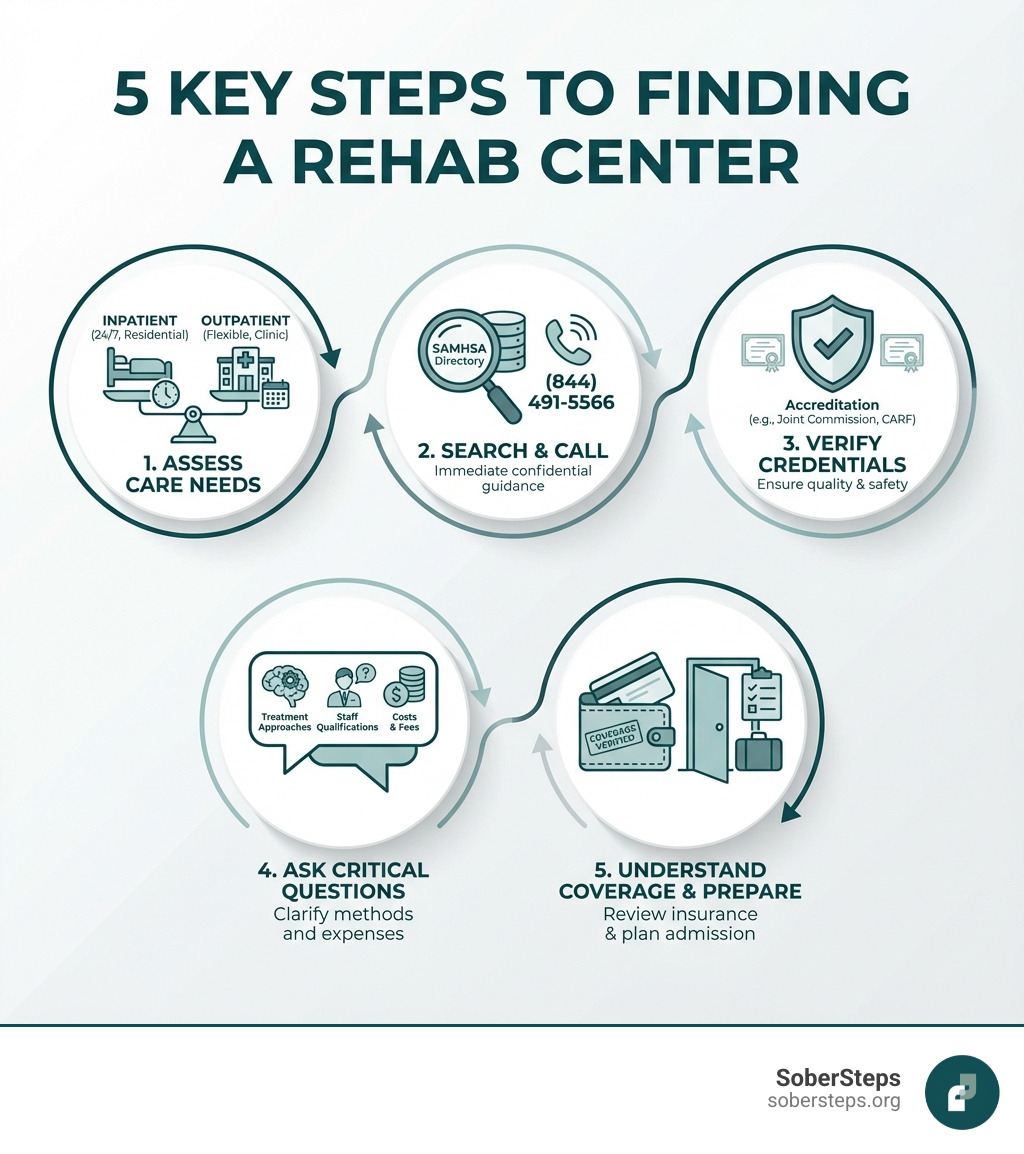
How to find rehab starts with understanding your options and knowing where to look. If you or a loved one needs help, here’s the fastest way to start:
Quick Steps to Find Rehab:
- Call (844) 491-5566 for immediate, confidential guidance 24/7
- Use SAMHSA’s FindTreatment.gov to search for facilities near you
- Check your insurance to understand coverage and in-network options
- Verify credentials – look for Joint Commission or CARF accreditation
- Ask the right questions about treatment approaches, staff qualifications, and costs
The numbers tell a difficult story. In 2024, among people aged 12 or older who needed substance use treatment in the past year, only about 1 in 5 (19.3%) actually received it. Millions of Americans who need help never find their way to treatment.
The challenge is figuring out where to go, how to pay for it, and which facility offers the best chance at recovery. With over 14,500 specialized treatment facilities in the U.S., the options can feel overwhelming. You don’t have to figure this out alone.
This guide breaks down the process into clear steps. We’ll show you how to determine the level of care you need, find quality facilities, ask the right questions, and steer insurance. Seeking treatment is not a sign of weakness—it’s the strongest decision you can make.
If you need immediate help, call our confidential helpline at (844) 491-5566. At Sober Steps, our team is available 24/7 to help you find rehab that matches your unique needs. We’ve helped thousands take that critical first step, and we’re here for you.
Key how to find rehab vocabulary:
Step 1: Determine the Right Level of Care for Your Needs
Finding the right treatment begins with understanding your unique situation. There’s no one-size-fits-all solution in recovery. Assessing your needs helps you choose a program with the greatest chance for lasting success.

When we help individuals determine the right level of care, we consider several critical factors:
- Substance Use History: What substances have been used, for how long, and to what degree? The type and severity of use influence the intensity of care required.
- Co-occurring Disorders: Many people with substance use disorders also have mental health conditions like depression or anxiety. Approximately half of individuals with a substance use disorder also experience serious mental illness. Treating both simultaneously, known as Dual Diagnosis or integrated treatment, is crucial. A program specializing in Co-occurring Disorders Treatment is vital if you have underlying mental health issues.
- Severity of Addiction: Is it mild, moderate, or severe? This helps determine if outpatient support or a more structured environment is needed.
- Previous Treatment Experiences: What worked or didn’t work before? Learning from prior attempts can guide you to more effective strategies.
- Specialized Programs: Your circumstances might require a program for specific needs, such as:
- Gender-specific programs for a focused environment without gender-related distractions.
- Age-specific programs for adolescents, young adults, or older adults.
- LGBTQ+ affirming programs for culturally competent care addressing unique challenges.
- Other programs for veterans, pregnant women, or those in the criminal justice system.
By evaluating these aspects, we can guide you toward a program that meets your needs. Call our 24/7 helpline at (844) 491-5566 to discuss your situation confidentially.
Understanding Different Program Types
The American Society of Addiction Medicine (ASAM) provides guidelines to match individuals to the most appropriate level of care. Here’s a breakdown of common program types:
| Program Type | Structure & Intensity | Typical Duration | Cost Implications | Ideal Candidate |
|---|---|---|---|---|
| Medical Detox | 24/7 medical supervision to manage withdrawal symptoms | 3-10 days | Often covered by insurance; can be costly without | Individuals with physical dependence on substances requiring medical management for safe withdrawal. |
| Inpatient Rehab | 24/7 structured care in a hospital setting | 28-90 days | Higher cost, generally covered by insurance | Severe addiction, unstable medical/psychiatric conditions, individuals needing intensive medical oversight. |
| Residential Treatment | 24/7 structured care in a non-hospital setting | 30-90 days (sometimes longer) | High cost, generally covered by insurance | Severe addiction, co-occurring disorders, individuals needing a safe, supportive environment away from triggers. |
| Partial Hospitalization Program (PHP) | Full-day treatment (5-7 days/week), return home at night | 2-6 weeks | Moderate cost, often covered by insurance | Stepping down from residential, or for those needing intensive support but can live at home safely. |
| Intensive Outpatient Program (IOP) | Part-time treatment (3-5 days/week for a few hours) | 6-12 weeks | Lower cost, often covered by insurance | Stepping down from PHP, or for those with moderate addiction who need flexibility for work/school. |
| Outpatient Program | Weekly therapy sessions, group meetings | Varies (months to years) | Lowest cost, widely covered by insurance | Mild addiction, strong support system, maintaining work/school while in recovery. |
| Sober Living | Structured, substance-free living environment | Varies (months to years) | Moderate cost (rent-like fees), not always covered by insurance | Individuals transitioning from higher levels of care, needing continued support and accountability in a community setting. |
Let’s explore some of these in more detail:
- Medical Detox: Often the first step for physical dependence, it involves medically supervised withdrawal to safely manage symptoms. Learn more on our Detox page.
- Inpatient Rehab: Provides 24/7 care in a hospital, offering intensive medical and psychiatric support.
- Residential Treatment: Offers 24/7 structured care in a non-hospital environment, focusing on therapy and community.
- Partial Hospitalization Program (PHP): A step down from residential, PHPs involve full-day therapy, allowing clients to return home at night.
- Intensive Outpatient Program (IOP): Less intensive than PHP, IOPs typically involve about nine hours of counseling per week.
- Outpatient Program: The least intensive level, with regular therapy sessions while living at home.
- Sober Living: Structured, substance-free housing that helps individuals transition to independent living after treatment.
For a deeper dive, visit our Levels of Care page.
What is the difference between inpatient and residential treatment?
The main difference between inpatient and residential treatment is the setting and medical intensity.
-
Inpatient Rehab: This is hospital-based treatment for those needing high-level medical supervision due to severe withdrawal, unstable medical conditions, or significant psychiatric issues. The focus is on medical stabilization. Our Inpatient Drug Rehab page offers more details.
-
Residential Treatment: This occurs in a non-hospital, homelike setting. While medical staff are present, the environment is less clinical. It emphasizes a therapeutic community, intensive therapy, and a supportive living environment away from triggers. It’s ideal for those who need a structured setting but not acute hospital-level medical care.
In short, inpatient care prioritizes medical stabilization in a hospital, while residential treatment focuses on intensive therapy in a therapeutic community.
Step 2: How to Find Rehab Centers and Affordable Options
Once you have an idea of the level of care needed, the next step is to search for suitable facilities. This can feel daunting, but there are tools and strategies to narrow it down.

At SoberSteps, we believe everyone deserves access to quality care. We offer a confidential helpline and a comprehensive SoberSteps treatment directory to simplify your search. Beyond our resources, consider these avenues:
- Doctor or Therapist Recommendations: Your current healthcare providers can be excellent sources of referrals.
- Insurance Provider Directory: Your insurance company’s website or customer service can provide a list of in-network facilities.
- Community Health Centers: These centers often have connections to local, lower-cost treatment resources.
For a personalized list of local options and immediate assistance with how to find rehab, call us at (844) 491-5566.
Using Online Directories to Find Local Treatment
Online directories are powerful tools for finding a rehab center. They allow you to filter facilities to meet your specific criteria.
The Substance Abuse and Mental Health Services Administration (SAMHSA) offers FindTreatment.gov, a comprehensive, confidential resource for locating treatment facilities. When using directories like FindTreatment.gov or our own Find local rehab centers now, you can often refine your search by:
- Location: Enter your address, city, or zip code.
- Substance: Specify the primary substance of concern.
- Insurance: Check which providers are accepted (e.g., Medicaid, Medicare, private).
- Facility details: Review services, treatment approaches, and special programs.
Always call any facility you’re considering to confirm they provide the services you need.
How to find rehab if you have limited financial resources
The cost of rehab can be a significant barrier, but financial constraints shouldn’t prevent you from getting help. We at SoberSteps are dedicated to helping you explore affordable options, including:
- Non-profit organizations: Many offer services at a reduced cost or on a sliding scale.
- Sliding-scale fees: Fees are adjusted based on your income, making treatment more accessible.
- Grants and scholarships: Various organizations and centers offer financial aid.
- Payment plans: Some facilities allow you to pay for treatment in installments.
For more details on free and low-cost options, visit our page on Free Rehab Centers Near Me.
State and federal funding also creates affordable options:
- State-funded programs: These are supported by federal grants (from SAMHSA) and state budgets.
- Medicaid: This joint federal and state program covers addiction treatment for eligible low-income individuals, with access expanded by the Affordable Care Act (ACA).
While state-funded programs may have waitlists, they are a crucial resource. Don’t let cost deter you; pathways to recovery exist for every budget.
Step 3: Vetting a Facility: Questions to Ask and Red Flags to Avoid
You’ve identified potential facilities, and now it’s time to investigate. This crucial step involves asking the right questions and recognizing warning signs to ensure you choose a reputable and effective program.
When contacting facilities, be thorough. You’re looking for the best chance at recovery, not just a bed. Key areas to inquire about include:
- Credentials: Are the facility and its staff properly licensed and accredited?
- Staff qualifications: What are the credentials and experience of the treatment team?
- Patient-to-counselor ratio: A lower ratio often means more individual attention.
- Family involvement: Do they offer family therapy or education?
- Relapse policy: How do they handle relapse? A good program will adjust the plan, not immediately discharge a patient.
If this vetting process feels overwhelming, call (844) 491-5566 to speak with an admissions navigator who can help you ask these critical questions.
What to Look For in a Quality Rehab Program
A high-quality program demonstrates a commitment to evidence-based care, professional standards, and individualized treatment.
-
Accreditation: Look for accreditation from independent bodies, which indicates adherence to high standards. Top accreditors include:
- The Joint Commission
- CARF International
State licensing is a minimum, but accreditation ensures higher standards of care.
-
Evidence-Based Practices (EBPs): Ensure the program uses methods proven effective by research, such as:
- Cognitive Behavioral Therapy (CBT): Helps change negative thought patterns and behaviors.
- Motivational Interviewing (MI): Helps people find the internal motivation to change.
- Medication-Assisted Treatment (MAT): Combines medication with counseling for opioid and alcohol use disorders, improving patient retention and recovery outcomes.
-
Individualized Treatment Plans: A good program creates a treatment plan custom to your specific needs that evolves as you progress.
- Duration of Treatment: According to the National Institute on Drug Abuse (NIDA), treatment lasting at least 90 days is often recommended for the best outcomes, allowing time for the brain to heal and for new, healthy habits to form.
Red Flags of Deceptive or Unethical Centers
Unfortunately, the addiction treatment field has some deceptive practices. Be vigilant and watch for these red flags:
- Guarantees of a “cure”: Addiction is a chronic disease with no “cure.” Relapse rates are between 40% and 60%, so be wary of guarantees. A good program focuses on relapse prevention, not false promises.
- High-pressure sales tactics: If a facility pressures you to enroll immediately, proceed with caution.
- Vague answers about cost: A reputable center will be transparent about all pricing.
- Patient brokering: This unethical practice involves recruiting patients for a fee, often leading to inappropriate placements.
- Overemphasis on luxury amenities: While comfort is nice, the primary focus should be on evidence-based treatment and qualified staff, not just spa services or gourmet meals.
Trust your gut. If something feels off, it probably is.
Step 4: Navigating Costs, Insurance, and the Admission Process
Financial concerns are a major barrier for many, but treatment is often more feasible than you might think. The Affordable Care Act (ACA) requires most health insurance plans to cover substance use disorder and mental health services, making treatment more accessible.
To help you understand how to pay for treatment, we’ve created a comprehensive guide: How do I Pay for Addiction Treatment?. Beyond private insurance, options include:
- Medicaid/Medicare: Government programs covering addiction treatment for eligible individuals.
- Payment plans: Many facilities offer flexible payment options.
Verifying Your Insurance and Understanding Costs
Navigating insurance is a vital step. Here’s what you need to know:
- In-network vs. out-of-network: In-network providers are contracted with your insurance for lower costs. Out-of-network providers are not, leading to higher out-of-pocket expenses. In-network status often indicates the program has met quality standards.
- Deductibles and copays: Understand your deductible (what you pay before insurance covers costs) and copays (a fixed amount per service).
- Verify Insurance coverage confidentially: Our team at SoberSteps can help you verify your benefits and understand your coverage. Visit our Verify Insurance page or call (844) 491-5566 to speak with an admissions navigator.
- Ask for a full cost breakdown in writing: Always request a detailed breakdown of all costs before committing to prevent surprises.
Preparing for the Rehab Admission Process
Once you’ve chosen a facility, a few practical steps ensure a smooth transition:
- Initial assessment: A thorough assessment confirms the right care level and helps create your treatment plan.
- Medical evaluation: A medical check-up identifies any health needs for your treatment.
- What to pack: Facilities provide a list of approved items, usually comfortable clothing and personal hygiene products.
- Arranging time off: Plan for your absence from work or school.
- Family communication: Learn the facility’s family communication policies. Family involvement is key to recovery.
- The process can be quick: Many facilities can accommodate admissions quickly, sometimes the same day. Don’t delay seeking help once you’ve decided.
We know this is a big step. If you’re ready to take action, visit our Get Help Now page.
The Role of Aftercare and Support in Lasting Recovery
Completing rehab is a monumental achievement, but it’s the first step in a lifelong journey. Aftercare is the ongoing support needed to build on the foundation of treatment and maintain recovery.
Preventing relapse is a core component of long-term recovery. As the National Institute on Drug Abuse (NIDA) and the American Society of Addiction Medicine (ASAM) emphasize, a continuum of care after formal treatment is crucial for lasting success.
Building a robust support system is paramount. This network of people and resources will help you steer challenges and maintain your commitment to a substance-free life.
Types of Post-Treatment Support
Effective aftercare planning bridges the gap between intensive treatment and independent living.
- Aftercare planning: A personalized plan for continued support, including ongoing therapy, support groups, and vocational training.
- Alumni programs: Rehab alumni networks provide a community for ongoing connection, events, and mutual support.
- 12-Step groups (AA/NA): Groups like Alcoholics Anonymous (AA) and Narcotics Anonymous (NA) offer peer support and a structured path to recovery.
- Sober Living homes: These provide a safe, structured, and substance-free environment for those transitioning from treatment.
- Ongoing therapy: Individual or group therapy can continue to address underlying issues and provide accountability.
- Family therapy and education: Continued family therapy helps heal relationships, improve communication, and create a supportive home environment.
Frequently Asked Questions about Finding Rehab
We understand you have many questions. Here are answers to some common inquiries:
What evidence-based treatment approaches should I look for?
When considering how to find rehab, prioritize programs using evidence-based therapies proven effective by research, such as:
- Cognitive Behavioral Therapy (CBT): Helps you identify and change negative thought patterns and behaviors related to substance use.
- Dialectical Behavior Therapy (DBT): Teaches skills in mindfulness, emotional regulation, distress tolerance, and interpersonal effectiveness.
- Motivational Interviewing (MI): A collaborative form of guidance to strengthen motivation for change.
- Medication-Assisted Treatment (MAT): For opioid or alcohol use disorder, MAT combines medications with counseling. It significantly improves outcomes.
A combination of these approaches, custom to your needs, is often most effective.
What should I do if I relapse after treatment?
Relapse is a common part of recovery, not a failure. If it happens:
- Contact your support network immediately: Reach out to your therapist, sponsor, or a trusted friend. Don’t isolate yourself.
- Re-evaluate your aftercare plan: A relapse often means your support strategy needs adjustments.
- Consider a higher level of care: A brief return to a more intensive program (like PHP or IOP) can help you get back on track.
Relapse is a signal to intensify your efforts, not to give up.
How important is family involvement in the recovery process?
Family involvement is vital. Addiction is often called a “family disease” because it impacts everyone. When family members participate in treatment, it can:
- Heal relationships: Family therapy helps rebuild trust and improve communication.
- Improve understanding: Education helps family members learn how to provide healthy support.
- Create a stronger support system: An engaged family significantly improves long-term recovery outcomes.
Many reputable rehab centers offer family programs, recognizing the crucial role loved ones play.
Your Path to Recovery Starts Today
Finding the right rehab is a critical, personal decision that requires careful thought and research. We understand this journey can feel overwhelming, but we hope this guide has provided you with the steps and confidence to make an informed choice. You are not alone. Millions of people are in successful recovery, living fulfilling lives free from substance use.
At SoberSteps, we provide confidential, anonymous assistance to help you find the right path to recovery. Our goal is to connect you with quality treatment options that align with your unique needs. For free, 24/7 support and to explore your options, visit our treatment directory. Take the first step today.