
Why Finding Drug Treatment is the First Step to Recovery
Find drug treatment when you or a loved one is struggling with addiction by using these key resources:
- Call a helpline: 988 Suicide & Crisis Lifeline or 1-800-662-HELP (4357) for 24/7 confidential support
- Use online directories: FindTreatment.gov, SAMHSA locators, or SoberSteps directory
- Explore treatment types: Inpatient rehab, outpatient programs, detox centers, or medication-assisted treatment
- Verify insurance: Contact your provider or use facility verification tools
- Find specialized care: Programs for adolescents, dual diagnosis, or specific substances
Acknowledging the need for help is a brave first step. But recovery is possible, and you don’t have to figure it out alone.
Over 46 million Americans have a substance use disorder, yet most don’t receive treatment. Whether it’s alcohol, opioids, or other substances, the path forward starts with taking action.
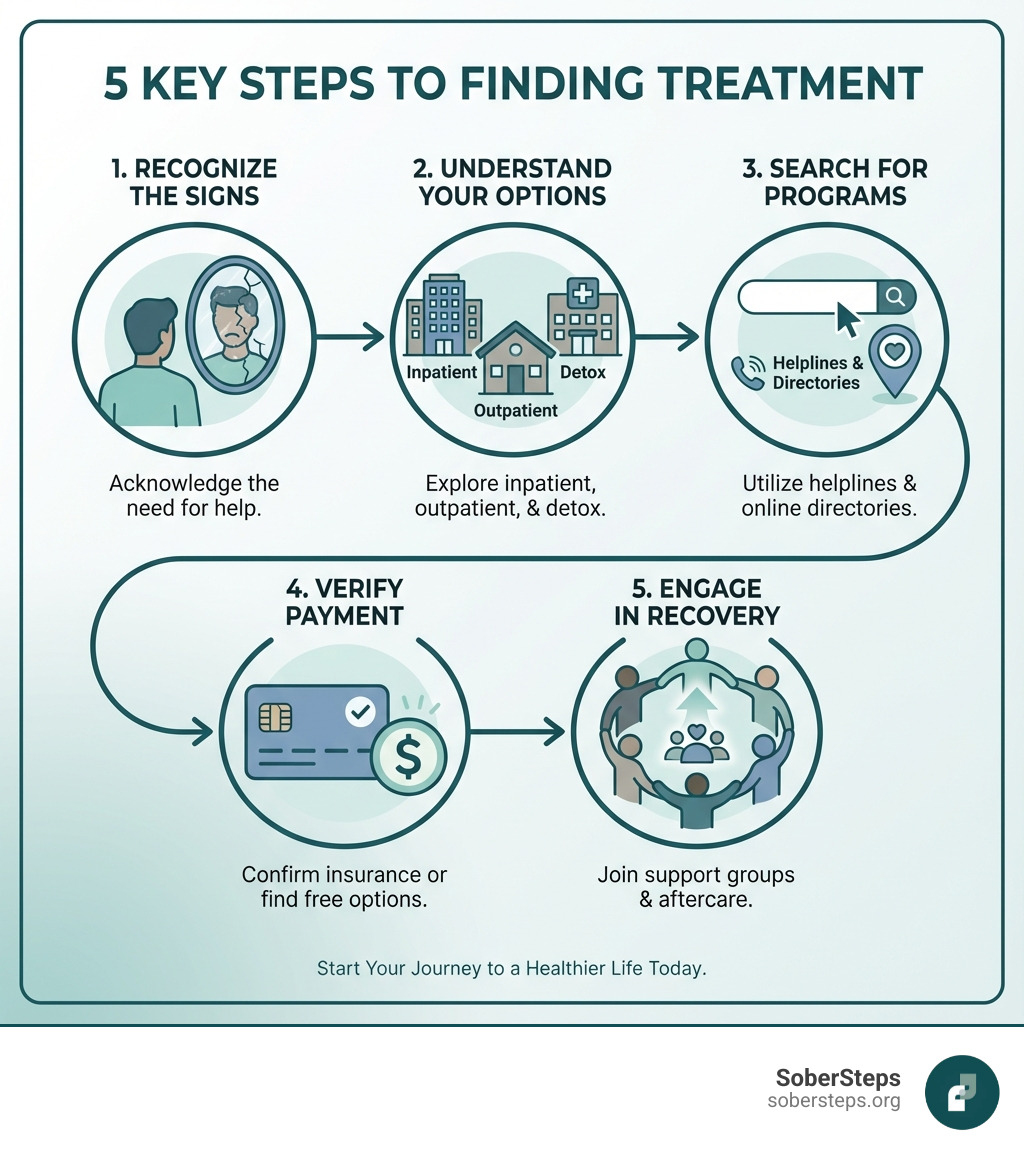
This guide will walk you through finding drug treatment, from recognizing the need for help and understanding treatment options to navigating payment and finding long-term support.
At Sober Steps, we provide trusted resources to help you find drug treatment that fits your unique needs. We understand every path to sobriety is different and are here to guide you with clarity and care.
If you or a loved one needs help right now, contact SoberSteps today for confidential support. You can also learn more about our mission and how we’re committed to walking alongside you on this journey.
Recognizing the Need for Help
Recognizing addiction is the crucial first step to recovery. As a complex disease, its signs affect behavior, physical health, and psychological well-being. Often, the person struggling doesn’t see the problem, making it vital for loved ones to know what to look for.
Common behavioral signs include neglecting responsibilities, changing social circles, or engaging in risky behaviors. Individuals may also become secretive or isolated to hide their substance use.
Physical symptoms range from declining hygiene and weight changes to tremors. Withdrawal symptoms when the substance isn’t available are a clear sign that professional help is needed.
Psychological signs include anxiety, depression, mood swings, or paranoia. A loss of interest in hobbies, persistent cravings, and failed attempts to quit are also critical indicators. If you see these signs, explore our resources on Get Help Addiction and Immediate Addiction Help for guidance.
Unsure if you need help? Take our self-assessment or reach out now. Read more about recognizing addiction.
What Are the Signs Someone Needs Drug Treatment?
When an individual’s drug use starts to negatively impact their life, it’s a strong signal that treatment is necessary. Here are some key signs that someone needs drug treatment:
- Neglecting Responsibilities: Failing to fulfill obligations at work, school, or home due to substance use.
- Changes in Social Circles: Abandoning old friends and activities in favor of new ones associated with drug use.
- Financial Trouble: Experiencing consistent money problems, such as borrowing money, stealing, or spending excessive amounts on drugs.
- Risky Behaviors: Engaging in dangerous activities while under the influence or to obtain drugs, such as driving impaired or illegal activities.
- Secrecy and Isolation: Hiding their drug use, lying about their whereabouts, or withdrawing from loved ones.
- Decline in Physical Appearance: Neglecting personal hygiene, noticeable weight changes, or showing physical signs of drug use.
- Withdrawal Symptoms: Experiencing physical or psychological discomfort when they stop or reduce drug use, such as nausea, sweating, or severe anxiety.
- Unsuccessful Attempts to Quit: Repeatedly trying to cut down or stop drug use but being unable to do so.
- Continued Use Despite Harm: Persisting in drug use even when aware of the physical, psychological, or social problems it’s causing.
These signs indicate problematic substance use that requires professional intervention. Understanding them is a critical first step toward recovery. For a deeper understanding, visit our page on Addiction.
Learn more about the signs of addiction and find support. See our resources for families.
Understanding Your Drug Treatment Options
There is no “one-size-fits-all” approach to substance use disorder. The goal is to find an individualized treatment plan that caters to your unique needs. This often involves a continuum of care, where treatment evolves as you progress. The best approach combines medical care, therapy, and supportive services to help you achieve lasting sobriety.
We empower you with knowledge through resources like our Treatment Options Ultimate Guide and the Drug Treatment Programs Complete Guide. These guides explain evidence-based approaches to help you make informed decisions.
Explore your treatment options with SoberSteps. Contact us for a personalized assessment.
Levels of Care: From Detox to Aftercare
Understanding the different levels of care is essential when you find drug treatment. The Substance Abuse and Mental Health Services Administration (SAMHSA) outlines a continuum to meet individuals wherever they are in their journey.
| Feature | Inpatient Treatment (Residential Rehab) | Outpatient Treatment (PHP, IOP) |
|---|---|---|
| Duration | Typically 30, 60, or 90+ days | Varies; can be weeks to months, with ongoing sessions |
| Intensity | High; 24/7 medical supervision and structured therapy | Moderate to high (PHP/IOP); less intensive (standard outpatient) |
| Environment | Live at the facility; substance-free, controlled environment | Live at home; attend scheduled sessions at a facility |
| Ideal Candidate | Severe addiction, unstable home environment, co-occurring disorders, need for medical detox | Stable home environment, strong support system, less severe addiction, step-down from inpatient |
Let’s break down each level:
- Medical Detox: Often the first step, medical detox provides supervised care to manage withdrawal symptoms safely, especially for substances like alcohol or benzodiazepines. This phase clears the body of substances before therapy begins. Learn more on our Detox page and about Medical Detox Programs.
- Inpatient Residential Rehab: Inpatient rehab involves living at a facility for a set period, offering a structured, supportive environment with intensive therapy and medical care. It’s ideal for severe addiction or those needing to leave a triggering environment. Explore Inpatient Drug Rehab.
- Outpatient Programs (PHP & IOP):
- Partial Hospitalization Programs (PHP) offer intensive treatment during the day, similar to inpatient care, but clients return home in the evenings.
- Intensive Outpatient Programs (IOP) provide fewer hours of therapy per week than PHP, allowing individuals to maintain work, school, or family responsibilities.
- Sober Living Homes: Sober living homes provide a safe, drug-free environment for those transitioning from intensive treatment. They offer structure and peer support to reinforce recovery skills.
- Aftercare Planning: Recovery is a lifelong journey. Aftercare involves ongoing support after formal treatment ends, including continued therapy, support groups, and relapse prevention strategies.
Each level plays a crucial part in sustained recovery. Our Levels of Care page provides even more detail.
Find the right level of care for you. Speak with our admissions team.
The Role of Therapy in Addiction Treatment

Therapy is the cornerstone of effective drug treatment. It helps individuals uncover the root causes of addiction, develop healthy coping skills, and build a foundation for a sober life. Therapy provides a safe space to process trauma, address co-occurring mental health conditions, and build self-esteem.
Here are some common behavioral therapies used in addiction treatment:
- Cognitive Behavioral Therapy (CBT): CBT helps individuals identify and change problematic thoughts and behaviors contributing to substance use. It’s also effective for co-occurring conditions like depression and anxiety.
- Dialectical Behavior Therapy (DBT): A form of CBT, DBT teaches skills to manage intense emotions, improve relationships, and cope with distress. It’s beneficial for those with emotional regulation issues and helps improve self-esteem and stress management.
- Motivational Interviewing (MI): This client-centered approach helps people explore and resolve their ambivalence about changing their behavior, building intrinsic motivation for recovery.
- Family Therapy: Addiction impacts the entire family. Family therapy involves loved ones in the treatment process to heal relationships, improve communication, and create a supportive home environment.
Many people with addiction also have co-occurring mental health conditions like depression or anxiety. These “dual diagnoses” require integrated treatment that addresses both conditions simultaneously. Our page on Co-occurring Disorders Treatment offers more insights.
Find how therapy can help. Learn about our therapy options.
What is Medication-Assisted Treatment (MAT)?
Medication-Assisted Treatment (MAT) combines FDA-approved medications with counseling to treat substance use disorders, particularly for opioid (OUD) and alcohol use disorder (AUD).
MAT normalizes brain chemistry, relieves cravings, and manages withdrawal symptoms. This helps prevent relapse and allows individuals to engage fully in therapy.
Key medications used in MAT include:
- Buprenorphine: Used for opioid dependence, buprenorphine reduces cravings and withdrawal symptoms. It is approved for adolescents 16 and over with OUD. Find practitioners through SAMHSA’s Buprenorphine Practitioner Locator.
- Methadone: Also for opioid dependence, methadone prevents withdrawal and reduces cravings. It’s administered in regulated Opioid Treatment Programs (OTPs). Find them using SAMHSA’s Opioid Treatment Program Directory.
- Naltrexone: This medication blocks the euphoric effects of opioids and reduces alcohol cravings. It does not cause physical dependence.
MAT is a clinically proven treatment that, when combined with therapy, significantly improves outcomes. It allows individuals to stabilize their lives and focus on recovery. Our Opioid Rehab page digs deeper into this topic.
Learn about MAT options and speak with our team. See if MAT is right for you.
How to Find Drug Treatment Programs and Support
Taking action to find drug treatment is a monumental step, and knowing where to look and what questions to ask can make the process less overwhelming. The landscape of addiction treatment can seem vast, but with the right guidance, you can steer it effectively.
The first step is often to use reputable resources. We’ve built SoberSteps to be a trusted platform to help you explore treatment and recovery options. Beyond our own resources, several national organizations offer invaluable assistance in locating treatment centers.
When vetting a facility, it’s crucial to ask about their approach to treatment, staff qualifications, accreditation, and whether they offer individualized treatment plans. A good program will be transparent about its services and willing to answer all your questions. We encourage you to visit our pages on How to Find Rehab and Find Addiction Treatment for comprehensive guidance.
Start your search for treatment now. Contact us for guidance.
Using Helplines and Online Directories to Find Drug Treatment
In today’s interconnected world, finding help for substance use disorder is more accessible than ever, thanks to confidential helplines and comprehensive online directories. These resources provide 24/7 support, offering information and referrals to treatment programs across the United States.
For immediate crisis support, the 988 Suicide & Crisis Lifeline is available 24/7 by calling or texting 988. This service provides free and confidential emotional support for people in distress. You can find more information at 988 Suicide & Crisis Lifeline.
The SAMHSA National Helpline (1-800-662-HELP (4357)) is another vital resource. It provides confidential treatment referral and information services, 24/7, in English and Spanish, for individuals and families facing mental and/or substance use disorders. Learn more at National Helpline.
Online directories are powerful tools to find drug treatment facilities. FindTreatment.gov is a confidential and anonymous resource from SAMHSA for persons seeking treatment for mental and substance use disorders in the United States and its territories. It allows you to search for facilities by location, services offered, and payment options. The information is updated annually from facility responses to SAMHSA’s National Substance Use and Mental Health Services Survey (N-SUMHSS), with weekly updates for reported changes. You can explore it at FindTreatment.gov.
Additionally, SAMHSA provides specialized locators such as the Opioid Treatment Program Directory and the Buprenorphine Practitioner Locator for those seeking specific medication-assisted treatment options.
At SoberSteps, we also offer a Confidential Addiction Helpline designed to connect you with appropriate treatment providers. Our online directory is another way to help you steer the options and Find Addiction Treatment that’s right for you.
Call our confidential helpline for immediate assistance. Chat with us online.
How to Find Specialized Drug Treatment Programs
Addiction is a multifaceted issue, and sometimes, a general treatment program isn’t enough. Many individuals benefit immensely from specialized drug treatment programs custom to their unique needs, demographics, or specific substance use.
- Adolescent Treatment Needs: Adolescents who have drug use problems need treatment programs custom to their developmental stage. Their brains are still developing through early adulthood, impacting decision-making, judgment, planning, and self-control. Drug use in young people is also often associated with co-occurring mental disorders such as ADHD, conduct problems, depression, and anxiety. Ideally, these co-occurring conditions should be treated in tandem with the adolescent’s substance use disorder. Behavioral treatments like CBT and contingency management are effective, and family involvement is often crucial. For opioid use disorder, buprenorphine is approved for adolescents aged 16 and over.
- Gender-Specific Programs: Some individuals thrive in environments where they can address addiction alongside peers of the same gender. These programs often focus on gender-specific issues, traumas, and social dynamics.
- LGBTQ+ Affirming Care: For members of the LGBTQ+ community, finding a program that understands and affirms their identity can be critical. These programs provide a safe and inclusive space, addressing unique stressors and discrimination that may contribute to substance use.
- Executive Rehab: Designed for professionals and executives, these programs offer discreet, high-quality care with amenities that allow individuals to maintain some work responsibilities while in treatment.
- Treatment for Specific Substances: While many programs treat a range of addictions, some specialize in particular substances like alcohol or opioids. Our Alcohol Rehab Centers page, for instance, focuses on options for AUD.
- Dual Diagnosis Programs: Many people with substance use disorders also have co-occurring mental health conditions. Integrated dual diagnosis programs treat both conditions simultaneously, recognizing that they often influence each other. This holistic approach is essential for long-term recovery. Learn more on our Dual Diagnosis page.
When searching for specialized care, consider what unique factors might influence your or your loved one’s recovery journey. A program that understands and addresses these specific needs can significantly improve treatment outcomes.
Explore specialized programs custom to your needs. Contact us for a custom recommendation.
Navigating the Financial Side of Treatment
One of the biggest concerns for many individuals and families seeking drug treatment is the cost. It’s a valid worry, but help is available regardless of your financial situation. Understanding how to pay for drug addiction treatment involves exploring various avenues, from insurance coverage to free and low-cost options.
- Insurance Coverage: The Affordable Care Act (ACA) mandates that most insurance plans, including those purchased through the Health Insurance Marketplace, must cover mental health and substance use disorder services as essential health benefits. This means your private insurance (PPO, HMO) or public insurance (Medicaid, Medicare) may cover a significant portion, if not all, of your treatment costs.
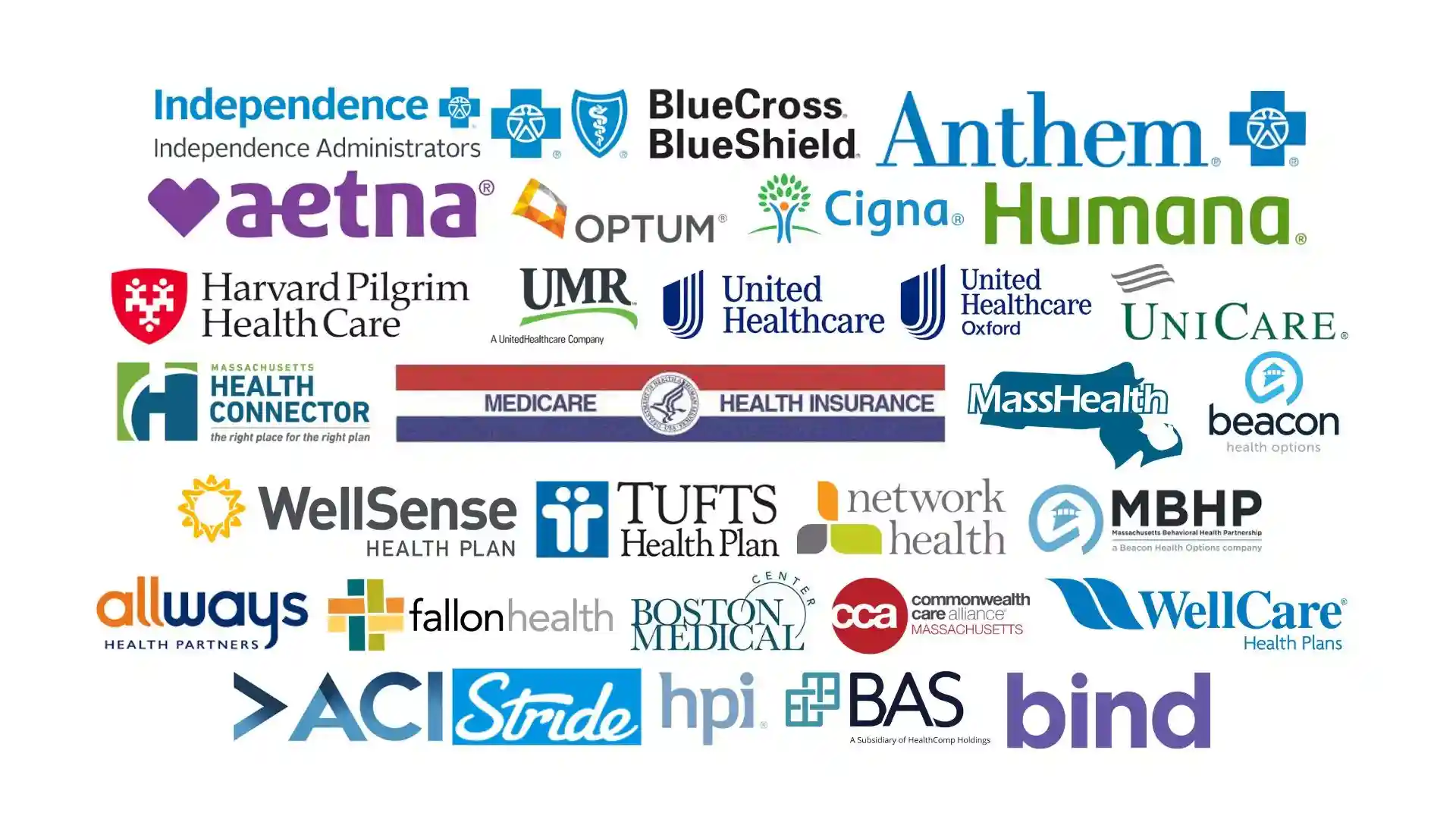
- Private Insurance: Plans like UnitedHealthcare, Aetna, Anthem, and Humana often have robust coverage for addiction treatment. It’s crucial to verify your benefits directly with your insurance provider or have the treatment center do it for you.
- Medicaid and Medicare: These government-funded programs provide coverage for millions of Americans. Medicaid often covers a wide range of substance use disorder treatments, particularly for low-income individuals. Medicare also offers coverage for inpatient and outpatient addiction services.
- Verifying Your Benefits: We can help you steer this complex process. Many treatment centers also offer a free service to verify your insurance benefits, giving you a clear picture of what will be covered.
- Private Pay Options: If insurance coverage is limited or you prefer a specific program not covered by your plan, private pay is an option. Many facilities offer payment plans, sliding scale fees based on income, or financing options.
- Free and Low-Cost Options: Don’t have insurance or limited funds? There are still many ways to access quality care.
- State-Funded Programs: Many states offer publicly funded treatment centers or grants to help individuals access care.
- Non-Profit Organizations: Numerous non-profits provide free or low-cost treatment, often relying on donations and government grants.
- Faith-Based Programs: Some faith-based organizations offer free or very affordable residential treatment options, incorporating spiritual guidance into recovery.
- Community Health Centers: These centers often provide affordable outpatient services.
The key is to ask questions and explore all available options. Never let the fear of cost prevent you from seeking the help you deserve. Our pages on No Cost Big Impact: Finding Free Addiction Help and Free Rehab Centers Near Me offer valuable insights and resources.
Verify your insurance or find free and low-cost options. Contact our financial counselors.
The Journey of Recovery: Support Groups and Long-Term Sobriety
Recovery from substance use disorder is not a single event; it’s a profound and ongoing journey. Completing a treatment program is a significant achievement, but it’s often just the beginning. Long-term sobriety hinges on continued effort, self-care, and, crucially, a strong support system. This is where the importance of aftercare and building a sober community truly comes into play.
Aftercare planning is an integral part of any comprehensive drug treatment program. It involves developing strategies and connections that will help you maintain sobriety and steer life’s challenges without returning to substance use. This can include continued therapy, regular check-ins with counselors, and participation in recovery-oriented activities.
Building a sober community provides a sense of belonging, shared understanding, and accountability. Peer support, where individuals with lived experience help one another, is incredibly powerful. It reminds you that you are not alone, that others have walked a similar path, and that sustained recovery is genuinely possible.
We believe in the power of connection and shared experiences. Our Addiction Recovery Blogs and Addiction Success Stories are full of inspiring narratives and practical advice from individuals who have acceptd their recovery journey. They offer hope and demonstrate the resilience of the human spirit.
Join our recovery community and read inspiring stories. Stay connected for ongoing support.
What Role Do Support Groups Play in Addiction Recovery?
Support groups are a vital component of addiction recovery, offering a unique blend of empathy, understanding, and practical guidance that complements formal treatment. They provide a safe space where individuals can share their experiences, challenges, and triumphs without judgment.
The power of support groups lies in their ability to foster shared experience and accountability. Hearing from others who face similar struggles can reduce feelings of isolation and provide invaluable insights and coping strategies. Members hold each other accountable, celebrating successes and offering support during setbacks, which is crucial for maintaining long-term sobriety.
Here are some of the most prominent types of support groups:
- 12-Step Programs: These are perhaps the most well-known, including Alcoholics Anonymous (AA) and Narcotics Anonymous (NA). Founded on a set of guiding principles, these programs emphasize spiritual growth, self-reflection, and service to others. They are considered a gold standard by many for recovery.
- Non-12-Step Programs: For those who prefer an alternative to the spiritual emphasis of 12-Step programs, options like SMART Recovery (Self-Management and Recovery Training) offer science-based, self-empowering approaches. SMART Recovery uses a “4-Point Program” focusing on enhancing and maintaining motivation, coping with urges, managing thoughts, feelings, and behaviors, and living a balanced life.
- Support for Families (Al-Anon, Nar-Anon): Addiction affects everyone in its orbit. Al-Anon (for families and friends of alcoholics) and Nar-Anon (for families and friends of drug addicts) provide crucial support for loved ones. These groups offer coping and communication methods, helping families heal and support their recovering members effectively.
Finding a meeting that resonates with you is key. Many groups have online and in-person meetings, making them accessible to a wide range of individuals. The camaraderie and collective wisdom found in these groups can be a powerful force in sustaining recovery.
Find a support group near you or connect with others online. Learn more about aftercare.
Conclusion
Taking the first step, the very act of seeking to find drug treatment, is the most important and courageous decision you can make. It signifies a readiness for change, a hope for a healthier future, and an acknowledgment that you deserve a life free from the grip of addiction.
We want to reiterate that help is available, and recovery is achievable. You are not alone on this journey. Millions of Americans have faced similar struggles and found their way to lasting sobriety. The resources, programs, and support systems we’ve discussed throughout this guide are here to light your path forward.
At SoberSteps, we are dedicated to being a guide of hope and guidance. We offer a confidential 24/7 helpline that connects callers to paid advertiser treatment providers, ensuring you have immediate access to options custom to your needs. Our commitment is to empower you with information and connect you with the right resources to begin your healing.
Call our anonymous mental health and addiction hotline today to speak with a compassionate specialist who can help you explore your treatment options and take that crucial first step.
Contact SoberSteps now and take your first step toward recovery. Explore all our resources.