

Understanding Abuse Programs: Your Guide to Treatment and Recovery
Abuse programs are specialized services designed to help individuals overcome substance use disorders and other addictions through structured care and therapy. These programs range from inpatient residential treatment to flexible outpatient counseling, each custom to different needs.
Here’s what you need to know about abuse programs:
- Inpatient/Residential Programs: Provide 24/7 care in a structured environment, typically for 30-90+ days.
- Outpatient Programs: Offer flexible treatment while you maintain daily responsibilities.
- Specialized Programs: Address specific populations (e.g., youth, LGBTQ+) and co-occurring mental health conditions.
- Core Services: Include individual and group therapy, family support, and relapse prevention.
- Success Rates: 86% of patients report minimal cravings after completing programs, with 91% satisfaction.
- Access Options: Include self-referral, physician referral, and court-ordered treatment, with various payment options.
Finding the right program can feel overwhelming amid the challenges of addiction. You may wonder where to start or how to find quality care. The good news is that help is available, and understanding your options is the first step toward healing.
Facing the uncertainty of my own substance use challenges, I felt lost—a feeling countless individuals share. But recovery is possible, and the right program makes all the difference.
At SoberSteps, we support individuals on their journey to recovery by providing comprehensive resources and a supportive community. Our expertise in connecting people with appropriate abuse programs comes from years of helping families steer addiction treatment and find care that fits their unique needs.
Ready to start your journey? Contact SoberSteps for support.
Understanding the Landscape of Abuse Programs
Navigating abuse programs can feel overwhelming, but we’re here to help you get your bearings. This section illuminates the different types of programs, their settings, and who they serve, helping you make informed choices. At SoberSteps, our goal is to connect you with resources that fit your unique situation, helping you take that crucial step towards recovery.
Explore all levels of care at SoberSteps.
Levels of Care and Treatment Settings
Abuse programs exist on a spectrum of care to address varying needs. Think of it as a staircase, with each step offering a different level of support.

- Inpatient Hospitalization & Medical Detox Programs: The highest intensity, providing 24/7 medical supervision to safely manage severe withdrawal symptoms.
- Residential Treatment: Individuals live at a facility for 30-90+ days in a highly structured, supportive environment away from daily triggers.
- Partial Hospitalization (PHP) & Intensive Outpatient (IOP): These programs offer robust therapy for several hours a day, multiple days a week, allowing you to return home each evening. This is ideal for balancing treatment with work or family life.
- Standard Outpatient Programs (OP): The most flexible option, with fewer therapy hours per week. It’s suitable for milder disorders or as a step-down from more intensive care.
- Sober Living Homes: These offer a supportive, substance-free environment for those transitioning from residential care back to independent living, providing crucial peer support.
The “best” setting is the one that provides the necessary services for an individual’s specific needs. Research shows treatment effectiveness correlates more with service quality than the setting itself.
Learn about the differences between inpatient and outpatient care.
Custom Abuse Programs for Specific Needs
Effective abuse programs are often custom to specific needs, creating a more relatable treatment experience.
Programs are designed for different age groups, with specialized approaches for children, youth, adults, and the elderly, who may have unique medical and social factors.
Programs can also be specialized for different substances. For example, Heroin Addiction Treatment may involve medication-assisted treatment (MAT), while Cocaine Addiction Treatment often focuses on behavioral therapies.
Crucially, many programs treat co-occurring disorders (dual diagnosis), where substance use and mental health conditions like depression, anxiety, or PTSD are addressed simultaneously. Integrated care, such as in Dual Diagnosis: PTSD or Dual Diagnosis: Anxiety programs, leads to better outcomes.
Find a program that fits your needs.
Program Duration and Structure
“How long will this take?” The answer depends on individual needs, but longer engagement often yields better outcomes.
- Short-term programs (around 30 days) focus on detox, stabilization, and foundational recovery principles.
- Long-term programs (60, 90 days, or more) allow for deeper therapeutic work. Research suggests treatment of three months or longer is a strong predictor of success.
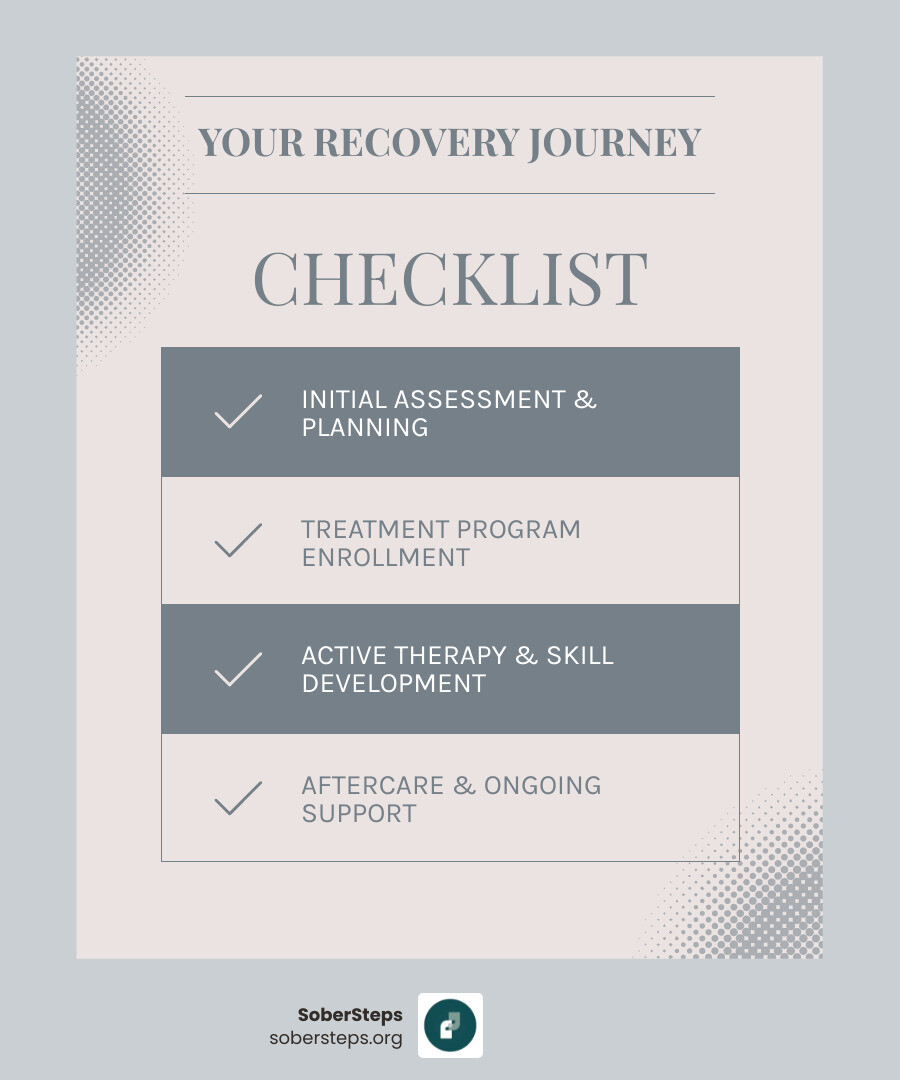
Many programs use a phased approach, moving from assessment and stabilization to active treatment and finally to recovery planning and aftercare. While most programs aim for abstinence-based recovery, some may incorporate harm reduction models to reduce negative consequences while working toward long-term goals.
Find a drug rehab program today.
Inside the Programs: Services, Structure, and Success
Once you understand the types of abuse programs, it’s helpful to see what happens during treatment. This section covers the core services, therapeutic approaches, and encouraging evidence of their effectiveness. At SoberSteps, we believe in transparency so you know what to expect on your recovery journey.
What to expect in addiction treatment.
Core Services and Therapeutic Approaches
Abuse programs weave together various services to address the complex nature of addiction.

- Individual Therapy For Addiction: One-on-one sessions to explore root causes of substance use and develop personalized coping strategies.
- Group Therapy: Provides a sense of community and shared experience, reducing isolation and offering new perspectives.
- Family Counseling: Helps heal strained relationships and teaches loved ones how to support recovery effectively.
- Cognitive Behavioral Therapy (CBT): An evidence-based approach that helps you identify and change negative thought patterns and behaviors linked to substance use.
- Relapse Prevention: Teaches you to recognize warning signs, manage triggers, and create a strong aftercare plan to sustain recovery.
Many programs also offer life skills training (e.g., financial management, job searching) and holistic therapies like yoga or art therapy to support overall well-being.
More info about drug treatment options.
See all therapy options at SoberSteps.
Measuring Outcomes and Success Rates
It’s natural to ask, “Does this work?” The outcomes from quality abuse programs are genuinely encouraging.
Success in recovery is about more than just abstinence. It also includes improved life functioning—better health, stronger relationships, and stable employment. A key indicator is reduced cravings, which makes daily life more manageable.
At SoberSteps, we’re heartened by the statistics. Data shows that after completing a program, 86% of patients had mild to minimal cravings, a profound improvement. Furthermore, 91% of patients stated the program met their needs, reflecting high satisfaction.
Addiction is a chronic disease requiring ongoing management, similar to diabetes. The good news is that substance abuse treatment has a similar success rate as treatments for other chronic conditions, especially with long-term recovery support. These numbers represent lives transformed and futures reclaimed, underscoring our belief that lasting recovery is a tangible reality.
Read about recovery success stories.
The Role of Technology and Virtual Services
Technology has made addiction support more accessible than ever. Abuse programs are increasingly using digital tools to improve treatment.
Telehealth counseling allows individuals to connect with therapists from home, overcoming barriers like distance or stigma. Online Addiction Recovery Support Groups provide virtual peer support and a sense of community, while recovery apps offer tools for tracking sobriety and managing triggers.
The rise of virtual support meetings means help is always within reach. This integration of technology complements traditional care, making recovery a more attainable goal for everyone.
Join an online support group today.
How to Access and Pay for Treatment
Understanding how to get into an abuse program and cover the costs can feel like a major hurdle. This section explains the logistics, from admission to financial considerations, for programs SoberSteps can connect you with.
How to get started with SoberSteps.
The Path to Admission
Taking the first step is often more straightforward than you might think. Admission can begin through self-referral, a physician or therapist referral, or sometimes court-ordered treatment.
The process typically starts with an initial assessment. This evaluation helps professionals determine the most appropriate level of care by gathering information about your substance use history, mental and physical health, and support system.
Eligibility criteria for abuse programs vary but often consider the severity of the substance use disorder, co-occurring conditions, and your motivation for treatment. We’re here to guide you through these decisions with clarity.
Begin your confidential assessment.
Navigating the Costs of Abuse Programs
The cost of abuse programs is a common concern, but there are several ways to manage it.
| Program Type | Typical Cost (per day/month) |
|---|---|
| Inpatient/Residential | $500 – $2,000+ per day |
| Intensive Outpatient (IOP) | $250 – $800 per week |
| Standard Outpatient (OP) | $100 – $300 per week |
Most programs accept insurance coverage. The Affordable Care Act (ACA) and mental health parity laws require most plans to cover substance use disorder services. Always verify your specific policy’s benefits.
For those without sufficient insurance, many facilities offer sliding scale fees based on income. State and federal funding or financial assistance and scholarships may also be available. Don’t let cost deter you from seeking help.
How Do I Pay For Addiction Treatment?
Finding the Right Program for You
How do you choose the right abuse program? We’re here to help you decide with confidence.
Online directories are a great starting point. Resources like SAMHSA’s FindTreatment.gov allow you to search for accredited facilities. You can also Find a drug rehab center in your state through our platform, which connects you to vetted providers.
Consulting with a SoberSteps addiction specialist provides personalized guidance to help you steer your options. When evaluating programs, ask key questions about their therapeutic approaches, staff-to-client ratio, and aftercare support. Always verify accreditation to ensure the program meets high standards of care.
Help Is Here: Locating The Best Alcohol Treatment Centers.
Connect with a SoberSteps specialist now.
Specialized Support and Immediate Help
Recovery is a personal journey, not a one-size-fits-all process. Many abuse programs offer specialized care, and for moments of crisis, immediate help is always available. At SoberSteps, we connect you with comprehensive resources so that no one walks this path alone.
Explore specialized support options.
Culturally-Specific and Community-Focused Care
The effectiveness of abuse programs improves when they resonate with an individual’s cultural background and identity.
- LGBTQ+ affirming programs provide a safe, understanding environment, addressing unique stressors like stigma and discrimination that can contribute to substance use.
- Programs for veterans and first responders recognize the specific traumas associated with their service, often incorporating peer support and therapies for PTSD.
- Culturally-sensitive care for groups like Indigenous Peoples may integrate traditional healing practices, acknowledging that an individual’s identity is integral to their healing.
SoberSteps is dedicated to connecting you with providers who understand and respect these diverse needs.
Find culturally-appropriate care.
Support for Families and Loved Ones
Addiction is often called a family disease because its impact is felt by everyone involved. Many abuse programs offer robust support for families, including family therapy to heal communication and establish healthy boundaries.
Support groups like Al-Anon and Nar-Anon provide invaluable resources for friends and family, offering a safe space to share experiences and find strength. Educational workshops teach loved ones about addiction and how to support recovery constructively, which is a powerful tool for the entire family.
Resources for Immediate Crisis Intervention
While abuse programs offer long-term recovery paths, sometimes immediate help is needed. Knowing where to turn in a crisis can be life-saving. If you are in immediate danger, always call 911. For other urgent situations, these 24/7 hotlines provide a lifeline:
- 988 Suicide & Crisis Lifeline: Call or text 988 for free, confidential support for anyone in distress. Visit 988lifeline.org.
- SAMHSA’s National Helpline: For treatment referral and information, call 1-800-662-HELP (4357). Visit samhsa.gov/find-help/national-helpline.
- The National Domestic Violence Hotline: Call 1-800-799-SAFE (7233) or text “START” to 88788. Visit thehotline.org.
- RAINN (Rape, Abuse & Incest National Network): For sexual assault survivors, call 1-800-656-HOPE (4673). Visit hotline.rainn.org.
- Childhelp National Child Abuse Hotline: To report child abuse or seek help, call 1-800-4-A-CHILD (1-800-422-4453).
- National Human Trafficking Hotline: Call 1-888-373-7888 or text “HELP” to 233733.
For addiction-related crises like severe withdrawal, withdrawal management centers (detox facilities) provide medical supervision. At SoberSteps, we can also help you find Immediate Addiction Help.
Conclusion: Your Path to Progress Starts Now
Recovery is a continuous journey, not a destination. SoberSteps abuse programs provide the foundational tools, support, and environment necessary to begin healing and build a healthier future. By understanding the types of programs available, the services they offer, and how to access them, you can make an informed decision for yourself or a loved one. Taking the first step is often the most challenging, but help is available. The SoberSteps platform is here to provide information and connect you with resources to guide you on your path to progress.
Explore drug rehab options now or contact us for personalized guidance.