
Why Every Family Touched by Addiction Needs Support
Resources for families dealing with addiction are not just helpful—they’re essential for survival and recovery. When one person struggles with substance use, the entire family unit feels the impact through financial strain, emotional turmoil, and fractured relationships.
Quick Guide to Family Addiction Resources:
- Crisis Support – Call 988 for immediate help, or reach out to SoberSteps’ confidential helpline 24/7
- Treatment Options – Professional rehab centers, detox programs, and dual diagnosis care
- Family Support Groups – Online support communities and peer-led meetings
- Counseling Services – Individual therapy, group therapy, and family counseling
- Financial Assistance – Insurance verification, payment options, and aid programs
- Child-Specific Resources – Mental health support, educational assistance, and developmental guidance
The statistics are sobering: more than 23 million Americans over age 12 struggle with addiction to alcohol or drugs. For every person with a substance use disorder, multiple family members suffer alongside them—often in silence, shame, and confusion about where to turn.
But here’s the truth that too many families don’t know: help exists, recovery is possible, and you don’t have to steer this alone.
If your family is struggling, reach out to SoberSteps for confidential support.
At Sober Steps, we’ve dedicated ourselves to connecting families like yours with the resources for families they desperately need, providing comprehensive guides, treatment directories, and 24/7 support to help you move from crisis to calm. Our mission is to ensure no family faces addiction alone, offering the tools and community connections that make recovery possible for everyone affected.
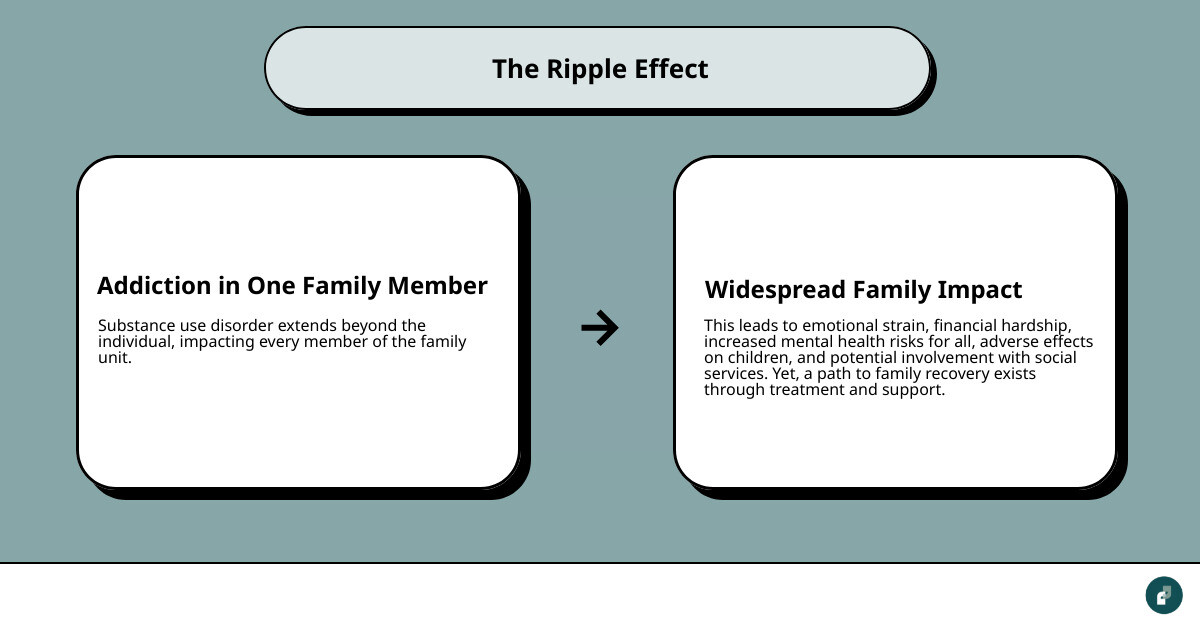
The Ripple Effect: How Addiction Impacts the Entire Family
Addiction doesn’t just affect the individual; it sends ripples through the entire family system, altering dynamics, trust, and well-being. It’s a family disease, and its consequences are far-reaching. We understand that coping with a loved one’s addiction can feel overwhelming, like living in a constant state of emergency.
Families share fundamental needs: enough income for basic living expenses, managing debt, building savings, and accessing education and financial services. When addiction enters the picture, these basic needs are often jeopardized. Financial hardships can become severe, leading to debt, job loss, and even housing instability. Families might find themselves dealing with neglect, domestic violence, or physical and psychological abuse, all stemming from the chaos of addiction. The shame and insecurity often lead families to try and cover up these issues, fostering isolation.
The emotional toll is immense. Family members often find it hard to function as a cohesive unit, experiencing frequent turbulence. This constant stress can lead to a need for mental health services for many members. Research indicates that children vulnerable to addictive behaviors in their family are more likely to become substance abusers themselves. In fact, studies show that if one person in a family abuses alcohol or drugs, remaining family members are at an increased risk of developing substance abuse problems. This intergenerational cycle highlights the urgent need for comprehensive resources for families affected by addiction.
We know how challenging it can be to steer these turbulent waters. If you’re struggling with the impact of a loved one’s addiction, we offer support for managing cravings and dealing with the intensity of a Mental Health Crisis.
Call to Action: Learn more about how addiction affects families and find ways to break the cycle with SoberSteps.
The Emotional and Mental Toll
Living with addiction can profoundly impact the mental and emotional health of every family member. The constant stress, anxiety, and fear can lead to depression. In the United States, 10.7% of adolescents aged 12–17 had at least one Major Depressive Episode (MDE) within the year prior to being surveyed in 2013, a statistic often exacerbated by family struggles like addiction.
Family members may develop codependent behaviors, unintentionally enabling the addiction, or experience chronic stress that affects their own well-being. The emotional burden can be unsustainable, leading to a profound need for personal recovery and healing, regardless of whether the individual with the addiction chooses to seek help. Your emotional health matters, and finding individual support can be a crucial step. We offer dedicated Individual Therapy Addiction resources to help you process these complex emotions.
Call to Action: Take the first step for your own well-being—explore therapy options with SoberSteps.
Financial and Social Consequences
Addiction often brings severe financial strain. Families may face mounting debt, job loss due to the challenges of caring for a loved one, and housing instability. Legal issues, such as arrests or child support disputes, can further complicate matters. These personal disparities can lead to significant financial hardships, and the need to cover up issues can drain resources and energy.
Moreover, families impacted by addiction often find themselves connected to a web of government agencies, including social services, criminal justice, or child protective services. Navigating these systems can be complex and emotionally draining. Understanding how to manage these financial and social consequences is a vital part of accessing resources for families in crisis.
If you’re worried about the cost of care, we can help you understand How Do I Pay for Addiction Treatment?.
Call to Action: Unsure how to afford help? Verify your insurance coverage or explore financial resources with SoberSteps.
Finding Help: A Guide to Treatment and Support Systems
Recognizing the need for help is the first courageous step. For families facing addiction, finding the right support system can feel like searching for a needle in a haystack. But you don’t have to do it alone. We are here to guide you through the various avenues of support available, ensuring that both your loved one and your family can begin the journey toward healing.

The journey from crisis to calm requires a multi-faceted approach. This includes professional treatment for the individual struggling with addiction, crisis support for immediate needs, community support groups for shared experiences, and counseling for the entire family unit. We encourage you to explore our comprehensive guide on Get Help Now and dig into our Drug Treatment Programs Complete Guide to understand your options.
Call to Action: Call our anonymous mental health hotline for immediate support.
Professional Treatment for Your Loved One
For many families, the path to recovery begins with professional intervention and treatment for the individual with the substance use disorder. A professional intervention can create a structured, compassionate environment for families to express their concerns and encourage their loved one to accept help. This can be a critical step in breaking cycles of despair and enabling relationships.
Once the decision for treatment is made, finding the right rehab center is paramount. Treatment options include various Levels of Care, from inpatient residential programs to outpatient services. Detoxification and withdrawal management are often the first steps, safely guiding individuals through the physical process of removing substances from their bodies. We provide detailed information on what to expect, including an Alcohol Withdrawal Symptoms Treatment Timeline.
It’s also important to remember that about half of people with a substance use disorder also experience a serious mental illness. This is known as a Dual Diagnosis, and effective treatment addresses both conditions concurrently. We can help you find facilities equipped to provide this integrated care.
Call to Action: Explore treatment options custom to your family’s needs with SoberSteps.
Crisis Support and Mental Health Services
When a crisis hits, immediate help is essential. We want to ensure you know where to turn for confidential and anonymous support.
Here are vital helplines available 24/7:
- 988 Suicide & Crisis Lifeline: Free and confidential support for people in distress. You can call or text 988.
- SoberSteps Confidential Helpline: Our dedicated helpline offers immediate, confidential assistance, connecting you to resources and support.
- SAMHSA National Helpline: For treatment referral and information, call 1-800-662-HELP (4357).
- Disaster Distress Helpline: For immediate crisis counseling related to disasters, call 1-800-985-5990.
Finding confidential support for mental and substance use disorders is crucial. Resources like FindTreatment.gov, authorized by the 21st Century Cures Act, provide a confidential and anonymous tool for searching for treatment facilities across the United States. We also offer an Anonymous Hotline Mental Health Guide to help you steer these critical moments. If you’re looking for ongoing mental health support, consider reaching out to a Mental Health Clinic in your area.
Call to Action: Connect with a mental health professional today.
The Power of Community: Mutual Aid Groups
You are not alone. Mutual aid groups provide invaluable peer-led support for families affected by addiction. These nonprofessional groups offer information, social, emotional, and sometimes spiritual support in a safe, confidential, and non-judgmental environment. Many use 12-step practices, offering a structured path to healing.
Examples of such groups include:
- Nar-Anon Family Groups: For those affected by someone else’s drug addiction.
- Al-Anon/ALATEEN: For families and friends of alcoholics.
- Adult Children of Alcoholics (ACA): For individuals who grew up in alcoholic or otherwise dysfunctional homes.
These groups are free, voluntary, and offer a powerful sense of community and understanding. Sharing experiences with others who truly get it can be incredibly validating and empowering. We also facilitate Online Addiction Recovery Support Groups for easy access to this vital support.
Call to Action: Join a virtual support group and connect with others who understand.
Counseling and Therapy for the Family Unit
Addiction creates deep wounds within a family, and healing often requires professional guidance. Family counseling and therapy offer a safe space to address these wounds, improve communication, and rebuild trust. A major goal of family therapy is prevention—especially keeping substance abuse from moving from one generation to another, as children of parents with substance abuse problems are at increased risk.
Therapy can help family members:
- Understand addiction as a disease.
- Learn healthy coping mechanisms.
- Establish boundaries.
- Improve communication patterns.
- Address codependency and enabling behaviors.
Whether through Group Therapy or individual sessions, working with a certified counselor can provide immense relief and clarity. Organizations like the National Board of Certified Counselors and the American Psychological Association can help you find qualified professionals. We offer comprehensive Therapy options custom to families navigating addiction.
Call to Action: Book a family counseling session to start healing together.
Protecting the Next Generation: Child-Centric Support
Children are particularly vulnerable to the ripple effects of addiction within a family. Their developing minds and emotional landscapes are highly sensitive to instability and stress. Protecting the next generation means prioritizing their needs, creating stability wherever possible, and fostering their resilience. This involves understanding their developmental stages and providing targeted support.
We believe that providing resources for families means extending a hand to every member, especially the youngest. Our Addiction Recovery Blogs often highlight stories and strategies for supporting children.
Call to Action: Read our family recovery stories for hope and inspiration.
Understanding Child Development and Behavior
Parents are the real experts on their child’s growth, but evidence-based resources for families can empower them further. Understanding developmental milestones is key, and resources like ZERO TO THREE and the CDC provide comprehensive information, including recent revisions to milestones for children under 5. These resources help parents track their child’s progress and identify potential concerns early.
Positive parenting tips, custom to different age groups (infants, toddlers, preschoolers, school-aged children), offer strategies for nurturing potential. These approaches emphasize making choices that reflect parental beliefs, a child’s age and stage of development, and their temperament. Resources also dig into responding to challenging behaviors, helping parents understand the meaning behind actions like toddler biting or tantrums, and offering constructive responses.
You can explore a wealth of information on healthy child development through our Resources for Child Development section, which points to reputable sources for detailed guides and tools.
Call to Action: Explore parenting resources to support your child’s growth.
Educational Resources for Families with School-Aged Children
A child’s education can be significantly impacted by family addiction. The U.S. Department of Education (ED) is committed to supporting parents and families in strengthening partnerships for student success. They offer valuable resources for families to support students’ at-home learning needs and to help develop their social-emotional and behavioral skills.
Families can find information on their state’s performance on the National Assessment of Educational Progress (NAEP), also known as “The Nation’s Report Card,” to understand educational progress. ED also supports Statewide Family Engagement Centers, which implement parent education and family engagement programs. These centers are crucial in fostering a supportive learning environment. Our Educational Support Resources can connect you with these vital programs.
Call to Action: Find educational support for your family.
Supporting Your Child’s Mental and Emotional Health
Children in families affected by addiction are at a higher risk for mental health challenges. Recognizing the signs of mental health, behavior, or learning challenges is crucial. The Child Mind Institute’s Family Resource Center, for instance, offers extensive information on popular topics like ADHD, anxiety, depression, autism, and learning disorders.
Accessing help for specific health conditions like ADHD, Autism, or other developmental concerns is vital. The CDC also offers resources for parents on various conditions. Treating co-occurring disorders, where mental health issues coincide with substance use, is particularly important. Our Co-Occurring Disorders Treatment resources can guide you to integrated care. If you suspect your child is struggling, reaching out to a Mental Health Clinic for an assessment is a proactive step.
Call to Action: Get help for your child’s mental health.
Comprehensive Resources for Families Navigating Addiction
Navigating the complexities of addiction requires access to a wide array of support, not just for the individual struggling, but for every family member. We at SoberSteps serve as an independent platform dedicated to centralizing these resources for families, helping you find programs and support systems in your area. Our mission is to empower you with knowledge and connections to foster healing and recovery.
Whether you’re looking for direct treatment options, mental health services, or community support, we are here to guide you. Explore our extensive Substance Use Support section for a detailed overview of available help.
Call to Action: Contact SoberSteps for a personalized resource guide.
Finding Financial Resources for Families in Crisis
Addiction often creates significant financial distress, but resources for families exist to help ease the burden. These can include:
- Housing and Utility Assistance: Federal and state programs can help families maintain stable housing and keep essential utilities connected during difficult times.
- Food Assistance Programs: Such as SNAP (Supplemental Nutrition Assistance Program) and WIC (Women, Infants, and Children), which ensure families have access to nutritious food.
- Health Insurance Options: Navigating health insurance, including understanding your options for mental health and substance use treatment coverage, is critical. Our Mental Health Insurance Complete Guide can explain the process.
These types of aid can provide a crucial safety net, allowing families to focus on healing rather than immediate survival.
Call to Action: Learn how to pay for treatment and verify your insurance with SoberSteps.
Child Care and Workforce Support
Balancing family responsibilities with professional and educational goals can be incredibly challenging, especially when addiction is present. Comprehensive resources for families that integrate child care with workforce development are available. They understand that reliable child care is essential for parents to work, seek employment, or attend school/training with peace of mind.
Key services often include:
- Child Care Assistance Services: Offering comprehensive support, including financial aid for eligible families. You can find local resources through government portals like ChildCare.gov.
- Vetted Child Care Providers: Ensuring access to safe, high-quality, licensed, and registered child care.
- Early Learning Programs: Connecting families with programs that foster child development.
- Parent Education Programs: Offering workshops and classes to improve parenting skills and understanding of child development.
- Supportive Services: Beyond financial aid, these can include resource referrals to other community services and special needs support for children with disabilities.
These programs empower parents to pursue their career and educational aspirations while ensuring their children receive quality care. You can find general information on child care and employment support through our Addiction Recovery Blogs, which often feature articles on navigating these challenges.
Call to Action: Access child care and employment resources through SoberSteps.
Frequently Asked Questions about Family Resources
We understand that you likely have many questions as you steer this challenging time. Here, we address some of the most common inquiries about resources for families dealing with addiction.
What is the first step to helping a family member with an addiction?
The first step is often the hardest: recognizing the problem and acknowledging that hoping it will go away on its own is a dangerous risk. From there, we recommend:
- Educate Yourself: Learn about addiction as a disease.
- Avoid Enabling: Understand the difference between supporting and enabling behaviors.
- Seek Professional Intervention: Consider a professional intervention to create a structured environment for your loved one to accept help.
- Seek Your Own Support: Engage in mutual aid groups and therapy for yourself.
We are here to help you begin this process. Contact Us for guidance and support.
Call to Action: Reach out for a confidential consultation.
Where can I find free or low-cost support for my family?
Finding affordable resources for families is a common concern, and we want to assure you that many options exist:
- Mutual Aid Groups: Organizations like Al-Anon, Nar-Anon, and Adult Children of Alcoholics offer free, voluntary, and confidential peer support.
- SoberSteps Helpline: Our helpline can provide referrals to free or low-cost treatment and support services in your area.
- Community Mental Health Centers: These centers often provide services on a sliding-scale fee based on income.
- Sliding-Scale Therapy Options: Many therapists offer reduced rates for those with financial constraints.
- Non-profit Organizations: Numerous non-profits offer support services at little to no cost.
Explore our dedicated page on Affordable Mental Health Care for more detailed information and options.
Call to Action: Explore affordable care options with SoberSteps.
How can I support my children when their other parent has a substance use disorder?
Supporting your children during this challenging time is paramount. Here are key strategies:
- Maintain Routines: Consistency provides a sense of security and normalcy.
- Open and Age-Appropriate Communication: Talk to your children in a way they can understand, reassuring them that the addiction is not their fault.
- Seek Family Counseling: Therapy can help children process their feelings and improve family communication. Family therapy is crucial for prevention, aiming to keep substance abuse from moving from one generation to another.
- Use School Resources: School counselors and support staff can provide a safe space for children and additional resources for families.
- Ensure Their Physical and Emotional Safety: This must always be your top priority.
For more guidance and support, we invite you to explore our Find family support resources section.
Call to Action: Find family support resources.
Your Path to Healing Starts Now
We hope this guide has illuminated the many resources for families navigating the difficult journey of addiction. You are not alone. Millions of families face similar struggles, and countless individuals and organizations are dedicated to offering help and hope.
Healing is a journey for the entire family—a marathon, not a sprint. It involves patience, perseverance, and the courage to seek help. Empowerment comes from knowledge and the utilization of available support systems. We celebrate every step forward, no matter how small. Our Addiction Success Stories stand as a testament to the power of recovery and resilience.
SoberSteps is an independent platform that can help you explore treatment and recovery options for your loved one and your family. We offer a confidential 24/7 helpline that connects callers to paid advertiser treatment providers, ensuring you have access to professional help when you need it most.
**Call our anonymous mental health hotline today](https://sobersteps.org/anonymous-hotline-mental-health-guide/) to begin your journey from crisis to calm.
Call to Action: Take the first step—contact SoberSteps now and begin your family’s journey from crisis to calm.