
Why Finding Addiction Treatment Is the Most Important Step You’ll Ever Take
Find addiction treatment is often the most critical search someone will make in their lifetime. If you’re here right now, whether for yourself or someone you love, here’s what you need to know immediately:
Quick Ways to Find Treatment Right Now:
- Call 988 – Free, confidential crisis support available 24/7
- Visit FindTreatment.gov – SAMHSA’s official directory with over 21,000 treatment providers
- Use the SAMHSA National Helpline – 1-800-662-HELP (4357) for treatment referrals
- Search by your specific needs – Filter by location, insurance, type of care, and specialized programs
- Start with your insurance – Most plans now cover addiction treatment
Millions of Americans struggle with substance use disorders and mental health challenges every single year. You are not alone in this search. Addiction is a chronic disease that changes the brain, but it’s also treatable. Recovery is possible, and thousands of people just like you find their way back to healthier lives every day.
The research is clear: the right treatment, at the right time, can save lives. Whether you’re looking for help with opioid addiction, alcohol use disorder, or co-occurring mental health issues, confidential and anonymous resources exist to guide you to appropriate care.
At Sober Steps, we’ve supported thousands of individuals and families as they find addiction treatment that fits their unique needs. Our comprehensive directory and educational resources are designed to make this overwhelming process clearer and more manageable.
Understanding Your Treatment Needs and Options
When we talk about addiction treatment, it’s not a one-size-fits-all solution. Just as every individual is unique, so too should their path to recovery be. Understanding your specific needs and the wide array of available treatment options is the first crucial step on this journey. This involves exploring different levels of care, various treatment types, and how individualized plans are crafted, especially when co-occurring mental health disorders are present.

Recognizing the Signs and Need for Help
Admitting there’s a problem is often the hardest part. Recognizing the signs of addiction is the first brave step to find addiction treatment. Key signs include:
- Behavioral Changes: Sudden mood shifts, secretive behavior, neglecting responsibilities, or engaging in risky activities.
- Physical Symptoms: Changes in appearance, sleep, or appetite, and experiencing withdrawal symptoms when not using the substance.
- Social Withdrawal: Pulling away from friends and family or associating with new groups that enable substance use.
If you continue to use despite negative consequences, have tried to stop but couldn’t, or feel a compulsive need to use, it’s time to seek help.
Substance use disorders often co-occur with mental health issues like depression or anxiety. Treating both simultaneously, known as dual diagnosis treatment, is crucial for lasting recovery. If you suspect co-occurring disorders, we have more info about co-occurring disorders treatment that can help.
Exploring the Levels of Care for Addiction
Addiction treatment is structured across a “continuum of care” to meet you where you are. The goal is to provide the right level of support as your needs evolve.
- Medical Detox: The first step for those with physical dependence. It provides 24/7 medical supervision to safely manage withdrawal symptoms. Learn more about what to expect in our guide on Inpatient Detox Program.
- Residential Rehab (Inpatient Treatment): This involves living at a facility 24/7 for immersive, structured care away from triggers. It includes intensive therapy, counseling, and support. Explore our insights into Inpatient Drug Rehab.
- Partial Hospitalization Programs (PHP): A “day treatment” option with intensive therapy similar to residential care, but you return home at night.
- Intensive Outpatient Programs (IOP): Offers flexible treatment for several hours a few days a week, allowing you to maintain work or school commitments.
- Standard Outpatient: The least intensive option, typically involving weekly therapy sessions to support ongoing recovery and relapse prevention.
Your journey through these levels is dynamic; the right program provides the support needed to foster lasting recovery. If you’re unsure where to start, call our confidential helpline for guidance.
Specialized Treatment Programs and Therapies
Effective treatment is customized. Many centers offer specialized programs to address specific needs.
Medication-Assisted Treatment (MAT) combines therapy with FDA-approved medications (like Buprenorphine, Naltrexone, and Methadone) to treat opioid and alcohol use disorders by reducing cravings and preventing relapse. You can find a Methadone Clinic Near Me or use SAMHSA’s Opioid Treatment Program Directory and Buprenorphine Practitioner Locator.
Other specialized options include:
- Gender-Specific Care: Programs custom to the unique needs of men and women. See our resources on Female Rehab Centers.
- Evidence-Based Therapies: Look for proven methods like Cognitive Behavioral Therapy (CBT), Dialectical Behavior Therapy (DBT), and Motivational Interviewing (MI).
- Telehealth Therapy: Provides flexible, remote access to counseling and support.
- Programs for Specific Groups: Many centers cater to veterans, young adults, seniors, and other populations with unique challenges.
For a comprehensive overview of all these options, explore more about drug treatment options.
How to Find Addiction Treatment: Key Resources and Tools
The journey to find addiction treatment can feel daunting, but thankfully, there are numerous resources and tools designed to simplify the search. From government-backed databases to online directories and confidential helplines, these tools offer pathways to locate appropriate care with an emphasis on anonymity and support.

How to find addiction treatment using government resources
The U.S. government provides powerful, confidential tools to help you find addiction treatment. The most comprehensive resource is FindTreatment.gov, managed by the Substance Abuse and Mental Health Services Administration (SAMHSA).
This confidential and anonymous directory allows you to search for treatment facilities for substance use and mental health disorders across the country. You can easily filter your search to find exactly what you need:
- By Location: Search by address, city, or zip code.
- By Type of Care: Find inpatient, outpatient, residential, or detox services.
- By Payment: Filter by insurance type (Medicare, Medicaid, private), self-pay, or sliding scale options.
- By Specialization: Locate facilities with Medication-Assisted Treatment (MAT), programs for veterans, or dual diagnosis care.
Each listing provides contact information, services offered, and payment options. While FindTreatment.gov is an excellent starting point, it’s a directory, not a recommendation. Always call a facility to verify their services and availability before visiting.
For immediate help, you can also use SAMHSA’s National Helpline at 1-800-662-HELP (4357) for treatment referrals and information.
Using Online Directories to Widen Your Search
While government resources are excellent, online directories like ours at SoberSteps can broaden your search. With over 21,000 providers, our platform makes it easy to find addiction treatment that fits your needs.
Benefits of using SoberSteps:
- Comprehensive Listings: Browse thousands of providers in one place.
- Advanced Filtering: Quickly narrow your search by location, insurance, level of care, and specific conditions.
- User-Friendly Interface: Our directory is designed to make a difficult search process simpler.
Learning How to Find Rehab is easier with the right tools. However, always do your own research. When you find a potential facility, call them to verify their credentials, therapies, and suitability for your unique situation.
The Immediate Support of a Confidential Helpline
Sometimes you need to talk to someone right away. Confidential helplines offer immediate, 24/7 support from a specialist who can answer your questions and provide no-obligation guidance on the next steps. These calls are anonymous, providing a safe space to explore your options.
Our platform offers a confidential 24/7 helpline to connect you with treatment providers. Our goal is to guide you through the overwhelming process of finding help. If you need to talk or are ready to explore your options, don’t hesitate to Call our anonymous mental health hotline for immediate help.
Navigating the Financial Side of Treatment
The cost of addiction treatment is a significant concern for many individuals and families. It’s a common misconception that quality treatment is unaffordable. However, understanding insurance coverage, exploring private pay options, and knowing about state-funded programs can reveal that help is often within reach.
Does Insurance Cover Addiction Treatment?
Yes, for most Americans, health insurance covers addiction treatment. The Affordable Care Act (ACA) and the Mental Health Parity and Addiction Equity Act (MHPAEA) mandate that most insurance plans provide coverage for mental health and substance use disorders that is comparable to medical care.
When you’re ready to find addiction treatment, your first step should be to verify your insurance benefits. Understand your plan’s details regarding:
- In-network vs. Out-of-network providers
- Deductibles, co-pays, and coinsurance
- Pre-authorization requirements for certain levels of care
We can help you quickly check your insurance coverage, which may cover a significant portion of the cost. For a detailed explanation, consult our Mental Health Insurance Complete Guide.
Paying for Rehab Without Insurance
If you don’t have insurance, affordable and effective options are still available to help you find addiction treatment.
- State-Funded Programs: Many states offer publicly funded treatment for residents who meet income requirements.
- Free Rehab Centers: Non-profits and faith-based groups may offer free or low-cost services. You can search for Free Rehab Centers Near Me to find local options.
- Sliding Scale Fees: Many centers adjust their costs based on your income and ability to pay.
- Payment Plans & Scholarships: Ask facilities about paying in installments or if they offer scholarships.
Cost should not be a barrier to getting help. We provide More on how to pay for addiction treatment to guide you through these options.
The Recovery Journey: From Admission to Aftercare
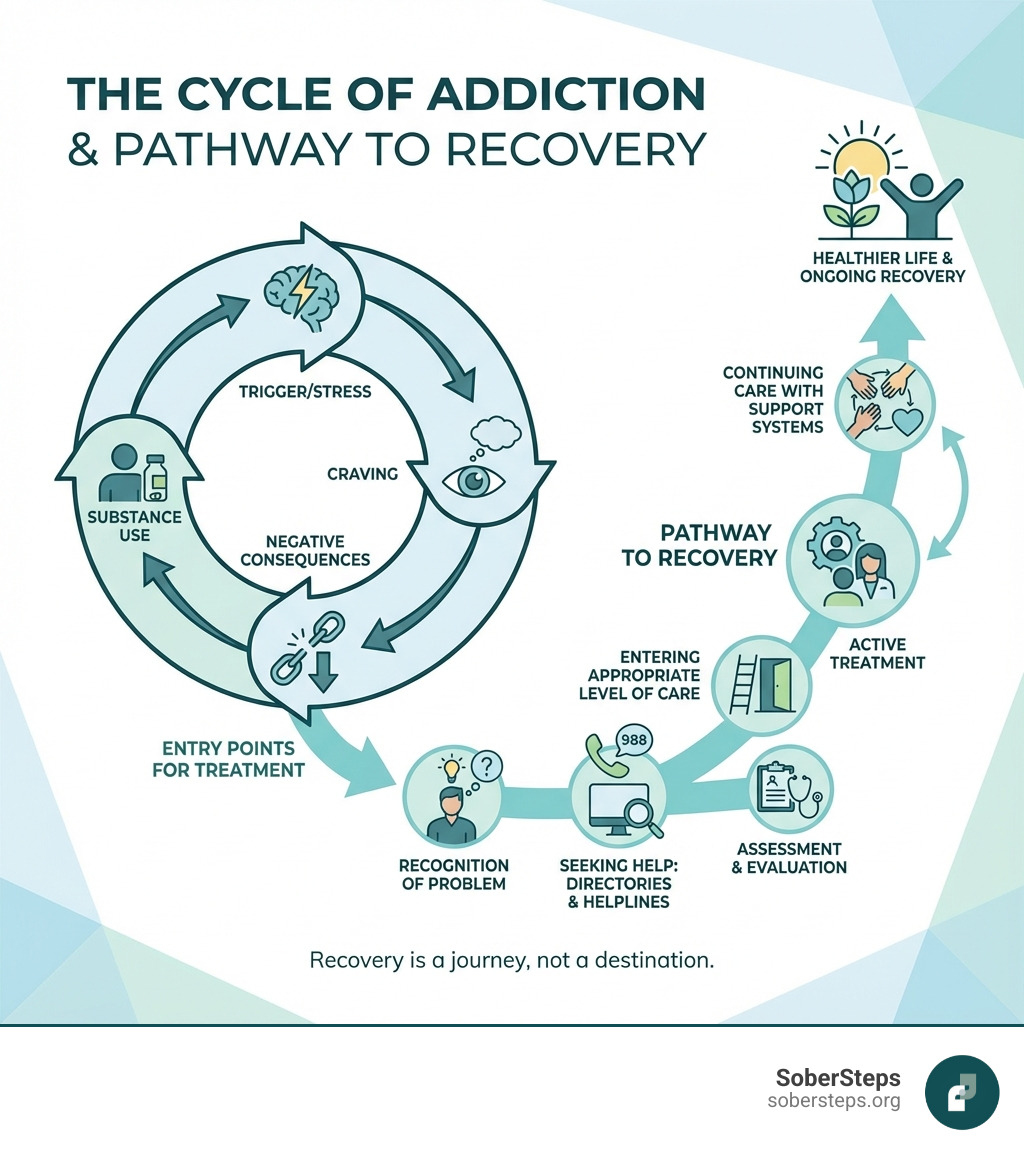
The decision to find addiction treatment is monumental, but it’s just the beginning of a lifelong journey. The recovery process extends far beyond the walls of a treatment center, encompassing careful preparation, diligent vetting of facilities, and robust long-term support systems.
Preparing for Rehab: What to Expect
Knowing what to expect can ease anxiety before starting treatment.
- Admissions: The process begins with an assessment of your medical and substance use history to determine the right level of care and handle insurance verification.
- What to Pack: Facilities provide a list of approved items, which usually includes comfortable clothes and essential toiletries. Electronics and other distractions are typically restricted.
- Family Involvement: Quality programs often include family therapy to heal relationships and build a strong support system.
- Expectations: Treatment is a challenging but rewarding process of growth. Commit to the work and be open to change.
Our Drug Treatment Programs Complete Guide offers more detailed insights into what to expect.
How to Choose a Quality Treatment Facility
Choosing a quality facility is a critical step when you find addiction treatment. Look for these key indicators:
- Accreditation: Look for accreditations from The Joint Commission (JCAHO) or the Commission on Accreditation of Rehabilitation Facilities (CARF), which signify high standards of care.
- Licensed Staff: Ensure the clinical team includes licensed therapists, medical doctors, and addiction counselors.
- Evidence-Based Therapies: The facility should use research-backed therapies like CBT, DBT, and Motivational Interviewing.
- Individualized Plans: Effective treatment is personalized to your unique needs, not a one-size-fits-all approach.
- Continuum of Care: The provider should offer a full range of services, from detox to aftercare.
Key questions to ask an admissions team:
- What is your treatment philosophy and what therapies do you use?
- What is the staff-to-patient ratio?
- How do you treat co-occurring mental health disorders?
- What does the cost include, and what are my payment options?
- What does your aftercare planning involve?
Information found online is a starting point. It is essential to do your own research and ask thorough questions to ensure a facility is the right fit for you.
Life After Rehab: Building a Foundation for Lasting Sobriety
Completing a program is a major achievement, but recovery is a lifelong journey that requires a strong aftercare plan.
- Aftercare Planning: Your treatment team should help you create a plan for continued therapy, support groups, and strategies for managing triggers. Our resources on Help With Cravings can be a valuable part of this.
- Support Groups: Peer groups like Alcoholics Anonymous (AA) and Narcotics Anonymous (NA) provide crucial fellowship and accountability.
- Sober Living Homes: These structured, drug-free homes can bridge the gap between inpatient care and independent living.
- Relapse Prevention: A good plan includes identifying relapse warning signs and developing healthy coping skills.
- Family Support: Resources like Al-Anon and family therapy help loved ones heal and support the recovery process.
Lasting sobriety is built on continuous self-care and strong support. Read inspiring addiction success stories to see that recovery is possible.
Frequently Asked Questions about Finding Treatment
It’s natural to have many questions when you’re trying to find addiction treatment. Here, we address some of the most common inquiries to help you steer this complex process.
How long does a typical rehab program last?
Rehab program duration varies based on individual needs, addiction severity, and the program type. Common lengths are 30, 60, or 90+ days.
- 30-day programs: Provide a strong foundation for recovery. You can find 28-day rehabs near you to get started.
- 60-day programs: Allow more time to address underlying issues.
- 90+ day programs: Often recommended for severe addiction or co-occurring disorders, allowing for more profound behavioral change.
The most effective program length is one that is individualized to your situation. A clinical assessment will determine the duration that gives you the best chance for long-term sobriety.
Can I lose my job for seeking addiction treatment?
No, federal laws protect you. The Family and Medical Leave Act (FMLA) allows eligible employees to take up to 12 weeks of unpaid, job-protected leave for treatment. The Americans with Disabilities Act (ADA) protects individuals with a history of addiction from employment discrimination, as long as they are not currently using illegal drugs.
Your employer cannot fire you for seeking help, and your medical information is confidential. It’s wise to speak with your HR department to understand your specific rights.
How can I help a loved one who refuses to find addiction treatment?
It’s heartbreaking when a loved one refuses help. While you can’t force them into treatment, you can take proactive steps:
- Consider an Intervention: A professional interventionist can help you present a united front and offer a clear path to treatment.
- Set Healthy Boundaries: Protect your own well-being by deciding what you will and will not tolerate, such as refusing to provide financial support that enables the addiction.
- Seek Support for Yourself: Groups like Al-Anon and Nar-Anon are for families and friends of those with addiction. They provide coping strategies and a supportive community.
- Avoid Enabling: Stop shielding your loved one from the consequences of their actions.
You can’t control their choices, but you can encourage them to find addiction treatment and take care of yourself. For more guidance, see our insights on overcoming drug addiction.
Conclusion: Your Path to a Healthier Future Starts Now
Taking the first step to find addiction treatment is an act of immense courage and self-love. It signifies a profound shift, a readiness to reclaim your life from the grip of substance use and mental health challenges. As we’ve explored, recovery is not just a possibility; it’s a reality for millions of Americans who have walked this path before you.
We understand that the journey to find the right treatment can feel overwhelming, fraught with questions about options, costs, and what comes next. But rest assured, you don’t have to steer this alone. Resources like FindTreatment.gov, comprehensive online directories, and confidential helplines are designed to light your way.
At SoberSteps, we are committed to providing you with the tools, information, and support you need to make informed decisions. We believe in the power of evidence-based care, ethical practices, and the profound hope that every individual deserves a chance at a healthier, more fulfilling future.
Your path to recovery starts now. Don’t let fear or uncertainty hold you back from the healing you deserve.
Call our confidential helpline to explore your options today