
Understanding Female Rehab Centers: A Safe Path to Recovery
Female rehab centers are specialized treatment facilities designed exclusively for women struggling with substance use and mental health disorders. These centers offer gender-specific care that addresses the unique biological, psychological, and social factors affecting women’s recovery.
What Makes Female Rehab Centers Different:
- Trauma-Informed Care: Addresses the high rates of trauma, domestic violence, and PTSD in women with addiction
- Family-Focused Programs: Many centers allow mothers to stay with their children during treatment
- Specialized Medical Care: Prioritized admission and prenatal care for pregnant women
- Co-Occurring Disorder Treatment: Integrated support for depression, anxiety, eating disorders, and addiction
- Gender-Responsive Therapies: Treatment considers how being a woman affects substance use patterns and recovery needs
- Safe Environment: Judgment-free spaces where women can openly discuss sensitive issues like relationships, motherhood, and trauma
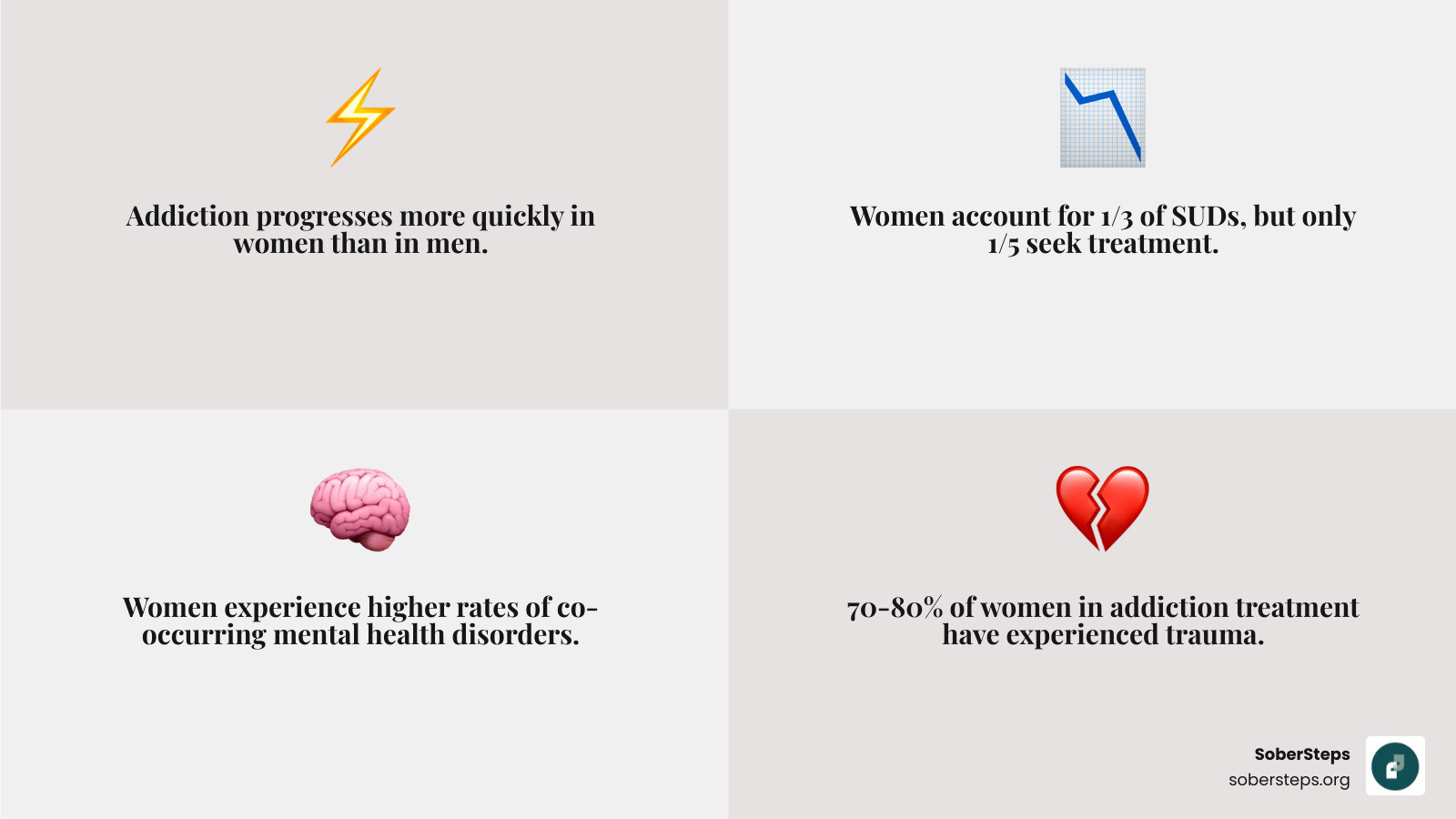
Research shows that women’s substance use progresses more quickly to addiction than men’s, yet women are less likely to seek help. Female rehab centers tackle these barriers by creating supportive environments where women feel safe, understood, and empowered.
Women face distinct challenges in recovery—from societal stigma and family responsibilities to higher rates of trauma and co-occurring mental health conditions. Gender-specific treatment isn’t just beneficial; it’s often essential for lasting recovery.
At Sober Steps, we understand the importance of finding treatment that addresses your specific needs as a woman in recovery. We connect individuals with confidential resources and specialized female rehab centers nationwide, ensuring you receive the compassionate, gender-responsive care you deserve. For immediate, anonymous help finding a program that meets your needs, call us 24/7 at (844) 491-5566.
The Unique Path to Recovery: Why Gender-Specific Treatment Matters

When it comes to addiction, women walk a different path than men, shaped by unique biological, social, and psychological pressures. This makes gender-specific care in female rehab centers vital for effective treatment.
Women often experience a faster progression to addiction, a phenomenon known as “telescoping,” leading to more severe consequences. Socially, women face barriers like stigma and family responsibilities, especially as mothers, which can deter them from seeking help. Psychologically, they are more prone to co-occurring mental health issues like depression, anxiety, and eating disorders, complicating recovery.
Female rehab centers are designed to address these challenges directly. They provide a relational focus, understanding the importance of community and connection in healing. By creating a judgment-free zone free from mixed-gender distractions, these centers empower women to focus entirely on their recovery.
Addressing Trauma and Co-Occurring Disorders
A critical aspect of gender-specific treatment is its focus on trauma. According to SAMHSA’s National Center for Trauma-Informed Care, a high percentage of women in addiction treatment have a history of physical, emotional, or sexual abuse, which is often a root cause of substance use.
Female rehab centers are built on a foundation of trauma-informed care. This approach creates an environment of safety, trust, and empowerment, integrating knowledge about trauma into all aspects of treatment.
Beyond trauma, women in recovery frequently battle co-occurring mental health disorders. Integrated, or dual diagnosis, treatment is essential for addressing both addiction and conditions like:
- Post-Traumatic Stress Disorder (PTSD)
- Depression
- Anxiety
- Eating Disorders
Treating these conditions simultaneously is key to lasting recovery. This holistic approach addresses the root causes of addiction, not just the symptoms. At SoberSteps, we understand that true recovery means addressing all aspects of your well-being. Our resources can help you find programs that offer comprehensive care for trauma and co-occurring disorders, providing you with the tools for relapse prevention and ongoing support. For immediate, anonymous help finding a program that meets your needs, call us 24/7 at (844) 491-5566.
The Benefits of a Women-Only Environment
A women-only environment provides a unique space for healing. The benefits are profound:
- Safety and Security: A single-gender environment feels inherently safer, especially for those with a history of trauma, allowing for deeper emotional work.
- Open Communication: Women feel more comfortable discussing sensitive topics like abuse, body image, and parenting with peers who have similar life experiences.
- Reduced Distractions: The absence of romantic or sexual dynamics allows for a more focused and introspective recovery journey.
- Peer Support and Sisterhood: Building strong bonds with other women creates a powerful network of empathy, encouragement, and accountability.
- Shared Life Experiences: Discussing common challenges, from motherhood to societal pressures, fosters a unique sense of understanding and belonging.
- Judgment-Free Zone: These centers are sanctuaries where women can be their authentic selves and engage fully in the healing process.
This nurturing, empowering space is a key reason many women thrive in female rehab centers.
What to Expect at Female Rehab Centers

When you enter a female rehab center, you’re stepping into a space designed with your unique needs in mind. You can expect a holistic approach to healing, individualized care plans, evidence-based therapies, and a strong emphasis on community building, all delivered by compassionate professionals.
The goal is to treat the whole person—mind, body, and spirit—not just the addiction. This means addressing not only substance use but also underlying mental health issues, physical well-being, and personal growth.
Specialized Programs in Female Rehab Centers
Female rehab centers offer a wide array of specialized programs and therapies custom to women:
- Cognitive Behavioral Therapy (CBT): Helps identify and change negative thought patterns and behaviors related to substance use.
- Dialectical Behavior Therapy (DBT): Focuses on emotional regulation, distress tolerance, mindfulness, and interpersonal skills.
- Group Therapy: A cornerstone of recovery, providing a safe space for peer support and shared experiences.
- Individual Counseling: One-on-one sessions to address personal issues, trauma, and specific challenges confidentially.
- Family Therapy: Involves loved ones to heal relationships, improve communication, and build a supportive home environment.
- Holistic Therapies: Many centers integrate therapies like yoga, meditation, art therapy, and equine therapy to connect mind, body, and spirit.
- Life Skills Training: Practical workshops on topics like budgeting, parenting, and career development to prepare for life after treatment.
Accommodating Mothers and Pregnant Women
A significant barrier for women seeking treatment is concern for their children. Many female rehab centers address this by offering specialized programs for mothers and pregnant women.
- Programs for Mothers with Children: Some centers allow mothers to bring their young children with them, removing a major obstacle to treatment.
- On-Site Childcare: Professional childcare is often provided during therapy sessions, ensuring children are cared for while mothers focus on recovery.
- Parenting Support: Programs often include parent training and therapy to help rebuild and strengthen the mother-child relationship.
- Care for Pregnant Women: To protect the health of both mother and baby, many centers offer prioritized admission and on-site prenatal care for pregnant women, helping to reduce risks like Fetal Alcohol Spectrum Disorder (FASD).
Ensuring Inclusivity and Cultural Competence
A truly supportive female rehab center understands that “women” is not a monolithic group. Inclusivity and cultural competence are vital for effective treatment.
- LGBTQ+ Inclusive Programs: Many centers provide a safe, respectful, and understanding environment for LGBTQ+ identifying women, including Two-Spirit and gender-diverse individuals.
- Culturally Relevant Care: Effective treatment must be culturally sensitive. This may involve incorporating traditional wellness practices or addressing specific cultural beliefs and stigmas to make care more accessible and engaging for women from all backgrounds.
The Treatment Journey: Structure, Duration, and Aftercare
The path to recovery is a journey, and female rehab centers are designed to guide women through each step. This journey involves a continuum of care that provides increasing levels of independence as you progress, from intensive, structured care to flexible support for a thriving life in recovery.
The Stages of Treatment
- Medical Detox: The first step for many is safely removing substances from the body under medical supervision to manage withdrawal symptoms.
- Residential Treatment (Inpatient): This intensive phase involves living at the facility for a set period (often 30, 60, or 90 days) in a structured environment with daily therapy and activities. Longer stays can be beneficial for addressing deep-seated issues.
- Outpatient Programs: After residential treatment, many women transition to outpatient care, living at home while attending therapy. This includes Partial Hospitalization Programs (PHP) and Intensive Outpatient Programs (IOP), which offer different levels of intensity and flexibility.
Success Rates and Outcomes
While success is personal, gender-specific care shows positive results. Some female rehab centers report higher success and satisfaction rates than national averages, underscoring the effectiveness of trauma-informed, women-only treatment.
Life After Residential Treatment
Completing a residential program is the beginning of lifelong recovery. Female rehab centers place a strong emphasis on aftercare planning to ensure a smooth transition and sustained sobriety. Key components include:
- Aftercare Planning: A personalized plan for continued support, including therapy and relapse prevention strategies.
- Sober Living Homes: A supportive, substance-free bridge between residential treatment and independent living.
- Alumni Programs: A network for support, mentorship, and continued connection to the treatment community.
- Ongoing Therapy and Support Groups: Continuing with individual or group therapy and participating in peer support groups like AA or NA is crucial.
- Relapse Prevention Strategies: Learning to identify triggers and develop coping mechanisms is a foundational element of long-term recovery.
At SoberSteps, we believe aftercare is paramount. We offer resources and connections to help you establish a strong foundation for long-term recovery. For immediate, anonymous help finding a program that meets your needs, call us 24/7 at (844) 491-5566.
Navigating Admissions, Costs, and Family Support
Taking the step to seek help is brave, and we’re here to make the process as clear as possible. Understanding the admissions process, financial aspects, and how your family can be involved is crucial.
Admission Process
The admission process for female rehab centers is designed to be supportive and confidential.
- Confidential Assessment: The first step is typically a confidential assessment, often available 24/7, to determine the most appropriate level of care for your unique situation.
- Referral or Self-Referral: Some centers require a referral from a healthcare professional, while others allow you to contact them directly for admission.
- Timelines: Wait times can vary, so it’s always best to inquire directly with a facility.
- Intervention Services: If a loved one is struggling, many centers can recommend professional interventionists to help guide them towards treatment.
Family Involvement
Addiction affects the entire family, and recovery is often a family affair. Female rehab centers recognize this and often offer programs to involve loved ones:
- Family Education Programs: These programs help loved ones understand addiction and the recovery process.
- Family Therapy: Involving family in therapy sessions can heal wounds, improve communication, and rebuild trust.
- Support for Loved Ones: Centers encourage families to stay connected, as strong family support is a key factor in long-term recovery.
Understanding Costs and Payment Options
The cost of treatment can be a significant concern, but many options are available to make female rehab centers accessible.
- Verifying Insurance: Most reputable centers work with major insurance providers. Contact the center directly or use their online tools to verify your coverage.
- Private Pay: For those without insurance or who prefer not to use it, private payment is an option.
- State-Funded Programs: Many states offer publicly funded treatment. National treatment locators and state health department websites can help you find facilities that accept Medicaid, Medicare, and state-financed health insurance.
- Sliding Scale Fees: Some facilities offer income-based sliding scale fees.
- Scholarship Funds: Some non-profit centers have scholarship funds to help women and families access treatment who might not otherwise be able to afford it.
Don’t let financial concerns deter you from seeking help. There are many options available.
How to Find the Right Female Rehab Centers
Choosing the right female rehab center is a personal decision. Here’s what to consider:
- Accreditation: Look for centers accredited by reputable organizations like CARF or The Joint Commission, or licensed by the state. This signifies high standards of care.
- Staff Qualifications: Inquire about the credentials and experience of the clinical team.
- Treatment Philosophy: Does the center’s approach resonate with you? Find a center that aligns with your values, whether it’s 12-step based or uses other modalities.
- Location and Environment: Consider whether you’d prefer a serene, rural setting or a more urban one.
- Program Specialization: Ensure the center offers specialized programs if you have specific needs (e.g., trauma survivor, pregnant, mother with children).
- Success Rates and Outcomes: A center’s track record can be an indicator of effective treatment.
We understand that finding the right fit can feel overwhelming. That’s why we’re here to help. Call (844) 491-5566 for a confidential discussion about your options and to connect with resources that meet your unique needs.
Frequently Asked Questions about Women’s Rehab
We get a lot of questions about female rehab centers, and we’re happy to provide clear answers to help you on your journey.
How long does a typical program at a women’s rehab center last?
Program length varies based on individual needs. Residential programs commonly last 30, 60, or 90 days, with some offering longer-term options. Outpatient programs can last for several months. The best duration is one that allows for comprehensive healing and is determined as part of your individualized care plan, which is part of a full continuum of care from detox to aftercare.
Can I bring my children with me to rehab?
Yes, many female rehab centers offer specialized programs for mothers. Recognizing that childcare is a major barrier to treatment, these centers may provide:
- On-site housing for mothers and their young children.
- Professional childcare during therapy sessions.
- Parent training and family therapy to help rebuild family bonds.
This compassionate approach allows mothers to focus on recovery without being separated from their children.
Is treatment at a women-only center confidential?
Yes, confidentiality is a cornerstone of all reputable female rehab centers. Your privacy is protected by strict laws like the Health Insurance Portability and Accountability Act (HIPAA). From your first confidential assessment to group therapy sessions, your information is kept private. The women-only setting is designed to be a safe, judgment-free space for open sharing. Our mission at SoberSteps also emphasizes confidentiality and anonymity in connecting you with treatment resources. Your privacy is our priority. For immediate, anonymous help finding a program that meets your needs, call us 24/7 at (844) 491-5566.
Find Your Path to Healing Today
Choosing a female rehab center is more than just selecting a facility; it’s choosing a path designed specifically for your unique journey to healing. We’ve explored the profound benefits of gender-specific care, from addressing trauma and co-occurring disorders to providing a safe, supportive environment where women can truly thrive.
These centers offer specialized programs, accommodate mothers with children, and ensure inclusivity, creating a holistic and empowering experience. They understand that recovery is a process, offering a continuum of care from detox to residential treatment and robust aftercare planning.
A new beginning is possible, filled with empowerment, strength, and a renewed sense of self. We believe in your resilience and your ability to overcome. SoberSteps provides a confidential and anonymous resource to help you find the right fit, connecting you with specialized female rehab centers across the United States that understand and cater to your needs.
Take the first courageous step towards recovery today. Explore your treatment options with our confidential resources: https://sobersteps.org/. For immediate, anonymous help finding a program that meets your needs, call us 24/7 at (844) 491-5566.