Connecting You to Trusted Mental Health and Addiction Treatment.
Trusted Rehab Centers - SoberSteps.org

Dual Diagnosis: Schizophrenia and Addiction Treatment

Understanding Schizophrenia and Its Impact on Daily Life

Schizophrenia is a serious mental health condition that affects how a person thinks, feels, and behaves. It causes symptoms like hallucinations, delusions, and disorganized thinking that can make it hard to distinguish reality from what isn’t real.

Quick Facts About Schizophrenia:

  • Who it affects: Approximately 0.25% to 0.64% of U.S. adults
  • When it starts: Typically late teens to early 20s for men, late 20s to early 30s for women
  • Main symptoms: Hallucinations (hearing voices), delusions (false beliefs), disorganized speech, reduced emotional expression, cognitive difficulties
  • Treatment: Antipsychotic medications combined with therapy and psychosocial support
  • Co-occurring issues: About 50% of people with schizophrenia also struggle with substance use disorders
  • Outlook: With proper treatment, many people see significant improvement and can lead fulfilling lives

If you’re experiencing symptoms or need help, call (844) 491-5566 for confidential support and guidance.

Schizophrenia is often misunderstood, but it’s a treatable condition. While there’s no cure, the right combination of medication, therapy, and support can help manage symptoms effectively. Many people with schizophrenia go on to work, maintain relationships, and live independently.

One major challenge is that schizophrenia frequently occurs alongside addiction. Research shows that nearly half of individuals with schizophrenia also struggle with substance use. This “dual diagnosis” makes treatment more complex but not impossible. People sometimes use drugs or alcohol trying to cope with their symptoms, but this actually makes things worse and interferes with treatment.

The good news? Integrated treatment that addresses both conditions at once works. Early intervention leads to better outcomes. And support is available right now.

At Sober Steps, we specialize in connecting individuals struggling with schizophrenia and co-occurring substance use disorders to the confidential, compassionate care they need. Our team understands the unique challenges of dual diagnosis and provides anonymous guidance to help you or your loved one find effective treatment and begin the path to recovery.

For immediate, confidential help finding treatment for schizophrenia and addiction, call (844) 491-5566.
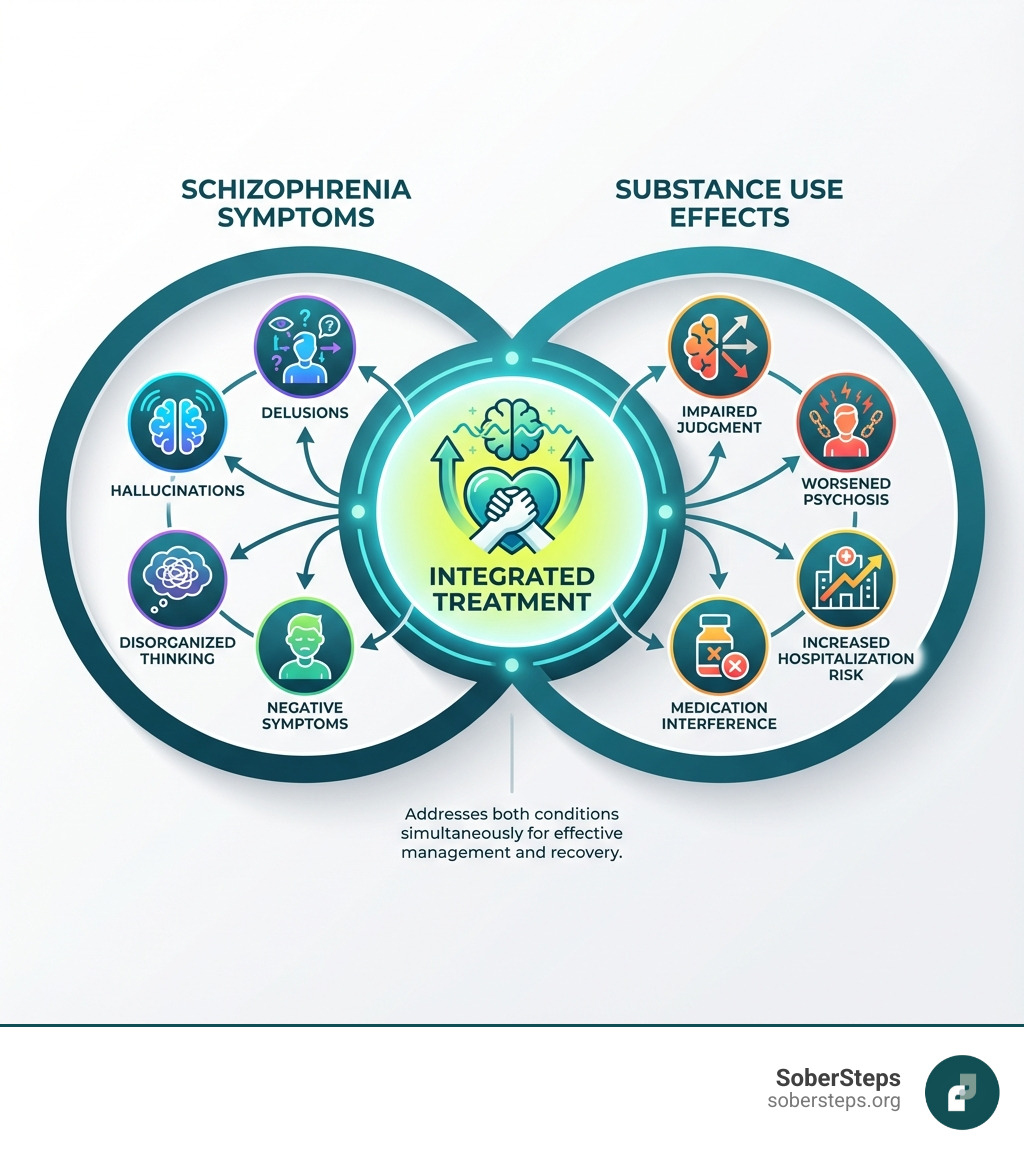
Infographic showing the overlap between schizophrenia symptoms (hallucinations, delusions, disorganized thinking, negative symptoms) and substance use effects (impaired judgment, worsened psychosis, medication interference, increased hospitalization risk), with integrated treatment in the center addressing both conditions simultaneously - Schizophrenia infographic

Understanding Schizophrenia: Symptoms, Onset, and Impact

Schizophrenia is a chronic brain disorder that profoundly impacts a person’s thoughts, feelings, and behavior. It’s characterized by psychosis, a state where an individual loses touch with reality. This can manifest as vivid and clear hallucinations, such as hearing voices or seeing things that aren’t there, and delusions, which are fixed, false beliefs held despite clear evidence to the contrary. Imagine believing you are being targeted by a secret organization, or that your thoughts are being controlled by an external force—these are examples of delusions. Disorganized thinking, where speech may be jumbled or illogical, also makes communication challenging. These symptoms interfere with a person’s ability to think clearly, manage emotions, make decisions, and relate to others.

In the U.S., schizophrenia affects approximately 0.25% to 0.64% of adults. It’s a complex, long-term medical illness that requires ongoing management. While it’s often misunderstood, we know that with appropriate care, individuals can learn to manage their symptoms and lead fulfilling lives. To learn more about the scientific research surrounding this condition, you can explore the information provided by the National Institute of Mental Health (NIMH) on Scientific research on Schizophrenia.

Primary Symptoms of Schizophrenia

The symptoms of schizophrenia are typically categorized into three main groups: positive, negative, and cognitive.

  • Positive Symptoms: These are “added” experiences that aren’t present in individuals without schizophrenia. They include:
    • Hallucinations: Perceiving things that aren’t real, such as hearing voices (most common), seeing things, or experiencing unusual sensations. These can be vivid and clear, feeling as real as normal perceptions.
    • Delusions: Firmly held false beliefs that are not based in reality. Common types include persecutory delusions (e.g., believing others are trying to harm you) and grandiose delusions (e.g., believing you have extraordinary talents or are a famous person).
    • Disorganized Thinking (Speech): Difficulty organizing thoughts, leading to incoherent speech, switching topics abruptly, or using unrelated words (sometimes called “word salad”).
    • Disorganized or Abnormal Motor Behavior: This can range from childlike silliness to unpredictable agitation, or even catatonia, where a person appears in a daze with little movement or response.
  • Negative Symptoms: These represent a decrease or absence of typical emotions, behaviors, or motivations. They are often more challenging to treat and can significantly impact daily functioning. Examples include:
    • Flat Affect: Reduced expression of emotions through facial expressions, voice tone, or body language.
    • Alogia: A reduction in speech output.
    • Anhedonia: The inability to experience pleasure in activities that were once enjoyable.
    • Asociality: A lack of desire for social interaction or withdrawal from social activities.
    • Avolition: A decrease in motivation to initiate and perform self-directed purposeful activities.
  • Cognitive Symptoms: These involve difficulties with memory, attention, and executive functions, which can make it hard to focus, process information, and make decisions. Approximately 70% of individuals with schizophrenia experience cognitive deficits. These can include problems with:
    • Attention and concentration
    • Working memory
    • Verbal fluency
    • Reasoning and problem-solving
    • Speed of processing information

One particularly challenging aspect of schizophrenia is anosognosia, or a lack of insight into one’s own illness. This means individuals may not believe they have a disorder, which can make adherence to treatment very difficult. It’s a symptom of the illness itself, not a coping strategy, and can unfortunately lead to a higher risk of relapse and involuntary treatment.

Onset and Differences in Presentation

Schizophrenia typically makes its first appearance during a critical developmental period: late adolescence to early adulthood. The average age of onset tends to be in the late teens to early 20s for men, and the late 20s to early 30s for women. It is uncommon for schizophrenia to be diagnosed in a person younger than 12 or older than 40.

The onset of symptoms is often gradual, with many individuals going through a prodromal stage. This is a period where subtle changes in thinking, mood, and social functioning may occur before the full-blown psychotic symptoms emerge. Early warning signs can include social withdrawal, a decline in academic or work performance, increased irritability, sleep disturbances, unusual thoughts, or excessive suspiciousness. Recognizing these early signs is crucial, as early intervention can significantly improve long-term outcomes.

For teenagers, diagnosing schizophrenia can be particularly difficult because early signs can mimic common adolescent behaviors, making differentiation challenging. For instance, withdrawing from friends and family, a drop in school performance, or mood swings can be attributed to typical teenage development. However, teens with schizophrenia may be less likely to experience delusions and more likely to have hallucinations compared to adults.
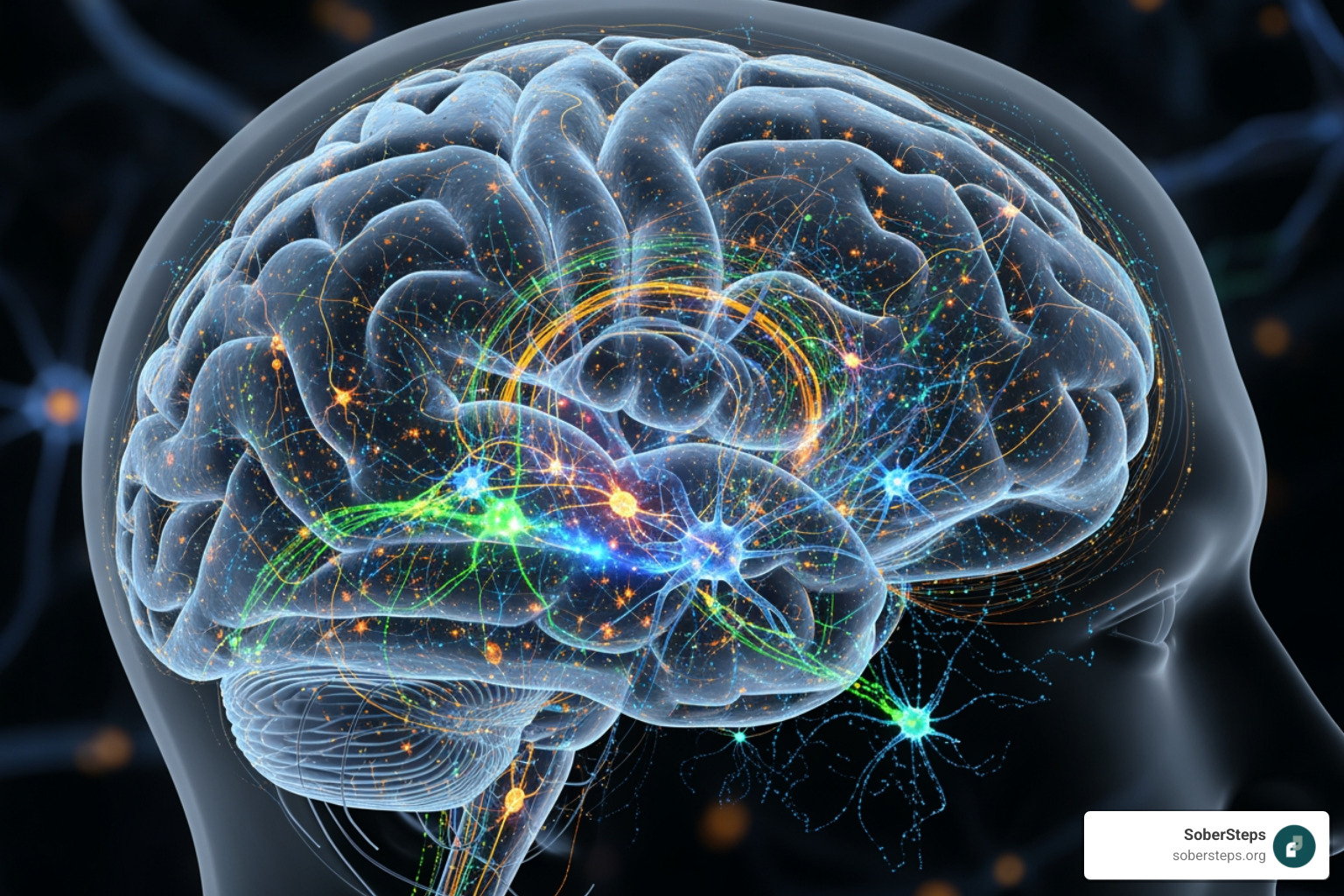
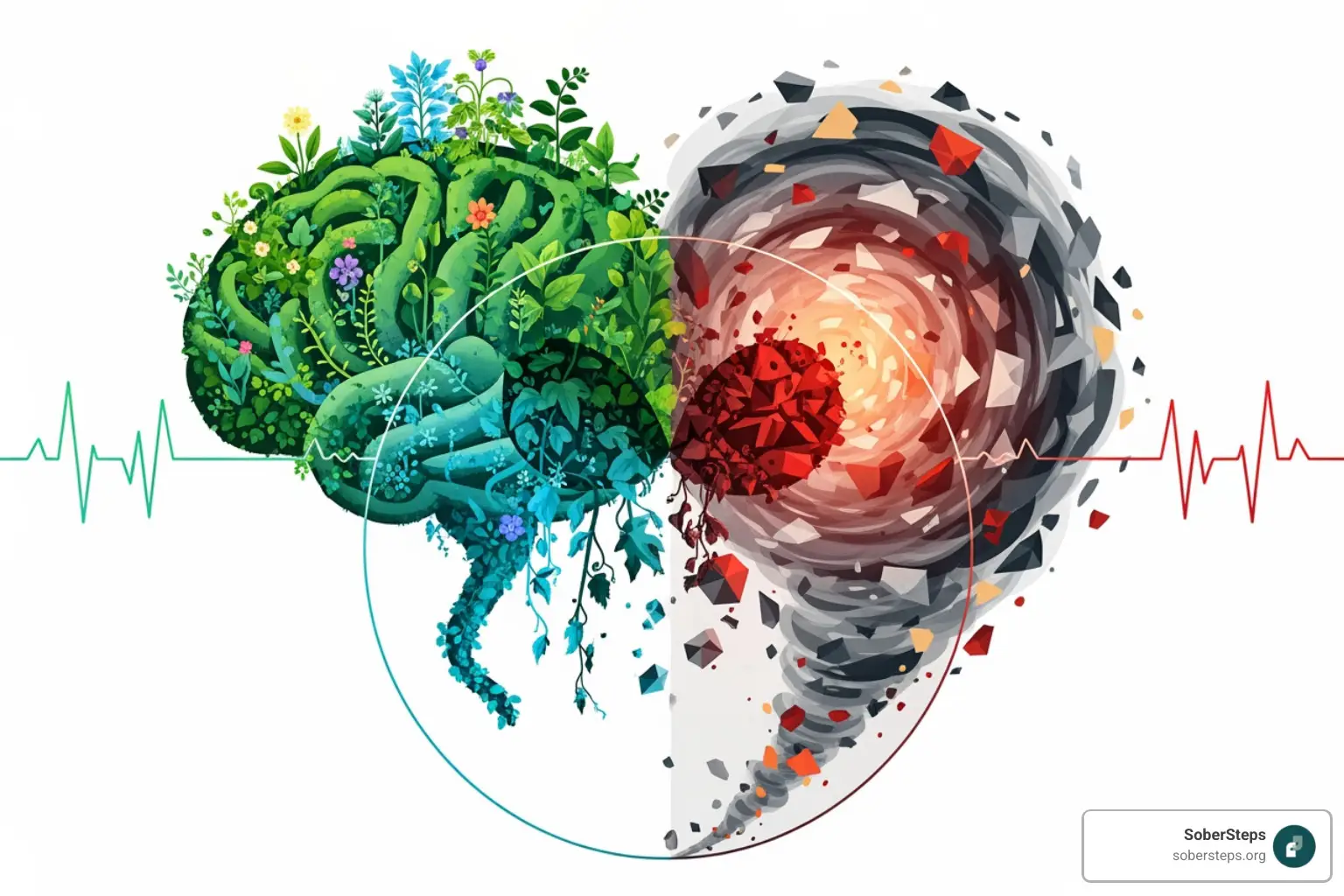
brain chemical pathways - Schizophrenia

The connection between schizophrenia and substance use disorders is alarmingly strong. We find that nearly half of individuals living with schizophrenia also struggle with a co-occurring substance use disorder. This phenomenon, often referred to as dual diagnosis, creates a complex challenge for treatment and recovery. If you need help with dual diagnosis, we are here for you. For immediate, confidential help with dual diagnosis, call (844) 491-5566.

One prominent theory for this high co-occurrence is the “self-medication hypothesis.” Individuals with schizophrenia may turn to substances like alcohol or drugs in an attempt to alleviate distressing symptoms such as anxiety, depression, or the negative symptoms of the illness (e.g., anhedonia, social withdrawal). While this might offer temporary relief, it ultimately worsens the underlying conditions, leading to a vicious cycle.

Beyond self-medication, shared genetic vulnerabilities and environmental risk factors play a significant role. Research suggests that certain genetic predispositions can increase the risk for both schizophrenia and substance use disorders. Environmental stressors and early life adversities can also contribute to the development of both conditions. Additionally, some substances can directly induce psychosis, mimicking or triggering the onset of schizophrenia in vulnerable individuals. For example, cannabis use, especially high-potency varieties during adolescence, is a known contributory factor that can increase the risk of the disease in those already predisposed.

Common Substances Abused

Individuals with schizophrenia are at a significantly higher risk for substance use disorders compared to the general population—up to 5 times higher. The substances most commonly abused include:

  • Alcohol: Can worsen psychotic symptoms, interfere with medication, and increase the risk of hospitalization.
  • Cannabis (Marijuana): May trigger psychotic episodes, worsen cognitive impairment, and increase the risk of schizophrenia in at-risk individuals.
  • Nicotine (Tobacco): The rate of smoking among people with schizophrenia is exceptionally high in the U.S., with some estimates suggesting it is three times that of the general population. While some suggest it may be a form of self-medication, it contributes to significant physical health problems and reduced life expectancy.
  • Stimulants (e.g., Amphetamines, Cocaine): These can exacerbate psychotic symptoms, trigger relapse, and severely complicate the course of the illness.
  • Opioids: While perhaps less directly linked to psychosis onset, opioid use disorders can significantly impair functioning and complicate overall treatment for individuals with schizophrenia.

Substance misuse not only worsens psychotic symptoms but also interferes with the effectiveness of antipsychotic medications, making treatment much more challenging.

Causes and Risk Factors for Schizophrenia

The exact cause of schizophrenia remains unknown, but we understand it results from a complex interplay of genetic, environmental, and neurobiological factors.

  • Genetics: Heredity plays a strong role. Estimates of the heritability of schizophrenia are between 70% and 80%. The risk of developing schizophrenia is more than six times higher if you have a close relative, such as a parent or sibling, with the disorder (a 6.5% risk for first-degree relatives). If one parent is affected, the risk is about 13%, and if both are affected, the risk is nearly 50%. This doesn’t mean it’s solely genetic; rather, it indicates a genetic predisposition that interacts with other factors.
  • Brain Chemistry: Imbalances in certain neurotransmitters, particularly dopamine and glutamate, are believed to play a critical role. The “dopamine hypothesis” suggests an overactivity of dopamine in certain brain areas, while the “glutamate hypothesis” points to abnormalities in glutamate pathways. These imbalances affect how the brain processes information, leading to the characteristic symptoms. Neuroimaging studies have also revealed structural and central nervous system changes in the brains of individuals with schizophrenia.
  • Environmental Factors: A range of environmental influences can increase vulnerability to schizophrenia, especially in genetically predisposed individuals. These include:
    • Prenatal and Perinatal Complications: Exposure to infections (e.g., viral infections, Toxoplasma gondii), malnutrition, maternal obesity, or complications during pregnancy and birth.
    • Childhood Trauma and Adversity: Adverse childhood experiences (ACEs) and childhood trauma are linked to an increased risk of psychosis.
    • Urban Living: Living in an urban environment during childhood or as an adult has consistently been found to increase the risk of schizophrenia by a factor of two.
    • Social Stressors: Social isolation, immigration (especially to environments where one is a minority), and family dysfunction can also contribute.
    • Substance Use: As mentioned, cannabis use, particularly during adolescence, is a significant risk factor.

For a deeper dive into the factors influencing schizophrenia, we recommend reviewing A review of vulnerability and risks for schizophrenia.

Diagnosis and Integrated Treatment Approaches

compassionate consultation - Schizophrenia

Diagnosing schizophrenia and co-occurring substance use disorders, known as dual diagnosis, requires a comprehensive and sensitive approach. It’s crucial to rule out other conditions that might present with similar symptoms. The journey to recovery begins with an accurate diagnosis and an integrated treatment plan that addresses all aspects of an individual’s health. Finding the right help is crucial, and we can guide you. Call (844) 491-5566 for a confidential assessment.

How Dual Diagnosis is Diagnosed

Diagnosis of schizophrenia is based on observed behavior, a detailed psychiatric history, and reports from family members or close acquaintances. There are no specific medical tests to definitively diagnose schizophrenia. Instead, mental health professionals rely on diagnostic criteria outlined in manuals like the Diagnostic and Statistical Manual of Mental Disorders (DSM-5).

A thorough diagnostic process typically involves:

  1. Medical History and Physical Exam: This helps rule out any underlying medical conditions or substance-induced psychosis that might be mimicking schizophrenia symptoms. Blood tests and imaging studies (like MRI or CT scans) may be performed to exclude other causes.
  2. Psychiatric Evaluation: A mental health professional, usually a psychiatrist, conducts an in-depth interview to assess symptoms, their duration, impact on functioning, and family history of mental illness. For a diagnosis of schizophrenia in the U.S., symptoms must persist for at least six months and include two or more core symptoms (delusions, hallucinations, disorganized speech, disorganized behavior, or negative symptoms) in the context of reduced functioning.
  3. Differentiating Symptoms: It’s essential to distinguish schizophrenia from other conditions that can present with psychotic features, such as:
    • Brief psychotic disorder (symptoms lasting less than a month)
    • Schizophreniform disorder (symptoms lasting 1-6 months)
    • Schizoaffective disorder (significant mood disorder symptoms co-occurring with psychosis)
    • Bipolar disorder with psychotic features
    • Borderline personality disorder
    • Post-traumatic stress disorder (PTSD) with psychosis
    • Obsessive-compulsive disorder (OCD)
    • Substance-induced psychotic disorder

Challenges in diagnosis can arise, especially in teens where early signs overlap with typical adolescent behaviors. Cultural factors can also influence symptom presentation and interpretation, highlighting the need for culturally sensitive assessments to avoid misdiagnosis, particularly among minority groups.

Effective Treatment Options

Effective treatment for dual diagnosis—schizophrenia and a co-occurring substance use disorder—requires an integrated intervention that addresses both conditions simultaneously. This approach is more effective than treating them separately. We understand this complexity, and we are here to support you in finding the right path. If you need help finding treatment, call us at (844) 491-5566.

Key components of integrated treatment include:

  • Antipsychotic Medications: These are the cornerstone of schizophrenia treatment, primarily working to reduce psychotic symptoms (hallucinations, delusions) and prevent relapse.
    • First-Generation (Typical) Antipsychotics: Such as chlorpromazine and haloperidol. While effective, they can cause significant motor side effects like extrapyramidal symptoms and tardive dyskinesia.
    • Second-Generation (Atypical) Antipsychotics: Such as olanzapine and risperidone. These generally have fewer motor side effects but carry a higher risk of metabolic issues like weight gain and diabetes.
    • Clozapine: A unique second-generation antipsychotic, clozapine is highly effective for treatment-resistant schizophrenia and for reducing suicidal thoughts. However, it requires careful monitoring due to potential serious side effects like agranulocytosis.
    • Long-Acting Injectable Antipsychotics: These can improve medication adherence for individuals who struggle with daily oral medication, typically administered every 2-4 weeks.
    • Newer Medications: The FDA recently approved a new antipsychotic, xanomeline and trospium chloride (Cobenfy), which acts on acetylcholine receptors, representing a new mechanism of action.
  • Psychotherapy: Custom talking therapies help individuals manage symptoms and improve functioning.
    • Cognitive Behavioral Therapy (CBT): CBT for psychosis (CBTp) helps individuals develop coping strategies for persistent symptoms, challenge distorted thoughts, and manage anxiety and depression.
    • Supportive Psychotherapy: Focuses on building a therapeutic relationship, enhancing coping skills, and improving self-esteem.
    • Cognitive Improvement Therapy (CET): Combines computer-based brain training with group sessions to improve cognitive functioning, such as attention, memory, and problem-solving.
    • Metacognitive Training: Aims to improve awareness and understanding of one’s own thinking processes.
  • Psychosocial Treatments: These interventions support recovery by addressing social, vocational, and daily living needs.
    • Family Therapy: Educates families about schizophrenia, improves communication, and helps them develop strategies to support their loved one and manage stress.
    • Vocational Rehabilitation and Supported Employment: Helps individuals acquire job skills, find competitive employment, and maintain their positions, fostering independence.
    • Assertive Community Treatment (ACT) and Intensive Case Management (ICM): Provide comprehensive, individualized services directly in the community, including medication management, crisis intervention, and assistance with daily living.
    • Peer Support Groups: Offer a safe space for individuals to share experiences, gain support from others with similar challenges, and reduce feelings of isolation.
    • Arts Therapies: Such as art or drama therapy, can help improve negative symptoms and communication skills.
  • Medication-Assisted Treatment (MAT) for SUD: When addiction is present, MAT can be integrated to manage cravings and withdrawal symptoms, especially for opioid or alcohol use disorders.

Managing Recovery and Long-Term Well-being

Living with schizophrenia and a co-occurring substance use disorder is a lifelong journey, but it is one where recovery and a high quality of life are absolutely possible. Our goal at SoberSteps is to empower individuals with the tools and support needed for long-term well-being.

Self-management strategies are vital for individuals to take an active role in their recovery. This includes learning about their illness, understanding triggers for symptoms or relapse, and developing healthy coping mechanisms. Building a strong support system, including family, friends, and peer groups, is crucial. Family and social support play an indispensable role in recovery and well-being, helping to reduce isolation and provide practical assistance. We understand that relapse can be a part of the recovery process, but with consistent treatment and support, individuals can learn to identify early warning signs and mitigate their impact.

It’s important to acknowledge the long-term outcomes and potential complications associated with schizophrenia. Compared to the general population, people with schizophrenia have a higher suicide rate (about 5% overall), and 20-40% attempt suicide at least once. This underscores the importance of continuous mental health care. Additionally, individuals with schizophrenia have an average decrease in life expectancy by 20 to 28 years, largely due to physical health comorbidities. If you are in crisis, call or text the 988 Suicide & Crisis Lifeline.

Improving Quality of Life

Improving the quality of life for individuals with schizophrenia and co-occurring disorders involves a holistic approach:

  • Creating Routines: Establishing a structured daily routine for meals, sleep, medication, and activities can provide stability and reduce disorganization.
  • Stress Management Techniques: Learning and practicing stress reduction methods like meditation, yoga, or tai chi can help manage anxiety and prevent symptom exacerbation.
  • Healthy Lifestyle Choices: Regular exercise has been shown to improve positive and negative symptoms, improve cognitive functioning, and even increase hippocampal volume. A balanced diet, sometimes supplemented with specific nutrients like B vitamins, folate, or Omega-3 fatty acids, can also support brain health. Avoiding recreational drugs and excessive alcohol is paramount, as these can worsen symptoms and interfere with medication.
  • Peer Support Groups: Connecting with others who have lived experience of schizophrenia and addiction can provide invaluable emotional support, practical advice, and a sense of community.
  • Supported Employment Programs: These programs help individuals find and maintain competitive jobs in the community, fostering independence, self-esteem, and social integration.

Complications and Outlook

Despite the challenges, a significant portion of individuals diagnosed with schizophrenia experience marked improvement over the long term. While complete recovery is uncommon, U.S.-based studies show that with consistent treatment, many individuals can achieve substantial symptom reduction and lead more independent lives.

However, we must also address the common complications:

  • Physical Health Comorbidities: Individuals with schizophrenia are at a higher risk for various physical health problems, including cardiovascular disease (a leading cause of premature death in this population), diabetes (especially with some antipsychotic medications), and respiratory illnesses due to high rates of smoking.
  • Importance of Regular Medical Care: Due to these risks, consistent primary medical care is crucial to monitor and manage physical health conditions. Many antipsychotic medications can cause side effects like weight gain and metabolic changes, necessitating regular health screenings.
  • Violence Misconceptions: It’s important to dispel the myth that people with schizophrenia are inherently violent. In reality, individuals with schizophrenia are significantly more likely to be victims of violence and crime than perpetrators. While aggressive behavior can be a complication, it’s often linked to untreated psychosis, co-occurring substance use, or other factors, not the diagnosis itself.

Find Confidential Help for Schizophrenia and Addiction Today

At SoberSteps, we firmly believe that recovery is a journey, not a destination. With the right support and an integrated treatment approach, hope and effective management are not just possibilities—they are achievable realities. We understand that navigating the complexities of schizophrenia alongside addiction can feel overwhelming, but you don’t have to do it alone.

Integrated treatment, which addresses both schizophrenia and co-occurring substance use disorders simultaneously, is the most effective path to lasting recovery. Our mission is to provide a confidential and anonymous platform to connect you with the resources and care you need, right here in the United States.

Take the first step towards a healthier, more stable future. Call (844) 491-5566 for anonymous support and resources. For confidential help, call (844) 491-5566. SoberSteps is here to support you—reach out at (844) 491-5566. Begin your recovery journey today by calling (844) 491-5566. We are ready to listen, guide, and help you find the integrated care that can make all the difference.

 

Related Articles

Where Do Calls Go?

For anyone seeking help for addiction for themselves or a loved one calls to Sober Steps are completely confidential and available 24/7.

Please note: any treatment center listed on our site that receives calls is a paid advertiser.

  • Calls to a specific treatment center’s listing will be connected directly to that center.

  • Calls to our general helpline will be answered by treatment providers, all of whom are paid advertisers.

By calling the helpline, you agree to our terms and conditions. These calls are free of charge and carry no obligation to enter treatment. Neither Sober Steps nor anyone answering your call receives a commission or fee based on your choice of treatment provider.

If you’d like to explore additional treatment options or connect with a specific rehab center, you can browse our top-rated listings, visit our homepage, or call us at (844) 491-5566. You may also contact us for further assistance.