Treating Addiction and Post-Traumatic Stress Disorder (PTSD)
Understanding What PTSD Really Means
Post-Traumatic Stress Disorder (PTSD) is a mental health condition that can develop after experiencing or witnessing a traumatic event. Here’s what you need to know:
Quick Facts about PTSD:
Definition: A psychiatric condition triggered by experiencing or witnessing trauma
U.S. Prevalence: Approximately 3.5% of adults experience PTSD annually; 6-9% will develop it at some point in their lives
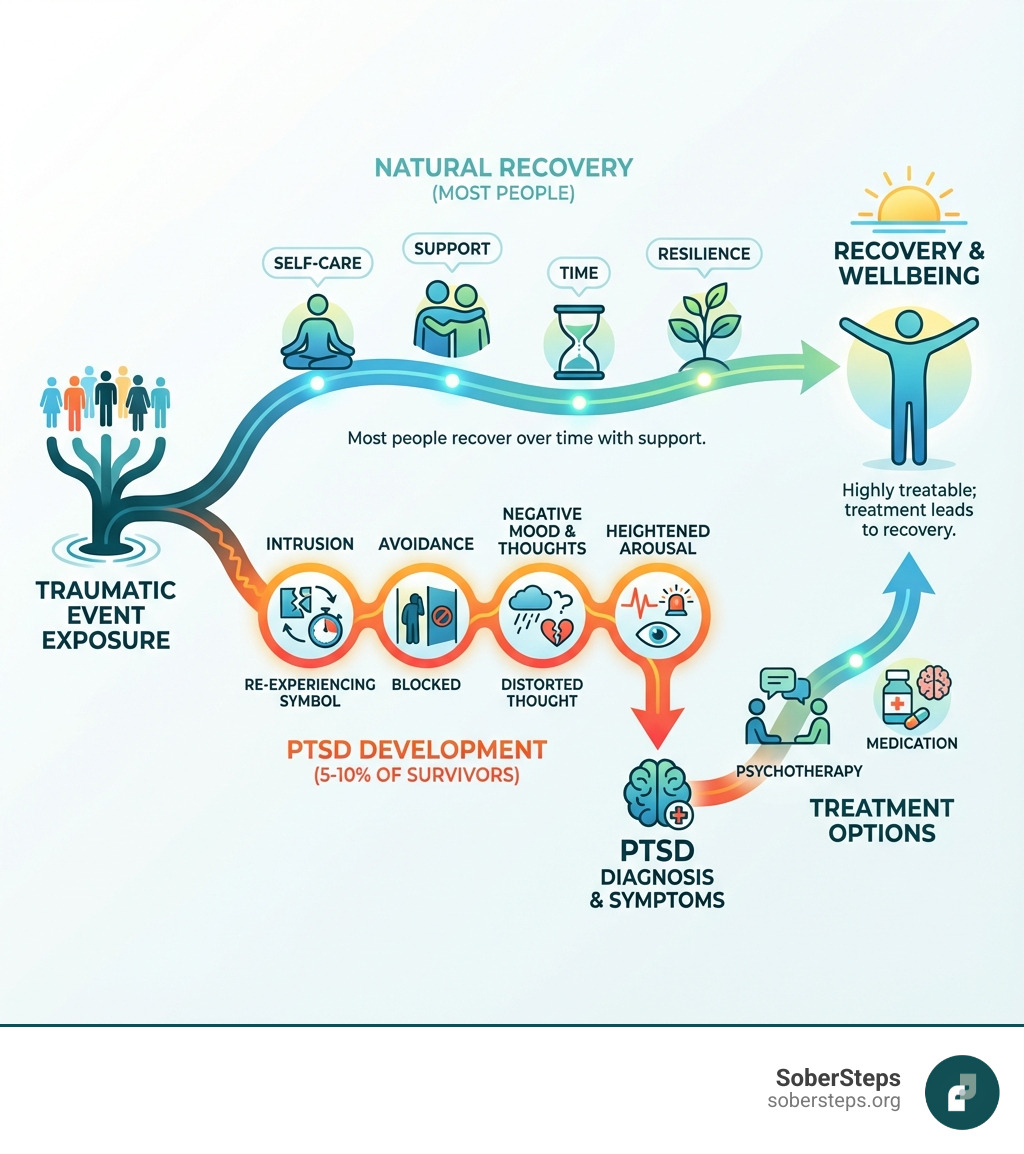
Trauma Exposure: 61-80% of people experience a traumatic event, but only 5-10% develop PTSD
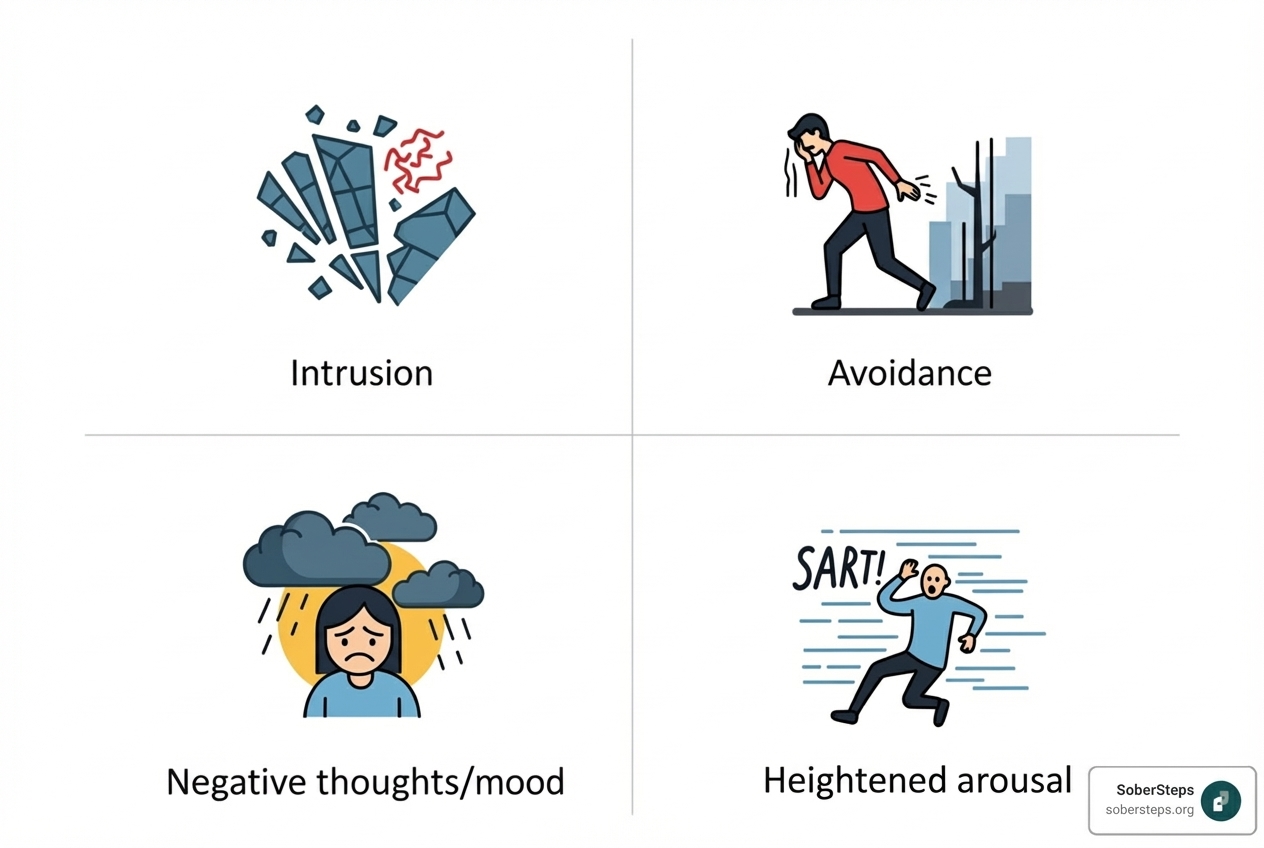
Key Symptoms: Intrusive memories, avoidance behaviors, negative thoughts and mood, and heightened arousal
Treatment: Highly treatable with psychotherapy and medication
Recovery: Most people who follow treatment recommendations recover and lead fulfilling lives
It’s natural to feel afraid during and after a traumatic situation. Fear is part of the body’s “fight-or-flight” response that helps us respond to danger. Most people recover from these initial reactions over time through self-care and support from loved ones.
However, when symptoms persist for more than a month and significantly interfere with daily life—relationships, work, or general functioning—it may be PTSD.
Common traumatic events that can lead to PTSD include:
Combat exposure
Physical or sexual assault
Childhood abuse
Serious accidents
Natural disasters
Unexpected death of a loved one
Life-threatening medical diagnoses
PTSD is not a sign of weakness. As many experts note, “PTSD is a normal reaction to an abnormal event.” Anyone of any age, ethnicity, or background can develop this condition.
If you’re struggling with PTSD symptoms, confidential help is available. Call (844) 491-5566 to speak with a compassionate specialist who can guide you toward effective treatment options.
At Sober Steps, we understand the profound impact that Post-Traumatic Stress Disorder (PTSD) can have on your life, and we’re dedicated to providing confidential, supportive resources to help you steer your recovery journey. Our team connects individuals with evidence-based treatment options and ongoing support to ensure no one faces their challenges alone.
The Four Core Symptom Clusters of PTSD
To receive a diagnosis of Post-Traumatic Stress Disorder (PTSD), symptoms must persist for more than one month and cause significant distress or issues in your daily functioning. These symptoms are typically grouped into four distinct categories, as outlined by the DSM-5 criteria. Understanding these clusters can help us recognize the varied ways PTSD can manifest and how it impacts an individual’s life.
Intrusion: Reliving the Traumatic Event
This cluster involves the involuntary re-experiencing of the traumatic event. It’s as if the past suddenly invades the present, making it difficult to distinguish between what is real and what is a memory.
Flashbacks: These are vivid, intense episodes where you feel as though the traumatic event is happening all over again. You might see, hear, or feel things as you did during the original event. For example, hearing a car backfire might trigger a veteran to relive combat experiences, complete with the sounds and smells of battle.
Nightmares: Disturbing dreams about the traumatic event are common. These aren’t just bad dreams; they can be incredibly vivid and distressing, often waking you up with a jolt. Sometimes, children might have frightening dreams that don’t directly depict the trauma but are still very upsetting.
Intrusive Thoughts: These are unwanted, distressing memories or thoughts about the trauma that pop into your mind unexpectedly throughout the day. They can be hard to control and can feel overwhelming.
Severe Emotional Distress: When you encounter reminders of the traumatic event, you might experience intense emotional reactions, such as profound sadness, fear, or anger. Seeing a news report about a sexual assault, for instance, could bring on overwhelming memories and emotions for a survivor.
Physical Reactions to Reminders: Physical symptoms like a racing heart, sweating, rapid breathing, or shaking can occur when you’re reminded of the trauma. Your body reacts as if it’s still in danger, even if your mind knows you’re safe.
Avoidance: Staying Away from Reminders
Avoidance symptoms involve actively trying to stay away from anything that reminds you of the traumatic event. This can be a conscious effort or an unconscious coping mechanism.
Avoiding People, Places, Activities: You might steer clear of locations, activities, or even people associated with the trauma. For example, someone who was in a serious car accident might avoid driving or riding in a car, or even avoid the specific intersection where the accident occurred.
Refusing to Talk About the Event: The pain of discussing the trauma can be so immense that you might refuse to talk about it, even with loved ones or therapists. This can create a sense of isolation and make it harder to process what happened.
Suppressing Thoughts or Feelings: You might try to push away any thoughts or feelings related to the traumatic event. While this can provide temporary relief, it often prevents healthy emotional processing and can lead to more intense symptoms later.
Negative Alterations in Cognition and Mood
This cluster involves negative changes in how you think about yourself, others, and the world, as well as persistent negative emotional states.
Memory Problems: You might have difficulty remembering key aspects of the traumatic event, a phenomenon known as dissociative amnesia. This isn’t just forgetting; it’s a mental block related to the trauma.
Negative Beliefs About Self or the World: The trauma can lead to distorted or overly negative beliefs, such as “I am bad,” “No one can be trusted,” or “The world is entirely dangerous.”
Distorted Blame: You might unfairly blame yourself or others for the traumatic event, even if it wasn’t your fault. This can lead to intense feelings of guilt or shame.
Persistent Negative Emotions: Ongoing feelings of fear, horror, anger, guilt, or shame can dominate your emotional landscape. These aren’t fleeting emotions but deeply ingrained responses.
Diminished Interest in Activities: Things you once enjoyed might no longer bring you pleasure. A loss of interest in hobbies, work, or social activities is common.
Feeling Detached from Others: You might feel emotionally numb or cut off from friends and family. This detachment can make it hard to form or maintain close relationships.
Inability to Experience Positive Emotions: It can become difficult to feel happiness, satisfaction, or love. This emotional numbing contributes to a pervasive sense of emptiness.
Alterations in Arousal and Reactivity
This cluster describes a state of heightened alert and reactivity, as if you’re constantly on guard for danger.
Irritability and Angry Outbursts: You might find yourself easily annoyed or prone to sudden, intense bursts of anger, even over minor things.
Reckless or Self-Destructive Behavior: Engaging in risky activities, such as substance misuse, reckless driving, or other self-harming behaviors, can be a way to cope with overwhelming emotions or a feeling of detachment.
Hypervigilance: You might constantly scan your surroundings for threats, always on the lookout for danger. This can make it difficult to relax or feel safe, even in secure environments.
Exaggerated Startle Response: A sudden loud noise or unexpected touch might cause an extreme physical reaction, making you jump or flinch excessively.
Problems with Concentration: Difficulty focusing on tasks, conversations, or reading is a common struggle.
Sleep Disturbances: Insomnia, difficulty falling asleep, or staying asleep are frequent complaints, often exacerbated by nightmares.
These arousal symptoms are often constant and can significantly interfere with daily life, impacting everything from your job performance to your ability to enjoy a peaceful night’s sleep. If you recognize these symptoms in yourself or a loved one, please know that support is available. Call (844) 491-5566 for support.
What Causes PTSD and Who Is at Risk?
Post-Traumatic Stress Disorder (PTSD) doesn’t develop randomly. It’s a complex condition influenced by a combination of the traumatic event itself, individual biological factors, and various risk factors. While it’s still unclear why some people develop PTSD after trauma and others don’t, we’ve gained significant insights into the contributing elements.
At its core, PTSD is a response to overwhelming stress. The brain’s natural “fight-or-flight” system, designed to protect us from danger, becomes dysregulated, leading to symptoms that persist long after the threat has passed.
Common Traumatic Events Leading to Post-Traumatic Stress Disorder (PTSD)
A wide range of experiences can trigger PTSD, not just those typically associated with combat. These events are often perceived as emotionally or physically harmful, or life-threatening.
Direct Experience: This includes directly experiencing a severe accident, physical or sexual assault, natural disaster (like a hurricane or earthquake), or a terrorist attack.
Witnessing Events: Seeing others experience severe injury, death, or violence can also lead to PTSD.
Learning About Trauma to a Loved One: Finding that a close family member or friend experienced a traumatic event can trigger symptoms. For instance, learning of the unexpected death of a loved one carries a 5.2% risk of developing PTSD.
Repeated Exposure to Aversive Details: Certain professions, such as first responders, military personnel, and healthcare workers, may develop PTSD due to repeated exposure to traumatic details of others’ suffering.
While an estimated 61% to 80% of people in the U.S. experience a traumatic event at some point in their lives, only about 5% to 10% of this population develops PTSD. This highlights that trauma exposure is common, but PTSD is not an inevitable outcome. Specific types of trauma, however, are associated with higher rates:
Combat Exposure: Approximately 22% of people exposed to combat develop PTSD.
Sexual Violence: This is a strong predictor of PTSD, with prevalence rates higher than non-assault-based trauma.
Childhood Abuse: Experiencing physical, emotional, or sexual abuse during childhood significantly increases the risk.
Life-Threatening Medical Diagnoses: Survivors of severe illnesses like cancer, heart attacks, or strokes can also develop PTSD. For example, prevalence estimates of cancer-related PTSD range between 7% and 14%, with 22% of cancer survivors presenting with lifelong PTSD-like symptoms.
Motor Vehicle Collisions: Survivors of road traffic accidents frequently experience PTSD.
Biological Factors: The Brain’s Response to Trauma
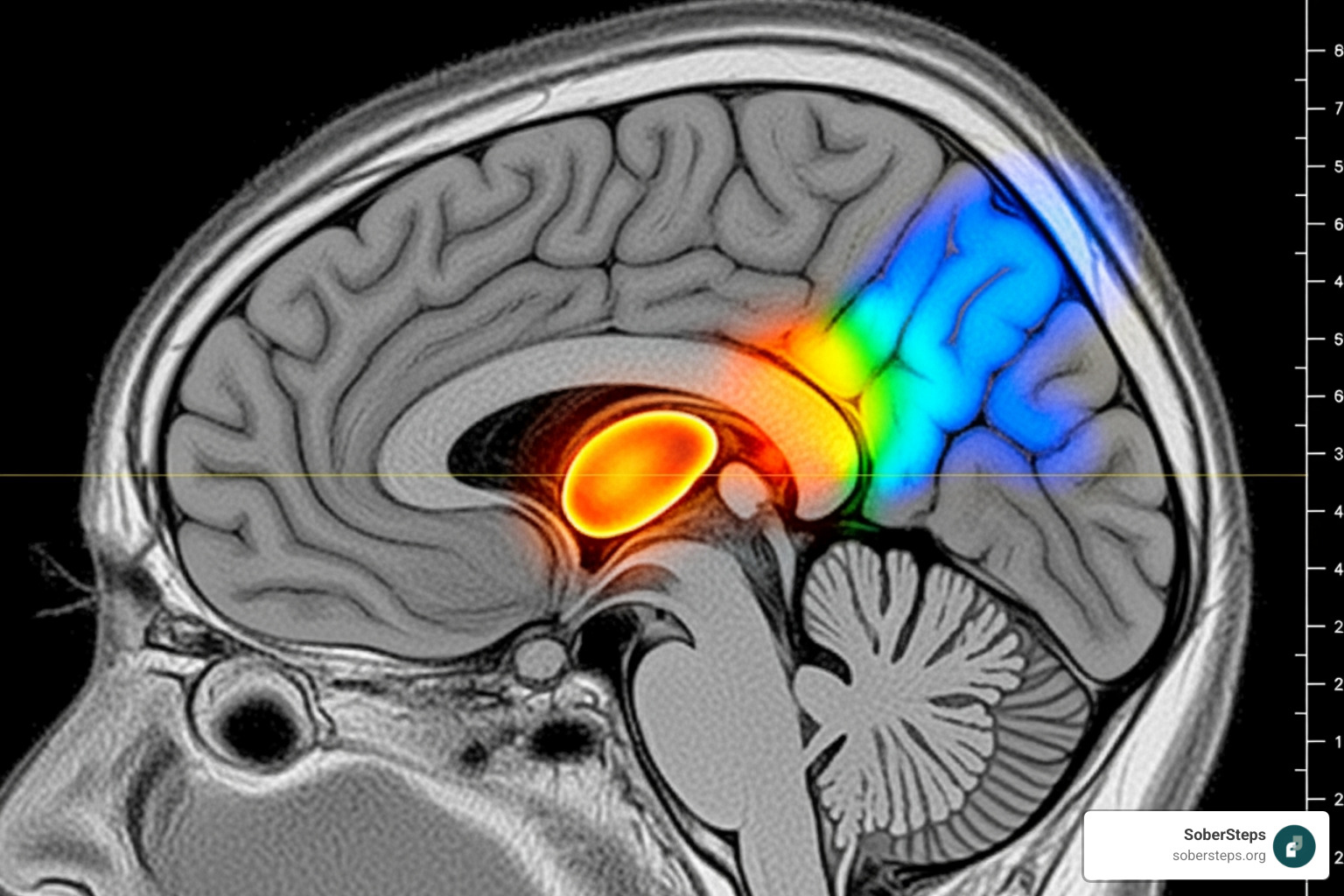
Our brains are intricately wired to respond to stress, but trauma can disrupt this delicate balance. The neurobiology of Post-Traumatic Stress Disorder (PTSD) involves several key areas and chemicals in the brain:
Fight-or-Flight Response & HPA Axis: When faced with danger, our bodies release stress hormones like cortisol and adrenaline, mediated by the Hypothalamic-Pituitary-Adrenal (HPA) axis. In PTSD, this system can become dysregulated. Interestingly, people with PTSD often show normal to low levels of cortisol, along with liftd levels of corticotropin-releasing factor (CRF) and norepinephrine. This suggests a complex imbalance rather than a simple overproduction of stress hormones.
Amygdala Hyperactivity: The amygdala is our brain’s “fear center.” In individuals with PTSD, the amygdala is often overly reactive, leading to heightened fear responses and an exaggerated startle reflex. It’s like having a faulty smoke detector that goes off even when there’s no fire.
Prefrontal Cortex Changes: The medial prefrontal cortex is responsible for regulating emotions, decision-making, and inhibiting fear responses. In PTSD, this area appears to be smaller and less responsive, meaning it has difficulty putting the brakes on the overactive amygdala.
Hippocampus Function: The hippocampus plays a crucial role in memory formation and contextualizing memories. In PTSD, the size of the hippocampus can decrease, and its function can be impaired. This may contribute to the difficulty in distinguishing between past trauma and present safety, leading to intrusive memories and flashbacks.
Neurotransmitters: Beyond hormones, imbalances in neurotransmitters like GABA (which calms the brain), glutamate (which excites it), and serotonin (which affects mood) are also observed.
Genetics: Our genes play a role too. Approximately 30% of the variance in PTSD is caused by genetics alone, suggesting some individuals may have a predisposition to developing the disorder after trauma. Research also indicates shared genetic influences with other psychiatric conditions like panic and generalized anxiety disorders.
Neuroimmune Dysfunction: Emerging research suggests that chronic stress and trauma can lead to neuroimmune dysfunction, with liftd cytokine levels (markers of inflammation) and changes in microglial activity in the brain. This highlights the intricate connection between our brain, immune system, and mental health.
Key Risk Factors for Developing PTSD
While anyone can develop PTSD, certain factors increase an individual’s vulnerability:
Type of Trauma: Interpersonal violence, such as sexual assault or physical abuse, is a stronger predictor of PTSD than non-assault-based trauma like accidents or natural disasters. Experiencing intense or long-lasting trauma also increases risk.
Childhood Trauma: A history of childhood abuse or other early life adversity is a significant risk factor. This can alter brain development and stress response systems, making individuals more susceptible to PTSD later in life.
Injury During the Event: Being physically injured during a traumatic event can increase the likelihood of developing PTSD.
Emotional Response During the Event: Experiencing intense horror, helplessness, or extreme fear during the trauma can be a predictor.
Lack of Social Support: A strong support system from family and friends after a traumatic event can act as a buffer against PTSD. Conversely, a lack of social support increases vulnerability.
Long-Lasting or Repeated Trauma: Chronic exposure to stress or multiple traumatic events significantly raises the risk. This is often seen in cases of ongoing domestic violence or prolonged combat exposure.
Pre-existing Mental Health Conditions and Substance Use: Individuals with a history of mental health problems (like depression or anxiety) or substance use disorders are more prone to developing PTSD. Substance use can also be a maladaptive coping mechanism that hinders recovery.
Female Gender: Women are more likely than men to develop PTSD, with U.S. statistics showing 5.2% of adult women experiencing it annually compared to 1.8% of men. The lifetime prevalence in the U.S. is 9% for women versus 3.6% for men.
Job-Related Trauma: Occupations that regularly expose individuals to traumatic events, such as military personnel, first responders (police, firefighters, paramedics), and healthcare professionals, carry a higher risk.
A lower IQ is not a risk factor for developing PTSD, contrary to some prior research. We believe that understanding these factors can empower individuals and communities to implement preventative measures and seek timely intervention.
Co-Occurring Conditions and PTSD in Specific Populations
Post-Traumatic Stress Disorder (PTSD) rarely travels alone. We often see it accompanied by other mental and physical health conditions, a phenomenon known as comorbidity. This makes diagnosis and treatment more complex, underscoring the importance of integrated care. If you’re managing multiple conditions, confidential support is available. Call (844) 491-5566 to discuss co-occurring disorders.
Common Complications and Co-Occurring Disorders
The chronic stress and dysregulation associated with PTSD can contribute to a cascade of other health issues:
Depression: It’s very common for individuals with PTSD to also experience major depressive disorder. The persistent negative thoughts, loss of interest, and emotional numbness can easily overlap with depressive symptoms.
Anxiety Disorders: PTSD shares many features with other anxiety disorders, such as generalized anxiety disorder, panic disorder, and social anxiety disorder. The constant state of hypervigilance and fear can exacerbate or trigger these conditions.
Substance Use Disorder (SUD): Many people with PTSD turn to alcohol or drugs to self-medicate and numb their painful memories, emotions, or sleep disturbances. This often leads to the development of a co-occurring SUD, which complicates both conditions.
Suicidal Thoughts and Behaviors: PTSD significantly increases the risk of suicidal ideation and attempts. The profound distress, hopelessness, and impulsivity associated with the disorder can be overwhelming. If you or a loved one is thinking about suicide, call or text 988 to reach the Suicide and Crisis Lifeline. Someone is available to help you 24/7. You can also find help and support services in your area.
Relationship Problems: The avoidance, emotional numbing, irritability, and hypervigilance characteristic of PTSD can severely strain personal relationships, leading to isolation and conflict.
Occupational Impairment: Difficulty concentrating, angry outbursts, and avoidance behaviors can make it challenging to maintain employment or perform effectively at work.
Physical Health Comorbidities: The chronic stress response in PTSD is linked to various physical health problems, including:
High blood pressure and heart disease.
Chronic pain and fatigue.
Gastrointestinal issues.
Immune system dysregulation, leading to increased inflammation.
Decreased life expectancy.
Understanding Post-Traumatic Stress Disorder (PTSD) in Children and Adolescents
While the core diagnostic criteria for PTSD are similar across age groups, Post-Traumatic Stress Disorder (PTSD) can manifest differently in younger individuals, making it crucial for parents and caregivers to recognize specific signs.
Prevalence in Youth: An estimated 8% of U.S. adolescents aged 13-18 experience PTSD in their lifetime. Among children exposed to a traumatic event, approximately 16% will develop PTSD, though this incidence varies by type of exposure and gender.
Different Symptoms: Children and teens might not express their trauma verbally in the same way adults do. Their symptoms can often be behavioral or play-based:
Re-enacting Trauma Through Play: Young children, especially those 6 years old and younger, may repeatedly act out aspects of the traumatic event during playtime, sometimes without even realizing it.
Frightening Dreams Without Clear Content: While adults often have nightmares directly related to the event, children might have generalized frightening dreams that don’t explicitly depict the trauma but are still very distressing.
Bedwetting: After having learned to use the toilet, a child with PTSD might start wetting the bed again.
Clinginess: Increased clinginess with a parent or other trusted adult is a common sign, as the child seeks safety and reassurance.
Irritability and Aggression: Younger children might become unusually irritable, aggressive, or engage in unsafe behaviors. Older children and teens may develop disruptive, disrespectful, or destructive behaviors.
Forgetting How to Talk or Being Unable to Talk: Some children might experience regressive behaviors like forgetting how to talk or becoming selectively mute.
Misdiagnosis: PTSD symptoms in children can sometimes be mistaken for other conditions, such as ADHD, due to hyperactivity or difficulty concentrating. This highlights the importance of seeking a specialist, like a child psychologist experienced in diagnosing PTSD, for an accurate assessment.
Early recognition and intervention are vital for children and adolescents to prevent long-term complications and support their healthy development.
Evidence-Based Treatments for PTSD Recovery
The journey to healing from Post-Traumatic Stress Disorder (PTSD) is deeply personal, but it’s a journey you don’t have to take alone. We want to emphasize that recovery is absolutely possible, and effective treatments can significantly reduce symptoms and improve quality of life. In fact, most people who follow treatment recommendations recover and lead happy, meaningful lives. Even without psychiatric treatment, PTSD usually resolves within six years on average, but seeking any form of psychiatric treatment can cut this recovery time at least in half.
A personalized treatment plan, often combining psychotherapy and medication, is typically the most effective approach. If you or someone you know is in crisis, call or text the 988 Suicide & Crisis Lifeline at 988.
Psychotherapy (Talk Therapy)
Psychotherapy is considered the “gold standard” for treating PTSD. Trauma-focused psychotherapies are particularly effective, often leading to significant symptom reduction or remission after just 10-12 weeks of therapy.
Cognitive Behavioral Therapy (CBT): This broad category of therapy helps individuals identify and change negative thought patterns and behaviors related to the trauma. It can include:
Cognitive Processing Therapy (CPT): Focuses on challenging distorted beliefs about the trauma, self, and others, helping you make sense of the event and address feelings of guilt or shame.
Prolonged Exposure (PE): Involves gradually confronting trauma-related memories, feelings, and situations in a safe and controlled environment. This helps to reduce avoidance and desensitize you to triggers. Online CBT, including PE, has been shown to be as effective as face-to-face therapy.
Stress Inoculation Training (SIT): Teaches coping skills to manage stress and anxiety symptoms, such as breathing techniques and positive self-talk.
Eye Movement Desensitization and Reprocessing (EMDR): This therapy involves recalling distressing images while engaging in bilateral stimulation, such as eye movements. It helps process traumatic memories and reduce their emotional impact. Research shows EMDR is an effective treatment for PTSD.
Written Exposure Therapy: A brief, effective treatment where individuals write about their traumatic experience in detail, helping to process and integrate the memory.
Couple and Family Therapies: PTSD can significantly impact relationships. Therapies involving partners or family members can help improve communication, understanding, and support within the family unit.
Medications for PTSD Symptoms
While psychotherapy is generally primary, medications can be a crucial secondary support, especially for managing specific symptoms like anxiety, depression, and sleep disturbances.
Antidepressants:
SSRIs (Selective Serotonin Reuptake Inhibitors): Sertraline (Zoloft) and paroxetine (Paxil) are FDA-approved for PTSD treatment and are often the first-line choice. They can help manage symptoms like sadness, worry, anger, and emotional numbness.
SNRIs (Serotonin-Norepinephrine Reuptake Inhibitors): Venlafaxine (Effexor) is another antidepressant that can be effective.
Prazosin: This medication is often prescribed to help reduce nightmares associated with PTSD.
Avoiding Benzodiazepines: While commonly prescribed for anxiety, we strongly advise against using benzodiazepines (like Xanax or Klonopin) for PTSD. Research indicates they can actually worsen PTSD symptoms, interfere with psychotherapy, and increase the risk of developing PTSD.
MDMA-Assisted Psychotherapy: This is an emerging area of research showing promise. While the FDA recently rejected MDMA for treating PTSD in 2024, citing trial design and safety concerns, research continues. It’s not yet an approved treatment.
Cannabinoids: Research on cannabis and cannabinoids for PTSD is ongoing, but current systematic reviews suggest limited evidence of benefit and potential harms, making them generally not recommended as a primary treatment.
Taking the step to seek help is a sign of immense strength. Finding a qualified mental health professional who specializes in trauma and PTSD is key. A good therapeutic relationship, where you feel understood and supported, is vital for successful treatment.
At SoberSteps, we understand that finding the right help can feel overwhelming. That’s why we offer confidential and anonymous support, connecting you with evidence-based treatment options custom to your specific needs. Our compassionate team is here to guide you. Call (844) 491-5566 today to explore your options.
How to Support a Loved One with PTSD
Supporting someone with Post-Traumatic Stress Disorder (PTSD) can be challenging, but your role can be incredibly impactful. Social support is a crucial factor in recovery and can help buffer the impact of trauma. You’re not just helping them; you’re helping yourself by understanding the situation better.
Here’s how we can offer meaningful support:
Learn About PTSD: Educate yourself about the disorder, its symptoms, and how it impacts individuals. Understanding that their behaviors are symptoms of an illness, not personal attacks, can make a huge difference.
Be Present and Listen Without Judgment: Offer a safe space for them to talk, but don’t pressure them. Sometimes, just knowing you’re there to listen is enough. Studies show that listening to suicidal thoughts can reduce risk, contrary to common fears.
Encourage Professional Help: Gently encourage them to seek or continue professional treatment. Offer to help them find a therapist, make appointments, or even accompany them to sessions if they’re comfortable.
Don’t Pressure Them to Talk: While communication is important, forcing them to recount traumatic events can be counterproductive and re-traumatizing. Let them share at their own pace.
Offer to Help with Daily Tasks: PTSD can make everyday tasks overwhelming. Offering practical help with chores, errands, or childcare can ease their burden.
Plan Enjoyable Activities Together: Engage in positive distractions like walks, hobbies, or outings. This can help counteract feelings of detachment and reintroduce positive experiences.
Promote Healthy Living: Encourage a balanced diet, regular exercise, and healthy sleep habits. Discourage the use of alcohol or drugs as coping mechanisms, as these can worsen PTSD symptoms and lead to co-occurring substance use disorders.
Know Your Limits and Seek Support for Yourself: Supporting someone with PTSD can be emotionally draining. It’s vital to take care of your own well-being. Join a support group for family members of individuals with PTSD or seek therapy for yourself. You can’t pour from an empty cup.
Maintain Boundaries: While supportive, it’s also important to maintain healthy boundaries to protect your own mental health.
Your patience, understanding, and consistent support can make a significant difference in your loved one’s recovery journey. If you need guidance on how to support someone, please don’t hesitate to reach out. Call (844) 491-5566 to speak with a compassionate specialist.
Frequently Asked Questions about PTSD
We understand that you might have many questions about Post-Traumatic Stress Disorder (PTSD). Here, we address some of the most common ones.
Can PTSD be cured?
While there is no one-time “cure” for Post-Traumatic Stress Disorder (PTSD), it is a highly treatable condition. Many people achieve full remission of symptoms and learn to manage their responses to trauma through effective treatment. Recovery is a process of learning new coping skills, processing traumatic memories, and reintegrating into a fulfilling life. With the right support and therapies, individuals can significantly reduce their symptoms and lead meaningful lives. Most people with PTSD who follow treatment recommendations recover and lead happy, meaningful lives.
How long does it take for PTSD to develop?
The development of Post-Traumatic Stress Disorder (PTSD) symptoms can vary. For a diagnosis, symptoms must last for more than one month. Typically, symptoms appear within three months of the traumatic event. However, it’s important to know that delayed onset is also possible, with symptoms sometimes emerging months or even years after the initial trauma. This is why it’s crucial to seek help if symptoms appear at any point after a traumatic experience.
Can you get PTSD without being in a war?
Yes, absolutely. While PTSD was initially recognized in the context of combat (“shell shock” or “war neurosis”), we now understand that any terrifying event that a person experiences, witnesses, or learns about (if it involves a close loved one) can cause Post-Traumatic Stress Disorder (PTSD). Common non-combat causes in the U.S. include:
In fact, interpersonal violence (like rape or assault) is a stronger predictor of PTSD than non-assault-based trauma. Anyone can develop PTSD, regardless of their background or the nature of the traumatic event.
Conclusion: Taking the First Step Towards Healing
Understanding Post-Traumatic Stress Disorder (PTSD) is the first crucial step toward healing and recovery. We’ve explored what PTSD is, its complex symptoms, the underlying biological factors, and the various risk factors that make some individuals more vulnerable. We’ve also highlighted the common co-occurring conditions and the unique ways PTSD can manifest in children and adolescents.
PTSD is not a sign of weakness; it’s a normal reaction to an abnormal event. The good news is that effective, evidence-based treatments are available, and recovery is not only possible but common. Whether through psychotherapy, medication, or a combination of both, individuals can learn to manage their symptoms, process their trauma, and reclaim their lives.
Your journey to healing is deeply personal, but it doesn’t have to be solitary. At SoberSteps, we believe that everyone deserves confidential and anonymous help for their mental health needs. Our dedicated team is here to connect you with the right resources and support, ensuring you have a safe space to begin or continue your recovery.
If you or a loved one is struggling with Post-Traumatic Stress Disorder (PTSD) or co-occurring disorders, we’re here for you 24/7. Don’t let fear or stigma prevent you from seeking the help you deserve. Call our compassionate team at (844) 491-5566 today to explore your options and take that vital first step towards healing. You can also find confidential support for PTSD and co-occurring disorders through our services. We are here to help you steer your path to wellness.
For anyone seeking help for addiction for themselves or a loved one calls to Sober Steps are completely confidential and available 24/7.
Please note: any treatment center listed on our site that receives calls is a paid advertiser.
Calls to a specific treatment center’s listing will be connected directly to that center.
Calls to our general helpline will be answered by treatment providers, all of whom are paid advertisers.
By calling the helpline, you agree to our terms and conditions. These calls are free of charge and carry no obligation to enter treatment. Neither Sober Steps nor anyone answering your call receives a commission or fee based on your choice of treatment provider.
If you’d like to explore additional treatment options or connect with a specific rehab center, you can browse our top-rated listings, visit our homepage, or call us at (844) 491-5566. You may also contact us for further assistance.