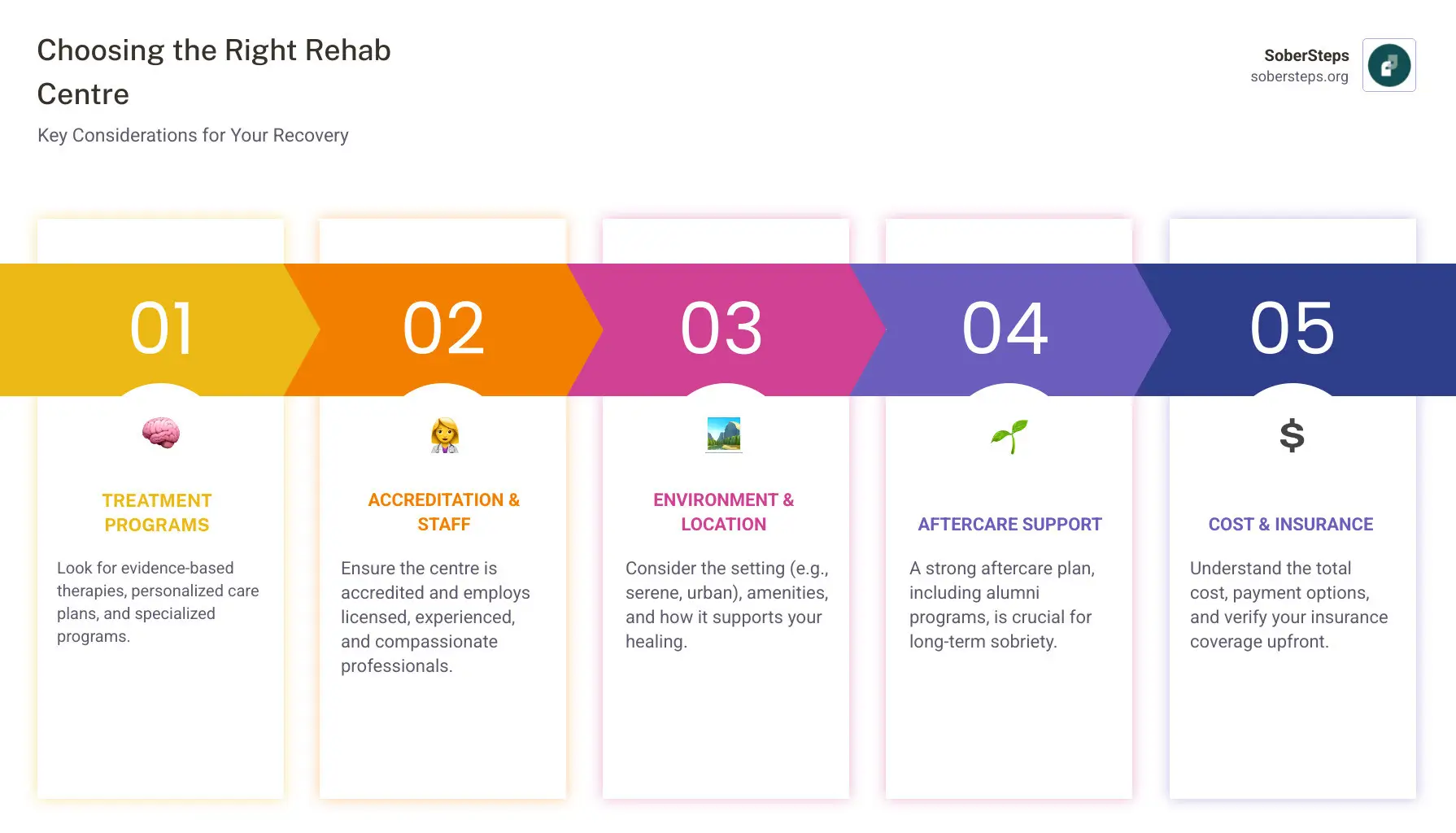
Navigating Rehab Centres: Expert Tips for Selecting Your Treatment
Find the best rehab centres for your recovery journey. Learn how to choose, what to expect, and get help for addiction. Start healing today.

Depression is a serious mood disorder that causes a persistent feeling of sadness and a deep loss of interest in activities you once enjoyed. It’s much more than just feeling “blue” or having a few bad days. It’s a medical condition that affects how you feel, think, and act.
Here’s a quick look at what Depression involves:
This condition can cause severe emotional and physical problems. It makes even simple daily tasks feel incredibly difficult. The good news is, Depression is common, serious, and highly treatable.
At Sober Steps, we are dedicated to empowering individuals on their journey to recovery from mental health and substance use disorders, including Depression. Our mission is to provide comprehensive information and support to help individuals reclaim their lives. For confidential and anonymous help, call (844) 491-5566.
Depression manifests through a range of symptoms that can affect every aspect of an individual’s life. These symptoms are not just emotional; they can be physical, cognitive, and behavioral, profoundly impacting daily activities.
Emotional symptoms often include a persistent sad, anxious, or “empty” mood, feelings of hopelessness, worthlessness, or excessive guilt. Individuals may experience a significant loss of interest or pleasure in nearly all activities, even those they once enjoyed. Irritability, anger, or restlessness are also common.
Physical symptoms can be particularly debilitating. These include chronic fatigue, significant changes in sleep patterns (insomnia or hypersomnia), and noticeable shifts in appetite or weight (either loss or gain). Some people experience unexplained physical aches, pains, headaches, or digestive problems without a clear physical cause. Psychomotor agitation (restlessness) or retardation (slowed movements) can also occur.
Cognitive symptoms involve difficulties with thinking, concentrating, remembering, or making decisions. People with Depression may find their thoughts slowing down, their memory failing, and their ability to focus severely impaired. Most concerning are recurrent thoughts of death or suicide, which are a serious indicator of severe Depression.
Behavioral symptoms often involve social withdrawal, avoiding friends and family, and neglecting responsibilities. Some individuals might engage in increased risk-taking, impulsivity, or self-harm. An increased use of alcohol or drugs can also be a sign, often used as a coping mechanism.
These symptoms, when persistent for at least two weeks and significantly impacting daily functioning in areas like work, school, social life, and relationships, point towards a diagnosis of Depression. If your symptoms are severe, don’t wait. Call (844) 491-5566 for immediate, confidential support.
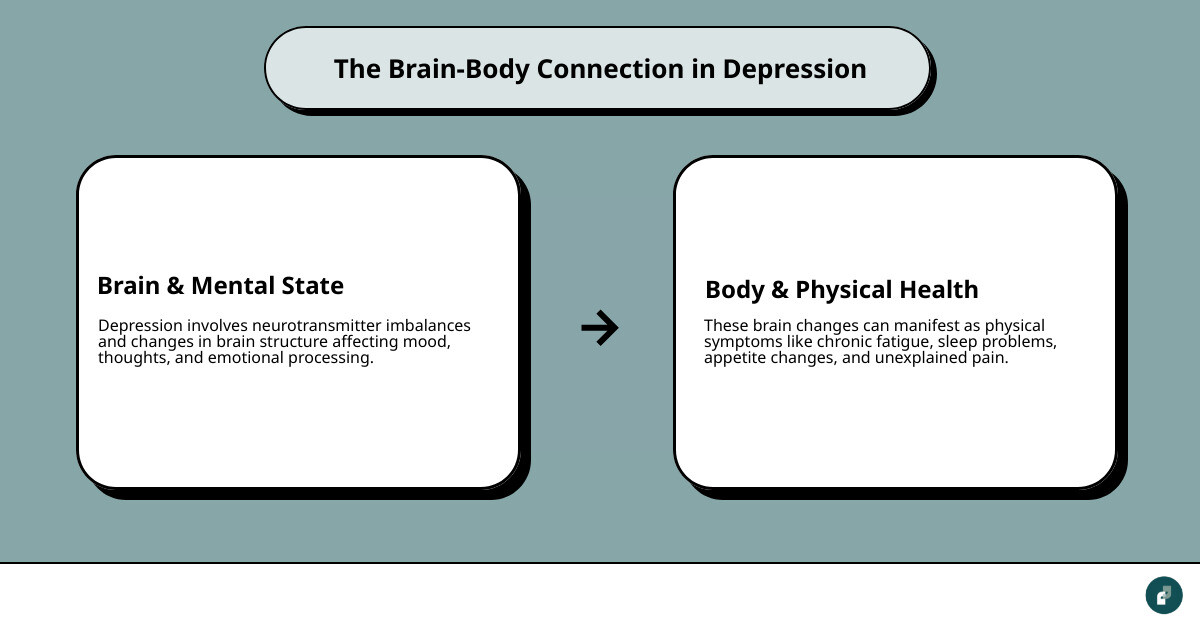
The connection between our mental and physical health is undeniable, and Depression profoundly impacts both. It’s not just “all in your head”; Depression can lead to and exacerbate various physical health problems.
One significant area of impact is chronic pain. Studies show that between 30% and 85% of patients suffering from chronic pain are also clinically depressed. This co-occurrence is so strong that chronic pain is associated with a two to three times higher chance of death by suicide.
Heart disease is another condition with a strong link to Depression. The NIH states that at least a quarter of cardiac patients suffer from Depression, and adults with Depression often develop heart disease. Similarly, medical conditions like hypothyroidism, Parkinson’s disease, and cancer can either cause changes in the body that lead to Depression or be worsened by it. Conditions such as celiac disease, diabetes, stroke (where as many as one-third of survivors develop post-stroke Depression), multiple sclerosis, seizure disorders, and macular degeneration are also associated with higher rates of Depression.
Furthermore, Depression can lead to a weakened immune system, making individuals more susceptible to illnesses. Chronic inflammation, for instance, has been associated with a 30% increased risk of developing major depressive disorder. Common physical symptoms like sleep disturbances (insomnia or hypersomnia), appetite changes (leading to weight loss or gain), and persistent fatigue further illustrate how deeply Depression impacts physical well-being.
Diagnosing Depression is a multi-step process that requires a healthcare professional’s expertise. It’s crucial to get an accurate diagnosis because symptoms can overlap with other conditions.
The process typically begins with a role of healthcare provider, such as your family physician or a mental health professional like a psychiatrist or psychologist. They will conduct a comprehensive evaluation. This includes a thorough interview about your symptoms—their duration, severity, and impact on your daily life. They will also gather your personal, medical, and family histories to identify any patterns or predispositions.
A physical exam is often performed to rule out any underlying medical conditions that could be causing or contributing to your symptoms. For example, thyroid problems can mimic Depression, so lab tests may be ordered to check thyroid function or other indicators to rule out other conditions.
A psychological evaluation will dig deeper into your emotional and cognitive state. Standardized screening tools, such as the Patient Health Questionnaire (PHQ-9), are commonly used. The PHQ-9 helps assess the severity of depressive symptoms over the past two weeks. However, these are screening tools, not diagnostic ones.
The definitive diagnosis relies on the criteria outlined in the American Psychiatric Association’s Diagnostic and Statistical Manual of Mental Disorders, Fifth Edition (DSM-5). For a diagnosis of major depressive disorder, an individual must experience five or more specific symptoms during the same two-week period, and at least one of these symptoms must be a depressed mood or loss of interest or pleasure. These symptoms must also cause clinically significant distress or impairment in social, occupational, or other important areas of functioning.
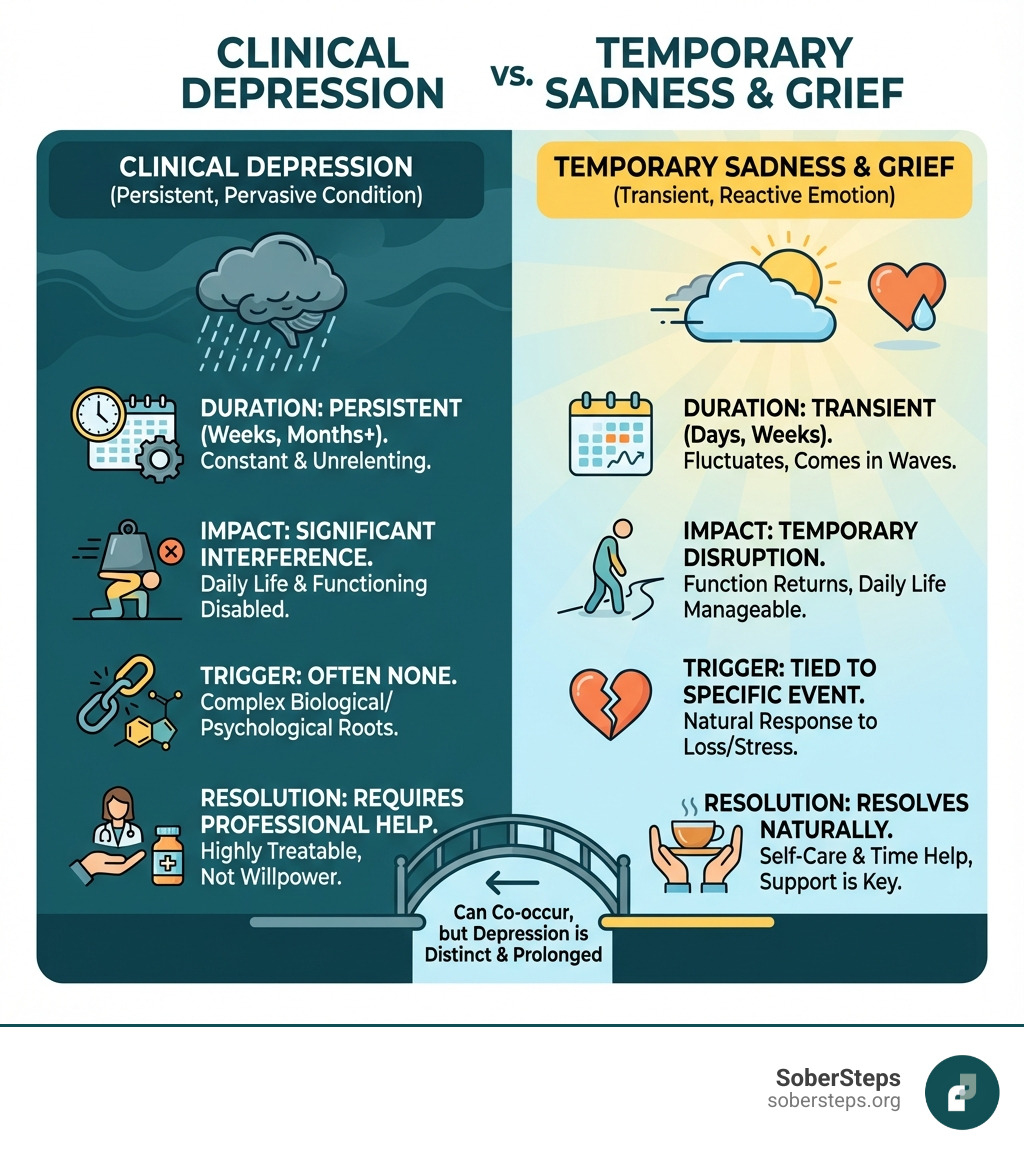
It’s also vital for the healthcare professional to distinguish Depression from normal sadness or grief. While grief involves intense emotional pain, it often comes in waves, and self-esteem is usually maintained. In contrast, Depression involves a persistent low mood and feelings of worthlessness or self-loathing. The importance of accurate diagnosis cannot be overstated, as it guides the most effective treatment plan.
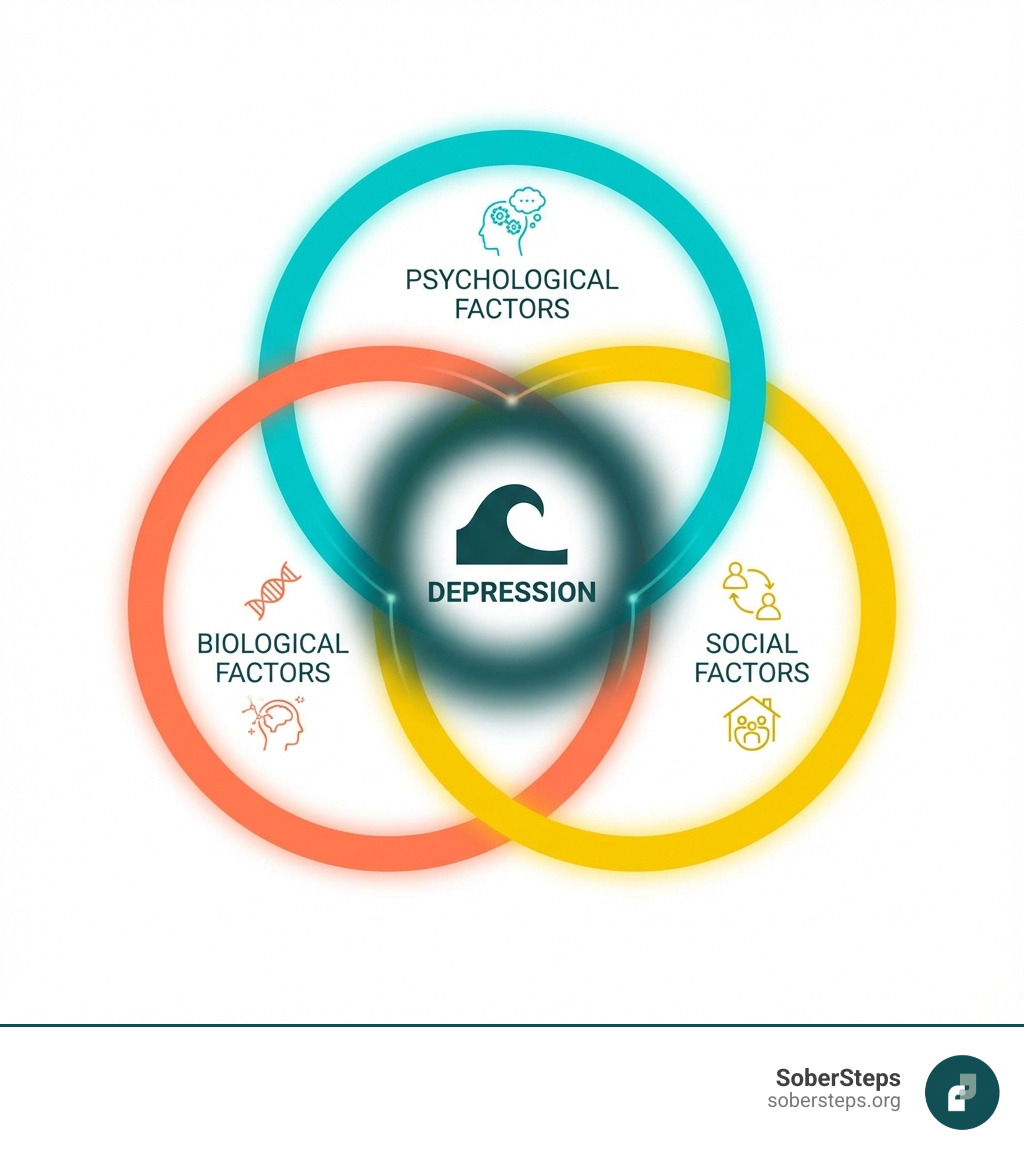
When we talk about what causes Depression, it’s important to understand that there’s no single cause. Instead, it’s typically a combination of factors—biological, psychological, and social—that interact to increase an individual’s risk. This complex interplay means that two people with Depression might have very different underlying reasons for their condition.
Our understanding of Depression, particularly from US-based sources, points to a multifaceted origin. It’s not a sign of weakness, nor can one simply “snap out of it.” It’s a medical condition influenced by many elements, making individualized treatment approaches crucial.
Genetics and family history play a significant role in an individual’s susceptibility to Depression. If you have a first-degree relative (parent or sibling) with Depression, you are about three times as likely to develop it yourself. Research suggests that a person’s genetic makeup influences how they respond to stressful experiences, determining whether these events lead to Depression.
The role of brain chemistry is also a long-standing area of research. For many years, the “chemical imbalance” theory, particularly involving neurotransmitters like serotonin and norepinephrine, dominated our understanding. These neurotransmitters are crucial for regulating mood, sleep, appetite, and energy. However, this theory has been challenged. Recent research has suggested that Depression is probably not caused by a simple serotonin imbalance, sparking a fierce debate in the psychiatric community. While the full implications of this research are still being explored, it highlights the evolving nature of our understanding.
Hormonal changes can also contribute. For women, significant hormonal shifts during peripartum periods (pregnancy and postpartum) and menopause can increase the risk of Depression.
Lastly, certain chronic illnesses are strongly linked to Depression. As mentioned, conditions like thyroid issues, heart disease, Parkinson’s disease, cancer, and other medical conditions can cause physiological changes that lead to depressive symptoms.
Beyond biology, our experiences and surroundings significantly shape our mental health. Life events and environmental triggers can act as powerful catalysts for Depression.
Childhood trauma or abuse, including neglect or physical and sexual abuse, are major risk factors. Individuals who have experienced four or more adverse childhood experiences (ACEs) are significantly more likely to suffer from Depression later in life.
Stressful life events are a leading cause of Depression. These can include job loss, the bereavement of a loved one, marital relationship stress, conflicts in extended families, and major changes in life circumstances. Even positive life changes, if accompanied by significant stress, can be triggers.
Social isolation and loneliness are powerful contributors to feelings of despair. Humans are social creatures, and a lack of meaningful connection can profoundly impact mental well-being. Similarly, relationship conflicts and breakups can be painful and lead to depressive episodes.
High-pressure environments, whether academic or professional, can also take a toll. Research on US undergraduates found that those who perceived their classroom environments as highly competitive had a 37% higher chance of developing Depression and a 69% higher chance of developing anxiety. Certain professions, like medicine, also show higher rates; physicians, for instance, have 40% higher suicide rates for males and 130% higher for females compared to many other professions.
Finally, unemployment risk roughly doubles the chance of developing Depression. The emotional impact of job loss, including feelings of worthlessness and financial strain, can be devastating.
If you recognize these risk factors in your own life and are struggling, help is available. Call (844) 491-5566 for a confidential conversation.
Depression is an umbrella term that covers various conditions, each with its unique characteristics. The American Psychiatric Association’s DSM-5 classifications provide a framework for understanding these different types, and recognizing them is crucial. The importance of specific diagnosis for treatment cannot be overstated, as effective intervention often depends on accurately identifying the type of depressive disorder.
If you believe you have symptoms of a depressive disorder, call (844) 491-5566 to discuss your options privately.
Major Depressive Disorder (MDD), often referred to as clinical Depression, is perhaps the most recognized form. The core definition of MDD involves a period of at least two weeks during which an individual experiences a depressed mood or a loss of interest or pleasure in nearly all activities, along with at least four other symptoms of Depression. These symptoms must represent a change from previous functioning and cause significant distress or impairment.
Here is a list of common MDD symptoms:
MDD can also have specifiers, which describe particular features of the depressive episode. These include:
Persistent Depressive Disorder (PDD), also known as dysthymia, is characterized by a chronic, long-lasting depression. Individuals with PDD experience a depressed mood for most of the day, for more days than not, for at least two years in adults, or one year in children and adolescents. They often describe their mood as sad or “down in the dumps.” While its symptoms are generally less severe but more persistent than MDD, they can still significantly impact quality of life and daily functioning.
Several other specific types of Depression are recognized:
The journey with Depression can feel overwhelming, but treatment is effective. Between 70% and 90% of people with Depression eventually respond well to treatment. This is not a condition you have to face alone. A combination approach, typically involving medication and therapy, often yields the most successful outcomes. Moreover, early intervention improves outcomes, making it crucial to seek help as soon as symptoms arise. We understand that finding the right treatment can be a journey, and it may take time to find what works best for you. To begin your journey, call (844) 491-5566.
Psychotherapy, often referred to as talk therapy or counseling, is a cornerstone of Depression treatment. It helps individuals understand and cope with their condition by teaching new ways of thinking and behaving. Several evidence-based psychotherapies are highly effective:
Finding a therapist who is a good fit for you is an important step in this process.
Medications for Depression, primarily antidepressants, can be highly effective, especially for moderate to severe cases. Antidepressants are not sedatives, “uppers,” or tranquilizers, and they are not addictive. They work by affecting brain chemistry, specifically neurotransmitters.
The most commonly prescribed types include:
The importance of medical supervision cannot be overstated when taking antidepressants. It can take 4-8 weeks to feel the full effects, and initial side effects may occur. Additionally, children, teenagers, and young adults under 25 may experience an increase in suicidal thoughts or behavior when starting antidepressants or changing doses, necessitating close monitoring by a healthcare provider.
For individuals requiring more structured support, various levels of care are available, including those offered by Sober Steps:
Beyond traditional therapy and medication, other specialized treatments exist:
For severe cases requiring structured support, call (844) 491-5566 to learn about different levels of care.
While professional treatment is essential for Depression, integrating daily management and self-help strategies can significantly support recovery and improve overall well-being. These practices can complement therapy and medication, helping individuals build resilience and cope with symptoms. While these strategies are beneficial, they are most effective when combined with professional support. If you’re struggling to manage your symptoms on your own, call us at (844) 491-5566 to learn how we can help.
Here is a list of simple daily habits to support mental health:
Depression is a prevalent and serious medical illness, not a weakness or a character flaw. It affects millions of adults in the United States every year, cutting across all demographics. While its causes are complex, involving a mix of biological, psychological, and environmental factors, the most important message is that hope and recovery are possible.
With appropriate diagnosis and treatment, between 70% and 90% of individuals with Depression eventually respond well and can lead fulfilling lives. By understanding the symptoms, types, causes, and available treatments, we can contribute to reducing stigma through education and encourage those who are struggling to seek the help they deserve.
The importance of seeking help early cannot be overstated, as early intervention often leads to better outcomes. At Sober Steps, we provide a confidential and anonymous path to treatment, offering a range of therapeutic options and levels of care custom to individual needs.
You are not alone. If you or a loved one is struggling, take the first step. Call us at (844) 491-5566 or explore our Levels of Care to find the support you need.

Find the best rehab centres for your recovery journey. Learn how to choose, what to expect, and get help for addiction. Start healing today.
Explore the best drug rehab Sevier County TN centers. Find comprehensive addiction treatment, financial aid, and local support. Call for help.

Invest in your recovery with private pay treatment. Discover benefits, costs, and how to afford quality addiction care.