Borderline Personality Disorder (BPD): Symptoms, Causes and Treatment
Understanding Borderline Personality Disorder: A Complex Mental Health Condition
Borderline Personality Disorder (BPD) is a serious mental health condition affecting approximately 1.6% of adults in the United States—about 14 million Americans. It’s characterized by intense, unstable emotions, chaotic relationships, and a distorted sense of self that can make daily life feel overwhelming.
Quick Overview of BPD:
What it is: A pervasive pattern of emotional instability, impulsive behavior, unstable relationships, and self-image issues
Key symptoms: Fear of abandonment, mood swings, self-harm, chronic emptiness, inappropriate anger
Who it affects: 1.6% of US adults (more common than Alzheimer’s disease)
Treatment: Evidence-based therapies like Dialectical Behavior Therapy (DBT)
Prognosis: Recovery is possible—50-70% achieve remission over five years
Getting help: Call (844) 491-5566 for confidential support 24/7
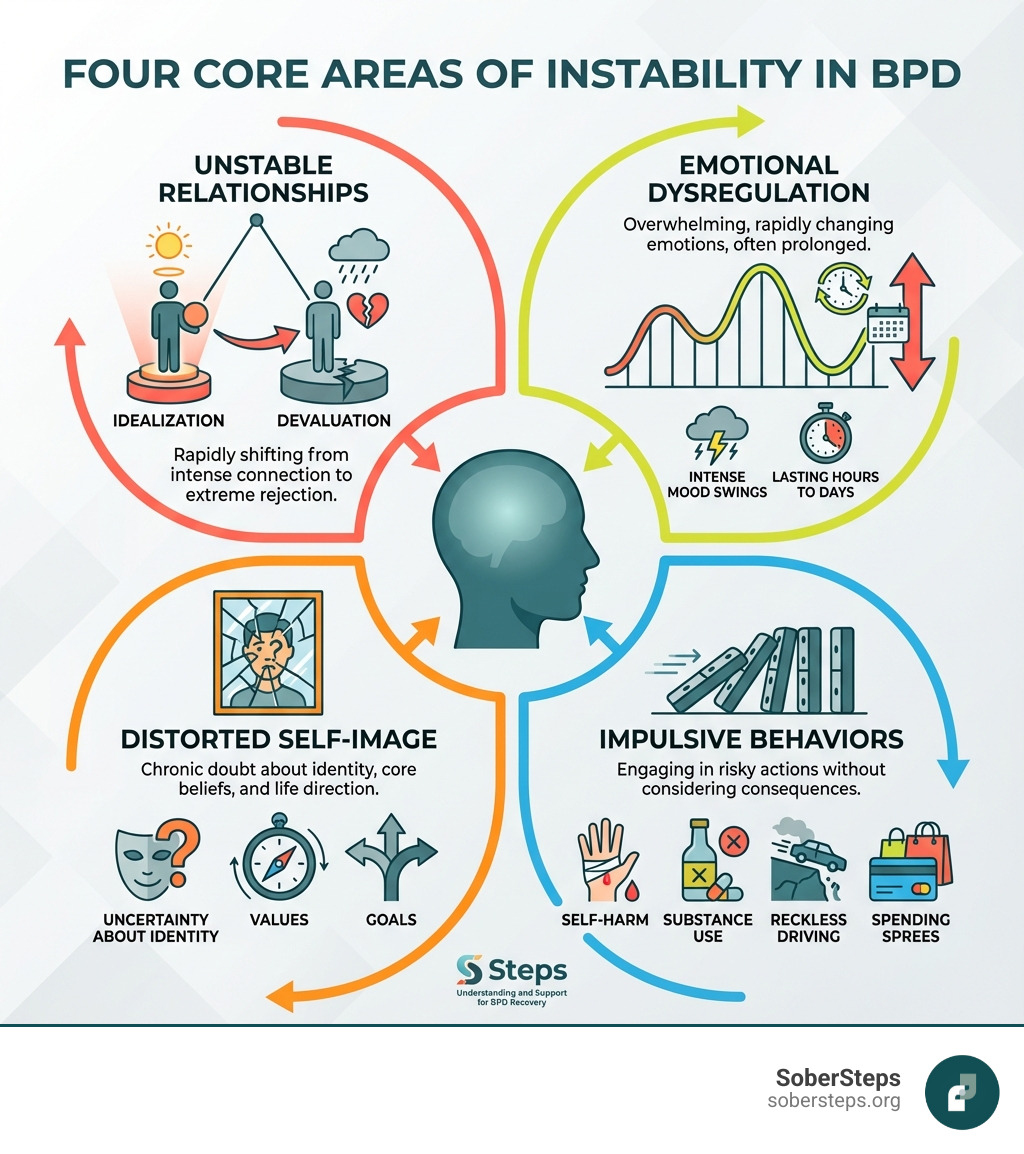
BPD causes severe disruptions across four main areas: emotional regulation, relationships, self-image, and behavior. People with this condition often experience emotions more than others, with feelings that can shift rapidly from extreme closeness to anger or despair within hours. This emotional rollercoaster isn’t a choice—it’s rooted in complex biological, genetic, and environmental factors.
The good news? Recovery is real. With proper support and evidence-based treatment, many people with BPD see significant improvement in their symptoms and quality of life. Research shows that most individuals experience reduced symptoms over time, especially with specialized therapy.
If you’re struggling with overwhelming emotions, unstable relationships, or thoughts of self-harm, you’re not alone. Help is available right now. Call (844) 491-5566 to speak confidentially with someone who can guide you toward effective treatment options.
At Sober Steps, we’ve dedicated ourselves to supporting individuals navigating the complexities of mental health conditions like Borderline Personality Disorder (BPD), connecting them with confidential resources and evidence-based treatment pathways. Our team understands that reaching out is often the hardest step, and we’re here to make that journey easier.
Need immediate support? Our confidential helpline is available 24/7 at (844) 491-5566. Whether you’re seeking help for yourself or a loved one, trained professionals can provide guidance on treatment options, insurance verification, and next steps toward recovery.
Understanding the Signs: BPD Symptoms and Diagnosis
Borderline Personality Disorder (BPD) is a mental health condition that fundamentally affects how individuals perceive themselves, others, and the world around them. It’s marked by a pervasive pattern of emotional instability, impulsivity, and difficulties in relationships. To officially diagnose BPD, mental health professionals in the United States rely on specific criteria outlined in the Diagnostic and Statistical Manual of Mental Disorders, Fifth Edition, Text Revision (DSM-5-TR). This manual helps us understand the nine key symptoms that characterize the disorder.
The diagnosis process typically involves a comprehensive psychiatric evaluation, including a detailed clinical interview where we discuss a person’s symptoms, personal history, and family background. It’s crucial to rule out other mental health conditions, such as depression or bipolar disorder, which can sometimes present with overlapping symptoms. This careful assessment ensures an accurate diagnosis, which is the cornerstone of effective treatment.
We understand that recognizing these signs in yourself or a loved one can be distressing. However, taking the first step towards understanding and seeking help is a sign of immense strength. For more scientific research and information on Borderline Personality Disorder (BPD), you can visit the National Institute of Mental Health (NIMH) website: Scientific research on BPD from NIMH. If you recognize these signs and need support, please don’t hesitate to call (844) 491-5566.
What are the Primary Symptoms of Borderline Personality Disorder (BPD)?
The DSM-5-TR outlines nine distinct criteria for Borderline Personality Disorder (BPD). For a diagnosis to be made, an individual must consistently exhibit at least five of these symptoms. These symptoms often emerge in late adolescence or early adulthood and can vary in severity.
Here are the nine primary symptoms:
Frantic Efforts to Avoid Abandonment: This isn’t just a casual dislike of being alone; it’s an intense, almost desperate fear that people will leave them, even if there’s no real reason. This can lead to frantic attempts to keep people close, like constantly calling or texting, or even pushing people away to avoid the pain of anticipated rejection. Imagine tracking down loved ones or pushing people away to avoid rejection due to fear of abandonment.
Unstable and Intense Interpersonal Relationships: Relationships are often a rollercoaster, swinging wildly between extremes of idealization (seeing someone as perfect) and devaluation (seeing them as terrible). These rapid shifts can make relationships chaotic and difficult to maintain. For example, someone might quickly change their view of a person from love to hate unpredictably.
Identity Disturbance: Individuals with BPD often struggle with a strong, consistent sense of self. They might feel uncertain about who they are, their values, goals, or even their sexual identity. This can manifest as frequently changing friend groups, hobbies, or opinions, all in an attempt to alter how others perceive them or to find a stable sense of self.
Impulsivity in at Least Two Potentially Self-Damaging Areas: This refers to engaging in risky behaviors without much thought for the consequences. Examples include reckless driving, dangerous sexual behavior, substance abuse, binge eating, or excessive spending. We often see individuals driving well over the speed limit, overspending, or overconsuming addictive substances due to impulsive behaviors.
Recurrent Suicidal Behavior, Gestures, or Threats, or Self-Mutilating Behavior: Self-harm, such as cutting or burning, is common, often used as a way to cope with intense emotional pain. Suicidal thoughts or attempts can also occur, sometimes as a cry for help or an attempt to escape unbearable feelings. Between 50% and 80% of individuals diagnosed with BPD engage in self-harm, and up to 10% die by suicide. Taking any mention of self-harm or suicide seriously is crucial.
Affective Instability Due to Marked Reactivity of Mood: Moods can shift rapidly and intensely, lasting from a few hours to a few days. These intense emotions can include sadness, anxiety, hatred, or anger, and they often feel uncontrollable. We observe individuals experiencing intense emotions like uncontrollable anger, fear, anxiety, hatred, sadness, and love that change often and quickly.
Chronic Feelings of Emptiness: Many individuals with BPD describe a persistent feeling of being hollow, bored, or unfulfilled. This can lead to a constant search for external stimulation or validation to fill the void. This often presents as consistently feeling sad, bored, or unfulfilled, with feelings of worthlessness and self-loathing.
Inappropriate, Intense Anger or Difficulty Controlling Anger: Anger can be frequent and disproportionate to the situation, often leading to verbal outbursts or physical fights. This anger can be directed at others or turned inward. We see individuals having trouble controlling their temper, leading to physical fights or frequent outbursts.
Transient, Stress-Related Paranoid Ideation or Severe Dissociative Symptoms: Under extreme stress, some individuals may experience paranoid thoughts (believing others have ill intentions) or dissociative symptoms (feeling detached from their body, thoughts, or surroundings). These are usually temporary and stress-induced. For example, experiencing disconnected thoughts, an out-of-body feeling, and hallucinations under extreme stress.
These symptoms are not a sign of weakness but rather indicators of a complex mental health condition that requires understanding and professional support.
How is BPD Diagnosed?
Diagnosing Borderline Personality Disorder (BPD) is a nuanced process that requires the expertise of a licensed mental health professional, such as a psychiatrist or psychologist. It’s not something that can be self-diagnosed or determined by a single test.
The diagnostic journey typically involves:
Comprehensive Psychiatric Evaluation: This is the core of the diagnosis. A mental health professional will conduct an in-depth interview to gather information about your symptoms, thoughts, feelings, behaviors, and personal history. They’ll ask about your relationships, how you cope with stress, and any past traumatic experiences.
Medical History and Physical Exam: We might recommend a medical exam and blood tests to rule out any underlying physical conditions that could be causing or contributing to your symptoms. This ensures that the symptoms aren’t due to a different medical issue.
Discussion of Symptoms: The professional will assess whether your experiences align with the specific diagnostic criteria for BPD as outlined in the DSM-5-TR. They’ll look for the pervasive pattern of instability in emotions, relationships, self-image, and impulsivity, and confirm that at least five of the nine criteria are consistently met.
Considering Developmental History: Since BPD usually manifests in late adolescence or early adulthood, the assessment will often explore childhood experiences, family dynamics, and any history of adverse events like abuse or neglect.
Ruling Out Other Conditions: This is a critical step. Many symptoms of BPD can overlap with other mental health disorders, such as bipolar disorder, depression, anxiety disorders, or PTSD. A skilled clinician will differentiate BPD from these conditions to ensure an accurate diagnosis. For instance, males with BPD may be misdiagnosed with PTSD or depression, highlighting the importance of thorough evaluation.
An accurate diagnosis is vital because it guides the treatment plan. It helps us understand the specific challenges an individual faces and tailor interventions that are most likely to be effective. Without a proper diagnosis, individuals may receive treatments that don’t address the core issues of Borderline Personality Disorder (BPD), leading to frustration and continued suffering.
BPD vs. Bipolar Disorder
One of the most common questions we encounter is how Borderline Personality Disorder (BPD) differs from Bipolar Disorder. Both conditions involve significant mood swings, leading to frequent confusion and sometimes misdiagnosis. However, there are crucial distinctions in the nature, triggers, and duration of these mood shifts.
Here’s a comparison to help clarify the differences:
| Feature | Borderline Personality Disorder (BPD) | Bipolar Disorder Bipolar disorder is characterized by distinct mood episodes (mania/hypomania and depression) that last for weeks or months, largely independent of immediate external stressors. The mood shifts in BPD are rapid and often triggered by interpersonal events, making them much quicker and more reactive.
The Roots of BPD: Causes and Risk Factors
We often search for a single, clear cause for complex mental health conditions like Borderline Personality Disorder (BPD). However, the reality is far more intricate. There isn’t one simple answer; instead, BPD is believed to arise from a complex interaction of genetic, neurobiological, and environmental factors. It’s like a puzzle where each piece contributes to the overall picture, and no single piece tells the whole story.
One prominent theory that helps us understand this complexity is the biosocial theory. This model suggests that BPD develops from an interaction between an individual’s innate emotional vulnerability and an invalidating environment during childhood. An emotionally vulnerable person might be born with a higher sensitivity to emotional stimuli and a slower return to emotional baseline. If this individual grows up in an environment where their emotional experiences are consistently dismissed, criticized, or even punished (an invalidating environment), they may struggle to learn healthy emotional regulation skills. This can create a vicious cycle that contributes to the development of BPD.
The journey to understanding these roots is ongoing, but what we’ve learned so far empowers us to offer more targeted and effective support. If you or a loved one are trying to make sense of these complex challenges, understanding is the first step towards healing. If you need help, call (844) 491-5566 today.
The Role of Genetics and Brain Factors
Our understanding of Borderline Personality Disorder (BPD) has grown significantly, revealing a strong biological component. Research indicates that genetics play a substantial role, suggesting that BPD can run in families.
Heritability Estimates: Studies on families and twins suggest that the heritability of BPD ranges significantly, from 37% to 69%. This means that a considerable portion of the risk for developing BPD can be attributed to genetic factors. If you have a first-degree relative, such as a biological parent or sibling, diagnosed with the condition, your risk of developing BPD is five times higher.
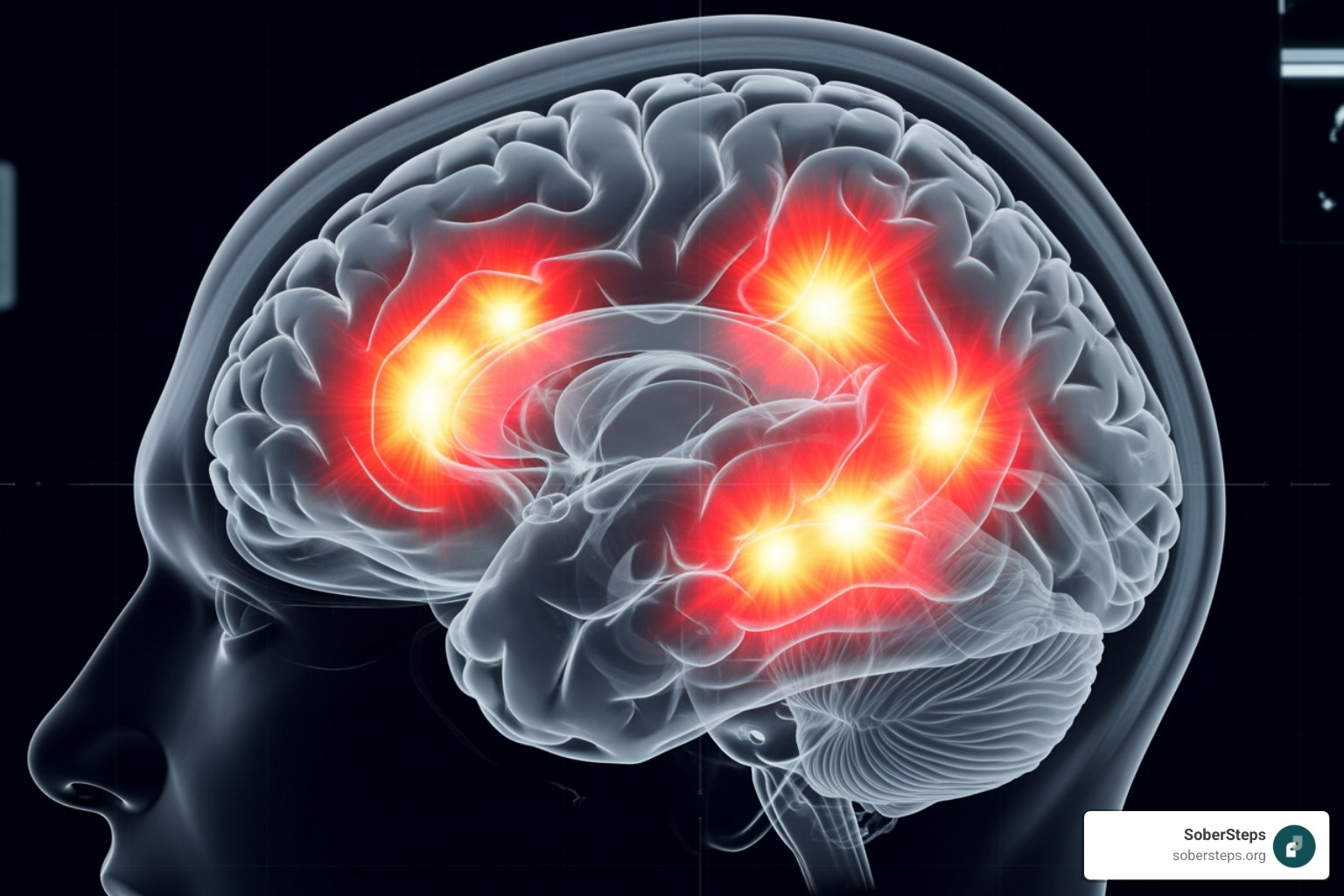
Brain Structure Differences: Neuroimaging studies have identified structural and functional differences in the brains of individuals with BPD. Key areas involved in emotional regulation and impulse control show variations:
Amygdala: This brain region, crucial for processing emotions like fear and anger, often shows increased activity or is smaller in individuals with BPD. This hyperactivity can contribute to the intense and rapid emotional responses characteristic of the disorder.
Prefrontal Cortex: Areas of the prefrontal cortex, particularly the orbitofrontal cortex and anterior cingulate cortex, which are involved in decision-making, impulse control, and emotional regulation, may also exhibit structural or functional differences. These differences can impair an individual’s ability to manage impulses and regulate their emotions effectively.
Neurotransmitter Imbalance: Research points to the potential role of neurotransmitters, chemical messengers in the brain. Specifically, imbalances in serotonin levels have been linked to symptoms seen in BPD, such as depression, aggression, and difficulty controlling destructive urges.
These biological factors highlight that Borderline Personality Disorder (BPD) is not merely a psychological issue but has a tangible basis in our biology. For more comprehensive information on the causes of BPD, including genetic and environmental factors, we recommend visiting the Substance Abuse and Mental Health Services Administration (SAMHSA) website: Information on BPD causes from SAMHSA.
Environmental and Social Risk Factors
While genetics and brain factors lay a biological groundwork, environmental and social experiences, particularly during childhood, are critical in the development of Borderline Personality Disorder (BPD). These external influences can interact with an individual’s innate vulnerabilities, shaping how the disorder manifests.
Childhood Trauma: A significant body of research strongly links adverse childhood experiences (ACEs) to BPD. Many individuals with BPD report histories of trauma, including:
Abuse: This can encompass emotional, physical, or sexual abuse. Emotional abuse, in particular, can be deeply invalidating, teaching a child that their feelings are wrong or unimportant.
Neglect: Emotional or physical neglect, where a child’s basic needs for care, attention, and safety are not met, can also contribute to the development of BPD.
Biparental Failure: This refers to situations where both parents fail to provide adequate care, stability, or emotional support, leading to a profound sense of insecurity and abandonment.
Unstable Family Life: Growing up in a chaotic or unstable family environment, marked by frequent conflicts, parental mental illness, or substance abuse, can disrupt a child’s sense of safety and predictability. This instability can hinder the development of healthy coping mechanisms and emotional regulation skills.
Early Separation from Caregivers: Experiences such as the loss of a parent or prolonged separation from primary caregivers during critical developmental periods can foster intense fears of abandonment, a hallmark symptom of BPD.
Invalidating Childhood Environment: This is a crucial concept in the biosocial theory of BPD. An invalidating environment is one where a child’s emotions are routinely dismissed, criticized, or responded to erratically. For example, a child might be told they are “too sensitive” or that their feelings are “ridiculous.” This can prevent children from learning to trust their own emotional experiences and develop effective ways to manage them.
These environmental and social factors don’t solely cause BPD, but they act as powerful catalysts, interacting with an individual’s genetic predispositions to increase the likelihood of developing the disorder. Understanding these complex origins helps us approach BPD with empathy and design comprehensive treatment plans that address both biological and experiential aspects.
Living with BPD: Impact on Daily Life and Co-Occurring Conditions
Living with Borderline Personality Disorder (BPD) can feel like navigating a minefield, where intense emotions, unstable relationships, and impulsive behaviors create constant challenges. The impact of BPD extends far beyond internal struggles, profoundly affecting an individual’s daily functioning across various aspects of life.
We often observe significant functional impairment, where routine tasks become overwhelming, and maintaining stability feels impossible. This can lead to:
Interpersonal Chaos: Relationships are frequently turbulent, marked by intense conflicts, rapid shifts between idealization and devaluation, and a pervasive fear of abandonment.
Work and School Difficulties: Maintaining stable employment or completing educational goals can be challenging due to emotional volatility, impulsivity, and interpersonal issues with colleagues or teachers. Repeated job losses or not finishing education are common complications.
Financial Instability: Impulsive spending sprees or poor financial decisions can lead to significant debt and financial difficulties.
Legal Issues: Impulsive behaviors, aggression, or substance abuse can sometimes result in legal troubles.
The constant emotional turmoil and external challenges can be exhausting, leading to a profound sense of distress. If you’re experiencing overwhelming feelings and need immediate help, please call (844) 491-5566. We are here to listen and provide confidential support.
How BPD Impacts Relationships and Self-Image
Relationships and self-image are at the very heart of the struggles experienced by individuals with Borderline Personality Disorder (BPD). The disorder creates a unique and often painful dynamic in how one connects with others and perceives oneself.
Intense and Unstable Relationships: Relationships are often characterized by extreme intensity and dramatic shifts. People with BPD may quickly form deep attachments, idealizing the other person as perfect and wonderful. However, minor perceived slights or disappointments can trigger a rapid shift to devaluation, where the same person is suddenly seen as entirely bad, uncaring, or betraying. This “all good or all bad” thinking, often referred to as “splitting,” is a defense mechanism and makes relationships highly volatile and difficult to sustain. One moment, someone is perfect; the next, they’re cruel or don’t care enough.
Frantic Efforts to Avoid Abandonment: The intense fear of being abandoned is a central feature of BPD. This fear is not always based on reality but on deep-seated insecurities and past experiences. It can drive desperate actions to prevent perceived abandonment, such as excessive calls, threats, or even self-harm to elicit reassurance. Ironically, these frantic efforts can sometimes push others away, reinforcing the very fear of abandonment.
Unstable Self-Concept: Individuals with BPD often lack a consistent and stable sense of self. Their identity, values, goals, and even their preferences can shift dramatically and frequently. This can lead to chronic feelings of emptiness and uncertainty about who they are. They might feel like they don’t exist or that their sense of self is constantly shifting, like a chameleon adapting to its surroundings. This can manifest as suddenly changing friend groups, hobbies, or opinions to alter how others perceive oneself.
Feelings of Worthlessness and Chronic Emptiness: Underlying the unstable self-image are often pervasive feelings of worthlessness, self-loathing, and a profound sense of emptiness. These chronic feelings can be incredibly painful and drive many of the other symptoms, including impulsive behaviors and self-harm, as individuals seek to escape or fill this internal void.
The constant push and pull in relationships, coupled with an unstable sense of self, creates immense distress and can lead to repeated cycles of conflict, rejection, and despair. Understanding these dynamics is crucial for both individuals with BPD and their loved ones to foster healthier interactions and self-perception.
Common Complications and Co-Occurring Disorders
Borderline Personality Disorder (BPD) rarely travels alone. Its intense and pervasive nature often leads to a range of complications and frequently co-occurs with other mental health conditions, making diagnosis and treatment more complex.
Here are some of the common complications and co-occurring disorders we observe:
Self-Harm: A staggering number of individuals with BPD engage in self-harm, with estimates ranging from 50% to 80%. This behavior, such as cutting or burning, is often a maladaptive coping mechanism to manage overwhelming emotional pain, rather than a direct attempt to end their lives. However, it’s still a serious indicator of distress.
High Suicide Risk: The risk of suicide in individuals with BPD is significantly liftd compared to the general population. Up to 10% of people with BPD die by suicide. This highlights the critical importance of taking any suicidal threats or behaviors seriously and seeking immediate professional help. The 988 Suicide & Crisis Lifeline is available 24/7 in the U.S.
Substance Use Disorders: Many individuals with BPD turn to alcohol or drugs to self-medicate the intense emotional pain and emptiness they experience. This can lead to co-occurring substance use disorders, which create a “perfect storm” that exacerbates BPD symptoms, increases impulsivity, and complicates treatment. For example, alcohol can intensify emotional volatility and lead to risky behaviors.
Depression: Major depressive disorder is a common co-occurring condition, with approximately 75% of individuals with BPD also experiencing mood disorders. The chronic feelings of emptiness, sadness, and worthlessness in BPD can easily blend into or trigger depressive episodes.
Anxiety Disorders: High levels of anxiety are prevalent, with around 74.2% of individuals with BPD experiencing various anxiety disorders, including generalized anxiety disorder, panic disorder, and social anxiety disorder. The constant fear of abandonment and relationship instability contribute to this heightened anxiety.
Eating Disorders: Approximately 53% of individuals with BPD also struggle with eating disorders, such as anorexia nervosa, bulimia nervosa, or binge eating disorder. These can be another way to cope with intense emotions or exert control in a life that often feels out of control.
Post-Traumatic Stress Disorder (PTSD): Given the strong link between BPD and childhood trauma, it’s not surprising that PTSD frequently co-occurs. The flashbacks, nightmares, and hypervigilance of PTSD can intensify the emotional dysregulation and paranoia seen in BPD.
Attention Deficit Hyperactivity Disorder (ADHD): There’s also a recognized overlap between ADHD and BPD, particularly concerning impulsivity and emotional dysregulation.
Other Personality Disorders: Approximately 74% of individuals with BPD will also meet the criteria for another personality disorder during their lifetime, further complicating the clinical picture.
These co-occurring conditions make living with Borderline Personality Disorder (BPD) even more challenging and underscore the need for integrated, comprehensive treatment. Addressing all co-occurring issues simultaneously is often the most effective path to recovery. Get confidential help for co-occurring disorders by calling (844) 491-5566.
Pathways to Healing: Support and Recovery for Borderline Personality Disorder (BPD)
The journey with Borderline Personality Disorder (BPD), though challenging, is absolutely one of hope and recovery. We’ve learned that with the right support and evidence-based treatment, individuals can achieve significant stability, manage their symptoms, and lead fulfilling lives. The key lies in understanding that BPD is a treatable condition, and effective interventions are available.
The primary approach to healing from Borderline Personality Disorder (BPD) is through supportive therapies. Unlike many other mental health conditions, there are currently no FDA-approved medications specifically for BPD itself. However, medications may be used as an adjunctive treatment to help manage co-occurring symptoms like depression, anxiety, or severe mood swings, or to treat co-occurring disorders. In times of crisis, when self-harm or suicidal ideation becomes a severe risk, short-term hospitalization may be necessary to ensure safety and provide stabilization.
The importance of finding the right support cannot be overstated. It’s about connecting with mental health professionals who specialize in BPD, understanding the nuances of the disorder, and offering a compassionate, consistent approach.
If you’re seeking guidance on where to begin, or if you feel overwhelmed by the options, please know that we are here to help. Call (844) 491-5566 for confidential support and guidance.
What are the Current Support Approaches for BPD?
The landscape of Borderline Personality Disorder (BPD) treatment has evolved significantly, moving towards highly specialized and evidence-based psychotherapies. These approaches are designed to equip individuals with the skills needed to manage intense emotions, improve relationships, and develop a more stable sense of self.
The most prominent and effective support approaches include:
Dialectical Behavior Therapy (DBT): Developed specifically for BPD by Dr. Marsha Linehan, DBT is considered the gold standard treatment. It’s a comprehensive, skills-based therapy that focuses on four core modules:
Mindfulness: Learning to be present in the moment and observe thoughts and feelings without judgment.
Distress Tolerance: Developing strategies to cope with intense emotional pain and crises without resorting to self-destructive behaviors.
Emotion Regulation: Identifying and understanding emotions, then learning skills to reduce emotional vulnerability and change unwanted emotions.
Interpersonal Effectiveness: Improving communication skills, building healthy relationships, and assertively meeting one’s needs while maintaining self-respect. DBT is often structured with individual therapy, group skills training, and phone coaching.
Schema Therapy: This integrative approach combines elements of cognitive behavioral therapy, psychoanalysis, attachment theory, and gestalt therapy. It helps individuals identify and change long-standing, deeply ingrained maladaptive patterns (schemas) that developed in childhood and contribute to BPD symptoms.
Mentalization-Based Treatment (MBT): MBT helps individuals improve their capacity to mentalize – to understand their own and others’ behaviors in terms of underlying mental states (thoughts, feelings, intentions). This improves emotional regulation and interpersonal functioning.
Transference-Focused Psychotherapy (TFP): TFP is a psychodynamic therapy that focuses on the individual’s distorted perceptions of self and others, which are played out in the relationship with the therapist (transference). By understanding these patterns, individuals can develop more integrated views of themselves and others.
Cognitive Behavioral Therapy (CBT): While not developed specifically for BPD, CBT techniques can be adapted to address specific symptoms like impulsive behaviors, negative thought patterns, and emotional dysregulation.
Beyond formal therapies, other crucial elements of support include:
Support Groups: Connecting with others who share similar experiences can reduce feelings of isolation and provide a sense of community and shared understanding.
Peer Support: Learning from individuals who have successfully steerd recovery can be incredibly empowering and offer practical insights.
Recovery Planning: Developing a personalized plan that includes therapy, self-care strategies, and relapse prevention techniques is essential for sustained well-being.
At SoberSteps, we understand the importance of finding the right fit for your unique needs. We can help connect you to resources and support systems that specialize in these effective approaches.
What is the Prognosis for Individuals with Borderline Personality Disorder (BPD)?
The prognosis for individuals diagnosed with Borderline Personality Disorder (BPD) is far more optimistic than it once was, thanks to advancements in understanding and treatment. We can confidently say that recovery is not just a possibility, but a realistic and achievable goal for most.
Symptoms Can Improve Over Time: While BPD is often most severe in young adulthood, many symptoms tend to improve with age, particularly mood swings, anger, and impulsiveness. However, core issues related to self-image and fear of abandonment, along with relationship difficulties, may require ongoing attention.
Remission is Possible: Longitudinal studies have demonstrated impressive rates of symptom remission. Estimates suggest that between 50% and 70% of individuals with BPD achieve remission over a five-year period. Furthermore, studies have shown a remission rate of around 50% at 10 years, with a high percentage (93%) achieving a two-year remission. This means that many individuals experience a significant reduction in symptoms to the point where they no longer meet the diagnostic criteria for BPD.
Long-Term Studies Show Significant Improvement: Research following individuals with BPD for extended periods (e.g., 6 to 16 years) consistently shows that the majority experience substantial improvement in their symptoms and overall functioning. For instance, one study found that 56% of participants had good psychosocial functioning (including work and social life) six years after diagnosis, a significant increase from 26% at diagnosis.
Importance of Sustained Support and Treatment: While improvement is common, consistent engagement in evidence-based therapies is a strong predictor of positive outcomes. The “treatment gap” for BPD, where individuals don’t receive adequate or appropriate care, remains a challenge, but access to specialized treatments like DBT dramatically improves long-term prognosis.
Recovery is a Realistic Goal: Recovery for BPD is often defined not just by symptom reduction but also by achieving good psychosocial functioning, stable relationships, and a sense of purpose and well-being. With dedicated effort in therapy and a strong support system, individuals with BPD can indeed lead meaningful and stable lives.
For those interested in the cutting edge of research and potential new treatments, we encourage exploring ongoing studies. You can find more information on Current Studies on Borderline Personality Disorder. This highlights the ongoing commitment to improving the lives of individuals with BPD.
Frequently Asked Questions about BPD
Can someone with BPD have a normal life?
Yes, absolutely. With effective, long-term support and treatment, individuals with Borderline Personality Disorder (BPD) can manage their symptoms, maintain stable relationships, and lead fulfilling lives. Recovery is a realistic goal, and many people see significant improvement in their symptoms and overall functioning by middle age. The intense mood swings, anger, and impulsiveness often lessen with age, allowing individuals to build more stable lives. The key is consistent engagement in evidence-based therapies like DBT and building a strong support system.
Is BPD a form of trauma response?
While not everyone with Borderline Personality Disorder (BPD) has a history of trauma, there is a very strong and well-documented link. Many experts view BPD as a complex response to early, often chronic, trauma (such as emotional, physical, or sexual abuse, or neglect) and an invalidating environment during childhood. This combination can disrupt emotional and identity development, leading to the characteristic symptoms of BPD. So, while it’s not exclusively a trauma response, trauma is a significant contributing factor for a large number of individuals with the disorder.
Why is BPD so hard to treat?
Borderline Personality Disorder (BPD) has a reputation for being challenging to treat, but this perception often stems from a lack of understanding and the historical absence of effective, specialized treatments. The difficulty arises from several factors:
Intensity of Emotions: The rapid and intense mood swings can be overwhelming for both the individual and their support system, making consistent engagement in treatment challenging.
Fear of Abandonment: This core symptom can impact the therapeutic relationship itself, leading to cycles of idealization and devaluation of the therapist, and difficulties in building trust.
High Rates of Self-Harm and Crisis: The urgency of self-harming behaviors and suicidal ideation often requires crisis intervention, which can sometimes overshadow the longer-term therapeutic work.
Stigma: BPD is one of the most stigmatized mental health conditions, leading to reluctance among some healthcare providers to treat it and making it harder for individuals to seek help.
However, it’s crucial to emphasize that while challenging, specialized and structured therapies like Dialectical Behavior Therapy (DBT) have proven to be highly effective. The difficulty is not that BPD is untreatable, but that it requires a specialized, consistent, and patient approach.
Conclusion: Finding Hope and Confidential Support
We’ve explored the intricate world of Borderline Personality Disorder (BPD), from its complex symptoms and potential causes to its profound impact on daily life and the pathways to healing. What we hope you take away is a message of profound hope: BPD is a treatable condition, and recovery is not just possible, but a realistic expectation for most individuals.
While instability in emotions, relationships, self-image, and behavior is a core feature of BPD, stability is absolutely achievable through dedicated work in therapy and with supportive resources. The journey may be challenging, but it is one that many have successfully steerd, leading to more fulfilling and stable lives. Seeking help is not a sign of weakness; it is a profound act of courage and strength.
At SoberSteps, we believe everyone deserves access to compassionate, confidential, and effective support. We provide a confidential and anonymous path to finding help for Borderline Personality Disorder (BPD) and any co-occurring disorders you might be facing. Our mission is to connect you with the resources and professionals who can guide you on your journey toward healing and lasting well-being.
Take the first step towards healing today. Call our 24/7 helpline at (844) 491-5566. Your call is confidential, and our team is ready to provide the guidance and support you need.
For anyone seeking help for addiction for themselves or a loved one calls to Sober Steps are completely confidential and available 24/7.
Please note: any treatment center listed on our site that receives calls is a paid advertiser.
Calls to a specific treatment center’s listing will be connected directly to that center.
Calls to our general helpline will be answered by treatment providers, all of whom are paid advertisers.
By calling the helpline, you agree to our terms and conditions. These calls are free of charge and carry no obligation to enter treatment. Neither Sober Steps nor anyone answering your call receives a commission or fee based on your choice of treatment provider.
If you’d like to explore additional treatment options or connect with a specific rehab center, you can browse our top-rated listings, visit our homepage, or call us at (844) 491-5566. You may also contact us for further assistance.