
Understanding Drug Rehab Centers: Your First Step Toward Hope
Drug rehab centers are specialized facilities that help individuals overcome substance use disorders with medically supervised care, therapy, and structured support. They offer various levels of care—from detox and inpatient programs to outpatient therapy and aftercare—customized to each person’s needs.
Key Facts About Drug Rehab Centers:
- Program Types: Inpatient (24/7 residential), Outpatient (flexible, live at home), Detox (medically managed withdrawal), and Sober Living (transitional housing).
- Who Needs Help: Anyone struggling with cravings, withdrawal, relationship issues due to substance use, or an inability to quit on their own.
- Core Services: Individual and group therapy, family counseling, medication-assisted treatment (MAT), relapse prevention, and aftercare planning.
- Duration: Typically 30 to 90+ days, based on addiction severity and progress.
- Payment: Most insurance plans (including Medicaid) provide coverage. State-funded and sliding-scale options are also available.
- Specialized Care: Programs for specific substances (opioids, alcohol), demographics (teens, veterans, LGBTQ+), and dual diagnosis (co-occurring mental health conditions).
Over 46 million Americans struggle with a substance use disorder, but 94% never receive treatment. If you or a loved one needs help, understanding what drug rehab centers offer is the first step toward recovery.
The path to treatment can feel overwhelming due to concerns about cost, privacy, or time away from family. These worries are normal, and this guide is here to provide clarity.
At SoberSteps, we support individuals and families through every stage of recovery by connecting them with quality drug rehab centers. We provide confidential, expert-reviewed information to help you make confident decisions. This guide covers what rehabs do, how to find the right one, payment options, and what comes after.
Contact SoberSteps for confidential help today and begin your path to recovery with compassionate, expert support.
What Are Drug Rehab Centers and Who Needs Them?

A drug rehab center provides professional help for overcoming a substance use disorder (SUD) in a safe environment away from daily triggers. An SUD is a medical condition, not a moral failing, characterized by an uncontrollable urge to use a substance despite harmful consequences. You can learn more about drug addiction and its diagnosis from trusted medical sources.
Many people with an SUD also have a co-occurring mental health condition, known as a dual diagnosis. In fact, about 50% of people with substance use disorders have a dual diagnosis like anxiety, depression, or PTSD. Treating both conditions at once is vital for lasting recovery. SoberSteps offers resources on Mental Health and Substance Use Co-Occurring Disorders. If you’re ready to explore options, please Get Help Now.
Services Typically Offered
Drug rehab centers offer comprehensive services to support every stage of recovery:
- Detoxification: Medically supervised detox to safely manage withdrawal symptoms. Learn about Drug Withdrawal and Alcohol Withdrawal.
- Individual Therapy: One-on-one sessions to address the root causes of addiction.
- Group Counseling: Peer support sessions to share experiences and build community.
- Family Therapy: Helps mend relationships and educate loved ones on providing support.
- Aftercare Planning: Creates a personalized plan for a smooth transition back to daily life.
- Relapse Prevention: Teaches skills to identify triggers and cope with cravings.
These services are the foundation of effective Substance Abuse Treatment. Explore our treatment services to see how we can help.
Signs You or a Loved One May Need Rehab
Recognizing the need for a drug rehab center is a critical first step. Key signs include:
- Loss of Control: Using more than intended or being unable to stop.
- Cravings: Intense urges for the substance that disrupt daily life.
- Withdrawal Symptoms: Physical or psychological distress when not using.
- Relationship Problems: Continued use despite issues with family or friends.
- Financial & Legal Issues: Spending excessively on substances or facing legal trouble due to use.
- Neglecting Responsibilities: Failing to meet obligations at work, school, or home.
- Hiding Substance Use: Lying about or concealing the extent of the problem.
- Loss of Interest: Giving up hobbies and activities in favor of substance use.
If these signs are familiar, a drug rehab center can provide essential support. For immediate help, visit our Emergency Support page. Take our confidential self-assessment to better understand your situation.
Types of Drug Rehab Programs and Levels of Care
Effective recovery requires a personalized approach, as treatment is not one-size-fits-all. Drug rehab centers offer various levels of care to meet individual needs. SoberSteps can help you explore Drug Treatment Programs and Find Addiction Treatment options.
Inpatient vs. Outpatient Rehab: What’s the Difference?
The main difference between rehab programs is whether they are inpatient or outpatient. Each offers a unique structure to fit different needs.
| Feature | Inpatient Rehab | Outpatient Rehab |
|---|---|---|
| Structure | 24/7 residential care, living at the facility. | Live at home, attend scheduled sessions. |
| Intensity | Highly structured, constant supervision, immersive. | Flexible, allows for work/school/family commitments. |
| Cost | Generally higher due to accommodation and round-the-clock care. | Generally lower, as it doesn’t include residential costs. |
| Ideal Candidate | Severe addiction, unstable home environment, co-occurring disorders, need for medical supervision. | Mild to moderate addiction, stable home environment, strong support system, step-down from inpatient. |
Inpatient Rehab (residential treatment) provides a 24/7 structured environment, allowing you to focus entirely on recovery away from triggers. It’s ideal for severe addiction or co-occurring disorders. Learn more about Inpatient Rehab.
Outpatient Rehab offers flexibility to live at home while attending treatment. It’s suitable for those with strong support systems and daily responsibilities. Levels include Partial Hospitalization (PHP) and Intensive Outpatient (IOP). Explore your Outpatient Rehab options. To see what’s best for you, Learn which program is right for you.
How Long Do Drug Rehab Programs Last?
Treatment duration is personalized. While programs often last 30, 60, or 90+ days, the right length depends on addiction severity, co-occurring disorders, and individual progress. Research from the National Institute on Drug Abuse (NIDA) shows that staying in treatment for an adequate period is critical for success. Longer programs (90+ days) are often recommended for severe or long-standing addictions. For more details, see our guide on How long should treatment last?. Speak with our admissions team about your options.
Specialized Drug Rehab Centers for Diverse Needs
Many drug rehab centers offer specialized programs for specific needs, ensuring more effective, targeted care.
- Substance-Specific Programs: Centers may focus on treating addiction to Heroin, Opioids, Methamphetamine, Alcohol, Fentanyl, or provide Crack Cocaine Treatment.
- Demographic-Focused Centers: These programs create safe spaces for specific groups, such as Female Rehab Centers, veterans (some accept VA benefits), LGBTQ+ individuals, and adolescents.
- Dual Diagnosis Facilities: These centers integrate treatment for both substance use and co-occurring mental health disorders like PTSD or Bipolar Disorder.
SoberSteps can help you steer these options. Find a program tailored to your needs with our expert guidance.
The Core of Recovery: Therapy, Counseling, and Support
Effective drug rehab centers use evidence-based treatments to address the root causes of addiction and build a foundation for sobriety. These comprehensive Treatment approaches for addiction are key to long-term success. Discover our therapy options.
Evidence-Based Therapies in Addiction Treatment
Therapy is central to recovery, helping individuals develop strategies for a healthier life. Common approaches include:
- Cognitive Behavioral Therapy (CBT): Helps change problematic thought patterns and behaviors related to substance use.
- Dialectical Behavior Therapy (DBT): Teaches skills in mindfulness, distress tolerance, and emotion regulation. Learn more about Dialectical Behavior Therapy.
- Motivational Interviewing (MI): A client-centered approach to strengthen motivation for change.
- Individual & Group Counseling: Individual sessions offer personalized care, while group therapy provides peer support and a sense of community.
- Family Involvement: Family therapy helps heal relationships and builds a supportive home environment.
Our experienced clinicians deliver these effective therapies. Meet our clinical team to learn more.
The Role of Medically-Assisted Treatment (MAT)
Medication-Assisted Treatment (MAT) combines medications with therapy to treat substance use disorders. It is a critical tool for managing the physical aspects of addiction.
- Managing Withdrawal: Medications ease the discomfort and dangers of withdrawal. Our Inpatient Detox Program often uses MAT for a safer detox.
- Reducing Cravings: Certain medications can reduce cravings, helping individuals focus on therapy.
- Opioid Treatment: Medications like Buprenorphine and Naltrexone are highly effective for opioid use disorder, helping to normalize brain chemistry and prevent relapse. You can find providers in the Opioid Treatment Program Directory.
MAT is most effective when integrated with counseling. Ask about MAT options when you contact us.
Support Groups and Peer Recovery
Community and peer support are vital for long-term sobriety. At SoberSteps, we emphasize the power of shared experience.
- Peer Support: Individuals with lived recovery experience, like our Addiction Recovery Coaches, provide mentorship and hope.
- Community Building: Engaging with a recovery community reduces isolation and fosters accountability.
- Ongoing Support: Support groups offer continuous encouragement after formal treatment ends.
We encourage everyone to find a supportive community. Join a support group through SoberSteps to connect with others.
How to Find and Pay for a Drug Rehab Center
Finding the right drug rehab center can be overwhelming. SoberSteps simplifies this process by providing clear guidance on quality care and payment options. We’re here to help with How to Find Rehab and our Buyers Guide: Best Drug Rehabs for 2024. Start your search with SoberSteps.
Choosing the Right Drug Rehab Center for You
The best rehab is one that meets your specific needs. Key factors to consider include:
- Accreditation and Licensing: Ensures the facility meets quality and safety standards.
- Staff Qualifications: Look for experienced, licensed medical and therapeutic professionals.
- Treatment Philosophy: Find an approach (e.g., 12-step, holistic, evidence-based) that aligns with your needs.
- Location: Decide if a center close to home or in a new environment is better for your recovery.
- Long-Term Support: Ask about the center’s aftercare programs and approach to long-term recovery.
Consult our guide, Help is Here: Finding the Best Drug Treatment and Rehab Centers for You, or explore regional listings like Rehab Centers in Colorado. Contact us for a personalized recommendation.
Understanding the Cost of Rehab and Payment Options
Rehab costs vary based on program type, duration, and location. However, many payment options make treatment accessible.
- Private Insurance: Most health plans from providers like Cigna and Blue Cross Blue Shield cover addiction treatment, as mandated by the Affordable Care Act (ACA).
- Self-Pay & Financing: Paying out-of-pocket is an option, and many centers offer payment plans.
- Sliding Scale Fees: Some facilities offer reduced rates based on income.
For more details, read our guide on How Do I Pay for Addiction Treatment?. Verify your insurance now to understand your benefits.
Using Insurance and Finding State-Funded Rehab
Navigating payment is a vital step. The Affordable Care Act (ACA) expanded access to treatment, requiring most insurance plans to cover it. The best way to know your coverage is to let us verify your benefits for you.
For those with limited resources, state-funded drug rehab centers are a lifeline. These programs are often free or low-cost, funded by sources like SAMHSA grants and Medicaid. Eligibility typically depends on income and residency. While they provide quality care, be aware that state-funded centers may have waitlists or basic amenities. Explore Free Rehab Centers Near Me or use our SoberSteps Treatment Finder to locate facilities. See if you qualify for free or low-cost treatment today.
Life After Rehab: Supporting Long-Term Recovery
Completing a program at a drug rehab center is a major achievement, but recovery is a lifelong journey. Sustaining sobriety requires ongoing effort and a strong support system. Find valuable insights on our Addiction Recovery Blogs.
What Happens After Completing a Program?
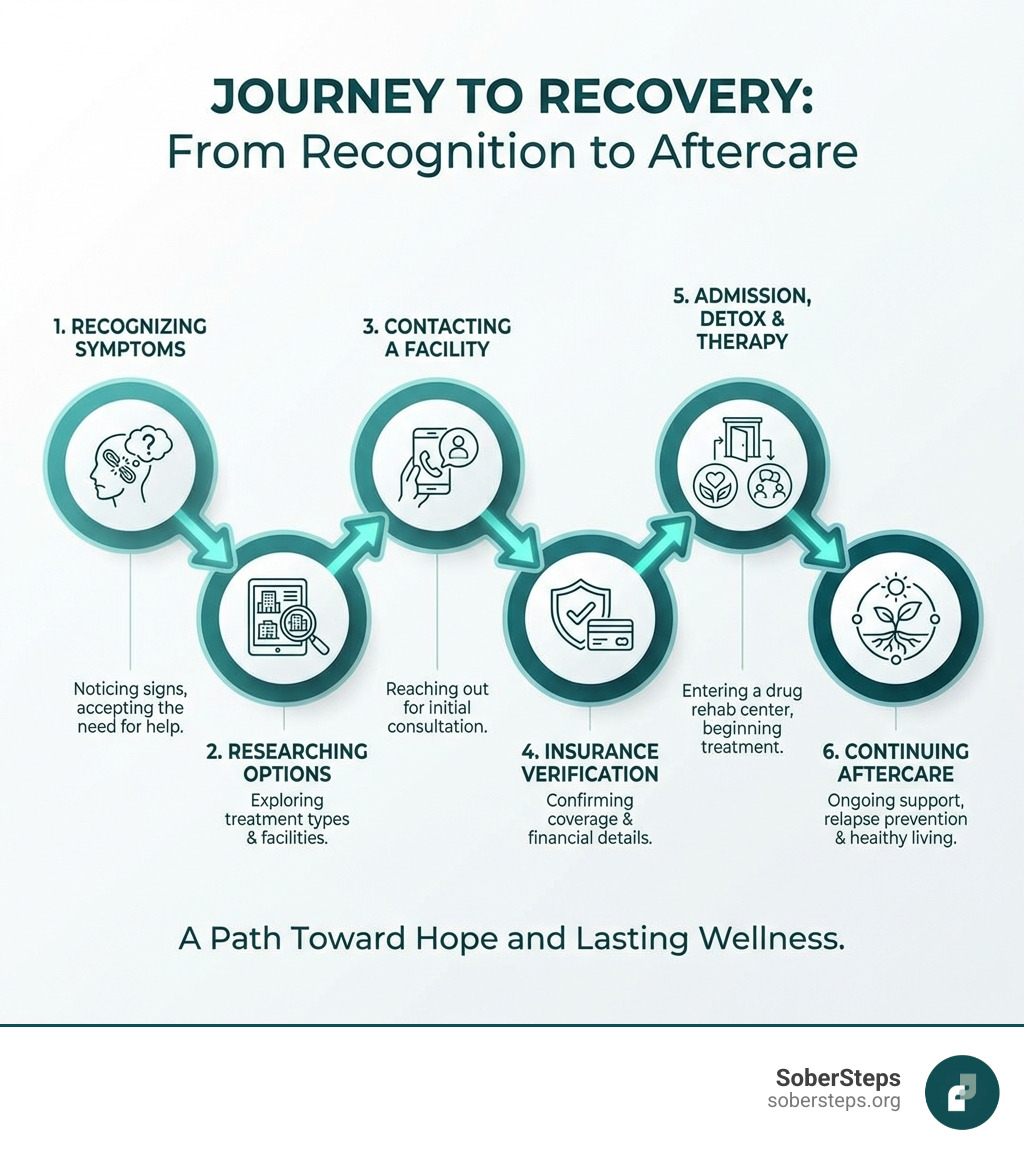
A robust aftercare plan is essential for transitioning from rehab to daily life. Key components include:
- Aftercare Plans: Before leaving rehab, a personalized Aftercare plan is created, outlining ongoing therapy and support.
- Sober Living Homes: These structured, substance-free homes bridge the gap between intensive treatment and independence. Learn about Sober Living.
- Ongoing Therapy & Support: Continuing with therapy, alumni programs, and support groups helps reinforce skills and community connection.
- Relapse Prevention: Practicing Relapse Prevention strategies is crucial for identifying triggers and managing stress.
Long-term follow-up is key to preventing relapse. Get support for life after rehab through our resources.
How to Support a Loved One in Recovery
Supporting a loved one after their time at a drug rehab center requires education, boundaries, and self-care.
- Educate Yourself: Learn about addiction as a disease to provide effective support.
- Set Healthy Boundaries: Protect yourself and your loved one by avoiding enabling behaviors.
- Communicate Openly: Practice honest, non-judgmental communication.
- Participate in Family Therapy: Heal relationships and improve family dynamics.
- Seek Your Own Support: Join family support groups to connect with others in similar situations.
- Be Patient: Recovery is a long-term process. Offer compassion and understanding through its ups and downs.
For more guidance, see our Guide to Family Addiction Resources. Access family resources through SoberSteps.
What is the Success Rate of Drug Rehab?
Defining the “success rate” of drug rehab centers is complex because addiction is a chronic disease. Relapse can be part of the journey, but it doesn’t mean treatment has failed. It’s an opportunity to adjust the recovery plan.
Success is more than just abstinence. It includes improved health, better relationships, and a higher quality of life. Like other chronic conditions, addiction requires ongoing management. Treatment at drug rehab centers works, and with commitment to the process and ongoing support, many people achieve lasting recovery. For more, read our insights on Understanding Recovery Outcomes.
Frequently Asked Questions about Drug Rehab Centers
Here are answers to some of the most common questions about drug rehab centers.
How do I get someone into rehab who doesn’t want to go?
While you can’t force an adult into treatment (unless they are a danger to themselves or others), you can take proactive steps. Consider a professional intervention, where loved ones present a clear treatment plan and consequences for refusal. It’s also important to express your concern calmly, set firm boundaries to stop enabling behavior, and use motivational language to encourage change. The person must choose recovery, but your actions can influence their decision. We offer Intervention Resources to help.
Will I lose my job if I go to rehab?
Generally, no. Federal laws like the Family and Medical Leave Act (FMLA) and the Americans with Disabilities Act (ADA) offer job protection for those seeking treatment for a substance use disorder. FMLA provides up to 12 weeks of unpaid, job-protected leave, and the ADA prevents discrimination. Your medical information must be kept confidential. Speak with your HR department to understand your rights. Learn more at Know Your Rights.
What is a typical day in rehab like?
A day in inpatient rehab is highly structured to promote healing and routine. It typically includes:
- Morning: A healthy breakfast followed by mindfulness activities like meditation or yoga.
- Daytime: A mix of group therapy, individual counseling, and educational workshops on addiction and relapse prevention.
- Afternoon: Recreational activities like exercise or art therapy.
- Evening: Support group meetings (e.g., 12-step) to reinforce community and recovery principles.
This structured schedule helps you focus entirely on recovery. Explore What to Expect in Rehab for more details.
Your Path to Recovery Starts Today
Seeking help from a drug rehab center is a courageous first step. The journey to recovery is challenging, but hope is real and treatment works. It is never too late to reclaim your life from addiction.
SoberSteps is dedicated to guiding you toward lasting sobriety. Our confidential 24/7 Confidential Addiction Helpline connects you with experts who can help you explore options, verify insurance, and find the best rehab centers for your needs. You are not alone.
Begin your recovery journey with SoberSteps today. We’re here to help you get the support you deserve.