
Understanding Behavioral Health Support: Your Path to Wellness Begins Here
Behavioral health support helps individuals manage mental health conditions, substance use disorders, and emotional challenges.
Millions of people in the U.S. experience these issues each year. According to the National Alliance on Mental Illness (NAMI), many are unsure where to turn or what kind of help they need. The encouraging news is that treatment works, and support is available now.
Behavioral health focuses on how thoughts, feelings, and behaviors affect overall wellness. It includes both mental health (like depression or anxiety) and substance use (like alcohol or drug use). Supporting behavioral health can mean anything from short-term counseling to more intensive treatment.
Key Types of Behavioral Health Support:
- Crisis Services – Immediate help via the 988 Suicide & Crisis Lifeline or call (844) 491-5566
- Outpatient Therapy – Individual, family, or group counseling sessions
- Inpatient Treatment – 24/7 care in a residential setting for intensive support
- Medication Management – Working with psychiatrists to find the right treatment
- Support Groups – Peer-led communities like NAMI for ongoing connection
- Crisis Hotlines – Free, confidential help available 24/7/365
How to Access Support:
- Call your primary care provider for a referral.
- Contact your insurance company to find in-network providers.
- Use treatment locators like SAMHSA’s findtreatment.gov.
- Call (844) 491-5566 for immediate, confidential guidance through SoberSteps.
Whether you’re dealing with persistent sadness, addiction, or overwhelming stress, behavioral health support offers professional, evidence-based care to help you reclaim your life. From weekly therapy for coping strategies to intensive residential programs, there is a level of support for many situations.
At Sober Steps, we help individuals steer the complexities of behavioral health support, connecting them with confidential, anonymous, and effective resources for mental health and substance use recovery. Taking the first step can be hard, but you do not have to do it alone.
Recognizing the Need for Professional Help
Sometimes, life throws us curveballs, and our usual coping mechanisms just aren’t enough. It can be hard to admit when we need help, but recognizing the signs and symptoms of a behavioral health challenge is the first courageous step toward healing. Our mental health is just as important as our physical health, and just like a persistent cough or a broken bone, changes in our behavior or mood signal a need for attention.
Common Signs and Symptoms
How do you know if it’s time to seek behavioral health support? Look for changes that are persistent, severe, or interfere with your daily life. The Substance Abuse and Mental Health Services Administration (SAMHSA) and other health organizations highlight several key indicators:
- Unusual mood changes: Prolonged or excessive worry, sadness, hopelessness, irritability, or anger.
- Changes in eating or sleeping habits: Significant changes in eating or sleeping, often accompanied by fatigue or restlessness.
- Difficulty concentrating: A noticeable decrease in the ability to concentrate, make decisions, or remember things.
- Loss of interest in activities: Losing interest in hobbies, social events, or activities you once enjoyed.
- Social withdrawal: Withdrawing from friends, family, and social situations.
- Increased use of substances: Increased reliance on alcohol, drugs, or prescription medication to cope.
- Behavioral changes: Impulsive or risky behavior and increased agitation.
- Physical symptoms: Unexplained physical symptoms like headaches, stomachaches, or chronic pain.
- Work or school performance decline: A decline in performance at work or school.
If you or a loved one are experiencing several of these signs for more than a couple of weeks, it’s a strong indication that professional behavioral health support could be beneficial.
Conditions Addressed by Behavioral Health Support
Behavioral health support isn’t a one-size-fits-all solution; it addresses a wide array of conditions that impact our thoughts, feelings, and behaviors. Many people in the U.S. are affected by conditions that are treatable with the right care. These include:
- Anxiety disorders: Such as Generalized Anxiety Disorder, Panic Disorder, and Social Anxiety Disorder, characterized by excessive worry, fear, and physical symptoms like a racing heart.
- Depression: Persistent feelings of sadness, loss of interest, low energy, and changes in sleep or appetite.
- Addiction and substance use disorders: Compulsive use of substances like alcohol, opioids, or stimulants despite harmful consequences. This also includes behavioral addictions.
- Post-Traumatic Stress Disorder (PTSD): Developing after experiencing or witnessing a traumatic event, leading to flashbacks, nightmares, severe anxiety, and uncontrollable thoughts about the event.
- Bipolar disorder: Characterized by significant mood swings that include emotional highs (mania or hypomania) and lows (depression).
- Eating disorders: Such as anorexia nervosa, bulimia nervosa, and binge-eating disorder, involving severe disturbances in eating behaviors and related thoughts and emotions.
- Attention-Deficit/Hyperactivity Disorder (ADHD): A chronic condition including attention difficulty, hyperactivity, and impulsiveness.
- Autism spectrum disorders: A range of conditions characterized by challenges with social skills, repetitive behaviors, speech, and nonverbal communication.
These are just some of the conditions where expert behavioral health support can make a profound difference, helping individuals not just manage symptoms but thrive.
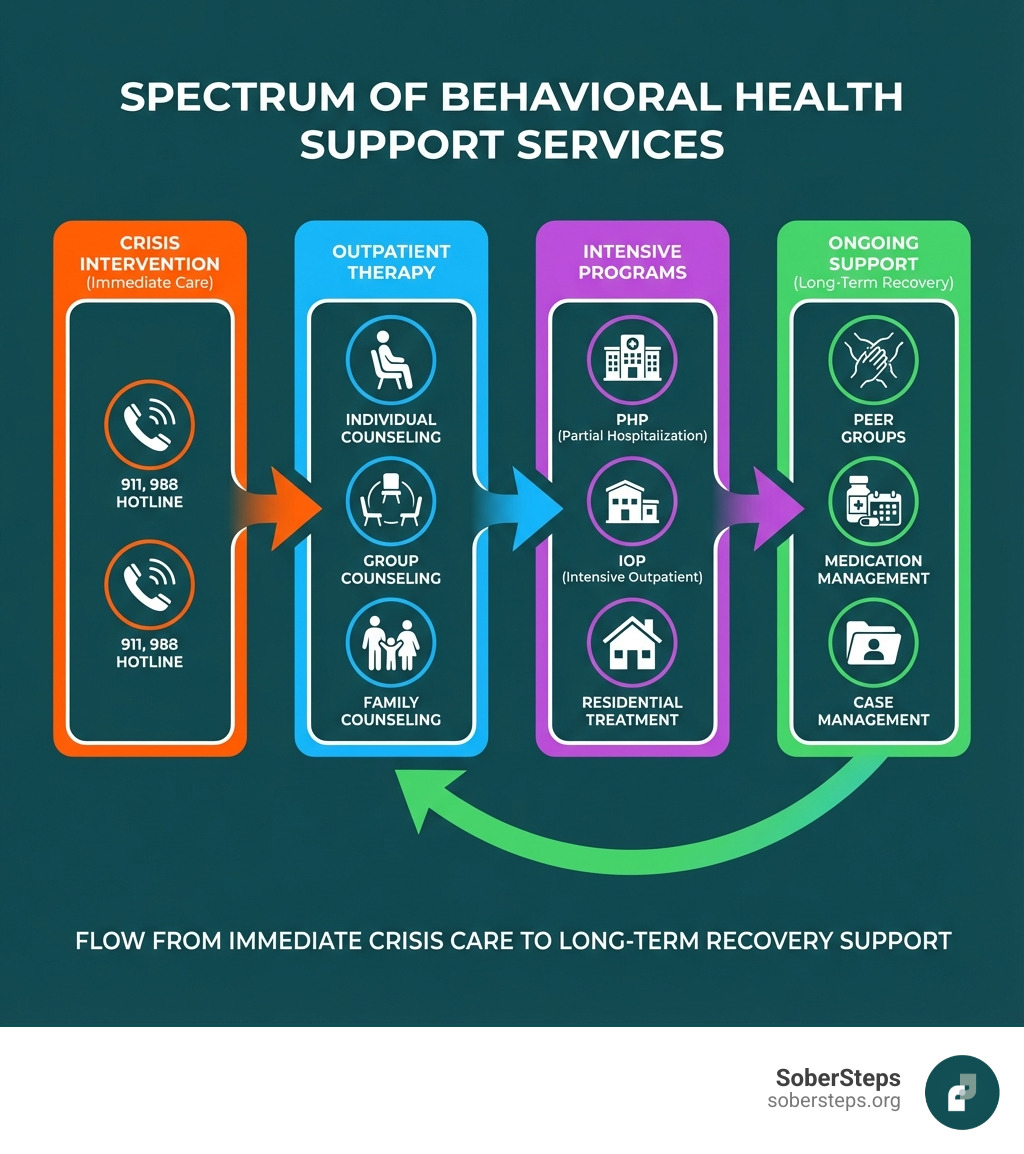
Navigating the Spectrum of Behavioral Health Support Services
Once you’ve recognized the need for support, the next step is understanding the different types of services available. The right option depends on your needs, the severity of your symptoms, and your life circumstances.

Types of Support Settings
Behavioral health support is offered across a spectrum of care, from intensive, around-the-clock treatment to flexible outpatient options.
| SoberSteps Inpatient/Residential Treatment | Outpatient Programs |
|---|---|
| Intensity of Care – Highest (24/7 supervision and support) | Flexible (varies by program, from a few hours to several days a week) |
| Environment – Live-in facility with a structured and supportive routine | Live at home and attend sessions at a clinic or virtually |
| Focus – Crisis stabilization, intensive therapy, and daily structure | Skill-building, symptom management, and maintaining daily life |
| Ideal for – Acute crisis, severe symptoms, safety concerns, or lack of a stable home environment | Stable symptoms, strong support system, and ability to maintain work or school |
| SoberSteps Advantage – Comprehensive, evidence-based care focused on individual needs and long-term recovery. Female Rehab Centers offer specialized support. | Flexible programs designed to fit into daily life while still providing robust therapeutic support. |
- Inpatient Services: For those needing the highest level of care, inpatient or residential treatment provides 24/7 supervision and support in a structured environment. This is often recommended for individuals in acute crisis, with severe symptoms, or when safety is a primary concern.
- Outpatient Services: These options offer flexibility so you can live at home while attending scheduled therapy or programs at a clinic.
- Partial Hospitalization Programs (PHP): Often a step down from inpatient care, PHPs provide intensive treatment several days a week for several hours a day without requiring an overnight stay.
- Intensive Outpatient Programs (IOP): Less intensive than PHP, IOPs typically involve fewer hours per week and focus on maintaining recovery while returning to everyday routines.
- Telehealth and Virtual Therapy Options: Many providers, including SoberSteps, offer therapy and counseling via secure video calls, making care more accessible. This can be especially helpful for people in rural areas or with transportation or mobility challenges.
Understanding Your Options for Behavioral Health Support
Beyond the setting, the specific therapeutic approaches and interventions are crucial.
- Psychotherapy (Talk Therapy): A core element of behavioral health support. It involves working with a trained mental health professional to explore thoughts, feelings, and behaviors.
- Cognitive Behavioral Therapy (CBT): Helps identify and change unhelpful thinking patterns and behaviors. It is often structured, goal-oriented, and focused on building coping skills.
- Dialectical Behavior Therapy (DBT): Often used when people struggle with intense emotions, self-harm, or relationship challenges. DBT teaches mindfulness, distress tolerance, interpersonal effectiveness, and emotion regulation.
- Psychodynamic Therapy: Explores how past experiences and unconscious patterns influence current behavior and relationships.
- Medication Management: For many conditions, medication can be an important part of treatment. Psychiatrists can prescribe and manage medications such as antidepressants, anti-anxiety medications, or mood stabilizers. Medication is often most effective when combined with psychotherapy.
- SoberSteps Clinical Team: SoberSteps offers comprehensive, evidence-based programs led by a multidisciplinary team of psychiatrists, psychologists, therapists, and other professionals who work together to create personalized care plans.
- Holistic Therapies Offered by SoberSteps: To support whole-person healing, SoberSteps may integrate approaches like mindfulness, yoga, art therapy, and nutritional guidance alongside traditional treatments.
- Finding the Right Therapy with SoberSteps Guidance: The SoberSteps intake and assessment process is designed to understand your unique situation and goals. We help you steer your options and connect you with therapists and programs that fit your needs.
For confidential and anonymous guidance in choosing the right level of care, call SoberSteps anytime at (844) 491-5566.
How to Access and Prepare for Care
Taking the step to seek behavioral health support is powerful. Knowing how to access services and prepare for appointments can make the process less stressful.
Finding the Right Provider and Services
Finding a good fit is crucial for effective treatment. You can access services in several ways:
- SoberSteps intake and assessment: Your journey with SoberSteps begins with a confidential intake and assessment. Our team will learn about your needs, recommend appropriate levels of care, and suggest a custom treatment path. Call (844) 491-5566 to start.
- Primary Care Provider (PCP): Your family doctor can offer initial screenings, discuss concerns, and provide referrals to mental health or substance use specialists.
- Insurance Verification with SoberSteps: We can help you understand what your plan covers for behavioral health support and how to use your benefits. Many plans, including Medicaid, Children’s Health Insurance Program (CHIP), and Marketplace plans on HealthCare.gov, offer mental health coverage.
- SoberSteps Helpline and Resources: Our 24/7 helpline at (844) 491-5566 offers confidential, anonymous guidance, helps you understand treatment options, and connects you with appropriate services.
- Federal Resources:
- SAMHSA’s National Helpline (1-800-662-HELP (4357)) provides confidential treatment referrals and information 24/7. Their findtreatment.gov website is an anonymous resource for finding mental and substance use disorder treatment in the U.S.
- The Centers for Medicare & Medicaid Services (CMS) provides an online tool for finding Medicare providers.
- The U.S. Department of Veterans Affairs (VA) has an online tool for finding VA locations and providers.
- National Organizations: The American Psychiatric Association and the American Psychological Association offer provider directories.
- University Health Centers: Many colleges and universities offer mental health and substance use services, including counseling and psychiatric care, for their students.
- Employee Assistance Programs (EAP) in partnership with SoberSteps: EAPs can provide short-term counseling and referrals. SoberSteps can coordinate with your EAP to make care easier to access.
Finding the Right Behavioral Health Support for Different Ages
Behavioral health needs change over time. What works for a teenager may not work for a senior.
- Children and Adolescents: Signs can include behavior problems, prolonged sadness, changes in appetite or sleep, or social withdrawal. Resources like the American Academy of Child and Adolescent Psychiatry (AACAP) help locate specialists, and pediatricians can provide early screening.
- Young Adults: This stage often includes transitions to college, work, or living independently. Anxiety, depression, and substance use disorders are common. University health centers and programs designed for young adults can be helpful.
- Adults: Work, family, and financial pressures can contribute to mental health and substance use challenges. Support may include therapy, medication management, or more intensive programs if needed.
- Seniors: Older adults may face grief, isolation, health changes, or cognitive decline. Custom services that address mobility, medical issues, and social connection are important.
SoberSteps offers guidance for individuals and families across age groups, helping match people with age-appropriate, effective support.
Preparing for a Behavioral Health Appointment and What Questions to Ask
Preparing for your first appointment can help you feel more in control.
- Gather Information: Before your appointment, write down your symptoms, how long they have lasted, and what makes them better or worse. Include any current medications.
- Prepare a List of Questions: The National Institute of Mental Health (NIMH) suggests asking:
- “What experience do you have treating someone with my issue?”
- “How do you usually treat someone with my issue?”
- “How long do you expect treatment to last?”
- “Do you accept my insurance, and what are the costs?”
- “What are your treatment philosophies or approaches?”
- Be Honest: Being open about your feelings and experiences helps your provider give you the best possible care.
- Trust Your Gut: If you do not feel comfortable or understood after a few sessions, it is okay to look for a different provider.
For confidential and anonymous help finding a provider, preparing for your first visit, or choosing the right level of care, you can call SoberSteps anytime at (844) 491-5566.
Immediate Crisis Support and Community Resources
Sometimes the need for behavioral health support is urgent. In a crisis, immediate help is available, and a strong community network can support long-term recovery.
Crisis Hotlines and Emergency Services
When someone may be in danger, knowing where to turn can save a life.
- In a life-threatening emergency, call 911 or go to the nearest emergency room. This is essential if there is immediate risk of harm to self or others.
- 988 Suicide & Crisis Lifeline: If you or someone you know is in suicidal crisis or emotional distress, call or text 988 anytime, or chat online. Trained crisis counselors provide confidential support.
- SoberSteps 24/7 Helpline: Call (844) 491-5566 for immediate, confidential, and anonymous guidance. We can help you understand options, locate resources, and find the right level of care.
- Veterans Crisis Line: Veterans and their supporters can call 988 and press “1,” text 838255, or chat online. Many responders are veterans themselves.
- Disaster Distress Helpline: For emotional distress related to natural or human-caused disasters, call or text 1-800-985-5990. ASL users can connect via videophone.
SoberSteps can also help connect you with specialized resources for veterans, LGBTQ+ youth, and families who need culturally sensitive or identity-affirming care. Call (844) 491-5566 for confidential and anonymous guidance.
The Role of Peer and Family Support
Recovery is often easier with support from people who understand what you are going through.
- Support Groups: Peer-led groups offer a safe place to share experiences. Organizations like NAMI provide free, nationwide peer-support services, and SAMHSA provides resources to find support groups for mental health, drugs, or alcohol.
- Peer Support Specialists: These are trained individuals with lived experience of mental health or substance use challenges who support others with empathy, encouragement, and practical guidance.
- Family-to-Family Programs: Conditions like depression, bipolar disorder, or addiction affect whole families. Programs such as NAMI’s Family-to-Family help loved ones learn about conditions, communication skills, and ways to support recovery.
- Building a Support System: A strong support system that may include friends, family, peers, and professionals is a protective factor for mental health and long-term recovery.
SoberSteps encourages building these connections as part of a holistic recovery plan. For confidential and anonymous help finding crisis resources, support groups, or family programs in your area, call SoberSteps at (844) 491-5566.
Frequently Asked Questions about Behavioral Health Support
We know you may have questions about behavioral health support and how to begin.
What is the difference between a psychiatrist and a psychologist?
Both are mental health professionals, but their training and roles differ:
- Psychiatrist: A medical doctor (M.D. or D.O.) specializing in psychiatry. Psychiatrists can diagnose mental health conditions, prescribe medication, and provide therapy. They often focus on the biological and medical aspects of mental health and medication management.
- Psychologist: A professional with a doctoral degree (Ph.D. or Psy.D.) in psychology. Psychologists are trained in psychological testing, diagnosis, and psychotherapy (talk therapy) but generally cannot prescribe medication. They focus on helping people change thought and behavior patterns and develop coping strategies.
Many people benefit from a combination of both: a psychiatrist for medication management and a psychologist or therapist for psychotherapy.
How do I know if my insurance covers mental health services?
Understanding your insurance benefits can help you avoid financial surprises.
- Contact Your Insurance Provider Directly: Call the member services number on the back of your insurance card and ask:
- “What are my mental health benefits?”
- “Do I need a referral from my primary care physician?”
- “What is my deductible, co-pay, or co-insurance for mental health services?”
- “Is there an annual limit on the number of therapy sessions or psychiatric visits?”
- “Do you cover inpatient, outpatient, or telehealth services?”
- “Can you provide a list of in-network providers in my area?”
- Check Your Policy Documents: Your Summary of Benefits and Coverage (SBC) should outline mental health and substance use benefits.
- Mental Health Parity: The Mental Health Parity and Addiction Equity Act (MHPAEA) generally requires that mental health and substance use disorder benefits are not more restrictive than medical and surgical benefits.
- SoberSteps Insurance Verification: SoberSteps can help you verify your coverage for our programs and explain your options. Call our confidential and anonymous helpline at (844) 491-5566 for assistance.
What should I do if I’m not connecting with my therapist?
The relationship between you and your therapist is important.
- Share Your Concerns: If you feel comfortable, talk with your therapist about what is not working. A good therapist welcomes feedback and may adjust their approach.
- Give It a Little Time: Trust sometimes takes a few sessions to build, especially if you are not used to talking about personal issues.
- Consider a Change: If, after several sessions, you still do not feel heard or supported, it is okay to look for a different therapist. Your comfort and safety matter.
- Reach Out for Guidance: If you are unsure how to switch or find a better fit, SoberSteps can help you explore options and connect with a provider who may be a closer match. Call our confidential and anonymous helpline at (844) 491-5566 for assistance.
For confidential and anonymous help with insurance questions, finding a provider, or exploring different therapy options, call SoberSteps anytime at (844) 491-5566.
Conclusion
Beginning your wellness journey with behavioral health support is a sign of strength. You have learned about common signs that it may be time to seek help, the range of services available, and how crisis support and community resources fit into long-term recovery.
Many people living with mental health and substance use challenges find their way to hope and healing every day. Reaching out for help for yourself or a loved one is a meaningful first step.
At SoberSteps, we believe in accessible, confidential, and compassionate behavioral health support. Our role is to guide you, connect you with appropriate resources, and stand beside you as you move forward.
For confidential and anonymous help finding the right support for you or a loved one, including specialized programs, call our 24/7 helpline at (844) 491-5566 today. Your path to wellness can start with a single call.