
Understanding Your Path to Recovery
Alcohol rehab centers provide professional treatment and support for individuals struggling with alcohol use disorder. If you or a loved one need help, here’s what you need to know:
Quick Overview of Alcohol Treatment Options:
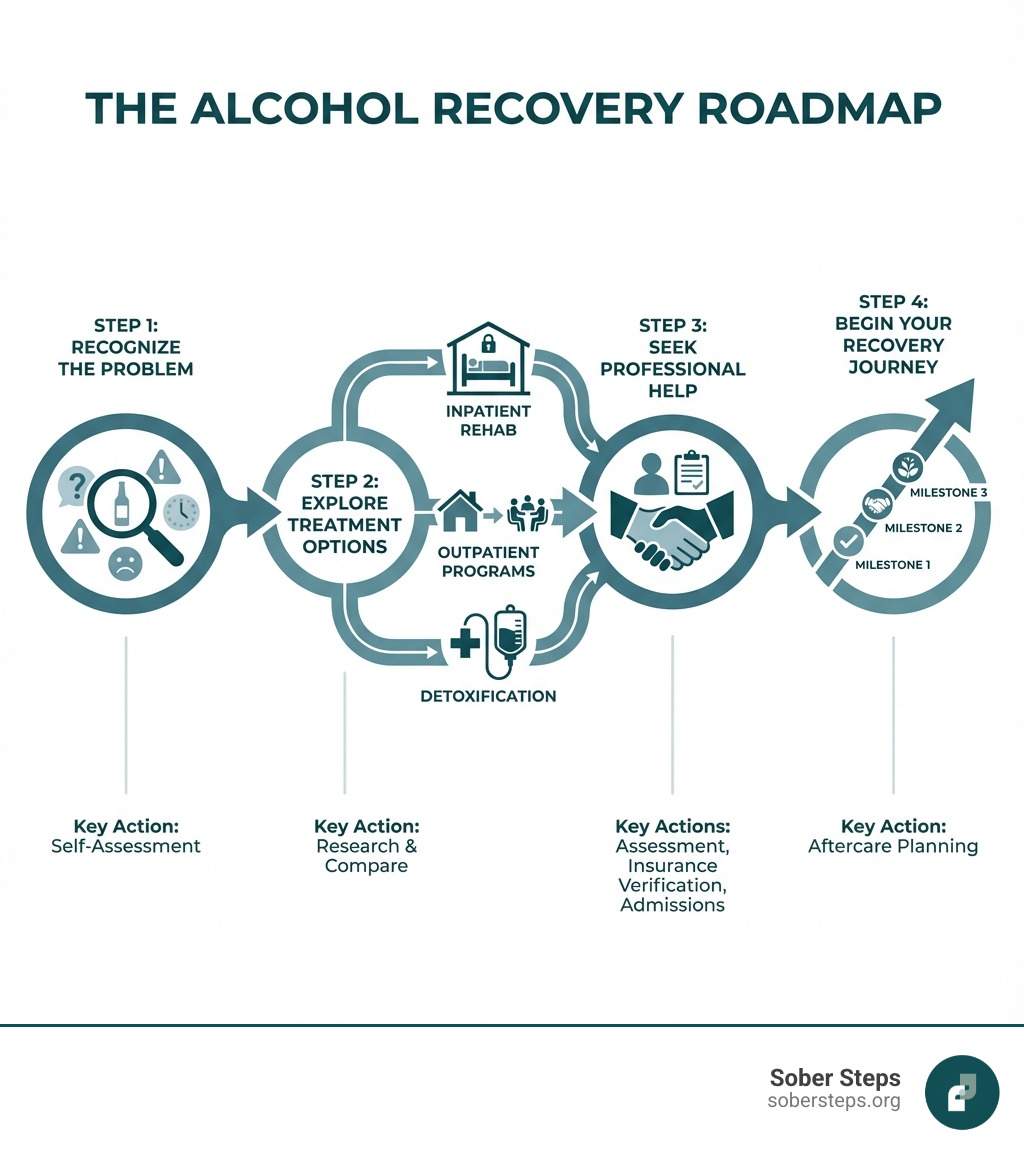
- Inpatient/Residential Rehab – Live at the facility for 30-90+ days with 24/7 medical care and support
- Outpatient Programs – Attend treatment sessions while living at home (IOP, PHP options available)
- Detoxification Services – Medically supervised withdrawal management, typically 2-7 days
- Aftercare Support – Ongoing counseling, support groups, and relapse prevention programs
- Dual Diagnosis Treatment – Integrated care for addiction and mental health conditions
Cost Range: Public rehab services are often free but have wait times. Private facilities typically cost $7,000-$20,000 per month, though insurance may cover treatment.
Alcohol use disorder affects millions of Americans—nearly a quarter of adults meet the criteria for this condition. The good news? It’s a treatable medical condition. Today, more treatment options exist than ever before, from evidence-based medications to various therapy approaches and support structures designed for long-term recovery.
Finding the right treatment can feel overwhelming when you’re facing addiction or watching someone you love struggle. You might wonder where to start, what questions to ask, or whether treatment will even work. These feelings are completely normal—and they’re actually a positive sign that you’re ready to explore solutions.
At Sober Steps, we’ve dedicated ourselves to guiding individuals and families through every stage of the recovery journey, connecting them with trusted alcohol rehab centers and resources nationwide. Our team understands the complexities of finding quality addiction treatment because we’ve helped countless people steer these same challenges and find the right path forward.
To learn more about how Sober Steps can help you compare options, verify insurance, and connect with nearby support, visit our overview of alcohol rehab centers.
Recognizing the Signs of Alcohol Use Disorder
Recognizing the signs of alcohol use disorder (AUD) is often the crucial first step toward seeking help. AUD is a progressive illness, and its symptoms can affect every aspect of a person’s life, from their physical health to their relationships and responsibilities. Alcohol-related problems are among the most significant public health issues in the United States, with millions of adults meeting the criteria for AUD.
We understand that admitting there’s a problem can be incredibly difficult. Individuals struggling with AUD may be in denial about the severity of their illness, or they might feel embarrassed or ashamed. However, it is important to remember that AUD is a medical condition, not a character flaw.
Here are some common signs that someone might need professional help for alcohol addiction:
- Drinking more or longer than intended: You might find yourself unable to control the amount of alcohol you consume, or you drink for longer periods than you planned.
- Wanting to cut down but being unable to: Despite intentions or attempts to reduce drinking, you consistently fail to do so.
- Spending a lot of time drinking or recovering from its effects: A significant portion of your day is dedicated to alcohol-related activities.
- Craving alcohol: You experience strong urges or needs to drink.
- Neglecting responsibilities: Drinking interferes with your obligations at home, work, or school.
- Continuing to drink despite relationship problems: Alcohol use causes issues with family or friends, but you continue to drink.
- Giving up important activities: You stop participating in hobbies, social events, or activities that were once important to you because of alcohol.
- Engaging in risky behaviors: You get into situations while or after drinking that increase your chance of getting hurt, such as driving under the influence.
- Continuing to drink despite health problems: You persist in drinking even though it is making you feel depressed or anxious, or worsening another health condition.
- Tolerance: You need to drink much more alcohol than before to get the same effect, or you find that the usual amount of drinks has much less effect.
- Withdrawal symptoms: When the effects of alcohol wear off, you experience symptoms like trouble sleeping, shakiness, restlessness, nausea, sweating, a racing heart, or anxiety.
If you recognize several of these signs in yourself or a loved one, it’s a strong indicator that professional help is needed. Many people find it helpful to start by discussing concerns with a primary healthcare provider, who can then refer them to a mental health professional for a more comprehensive assessment.
For a more detailed checklist and resources, we encourage you to explore Sober Steps’ guide on AUD symptoms.
Understanding the Different Types of Alcohol Rehab Programs
When you’re ready to seek help, you’ll find that there isn’t a single, one-size-fits-all solution for alcohol addiction. Instead, there’s a spectrum of care options, each designed to meet different needs and severities of alcohol use disorder. These alcohol rehab centers offer various levels of intensity and support, allowing for a personalized treatment approach.
The goal is always to find a program that best suits your individual circumstances, medical condition, and personal preferences. Understanding these different types of programs is key to making an informed decision about your path to recovery.
Here is a comparison of the two primary types of alcohol rehab programs we connect individuals with:
| Feature | Inpatient/Residential Rehab | Outpatient Rehab |
|---|---|---|
| Living Situation | Reside at the treatment facility 24/7 | Live at home, attend scheduled sessions at a facility |
| Intensity of Care | High; 24/7 medical supervision and structured therapy | Varies from high (PHP/IOP) to moderate (Standard Outpatient) |
| Cost | Generally higher, but often covered by insurance | Generally lower than inpatient, also often covered by insurance |
| Ideal Candidate | Severe AUD, co-occurring disorders, unstable home environment, needing detox | Mild to moderate AUD, strong home support, need to maintain work/school |
We believe in a continuum of care, meaning that your treatment journey might involve transitioning between these different levels as your needs evolve. For more detailed information about how we tailor programs to individual needs, please visit more info about our programs.
Medically-Supervised Detoxification
For many individuals, the very first step in overcoming alcohol addiction is a medically-supervised detoxification, or “detox.” If clear and active medical concerns like severe withdrawal symptoms are present, seeking medical treatment for these conditions is paramount. Alcohol withdrawal can be dangerous, leading to severe symptoms like shakiness, restlessness, nausea, a racing heart, and even seizures.
During detox, medical professionals provide 24-hour supervision and intervention to manage withdrawal symptoms safely. This process typically takes between 2 to 7 days, often occurring in an inpatient treatment center or hospital setting. Medications, such as benzodiazepines, are commonly used because they are chemically similar to alcohol in how they interact within the brain, helping to safely regulate the healing process and prevent dangerous complications.
Medically-supervised detox ensures your safety and comfort as your body rids itself of alcohol. It is a crucial preparatory phase, stabilizing your physical health so you can then fully engage in the therapeutic work of recovery.
Inpatient and Residential Treatment
Inpatient and residential alcohol rehab centers offer an intensive, immersive environment for individuals seeking to overcome severe or long-standing alcohol use disorder. In these programs, patients reside at the treatment facility 24/7, removed from the triggers and stresses of their everyday lives. This highly structured setting provides round-the-clock medical care, supervision, and support, making it ideal for those with severe AUD, co-occurring mental health disorders, or an unstable home environment.
Within an inpatient setting, you’ll engage in a comprehensive schedule of therapies, support groups, educational sessions, and activities designed to reconstruct unhealthy behaviors and thinking patterns. The staff, including counselors, social workers, nurses, and doctors, work together to provide holistic care. Research suggests that longer courses of treatment—90 days or more—can lead to more optimal outcomes, though the length of stay can vary from weeks to months depending on individual needs and insurance coverage.
Beyond therapy, residential programs often incorporate community living, allowing individuals to build supportive relationships with peers who are on similar recovery journeys. This safe, substance-free environment fosters healing and prepares you for a healthier life.
Outpatient Treatment Options
Outpatient alcohol rehab centers offer a flexible alternative for individuals who need treatment but also need to maintain their daily responsibilities, such as work, school, or family commitments. With outpatient programs, you live at home and travel to a facility for scheduled therapy sessions and support.
The intensity of outpatient care varies:
- Partial Hospitalization Programs (PHPs): These are highly structured, often involving about 6 hours of treatment per day, 4–5 days a week. They provide a level of care similar to inpatient programs but allow you to return home each evening.
- Intensive Outpatient Programs (IOPs): IOPs typically require about 3 hours of treatment per day, approximately 3 days a week. They offer a significant level of support and therapy while providing more flexibility than PHPs.
- Standard Outpatient Programs: These are the least intensive, involving regular, less frequent therapy sessions. They are often suitable for individuals with milder AUD or those transitioning from more intensive programs.
Outpatient options are best for those with a strong support system at home and a substance-free living environment. They allow you to practice coping skills and relapse prevention strategies in real-world settings, integrating recovery into your daily life. Modern alternatives also include telehealth services and eHealth options, offering remote access to therapists and doctors specializing in addiction.
What to Expect: A Guide to the Rehab Process
Starting on the journey to recovery can bring a mix of emotions—hope, anxiety, and perhaps a bit of uncertainty about what lies ahead. At Sober Steps, we want to explain the process of entering alcohol rehab centers and give you a clear picture of what to expect. From your first contact to the ongoing support after treatment, every step is designed to guide you toward lasting sobriety.

The Admissions Process for Alcohol Rehab Centers
The admissions process is your gateway to healing and support. We strive to make this initial phase as smooth and stress-free as possible. Here is what you can generally expect:
- Initial Contact and Pre-Assessment: Your journey often begins with a confidential phone call. During this call, an admissions counselor will conduct a pre-assessment to understand your unique situation, the severity of your alcohol use, and any co-occurring mental health concerns. This helps us determine the most appropriate level of care for you.
- Insurance Verification: We know that understanding the financial aspect is crucial. Our team will work with you to check your insurance coverage and determine what your policy will cover. Many facilities accept major health insurance providers, which can significantly reduce or eliminate out-of-pocket costs. For those without insurance, we can explore various financing options or state/county-level programs.
- Medical Evaluation: Upon arrival at an alcohol rehab center, you’ll undergo a comprehensive medical screening and assessment. This includes a physical examination, and potentially lab and imaging tests, to identify any underlying physical health issues or complications related to alcohol use. A psychological evaluation will also be conducted to assess mental health.
- Creating a Personalized Treatment Plan: Based on your assessments, a personalized treatment plan will be designed. This plan is custom to your specific needs, addressing not only your alcohol use disorder but also any co-occurring mental health conditions or other challenges.
- What to Pack: You’ll receive clear guidance on what to bring to the facility, typically including comfortable clothing, personal hygiene items, and any necessary medications.
We are here to guide you through every step. For more detailed information about preparing for treatment, please visit learn about the admissions process.
Common Therapies and Services Offered
At quality alcohol rehab centers, treatment is built upon evidence-based practices—approaches backed by scientific research demonstrating their effectiveness. These therapies and services aim to address the root causes of addiction, equip you with coping skills, and promote lasting recovery.
Common therapies and services include:
- Individual Counseling: One-on-one sessions with a licensed therapist allow for deep exploration of personal issues, triggers, and the development of custom coping strategies.
- Group Therapy: These sessions provide a supportive environment where you can share experiences, learn from peers, and practice new social skills in a safe setting. It fosters a sense of community and reduces feelings of isolation.
- Cognitive Behavioral Therapy (CBT): A widely used evidence-based therapy, CBT helps you identify and change negative thought patterns and behaviors that contribute to alcohol use.
- Motivational Improvement Therapy: This therapy helps you build and strengthen your motivation to change your drinking behavior.
- Contingency Management: This approach uses incentives to reinforce positive behaviors, such as sobriety.
- Family Therapy/Couples Counseling: Addiction impacts the entire family. These sessions help improve communication, heal relationships, and establish healthy boundaries, involving loved ones in the recovery process.
- Medication-Assisted Treatment (MAT): For many, medications play a crucial role. Non-addictive medications approved for alcohol use disorder, such as Naltrexone, Acamprosate, and Disulfiram, can help reduce cravings, manage withdrawal symptoms, and prevent relapse. These are most effective when used in combination with behavioral therapies.
- Holistic and Experiential Therapies: Many centers complement traditional therapies with activities like yoga, meditation, art therapy, music therapy, or physical fitness. These can aid in stress reduction, emotional expression, and overall well-being.
- Life Skills Training: Recovery involves rebuilding a life. Programs often include training in essential life skills such as stress management, communication, financial literacy, and healthy relationship building.
- Case Management: A case manager helps coordinate your care, ensuring you have access to all necessary resources and support services during and after treatment.
These comprehensive services are designed to provide a well-rounded approach to healing, addressing your physical, mental, and emotional needs.
Aftercare: Continuing Support for Lasting Sobriety
Completing an initial treatment program is a significant achievement, but recovery is an ongoing journey, not a destination. Aftercare planning is a crucial component for maintaining long-term sobriety and preventing relapse. It is a preplanned guide for your next steps, developed with your clinical team.
Effective aftercare strategies include:
- Relapse Prevention Planning: This involves identifying your personal triggers and developing concrete strategies to cope with them, as well as an emergency plan in case of high-risk situations.
- Sober Living Facilities: For some, transitioning to a sober living home provides a structured, substance-free environment that bridges the gap between inpatient treatment and fully independent living.
- Alumni Programs: Many alcohol rehab centers offer alumni networks, providing a community of support, ongoing events, and opportunities to connect with others who have completed the program.
- Support Groups: Mutual support groups are invaluable. Organizations like Alcoholics Anonymous (AA), SMART Recovery, Women for Sobriety, and Secular AA offer peer-led meetings that provide encouragement, shared experiences, and accountability.
- Ongoing Therapy and Counseling: Continuing individual or group therapy sessions after formal treatment helps reinforce coping skills, address new challenges, and provide consistent professional support.
- Medication Management: If medication was part of your treatment, continued management by a psychiatrist or physician is essential for sustained recovery.
- Environmental Adjustments: Evaluating and adjusting your environment, including social networks and living situations, to support your sobriety is key.
Setbacks can be part of the recovery process, and it is important to view them as temporary challenges, not failures. A strong aftercare plan provides the tools and support to steer these moments and get back on track.
For more information on how we support individuals beyond their initial treatment phase, please visit information on continuing support.
Key Considerations for Choosing Alcohol Rehab Centers
Choosing the right alcohol rehab center is one of the most important decisions you’ll make on the path to recovery. It is a personal choice that should align with your specific needs, preferences, and financial situation. We understand that this process can feel daunting, but by focusing on key factors, you can make an informed decision that sets you up for success.
How to Find Reputable Alcohol Rehab Centers
Finding a reputable alcohol rehab center involves careful research and asking the right questions. We always recommend looking for facilities that prioritize patient well-being and evidence-based care.
Here are key aspects to consider:
- Accreditation: Look for centers accredited by recognized organizations like the Joint Commission or CARF (Commission on Accreditation of Rehabilitation Facilities). Accreditation signifies that a facility meets rigorous standards for quality, effectiveness, and patient-centered care.
- Staff Credentials and Experience: Ensure the treatment team includes licensed physicians, certified addiction counselors, psychologists, social workers, and other qualified professionals. An experienced, multidisciplinary team is crucial for comprehensive care.
- Evidence-Based Methods: A reputable center will use therapies and treatments proven effective through scientific research, such as Cognitive Behavioral Therapy (CBT), Motivational Interviewing, and medication-assisted treatment (MAT). Ask about their specific therapeutic approaches.
- Personalized Treatment Plans: Effective treatment is never one-size-fits-all. A good center will conduct a thorough assessment to create an individualized treatment plan custom to your specific needs, including any co-occurring mental health conditions.
- Levels of Care Offered: Does the center offer a continuum of care, including detox, inpatient, outpatient, and aftercare services? This flexibility allows for smooth transitions as your needs change.
- Reviews and Testimonials: While not the sole factor, patient testimonials and reviews can offer insights into the experiences of others.
- Asking Questions: Don’t hesitate to ask potential alcohol rehab centers about their treatment philosophy, success measurement, how they handle setbacks, and their approach to family involvement.
We are here to help you steer these choices. For guidance on selecting the best center for your needs, visit how to choose the right rehab center.
The Cost of Rehab: Understanding Your Options
The cost of alcohol rehab centers is a significant consideration for many, but it shouldn’t be a barrier to seeking help. We believe that everyone deserves access to quality treatment, and there are various options available to make it affordable.
- Private Rehab Costs: Private facilities in the US typically range from $7,000 to $20,000 per month, though this can vary widely based on location, amenities, and length of stay.
- Insurance Coverage: Many alcohol rehab centers accept major health insurance providers. Your health insurance plan may cover a significant portion, or even all, of the treatment costs. We can help you verify your benefits to understand your coverage.
- State and County-Funded Programs: For those without private insurance or limited financial resources, state and county-funded programs offer free or low-cost services. However, these programs often have wait times due to high demand.
- Financing Options and Payment Plans: Many private centers offer flexible payment plans, scholarships, or financing options to help manage costs. Don’t be afraid to discuss your financial situation with admissions teams, as they can often work with you.
The most expensive option isn’t always the best, and conversely, cost should not prevent you from seeking life-saving care. We are committed to helping you understand your financial options and connect you with accessible treatment.
Why Dual Diagnosis Treatment is Crucial
It’s very common for alcohol use disorder to co-occur with other mental health conditions. This is known as a dual diagnosis or co-occurring disorder. Conditions such as depression, anxiety disorders, trauma- and stress-related disorders, and sleep disorders frequently accompany AUD.
Why is dual diagnosis treatment so important? Because untreated mental health issues can fuel addiction, and vice versa. If only one condition is addressed, the other can sabotage recovery efforts, making sustained sobriety incredibly challenging. For example, someone might drink to self-medicate anxiety, and if the anxiety isn’t treated, the urge to drink will likely return.
Reputable alcohol rehab centers understand this connection and offer integrated treatment. This means both the alcohol use disorder and any co-occurring mental health conditions are treated simultaneously, by the same team of professionals. This holistic approach treats the root causes of both conditions, leading to more effective results and better long-term recovery outcomes. When seeking a rehab center, always ask about their approach to dual diagnosis.
The Role of Family and Friends in Recovery
Alcohol use disorder doesn’t just affect the individual; it impacts the entire family unit and close friends. Loved ones often experience emotional distress, financial strain, and broken trust. However, family and friends also play a crucial role in supporting someone seeking treatment and in their long-term recovery.
- Building a Support System: Encouraging and participating in treatment, attending family therapy sessions, and creating a positive, substance-free home environment are powerful ways to support recovery.
- Setting Boundaries: While support is vital, so are healthy boundaries. Learning to say no to enabling behaviors, even when difficult, is essential for both the individual in recovery and the well-being of the family.
- Family Therapy: Many alcohol rehab centers offer family counseling as part of their program. These sessions help improve communication, address underlying family dynamics, and heal relationships strained by addiction.
- Avoiding Enabling: Enabling can inadvertently prolong the addiction cycle. This includes making excuses, providing financial support that facilitates drinking, or shielding the individual from the natural consequences of their actions.
- Self-Care for Loved Ones: Supporting someone through addiction and recovery is emotionally taxing. It’s crucial for family members and friends to prioritize their own mental and emotional health.
Support Groups for Families: Just as individuals in recovery benefit from peer support, so do their loved ones. These groups provide a safe space to share experiences, gain understanding, and learn coping strategies.
- Al-Anon Family Groups
- SMART Recovery Family & Friends
- Adult Children of Alcoholics Dysfunctional Families World Service Organization
You don’t have to steer this alone. We offer resources and support for families to help heal and rebuild together. Find support with Sober Steps Family Programs.
Take Control and Begin Your Journey Today
We hope this guide has illuminated the path to recovery and demystified the process of finding the right alcohol rehab centers. Alcohol use disorder is a treatable medical condition, and recovery is absolutely possible. It’s a journey, not a destination, marked by persistence, learning, and growth. Even with setbacks, which are a normal part of the process, sustained recovery is within reach.
Taking that first step—reaching out for help—is often the hardest, but it’s also the most important. You don’t have to face this challenge alone. At Sober Steps, we are dedicated to connecting you with trusted addiction treatment and support services nationwide. We’re here to guide you, answer your questions, and help you find the care you deserve.
It is time to reclaim your life and begin your journey toward lasting sobriety. We’re ready to help.
- Explore our approach to recovery and find the right program for you
- Learn more about our programs and services
- Understand our admissions process
To speak with a Sober Steps support specialist about nearby alcohol rehab centers, visit our contact page to request a confidential callback.