Stimulant Addiction is a chronic brain disease characterized by compulsive use of substances that speed up the central nervous system, despite harmful consequences. Here’s what you need to know:
What it is: A disorder involving cocaine, methamphetamine, or prescription drugs like Adderall® and Ritalin®
How common: 7% of Americans (10.3 million people) misused stimulants in the past year
Key danger: Overdose deaths involving stimulants more than tripled between 2010 and 2017
Hope: Evidence-based treatments like Contingency Management and Cognitive-Behavioral Therapy can help you recover
Stimulants are drugs that increase activity in your central nervous system (CNS)—the command center of your brain and body. They make you feel more alert, energetic, and focused by flooding your brain with dopamine and norepinephrine. This might sound helpful, and for some people with ADHD taking medication as prescribed, it is. But when misused, these substances hijack your brain’s reward system and create a powerful cycle of dependence.
The numbers paint a stark picture. In 2020, 758,000 Americans aged 12 and older had a prescription stimulant use disorder. Almost 5 million people reported misusing prescription stimulants. And the crisis is getting deadlier—especially when stimulants are mixed with opioids like fentanyl, which has become increasingly common.
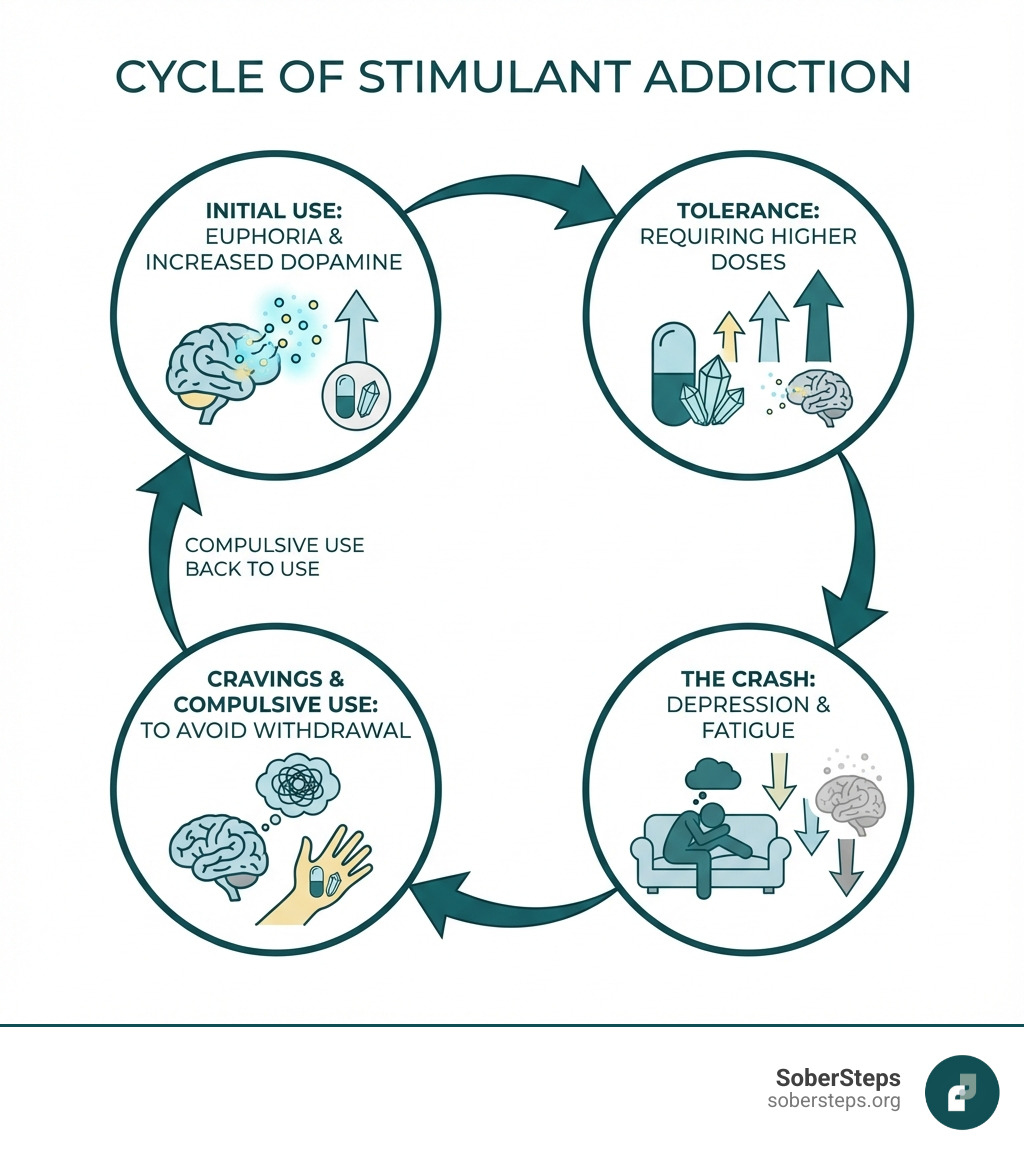
The pattern is often the same: You use stimulants to feel good or perform better. Your brain adapts. You need more to get the same effect. You start using just to feel normal. You try to quit but face intense cravings and crushing fatigue. You use again. This isn’t a moral failing—it’s a chronic, relapsing medical illness rooted in changes to your brain chemistry.
But here’s the critical truth: recovery is absolutely possible. Thousands of people overcome stimulant addiction every year with the right treatment and support. In 2020 alone, 94,000 people aged 18 and older received treatment for stimulant addiction. You can be one of them.
At Sober Steps, we’ve dedicated ourselves to connecting people struggling with Stimulant Addiction to confidential, evidence-based treatment options across the United States. We understand the overwhelming feeling of not knowing where to turn, and we’re here to guide you toward the help you deserve.
What Are Stimulants and How Do They Hijack the Brain?
Stimulants are a class of drugs that “speed up” the body’s systems, primarily by increasing the activity of your central nervous system. This surge in activity leads to heightened alertness, increased attention, and a boost in energy. While some stimulants have legitimate medical uses, others are entirely illicit, and all carry a significant risk of misuse and Stimulant Addiction.
These powerful substances interact directly with your brain’s neurotransmitter systems, particularly dopamine and norepinephrine. Dopamine is crucial for feelings of pleasure, motivation, and reward, while norepinephrine influences mood, attention, and arousal. The artificial surge of these chemicals is what creates the intense, often euphoric, effects users seek. However, this hijacking of natural brain processes is also what paves the way for dependence and addiction.
Types of Stimulants
Stimulants come in various forms, from prescription medications to illicit street drugs and even some over-the-counter products. Understanding the different types is crucial to recognizing their impact.
Here’s a list of common stimulants:
Prescription Stimulants: These are legally prescribed to treat conditions like Attention-Deficit/Hyperactivity Disorder (ADHD), narcolepsy, and sometimes obesity. When used as directed by a healthcare professional, they can be effective. However, when misused—taken in higher doses, more frequently, or by routes other than prescribed—they can lead to Stimulant Addiction.
Amphetamines: This category includes drugs like Adderall® and Dexedrine®. Adderall®, approved in 1960, is one of the most commonly prescribed amphetamines in the United States.
Methylphenidate: Drugs such as Ritalin® and Concerta® fall into this group. Ritalin® was approved for treating hyperactive children in 1955.
Diet Aids: Older prescription weight-loss drugs like Didrex®, Bontril®, and Meridia® also have stimulant properties.
Desoxyn®: This is a prescription form of methamphetamine, introduced in 1947, with very limited medical use due to its high abuse potential.
Illicit Stimulants: These drugs have no recognized medical purpose and are manufactured and distributed illegally. They are highly addictive and dangerous.
Cocaine: A powerful, short-acting stimulant that can be snorted, smoked (as crack), or injected.
Methamphetamine (Meth): Often referred to as “crystal meth,” “crank,” or “ice,” methamphetamine is a highly potent and neurotoxic stimulant, usually smoked, snorted, or injected. Street methamphetamine is made in illegal labs using various, often toxic, ingredients.
Methcathinone and Synthetic Cathinones (“Bath Salts”): These are often sold under deceptive names and can produce unpredictable and severe effects.
Over-the-Counter (OTC) Stimulants: While not typically the primary focus of Stimulant Addiction, chemicals with stimulant properties are found in some OTC products.
Ephedrine and Pseudoephedrine: Found in certain allergy and cold medicines, these substances have stimulant effects and are often diverted for illicit methamphetamine production. Their sale is regulated by the Combat Methamphetamine Epidemic Act of 2005 to prevent this misuse.
Schedule I vs. Schedule II Drugs: In the United States, drugs are classified into schedules based on their potential for abuse and accepted medical use. Schedule I drugs, like illicit cocaine and methamphetamine, have no accepted medical use and a high potential for abuse. Schedule II drugs, such as prescription amphetamines and methylphenidate, have a high potential for abuse but also accepted medical uses. This classification underscores the serious risk of addiction associated with both categories.
How Stimulants Affect the Brain and Body
The way stimulants interact with your brain and body is central to understanding their allure and their danger.
Stimulants primarily work by increasing the levels of certain neurotransmitters, most notably dopamine and norepinephrine, in the brain. This surge leads to:
Dopamine and Norepinephrine Surge: Normally, these neurotransmitters are released in response to natural rewards like food or exercise. Stimulants cause an unnatural and intense flood, overwhelming the brain’s natural communication system. This is the core mechanism behind the “high.”
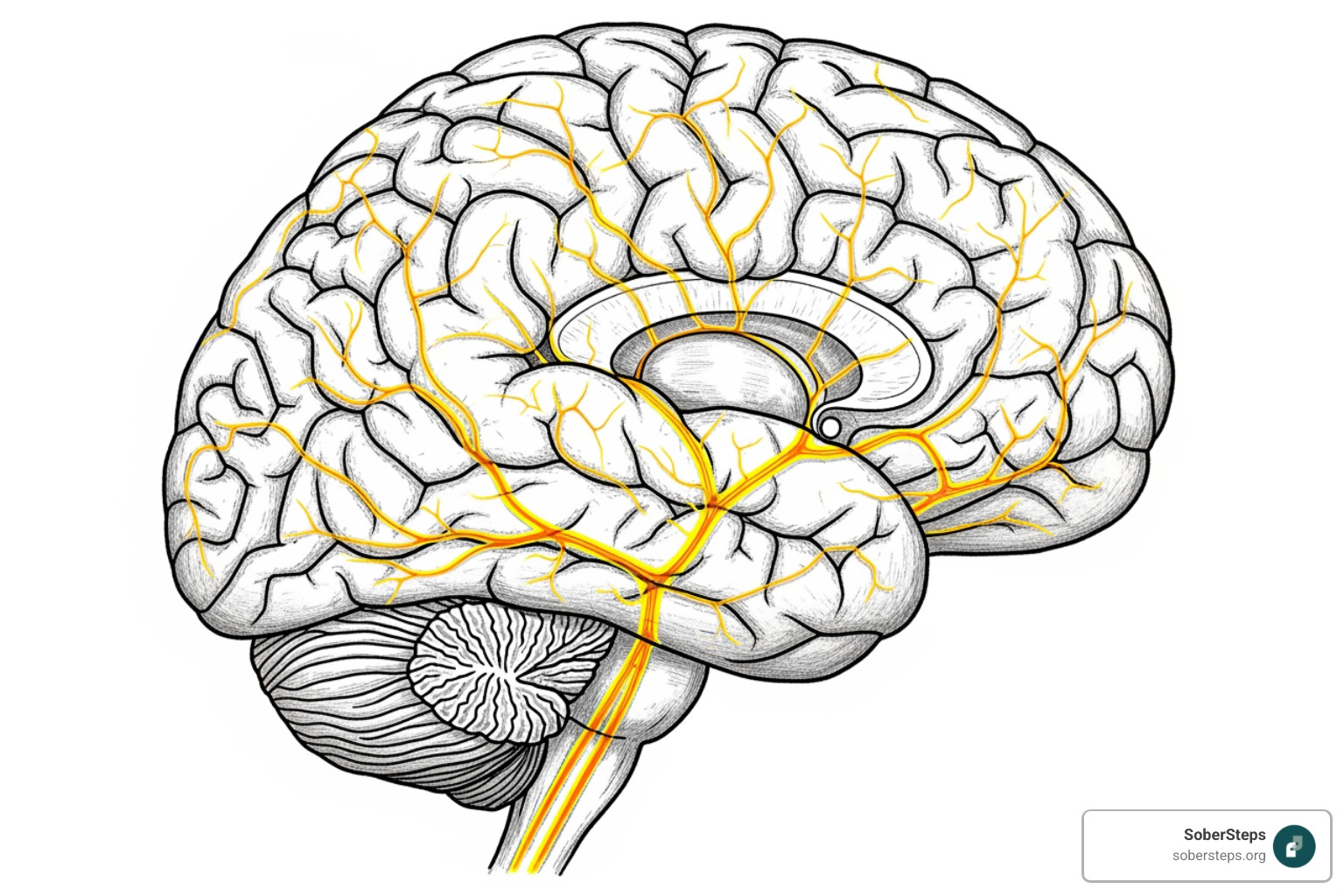
Brain’s Reward System: The brain’s reward system, involving structures like the limbic system, is designed to encourage behaviors essential for survival. Stimulants artificially activate this system, creating an intense feeling of pleasure and motivation. This powerful positive reinforcement teaches the brain to associate the drug with extreme reward, leading to compulsive seeking and use. To understand more about this circuit, you can watch The brain’s reward circuit explained by NIDA.
Increased Heart Rate and Blood Pressure: On a physiological level, stimulants significantly increase your heart rate, blood pressure, and body temperature. This can lead to a range of immediate effects, from restlessness and talkativeness to more severe symptoms like dizziness, tremors, chest pain, and even heart palpitations.
Euphoria and Energy: Users often experience intense feelings of euphoria, boundless energy, heightened confidence, and increased concentration. This can make them feel invincible or exceptionally productive, leading some, like students or athletes, to misuse prescription stimulants for performance improvement.
The “Crash”: Once the stimulant’s effects wear off, the brain, now depleted of its natural neurotransmitters, experiences a sharp rebound effect. This is known as the “crash,” characterized by profound fatigue, intense depression, anxiety, irritability, and strong cravings for more of the drug to alleviate these unpleasant feelings. This cycle of intense highs followed by severe lows is a hallmark of Stimulant Addiction.
Recognizing the Signs and Dangers of Stimulant Addiction
Stimulant Addiction, clinically known as Stimulant Use Disorder (StUD), is a serious condition that affects millions of Americans. It’s not always obvious, especially with prescription stimulants, but there are clear signs and dangerous risks associated with its development.
The diagnosis of StUD is based on criteria outlined in the Diagnostic and Statistical Manual of Mental Disorders (DSM-5). These criteria cover a range of symptoms, including impaired control over use, social impairment, risky use, and pharmacological indicators like tolerance and withdrawal. Our goal at SoberSteps is to help you understand these signs so you can identify them in yourself or a loved one and seek timely help.
Key Signs and Symptoms of Stimulant Addiction
Recognizing the signs of Stimulant Addiction can be challenging, as individuals often go to great lengths to conceal their use. However, a pattern of behavioral, physical, and psychological changes usually emerges.
Here are some key indicators:
Behavioral Signs:
Using more or for longer than intended: Despite intentions, the person uses more of the stimulant or for a longer period than planned.
Persistent desire to quit or cut down: They may express a wish to stop or reduce use but are unable to do so.
Spending excessive time obtaining, using, or recovering from the drug: A significant portion of their day revolves around stimulant use.
Cravings: An intense urge or desire for the stimulant that can be hard to resist.
Failure to fulfill major obligations: Neglecting work, school, or home responsibilities due to stimulant use.
Continued use despite negative consequences: Persisting with stimulant use even when it causes or worsens social, personal, or health problems.
Reduced activities: Giving up or reducing important social, occupational, or recreational activities because of stimulant use.
Repeated use in physically hazardous situations: Using stimulants in situations where it’s dangerous (e.g., driving under the influence).
Physical Symptoms:
Weight loss and nutritional deficiencies: Suppressed appetite is common.
Dilated pupils, rapid eye movement.
Increased heart rate, blood pressure, and body temperature.
Tremors or convulsions.
“Meth mouth” and skin sores: Chronic methamphetamine use can lead to severe dental decay and skin picking (due to sensations of “bugs crawling under the skin”).
Poor hygiene.
Tolerance development: Needing increasingly larger doses of the stimulant to achieve the desired effect.
Withdrawal symptoms: When use stops or decreases, individuals experience a “crash” which includes:
Intense fatigue and lethargy
Profound depression and anhedonia (inability to feel pleasure)
Increased appetite and sleep (sometimes excessive)
Vivid, unpleasant dreams
Anxiety and irritability
Strong cravings for the drug
In severe cases, suicidal ideation may occur.
Psychological Indicators:
Mood swings, irritability, and anger.
Paranoia, hallucinations, and delusions: Especially with high-dose or chronic use, stimulant-induced psychosis can occur.
Anxiety and restlessness.
Hostility and aggression.
Impaired judgment and decision-making.
The Risks of Stimulant Abuse and Polysubstance Use
The dangers associated with stimulant abuse extend far beyond the immediate “high.” Long-term misuse can lead to severe health problems, and the increasing trend of polysubstance use amplifies these risks exponentially.
Cardiovascular Damage: Stimulants put immense strain on the heart and blood vessels. Chronic use can lead to irregular heartbeat (arrhythmia), high blood pressure, heart attack, stroke, and even heart failure.
Neurological Effects: Beyond addiction, stimulants can cause lasting neurological damage. This includes persistent psychosis, paranoia, anxiety, and severe mood disturbances. Cognitive impairments in attention, memory, and decision-making are also common. Chronic methamphetamine use, for instance, can lead to neurotoxicity affecting dopamine and serotonin systems, potentially causing long-lasting cognitive deficits and even Parkinson-like symptoms.
Nutritional Deficiencies: Suppressed appetite and erratic eating habits often lead to significant weight loss and malnutrition, weakening the body’s overall health and immune system.
Infectious Disease Risk: For individuals who inject stimulants, the risk of contracting bloodborne diseases like HIV and viral hepatitis (Hepatitis B and C) is extremely high, especially if needles are shared. Injection drug use can also lead to serious infections such as infective endocarditis (an infection of the heart lining).
Overdose Potential: Overdosing on stimulants can be fatal, leading to high fever, convulsions, and cardiovascular collapse. The rate of emergency room visits for stimulants has steadily increased, from 2,303 in 2004 to 17,272 in 2011, highlighting the acute dangers.
Polysubstance Use Dangers: The co-use of stimulants with other substances, particularly opioids, has become a major concern and a leading cause of overdose deaths.
Increased Overdose Risk with Opioids: Psychostimulant-related overdose deaths involving opioids have been increasing over the past 20 years. Fentanyl, a highly potent synthetic opioid, is largely responsible for the dramatic rise in fatalities since 2010. Polysubstance use, specifically the co-consumption of synthetic opioids and psychostimulants like cocaine and methamphetamine, was largely responsible for the increases in cocaine- and MA-related overdose deaths observed from 2012 to 2017. The stimulant might mask the sedative effects of the opioid, leading individuals to take more, increasing the risk of fatal respiratory depression.
Alcohol and Other Depressants: In 2011, alcohol was present in 38 percent of emergency room visits that involved stimulants. Mixing stimulants with alcohol or benzodiazepines can lead to unpredictable and dangerous outcomes, as the body is subjected to conflicting physiological demands.
The urgency of this crisis is clear. Stimulant use is indeed contributing to rising fatal drug overdoses, as highlighted by statistics on stimulant misuse in the US.
The Science of a Chronic Disease: Why Quitting is So Hard
If you or a loved one is struggling with Stimulant Addiction, you know how incredibly difficult it is to stop. This isn’t a lack of willpower; it’s the result of profound changes within the brain. Substance Use Disorders (SUDs) are recognized as chronic, relapsing medical illnesses, and understanding their neurobiological basis helps us approach treatment with empathy and effectiveness.
The brain adapts to the constant presence of stimulants through a process called neuroadaptation. It tries to restore balance, but in doing so, it creates a new “normal” where the drug is essentially required for basic functioning. This explains why quitting is so hard and why relapse is a common part of the recovery journey.
The Brain’s Reward and Stress Systems
Our brains are wired for survival and pleasure. The reward system, primarily involving dopamine pathways, is a powerful motivator. When we engage in life-sustaining activities like eating, drinking, or social bonding, dopamine is released, creating a pleasant sensation that encourages us to repeat these behaviors.
Dopamine’s Role in Motivation: Stimulants, however, cause an artificial and massive surge of dopamine—far beyond what natural rewards produce. This creates an intense, almost irresistible, positive feedback loop. The brain learns that the drug delivers an unparalleled reward, reinforcing the compulsive desire to seek and use it again. With repeated use, the brain’s reward circuits become desensitized. More and more of the stimulant is needed to achieve the same pleasure, a phenomenon known as tolerance.
The “Anti-Reward” or Stress System: As the addiction progresses, another system becomes increasingly influential: the stress system, sometimes called the “anti-reward” system. This system drives negative reinforcement. When the stimulant wears off, the brain goes into withdrawal, experiencing intense discomfort, anxiety, and dysphoria (a state of unease or generalized dissatisfaction with life). The motivation to use the stimulant shifts from seeking pleasure (positive reinforcement) to alleviating this pain and discomfort (negative reinforcement). This becomes a powerful driver for compulsive use, trapping individuals in a cycle where they use simply to feel “normal” or to avoid the agony of withdrawal.
Chronic and Relapsing Nature Explained: The interplay of these systems leads to the chronic, relapsing nature of Stimulant Addiction. The brain’s structure and function are altered, affecting impulse control, decision-making, and emotional regulation. Even after periods of abstinence, the brain retains these adaptations, making individuals vulnerable to relapse, especially when exposed to triggers.
The Role of Cravings and Memory in Stimulant Addiction
One of the most powerful and persistent challenges in overcoming Stimulant Addiction is dealing with cravings. These aren’t just fleeting desires; they are intense, often overwhelming urges rooted deeply in the brain’s memory systems.
Environmental Triggers: Over time, the brain forms strong associations between stimulant use and various cues in a person’s environment. These can be anything from specific people, places, or objects (like drug paraphernalia) to certain moods, times of day, or even particular smells.
Cue-Induced Craving: When an individual encounters these environmental triggers, even years after achieving sobriety, their brain can react by triggering intense cue-induced craving. This is a powerful, learned response, where the mere presence of a cue can activate the brain’s reward pathways and produce a physiological and psychological desire for the drug. This can feel like an automatic, involuntary response, making it incredibly difficult to resist.
Memory Reconsolidation: Our memories are not static; they can be reactivated and even modified. In the context of addiction, memories associated with stimulant use can be reactivated by cues, leading to a phenomenon called memory reconsolidation. This means the brain can “re-learn” or strengthen the association between the cue and the drug, making the craving even more potent.
Why Relapse Can Happen After Long-Term Abstinence: Because these memory associations are so deeply embedded, individuals can experience intense cravings and a strong pull towards relapse even after long periods of abstinence. The brain remembers the pleasure and the relief from withdrawal, making it incredibly challenging to maintain sobriety without robust coping strategies and support.
The Importance of Addressing Triggers in Treatment: Effective treatment for Stimulant Addiction must therefore include strategies for identifying and managing these triggers. This involves learning new coping mechanisms, avoiding high-risk situations, and developing the ability to respond to cravings without resorting to drug use.
How Route of Administration Accelerates Addiction: The method by which a stimulant is consumed also plays a critical role in its addictive potential and the speed at which addiction develops. Routes like smoking or injecting deliver the drug to the brain almost instantly, producing a rapid, intense “rush” or “flash.” This immediate, powerful reinforcement creates a much stronger and faster conditioning effect compared to oral administration, where the drug takes longer to reach the brain and the effects are more gradual. For example, cocaine has a short half-life (around 60 minutes), leading to frequent dosing and rapid addiction, while methamphetamine has a longer half-life (around 10 hours) but its potency and route of administration still make it highly addictive. This rapid onset of effects strengthens the drug-reward association, making it harder to break the cycle of addiction.
Your Path to Recovery: Evidence-Based Treatment for Stimulant Use Disorder
The journey to overcome Stimulant Addiction is challenging, but it is absolutely possible with the right support and evidence-based treatment. At SoberSteps, we believe in connecting you with the most effective care available. While there are no FDA-approved medications specifically for treating Stimulant Addiction, comprehensive psychosocial treatments have shown significant success.
Recovery is a process, and it often begins with detoxification, which manages the acute physical and psychological symptoms of withdrawal. Following detox, individuals typically transition into more intensive treatment programs, which can be either inpatient or outpatient, depending on the severity of the addiction and individual needs. A critical component of effective treatment is also addressing any co-occurring mental health disorders, as these are very common among individuals with Stimulant Addiction.
Behavioral Therapies and Support
Since there are no FDA-approved medications for Stimulant Addiction, behavioral therapies form the cornerstone of effective treatment. These therapies help individuals modify their attitudes and behaviors related to drug use, develop healthy coping skills, and sustain long-term recovery.
The ASAM/AAAP Clinical Practice Guideline on the Management of Stimulant Use Disorder emphasizes the importance of these approaches. Here are some of the most effective behavioral therapies:
Contingency Management (CM): This is by far the psychosocial treatment with the greatest scientific support for stimulant use disorders. CM uses positive reinforcement, such as vouchers or small cash rewards, for desired behaviors like negative drug tests or attendance at counseling sessions. It leverages the brain’s reward system to encourage abstinence and healthy choices.
Cognitive-Behavioral Therapy (CBT): CBT helps individuals identify and change problematic thought patterns and behaviors that lead to stimulant use. It teaches coping strategies to manage cravings, avoid high-risk situations, and prevent relapse.
Community Reinforcement Approach (CRA): CRA is a comprehensive, holistic approach that aims to make a sober lifestyle more rewarding than drug use. It involves family counseling, job counseling, new recreational activities, and social skills training to build a supportive, drug-free environment.
Motivational Interviewing (MI): MI is a client-centered counseling style that helps individuals explore and resolve their ambivalence about changing their stimulant use. It builds motivation for recovery by focusing on the person’s own goals and values.
The Matrix Model: This intensive outpatient program combines various therapeutic techniques, including individual and group therapy, family education, relapse prevention, and urine drug testing. It provides a structured approach to help individuals develop self-control and a drug-free lifestyle.
These therapies, often combined, empower individuals to steer the challenges of recovery and build a fulfilling life free from stimulants. For more detailed information, you can refer to the ASAM Clinical Practice Guideline on Stimulant Use Disorder.
Harm Reduction and Co-Occurring Disorders
Beyond direct treatment for Stimulant Addiction, a comprehensive approach includes harm reduction strategies and integrated care for co-occurring mental health disorders.
Harm Reduction Strategies: While abstinence is the ultimate goal, harm reduction aims to reduce the negative consequences associated with drug use for individuals who are not yet ready or able to stop. For stimulant users, particularly those who also use opioids, harm reduction tools are vital. These include:
Naloxone (Narcan): An opioid overdose reversal medication, crucial given the high rates of polysubstance use involving stimulants and opioids like fentanyl.
Fentanyl Test Strips: Allow users to test their drugs for the presence of fentanyl, potentially preventing accidental overdose.
Needle Exchange Programs: Provide sterile syringes to reduce the transmission of HIV, hepatitis, and other infections among people who inject drugs.
Education on Safer Use Practices: Information on avoiding solo use, going slow, and recognizing overdose signs.
Importance of Screening for Mental Health Conditions: Co-occurring mental health disorders, such as depression, anxiety, PTSD, and ADHD, are extremely common among individuals with Stimulant Addiction. These conditions can both contribute to and be exacerbated by stimulant use, making integrated treatment essential. It’s crucial for treatment providers to screen for these conditions, as a differential diagnosis for coexisting mental disorders often requires a period of abstinence (at least 4 weeks) to accurately assess.
Integrated Treatment Plans: The most effective approach involves treating both the Stimulant Addiction and any co-occurring mental health disorders simultaneously, within the same treatment program or through closely coordinated care. This ensures that underlying issues are addressed, reducing the risk of relapse and improving overall well-being. The SAMHSA guide for co-occurring disorders provides valuable insights into this integrated approach.
At SoberSteps, we understand the complexities of recovery and are committed to helping you find treatment centers that offer comprehensive, evidence-based care custom to your unique needs. You can find more info about rehab centers through our confidential resources.
Frequently Asked Questions about Stimulant Addiction
We often hear similar questions from individuals and their families struggling with Stimulant Addiction. Here, we address some of the most common ones to provide clarity and guidance.
Can you get addicted to prescribed stimulants like Adderall® or Ritalin®?
Yes, absolutely. While these medications are effective for conditions like ADHD when taken as prescribed, they carry a high potential for abuse and Stimulant Addiction if misused. This is why they are classified as Schedule II drugs under the Controlled Substances Act.
Misuse occurs when:
You take higher doses than prescribed.
You take the medication more frequently than instructed.
You use them without a prescription.
You use them by different routes of administration (e.g., snorting crushed pills, injecting them), which can lead to a more rapid and intense effect, increasing the risk of addiction.
Even though these are legal medications, their impact on the brain’s reward system is similar to illicit stimulants. They cause an unnatural surge of dopamine, leading to brain changes that can result in dependence, tolerance, and ultimately, Stimulant Addiction.
What does stimulant withdrawal feel like?
When someone stops using stimulants after developing dependence, they experience a period known as “the crash.” Unlike withdrawal from some other substances, stimulant withdrawal is rarely life-threatening, but it can be profoundly uncomfortable and psychologically distressing.
Typical symptoms of stimulant withdrawal include:
Intense depression and fatigue: A pervasive sense of sadness, hopelessness, and extreme tiredness.
Anhedonia: A profound inability to experience pleasure, making everyday activities feel dull and unrewarding.
Increased appetite and sleep: Users may experience intense hunger and sleep for unusually long periods.
Vivid, unpleasant dreams: Sleep, when it comes, can be disturbed by disturbing dreams.
Strong cravings: Powerful urges to use the stimulant again to alleviate the discomfort of withdrawal.
Anxiety and irritability: A general state of unease, edginess, and quick temper.
Suicidal ideation: In severe cases, the depression can be so intense that individuals experience thoughts of self-harm or suicide. This underscores the importance of medical supervision during detox.
Are there medications to treat stimulant addiction?
Currently, there are no FDA-approved medications specifically for treating Stimulant Addiction. This means that unlike opioid use disorder, where medications like buprenorphine or methadone are highly effective, there isn’t a direct pharmacological intervention for stimulant dependence.
However, this does not mean that medication plays no role in treatment:
Research is ongoing: Scientists are actively researching potential medications to help with stimulant withdrawal and craving, but none have yet reached FDA approval.
Treatment focuses on behavioral therapies: As discussed earlier, evidence-based behavioral therapies like Contingency Management and Cognitive-Behavioral Therapy are the primary and most effective treatments.
Off-label use for symptom management: Sometimes, healthcare providers may use existing medications off-label to manage specific symptoms associated with stimulant withdrawal or co-occurring mental health conditions. For example, antidepressants might be used to address severe depression, or anti-anxiety medications (with caution due to their own addictive potential) for acute anxiety during early recovery.
The absence of a “magic pill” for Stimulant Addiction highlights the critical importance of engaging in comprehensive psychosocial treatment and building strong support systems for long-term recovery.
Take the First Step Towards a New Life
Understanding Stimulant Addiction as a chronic, relapsing brain disease is the first step toward effective treatment and lasting recovery. We’ve explored how these powerful substances hijack your brain’s reward system, the devastating short-term and long-term effects on your body and mind, and the complex neurobiological reasons why quitting is so challenging. We’ve also highlighted the critical dangers of polysubstance use, particularly with opioids, which has tragically escalated overdose fatalities.
But here’s the most important takeaway: recovery is not just a possibility; it’s a reality for thousands of people every year. With evidence-based behavioral therapies like Contingency Management and CBT, coupled with vital harm reduction strategies and integrated care for co-occurring mental health disorders, you can reclaim your life from Stimulant Addiction.
We know that taking the first step can feel overwhelming. The fear, the uncertainty, the sheer weight of the addiction can make it seem impossible. But you don’t have to face it alone. At SoberSteps, we are committed to providing a confidential, anonymous, and supportive path to finding the help you deserve. Our resources connect individuals across the United States to mental health and substance use disorder treatment options custom to their unique needs.
Your journey to a healthier, happier life starts now. Don’t let Stimulant Addiction define your future. Reach out today, and let us help you find the right support.
For anyone seeking help for addiction for themselves or a loved one calls to Sober Steps are completely confidential and available 24/7.
Please note: any treatment center listed on our site that receives calls is a paid advertiser.
Calls to a specific treatment center’s listing will be connected directly to that center.
Calls to our general helpline will be answered by treatment providers, all of whom are paid advertisers.
By calling the helpline, you agree to our terms and conditions. These calls are free of charge and carry no obligation to enter treatment. Neither Sober Steps nor anyone answering your call receives a commission or fee based on your choice of treatment provider.
If you’d like to explore additional treatment options or connect with a specific rehab center, you can browse our top-rated listings, visit our homepage, or call us at (844) 491-5566. You may also contact us for further assistance.