Methamphetamine Addiction: Your Ultimate Overcoming Guide
Understanding the Scope of Methamphetamine Addiction
Methamphetamine Addiction is a serious substance use disorder affecting millions of Americans, characterized by compulsive drug-seeking behavior, severe physical and psychological consequences, and difficulty stopping use despite devastating impacts on health, relationships, and daily life.
Quick Facts:
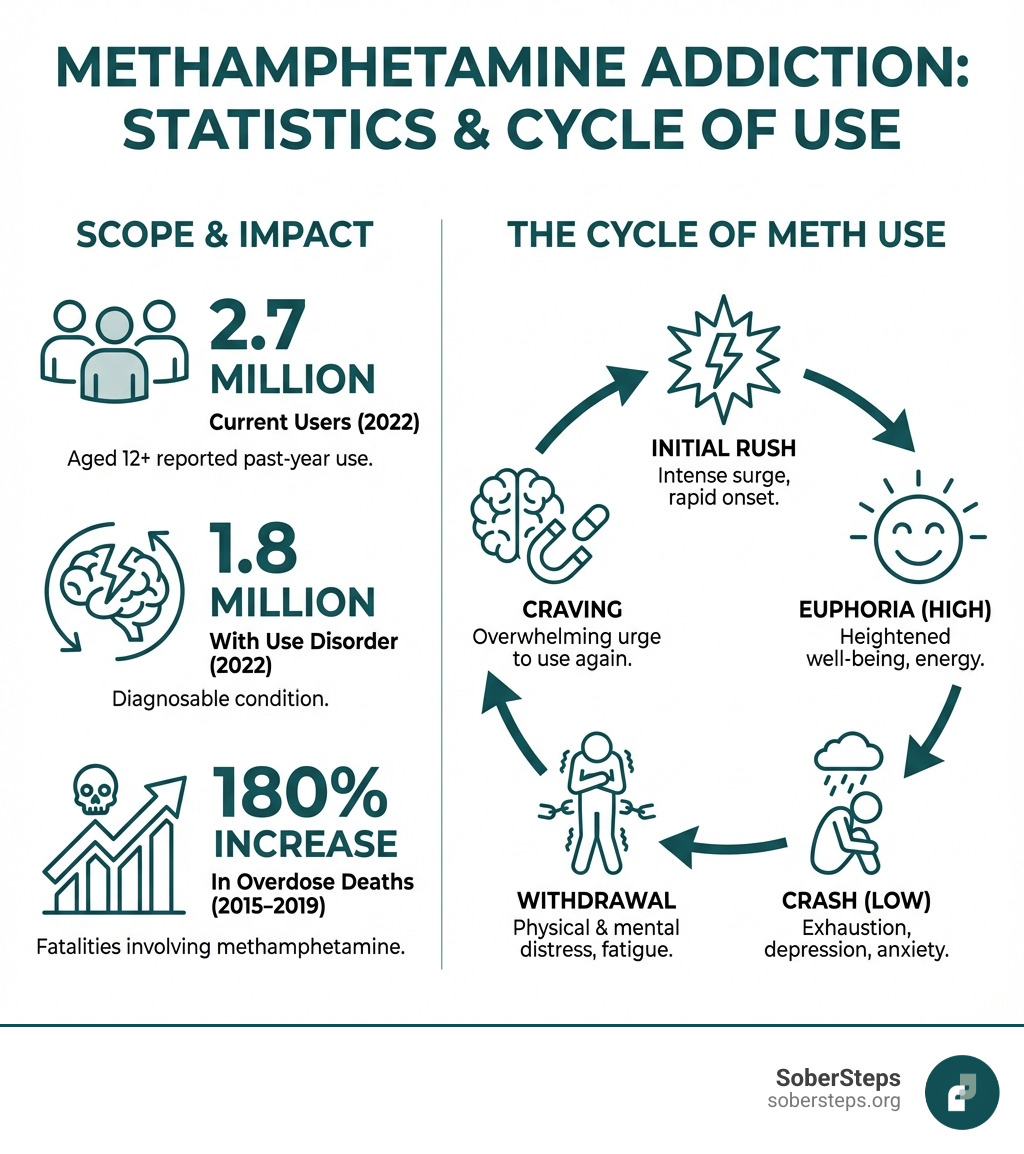
2.7 million Americans aged 12+ reported using methamphetamine in 2022
1.8 million people had a diagnosable methamphetamine use disorder that same year
Overdose deaths involving methamphetamine increased by 180% between 2015-2019
Methamphetamine is a powerful central nervous system stimulant that floods the brain with dopamine
Recovery is possible with evidence-based treatment and support
Methamphetamine—also known as meth, crystal, ice, or speed—is one of the most addictive substances available today. It’s a synthetic drug that triggers an intense rush of euphoria by flooding the brain’s reward system with dopamine. But this temporary high comes at an enormous cost.
The drug can be smoked, injected, snorted, or swallowed. Each method delivers the drug to the brain rapidly, creating powerful reinforcement that drives repeated use. What often starts as occasional experimentation can quickly spiral into addiction, marked by a devastating “binge and crash” pattern where users take the drug repeatedly over days to maintain the high.
The consequences extend far beyond the individual user. In 2009 alone, the economic burden of methamphetamine use in the United States was estimated at $23.4 billion. Emergency department visits related to methamphetamine abuse increased nearly 75% between 1999 and 2002, and that trend has only continued.
But here’s what matters most: recovery from methamphetamine addiction is absolutely possible. While the journey is challenging, thousands of people successfully rebuild their lives every year through comprehensive treatment that addresses both the physical dependence and the underlying factors driving their use.
At Sober Steps, we’ve dedicated ourselves to helping individuals steer the path to recovery from Methamphetamine Addiction by providing comprehensive, evidence-based resources and connecting people with confidential treatment options across the United States. We understand that taking the first step toward recovery requires courage, and we’re here to support you every step of the way.
What is Methamphetamine and How Does It Affect the Body?
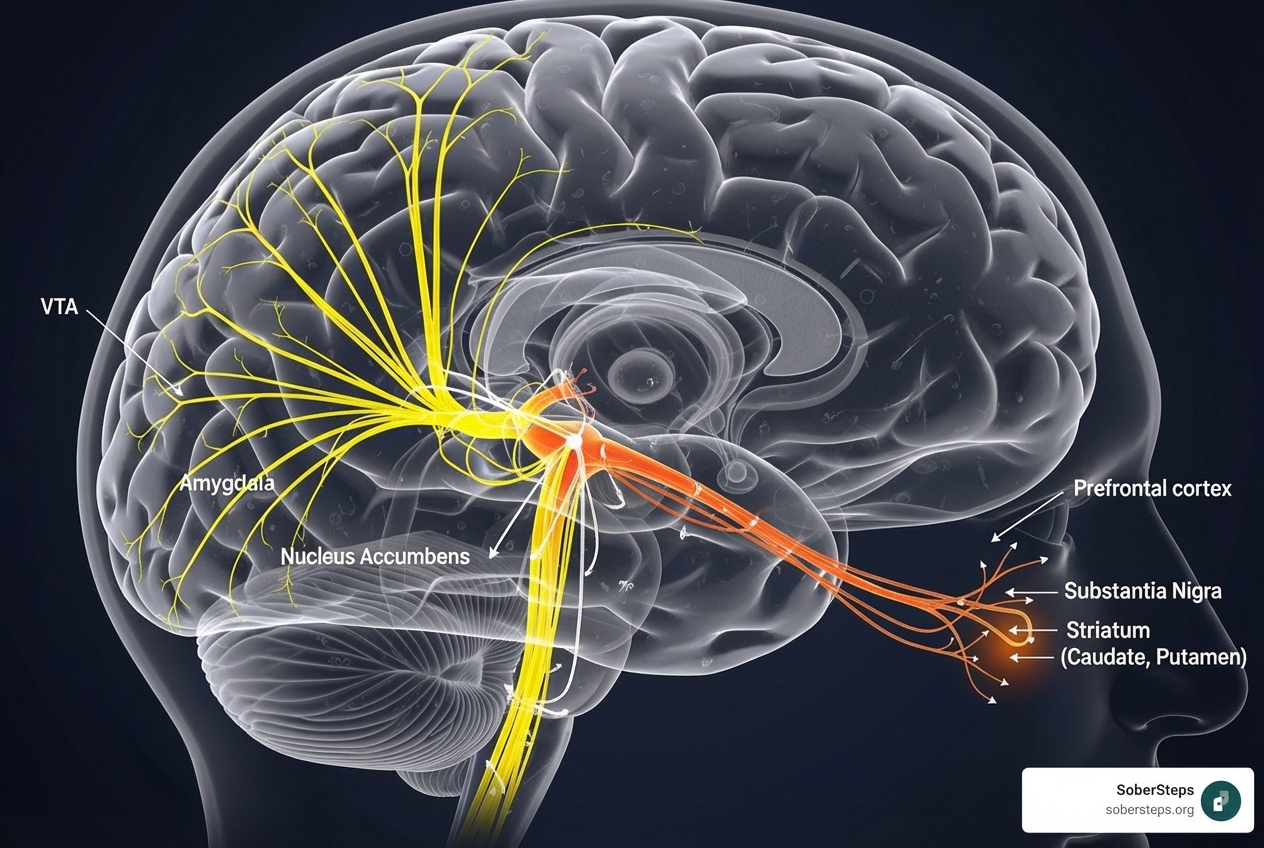
Methamphetamine is a potent central nervous system (CNS) stimulant, a synthetic drug derived from amphetamine, known for its powerful psychoactive effects. When someone uses methamphetamine, it rapidly enters the brain, triggering a massive release of neurotransmitters like dopamine, norepinephrine, and serotonin. This surge of chemicals, particularly dopamine, overstimulates the brain’s reward system, leading to the intense euphoria and heightened sense of well-being that users seek.
This chemical cascade also causes a host of physiological changes. Users experience increased energy and alertness, a decreased appetite, a rapid heart rate (tachycardia), and liftd body temperature (hyperthermia). The drug’s high lipid solubility means it crosses the blood-brain barrier quickly, leading to an almost immediate onset of effects, especially when smoked or injected. This rapid and intense “rush” reinforces drug-taking behaviors, making Methamphetamine Addiction incredibly difficult to overcome.
The Short-Term Rush and Inevitable Crash
The immediate effects of methamphetamine are powerful and can be felt within minutes, lasting for several hours. This initial “rush” is characterized by:
Intense euphoria and exhilaration
Increased alertness and wakefulness
A surge of energy and confidence
Decreased appetite and increased libido
Racing thoughts and hyperactivity
Increased talkativeness
However, this speedy high is often accompanied by significant negative physical and psychological effects. Users may experience a rapid and irregular heartbeat, liftd blood pressure, and increased body temperature. Psychologically, paranoia, agitation, and even hallucinations can emerge. This is what we call the “short-term physical and psychological effects of methamphetamine use.”
As the drug’s effects wear off, users experience what’s known as the “crash.” This is a period of profound physical and mental exhaustion, often lasting for days. The crash is characterized by:
Extreme fatigue and excessive sleepiness (hypersomnia)
Severe depression and anxiety
Intense irritability and mood swings
Anhedonia (inability to feel pleasure)
Strong cravings for more methamphetamine
This cycle of intense euphoria followed by a devastating crash often drives users to take more of the drug to avoid the uncomfortable withdrawal symptoms, leading to a dangerous pattern of binge use.
Street Names and Methods of Administration
Methamphetamine goes by many names on the street, reflecting its various forms and cultural associations. Some of the most common street names include:
Crystal or Crystal Meth (referring to its transparent, crystalline rock-like form)
Ice (another term for crystal methamphetamine, often indicating high purity)
Speed (a general term for amphetamines, but frequently used for methamphetamine)
Tina
Glass
Crank (historically associated with biker gangs who transported it in motorcycle crankcases)
The methods of administration vary and significantly impact the intensity and duration of the drug’s effects. These methods include:
Smoking: Crystal methamphetamine, often called “ice” or “glass,” is heated and inhaled, producing an immediate and intense rush.
Injecting: Dissolving powdered or crystal meth in water and injecting it intravenously delivers the drug directly into the bloodstream, resulting in a rapid and powerful high.
Snorting: Powdered methamphetamine can be snorted through the nose, leading to effects within minutes.
Swallowing (ingesting): Methamphetamine can be taken orally in pill form or by “parachuting,” where the drug is wrapped in tissue paper and swallowed. This method results in a slower onset but longer-lasting effects.
The route of administration directly influences how quickly the drug reaches the brain and the intensity of the “rush.” Smoking and injecting produce the fastest and most intense effects, which contribute to the drug’s high addictive potential. For more information on meth abuse, you can visit More info about meth abuse.
The Devastating Long-Term Consequences of Methamphetamine Addiction
Chronic methamphetamine use releasees a “perfect storm” of complications, leading to a severe and pervasive decline in both physical and psychological health. The impact extends far beyond the individual, affecting families, communities, and placing a significant burden on our healthcare systems. The statistics highlight the escalating crisis: methamphetamine-related overdose deaths nearly tripled between 2015 and 2019, with overdose deaths involving psychostimulants (primarily methamphetamine) increasing by 180% in that same period.
The prolonged exposure to this powerful stimulant causes profound changes in the body and brain, often resulting in irreversible damage and severe functional impairment.
Recognizing the Signs of Methamphetamine Addiction
Recognizing the signs of Methamphetamine Addiction is crucial for intervention and seeking help. The Diagnostic and Statistical Manual of Mental Disorders (DSM-5) outlines criteria for Stimulant Use Disorder, which helps diagnose the severity of addiction. Symptoms often fall into several categories:
Behavioral and Psychological Changes:
Compulsive drug-seeking: An overwhelming preoccupation with obtaining and using meth.
Increased tolerance: Needing more of the drug to achieve the desired effect.
Withdrawal symptoms: Experiencing physical and psychological discomfort when not using.
Neglecting responsibilities: Failing to fulfill obligations at work, school, or home.
Social isolation: Withdrawing from friends, family, and previously enjoyed activities.
Risky behaviors: Engaging in dangerous activities under the influence, or to obtain the drug.
Mood swings: Extreme irritability, agitation, paranoia, anxiety, or aggression.
Psychotic symptoms: Hallucinations, delusions (e.g., “meth bugs” – the sensation of bugs crawling under the skin), and severe paranoia.
Physical Changes:
Drastic changes in appearance: Severe weight loss, premature aging, and poor hygiene.
Skin sores: Often from obsessive picking and scratching due to perceived phantom bugs.
“Meth mouth”: Severe dental decay, broken teeth, and gum disease.
Dilated pupils and rapid eye movement.
Injection marks (track marks): If injecting the drug.
Severe Physical Health Complications
The physical toll of chronic methamphetamine use is extensive and often devastating, affecting nearly every system in the body.
“Meth Mouth”: This refers to the severe dental decay, broken teeth, and gum disease that are hallmarks of chronic methamphetamine use. It results from a combination of poor oral hygiene, dry mouth (xerostomia) caused by the drug, teeth grinding (bruxism), and cravings for sugary drinks.
Cardiovascular Damage: Methamphetamine places immense strain on the heart and blood vessels. It can lead to cardiomyopathy (weakening of the heart muscle), chronic hypertension (high blood pressure), and increased risk of heart attack and stroke. Research published in American Journal of Emergency Medicine highlights the prevalence of methamphetamine use and heart failure.
Kidney and Liver Damage: The body struggles to process the drug and its toxic by-products, leading to significant stress on the kidneys and liver, potentially causing organ failure.
Malnutrition: Suppressed appetite and prolonged periods without food often lead to severe weight loss and malnutrition, weakening the immune system and overall health.
Skin Lesions: Users frequently pick at their skin due to tactile hallucinations (formication), creating open sores and increasing the risk of serious infections.
Beyond the immediate physical effects, Methamphetamine Addiction causes profound and often long-lasting damage to the brain and mental health.
Meth-Induced Psychosis: Chronic use can trigger a severe psychotic state characterized by hallucinations (auditory, visual, tactile), delusions, and intense paranoia. This psychosis can be indistinguishable from schizophrenia and, in some cases, may persist for months or even years after cessation.
Cognitive Deficits: Methamphetamine is neurotoxic, damaging brain cells and altering brain structure. Users often experience significant cognitive impairments, including memory loss, impaired verbal learning, reduced coordination, and difficulty with judgment, decision-making, and impulse control. Functional brain abnormalities and altered glucose metabolism are observed in regions critical for these functions.
Brain Structure Changes: Studies using advanced imaging have revealed structural abnormalities in the brains of chronic users, including reduced white-matter integrity and gray matter in cortical regions, and changes in the hippocampus and cerebellum.
Increased Risk of Parkinson’s Disease: Research suggests a potential link between past methamphetamine use and an increased risk of developing Parkinson’s disease, due to the drug’s damaging effects on dopaminergic neurons in the brain.
Other Mental Health Issues: Chronic users frequently experience severe anxiety, depression, mood swings, and aggressive or violent behavior. These issues can be pre-existing, exacerbated by meth use, or directly caused by the drug’s impact on brain chemistry.
The long-term effects underscore the critical need for intervention and treatment. You can find a comprehensive overview of these long-term effects on the NIDA website: An overview of long-term effects.
Navigating a Crisis: Withdrawal, Overdose, and Other Dangers
The journey through Methamphetamine Addiction is fraught with acute dangers, from the agonizing process of withdrawal to the life-threatening risks of overdose. It’s crucial for individuals, families, and first responders to recognize these critical situations and act swiftly.
Acute dangers associated with methamphetamine use include:
Hyperthermia: Dangerously high body temperature.
Seizures: Uncontrolled electrical disturbances in the brain.
Cardiovascular events: Rapid, irregular heartbeat, leading to heart attack or stroke.
Circulatory collapse: Failure of the circulatory system.
Psychosis: Extreme confusion, paranoia, and aggression.
If you suspect someone is experiencing an overdose or is in acute distress due to methamphetamine, it is paramount to call 911 immediately. Early intervention can be the difference between life and death.
The Methamphetamine Withdrawal Timeline
When a person with Methamphetamine Addiction stops or significantly reduces their use, they will experience a range of withdrawal symptoms. This process is often unpleasant and psychologically challenging, which is why professional support during detox is highly recommended. While typically not life-threatening on its own, the psychological distress can be severe.
The withdrawal process often begins with the “crash,” but symptoms can persist for weeks or even months:
Days 1-3 (Acute Withdrawal): This phase often starts 2-4 days after the last use. Symptoms are usually most intense during this period.
Extreme fatigue and hypersomnia (sleeping for days).
Intense cravings for methamphetamine.
Severe depression and anhedonia (inability to feel pleasure).
Irritability, anxiety, and agitation.
Increased appetite and hunger.
Vivid and disturbing dreams or nightmares.
Weeks 1-4 (Protracted Withdrawal): While the most acute physical discomfort may lessen, psychological symptoms can persist and even intensify.
Sustained severe depression and anxiety.
Intense cravings, which can last up to 10 weeks.
Difficulty concentrating and cognitive fog.
Mood swings and anhedonia.
Months (Post-Acute Withdrawal Syndrome – PAWS): Some individuals may experience lingering symptoms for several months or longer. These can include intermittent cravings, mood disturbances, sleep issues, and cognitive difficulties, which can be triggers for relapse.
The Dangers of Illicit Production and Polysubstance Use
The risks associated with methamphetamine extend beyond the act of consumption. The illicit manufacturing process and the common practice of combining meth with other substances introduce additional, severe dangers.
Clandestine Labs: Most street methamphetamine is produced in illegal, makeshift laboratories using readily available but highly toxic and flammable household chemicals. These include ephedrine or pseudoephedrine (from cold medicines), lithium from car batteries, brake fluid, drain cleaner, acetone, fertilizers, and lye. The synthesis process is inherently dangerous, leading to explosions, fires, and the release of hazardous fumes.
Environmental Contamination: These clandestine labs, often located in residential areas, contaminate living spaces and the surrounding environment with toxic by-products. This poses severe health risks to users, producers, their families (especially children), and first responders who must clean up the sites. Children exposed to these environments can suffer from developmental delays and behavioral issues due to passive absorption of toxins.
Risks of Polysubstance Use: It’s common for individuals to use methamphetamine alongside other drugs, which can create unpredictable and highly dangerous interactions. For example, combining meth with opioids, particularly fentanyl, is a growing concern. While naloxone can reverse an opioid overdose, it has no effect on methamphetamine. If meth is contaminated with fentanyl (often without the user’s knowledge), the combination can lead to a fatal overdose due to respiratory depression from fentanyl and the stimulant effects of meth.
Injection Risks: Injecting methamphetamine carries significant risks beyond overdose. Sharing needles and other drug paraphernalia can lead to the transmission of blood-borne diseases such as HIV and Hepatitis B and C. Users who inject are also prone to severe infections at injection sites, including abscesses and cellulitis, which can spread throughout the body, affecting organs like the heart and brain.
Finding Hope and Healing: Treatment for Methamphetamine Addiction
We understand that facing Methamphetamine Addiction can feel overwhelming, but we want to emphasize a crucial truth: recovery is not just a possibility; it’s a reality for thousands of people across the United States. A life free from the grip of meth is achievable with the right support and a comprehensive treatment approach.
Effective treatment for methamphetamine addiction addresses the full spectrum of challenges—from the immediate physical dependence to the deep-seated psychological and social factors that contribute to drug use. It’s about healing the whole person, not just stopping drug use. The journey requires courage, commitment, and a strong support system, and we are here to help you find it.
Evidence-Based Treatment Modalities
While there are currently no FDA-approved medications specifically for Methamphetamine Addiction, research is ongoing, and several behavioral therapies have proven highly effective. These evidence-based approaches focus on helping individuals change their thought patterns and behaviors related to drug use, develop coping skills, and build a foundation for lasting recovery.
Key behavioral therapies include:
Cognitive-Behavioral Therapy (CBT): This therapy helps individuals identify and change negative thought patterns and behaviors that contribute to drug use. It teaches skills to cope with cravings, manage triggers, and prevent relapse.
Contingency Management (CM): This approach uses positive reinforcement to encourage abstinence. Patients receive tangible rewards (vouchers, privileges) for drug-free behaviors, such as negative drug test results. CM has shown significant scientific support for stimulant use disorders.
The Matrix Model: A comprehensive behavioral treatment that combines individual and group therapy, family education, relapse prevention, and 12-step support. It provides a structured and supportive environment for recovery.
Motivational Interviewing (MI): This client-centered approach helps individuals explore and resolve their ambivalence about changing their drug use. It strengthens their motivation for recovery and commitment to treatment goals.
Emerging research is also exploring medications that may help, such as a combination of injectable naltrexone and oral bupropion, which has shown promise in some studies for treating moderate to severe methamphetamine use disorder.
Levels of Care for Lasting Recovery
The path to recovery is unique for everyone, and effective treatment often involves different levels of care custom to individual needs. At Sober Steps, we can help you find programs that offer a continuum of care designed to support you at every stage:
Medical Detoxification: The first step for many, medically supervised detox helps manage the intense and uncomfortable withdrawal symptoms. While meth withdrawal is rarely life-threatening, it can be extremely distressing, and medical oversight ensures safety and comfort.
Inpatient Residential Treatment: For those requiring intensive, 24-hour care, inpatient programs offer a structured environment away from triggers. Patients live at the facility and engage in daily therapy, counseling, and educational sessions.
Partial Hospitalization Programs (PHP): PHPs offer a high level of structured therapy and support during the day, allowing patients to return home in the evenings. This provides a bridge between inpatient care and less intensive outpatient options.
Intensive Outpatient Programs (IOP): IOPs provide flexible treatment schedules, allowing individuals to attend therapy sessions several times a week while maintaining their work, school, or family commitments.
Aftercare Planning and Support Groups: Recovery is a lifelong journey. Aftercare plans, including continued therapy, sober living homes, and mutual-help groups like Narcotics Anonymous (NA), are vital for maintaining sobriety and preventing relapse. NA offers a confidential and anonymous environment for individuals to share experiences and support each other.
How to Find Help for Methamphetamine Addiction
Taking the first step is often the hardest, but you don’t have to do it alone. If you or a loved one is struggling with Methamphetamine Addiction, help is available. We are here to guide you through the process of finding the right support.
Start the Conversation: If you’re concerned about a loved one, approach them with compassion and concern, not judgment. Express your worries and offer to help them find resources.
Find Accredited Treatment Facilities: Look for facilities that offer evidence-based therapies and a continuum of care custom to methamphetamine addiction. You can use confidential online resources like Sober Steps to search for accredited providers in your area.
Insurance Verification: Many treatment costs can be covered by insurance. We can help you check your insurance benefits confidentially and quickly to understand your options.
Ask the Right Questions: When evaluating treatment options, inquire about the types of therapy offered, the staff’s experience with stimulant use disorders, family involvement, and aftercare planning.
For a comprehensive guide to stimulant use disorder treatment, including identification and management strategies, we recommend reviewing the SAMHSA Treatment Improvement Protocol: A guide to stimulant use disorder treatment.
Frequently Asked Questions about Methamphetamine
How long does meth stay in your system?
The detection window for methamphetamine varies depending on several factors, including the method of use, dosage, frequency of use, individual metabolism, and the type of drug test administered.
Urine Tests: Methamphetamine can typically be detected in urine for 4 days to a week after last use.
Blood Tests: In blood, it usually remains detectable for 24 to 48 hours.
Saliva Tests: Saliva tests can detect meth for approximately 1 to 4 days.
Hair Follicle Tests: Hair tests have the longest detection window, capable of identifying methamphetamine use for up to 90 days or even longer.
Individual factors like liver function, hydration levels, and overall health can influence how quickly the body metabolizes and eliminates the drug.
Can the brain recover from methamphetamine damage?
The human brain is remarkably resilient, a phenomenon known as neuroplasticity. While chronic methamphetamine use can cause significant and potentially irreversible damage to brain structure and function, including the loss of dopaminergic and serotonergic nerve terminals, research indicates a potential for recovery with sustained abstinence.
Partial Recovery: Studies show that with prolonged abstinence, some neuropsychological functions, such as cognitive performance and affective distress, can partially improve.
Timeframe for Healing: Brain healing is a slow process, often taking months or even years of consistent sobriety.
Importance of Therapy and Healthy Lifestyle: Engaging in therapy (like CBT), maintaining a healthy lifestyle, good nutrition, exercise, and continued abstinence are crucial for maximizing the brain’s recovery potential.
Lingering Effects: While significant improvement is possible, some changes, particularly severe cognitive deficits or an increased risk for conditions like Parkinson’s disease, may be long-lasting or permanent.
What is ‘tweaking’?
“Tweaking” is a term used to describe a particularly dangerous and agitated state experienced by individuals with Methamphetamine Addiction, typically at the end of a drug binge. After days of continuous use and severe sleep deprivation (sometimes 3-15 days), the user can no longer achieve the desired euphoric high, no matter how much more meth they consume.
In this “tweaking” phase, the user becomes paranoid, irritable, and prone to unpredictable and erratic behavior. They may experience severe hallucinations, delusions, and a profound sense of anxiety and dysphoria. This state is highly risky, as individuals in a “tweaking” phase can become violent, aggressive, or engage in dangerous self-harm due to their distorted perception of reality. They may constantly pick at their skin, believing bugs are crawling beneath it. Recognizing these behaviors is critical, as they indicate a person in acute distress who poses a risk to themselves and others.
Conclusion: Your First Step Towards a Sober Future
Methamphetamine Addiction presents a formidable challenge, impacting individuals, families, and communities across the United States. From its immediate, exhilarating rush to its devastating long-term health consequences—including “meth mouth,” cardiovascular damage, and profound neurological and psychological impairments—the cost of meth use is tragically high. The dangers are further amplified by the risks of illicit production, toxic contaminants, and the potent threat of polysubstance use, particularly with fentanyl.
However, amidst these grave realities, we want to reiterate a message of profound hope: recovery is undeniably possible. We’ve seen countless individuals reclaim their lives, rebuild relationships, and find a future free from the chains of addiction. Treatment works, especially when it’s comprehensive, evidence-based, and custom to individual needs.
At Sober Steps, we believe in the power of healing and the strength of the human spirit. If you or someone you love is struggling with Methamphetamine Addiction, please know that you don’t have to face this battle alone. Your first step towards a sober future can begin today.
Understanding Your Options: Why Finding the Right Alcohol Rehab Center Matters An alcohol rehab center offers specialized medical care, therapy, and support to help people overcome alcohol use disorder (AUD).
For anyone seeking help for addiction for themselves or a loved one calls to Sober Steps are completely confidential and available 24/7.
Please note: any treatment center listed on our site that receives calls is a paid advertiser.
Calls to a specific treatment center’s listing will be connected directly to that center.
Calls to our general helpline will be answered by treatment providers, all of whom are paid advertisers.
By calling the helpline, you agree to our terms and conditions. These calls are free of charge and carry no obligation to enter treatment. Neither Sober Steps nor anyone answering your call receives a commission or fee based on your choice of treatment provider.
If you’d like to explore additional treatment options or connect with a specific rehab center, you can browse our top-rated listings, visit our homepage, or call us at (844) 491-5566. You may also contact us for further assistance.