
Why Addiction Recovery Blogs Matter on Your Journey
Addiction recovery blogs offer real stories, expert insights, and community support for anyone navigating sobriety. Here are the top types of recovery blogs you’ll find:
- Personal Story Blogs – First-person accounts from people in recovery sharing their raw, honest experiences
- Expert and Science-Based Blogs – Professional insights on the neuroscience and psychology of addiction
- Community Hubs – Safe spaces for shared experiences, forums, and recovery news
- Specialized Blogs – Content focused on specific demographics (mothers, LGBTQ+, veterans) or substances
Recovery is a journey, and it can be profoundly encouraging to know that someone else has faced the same challenges and celebrated similar triumphs. The National Institute on Drug Abuse defines addiction as a chronic but treatable disease, and one of the most powerful treatment tools doesn’t come from a prescription bottle—it comes from connection and shared experience.
Recovery blogs open a window into the blogger’s journey, which can help you stay focused and inspired as you steer your own path. Whether you’re looking for practical advice on managing cravings, scientific explanations of what’s happening in your brain, or simply a reminder that you’re not alone, these blogs offer something invaluable: hope.
At Sober Steps, we connect individuals with confidential resources for addiction recovery, including curated addiction recovery blogs that provide peer support and expert guidance. We understand that finding the right voices to guide your journey can make all the difference. To speak with someone who can help guide you confidentially, call us at (844) 491-5566.
The Power of the Page: Why Read Recovery Blogs?
Starting on the path to sobriety is a deeply personal journey, often filled with unique challenges and triumphs. Yet, it’s also a journey best traveled with support and understanding. This is where addiction recovery blogs shine as an invaluable resource. They offer a unique blend of personal narratives, expert advice, and a sense of belonging that can significantly impact an individual’s recovery.
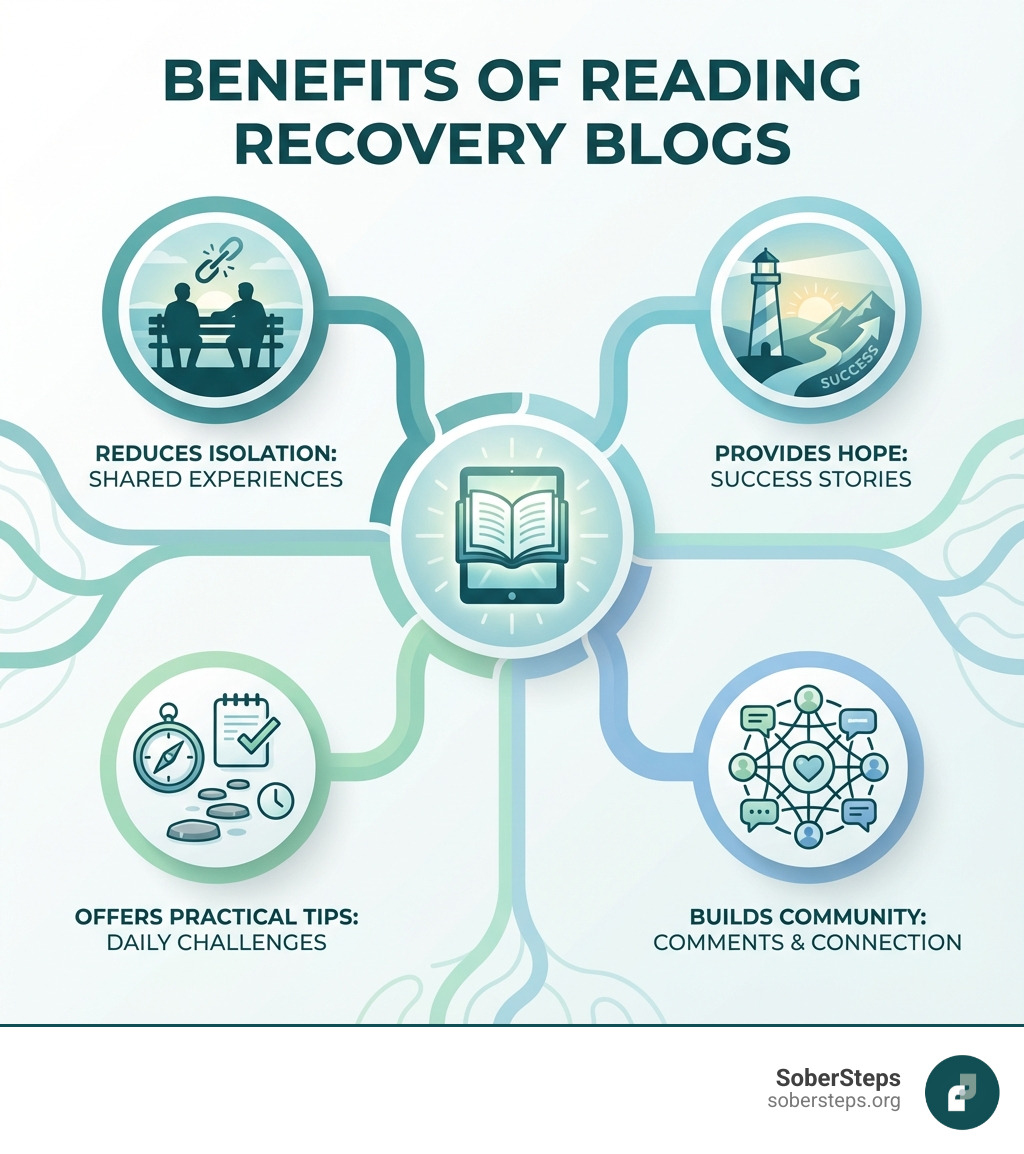
One of the most profound benefits of engaging with these blogs is their ability to reduce stigma. Addiction, unfortunately, still carries a heavy societal stigma, leading many to suffer in silence. Reading personal accounts from others who have walked a similar path can be incredibly validating. It fosters a deep sense of connection, reminding us that we are not alone in our struggles. When we read stories of courage and resilience, it normalizes the experience of addiction and recovery, stripping away the shame that often accompanies it. This shared experience creates a powerful bond, affirming that our feelings and challenges are understood.
The journey of recovery is often described as a marathon, not a sprint. It requires continuous effort, self-reflection, and a steady source of inspiration. Addiction recovery blogs serve as a constant wellspring of hope. They provide a window into the blogger’s journey, offering insights into how others have steerd their own paths, overcome obstacles, and celebrated milestones. This can keep us focused and inspired, especially during challenging times. As our research highlights, “Recovery is a journey, and it can be encouraging to know that someone else has faced the same challenges and enjoyed similar triumphs. Support groups, online encouragement and Recovery blogs can all help you work through your feelings.” Knowing that someone else has faced similar challenges and emerged stronger can be a powerful motivator.
Furthermore, these blogs cultivate a vital sense of community and support. Social support is hugely important during recovery, and online platforms can be a crucial component of building that network. While not a replacement for professional help or in-person support groups, recovery blogs often feature comment sections where readers share their thoughts, offer encouragement, and connect with one another. This interaction can reduce feelings of isolation, providing a safe space for individuals to engage with others who understand their experience without judgment. The collective wisdom and empathy found within these communities can be a cornerstone of sustained sobriety, helping individuals to feel heard, understood, and genuinely cared for.
Finding Your Voice: A Guide to the Best Addiction Recovery Blogs
With a vast landscape of online content, finding the addiction recovery blogs that truly resonate with your personal journey can feel like searching for a needle in a haystack. However, understanding the different types of blogs available can help you pinpoint the voices and perspectives that will best support your path to sobriety.
Personal Story Blogs: Raw, Relatable, and Real
These blogs are the heart and soul of the recovery community, offering deeply personal and often raw accounts of individuals’ journeys through addiction and into sobriety. They thrive on emotional honesty, sharing not just the victories, but also the struggles, the doubts, and the small, everyday moments that define recovery. Reading about someone else’s sobriety milestones, their challenges with triggers, or their reflections on past experiences can be incredibly relatable. It’s in these stories that many find validation for their own experiences and feel less alone.
In these spaces, you can find candid looks at navigating a newly sober life and positive perspectives on the rewards of sobriety. The comment sections of such blogs can be as insightful and touching as the posts themselves, creating a vibrant, supportive community. At SoberSteps, we believe in the power of shared narratives, which is why our community blog posts and guest contributions often feature inspiring personal stories from people in recovery, highlighting the diverse paths to healing.
Expert and Science-Based Blogs: Understanding the “Why”
For those who crave a deeper understanding of the mechanisms behind addiction and the science of recovery, expert and science-based blogs are invaluable. These platforms often feature insights from neuroscientists, licensed counselors, addiction specialists, and researchers, breaking down complex topics into digestible information. They dig into the neuroscience of addiction, explaining what happens in the brain, how cravings work, and the impact of substances on mental and physical health.
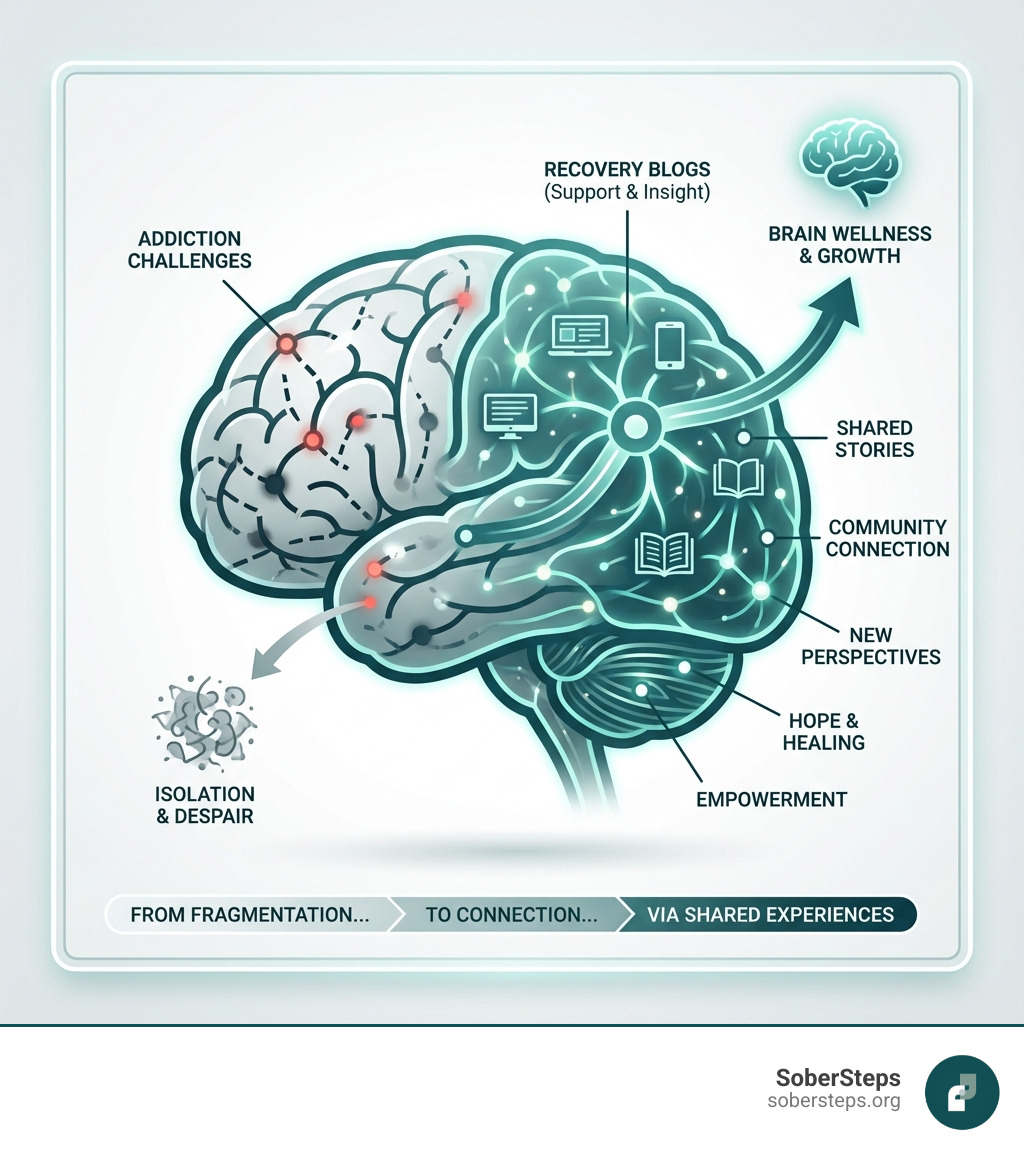
These blogs explore the causes of addiction, the latest scientific research, and evidence-based discussions that may challenge conventional wisdom. Some offer a neuroscientific perspective, exploring neuroplasticity—the brain’s ability to adapt and change—as a key factor in reversing addiction. They often dig into the biological underpinnings of cravings, self-control, and relapse. At SoberSteps, our expert articles provide insights from licensed counselors and addiction specialists, summarizing recent research to help you understand the “why” behind your experiences and choices in recovery.
Community and News Hubs: Staying Connected and Informed
Beyond personal stories and scientific explanations, many addiction recovery blogs serve as comprehensive community and news hubs. These platforms aim to keep individuals informed about broader trends in addiction and recovery, offering a safe space for shared experiences and fostering a sense of collective empowerment.
These community-focused blogs often foster a “you can do it” attitude, encouraging sharing within a safe space. They emphasize shared stories and messages of love and support, often blending personal accounts with news, reporting, and community-driven content. This provides a broader perspective on addiction and recovery, covering topics from policy changes to new treatment modalities, and often includes forums or interactive sections that allow readers to connect directly. At SoberSteps, we recognize the importance of staying connected and informed, which is why our platform includes news and updates, aiming to be a safe space for sharing and a reliable source for a broad perspective on addiction and recovery.
What You’ll Find: Common Themes and Topics in Recovery Blogs
When we dig into addiction recovery blogs, we find a rich mix of themes and topics designed to support individuals at every stage of their journey. These blogs don’t shy away from the complexities of recovery, offering practical advice and candid insights into real-world challenges.
Navigating Sobriety and Preventing Relapse
One of the most frequently discussed and critical areas in recovery blogs is the practical aspect of navigating sobriety and preventing relapse. This includes a wealth of information on:
- Managing Cravings: Blogs often share strategies for coping with the intense urges that can arise during recovery. From mindfulness techniques to distraction methods, these insights help individuals build a toolkit for managing cravings effectively. Understanding the neurobiology of craving—and the effort required to resist it—is a crucial first step.
- Handling Social Situations: Life in recovery means re-engaging with social circles, which can present unique challenges, especially when alcohol or drugs are present. Blogs offer advice on how to gracefully decline substances, communicate your boundaries, and steer events like holiday parties with guests in recovery. Our research emphasizes the importance of managing expectations for holiday gatherings and developing strategies to stay sober on vacation.
- Holiday Sobriety: The holiday season, while joyous for many, can be particularly difficult for those in recovery. Recovery blogs frequently provide tips for cultivating gratitude, managing stress, and maintaining sobriety during these challenging times. The warmth and closeness of holidays can sometimes amplify feelings of loss or isolation for recovering individuals, making targeted advice invaluable.
- Identifying Triggers: Understanding what internal and external factors can trigger a desire to use is fundamental to relapse prevention. Blogs help readers identify their personal triggers—whether they are emotions, places, people, or situations—and develop proactive strategies to avoid or cope with them.
- Relapse as Part of the Journey: Acknowledging that recovery is a non-linear process is a recurring theme. Blogs often share honest accounts of setbacks, emphasizing that a slip-up doesn’t negate progress but can be a learning opportunity. The “10 Fundamental Components of Recovery” highlight that recovery is non-linear and that having strategies in place for getting back on track after a slip-up is essential. This perspective helps reduce shame and fosters resilience.
How addiction recovery blogs tackle mental health
The intricate connection between addiction and mental health is another cornerstone of addiction recovery blogs. Many individuals battling substance use disorders also grapple with co-occurring mental health conditions. Blogs provide crucial information and support on:
- Co-occurring Disorders: It’s widely understood that addiction and mental health diagnoses often co-occur. Blogs address this reality by discussing dual diagnoses, explaining how conditions like depression, anxiety, or PTSD can intertwine with substance use. They offer insights into integrated treatment approaches that address both conditions simultaneously.
- Link Between Addiction and Trauma: There’s a strong and undeniable link between addiction and trauma. Many recovery blogs dig into trauma-informed care, recognizing that healing from past traumatic experiences is often a critical component of sustained sobriety. They share stories and resources for understanding and processing trauma in a healthy way.
- Depression and Anxiety: These common mental health challenges are frequently discussed in the context of recovery. Blogs offer practical self-care strategies, coping mechanisms, and encouragement for managing symptoms of depression and anxiety without resorting to substances. They emphasize that while addiction is often a way to self-medicate these feelings, healthier alternatives exist.
- Self-Care Strategies: Beyond specific mental health conditions, blogs promote a holistic approach to well-being. They cover topics like mindfulness, exercise, nutrition, sleep hygiene, and stress reduction techniques as vital components of a balanced recovery. These strategies empower individuals to nurture their mental and emotional health, fostering resilience against relapse.
How to Find Addiction Recovery Blogs That Resonate With You
Finding the right addiction recovery blogs is a deeply personal quest. The online world is vast, and what resonates with one person might not connect with another. The key is to find voices that speak to your unique experiences, offer practical guidance, and leave you feeling hopeful and empowered.
Tips for finding the right addiction recovery blogs
To effectively steer this digital landscape, we recommend a few strategies:
- Identify Your Needs: Before you start searching, take a moment to reflect on what you’re looking for. Are you seeking raw, personal stories for emotional connection? Do you want scientific explanations to understand the “why” behind addiction? Are you looking for practical tips for specific challenges, like navigating social events or managing a co-occurring mental health condition? Knowing your focus will help narrow your search.
- Search by Topic and Demographics: Don’t limit yourself to general recovery blogs. Many blogs cater to specific experiences. For example, if you’re a mother in recovery, you might search for “addiction recovery blogs for mothers” to find content that addresses the unique challenges of parenthood and sobriety. Similarly, you can search for blogs related to specific substances (e.g., alcohol, opioids), or those that speak to particular communities, such as LGBTQ+ individuals or veterans. Many blogs cover diverse perspectives, including recovery from a transgender perspective or culturally competent care for Native Americans, demonstrating the breadth of specialized content available.
- Check the Author’s Perspective and Tone: Read a few posts to get a feel for the blogger’s voice. Do they sound authentic and honest? Do they offer a positive and encouraging “you can do it” attitude? Or do they provide a blunt, no-holds-barred perspective? The tone should align with what motivates and comforts you. If you’re seeking scientific rigor, look for authors with relevant credentials, such as a neuroscientist who blends personal experience with academic insight.
- Read the Comments for Community Feel: The comment section can be a treasure trove of additional insights and a good indicator of the community surrounding the blog. Sometimes the comments are as insightful and supportive as the posts themselves, reflecting the multifaceted nature of life and recovery. A vibrant and respectful comment section suggests an active and engaged community, which can be a valuable source of peer support.
- Trust Your Gut: Your personal connection to a blog is paramount. If a blog makes you feel understood, inspired, or offers actionable advice that you can apply to your life, it’s likely a good fit. If it feels triggering, overly negative, or simply doesn’t resonate, it’s okay to move on. There are countless voices in the recovery space, and you deserve to find the ones that lift you up.
Here are some questions to ask yourself when evaluating a blog:
- Does this voice resonate with me?
- Is the information helpful or triggering?
- Do I feel more hopeful after reading?
- Does the blog offer practical advice or just general inspiration?
- Is the content backed by personal experience, expert knowledge, or both?
- Does the community engagement (if any) feel supportive and non-judgmental?
By thoughtfully applying these tips, you can curate a collection of addiction recovery blogs that become trusted companions on your journey to lasting sobriety. The goal is to find sources that empower you, not overwhelm you.
Conclusion
Addiction recovery blogs are truly a powerful tool in the ongoing journey toward sobriety and well-being. We’ve explored how they foster connection, reduce isolation, provide vital inspiration, and offer practical advice through diverse perspectives—from raw personal stories to expert scientific insights and vibrant community hubs. These platforms address common challenges like managing cravings, navigating social situations, and tackling the complex interplay between addiction and mental health. They are a testament to the fact that while recovery is deeply personal, it is never a journey meant to be walked alone.
The hope for recovery often feels most tangible when we see it reflected in the experiences of others. While blogs provide invaluable peer support and a sense of shared understanding, finding professional, confidential help is a critical step for many. At SoberSteps, we offer a secure and anonymous platform to connect you with the resources you need to build a healthier, sober future. We believe that everyone deserves access to compassionate care custom to their unique circumstances.
Explore your options for treatment today, or call us at (844) 491-5566 to speak with someone who can help guide you confidentially through your choices. Your journey to a better life starts now. Find the right support for your journey.