Anxiety Disorders are mental health conditions characterized by excessive fear, worry, and nervousness that interfere with daily life. Unlike the normal anxiety everyone experiences before a big presentation or important decision, anxiety disorders involve persistent, overwhelming feelings that don’t go away and can worsen over time.
Key Facts About Anxiety Disorders:
Over 40 million adults in the U.S. are affected by anxiety disorders each year
They are the most common mental health concern in the United States
Anxiety disorders are highly treatable with the right support
Women are diagnosed twice as often as men
Symptoms often begin during childhood or adolescence
Only about 1 in 4 people with anxiety disorders receive treatment
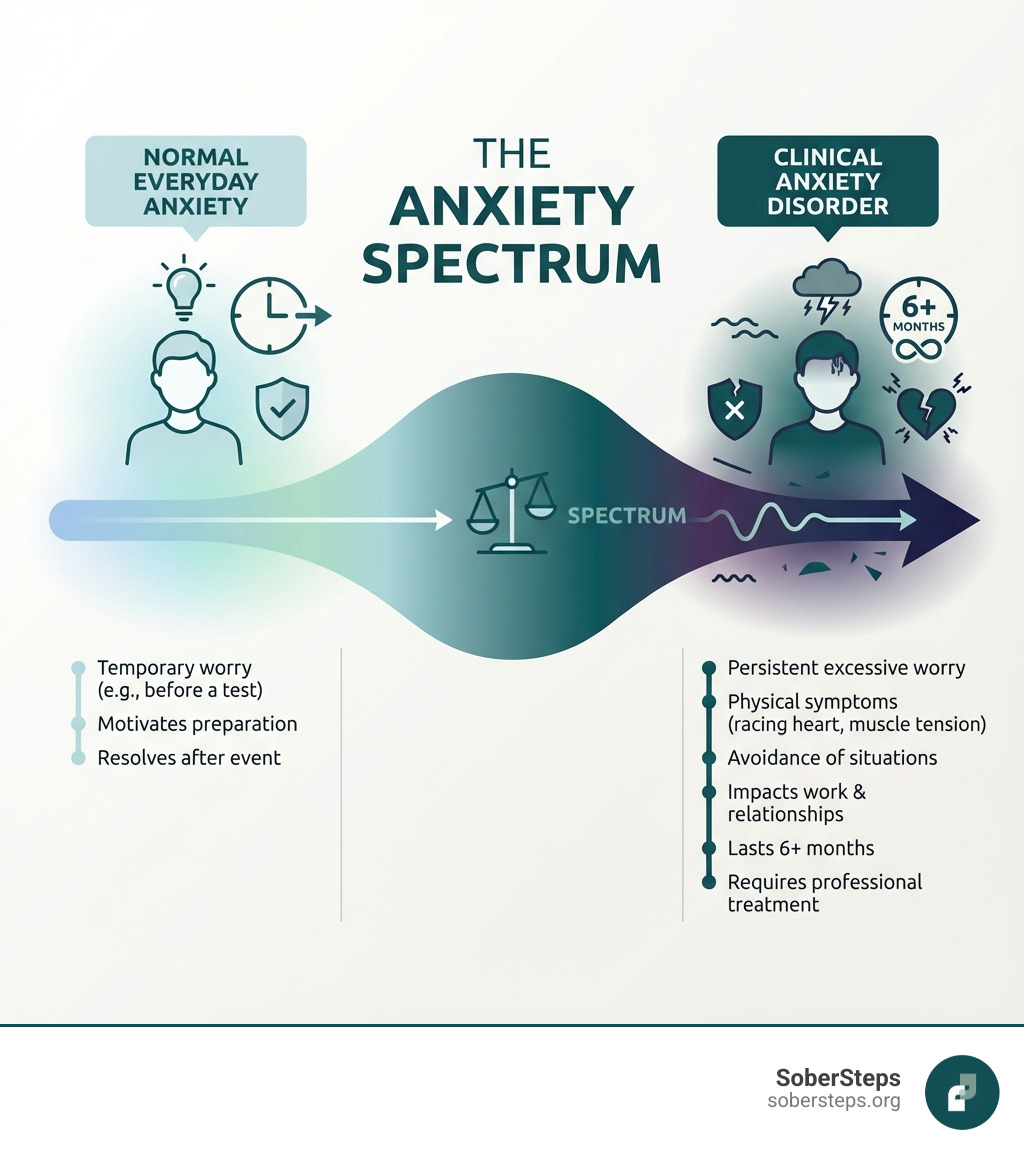
Normal Anxiety vs. Anxiety Disorder:
Normal Anxiety
Anxiety Disorder
Temporary worry about specific events
Persistent worry lasting 6+ months
Proportionate to the situation
Out of proportion to actual threats
Doesn’t interfere with daily life
Significantly impacts work, school, relationships
Goes away after the stressor passes
Continues even without clear triggers
Can be helpful and motivating
Prevents you from doing everyday activities
Fear vs. Anxiety: Fear is your emotional response to an immediate threat (like seeing a bear on a hiking trail). Anxiety is anticipation of a future concern (like worrying about what might happen at tomorrow’s meeting).
If you’re struggling with overwhelming worry or fear that’s disrupting your life, know that help is available and recovery is possible. You don’t have to face this alone. Call (844) 491-5566 for confidential, judgment-free support and guidance on treatment options available to you.
At Sober Steps, we specialize in helping individuals steer the complexities of mental health conditions, including Anxiety Disorders, by providing confidential resources and connecting you with effective treatment options. Our team understands the challenges you’re facing and is here to guide you toward lasting recovery.
Understanding the Impact of Anxiety Disorders
Anxiety is more than just a feeling; it manifests through a complex interplay of emotional, physical, and behavioral symptoms that can profoundly disrupt daily life. For individuals struggling with Anxiety Disorders, these symptoms are not fleeting or easily dismissed; they are persistent, intense, and often debilitating. We understand how overwhelming this can be, and we’re here to help you understand what’s happening and how to steer it.
Common Signs and Symptoms of Anxiety Disorders
While everyone experiences stress and worry, the symptoms of an anxiety disorder are typically more severe, long-lasting, and interfere significantly with daily activities. If you or a loved one are experiencing several of these signs consistently, it may indicate an anxiety disorder:
Emotional Symptoms:
Feeling nervous, restless, or tense without a clear reason.
A sense of impending danger, panic, or doom.
Difficulty concentrating or feeling like your mind goes blank.
Irritability, often due to constant worry.
Overthinking worst-case scenarios and perceiving non-threatening situations as dangerous.
An inability to let go of worries, even when you try.
Indecisiveness and difficulty handling uncertainty.
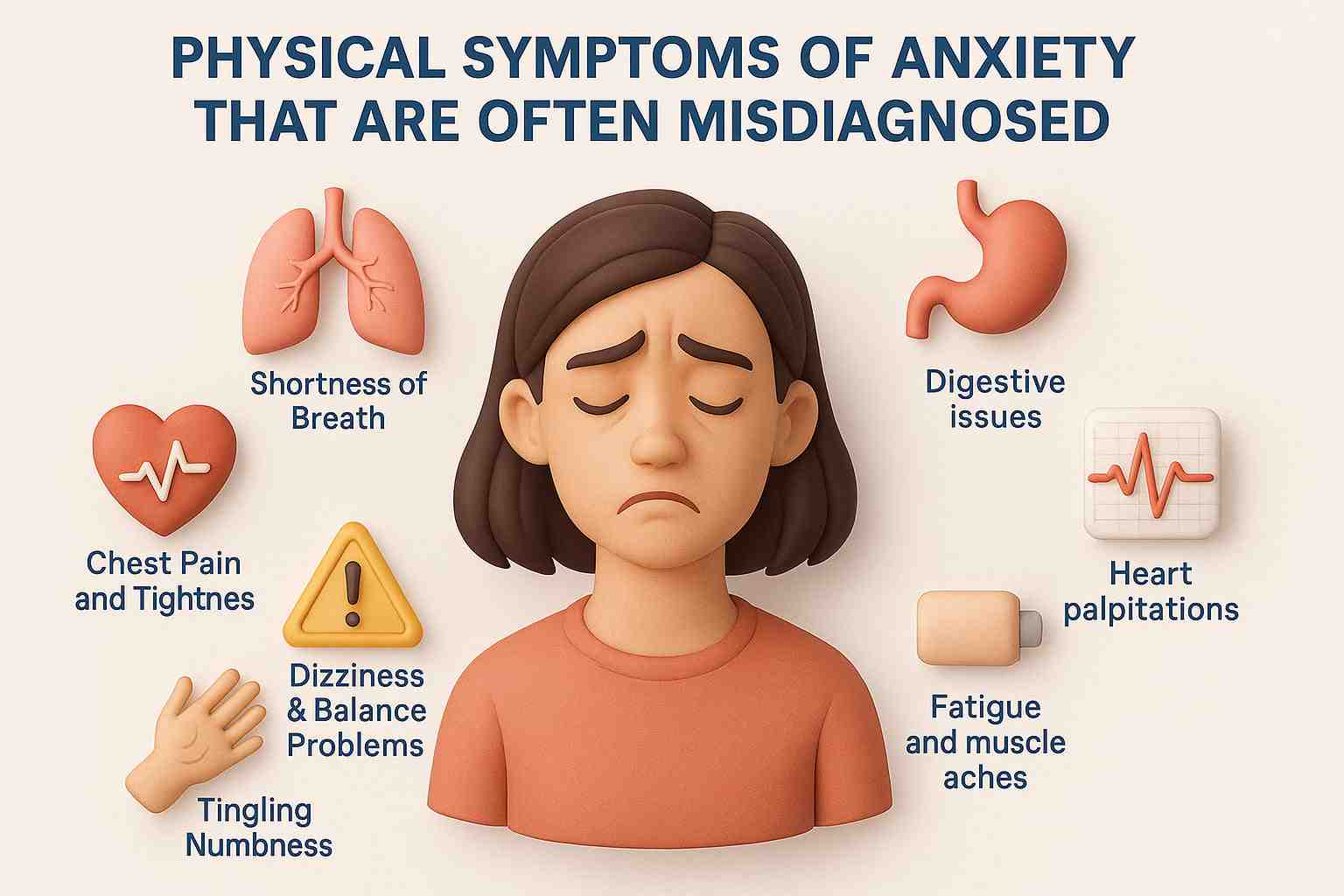
Physical Symptoms:
Increased heart rate or a pounding heart.
Rapid breathing (hyperventilation).
Sweating and trembling.
Feeling weak or tired, even after rest.
Muscle tension, often leading to headaches or chronic pain.
Sleep disturbances, including difficulty falling or staying asleep.
Gastrointestinal problems like an upset stomach, nausea, or diarrhea.
Dizziness or lightheadedness.
Chills or hot flashes.
Behavioral Symptoms:
Avoiding triggers: going to extreme lengths to avoid feared objects, situations, or activities.
Social isolation: avoiding social encounters or refusing to leave home due to intense fear of judgment or panic.
Altered lifestyle choices to accommodate anxiety, such as avoiding certain places or activities.
Fidgeting or restlessness.
Difficulty making eye contact or speaking softly in social situations.
Performing repetitive actions (compulsions) to temporarily relieve obsessive thoughts.
These symptoms, when persistent and overwhelming, can interfere with your ability to function effectively at work, school, or within relationships. The American Psychological Association (APA) defines anxiety as an emotion characterized by feelings of tension, worried thoughts, and physical symptoms. Those who experience anxiety disorders have recurring intrusive thoughts that differ from the everyday concerns and worries that everyone experiences occasionally. The anxiety is difficult to control, and a person’s psychological reaction is often disproportionate to the situation. For more information on how anxiety disorders can impact daily life, you can refer to resources like the National Alliance on Mental Illness (NAMI).
How Anxiety Affects Overall Well-being
The impact of Anxiety Disorders extends far beyond emotional distress, significantly affecting an individual’s overall well-being. We often see how chronic anxiety can take a toll on both mental and physical health.
Impact on Physical Health:
Cardiovascular Health: Chronic anxiety can lead to high blood pressure and an increased heart rate. Over time, this can contribute to heart disease and even heart attacks. There is also evidence that anxiety can develop after cardiac events, creating a challenging cycle. The Centers for Disease Control and Prevention (CDC) provides insights into the connection between anxiety and physical health.
Immune System: Researchers believe there is a link between the immune system and anxiety disorders. When you feel anxious and stressed, your body produces stress hormones like cortisol. Liftd cortisol levels can increase inflammation in the body, potentially overworking your immune system and making it less effective.
Chronic Pain and Headaches: Muscle tension, a common physical symptom of anxiety, can contribute to persistent headaches, migraines, and widespread chronic pain.
Digestive Problems: The gut-brain connection is strong. Anxiety can exacerbate conditions like irritable bowel syndrome (IBS) and lead to frequent upset stomach, nausea, or diarrhea.
Sleep Issues: Insomnia and other sleep disturbances are common complications, creating a vicious cycle where lack of sleep worsens anxiety, and anxiety prevents restful sleep.
Impaired Work and School Performance: When someone is constantly anxious, their concentration and motivation levels for work or school often decline. Studies have shown that anxiety and depression are associated with impaired work performance and safety. The inability to focus, make decisions, or engage effectively can lead to significant functional problems.
Social Isolation: In severe cases, the fear and worry associated with anxiety disorders can lead individuals to avoid social encounters or even refuse to leave their homes. This social isolation further exacerbates feelings of loneliness and can hinder recovery.
Increased Risk for Other Disorders:Anxiety Disorders frequently co-occur with other mental health conditions.
Depression: A 2020 study found that participants with anxiety were 2.8 times more likely to suffer depression. In fact, 45-67% of individuals diagnosed with a depressive disorder also meet criteria for at least one anxiety disorder.
Substance Misuse: Rates of comorbid substance use and anxiety disorders are high, meaning it’s common for individuals to struggle with both. While alcohol or drugs might offer temporary relief, they ultimately intensify anxiety symptoms and interfere with treatment. For those struggling with this dual challenge, understanding alcohol withdrawal and seeking integrated care is essential.
Other common co-occurring conditions include Attention Deficit Hyperactivity Disorder (ADHD), eating disorders, and sleep disorders.
The impact can be profound, leading to a poor quality of life and, in severe cases, increasing the risk of suicidal thoughts. If you or a loved one are experiencing these challenges, you don’t have to face them alone. We are here to provide support and connect you with the right resources.
The Different Types of Anxiety Disorders
Anxiety Disorders are not a single condition but a group of related mental health challenges, each with its unique characteristics. The American Psychiatric Association’s Diagnostic and Statistical Manual of Mental Disorders (DSM-5) categorizes these disorders to help mental health professionals accurately diagnose and treat them. Symptoms often begin before age 21, and women are diagnosed with anxiety disorders approximately twice as often as men in the U.S.
If you’re wondering which type of anxiety disorder might be affecting you, or simply want to understand your symptoms better, we encourage you to reach out. Call (844) 491-5566 to discuss your symptoms and explore potential next steps with our compassionate team.
Generalized Anxiety Disorder (GAD)
Generalized Anxiety Disorder (GAD) is characterized by persistent, excessive, and unrealistic worry about everyday things, even when there’s little or no specific reason for concern. This isn’t just occasional stress; for a diagnosis, the worry must be present for at least six months and be difficult to control. Individuals with GAD often find their worries shifting from one concern to another, focusing on things like job responsibilities, family health, finances, or even minor matters like chores or appointments.
In the U.S., GAD affects about 3% of the population annually, impacting approximately 6.8 million adults. Symptoms can include restlessness, feeling on edge, being easily fatigued, difficulty concentrating, irritability, and sleep disturbances, along with physical complaints like muscle tension, headaches, and stomachaches. For more in-depth information, the Mayo Clinic offers a comprehensive guide on Generalized Anxiety Disorder.
Panic Disorder
Panic Disorder involves recurrent, unexpected panic attacks. These are sudden episodes of intense fear that reach a peak within minutes, often accompanied by severe physical symptoms. During a panic attack, a person might experience:
A pounding heart or chest pain
Shortness of breath or a feeling of choking
Sweating, trembling, or tingling sensations
Dizziness or lightheadedness
Nausea or stomach distress
A sense of unreality or detachment
An overwhelming fear of losing control, “going crazy,” or even dying
The fear of having another attack is a hallmark of Panic Disorder, often leading individuals to avoid places or situations where previous attacks occurred. This avoidance can, in turn, lead to the development of agoraphobia. Approximately 4.7% of U.S. adults will experience panic disorder at some point in their lives. Panic attacks also account for the highest number of medical visits among all Anxiety Disorders.
Social Anxiety Disorder (Social Phobia)
Social Anxiety Disorder, also known as social phobia, is an intense, persistent fear of being watched, judged, and evaluated negatively by others in social situations. This fear can be so overwhelming that it leads to avoidance of social events, public speaking, meeting new people, or even eating in front of others. Individuals with social anxiety may blush, sweat, tremble, or experience heart palpitations, and they often worry about appearing anxious or foolish.
This disorder affects about 7% of the U.S. population in any given year, and an estimated 12.1% of U.S. adults will experience it at some point in their lives. The fear of humiliation or embarrassment can significantly impair a person’s ability to form relationships, advance in their career, or participate in everyday activities. You can find more detailed information on Social Anxiety Disorder from the National Institute of Mental Health (NIMH).
Specific Phobias and Agoraphobia
Specific Phobias: These involve an excessive and irrational fear of a particular object, situation, or activity. Common specific phobias include fear of heights (acrophobia), flying (aviophobia), certain animals (e.g., spiders, snakes), injections, or enclosed spaces (claustrophobia). The fear is often out of proportion to the actual danger posed and can lead to significant distress and avoidance behavior. Specific phobias affect up to 12% of the U.S. population, or approximately 12.5% of U.S. adults, at some point in their lives. Women have higher past-year prevalence rates for specific phobias (12.2%) compared to men (5.8%).
Agoraphobia: This disorder is characterized by an intense fear and avoidance of situations where escape might be difficult or embarrassing, or where help might not be available if panic symptoms were to occur. These situations often include public transportation, open spaces (like parking lots or bridges), enclosed places (like shops or theaters), standing in line or being in a crowd, or being outside the home alone. In its most severe form, individuals with agoraphobia can become housebound. Agoraphobia affects up to 1.7% of the U.S. population.
Other Anxiety Disorders
While GAD, Panic Disorder, Social Anxiety Disorder, and Specific Phobias are among the most recognized, other Anxiety Disorders also significantly impact individuals:
Separation Anxiety Disorder: Often viewed as a childhood disorder, adults can also experience separation anxiety. It involves excessive fear or anxiety concerning separation from home or from individuals to whom the person is attached. This can manifest as reluctance to go out, sleep away from home, or persistent worry about harm befalling loved ones. It affects about 4% of children, 1.6% of adolescents, and up to 1.9% of adults in the U.S.
Selective Mutism: This is a consistent failure to speak in specific social situations (e.g., at school, with strangers) despite speaking in other situations (e.g., at home with close family). It usually begins before age 5 but may not be identified until school entry. It’s the least common anxiety disorder, affecting between 0.47% and 0.76% of the U.S. population.
Substance-Induced Anxiety Disorder: This type of anxiety is directly caused by the effects of a substance, such as alcohol, illicit drugs, or certain medications, or by withdrawal from these substances. Some medications for other health problems (like thyroid issues, asthma, or ADHD) can also cause anxiety as a side effect.
Causes, Risk Factors, and Diagnosis
Understanding the origins of Anxiety Disorders is a complex endeavor, as they rarely stem from a single cause. Instead, we see a complex interaction of various factors that contribute to their development. Pinpointing these elements is crucial for effective diagnosis and treatment.
If you’re concerned about your symptoms or those of a loved one, professional guidance is invaluable. If you need help, call (844) 491-5566 today to speak with someone who can offer support and direct you to appropriate resources.
The Causes and Risk Factors for Anxiety Disorders
Research indicates that Anxiety Disorders arise from a combination of biological, psychological, and social factors. We’ve identified several key contributors:
Genetics and Family History: Anxiety disorders tend to run in families, suggesting a genetic predisposition. Studies show that a person can inherit a genetic vulnerability, with the heritability of anxiety disorders estimated to be between 30-60%. If you have first-degree relatives with generalized anxiety disorder, for example, your risk increases by about 25%.
Brain Chemistry: Imbalances in certain neurotransmitters—chemical messengers in the brain—play a significant role. Low levels of serotonin and GABA, or liftd norepinephrine, are linked to increased anxiety. These chemicals regulate mood and stress responses, and disruptions can lead to heightened anxiety.
Environmental Factors and Childhood Trauma: Stressful or traumatic life events are powerful triggers. Studies have shown that individuals who experience trauma as a child, including mental and physical abuse, are at a greater risk of developing anxiety as an adult. Witnessing traumatic events or experiencing a significant life change can also precipitate an anxiety disorder.
Stressful Life Events: A major event or a buildup of smaller stressful life situations can trigger excessive anxiety. Examples include a death in the family, chronic work stress, ongoing financial worries, or relationship difficulties.
Personality Types: Certain personality traits can increase vulnerability. Individuals who are naturally more timid, negative, or prone to avoidance may be at higher risk.
Other Mental Health Disorders: The presence of other mental health conditions, such as depression or substance use disorders, significantly increases the risk of developing an anxiety disorder. The comorbidity between anxiety and depression is particularly strong.
Medication Side Effects: Some medications prescribed for other health problems, such as those for thyroid issues, asthma, or ADHD, can have anxiety as a side effect.
Socio-cultural Factors: Research suggests that anxiety can be more chronic and symptoms more intense for certain demographic groups, such as Black women, due to the added stressors of racism and sexism.
Diagnosing an Anxiety Disorder can be challenging because symptoms are varied and can sometimes overlap with other conditions. It’s a comprehensive process that typically involves several steps:
Physical Examination and Lab Tests: We always start by ruling out any underlying medical conditions that might be causing your symptoms. Conditions like thyroid problems, heart issues, or certain vitamin deficiencies can mimic anxiety. Your doctor may order blood tests, an EKG, or other screenings to ensure your physical health is not the primary cause. This step is crucial because anxiety can sometimes be the first indicator of an underlying medical illness.
Psychological Evaluation: If medical causes are ruled out, a mental health professional (such as a psychiatrist, psychologist, or licensed therapist) will conduct a thorough psychological evaluation. This involves:
Detailed Interview: Asking about your symptoms, thoughts, feelings, behaviors, and how they impact your daily life. They’ll inquire about the duration and intensity of your anxiety, as well as any specific triggers.
Symptom Checklists or Questionnaires: Tools like the GAD-7 (Generalized Anxiety Disorder 7-item questionnaire) may be used to assess the severity of your anxiety symptoms.
DSM-5 Criteria: The mental health professional will use the criteria outlined in the DSM-5, the standard reference manual for diagnosing mental health conditions, to identify the specific type of anxiety disorder. For instance, for a diagnosis of GAD, excessive worry must be present for at least six months.
Importance of Professional Diagnosis: While self-assessment tests can provide initial insights, they are screening tools, not diagnostic ones. An accurate diagnosis from a qualified professional is essential for developing an effective treatment plan.
Co-occurring Substance Use Assessment: Given the high rates of co-occurring substance use disorders with anxiety, a professional will also assess for any substance use. Addressing both conditions simultaneously is often critical for successful recovery. If you or a loved one are facing challenges with co-occurring disorders, we offer resources for Detox and integrated treatment.
The diagnostic process aims to provide a clear picture of your condition, enabling us to tailor the most appropriate and effective pathway to recovery for you.
Pathways to Recovery: Treatment and Management
The good news is that Anxiety Disorders are highly treatable, and with the right support, most individuals can lead normal, productive lives. We believe in a comprehensive approach that often combines psychotherapy, medication, and significant lifestyle changes. Finding the right level of care for your unique needs is crucial, and we’re here to guide you every step of the way.
For immediate guidance and support in understanding your options, please don’t hesitate to reach out. Call our 24/7 helpline at (844) 491-5566 for guidance.
Professional Treatment Options
Professional treatment is often the cornerstone of recovery from Anxiety Disorders. We offer various evidence-based approaches custom to individual needs:
Psychotherapy (Talk Therapy): This is often the first line of treatment and helps individuals develop coping mechanisms and change unhelpful thought patterns.
Cognitive Behavioral Therapy (CBT): CBT is one of the most well-researched and efficacious treatments for anxiety disorders. It helps you identify how your thoughts and feelings influence your behavior. Patients are encouraged to change their negative thought patterns to ones that will positively impact their life. CBT helps you learn different ways of thinking, reacting, and behaving to reduce anxiety. It has an average 49.5% response rate at post-treatment and 53.6% at follow-up across anxiety disorders. CBT can even be effective when delivered via telehealth technology, such as video calls or online modules.
Exposure Therapy: This technique, often a component of CBT, involves gradually exposing you to feared objects or situations in a safe and controlled environment. The goal is to reduce fear and anxiety through habituation and learning that your feared outcomes don’t occur. Exposure therapy has proven effective in treating anxiety, particularly for phobias and social anxiety.
Eye Movement Desensitization and Reprocessing (EMDR): While often associated with PTSD, EMDR has proven effective in treating anxiety. Patients recall and process traumatic memories while moving their eyes in a specific way.
Somatic Therapy: This type of therapy focuses on the connection between the mind and the body, helping you release stored trauma and tension from the body.
Medication: While medications do not cure Anxiety Disorders, they can provide significant relief from symptoms, allowing individuals to engage more effectively in psychotherapy and daily life.
Antidepressants (SSRIs and SNRIs): Selective Serotonin Reuptake Inhibitors (SSRIs) and Serotonin-Norepinephrine Reuptake Inhibitors (SNRIs) are often the first-line medication treatment for anxiety disorders in both adults and children. They are effective for conditions like panic attacks, Generalized Anxiety Disorder (GAD), agoraphobia, and social anxiety disorder, showing a 41% higher treatment response rate compared to placebo for GAD.
Anti-anxiety Medications (Benzodiazepines): These medications can provide immediate, short-term relief from severe anxiety symptoms. However, due to their potential for dependence and side effects, they are generally not recommended for long-term use and are often reserved for acute situations or when other treatments have had a partial response.
Beta-blockers: Medications like propranolol can be prescribed to help manage the physical symptoms of anxiety, such as sweating, trembling, and a rapid heart rate, particularly in situations like performance anxiety.
At Sober Steps, we understand that treatment needs vary. We offer a continuum of care designed to meet you where you are:
Intensive Outpatient (IOP) programs: Provide structured therapy several days a week while allowing you to live at home and maintain daily responsibilities.
Partial Hospitalization (PHP) programs: Offer a more intensive level of care than IOP, with longer daily sessions, but still allow you to return home in the evenings.
Inpatient treatment: Provides 24/7 supervised care in a therapeutic environment for individuals requiring more intensive support and stabilization.
Self-Care and Lifestyle Strategies
Complementing professional treatment, self-care practices and lifestyle adjustments play a crucial role in managing anxiety symptoms and promoting overall well-being. We encourage integrating these strategies into your daily routine:
Stress Management Techniques: Learning and practicing techniques like deep breathing exercises, progressive muscle relaxation, and mindfulness can significantly reduce daily stress and anxiety levels.
Regular Exercise: Physical activity is a natural mood-lifter and stress reducer. As a natural mood-lifter, exercise aids in stress management and significantly reduces anxiety symptoms. Even moderate activity, like a brisk walk, can make a difference.
Healthy Diet: Improved nutrition can aid in reducing symptoms. This involves eating more fresh and unprocessed food. Some specific foods have also been shown to help reduce anxiety by supporting brain health and stable blood sugar.
Regular Sleep Schedule: Prioritize getting adequate, consistent sleep. Stick to regular eating and sleeping habits to regulate your body’s natural rhythms, which can positively impact anxiety.
Mindfulness and Meditation: Developing a habit of mindfulness meditation can help you stay present, observe anxious thoughts without judgment, and cultivate a sense of calm.
Avoiding Alcohol and Caffeine: Alcohol and caffeine can both exacerbate anxiety symptoms. Alcohol may offer temporary relief but ultimately disrupts brain chemistry, leading to increased anxiety and irritability. For those struggling with alcohol use, resources like Alcohol Withdrawal support can be vital. Caffeine, a stimulant, can trigger or worsen feelings of nervousness and panic.
These strategies empower you to take an active role in your recovery journey, working in tandem with professional support to achieve lasting relief from Anxiety Disorders.
How to Support a Loved One and Find Help
Witnessing a friend or family member struggle with an Anxiety Disorder can be distressing. We often hear from loved ones who feel helpless, but there are many ways you can offer meaningful support and encourage them toward recovery.
Educate Yourself: Learn about their specific anxiety disorder, its symptoms, and common triggers. Understanding what they’re going through can help you react with empathy rather than frustration.
Communicate Openly and Kindly: Create a safe space for them to share their feelings without judgment. Listen actively and validate their experiences, even if you don’t fully understand them. Avoid minimizing their feelings with phrases like “just calm down” or “it’s all in your head.”
Help Identify Triggers: Work together to identify situations, thoughts, or events that tend to increase their anxiety. Knowing these can help both of you anticipate and manage challenging moments.
Encourage Professional Help: Gently suggest seeking professional treatment. Offer to help them research therapists, make appointments, or even accompany them to an initial consultation. Emphasize that anxiety disorders are treatable and that seeking help is a sign of strength.
Practice Patience and Set Realistic Expectations: Recovery from an anxiety disorder is not a linear process; there will be good days and bad days. Balance understanding and patience with gently encouraging progress and maintaining healthy boundaries.
React Calmly During Crises: If your loved one is experiencing an anxiety or panic attack, remain calm. Help them with breathing exercises, reassure them, and make them feel safe and understood.
Where to Find Help
If you or someone you know is struggling with an Anxiety Disorder, many resources are available:
Crisis Support: If you or someone you know is struggling or having thoughts of suicide, call or text the 988 Suicide & Crisis Lifeline at 988. In life-threatening situations, always call 911.
Mental Health Services: The Substance Abuse and Mental Health Services Administration (SAMHSA) website is an excellent resource to find support and locate mental health services in your area.
Professional Guidance: For confidential treatment options and to discuss which level of care might be right for you or your loved one, call (844) 491-5566. Our team is available to provide support and connect you with appropriate resources.
You don’t have to carry this burden alone. Support is available, and taking the first step towards seeking help can make all the difference.
Conclusion
We’ve covered a lot about Anxiety Disorders, from understanding their profound impact on daily life and overall well-being to exploring their diverse types, causes, and the various pathways to recovery. The most important takeaway is this: Anxiety Disorders are incredibly common and, crucially, highly treatable. Recovery is not just a hope; it’s a very real possibility for millions of Americans.
We know that taking that first step can feel daunting, but we urge you not to wait. Early intervention often makes treatment more effective and can prevent symptoms from becoming more intense or disruptive. You deserve to live a life free from overwhelming worry and fear.
At SoberSteps, we provide confidential support and connect individuals with comprehensive treatment options custom to their unique needs. We believe in a future where your anxiety doesn’t define you. Take the first step towards managing your anxiety and reclaiming your life. Explore our Levels of Care or call (844) 491-5566 for a private consultation today.
For anyone seeking help for addiction for themselves or a loved one calls to Sober Steps are completely confidential and available 24/7.
Please note: any treatment center listed on our site that receives calls is a paid advertiser.
Calls to a specific treatment center’s listing will be connected directly to that center.
Calls to our general helpline will be answered by treatment providers, all of whom are paid advertisers.
By calling the helpline, you agree to our terms and conditions. These calls are free of charge and carry no obligation to enter treatment. Neither Sober Steps nor anyone answering your call receives a commission or fee based on your choice of treatment provider.
If you’d like to explore additional treatment options or connect with a specific rehab center, you can browse our top-rated listings, visit our homepage, or call us at (844) 491-5566. You may also contact us for further assistance.