

Why Finding the Right Addiction Services Matters
Addiction services are professional programs designed to help individuals overcome substance use disorders through treatment, counseling, and ongoing support. If you need help now, here’s what you need to know.
Quick Guide to Accessing Addiction Services:
- Emergency Support: Call a 24/7 helpline or visit an ER for severe withdrawal symptoms.
- Treatment Options: Choose from inpatient (24/7 residential care) or outpatient (live at home, attend sessions) programs.
- Start Here: Contact your doctor or use an online directory to find licensed providers.
- Cost: Many services accept insurance (including Medicaid); some public programs are free or low-cost.
- First Steps: Begin with a professional assessment, followed by detox if needed, then therapy.
Addiction is a treatable chronic disease, not a moral failing. In 2022, over one in six Americans aged 12 or older had a substance use disorder. The good news is that recovery is possible with the right support.
Whether you’re struggling or supporting a loved one, the path to recovery can feel overwhelming. At Sober Steps, we provide comprehensive resources and a supportive community to guide you. Our platform connects you with evidence-based addiction services custom to your unique situation. Explore your treatment options with SoberSteps or contact us for confidential help.
This guide will walk you through everything you need to know about addiction services—from recognizing the signs to finding treatment and building a life in recovery.
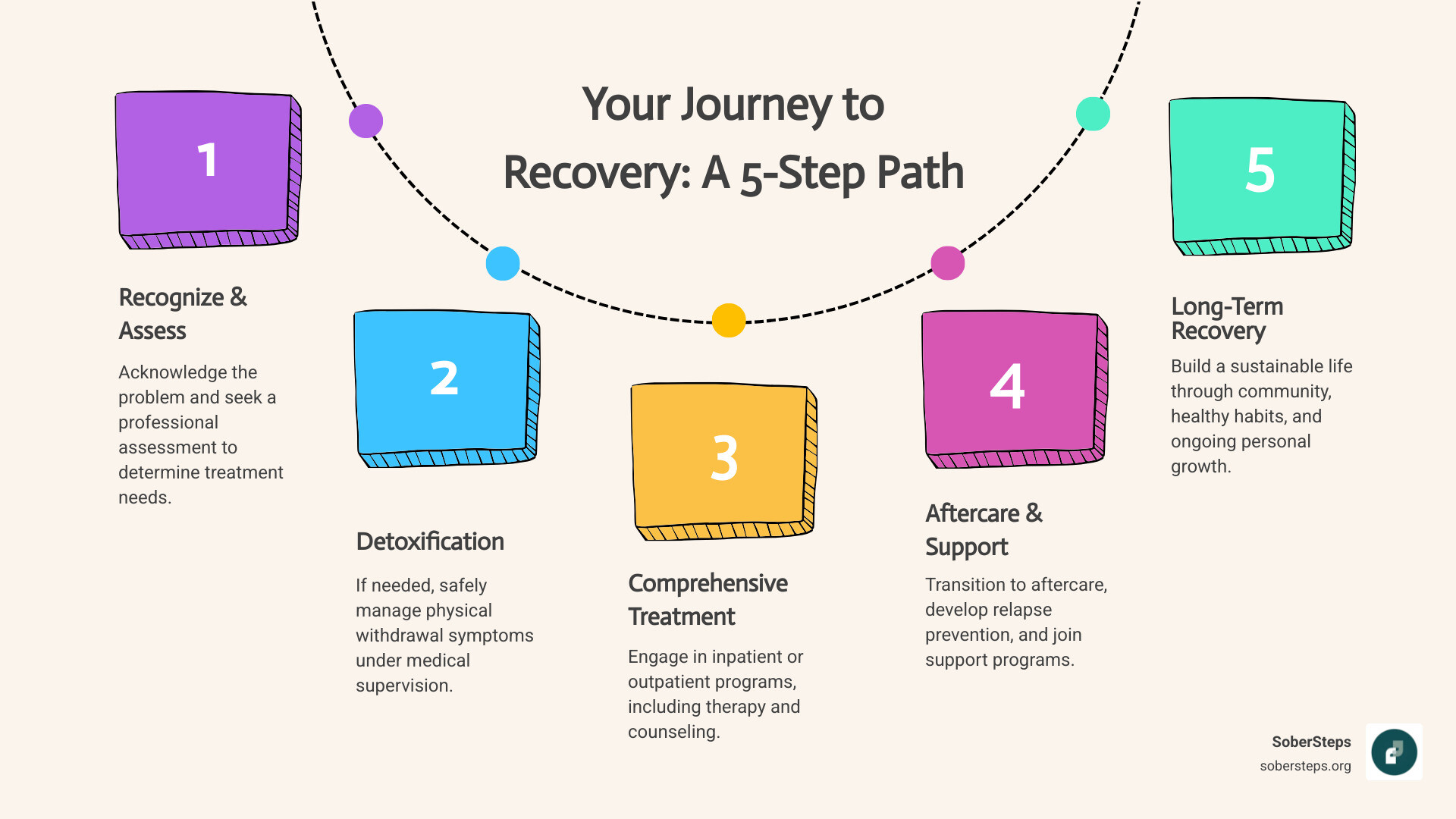
Understanding Addiction: Signs, Symptoms, and Effects
Addiction, or Substance Use Disorder (SUD), is a treatable chronic disease where an individual continues using a substance despite harmful consequences. It can involve alcohol, prescription drugs, or illegal substances. Recognizing its impact is the first step toward recovery.

The long-term effects of addiction are severe. Physically, it can cause organ damage, chronic diseases, and impaired cognitive function. Mentally, it often co-occurs with or worsens conditions like depression and anxiety. It also leads to strained relationships, job loss, and financial trouble. Understanding these risks is key to seeking help and reclaiming your life.
We believe that understanding addiction is crucial for effective treatment. Our resources are designed to shed light on this disease and guide you toward recovery. See how SoberSteps supports your recovery journey.
Recognizing the Signs of a Substance Use Disorder
Recognizing the signs of a Substance Use Disorder (SUD) is a critical step. While signs vary, common indicators include:
- Increased Tolerance: Needing more of the substance to get the same effect.
- Withdrawal Symptoms: Experiencing physical and mental distress (cravings, anxiety, nausea, tremors) when the substance wears off.
- Loss of Control: Using more of a substance or for longer than intended.
- Continued Use Despite Consequences: Persisting in use despite health, legal, or relationship problems.
- Neglecting Responsibilities: Failing to manage duties at work, school, or home.
- Behavioral Changes: Becoming secretive, irritable, or prioritizing substance use above all else.
- Physical Health Decline: Noticeable deterioration in overall well-being.
These are not character flaws but signs of a treatable disease requiring professional addiction services. If you notice these signs, it’s time to act. Find out more about substance abuse treatment or reach out for a confidential assessment today.
The Importance of Reducing Stigma in Seeking Help
Stigma is a major barrier to seeking addiction services. Many wrongly see addiction as a moral failing, not a chronic disease. This creates shame that prevents people from getting help.
Addiction can affect anyone. Some use substances to cope with trauma or mental health issues, while others develop a SUD from prescribed medication. In 2022, over one in six Americans aged 12 or older had a SUD, showing how common it is. Reducing stigma encourages open conversation and empowers people to seek treatment without fear of judgment.
At SoberSteps, we champion the belief that addiction is a disease, not a character flaw. Overcoming it requires compassionate, comprehensive care. We provide educational materials and connect families with supportive communities to reduce stigma and open the door to healing. Contact us for support and resources to steer this journey with dignity.
A Guide to Comprehensive Addiction Services
To overcome a Substance Use Disorder, understand the available addiction services. No single treatment fits everyone, and our goal at SoberSteps is to help you find support custom to your unique needs. A full continuum of care, from detox to long-term support, is often necessary for lasting sobriety.
The landscape of addiction treatment is varied, with different levels of intensity and specialized programs. Whether you need an intensive residential program or flexible outpatient care, effective, evidence-based options are available.
We believe that everyone deserves access to high-quality addiction services. Explore all addiction services offered by SoberSteps to see the breadth of options we can help you find. Let SoberSteps guide you to the right care—your future self will thank you.
Levels of Care: Inpatient vs. Outpatient Treatment
Choosing the right level of care is a crucial decision. Addiction services are typically offered at two main levels: inpatient (residential) and outpatient treatment.
Inpatient (Residential) Treatment involves living at a facility 24/7. It provides a structured, supportive environment away from daily triggers, with around-the-clock medical supervision and a full schedule of therapies. Inpatient rehab is often recommended for those with moderate to severe SUDs, those needing medical detox, or those with an unsupportive home environment. Programs typically last 30, 60, or 90 days.
Outpatient Treatment allows individuals to live at home while attending scheduled therapy sessions. It offers flexibility to maintain work, school, and family life. This option is suitable for those with less severe SUDs, a strong support system, or as a step-down from inpatient care. Intensive Outpatient Programs (IOPs) are common, involving several hours of treatment multiple times a week.
A professional assessment is essential to determine the most appropriate level of care based on addiction severity, co-occurring disorders, and living situation.
| Feature | Inpatient (Residential) Treatment | Outpatient Treatment |
|---|---|---|
| Intensity | High; 24/7 care and supervision | Moderate to low; scheduled sessions, live at home |
| Living Situation | Live at the treatment facility | Live at home; attend sessions at a facility |
| Structure | Highly structured daily schedule | Flexible schedule; allows for daily responsibilities |
| Medical Support | Constant medical monitoring, especially during detox | Medical support as needed; less intensive supervision |
| Cost | Generally higher due to accommodation and round-the-clock care | Generally lower, as it doesn’t include living expenses |
| Ideal Candidate | Moderate to severe SUDs, unstable home environment, co-occurring disorders, need for medical detox | Less severe SUDs, strong home support, ability to manage triggers |
| Pros | Immersive, safe from triggers, intensive therapy, peer support | Maintain daily life, family involvement, cost-effective |
| Cons | Disruptive to daily life, can be more expensive | Exposure to triggers, less intensive supervision, requires self-discipline |
We can help you find the right level of care that aligns with your specific needs. Find the right level of care for you with SoberSteps or contact us for a personalized assessment to determine the best path forward.
The First Step: Detoxification
For many, the first step in addiction services is detoxification (detox). This critical phase involves safely removing the substance from the body while managing withdrawal symptoms under medical supervision.
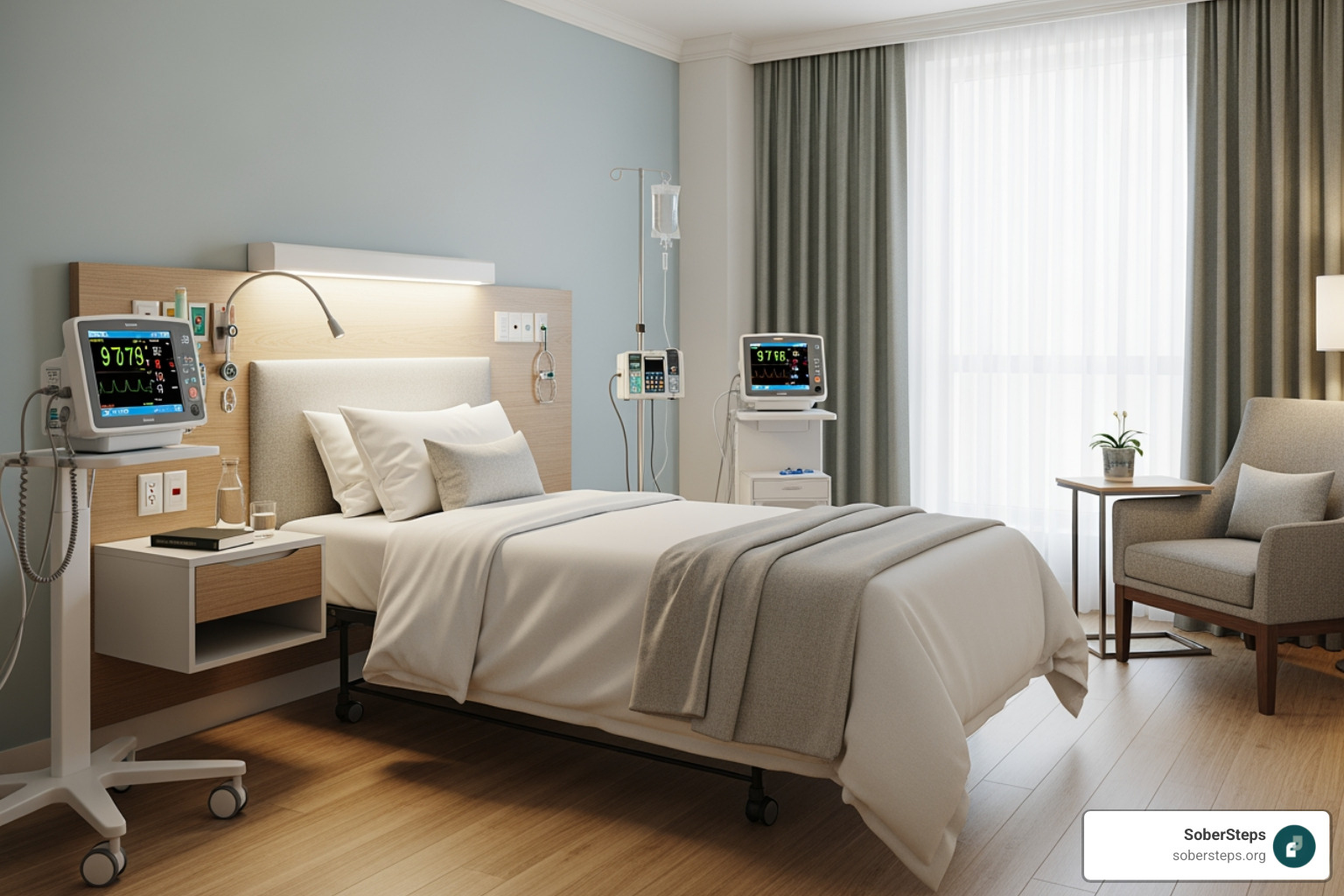
Attempting to detox alone can be dangerous, especially with substances like alcohol or benzodiazepines. In a medical setting, professionals monitor vital signs and administer medications to ensure safety and comfort.
Detox is not a full treatment. It addresses physical dependence but not the underlying psychological aspects of addiction. Think of it as clearing the physical hurdle so you can engage fully in therapy. After detox, the individual is ready to transition into a comprehensive inpatient or outpatient program.
The thought of detox can be daunting, but it’s a manageable and necessary first step. Learn about the detox process at SoberSteps and how we connect you with safe, professional providers. Start your recovery journey with safe detox by reaching out to us today.
The Role of Counseling and Therapy in Addiction Treatment
Counseling and therapy are the cornerstones of effective addiction services, addressing the psychological and behavioral roots of a SUD. The goal is to understand why the addiction developed and build a healthier life.
Common therapeutic approaches include:
- Individual Counseling: One-on-one therapy to explore personal triggers, develop coping skills, and set recovery goals.
- Group Counseling: Sessions with peers that provide a sense of community, shared experience, and accountability.
- Family Therapy: Involving loved ones to heal relationships, improve communication, and build a supportive home environment.
- Cognitive Behavioral Therapy (CBT): An evidence-based approach to identify and change negative thought patterns and behaviors related to substance use.
- Dialectical Behavioral Therapy (DBT): Focuses on mindfulness, distress tolerance, emotion regulation, and interpersonal skills, often for co-occurring disorders.
- Motivational Interviewing: A client-centered technique to strengthen motivation and commitment to change.
These therapies help individuals address underlying issues, develop healthy coping strategies, and prevent relapse. We understand the profound impact that dedicated counseling can have on recovery. Explore therapy options at SoberSteps to find programs with expert counselors. See how our counselors can help you by reaching out for guidance.
Specialized Addiction Services and Treatments
Beyond general therapy, specialized addiction services offer custom approaches for specific needs.
Medication-Assisted Treatment (MAT) combines FDA-approved medications with counseling to treat opioid and alcohol use disorders. Medications like Buprenorphine and Naltrexone help normalize brain function, reduce cravings, and prevent overdose. MAT is a proven, evidence-based approach to recovery.
Specialized programs for opioids are crucial and often integrate MAT with intensive therapy. Similarly, alcohol treatment programs offer specific strategies for managing withdrawal and cravings.
Dual Diagnosis Treatment is vital for individuals with co-occurring mental health conditions like depression, anxiety, or PTSD. These integrated programs address both the addiction and the mental health disorder simultaneously, which is essential for preventing relapse.
We are dedicated to connecting you with specialized programs that offer personalized care. Find out about specialized programs at SoberSteps, including MAT and dual diagnosis. Get matched with the right program for your needs by reaching out to our team.
How to Find and Pay for Treatment
Taking the first step to seek help is monumental. The next challenge is often accessing the right addiction services and figuring out how to pay for them. We’re here to simplify the process and show you that effective treatment is within reach.
Many people hesitate due to financial concerns or simply not knowing where to start. However, resources are available to guide you. At SoberSteps, we empower you with the information and connections needed to move forward confidently.
The path to recovery is clearer than you might think. Our guide on how to get started with SoberSteps provides the initial information you need. Don’t let uncertainty hold you back. Speak with our admissions team today to begin your journey.
Finding the Right Addiction Services for You
Finding the right addiction services is a personal journey. With thousands of providers in the U.S., the search can feel daunting, but we can help you narrow the options.
A comprehensive assessment is the best first step to determine the appropriate level of care and treatment type.
Here are some ways to find a suitable provider:
- Start with your GP: Your doctor can provide initial guidance and refer you to local specialists.
- Local Health Offices: State and county health departments often provide resources for publicly funded or low-cost options.
- Online Directories: Platforms like the SAMHSA Treatment Services Locator and the ATLAS Platform are excellent resources for finding providers by location and service type.
- SoberSteps’ Comprehensive Directory: Our platform helps you browse over 21,000 providers by condition, care type, or insurance. We make your search easier and more efficient.
When vetting centers, consider their accreditation, staff qualifications, treatment philosophy, and aftercare approach. Ask about success rates and patient-to-staff ratios to ensure individualized attention.
We are here to simplify your search for quality addiction services. Start your search for treatment now through our user-friendly platform. Let us help you find the right fit—we’re just a call or click away.
Navigating Insurance and Costs
Cost is a common concern, but the good news is that insurance coverage for addiction services is increasing. Navigating plans and payment options can still be a challenge, but help is available.
- Private Insurance: Many private plans cover a significant portion of treatment costs. Contact your provider to understand your specific benefits, deductibles, and co-pays for both in-network and out-of-network services.
- Medicaid: For eligible individuals, Medicaid often covers mental health and substance use services. Check your state’s health department website to learn about eligibility and how to apply.
- Payment Plans and Financial Assistance: If you’re uninsured or underinsured, many treatment centers offer payment plans, sliding-scale fees based on income, or financial assistance. State-funded programs may also offer free or low-cost services.
- Verifying Coverage: Always verify your insurance coverage with the treatment center’s admissions team before starting a program. They can help you understand your benefits and prevent unexpected costs.
The Mental Health and Addiction Insurance Help (HHS) website is a valuable resource for understanding your rights.
Financial concerns should not be a barrier to recovery. Learn about insurance and payment options at SoberSteps through our resources. Check your insurance coverage with us for a clear picture of your benefits, or contact us for help with insurance questions.
Life in Recovery: Ongoing Support After Treatment
Completing an initial treatment program is a huge achievement, but it’s the start of a lifelong journey. Recovery is a continuous process requiring ongoing commitment. Effective addiction services extend beyond the treatment center, providing a framework for maintaining sobriety.
The phase after primary treatment is crucial for applying new skills to daily life. It focuses on relapse prevention, building a strong support network, and developing healthy coping mechanisms. We believe sustained recovery is achievable with the right long-term support.
At SoberSteps, we recognize the importance of continuous care. Discover SoberSteps’ aftercare and alumni programs designed to support you long after treatment. Your journey transforms into a vibrant life in recovery. Stay connected with our recovery community for ongoing encouragement.
Support Systems for Individuals in Recovery
Robust support systems are vital for transitioning from treatment back to daily life. They provide accountability, encouragement, and practical tools for long-term recovery.
Key support systems include:
- Mutual Aid Groups: Peer-led groups like Alcoholics Anonymous (AA), Narcotics Anonymous (NA), and Smart Recovery offer a safe space to share experiences and receive encouragement.
- Aftercare Programs: Many treatment centers offer structured programs with regular group meetings and counseling to help individuals apply skills learned in treatment to real-world situations.
- Relapse Prevention Planning: A personalized plan to identify triggers, develop coping strategies, and establish an action plan for high-risk situations.
- Sober Living Homes: A supportive, substance-free environment where individuals can live with peers in recovery while gradually reintegrating into society.
- Building a Support Network: Cultivating a personal network of family, friends, and mentors is invaluable for emotional support and accountability.
Building a resilient recovery requires continuous effort and connection. Explore ongoing support options at SoberSteps to find resources that fit your path. Join our support network and find strength in shared experience.
Resources for Families and Loved Ones
Addiction is a family disease, affecting everyone involved. Healing for family members is just as important, and many addiction services offer them dedicated support.
Supporting a loved one requires understanding, patience, and self-care. Key resources include:
- Family Counseling: Therapy sessions to help families heal, improve communication, and understand the dynamics of addiction.
- Education on Addiction: Learning about addiction as a disease can reduce blame and help families prepare for the recovery journey.
- Setting Healthy Boundaries: A critical skill to protect one’s own well-being and avoid enabling behaviors.
- Supporting Recovery Without Enabling: Learning to offer love and support while holding the loved one accountable for their recovery.
- Support Groups for Families: Groups like Al-Anon and Nar-Anon provide a confidential environment for family members to share experiences and learn coping strategies.
When families heal, the foundation for long-term recovery becomes stronger. Our family resources and support at SoberSteps can equip you with the knowledge to steer this journey. Get help for your family today—we’re here to support everyone impacted by addiction.
Frequently Asked Questions about Addiction Services
Navigating addiction services can bring up many questions. Here are some common inquiries to help you feel more informed on your journey to recovery.
What is the difference between detox and rehab?
Detox (detoxification) is the initial, medically supervised process of clearing a substance from the body. It focuses on safely managing physical withdrawal symptoms. Detox stabilizes the body but does not address the psychological roots of addiction.
Rehab (rehabilitation) is the comprehensive program that follows detox. It uses therapy and counseling (individual, group, family) to address the psychological and behavioral aspects of addiction. Rehab can be inpatient or outpatient and aims to equip individuals with tools for long-term sobriety.
In short, detox cleanses the body, while rehab heals the mind. Read more about detox and rehab at SoberSteps or contact us to discuss your treatment options.
How long does addiction treatment last?
The duration of addiction services varies based on the individual’s needs, the substance used, and the severity of the SUD.
- Detox: Typically lasts from a few days to two weeks.
- Inpatient Programs: Often structured for 30, 60, or 90 days.
- Outpatient Programs: Can last for several weeks or months. An Intensive Outpatient Program (IOP) might run for 12 weeks.
While formal programs have set lengths, recovery is a lifelong process. Ongoing support through aftercare and mutual aid groups is crucial for maintaining sobriety. Learn about treatment timelines and let us help you find a program that fits your needs.
Can I be forced to go to rehab?
Generally, an adult must consent to treatment. However, there are exceptions under specific circumstances, and laws vary by state.
- Involuntary Commitment: Many states have laws allowing for court-ordered commitment if an individual is a danger to themselves or others due to a SUD. This requires a legal process and clear evidence.
- Court-Ordered Treatment: An individual involved in the legal system may be mandated by a court to attend treatment as a condition of probation or sentencing.
- Guardianship: In rare cases, a family may seek legal guardianship over an incapacitated individual, which could grant them authority to make medical decisions.
Consulting with legal or addiction professionals in your state is the best way to understand your options. This is a sensitive topic, and we are here to help. Find answers to more common questions on our website, or speak with our team for guidance.
Conclusion
The journey from addiction to recovery is challenging but incredibly rewarding. As we’ve explored, comprehensive addiction services offer a guide of hope. From understanding the signs of a Substance Use Disorder to navigating treatment options like detox, inpatient, and outpatient care, effective help is available.
We’ve highlighted the importance of counseling, reducing stigma, and finding ways to pay for treatment. Recovery is a continuous journey supported by aftercare, mutual aid groups, and family involvement. A hopeful, healthier future free from addiction is achievable.
At SoberSteps, we are your trusted partner on this journey. We provide confidential resources to help you explore treatment options and connect with reputable providers. You don’t have to do this alone. Take the first step toward recovery today. For confidential assistance, please contact SoberSteps for confidential help—we’re here for you.