
Understanding Heroin Detox: The Critical First Step to Recovery
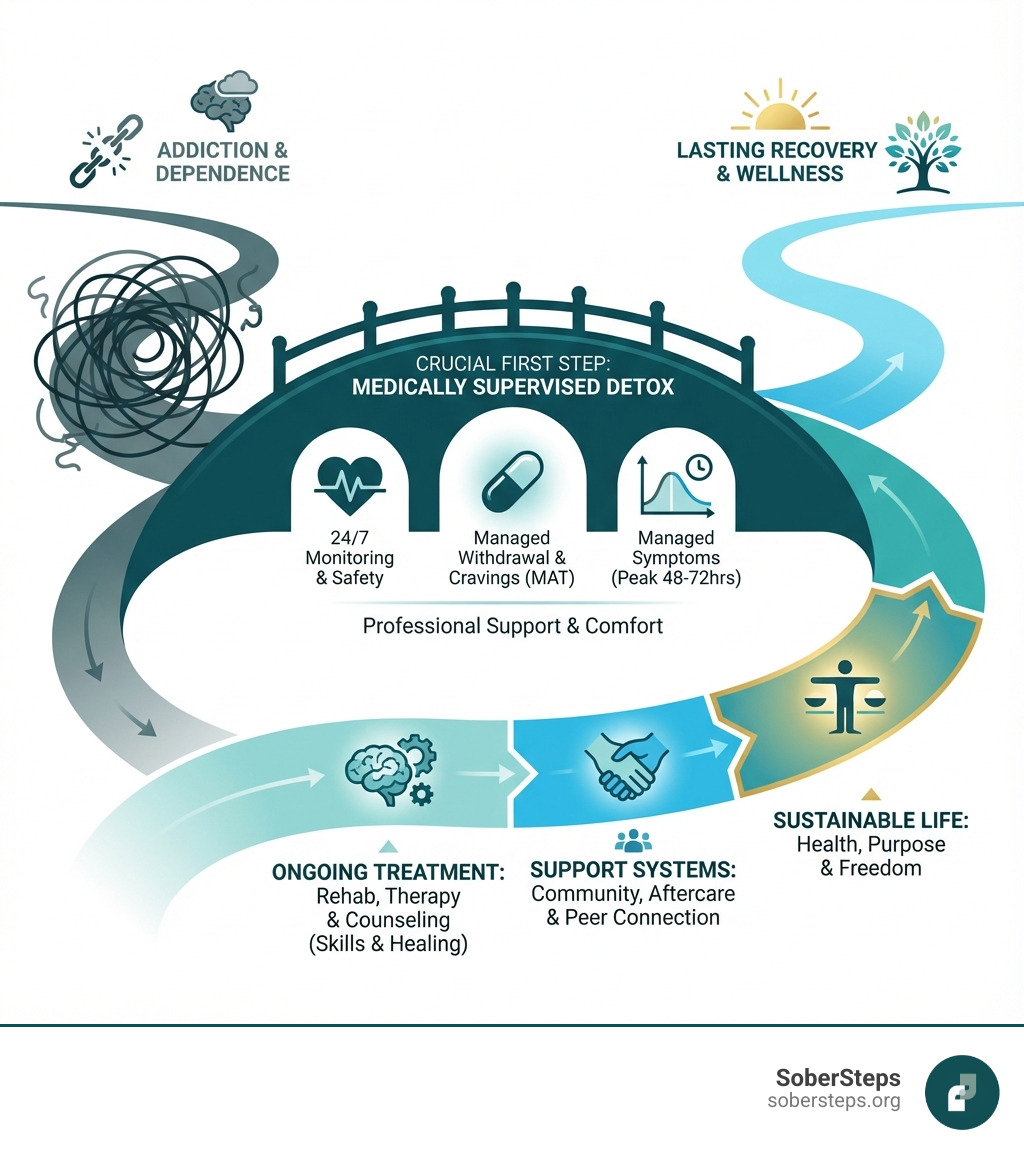
A heroin detox program is a medically supervised process designed to help your body safely clear heroin while managing withdrawal symptoms. It involves professional support, medication, and 24/7 monitoring.
Key Components of a Heroin Detox Program:
- Medical Supervision – Healthcare professionals monitor vital signs and manage complications 24/7.
- Medication-Assisted Treatment (MAT) – Medications like buprenorphine or methadone reduce cravings and ease withdrawal symptoms.
- Withdrawal Timeline – Acute symptoms typically begin 6-12 hours after last use, peak at 48-72 hours, and last 5-10 days.
- Safety First – Professional detox dramatically reduces the risk of dangerous complications and relapse.
- Setting Options – Choose between inpatient (24/7 residential care) or outpatient programs (regular clinic visits).
- What Comes Next – Detox is the first step; ongoing rehab and therapy are essential for lasting recovery.
If you or a loved one is struggling with heroin addiction, the thought of detox can be overwhelming. The fear of withdrawal is real, but you don’t have to face it alone. Attempting to quit “cold turkey” can be uncomfortable and dangerous. A medically supervised heroin detox program makes the process safer and more manageable, significantly lowering the risk of complications and relapse.
When you use heroin regularly, your body becomes physically dependent on it to function. When you stop, your body must readjust, causing withdrawal. Without professional support, these symptoms can be severe. This guide will walk you through what to expect during detox, the medications that help, and the crucial next steps for lasting recovery.
At Sober Steps, we’ve helped thousands of individuals connect with quality *heroin detox programs and comprehensive recovery resources.* Our mission is to provide clear, honest information to help you take that first step toward healing.
Contact SoberSteps for confidential help today.
What is Withdrawal? Understanding Your Body’s Response to Detox
Physical dependence occurs when your body adapts to a drug like heroin and needs it to function normally. When the drug is removed, withdrawal symptoms begin. Addiction is a more complex brain disease characterized by compulsive drug use despite negative consequences. With heroin, physical dependence is a key component of addiction.
Heroin alters brain chemistry by binding to opioid receptors, creating a flood of dopamine and intense pleasure. Over time, the brain reduces its own natural opioid production, leading to dependence. When heroin use stops, the brain struggles to rebalance, causing a cascade of uncomfortable and sometimes dangerous withdrawal symptoms. More info about Addiction.
The intense discomfort of withdrawal makes relapse highly likely, as using again is the quickest way to find relief. Unsupervised withdrawal also carries serious risks. Severe vomiting and diarrhea can cause life-threatening dehydration and electrolyte imbalances. The risk of a fatal overdose is also tragically high if you relapse after a period of abstinence, as your tolerance will have decreased. This is why a medically supervised detox is essential for your safety. More info about Drug Withdrawal.
Common Withdrawal Symptoms
During heroin withdrawal, you can expect a range of physical and psychological symptoms as your body readjusts. The experience varies, but common symptoms include:
-
Physical Symptoms:
- Muscle and bone pain
- Nausea, vomiting, and diarrhea
- Sweating and cold flashes
- Rapid heart rate
- Insomnia and restlessness
- Watery eyes and runny nose
-
Psychological Symptoms:
- Intense anxiety and agitation
- Depression
- Fatigue
- Inability to feel pleasure (anhedonia)
- Overpowering drug cravings
These symptoms are a clear sign that professional help is needed to manage this critical phase of recovery. Read more about withdrawal symptoms.
The Dangers of Quitting “Cold Turkey”
Stopping heroin use on your own, or “cold turkey,” is extremely dangerous. While heroin withdrawal itself is rarely fatal, the complications can be. Persistent vomiting and diarrhea can lead to severe dehydration, which can strain the heart. Aspiration (inhaling vomit) is another serious risk.
The psychological distress—severe anxiety, depression, and overwhelming cravings—can feel unbearable, leading to a high chance of relapse. Relapsing after your tolerance has dropped is especially dangerous and significantly increases the risk of a fatal overdose.
Addiction is a disease, not a failure of willpower. A heroin detox program provides a controlled, safe environment where medical professionals can manage symptoms and address complications, greatly increasing your chances of success. More info about Detox.
Find a safe detox program with SoberSteps.
The Heroin Withdrawal Timeline: What to Expect Day by Day
Understanding the heroin withdrawal timeline can help you prepare for a heroin detox program. As a short-acting opioid, heroin withdrawal begins relatively quickly. Individual experiences vary based on factors like duration of use, dosage, and overall health.

Here’s a general breakdown of the timeline:
-
Onset (6-12 hours after last use):
- Early symptoms begin, often resembling a bad flu. You may feel muscle aches, anxiety, restlessness, and a runny nose.
-
Peak Intensity (48-72 hours):
- Symptoms peak 2-3 days after the last dose. This is the most challenging period, with severe nausea, vomiting, diarrhea, muscle pain, insomnia, and intense cravings.
-
Acute Phase Duration (5-10 days):
- The most severe physical symptoms continue for 5 to 10 days before gradually subsiding. A medically supervised detox makes this phase much safer and more tolerable.
-
Protracted Withdrawal Syndrome (PAWS):
- After the acute phase, some individuals experience PAWS, which can last for weeks or months. Symptoms are primarily psychological and emotional, including anxiety, depression, sleep issues, fatigue, mood swings, and intermittent cravings.
- PAWS is a result of long-term brain changes from heroin use and requires ongoing therapy and support to manage. More info about Help With Cravings.
While the acute phase is intense, it is temporary. With professional support, it is a manageable first step toward recovery. Explore the stages of heroin withdrawal.
Speak to a SoberSteps advisor now.
Your Guide to a Safe and Effective Heroin Detox Program
Starting a heroin detox program is the first step toward reclaiming your life. The primary goals are to ensure your safety, manage your comfort, and prepare you for the next stages of recovery. This process involves 24/7 medical monitoring, medication to ease withdrawal, and emotional support to steer the psychological challenges. More info about Substance Abuse Treatment.
At SoberSteps, we connect you with programs that provide the highest standard of care, helping you build a foundation for lasting sobriety. What to expect in a heroin detox program.
Why Medically Supervised Detox is the Safest Choice
Choosing a medically supervised detox is the most important decision for your safety and success. The benefits are significant:
- 24/7 Medical Monitoring: Professionals track your vital signs and intervene immediately if complications like severe dehydration or electrolyte imbalances arise.
- Professional Symptom Management: Medical providers use medications to ease withdrawal symptoms, reduce cravings, and help you rest, making the process far more tolerable.
- Emotional and Psychological Support: Compassionate staff provide guidance and reassurance to help you steer the anxiety, depression, and cravings that accompany withdrawal.
This comprehensive support in a controlled, trigger-free environment significantly reduces relapse rates and increases your chances of moving on to the next stage of treatment. More info about Inpatient Detox Program.
Start your recovery with SoberSteps.
Medications Used in a Heroin Detox Program
Medication-Assisted Treatment (MAT) is a key part of modern heroin detox, combining FDA-approved medications with therapy. These medications are designed to alleviate withdrawal, reduce cravings, and prevent relapse.
-
Buprenorphine (Suboxone): A partial opioid agonist that reduces withdrawal symptoms and cravings without a full “high.” Its ceiling effect lowers the risk of overdose. It can be prescribed in a doctor’s office, increasing accessibility.
-
Methadone: A full opioid agonist that prevents withdrawal and reduces cravings. It is highly effective for severe dependence and is dispensed daily at specialized clinics.
-
Naltrexone (Vivitrol): An opioid antagonist that blocks the euphoric effects of heroin. It is used for relapse prevention after detox is complete (typically 7-10 days opioid-free) to avoid precipitating withdrawal.
These medications are often tapered, with the dosage gradually reduced as your body adjusts. MAT is proven to improve recovery outcomes significantly. Learn about MAT at SoberSteps.
Verify your insurance for MAT coverage.
Choosing the Right Heroin Detox Program Setting
Choosing the right setting for a heroin detox program depends on your addiction severity, health, and home environment. The two main options are inpatient and outpatient detox.
| Feature | Inpatient Detox | Outpatient Detox |
|---|---|---|
| Environment | 24/7 residential care at a dedicated facility | Regular visits to a clinic while living at home |
| Medical Supervision | Constant, around-the-clock monitoring by medical staff | Scheduled medical appointments and check-ins |
| Safety | Highest level of safety, removal from triggers | Moderate safety, relies on stable home environment |
| Structure | Highly structured, predictable daily routine | Flexible, allows continuation of work/school/family duties |
| Ideal For | Severe addiction, co-occurring health issues, unstable home | Moderate withdrawal, strong support system, stable home life |
Inpatient detox offers the highest level of care and is recommended for those with severe dependence, co-occurring mental health conditions, or an unstable home life. The 24/7 supervision and structured, trigger-free environment allow you to focus completely on recovery.
Outpatient detox offers flexibility for those with moderate symptoms and a strong, stable support system at home. It allows you to maintain daily responsibilities while receiving care.
A comprehensive heroin detox program should also address co-occurring disorders like anxiety or depression, as treating both simultaneously improves long-term outcomes. More info about Co-occurring Disorders Treatment.
Find the right program for you.
Life After Detox: Building a Foundation for Lasting Recovery
Completing a heroin detox program is a critical first step, but it’s not the end of the journey. Detox addresses physical dependence, but addiction is a chronic disease that requires ongoing management to address the underlying psychological and behavioral issues. Without continued treatment, the risk of relapse is high. Detox is the foundation upon which you build a new, sober life. More info about Overcoming Drug Addiction.
Plan your next steps with SoberSteps.
From Detox to Rehab: Your Next Steps
After detox, the next phase is a comprehensive rehab program that focuses on the psychological aspects of addiction. These programs help you develop coping skills and address the root causes of substance use.
-
Inpatient Rehab (Residential Treatment): This involves living at a facility 24/7, providing a highly structured, supportive, and trigger-free environment. It’s ideal for those with severe addiction or co-occurring disorders. Stays typically range from 30 to 90 days.
-
Outpatient Programs: These programs offer flexibility, allowing you to live at home while attending treatment.
- Partial Hospitalization (PHP): A high-intensity day program (approx. 30 hours/week) that serves as a step-down from inpatient care or an alternative for those needing significant support.
- Intensive Outpatient (IOP): A less intensive option (10-15 hours/week) that allows for more flexibility with work or school.
- Standard Outpatient: The least intensive level, involving weekly therapy sessions, often as a final step-down in care.
Creating an individualized, long-term treatment plan is essential for building a fulfilling life in recovery. More info about Drug Rehab.
Get matched with a treatment program.
The Power of Therapy in Relapse Prevention
Therapy is the core of long-term recovery after a heroin detox program. It addresses the psychological patterns behind addiction and equips you with tools for relapse prevention.
Key therapeutic approaches include:
- Cognitive-Behavioral Therapy (CBT): Helps you identify and change negative thought patterns and behaviors that lead to drug use.
- Individual Therapy: One-on-one sessions to explore the root causes of your addiction, such as trauma or mental health conditions.
- Group Therapy: Provides a supportive community to share experiences, reduce isolation, and learn from others.
Therapy helps you build healthy coping skills, manage triggers, and develop a robust relapse prevention plan. It’s about understanding why you used heroin and learning to steer life’s challenges without it. More info about Therapy.
How therapy supports recovery.
Connect with a therapist through SoberSteps.
Finding Your Community: Peer Support Groups
Beyond formal therapy, a supportive community is vital. Peer support groups offer a powerful sense of belonging and shared understanding.
The shared experience in these groups reduces feelings of isolation and reminds you that you are not alone. Popular options include:
- 12-Step Programs: Groups like Narcotics Anonymous (NA) provide a structured path to recovery with peer support.
- SMART Recovery: A self-management program using tools based on CBT to empower individuals.
- Refuge Recovery: A Buddhist-inspired program using mindfulness and meditation.
Building a sober network creates a safety net for accountability, encouragement, and practical advice. More info about Peer Support.
Find support groups near you.
Join a recovery community with SoberSteps.
How to Find and Afford Addiction Treatment
Finding the right heroin detox program and subsequent treatment can feel overwhelming, but numerous resources and payment options are available. Concerns about cost should not be a barrier to getting the help you need.

How to Find Help
When searching for a reputable heroin detox program, look for facilities that are licensed and accredited by organizations like The Joint Commission or CARF. Ensure they offer 24/7 medical supervision and integrated care for co-occurring mental health disorders. You can use government resources like the SAMHSA National Helpline or their online treatment locator at FindTreatment.gov to search for centers. Our confidential 24/7 helpline at SoberSteps is also available to guide you. Find Addiction Treatment.
Insurance Coverage and Payment Options
The cost of treatment varies, but insurance often covers a significant portion.
- Affordable Care Act (ACA): Under the ACA, addiction treatment is an essential health benefit, meaning most health plans must cover it.
- Medicaid: State Medicaid programs are required to fund Medication-Assisted Treatment (MAT) and related services, often at little to no cost to you.
- Private Insurance: Most private health insurance plans (PPO, POS, etc.) offer coverage for detox and rehab. It’s important to verify your specific benefits.
- Other Payment Assistance: If you are uninsured, many facilities offer sliding-scale fees based on income, payment plans, or accept state grants.
Don’t let cost prevent you from seeking help. We can help you steer insurance and payment options to find an affordable solution. More info about Insurance.
Call SoberSteps now for free insurance verification.
Frequently Asked Questions about Heroin Detox
Here are answers to some of the most common questions about heroin detox.
How long does heroin detox actually take?
The acute physical withdrawal phase of a heroin detox program typically lasts 5 to 10 days. During this time, medical support can greatly reduce the intensity of symptoms. However, some psychological symptoms, known as Protracted Withdrawal Syndrome (PAWS), can linger for weeks or months, requiring ongoing support. Heroin withdrawal timeline explained.
Is heroin withdrawal life-threatening?
While heroin withdrawal itself is generally not life-threatening, serious complications can make it dangerous without medical supervision. Severe vomiting and diarrhea can lead to dehydration and electrolyte imbalances. The single greatest danger is the high risk of a fatal overdose upon relapse. After detox, your tolerance is much lower, making a previous dose potentially lethal. This is why a supervised detox is crucial. Risks of unsupervised detox.
What happens if I relapse after detox?
Relapse is a common part of the recovery process for many; it is not a sign of failure. Because of the high risk of overdose due to lowered tolerance, it is critical to seek help immediately if a relapse occurs. A relapse is a sign that your treatment plan may need adjustment. The most important thing is to reach out for support without shame and get back on the path to recovery. Relapse prevention strategies.
Reach out for support after relapse.
Conclusion: Your Path to a New Beginning Starts Today
The journey to overcome heroin addiction is challenging but incredibly rewarding. A heroin detox program is the vital first step—a safe, manageable beginning when done with professional help. It’s where your body begins to heal, paving the way for the deeper work of recovery.
Recovery is a continuous process of growth and building a life free from addiction. There is immense hope for a healthier, happier future, and you don’t have to do it alone.
At SoberSteps, our confidential 24/7 helpline is here to connect you with quality heroin detox programs and treatment providers. We believe in your ability to heal.