
Why Understanding Addiction Rehab Is the First Step Toward Recovery
Addiction rehab is professional treatment for substance use disorders, offering medical detox, therapy, and ongoing support to help individuals achieve and maintain sobriety. Here’s what you need to know:
Key Components of Addiction Rehab:
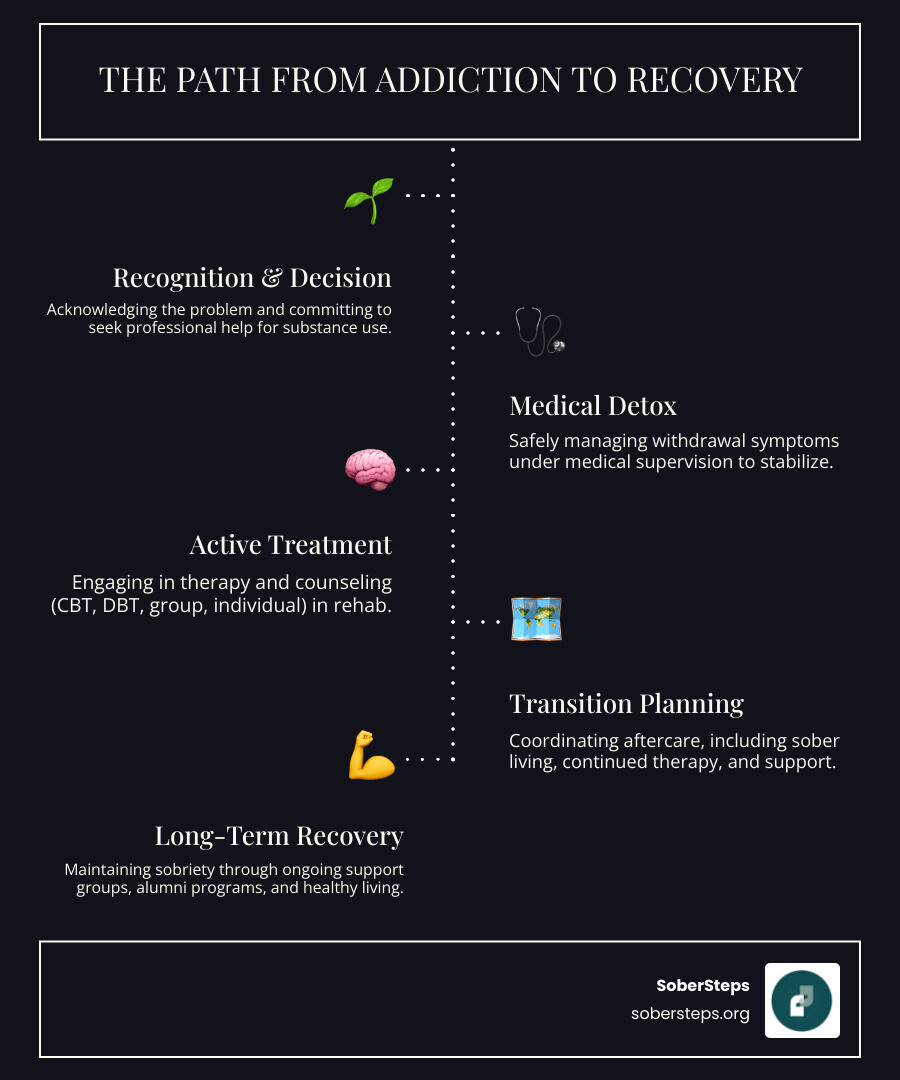
- Medical Detox – Safely managing withdrawal symptoms under medical supervision
- Inpatient/Residential Treatment – 24/7 care in a structured, substance-free environment
- Outpatient Programs – Flexible treatment while living at home (IOP, PHP, OP)
- Evidence-Based Therapies – CBT, DBT, group therapy, and individual counseling
- Medication-Assisted Treatment (MAT) – FDA-approved medications to reduce cravings
- Aftercare Planning – Ongoing support through sober living, alumni programs, and support groups
Where to Start:
The numbers tell a sobering story. Over 46 million Americans aged 12 or older struggle with a substance use disorder. Yet according to the Substance Abuse and Mental Health Services Administration, 94% of those people did not receive any treatment.
If you or a loved one is struggling, the path to recovery can seem confusing. This guide answers your questions about addiction rehab, walking you through every step—from recognizing the need for help and understanding treatment options to preparing for your stay and planning for a sober future.
Recovery is possible. With the right treatment and support, people overcome addiction every day and build fulfilling, sober lives.
At Sober Steps, we’re a compassionate online community dedicated to supporting individuals on their journey to recovery from addiction. We’ve helped millions of users steer addiction rehab options, connect with quality treatment providers, and find the resources they need to achieve lasting sobriety.
Ready to take the first step? Contact SoberSteps today for confidential support and guidance on finding the right treatment for your unique needs.
Addiction rehab further reading:
Recognizing the Need for Professional Help
Admitting there’s a problem is often the hardest step. Addiction can be deceptive, but recognizing the signs is crucial for starting the recovery journey.
The Diagnostic and Statistical Manual of Mental Disorders (DSM-5) outlines criteria for diagnosing substance use disorder (SUD). These focus on how substance use impacts a person’s life.
Common signs of addiction that might indicate a need for professional help include:
- Behavioral changes: Losing interest in hobbies, neglecting responsibilities, risky behaviors, continued use despite consequences, legal or financial problems.
- Physical symptoms: Changes in appearance, weight fluctuations, tremors, slurred speech, poor hygiene, withdrawal symptoms when stopping (e.g., nausea, sweating, shaking).
- Psychological signs: Increased anxiety or depression, mood swings, irritability, paranoia, lying about use, guilt or shame, obsessive thoughts about the substance.
If these signs are present, it may be time to consider professional help from an addiction rehab center. Addiction is a complex disease that often requires medical and therapeutic intervention, not just willpower. You can learn more about Addiction here.

Unsure if you or a loved one needs help? Speak with an addiction specialist now. We’re here to listen without judgment and guide you toward understanding your options.
The Critical Role of Co-Occurring Disorders
Many people with a substance use disorder also have a mental health condition, known as a “dual diagnosis” or co-occurring disorders. This is especially common in young people, with links to ADHD, depression, and anxiety.
The link is profound: mental health issues can lead to substance use for coping, and substance use can worsen or trigger mental health problems. Common co-occurring conditions include anxiety, depression, PTSD, and bipolar disorder.
Integrated treatment that addresses both the SUD and mental health condition simultaneously is crucial for long-term success. Treating one without the other often leads to relapse. Our programs offer integrated mental wellness and behavioral health services to tackle the root causes of dual diagnosis.
Learn about Co-Occurring Disorders Treatment and dig deeper into Mental Health and Substance Use Co-Occurring Disorders. To understand how therapy can address these interconnected challenges, explore our therapy options.
The Core Components of Addiction Rehab Programs
Addiction rehab is not a one-size-fits-all solution. An effective treatment plan must be individualized to a person’s unique history, substance use, and any co-occurring mental health conditions. Research shows that this personalized approach improves engagement and outcomes. At SoberSteps, we help you create a personalized path to recovery. For a deeper dive, check out our Drug Treatment Programs: Complete Guide.
Start your personalized recovery plan and find how we can help you steer your journey to sobriety. Contact us at SoberSteps today.
Levels of Care: A Stepped Approach
Addiction rehab uses a continuum of care model with different levels of intensity to meet varying needs at each stage of recovery.
- Medical Detox: Often the first step, medical detox provides a safe, supervised environment to manage acute withdrawal symptoms. Detoxing alone can be dangerous; medical supervision increases safety and the odds of recovery. Detox typically lasts 5-10 days. Learn more about Medical Detox Programs.
- Inpatient/Residential Rehab: This level offers 24/7 care in a structured, residential setting. It’s ideal for those with severe SUDs or unstable home environments, allowing a total focus on recovery. Treatment typically lasts 7-90 days. Explore Inpatient Drug Rehab options.
- Outpatient Programs (OP): Outpatient treatment allows individuals to live at home while attending scheduled sessions. It’s suitable for milder SUDs or as a step-down from more intensive care. Understand Outpatient care.
- Intensive Outpatient Programs (IOP): IOPs offer more structure than standard outpatient, with about nine hours of treatment per week. IOPs often last 6-8 weeks.
- Partial Hospitalization Programs (PHP): PHPs, or “day treatment,” are the most intensive outpatient option. Patients attend treatment for several hours a day, five days a week, but return home at night. PHPs typically last 2-4 weeks.
Here’s a quick comparison of inpatient vs. outpatient rehab:
| Feature | Inpatient Rehab | Outpatient Rehab |
|---|---|---|
| Intensity | High (24/7 care and supervision) | Moderate to Low (scheduled sessions) |
| Living Situation | Resides at facility | Lives at home, commutes to treatment |
| Duration | Typically 7-90 days | Weeks to several months, depending on program |
| Best For | Severe SUDs, co-occurring disorders, unstable home | Milder SUDs, strong support, step-down from inpatient |
To determine the best fit for your needs, explore our comprehensive Levels of Care.
Common Therapies and Treatment Approaches
Evidence-based therapies help individuals understand the root causes of their addiction, develop coping mechanisms, and build a healthier future.
- Cognitive Behavioral Therapy (CBT): CBT helps individuals identify and change problematic thoughts and behaviors related to substance use, teaching skills to manage triggers and cravings. Learn more about Cognitive Behavioral Therapy.
- Dialectical Behavior Therapy (DBT): A form of CBT, DBT teaches skills for managing intense emotions and tolerating distress. It’s especially helpful for those with co-occurring disorders. Discover Dialectical Behavior Therapy.
- Motivational Interviewing (MI): This approach helps individuals resolve ambivalence about changing their substance use and strengthens their motivation for recovery.
- Group Therapy: A cornerstone of rehab, group therapy provides a supportive peer environment to share experiences and practice new skills, reducing isolation. Understand the benefits of Group Therapy.
- Individual Therapy: One-on-one sessions allow for a deeper exploration of personal issues, trauma, and specific challenges related to addiction.
- Family Therapy: Addiction affects the whole family. Family therapy helps heal relationships, improve communication, and educate loved ones, creating a stronger support network. Explore our Therapy services and learn about Family involvement in recovery.
Medication-Assisted Treatment (MAT) Explained
Medication-Assisted Treatment (MAT) combines FDA-approved medications with counseling to reduce cravings, manage withdrawal, and prevent relapse, particularly for opioid and alcohol use disorders.
For opioid addiction, common medications include:
- Buprenorphine (Suboxone, Sublocade): Reduces opioid cravings and withdrawal.
- Methadone: A long-acting opioid agonist that stabilizes individuals and prevents withdrawal and cravings. You can find a Methadone Clinic Near Me.
- Naltrexone (Vivitrol): Blocks the effects of opioids and can also be used to reduce alcohol cravings.
For alcohol addiction, medications like Naltrexone, Acamprosate, and Disulfiram can reduce cravings and deter drinking.
MAT is a comprehensive approach proven to improve survival, increase treatment retention, and decrease illicit drug use. It is most effective when combined with therapy. Learn more about MAT.
Tailoring Treatment for Different Substances
The type of substance used significantly influences the addiction rehab approach.
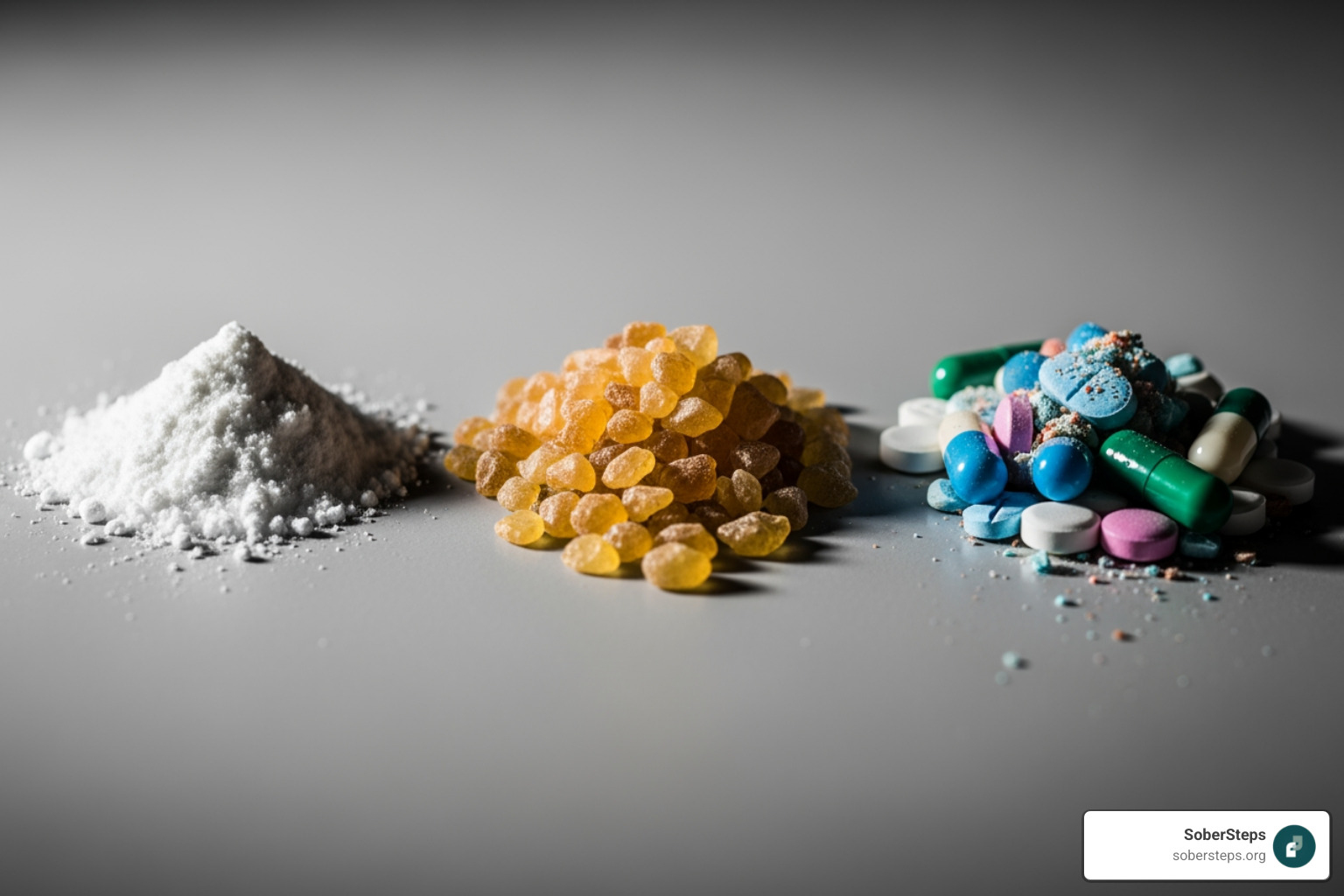
- Opioids (Heroin, Fentanyl, Prescription Painkillers): Opioid withdrawal is uncomfortable and can lead to relapse. MAT is often a critical component, and medical detox is essential. Explore Opioid Rehab options and our Fentanyl Addiction Help Guide.
- Alcohol: Alcohol withdrawal can be life-threatening, potentially causing seizures, and requires medical detox. Treatment addresses both physical and psychological dependence. Find Alcohol Rehab Centers.
- Stimulants (Cocaine, Methamphetamine, Adderall): Stimulant withdrawal involves severe depression and intense cravings. Treatment focuses on behavioral therapies like CBT. Learn about Stimulant Addiction.
- Benzodiazepines (Xanax, Klonopin, Valium): Withdrawal can be dangerous and requires a slow, medically supervised taper to avoid seizures. Treatment focuses on safe detox and addressing underlying anxiety. For more information, read The Benzo Blues: Coping with Withdrawal & Anxiety.
A custom approach for each substance is key to successful recovery. Find substance-specific help now by contacting SoberSteps for personalized guidance.
Navigating Your Path to an Addiction Rehab Center
Deciding to seek help for addiction is a brave first step. While it can feel daunting, you don’t have to do it alone. Finding the right treatment fit is paramount for success. The First Step is the Hardest: How to Begin Addiction Recovery offers valuable insights. Get confidential help 24/7 by contacting our team.
How to Choose the Right Addiction Rehab Center
Selecting an addiction rehab center is a significant decision. Consider these key factors:
- Accreditation and Licensing: Ensure the facility is accredited (e.g., The Joint Commission, CARF) and state-licensed, indicating quality standards.
- Staff Credentials: Look for qualified doctors, psychiatrists, licensed therapists, and certified addiction counselors.
- Treatment Philosophy: Does the center use evidence-based therapies? Does its approach align with your values?
- Location and Environment: Consider if a local or distant center is better. A supportive environment aids recovery.
- Amenities: While secondary, amenities like comfortable rooms or fitness options can contribute to well-being.
- Success Rates and Patient Reviews: Look for positive testimonials and transparent outcome reporting.
Our Buyers Guide: Best Drug Rehabs for 2024 provides a comprehensive overview. For more details, check out our guide on What to look for in a rehab center.
What to Expect from the Addiction Rehab Admission Process
The admission process is designed to be supportive. Here’s what to expect:
- The Initial Call: You’ll speak with an admissions specialist to ask questions and discuss your needs.
- Insurance Verification: We’ll help you verify your insurance coverage for treatment.
- Intake Assessment: This is a thorough review of your medical history, substance use patterns, and mental health.
- Biopsychosocial Evaluation: A therapist conducts a detailed evaluation to create a personalized care plan.
- Medical Evaluation: A medical professional assesses your physical health and immediate needs.
- Creating a Personalized Treatment Plan: A multidisciplinary team creates a custom plan based on your assessments.
We understand that navigating insurance can be complex. Verify Insurance Coverage Now to understand your benefits. Check your insurance benefits today by contacting us for assistance.
How to Prepare for Your Stay
Preparing for your stay at an addiction rehab center can make the transition smoother.
- What to Pack: Bring comfortable clothing for 7-10 days, alcohol-free toiletries, prescription medications in original bottles, and your ID/insurance card.
- What to Leave Behind: Check with the facility, but generally leave electronics, unauthorized medications, and valuables at home.
- Setting Realistic Expectations: Understand that recovery is a process with ups and downs. Be open to the journey.
- Arranging Work and Family Obligations: Arrange for work leave (e.g., FMLA) and other responsibilities to focus on treatment.
- Preparing Mentally for the Journey Ahead: Acknowledge your feelings and talk to trusted people before you go. This helps you arrive ready to engage.
For immediate assistance, Get Immediate Addiction Help. For a more detailed guide, read Preparing for rehab: A step-by-step guide.
Building a Foundation for Lasting Sobriety
Completing addiction rehab is a huge achievement, but recovery is a lifelong journey. Lasting sobriety requires ongoing support and integrating new coping skills into daily life. Research shows long-term support improves life skills and mental health. A strong support system of family, friends, and peers is paramount. Long-Term Recovery: Building a Foundation for a Sober Future offers more insights.
Join our alumni community and stay connected to a network that understands and supports your journey. Learn about Aftercare options here.
The Financial Side: Costs and Payment Options
The cost of addiction rehab is a common concern, but many payment options make it accessible. Costs vary widely based on the level of care and facility (the average in Maryland is $56,783, for example).
Payment options include:
- Insurance Coverage: Most private insurance, Medicaid, and Medicare plans cover addiction treatment. It’s essential to verify your specific benefits. We work with providers like UnitedHealth Group Insurance, Humana Insurance, Highmark Insurance, Caresource Insurance, Magellan Health Insurance, Cigna Insurance, Medicare Insurance, Medical Mutual Insurance, Blue Cross Blue Shield Insurance, and Beacon Health Insurance.
- Private Pay & Financing: Many facilities offer self-pay rates, financing, or payment plans.
- Free or Low-Cost Programs: Government-funded programs and non-profits offer free or sliding-scale treatment.
Don’t let cost be a barrier. We can help you understand How Do I Pay for Addiction Treatment? and explore Free Rehab Centers Near Me. For direct assistance, check out our page on Financial assistance for rehab.
The Role of Family, Aftercare, and Ongoing Support
Recovery is not a solitary journey. Family involvement, aftercare planning, and ongoing support are crucial for long-term success.
- Benefits of Family Therapy: Family therapy helps educate loved ones, rebuild trust, and improve communication, creating a healthier environment for recovery. From Crisis to Calm: A Guide to Family Addiction Resources offers support.
- Support Groups for Families: Groups like Al-Anon and Nar-Anon provide invaluable support and coping methods for friends and family members.
- Aftercare Planning: A critical plan developed during treatment, it outlines post-rehab steps like therapy, support groups, and Relapse Prevention Therapy strategies. Learn about Aftercare.
- Sober Living Homes: These structured, substance-free homes provide a supportive bridge between inpatient treatment and independent living, offering peer support and accountability.
- Alumni Programs: Many addiction rehab centers offer alumni programs to help former clients stay connected and supported through meetings, mentorship, and social events.
Connect with aftercare resources and ensure your recovery journey is supported. Find out more about our Aftercare programs.
Holistic and Complementary Therapies
Many addiction rehab programs integrate holistic therapies that focus on the mind-body connection and overall well-being.
- Yoga and Meditation: These practices help reduce stress, improve emotional regulation, and develop mindfulness.
- Art Therapy: Creative expression can be a powerful way to process emotions and build self-esteem without words.
- Equine Therapy: Interacting with horses teaches patience, trust, and responsibility, offering unique behavioral insights. Explore Equine Therapy.
- Wilderness Therapy: Time in nature and adventure activities can build resilience, self-reliance, and a fresh perspective. Learn about Wilderness Therapy.
- Nutritional Guidance: Education on healthy eating is vital for rebuilding physical health, supporting brain function, and boosting energy.
Combined with traditional treatment, these therapies offer diverse tools for maintaining sobriety. Explore Experiential Therapy and other Holistic approaches to recovery.
Addiction Trends and Resources in Maryland
Understanding local trends is helpful, and Maryland has faced significant challenges with the opioid crisis.
- The Maryland Opioid Crisis: In 2021, Maryland saw 2,516 opioid-related deaths, representing over 90% of all drug fatalities that year.
- The Role of Fentanyl: Fentanyl is involved in the vast majority of these deaths, underscoring the need for effective treatment. Our Fentanyl Addiction Help Guide offers vital information.
- Average Treatment Cost in MD: The average treatment cost in Maryland is $56,783, but this varies widely, and payment options are available.
These statistics highlight the critical need for accessible addiction rehab services in Maryland.
Find Maryland addiction resources and take action. Explore treatment options in your state.
Finding Local Help in Maryland
Maryland residents seeking addiction rehab have several local resources:
- Local Treatment Directories: State health departments and platforms like SoberSteps list providers throughout Maryland.
- Community Support Groups: Peer support groups like AA and NA are widespread across the state.
- Transportation Resources: Public transit like the MTA and Charm City Circulator can help access care in cities like Baltimore. Some facilities also offer transportation assistance.
We are committed to helping you find the right support. For more specific guidance, explore our Maryland-specific treatment options.
Frequently Asked Questions about Addiction Rehab
How long does rehab last?
The duration of addiction rehab is individualized. Detox typically lasts 5-10 days. Inpatient programs can range from 7 to 90 days, while outpatient programs can last several weeks to months. Research shows that longer-term treatment improves outcomes, providing a stronger foundation for sobriety. While a 28-day program is a common starting point, longer engagement often provides the best chance for lasting change. For a comprehensive overview, see What to expect in rehab.
Can I lose my job for going to rehab?
In the United States, legal protections can prevent you from losing your job for attending addiction rehab.
- Family and Medical Leave Act (FMLA): Eligible employees can take up to 12 weeks of unpaid, job-protected leave for substance abuse treatment.
- Americans with Disabilities Act (ADA): The ADA protects individuals in recovery from employment discrimination.
It’s best to communicate with your HR department to understand your company’s policies. Many rehab centers can help coordinate leave requests. For more on this, see Navigating work and rehab.
What happens after I complete a rehab program?
Completing rehab is the beginning of a lifelong recovery journey. Aftercare is crucial for maintaining sobriety.
Next steps often include:
- Sober Living: Transitioning to a structured, substance-free home.
- Support Groups: Continued involvement in groups like Alcoholics Anonymous (AA) and Narcotics Anonymous (NA). You can find Online NA Meetings for convenient support.
- Continuing Therapy: Regular sessions to reinforce coping skills.
- Alumni Programs: Staying connected with the rehab center’s community.
- Relapse Prevention: Using strategies to manage triggers and cravings.
Recovery is an ongoing process. Stay connected with support to build a foundation for lasting sobriety. Explore our Aftercare programs.
Conclusion: Your Journey to Recovery Starts Today
Navigating addiction rehab can seem complex, but we hope this guide has demystified the process and provided you with clarity and hope. We’ve explored the different levels of care, the power of evidence-based therapies and MAT, the crucial role of family and aftercare, and the specific resources available in regions like Maryland.
Recovery is a challenging but incredibly achievable goal. Millions of Americans have found their path to sobriety, and you can too. The most important step is simply taking the first one—reaching out for help.
At SoberSteps, we believe in the power of professional help and compassionate support. We are here to guide you or your loved one toward the right treatment options. Our confidential helpline is available 24/7 to answer your questions and connect you with trusted providers.
Take the first step—reach out now. Contact our 24/7 confidential helpline to explore your options and Start your journey with our Drug Rehab program. Your healthier, sober future awaits.