
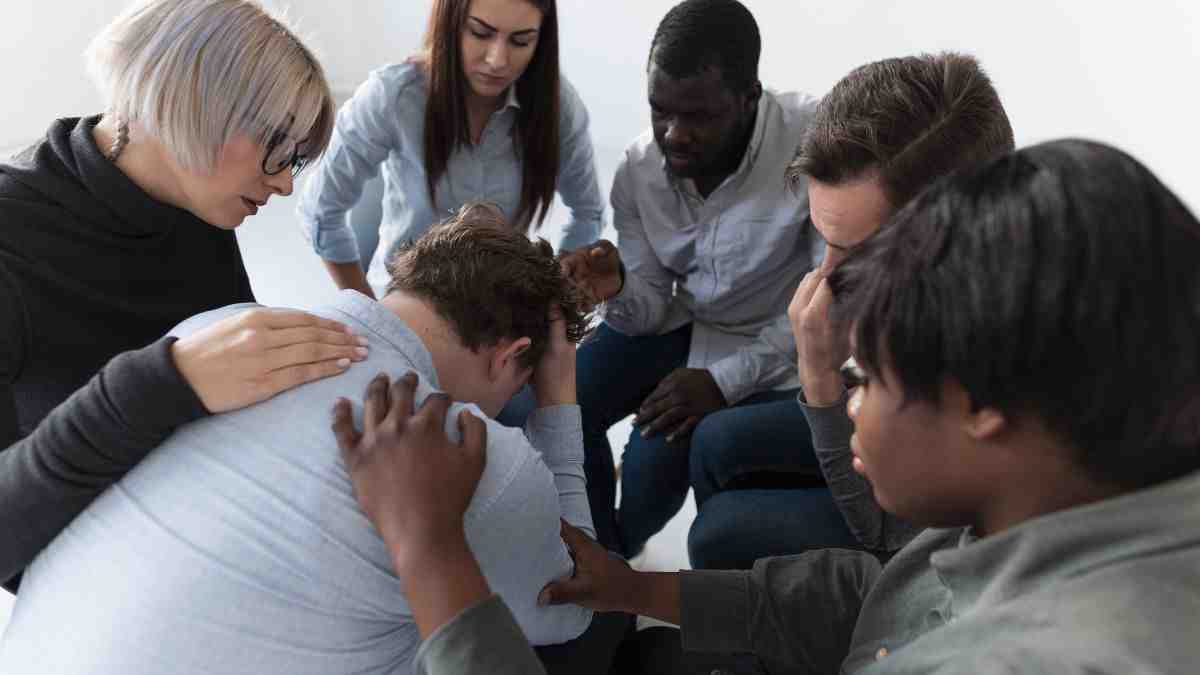
Why Finding Substance Abuse Help Matters Right Now
Substance abuse help is available right now, and you don’t have to face this alone. Here are your immediate options:
Quick Access to Help:
- Crisis Support – Call 988 (Suicide & Crisis Lifeline) or text “HELLO” to 741741 for 24/7 confidential help
- Treatment Locator – Find nearby rehab centers and treatment programs through online directories
- Medical Detox – Get safe, supervised withdrawal support at inpatient facilities
- Outpatient Programs – Attend therapy and treatment while living at home
- Support Groups – Connect with others in recovery through free peer support meetings
- Medication-Assisted Treatment – Access FDA-approved medications that reduce cravings and withdrawal symptoms
If you or a loved one is struggling, reach out for confidential help now.
Addiction affects more than 1 in 6 Americans. That’s over 46 million people dealing with substance use disorder in a given year.
Here’s what you need to know: addiction is a treatable disease, not a moral failing. Your brain chemistry has changed, but with the right support, recovery is absolutely possible.
This guide will walk you through every step of getting help—from crisis resources you can access right now to finding the right treatment program for your situation. We’ll cover what to expect, how to pay for treatment, and how to build a support system that lasts.
You’ve already taken the hardest step by looking for help.
At SoberSteps, we’re a compassionate online community dedicated to supporting individuals on their journey to recovery, offering comprehensive resources and guidance to help you find the right substance abuse help for your unique situation. We’ve helped thousands of people steer their options and connect with quality care.
In Crisis? Immediate Steps and Emergency Resources
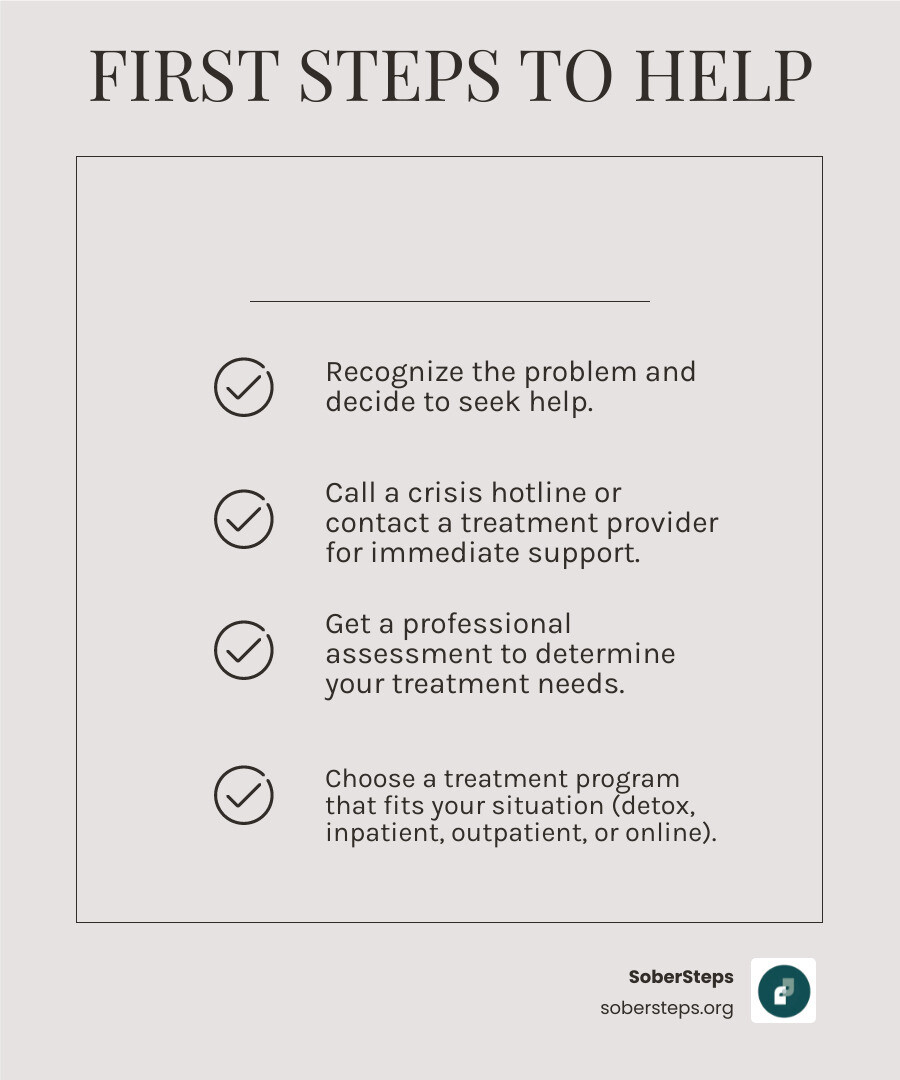
When facing a substance abuse crisis, time is often of the essence. It can feel overwhelming, like you’re caught in a storm, but we want you to know that immediate help is available, and you don’t have to weather it alone. Taking the first step, no matter how small, can make all the difference.
If you or someone you know is in immediate danger due to substance use—experiencing an overdose, severe withdrawal symptoms, or expressing suicidal thoughts—please seek emergency medical attention or call 911 right away. For situations that are urgent but not life-threatening, there are confidential and readily available resources designed to provide immediate support. These services are often available 24/7, ensuring that help is always just a phone call or text away.
Call to Action: Don’t wait—get immediate support if you’re in crisis.

National Helplines for Urgent Support
In the United States, several national helplines provide confidential, 24/7 support for individuals struggling with substance abuse and mental health crises. These resources are staffed by compassionate professionals ready to listen and guide you toward the substance abuse help you need.
- 988 Suicide & Crisis Lifeline: You can call or text 988 anytime to connect with trained crisis counselors who can provide support for mental health, substance use, or suicidal crises. It’s a free and confidential service.
- SAMHSA National Helpline: The Substance Abuse and Mental Health Services Administration (SAMHSA) offers a national helpline at 1-800-662-HELP (4357). This is a confidential, free, 24/7 information service (in English and Spanish) for individuals and family members facing mental and/or substance use disorders. This service provides referrals to local treatment facilities, support groups, and community-based organizations.
At SoberSteps, we understand that navigating a crisis can be daunting. That’s why we offer SoberSteps Emergency Resources designed to connect you with urgent assistance and guide you through your options. Our confidential helpline is available around the clock to provide guidance and connect you with paid advertiser treatment providers who can offer immediate support.
Call to Action: Connect with a caring professional now.
Specialized Emergency Support
Beyond general crisis lines, there are specialized resources custom to specific populations or needs, ensuring everyone can find the appropriate substance abuse help.
- Support for Veterans, Service Members, and Families: If you or a loved one has served in the military, you understand that unique challenges can contribute to substance use. The Veterans Crisis Line is available 24/7 by calling 988 and pressing 1, or by texting 838255. They offer confidential support for veterans and their families.
- Disaster and Trauma Support: Traumatic events, whether natural disasters or personal tragedies, can exacerbate substance use issues. The SAMHSA Disaster Distress Helpline (1-800-985-5990) provides immediate crisis counseling for people experiencing emotional distress related to natural or human-caused disasters.
- Harm Reduction: For some, the immediate goal is to reduce the negative consequences of substance use, rather than immediate abstinence. Harm reduction strategies focus on saving lives and improving health. This can include access to overdose reversal medications like Naloxone (Narcan). Naloxone can rapidly reverse an opioid overdose and is often available without a prescription. Many states, including New York, offer free Naloxone. For instance, residents in New York can get free Naloxone in NY through state programs. Understanding and utilizing harm reduction resources can be a critical step in ensuring safety while seeking further substance abuse help.
Call to Action: Explore harm reduction and emergency resources.
Understanding Substance Use Disorder (SUD)
Before we dive deeper into finding substance abuse help, it’s crucial to understand what we’re up against. Substance Use Disorder (SUD) is a medical condition characterized by an inability to control the use of a substance despite harmful consequences. It’s not a sign of weakness or a lack of willpower; it’s a chronic disease that affects the brain and behavior.
Thinking of addiction as a disease helps reduce the stigma often associated with it. When we understand it as a health condition, similar to diabetes or heart disease, we can approach it with compassion and a focus on effective treatment, rather than judgment. This perspective shifts the conversation from blame to recovery, opening doors for individuals to seek the substance abuse help they deserve. Common misconceptions, like believing addiction is a choice, often prevent people from seeking or offering help. We’re here to change that narrative.
Call to Action: Read more about substance use disorder.
Signs and Symptoms of a Substance Use Disorder
Recognizing the signs and symptoms of SUD is often the first step toward getting substance abuse help. These signs can manifest in various ways—behavioral, physical, and psychological. If you notice several of these in yourself or a loved one, it may be time to seek a professional assessment.
Here’s a list of common indicators:
- Impaired Control:
- Using more of the substance, or for a longer period, than intended.
- Unsuccessful attempts to cut down or control substance use.
- Spending a great deal of time obtaining, using, or recovering from the effects of the substance.
- Intense cravings or urges to use the substance.
- Social Problems:
- Failing to fulfill major obligations at work, school, or home due to substance use.
- Continuing substance use despite persistent social or interpersonal problems caused or worsened by the substance.
- Giving up or reducing important social, occupational, or recreational activities because of substance use.
- Risky Use:
- Recurrent substance use in situations where it is physically hazardous (e.g., driving under the influence).
- Continuing substance use despite knowledge of having a persistent or recurrent physical or psychological problem that is likely to have been caused or exacerbated by the substance.
- Pharmacological Criteria:
- Tolerance: Needing markedly increased amounts of the substance to achieve intoxication or desired effect, or a markedly diminished effect with continued use of the same amount of the substance.
- Withdrawal: Experiencing characteristic withdrawal symptoms when the substance’s effects wear off, or taking the substance (or a closely related one) to relieve or avoid withdrawal symptoms.
Neglecting responsibilities, experiencing mood swings, or having financial troubles related to substance use are also strong indicators. If these resonate with you, substance abuse help is available.
Call to Action: Learn more about overcoming drug addiction.
Call to Action: Take our self-assessment quiz to see if you or a loved one may need help.
Why Addiction is Considered a Disease
For a long time, addiction was viewed as a moral failing or a lack of willpower. However, extensive scientific research, particularly over the last few decades, has firmly established addiction as a complex brain disease. This understanding is crucial because it informs how we approach substance abuse help and treatment.
Think of it this way: just as heart disease impacts the cardiovascular system, and diabetes affects the body’s ability to regulate blood sugar, addiction fundamentally alters the brain. Here’s why it’s considered a disease:
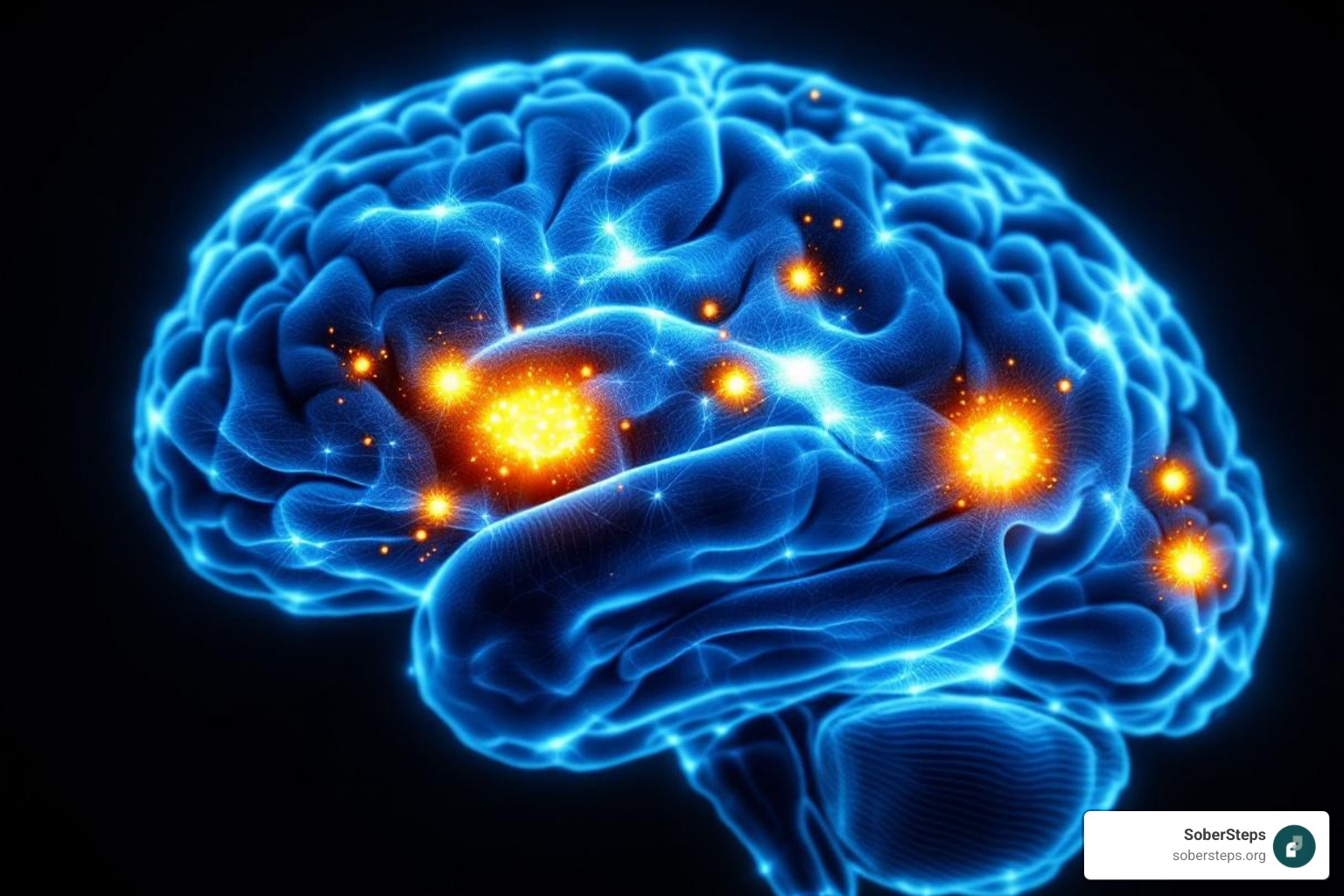
- Brain Reward System: Substances of abuse hijack the brain’s reward system, flooding it with dopamine—a neurotransmitter associated with pleasure and motivation. Over time, the brain adapts to these surges, becoming less responsive to natural rewards like food, relationships, or hobbies. This leads to a compulsive drive to seek the substance, even when it causes harm.
- Genetic Predisposition: Research shows that genetics play a significant role. If addiction runs in your family, you might have a higher predisposition to developing SUD. This doesn’t mean it’s inevitable, but it highlights a biological vulnerability.
- Environmental Factors: While genetics load the gun, environment pulls the trigger. Factors like early exposure to substances, peer pressure, trauma, stress, and lack of parental supervision can increase the risk of developing SUD.
- Compulsive Behavior: The brain changes associated with SUD lead to compulsive substance-seeking and use, despite negative consequences. This is why individuals often struggle to stop on their own—it’s not simply a matter of choice once the disease has taken hold.
- Comparison to Other Chronic Diseases: Like other chronic diseases such as asthma, hypertension, or diabetes, addiction involves cycles of relapse and remission. It requires ongoing management, lifestyle adjustments, and often, professional intervention. We don’t blame someone for having diabetes, and we shouldn’t blame someone for having SUD.
Understanding addiction as a disease is the cornerstone of effective substance abuse help. It emphasizes the need for medical and therapeutic interventions, not punishment.
Call to Action: Information on addiction as a treatable disease.
Call to Action: Discover how treatment can help.
Navigating Your Options for Substance Abuse Help
Once you understand SUD, the next step is exploring the vast landscape of substance abuse help options. Treatment is not one-size-fits-all. What works best for one person might not be ideal for another. Our goal at SoberSteps is to help you steer this continuum of care and find the right path for you or your loved one.
Assessing your individual needs is crucial. This typically involves a comprehensive evaluation by a qualified professional who can recommend the most appropriate level and type of care. Factors like the substance used, the severity of the addiction, co-occurring mental health conditions, and personal circumstances all play a role.
Paying for treatment is a common concern, but don’t let it deter you. Many options exist, including private insurance, Medicaid, state-funded programs, and payment plans. Most insurance providers, thanks to parity laws, are required to cover mental health and substance use disorder treatment at the same level as medical care. We can help you with insurance verification to understand your coverage. We also provide resources for affordable mental health care options.
Call to Action: Start your treatment journey today.
How to Find Local Substance Abuse Help
Finding substance abuse help close to home can make treatment more accessible and sustainable. Local resources can offer a sense of community and ease the transition back into daily life after more intensive programs.
At SoberSteps, we provide a comprehensive Treatment Locator to help you find a treatment facility near you. Our platform simplifies the process of finding reputable centers, whether you’re looking for help locating the best alcohol treatment centers or a mental health clinic that addresses co-occurring disorders.
When searching for local help, consider:
- Geographic Proximity: How far are you willing to travel?
- Specific Programs: Do you need specialized care for a particular substance or age group?
- Insurance Acceptance: Does the facility accept your insurance, or do they offer payment assistance?
- Accreditation and Licensing: Ensure the facility is licensed and accredited, indicating a high standard of care.
We connect you with paid advertiser treatment providers who are ready to offer the support you need in your area.
Call to Action: Search for local help now.
Types of Treatment Programs
The continuum of care for substance abuse help offers various levels of intensity, ensuring that treatment can be custom to an individual’s evolving needs. Here’s a look at the most common types of treatment programs:
| Program Type | Description | Ideal For |
|---|---|---|
| Medical Detox | Medically supervised withdrawal from substances, often involving medication to manage symptoms and ensure safety. This is a crucial first step for many, especially for substances like alcohol, opioids, and benzodiazepines, where withdrawal can be life-threatening. | Individuals with severe physical dependence, at risk of dangerous withdrawal symptoms, or those needing a safe, structured environment to stabilize. Learn more about Levels of Care: Detox. |
| Inpatient/Residential Rehab | Patients live at the treatment facility 24/7, receiving intensive therapy, counseling, and medical care. This provides a structured, supportive, and substance-free environment, allowing individuals to focus entirely on recovery without external distractions. | Individuals with severe SUD, co-occurring mental health disorders, unstable home environments, or those who have not succeeded in lower levels of care. Explore various Drug Rehab options. |
| Partial Hospitalization Programs (PHP) | Often called “day treatment,” PHP involves attending treatment for several hours a day, multiple days a week, but returning home or to a sober living environment in the evenings. It offers a high level of clinical care without 24/7 residency. | Individuals who need intensive therapy but have a stable home environment, or as a step-down from inpatient care. Find more about Levels of Care: Partial Hospitalization. |
| Intensive Outpatient Programs (IOP) | Less intensive than PHP, IOP involves attending therapy sessions for a few hours a day, a few days a week. This allows individuals to maintain work, school, or family responsibilities while still receiving significant clinical support. | Individuals who have completed higher levels of care, those with less severe SUD, or those who need flexible treatment while maintaining daily routines. Understand Levels of Care: Intensive Outpatient. |
| Online Rehab | Treatment delivered via teleconferencing and digital platforms, offering therapy, group sessions, and educational resources from the comfort of your home. It provides flexibility and accessibility, especially for those in remote areas or with mobility challenges. | Individuals seeking flexible treatment options, those in rural areas, or as a continuation of care after in-person programs. Learn about the benefits of Online Rehab. |
Each of these programs offers unique benefits, and the best path often involves moving through different levels of care as you progress in your recovery journey.
Call to Action: Compare treatment options.
The Role of Therapy and Medication in Substance Abuse Help
Effective substance abuse help often combines various therapeutic approaches with, when appropriate, medication. This integrated approach addresses both the psychological and physiological aspects of addiction, leading to more comprehensive and sustainable recovery.
Medication-Assisted Treatment (MAT):
MAT combines medications with counseling and behavioral therapies. It’s particularly effective for opioid use disorder (OUD) and alcohol use disorder (AUD), helping to normalize brain chemistry, block the euphoric effects of opioids, alleviate cravings, and reduce withdrawal symptoms. For opioid addiction, medications like buprenorphine (often combined with naloxone as Suboxone) and naltrexone are widely used and have proven highly effective in reducing overdose deaths and promoting long-term recovery. This is often referred to as Medication for Opioid Use Disorder (MOUD). MAT can also be used for alcohol addiction with medications like naltrexone, acamprosate, and disulfiram. We have more information on Medication-Assisted Treatment (MAT) to help you understand its benefits.
Individual Therapy:
One-on-one sessions with a therapist provide a confidential space to explore the root causes of substance use, develop coping mechanisms, and address co-occurring mental health conditions. Individual Therapy for Addiction helps you uncover personal triggers, build self-esteem, and develop a personalized recovery plan.
Group Therapy:
Participating in group therapy allows individuals to share experiences, receive support from peers, and practice new social skills in a safe environment. It fosters a sense of community and reduces feelings of isolation, which are common in addiction. Learn more about Group Therapy benefits.
Cognitive Behavioral Therapy (CBT):
CBT is a widely used and highly effective therapy that helps individuals identify and change negative thought patterns and behaviors that contribute to substance use. It teaches skills to cope with cravings, manage stress, and prevent relapse. Understanding Cognitive Behavioral Therapy explained can empower you with practical tools for recovery.
Other therapies, such as Dialectical Behavior Therapy (DBT), Motivational Interviewing (MI), and Family Therapy, also play vital roles in providing comprehensive substance abuse help. The best approach will depend on your unique situation, and a qualified professional can help determine the most effective combination for you.
Call to Action: Find out which therapies are right for you.
The Role of Support Systems in Recovery
Recovery from substance use disorder is a journey, not a destination, and it’s one best traveled with companions. A strong support system is incredibly vital for long-term sobriety and preventing relapse. It provides a sense of community, shared experiences, accountability, and encouragement, reminding you that you are not alone in this fight.
When you connect with others who understand what you’re going through, it creates a powerful bond. You can share your struggles without judgment, celebrate your victories, and learn from those who have walked a similar path. This connection builds resilience and reinforces your commitment to a healthier, substance-free life.
Call to Action: Join a support group today.
Peer Support Groups
Peer support groups are cornerstones of recovery. They offer a safe, confidential, and judgment-free space where individuals can share their experiences and support each other. These groups are often free and accessible, making them an invaluable resource for ongoing substance abuse help.
Some of the most well-known peer support groups include:
- Alcoholics Anonymous (AA) and Narcotics Anonymous (NA): These 12-Step programs are spiritual, not religious, and focus on mutual support, shared experiences, and working through steps to achieve and maintain sobriety.
- SMART Recovery (Self-Management And Recovery Training): This program uses a science-based approach, focusing on self-empowerment, self-reliance, and cognitive-behavioral tools to manage addictive behaviors.
- Refuge Recovery: A Buddhist-inspired approach to recovery from all forms of addiction.
At SoberSteps, we understand the power of connection. We offer SoberSteps Online Support Groups that bring individuals together from across the country, providing flexible access to essential peer support. Whether you’re looking for alcohol recovery groups, drug recovery groups, or simply a place to connect, we can help you find a support group near you.
Call to Action: Connect with others in recovery.
Support for Family and Friends
Addiction is often called a “family disease” because its impact ripples through every relationship. Family members and friends often experience stress, anxiety, resentment, and a sense of helplessness. Providing substance abuse help isn’t just for the individual struggling; it’s also about supporting their loved ones.
It’s common for families to fall into patterns of enabling—unintentionally protecting the person from the consequences of their actions—which can hinder recovery. Learning to set healthy boundaries and distinguishing between enabling and truly supporting is a critical part of the family’s healing process.
Family support groups, such as Al-Anon (for families of alcoholics) and Nar-Anon (for families of drug addicts), provide a safe space for loved ones to share their experiences, learn coping strategies, and understand that they are not alone. These groups emphasize focusing on one’s own well-being, regardless of whether the addicted individual seeks help.
SoberSteps offers dedicated family support resources to help you understand addiction’s impact, steer challenging situations, and find your own path to healing. We also provide specific help for teens and young adults and their families, recognizing the unique challenges faced by this age group. Seeking help for yourself is not selfish; it empowers you to be a more effective source of support for your loved one.
Call to Action: Get help for your family.
Conclusion: Your Journey to Recovery Starts Now
Taking the first step towards getting substance abuse help is incredibly brave, and we hope this guide has illuminated the many pathways available to you. Recovery is absolutely possible, and you are not alone on this journey. Millions of Americans have successfully steerd recovery and are living fulfilling, substance-free lives.
Here at SoberSteps, we are an independent platform dedicated to helping individuals and families explore the full spectrum of treatment and recovery options. We believe in providing clear, accessible information and connecting you with the resources you need to make informed decisions. Our confidential 24/7 helpline is always available to connect you with paid advertiser treatment providers who can offer immediate support and guidance.
A hopeful future awaits. By reaching out, you’re not just seeking help; you’re choosing a new beginning. Let us walk alongside you as you take these crucial steps.
Call to Action: Find a rehab center and start your journey today.
Call to Action: Contact SoberSteps for personalized support.