

Understanding Drug Rehab: Your First Step to Recovery
Drug rehab is a structured program of medical and therapeutic services designed to help people overcome substance use disorders. It provides the foundation for long-term recovery by offering:
- Medical Detoxification: Safely managing withdrawal under medical supervision.
- Therapy & Counseling: Addressing the psychological roots of addiction.
- Medication-Assisted Treatment (MAT): Using FDA-approved medications to reduce cravings and support recovery.
- Individualized Care: Creating a treatment plan custom to your specific needs.
- Aftercare Planning: Developing a strategy for maintaining sobriety after the program ends.
Programs range from inpatient/residential (24/7 care) to various outpatient options that allow you to live at home.
Substance abuse is a national crisis. In the United States, over 46 million people aged 12 or older have a substance use disorder, but the vast majority don’t receive treatment. The good news is that recovery is possible. Addiction is a treatable chronic condition, and with the right support, people can and do get better.
Feeling overwhelmed with questions is normal. Where do I start? What program is right for me? How can I afford it? These are common concerns when starting the recovery journey.
At SoberSteps, we guide individuals and families through these challenges every day. We connect you with quality drug rehab programs and provide the resources you need to make informed decisions. Our mission is to offer compassionate support and expert guidance every step of the way.
Ready to take the first step? Let’s explore what makes treatment effective and how to find the right program for your unique situation.
Call to Action: Ready to take the first step? Contact SoberSteps for support and speak with a compassionate advisor who can help you explore your options today.
What Makes an Addiction Treatment Program Effective?
Effective drug rehab is more than just stopping drug use; it’s a comprehensive approach to healing the whole person. The National Institute on Drug Abuse (NIDA) outlines several principles for effective treatment, with a key takeaway: no single treatment is right for everyone. A successful program begins with an individualized plan custom to your substance use, mental health, and personal circumstances.
Effective treatment also addresses the root causes of addiction, looking beyond the substance use to underlying issues like trauma or mental health challenges. Research shows that longer treatment durations yield better results, with most people needing at least three months to establish a strong foundation in recovery.
A cornerstone of effective treatment involves a combination of strategies:
- Behavioral Therapies: These are the heart of drug rehab. Therapies like Cognitive Behavioral Therapy (CBT) help change harmful thought patterns, while group therapy provides peer support. Individual therapy for addiction is also vital for personalized guidance.
- Medication-Assisted Treatment (MAT): For opioid and alcohol addiction, medications like buprenorphine and naltrexone can be game-changers. They help manage withdrawal, reduce cravings, and prevent relapse. NIDA confirms that MAT, when combined with therapy, is highly effective and improves treatment retention.
Call to Action: Learn how SoberSteps tailors treatment to your needs and finds programs that prioritize your individual success.
The Importance of Dual Diagnosis Treatment
Addiction rarely exists in a vacuum. In fact, about 45% of people with an addiction also have a co-occurring mental health disorder, according to the National Survey on Drug Use and Health (NSDUH). This is known as a “dual diagnosis.”
These conditions often fuel each other; a person might use substances to self-medicate anxiety, while the substance use worsens their mental health. This is why integrated treatment—addressing both the addiction and the mental health disorder at the same time—is critical for lasting recovery. Treating one without the other is rarely successful.
SoberSteps helps you find programs offering comprehensive dual diagnosis treatment for conditions like ADHD, Borderline Personality Disorder, depression, and anxiety. Treating them together significantly improves the chances of long-term success.
Call to Action: Explore SoberSteps’ dual diagnosis programs to find integrated care that supports your whole health.
Key Components of Quality Care
High-quality drug rehab programs share several defining components that ensure safety and effectiveness:
- Medical Supervision: Essential during detox and throughout treatment to manage physical health and ensure safety.
- Evidence-Based Therapies: Using scientifically proven methods like CBT and Dialectical Behavior Therapy (DBT) to equip you with coping skills.
- Holistic Approaches: Incorporating activities like yoga, meditation, or art therapy to support overall well-being—mind, body, and spirit. You can learn about different drug treatment options that use a holistic perspective.
- Aftercare Planning: Creating a robust plan for continued support, relapse prevention, and successful reintegration into daily life after the program ends.
Call to Action: Call our helpline to discuss quality care options that integrate these essential components into your personalized treatment plan.
Exploring Different Types of Drug Rehab Programs
The world of drug rehab offers a spectrum of support known as a “continuum of care.” This means there are different levels of treatment designed to match your specific needs. Finding the right level is key to effective recovery.
At SoberSteps, we help you explore different levels of care to determine which program is the best fit for your situation.

Call to Action: Find the right level of care for you by connecting with our expert advisors.
Medical Detoxification: The First Step
For many, recovery begins with medical detoxification, or “detox.” This is the process of safely removing a substance from the body. It’s a crucial first step, as withdrawal can be uncomfortable and, in some cases, dangerous. Withdrawal from alcohol or benzodiazepines, for example, can be life-threatening and requires medical supervision. While withdrawal from other substances like cocaine may not be as physically dangerous, detox still provides a safe and more comfortable transition into treatment.
Detox is not a cure for addiction but a vital preparatory step. If you need help with alcohol withdrawal, our guide on Alcohol Withdrawal Symptoms, Treatment, Timeline offers key information. We can also help you find a detox center near you.
Call to Action: Start your safe detox journey with SoberSteps and let us guide you to appropriate medical care.
Inpatient and Residential Treatment
After detox, many people enter inpatient or residential drug rehab. These programs provide 24/7 structured care in a facility, creating an immersive, trigger-free environment. This setting is ideal for focusing entirely on recovery.
Many programs use a therapeutic community model, where residents support one another’s recovery journey. This helps build social skills and self-esteem in a communal atmosphere. Inpatient treatment is often recommended for those with severe substance use disorders or co-occurring mental health conditions. Programs typically last 30 to 90 days or longer, with research showing better outcomes for longer stays. Learn more in our guide to drug treatment programs.
Call to Action: Discover SoberSteps’ inpatient options and find a residential program that provides the comprehensive care you need.
Outpatient Treatment Options
Outpatient drug rehab offers a flexible alternative, allowing you to attend treatment while living at home and maintaining work or family commitments. It’s a great option for those with less severe addictions or as a step-down from inpatient care.
Outpatient programs vary in intensity:
- Intensive Outpatient Programs (IOP): Involve multiple hours of therapy several days a week. Learn more about Intensive Outpatient care.
- Standard Outpatient: A less intensive option with fewer weekly hours, often used for transitioning or for mild substance use disorders. See our page on Outpatient care.
- Online Rehab: Virtual therapy and group sessions offer incredible flexibility. Explore Online Rehab options for accessible care from home.
While flexible, outpatient care requires strong personal commitment, as you will still face daily triggers.
Call to Action: See if outpatient or online rehab is right for you by consulting with our advisors.
How to Find and Pay for Addiction Treatment
Navigating the system to find and pay for drug rehab can feel overwhelming. You don’t have to do it alone. We’re here to help you understand your options, whether public or private, and connect you with the resources you need.
When you’re ready, get immediate addiction help now. Our confidential helpline is available 24/7 to connect you with treatment providers who can guide you through this journey.
Call to Action: Speak to a SoberSteps advisor now for personalized guidance and support.
Understanding the Costs of Drug Rehab
The cost of drug rehab varies widely based on program type, duration, location, and services offered. Inpatient programs are typically more expensive than outpatient care due to the inclusion of 24/7 supervision, housing, and meals.
The good news is that mental health parity laws require many private health insurance plans to cover addiction and mental health treatment. It’s crucial to verify your specific policy’s coverage. Our guides, Show Me The Money: Navigating Insurance and Payment for Rehab and How Do I Pay for Addiction Treatment?, provide detailed information on financial options.
Call to Action: Get a free cost assessment by contacting SoberSteps, and let us help you understand your financial options for treatment.
Are There Free or Low-Cost Options?
Yes! Financial barriers should not stop you from getting help. There are many avenues for free or low-cost treatment:
- Publicly Funded Programs: Many states and counties offer government-funded addiction treatment services, often with income-based eligibility.
- Non-Profit Organizations: Numerous charities are dedicated to providing affordable or free treatment.
- Sliding Scale Fees: Some centers adjust their fees based on your income and ability to pay.
- Faith-Based Programs: Many religious organizations offer free or low-cost recovery programs.
Finding these resources can take time, but we can help. Our resource on Free Rehab Centers Near Me is a great place to start.
Call to Action: Explore affordable treatment options with SoberSteps and find a program that fits your budget.
Finding a Local Treatment Program: A Montreal Example
Finding an accessible, local drug rehab program is important, especially for outpatient care and family involvement. In any city or region within the United States, your local health authority or county health services can be a primary resource. These agencies often act as hubs, directing residents to specialized services, including addiction treatment.
A simple search for “addiction services near me” can also point you to local networks and providers. SoberSteps partners with trusted centers across the United States and our advisors can help you steer your local resources. We can connect you with appropriate drug rehab options in your area, whether you’re in a major city or a smaller community.
Call to Action: Find local rehab options with SoberSteps by contacting us for a personalized search in your area.
The Journey to Lasting Recovery
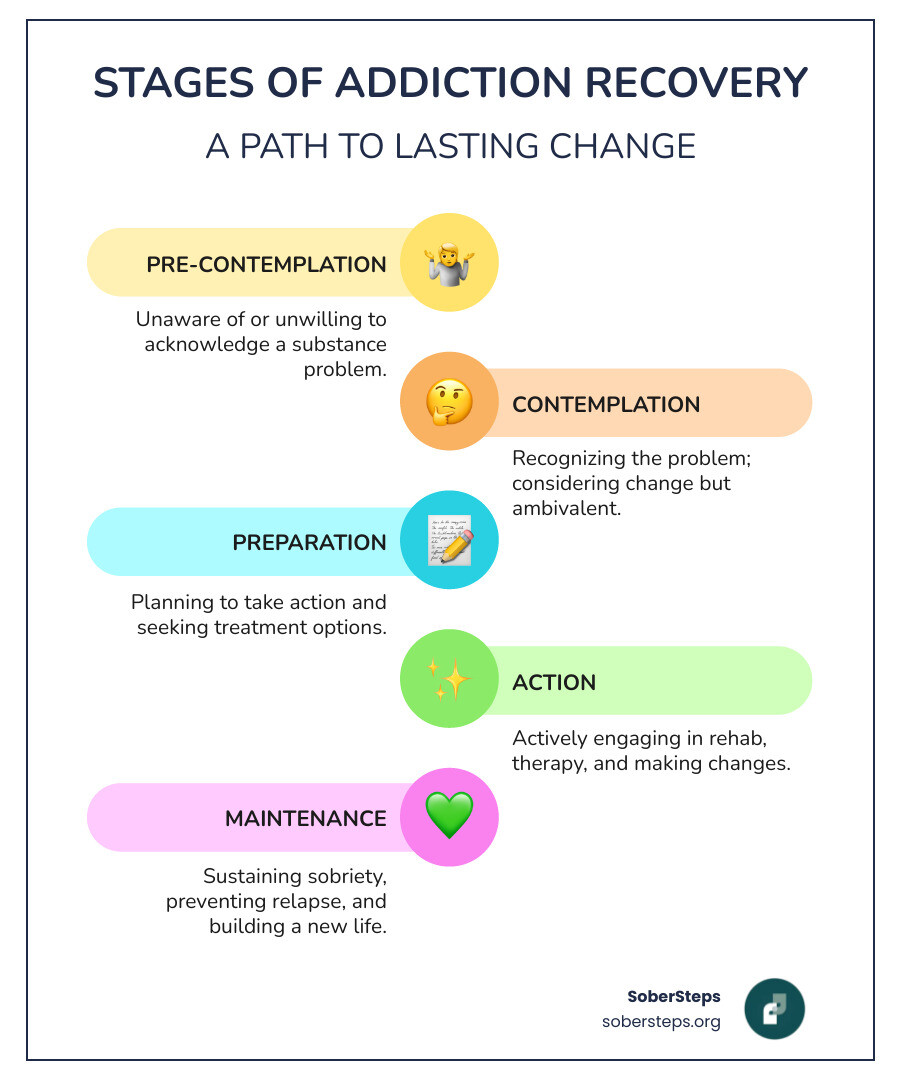
Recovery from addiction is a lifelong journey, not a destination. Like managing any chronic condition, it requires ongoing effort and support. There will be challenges, but with the right tools, you can build a fulfilling, sober life.
Relapse is not failure. Addiction is a chronic, relapsing disease. A relapse is a sign that your treatment plan needs adjustment, not that you have failed. The goal is to learn from it and get back on track.
Drug rehab equips you with coping skills and a renewed sense of self-worth. We love to share addiction success stories as powerful reminders that recovery is transformative and possible.
Call to Action: Start your recovery journey today with SoberSteps, and let us help you find the support you deserve.
The Role of Family and Social Support
Addiction is often called a “family disease” because it affects everyone. Conversely, family and social support are powerful assets in recovery. Research shows family involvement can significantly increase program completion rates. A strong support network provides encouragement and a buffer against relapse.
Many drug rehab programs include family therapy to heal relationships, educate loved ones, and establish healthy boundaries. Beyond family, building a sober support network of friends and peers is vital. Groups like Al-Anon and Nar-Anon also provide crucial support for the friends and family of those with addiction. To learn more, explore The importance of substance use support.
Call to Action: Learn how SoberSteps supports families by connecting them with resources and family therapy programs.
Aftercare and Relapse Prevention
Completing a drug rehab program is just the beginning. Aftercare and relapse prevention are essential for bridging the gap between treatment and independent sober living.
- Continuing Care: Ongoing therapy and support groups reinforce the skills learned in rehab.
- Sober Living Homes: These offer a structured, substance-free environment for those transitioning from inpatient care.
- Support Groups: Peer support from groups like Alcoholics Anonymous (AA), Narcotics Anonymous (NA), and SMART Recovery is invaluable.
- Individual Therapy: Continuing Individual Therapy for Addiction helps you process ongoing challenges.
- Recovery Resources: Staying connected through resources like addiction recovery blogs can provide inspiration and a sense of community.
Relapse prevention involves identifying high-risk situations and developing proactive coping strategies to maintain sobriety.
Call to Action: Plan your aftercare with SoberSteps to ensure a smooth transition and lasting sobriety.
Frequently Asked Questions about Addiction Treatment
We know you probably have a lot of questions about drug rehab and recovery. Here are some of the most common ones we hear:
What are the first signs I might need drug rehab?
Recognizing the need for help is often the hardest part. Common signs that you or a loved one might benefit from drug rehab include:
- Loss of Control: You use more of a substance than intended, or for longer periods than planned, and find it difficult to cut down or stop, even if you want to.
- Neglecting Responsibilities: Your substance use starts interfering with your work, school, or home responsibilities. You might miss deadlines, call in sick frequently, or neglect family duties.
- Relationship Problems: Your substance use causes conflicts with family and friends, or you withdraw from loved ones who express concern.
- Withdrawal Symptoms: When you try to stop or cut back, you experience physical or psychological discomfort like nausea, shaking, anxiety, or irritability.
- Increased Tolerance: You need more of the substance to achieve the same effect you once did.
- Continued Use Despite Harm: You continue to use the substance even when you know it’s causing physical, psychological, or social problems.
- Preoccupation: A significant amount of your time is spent thinking about, acquiring, using, or recovering from the substance.
If these signs sound familiar, it might be time to seek help. Take our self-assessment quiz to get a clearer picture of your situation.
Call to Action: Take our self-assessment quiz for a confidential evaluation.
How long does a typical addiction treatment program last?
The duration of a drug rehab program is highly individualized. There is no single timeline, but common lengths include:
- Detox: Typically lasts a few days to a week.
- Residential/Inpatient: Commonly offered in 30, 60, or 90-day increments. However, research from NIDA indicates that most patients need at least three months of treatment, and longer durations are associated with better outcomes.
- Outpatient/IOP: Can range from several weeks to several months.
The right duration for you will depend on factors like the severity of your addiction, your response to treatment, and your support system. For more detailed information, our guide on More on treatment programs is an excellent resource.
Call to Action: Discuss your options with a SoberSteps counselor to determine the ideal treatment length for your needs.
Can I be forced to go to rehab?
This is a complex legal question that depends on state laws. In most cases, a person must enter drug rehab voluntarily. However, some states have involuntary commitment laws (sometimes called “Marchman Acts”) that allow a court to order someone into treatment if their substance use is a danger to themselves or others.
This legal process is typically a last resort, as treatment is most effective when the individual is motivated to change. However, an involuntary intervention can sometimes be the catalyst for that motivation. It’s important to understand the legal framework in your state. Learn more about your rights and options if you are considering this path.
Call to Action: Learn more about your rights and options by contacting SoberSteps for guidance on involuntary commitment laws in your state.
Take the First Step Towards a New Life Today
Overcoming addiction is one of the most courageous journeys a person can undertake. It’s a path filled with challenges, but also with incredible growth, healing, and the promise of a fulfilling, sober life. We want to reiterate that you don’t have to do it alone. Help is available, and it’s more accessible than you might think.
At SoberSteps, we are dedicated to being your trusted guide on this journey. We understand the complexities of addiction and the vast landscape of treatment options. Our confidential helpline is available 24/7, ready to connect you with compassionate advisors and reputable treatment providers who can offer the support and care you need. We’re here to help you steer your options, understand costs, explore different program types, and ultimately find the right drug rehab program for you.
Don’t let fear or uncertainty hold you back from the life you deserve. Recovery is possible, and your journey starts with a single step.
Call to Action: Contact SoberSteps now and start your path to recovery with a free, confidential assessment.