

Why Long-Term Recovery Matters for Lasting Sobriety
Long term recovery is more than just abstinence—it’s a comprehensive journey toward wellness, purpose, and a fulfilling life free from addiction. If you or a loved one is struggling with substance use, understanding what long-term recovery entails can provide hope and a clear path forward.
What You Need to Know About Long-Term Recovery:
- It’s a lifelong process involving continuous growth and adaptation.
- It takes time—staying in treatment for at least 90 days significantly improves outcomes, with the five-year mark being a critical milestone.
- It’s about more than abstinence—true recovery encompasses your physical and mental health, relationships, living situation, and purpose.
- Relapse is common but not inevitable—setbacks can happen, but they don’t mean failure.
- Support systems are crucial—peer support, family involvement, and professional guidance dramatically increase your chances of success.
- Your brain needs time to heal—addiction changes brain chemistry, but the brain can rewire itself over months and years.
In 2021, an estimated 46.3 million Americans had a substance use disorder, yet most did not seek treatment. But here’s the hopeful truth—people do recover. Studies show that individuals in long-term recovery experience dramatic life improvements, including better financial stability, stronger family connections, and fewer health crises.
At Sober Steps, we support individuals and families through every stage of the recovery journey. Our comprehensive approach helps you or your loved one steer treatment options, build sustainable habits, and find the right support for lasting change.
Start your recovery journey with SoberSteps today.
Next, let’s explore the journey from early sobriety to long-term recovery and what makes them different.
Learn about our treatment options to find the right fit for your stage of recovery.
Understanding the Journey: From Early Sobriety to Long-Term Recovery
The path to long term recovery is a deeply personal journey, unique to each individual but with common milestones and challenges.
Early recovery focuses on achieving stability and abstinence, often through intensive treatment. Long term recovery, however, extends far beyond this initial phase to include sustained positive changes in all aspects of life. While relapse rates in early recovery can be 40-60%, the likelihood of maintaining sobriety improves significantly as time in recovery increases, especially after five years.
This journey involves not just stopping substance use, but also allowing the brain to heal. Addiction alters brain function, but thanks to neuroplasticity, the brain can rewire itself over time. This healing process supports personal growth, leading to better employment, stronger family connections, and improved emotional stability.
What Defines Long-Term Recovery from Addiction?
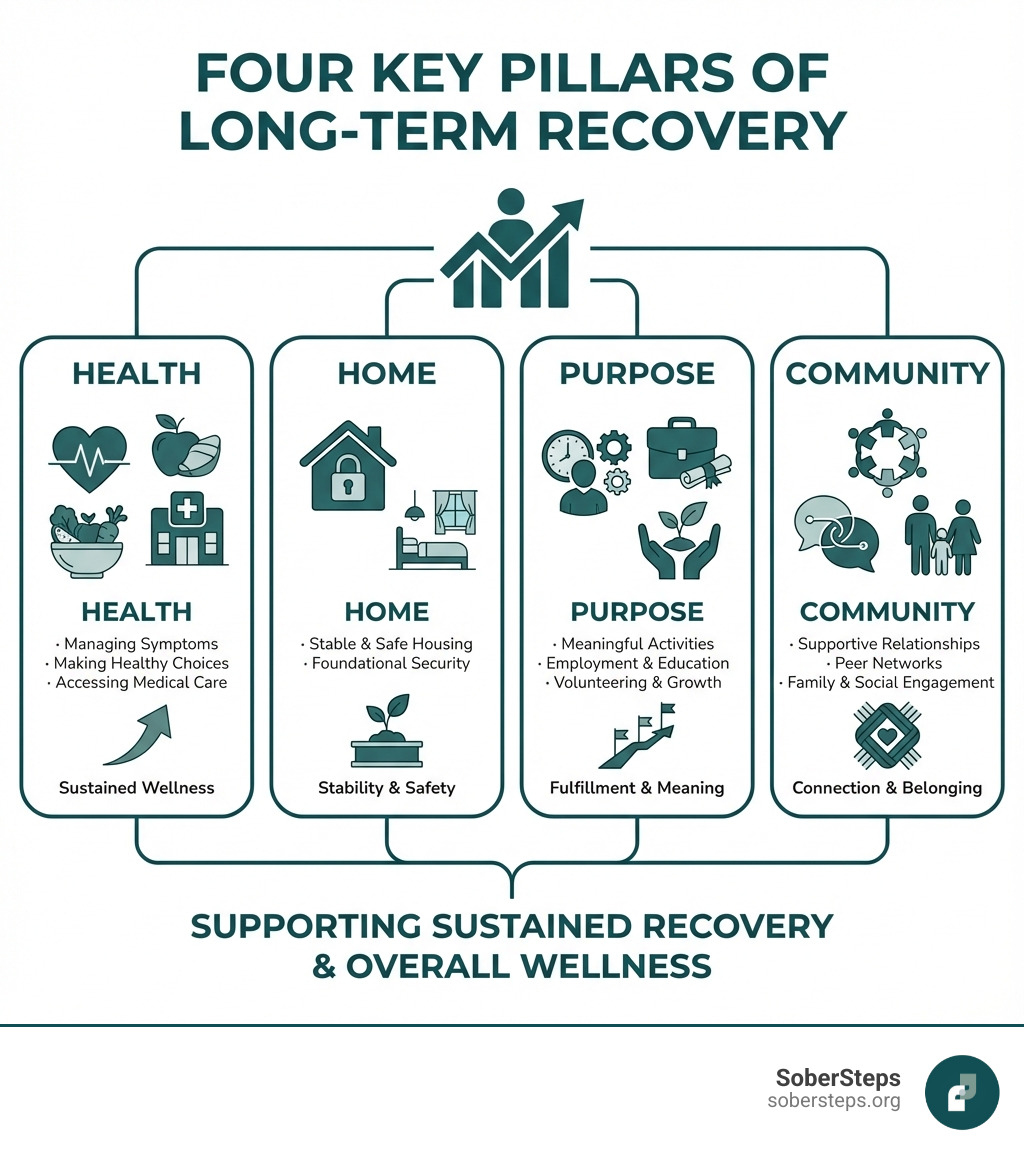
At SoberSteps, we see long term recovery as a profound, positive life change. The Substance Abuse and Mental Health Services Administration (SAMHSA) defines it as “a process of change through which individuals improve their health and wellness, live a self-directed life, and strive to reach their full potential.” This is supported by four key dimensions:
- Health: Managing one’s disease and making healthy choices for physical and emotional well-being.
- Home: Having a stable and safe place to live.
- Purpose: Engaging in meaningful daily activities like work, school, or volunteering.
- Community: Building supportive relationships and social networks.
Long term recovery is about building a fulfilling life where sobriety is a cornerstone, not the sole measure of success.
SAMHSA’s working definition of recovery offers further insights into these principles.
What is recovery? Learn more about this transformative process.
What Are the Typical Stages of Recovery?
Recovery is a dynamic process with several stages of change. Understanding them helps appreciate the evolving needs on the path to long term recovery.
- Precontemplation: The individual does not see their substance use as a problem.
- Contemplation: Awareness of the problem grows, but the person is not yet ready to commit to change.
- Preparation: The individual commits to change and begins planning.
- Action: Active steps are taken, such as entering treatment or joining a support group.
- Maintenance: The focus is on sustaining change and preventing relapse. Setbacks are seen as learning opportunities.
Sobriety Milestones:
- One Day to One Month: This early phase involves detox, managing withdrawal, and learning initial coping skills in a structured program.
- One Year: A major milestone where relapse risk drops significantly. Individuals have stronger support networks and coping strategies.
- Five+ Years: Often considered the threshold for long term recovery. Sobriety is more stable, and individuals experience profound improvements across all life areas.
As you progress, challenges shift from physical stability to deeper personal growth and building a fulfilling life.
Contact us for a personalized recovery plan to steer these stages with confidence.
Building a Strong Foundation for Sustained Sobriety
Building a strong foundation for long term recovery is like constructing a sturdy house—it requires careful planning, solid materials, and continuous maintenance. It’s about establishing healthy habits, developing coping mechanisms, and setting meaningful goals that support a life free from substance use.

This foundation is built with a multi-faceted approach that includes professional support, lifestyle changes, and addressing the root causes of addiction. At SoberSteps, we empower you with the tools to make this foundation as strong as possible.
Explore our aftercare planning services to ensure you have a robust plan in place.
The Role of Continued Professional Support and Aftercare
Addiction is a chronic condition, and ongoing management is key to long term recovery. Continued professional support is vital.
- Therapy: Cognitive Behavioral Therapy (CBT) and Dialectical Behavioral Therapy (DBT) help change negative thought patterns and regulate emotions. Individual and group therapy provide safe spaces to develop skills.
- Outpatient Programs: Intensive Outpatient Programs (IOPs) offer structured support while allowing individuals to live at home, providing a crucial “step-down” from inpatient care.
- Sober Living: These substance-free homes provide a supportive environment that fosters accountability and a sense of community during the transition back to daily life.
- Aftercare Planning: An effective aftercare plan, including regular check-ins and alumni programs, is essential for reinforcing lessons and addressing new challenges. Research shows that treatment lasting 90 days or more leads to better outcomes.
See how SoberSteps supports you after treatment with comprehensive aftercare planning.
Essential Lifestyle Changes for a Sober Future
Embracing a sober future means making holistic lifestyle changes that nurture your mind, body, and spirit. These changes build a life so fulfilling that addiction loses its grip.
- Nutrition: A balanced diet can help stabilize mood and energy levels.
- Exercise: Regular physical activity is a powerful tool for managing stress and improving mood.
- Sleep: Quality sleep is crucial for emotional regulation and cognitive function.
- Mindfulness: Meditation and mindfulness practices can reduce stress and help manage cravings.
- New Hobbies: Finding new passions provides purpose and fills the void left by substance use.
- Routine: A structured daily routine provides stability and a sense of control.
By prioritizing these lifestyle changes, you are actively constructing a healthier, happier life in long term recovery.
Healthy habits for recovery can transform your daily life.
Uncovering Root Causes to Prevent Relapse
To build a strong foundation for long term recovery, address the underlying causes of substance use. Addiction is a complex disease influenced by genetics, environment, and life experiences.
- Trauma-Informed Care: Many people with substance use disorders have experienced trauma. Addressing this in a safe, therapeutic environment is crucial for healing.
- Co-occurring Mental Health Disorders: Conditions like depression, anxiety, or bipolar disorder often accompany addiction (a dual diagnosis). Integrated treatment that addresses both is vital for success.
- Family Dynamics: Therapy can help repair relationships, improve communication, and build a supportive home environment.
- Self-Exploration: Individual therapy provides a space to explore personal history, emotional triggers, and maladaptive coping mechanisms, empowering you to make healthier choices.
By delving into these deeper issues, you can dismantle the foundations of addiction and build a more resilient self.
Learn about dual diagnosis treatment to address co-occurring conditions.
The Power of Connection: Support Systems in Long-Term Recovery
No one achieves long term recovery alone. The journey is made more manageable and joyful with a strong, supportive network of peers, family, and friends. In fact, one study found that 30% of participants cited this support as vital to their recovery.
Peer support offers hope and practical coping strategies, while healthy family involvement helps rebuild trust. Community integration reduces isolation and promotes a drug-free social life. As recovery progresses, these support needs evolve from intensive guidance to more growth-oriented relationships.
At SoberSteps, we emphasize the power of connection and can help you find the right support for your needs.
Family and peer support resources are available to strengthen your support network.
How Support Needs Evolve Throughout the Recovery Process
Support needs in long term recovery evolve over time. Early recovery often requires intensive structure and professional guidance, while later stages focus more on mentorship, personal growth, and rebuilding relationships.
- Early Recovery Needs: Focus on stabilization through inpatient or intensive outpatient programs, medical supervision, and frequent therapy.
- Later Recovery Needs: Shift towards maintenance, personal growth, and giving back, perhaps by becoming a sponsor or mentor.
- Rebuilding Trust: A crucial part of recovery involves repairing family connections through therapy and healthier communication.
- Sober Friendships: Learning to steer social situations and build new, healthy friendships is key to creating a supportive social circle.
The goal is to cultivate a diverse support network that can adapt to your changing needs.
Connect with our support network and find the right support for every stage of your journey.
The Significance of Peer Support Groups
Peer support groups are often the backbone of long term recovery, providing a unique and powerful form of support that complements professional treatment.
- Shared Experience: These groups are founded on mutual empathy, where members offer emotional and practical support to one another.
- Sponsorship and Mentorship: Many programs encourage finding a sponsor—a more experienced member who provides guidance and accountability.
- Community: Peer groups create a strong sense of belonging, combating the isolation often felt in active addiction.
- Validation and Hope: Hearing others share their struggles and triumphs is incredibly validating and shows that long term recovery is possible.
One study found that 100% of participants in long term recovery had attended 12-step meetings, highlighting the enduring role these groups can play in sustained sobriety.
Join a SoberSteps support group to experience the power of connection.
Navigating Challenges and Integrating Your Past
The journey to long term recovery isn’t always a straight line. Navigating challenges effectively and integrating your past experiences are crucial for sustained sobriety and personal growth. This phase is about achieving emotional sobriety, where you can manage life’s ups and downs without returning to substance use.
Relapse prevention strategies are key to preparing for and overcoming these challenges.
Preparing for Challenges in Your Long-Term Recovery Journey
Even with years of sobriety, challenges can test your commitment to long term recovery. Being prepared is a hallmark of sustained success.
- Boredom and Complacency: A belief that you’ve “beaten” addiction is a significant risk. Stay engaged in your recovery and connected to your support network.
- Managing Stress and Triggers: Life will always have stressors. Continue to refine your ability to manage them with healthy coping strategies like mindfulness and exercise.
- Navigating Relationships: Repairing and building healthy relationships is an ongoing process that involves setting boundaries and communicating effectively.
- Career and Financial Rebuilding: Many in long term recovery focus on rebuilding their careers and finances, which is a key part of establishing a stable life.
- Creating a Relapse Prevention Plan: This is a dynamic document that should include your triggers, coping strategies, and a list of your support contacts.
Get help with relapse prevention strategies from our specialists.
Speak to a recovery specialist now to discuss your personalized plan.
Integrating Past Experiences with Your New Life
A profound part of long term recovery is learning to integrate your past with your new life. This isn’t about forgetting; it’s about understanding, learning, and growing.
- Making Amends: For many, making amends for past harms is a deeply healing process that helps them move forward without the burden of guilt.
- Reducing Shame and Stigma: In long term recovery, you learn to challenge feelings of shame, accept your journey, and understand that your past does not define your future.
- Finding Purpose in Past Struggles: Many find immense purpose in using their experiences to help others through volunteering or mentorship.
- Personal Growth: The process of long term recovery is one of continuous personal growth, where you find new strengths and resilience.
- Sharing Your Story: Deciding when and how to share your recovery story can be empowering, turning your narrative into a tool for connection and advocacy.
Overcoming shame in recovery is a vital step in this process.
Understanding Long-Term Recovery Groups (LTRGs) in Disaster Response
While our primary focus at SoberSteps is on addiction recovery, the term “long term recovery” also has a key meaning in disaster response. Understanding this helps provide a comprehensive view of the keyword.
What is a Long-Term Recovery Group (LTRG)?
According to the National Voluntary Organizations Active in Disasters (VOAD), a long term recovery group (LTRG) is a cooperative body of community organizations (faith-based, non-profit, government, etc.) that assists individuals and families as they recover from a disaster.
The purpose of an LTRG is to coordinate community-wide efforts to help people with their long term recovery. They pool resources, organize volunteers, and provide case management to address unmet needs after a disaster, helping a community establish a “new normal.”
National VOAD’s Long Term Recovery Guide provides extensive detail on their structure and function.
How LTRGs Function and Secure Funding
LTRGs vary by community but share common functions. They are often formed by local community organizations and may include sub-committees for case management, finance, and volunteer coordination.
- Case Management: A core function is disaster case management, where a skilled helper partners with a survivor to plan and achieve realistic recovery goals.
- Unmet Needs Funds: LTRGs often manage funds to provide direct financial assistance for essentials not covered by insurance or government aid.
- Funding: These groups rely on sustained funding from philanthropic organizations, grants, and community donations to operate, often for years after a disaster.
Example of LTRG funding showcases how philanthropic organizations contribute to these efforts.
Frequently Asked Questions about Long-Term Recovery
We hear many questions about long term recovery, and we’re here to provide clear, compassionate answers.
How long does it take to achieve long-term recovery?
Long term recovery is a lifelong process, not a destination with a finish line. It involves continuous growth and maintaining healthy choices.
However, research provides helpful milestones:
- 90 Days: Most people need at least 90 days of treatment to make significant progress.
- One Year: Reaching one year of sobriety is a major achievement that significantly reduces relapse risk.
- Five Years: This is often considered the entry point into long term recovery, as the likelihood of maintaining sobriety improves dramatically.
We encourage you to focus on progress, not perfection. Every day sober is a victory.
How long does recovery take? Explore more about recovery timelines.
Is relapse a part of recovery?
Relapse is common in early recovery (40-60% of people), but it is not a sign of failure, and it is not an inevitable part of recovery.
Addiction is a chronic disease. Like other chronic conditions, a recurrence of symptoms means the treatment plan needs adjustment. A relapse is a learning opportunity to identify triggers, strengthen coping skills, and re-engage with your support system. It’s a reminder that long term recovery requires ongoing vigilance.
If you or a loved one experiences a relapse, it’s crucial to seek help immediately rather than falling into shame or despair.
Call our helpline if you or a loved one has relapsed—we’re here 24/7.
Can I recover without a 12-step program?
Absolutely. We believe in “many pathways to recovery.” While 12-step programs like Alcoholics Anonymous (AA) and Narcotics Anonymous (NA) are highly effective for millions, they are not the only option.
Successful long term recovery can be achieved through various approaches, including:
- Formal treatment programs (inpatient or outpatient)
- Individual and group therapy (CBT, DBT)
- Medication-Assisted Treatment (MAT)
- Peer recovery coaching
- Faith-based support
The key is finding what resonates with you and provides the support, tools, and community you need to sustain sobriety. At SoberSteps, we can help you explore different pathways to find the one that best fits your unique journey.
Explore recovery pathways that align with your personal journey.
Conclusion
We hope this guide has illuminated the multifaceted nature of long term recovery and inspired hope for a sober future. It’s a process of profound growth, supported by intentional strategies, strong connections, and healthy habits. From understanding the stages of recovery to building a robust foundation, every step you take contributes to a more fulfilling life.
Life truly does get better in recovery. Research shows that as recovery lengthens, individuals experience increased employment, stronger family ties, and improved mental health.
At SoberSteps, we are an independent platform dedicated to helping individuals and families explore comprehensive treatment and recovery options. We understand that finding the right support can be overwhelming, and we’re here to simplify that process for you. Our goal is to connect you with the resources you need to start and sustain your long term recovery journey.
Contact our confidential 24/7 helpline to find help now and take the first step towards your sober future.
Get started with SoberSteps today.