Why Finding a Methadone Clinic Near Me Matters for Your Recovery
Methadone clinic near me searches often represent a critical turning point—the moment someone decides to seek help for opioid use disorder. If you’re looking for immediate help, here’s what you need to know:
Quick Guide to Finding a Methadone Clinic:
- Call the SoberSteps helpline at (844) 491-5566 for immediate, confidential guidance
- Use SAMHSA’s Opioid Treatment Program Directory at dpt2.samhsa.gov/treatment/
- Verify the clinic is SAMHSA-certified (required by federal law)
- Check insurance acceptance (Medicaid, Medicare, private insurance)
- Confirm they offer comprehensive services (medication + counseling)
Methadone is a long-acting medication used to treat Opioid Use Disorder (OUD). It can only be dispensed through SAMHSA-certified Opioid Treatment Programs (OTPs). This medication helps reduce withdrawal symptoms and cravings, allowing you to stabilize your life and focus on recovery. The maximum starting dose is 30mg, which is then adjusted based on your individual needs.
Finding the right clinic matters because medication-assisted treatment (MAT) with methadone is one of the most effective approaches for opioid addiction. When combined with counseling and support services, methadone treatment helps people reclaim their lives, reduce the risk of overdose, and build a foundation for lasting recovery.
At SoberSteps, we’ve helped countless individuals steer the process of finding a methadone clinic near me that offers comprehensive, compassionate care. Our mission is to connect you with the resources and support you need to take that crucial first step toward recovery.
Methadone clinic near me terminology:
Understanding Methadone and Opioid Use Disorder Treatment
When you’re searching for a methadone clinic near me, it’s important to understand what methadone is and how it plays a vital role in treating opioid use disorder (OUD). Methadone is more than just a medication; it’s a cornerstone of a comprehensive treatment strategy that helps individuals regain control of their lives.
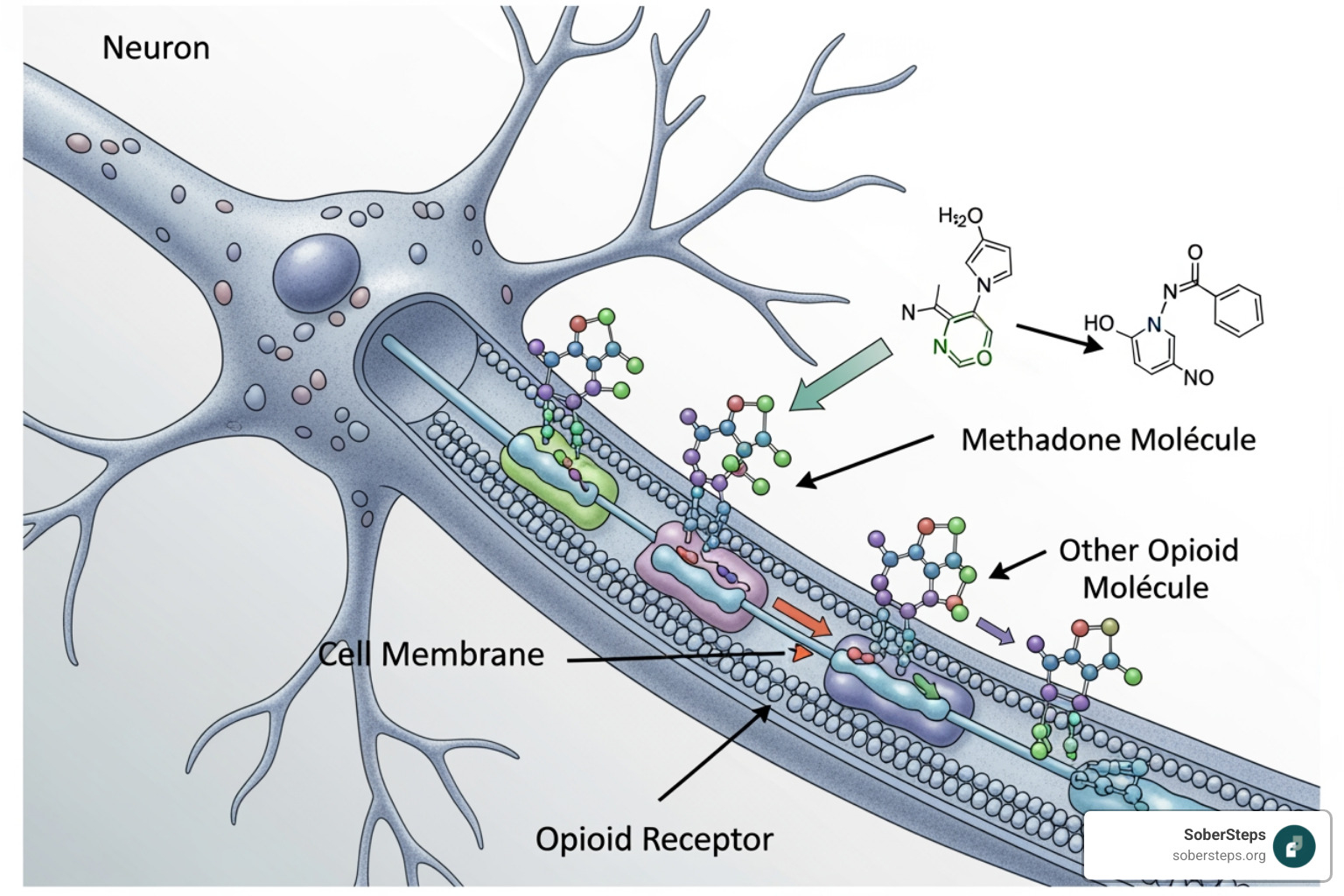
Methadone is a synthetic opioid medication, categorized as a long-acting full opioid agonist and a Schedule II controlled substance. This means it acts on the same brain receptors as other opioids but does so in a controlled, sustained manner. Unlike illicit opioids that cause a rapid high and subsequent crash, methadone provides a steady state, effectively reducing the intense cravings and preventing the severe withdrawal symptoms that often drive continued opioid misuse. It’s a tool designed to stabilize lives and create a foundation where recovery can flourish.
How Methadone Works to Combat Addiction
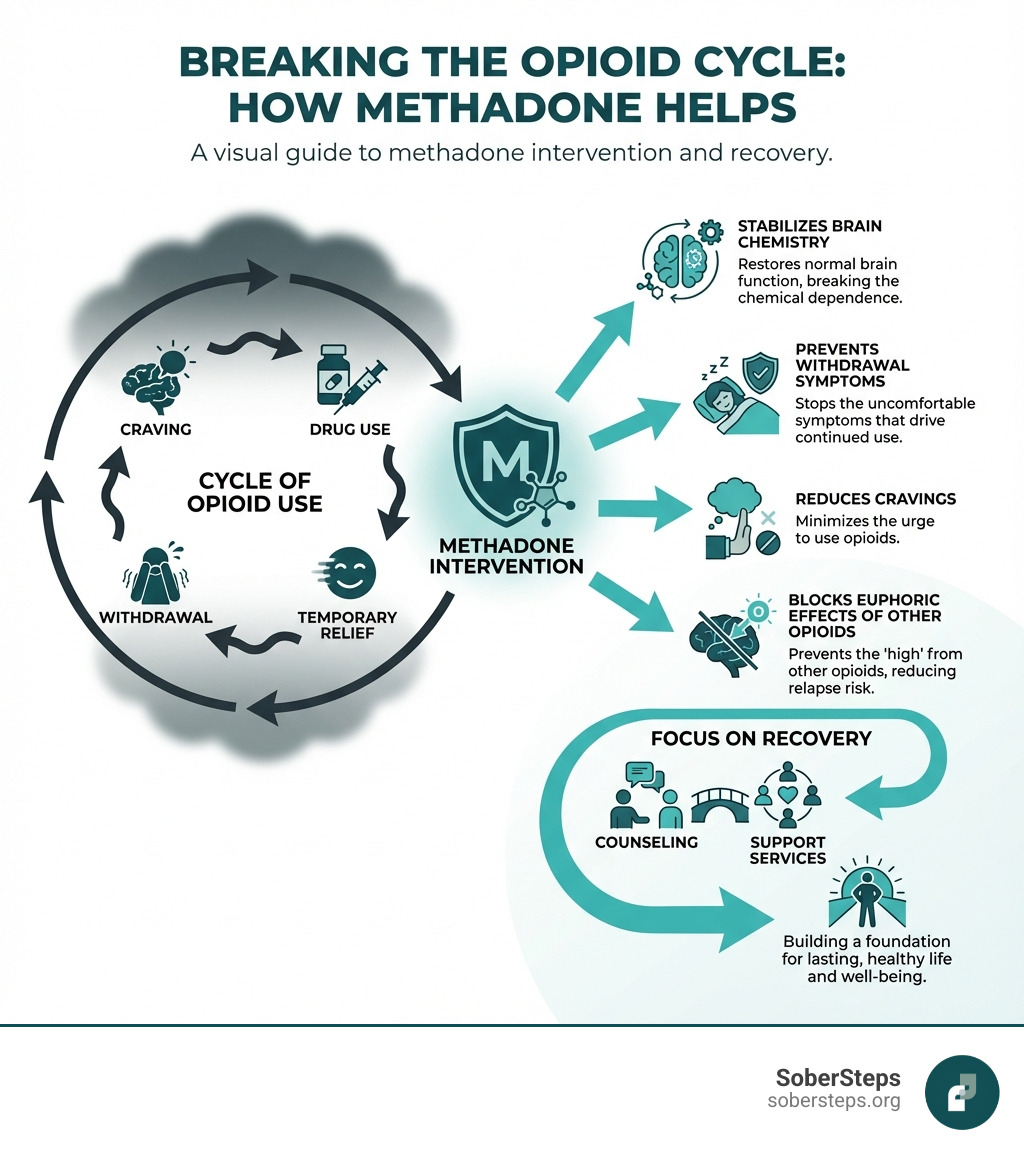
The magic of methadone lies in its mechanism of action. Imagine your brain’s opioid receptors as locks and opioids as keys. Illicit opioids flood these locks, causing a euphoric rush. Methadone, being a full opioid agonist, fits into these locks, but instead of creating a high, it occupies them, preventing other opioids from attaching and producing their euphoric effects. This stable occupation is crucial for several reasons:
- Prevents Withdrawal Symptoms: One of the most debilitating aspects of opioid dependence is withdrawal. Methadone keeps withdrawal symptoms at bay, allowing individuals to feel physically comfortable and function normally.
- Reduces Opioid Cravings: By satisfying the brain’s opioid receptors, methadone significantly reduces the intense cravings that can lead to relapse. This frees up mental energy that was once consumed by seeking and using opioids.
- Blocks Euphoric Effects: If someone on a stable dose of methadone attempts to use other opioids, methadone’s presence on the receptors will block or diminish the euphoric effects, making the use less rewarding.
- Allows Focus on Recovery: With physical discomfort and intense cravings managed, individuals can then direct their attention to the therapeutic aspects of treatment, such as counseling and addressing underlying issues.
This medically supervised approach ensures that the medication is used safely and effectively as part of a broader recovery plan.
Benefits and Success Rates of Methadone Treatment
Methadone treatment, often referred to as Medication-Assisted Treatment (MAT), is widely recognized as the “gold standard” for treating opioid use disorder. Why? Because it works. When used under medical supervision and in conjunction with a treatment plan, methadone offers numerous benefits:
- Reduced Illicit Drug Use: By curbing cravings and withdrawal, methadone significantly decreases the likelihood of returning to illicit opioid use.
- Lowered Overdose Risk: Stabilizing individuals on methadone reduces their exposure to unknown potency and contaminants in street drugs, lowering the risk of fatal overdose.
- Improved Health Outcomes: Patients often experience better physical and mental health, including reduced rates of HIV and hepatitis C transmission associated with injection drug use.
- Decreased Criminal Activity: With stability in their lives, individuals are less likely to engage in criminal activities to fund their drug use.
- Higher Treatment Retention: Methadone helps keep people in treatment longer, which is a strong predictor of successful long-term recovery.
The effectiveness of MAT, including methadone, is backed by extensive scientific research. Studies consistently show that MAT leads to better outcomes compared to abstinence-only approaches, helping people not just survive, but thrive in recovery.
Managing Side Effects and Treatment Duration
Like any medication, methadone can have side effects. Common ones include drowsiness, constipation, dry mouth, and sweating. It can also affect cognitive and motor function, which is why your medical team will monitor you closely. Your initial dose will be carefully managed, starting with a maximum of 30mg, and then slowly adjusted (titrated) until your symptoms resolve and you feel comfortable. This personalized approach ensures the medication is effective while minimizing discomfort.
The duration of methadone treatment is highly individualized. While some individuals may eventually taper off methadone, it’s generally recommended to remain in treatment for at least 12 months, and for many, it can last for several years. The goal isn’t just to stop using opioids; it’s to build a stable, drug-free lifestyle. This takes time, commitment, and ongoing support. Your treatment team will work with you to determine the appropriate length of treatment and a safe, gradual tapering plan if and when that time comes.
Understanding Your Treatment Options
Choosing the right path to recovery is a deeply personal journey. Methadone is a powerful and effective primary MAT option, but it’s just one piece of the puzzle. At SoberSteps, we believe in individualized care plans that are custom to your unique strengths, abilities, needs, and preferences.
Before starting any treatment, a professional assessment is crucial. A medical provider will evaluate your specific situation, confirm a diagnosis of opioid use disorder, and discuss whether methadone or other MAT options are suitable for you. We focus on evidence-based approaches, ensuring that the care you receive is proven to be effective. Whatever treatment method safely helps you to overcome your addiction is the right method for you. Our goal is to empower you to make informed decisions about your health and well-being.
What to Expect When Starting at a Methadone Clinic
Beginning treatment at a methadone clinic near me can feel daunting, but understanding the process can ease your mind. These clinics operate under a comprehensive care model designed to support you every step of the way, fostering a structured environment that lays the groundwork for lasting recovery.
The Intake Process and Eligibility Requirements
When you first arrive at a methadone clinic, you’ll undergo an initial assessment. This isn’t just paperwork; it’s a thorough medical evaluation to ensure methadone treatment is safe and appropriate for you. Key eligibility requirements typically include:
- Confirmed OUD Diagnosis: You must have a confirmed diagnosis of opioid use disorder.
- History of Addiction: Most clinics require a history of opioid addiction for at least one year.
- Age Requirements: Generally, you must be 18 years or older.
- Medical Evaluation: A medical provider will assess your overall health, including any co-occurring conditions.
Once deemed eligible, you’ll receive your first dose of methadone. The maximum allowed starting dose is 30 mg. This dose will then be carefully titrated—meaning slowly adjusted—to a level where your withdrawal symptoms are resolved, cravings are minimal, and you feel comfortable and stable. This process is closely monitored by medical staff to ensure your safety and well-being.
The Importance of Counseling and Support Services
Medication is a powerful tool, but it’s not the whole picture. For methadone treatment to be truly effective, it must be integrated with robust counseling and support services. This holistic approach is what helps you address the root causes of addiction and build a sustainable recovery.

At a reputable methadone clinic near me, you can expect a variety of therapeutic offerings:
- Individual Counseling: One-on-one sessions with a therapist provide a safe space to explore personal challenges, develop coping mechanisms, and process emotions related to your addiction.
- Group Therapy: Sharing experiences and strategies with peers who understand your journey can be incredibly empowering. Group therapy helps reduce feelings of isolation and builds a supportive community. It’s often where you realize, “Hey, I’m not the only one who feels this way!”
- Family Therapy: Addiction impacts the entire family unit. Family therapy can help improve communication, heal relationships, and establish healthy boundaries, which are vital for long-term recovery.
- Relapse Prevention: Learning to identify triggers and develop strategies to avoid relapse is a critical skill taught in counseling.
- Case Management: Case managers can help you steer practical challenges, such as housing, employment, and legal issues, ensuring a stable environment conducive to recovery.
These services are integral. As one of our sources notes, medication alone does not produce a sustainable recovery; it is a tool to buy time for therapeutic work. This combination of medication and therapy empowers you to make lasting changes and create a new, vibrant life in recovery. Call us at (844) 491-5566 to learn more about comprehensive treatment plans.
Your Guide to Finding a Methadone Clinic Near Me
Finding the right methadone clinic near me is a crucial step towards recovery. It can feel like a big decision, but with the right resources and information, you can find a provider that meets your needs.
How to Search for a Methadone Clinic Near Me
The first step is taking action, and we’re here to help you steer that.
- Call the SoberSteps Helpline: For immediate, confidential guidance, you can always reach out to our dedicated helpline at (844) 491-5566. We can connect you with resources and help you understand your options.
- SoberSteps Online Resources: Our website offers anonymous and confidential help for mental health and substance use disorders, including resources for finding treatment.
- SAMHSA’s Opioid Treatment Program Directory: The Substance Abuse and Mental Health Services Administration (SAMHSA) provides an official directory of certified Opioid Treatment Programs. You can access it at dpt2.samhsa.gov/treatment/. This is an excellent tool for finding SAMHSA-certified clinics in your area.
- Physician Referrals: Your primary care physician or any healthcare provider familiar with addiction treatment can often provide referrals to reputable clinics.
- Online Search Strategies: A simple online search for “methadone clinic near me” or “opioid treatment program [your city/state]” can yield local options. Just be sure to cross-reference information with official sources like SAMHSA.
- Community Health Resources: Local health departments, community mental health centers, or social service agencies can also be valuable resources for finding treatment options.
Finding help is a sign of strength, and you don’t have to do it alone.
Key Qualities of a Reputable Clinic
Once you have a list of potential clinics, it’s important to know what to look for. A reputable methadone clinic near me will demonstrate certain qualities that ensure high-quality, patient-centered care:
- Accreditation and Licensing: Look for clinics that are accredited by recognized bodies like CARF (Commission for Accreditation of Rehabilitation Facilities) or the Joint Commission. These accreditations signify a commitment to quality standards. Additionally, ensure the clinic is licensed by your state and is a SAMHSA-certified Opioid Treatment Program (OTP). This is a federal requirement for dispensing methadone for OUD.
- Qualified Medical Staff: A good clinic will have a team of experienced professionals, including medical doctors, nurses, and pharmacists, to oversee your medication and overall health.
- Comprehensive Services: As we’ve discussed, medication alone is not enough. A reputable clinic will offer integrated behavioral therapy and support services, such as individual and group counseling, and potentially family therapy or peer support.
- Patient-Centered Philosophy: The best clinics will develop individualized treatment plans based on your unique strengths, abilities, needs, and preferences. They should treat addiction as a disease and view clients as patients suffering from an illness, fostering an empathetic and non-judgmental environment.
- Clean and Safe Environment: The physical environment of the clinic should be clean, safe, and conducive to healing.
When you call a clinic, don’t hesitate to ask questions about their services, staff qualifications, and approach to care. This due diligence will help you find the best fit for your recovery journey.
Navigating Costs, Insurance, and Payment Options
We understand that the cost of treatment can be a significant concern. Fortunately, many methadone clinic near me options strive to make treatment accessible. Payment options can vary widely, so inquire directly with clinics about what they accept.
- Insurance Coverage: Many clinics accept various insurance plans. This can include:
- Medicaid: Many methadone clinics, such as some in Atlanta, accept Medicaid.
- Medicare: Similarly, Medicare is often accepted.
- Private Insurance: Major providers like Guide Health Options, Blue Cross Blue Shield, Cigna, Kaiser Permanente, Optum, Humana, Aetna, Anthem, and Carelon are frequently accepted by clinics across the U.S.
- State Insurance Plans: Some states offer specific insurance programs for addiction treatment. For example, several clinics in Atlanta accept Georgia state insurance.
- Self-Pay Rates: If you don’t have insurance or prefer to pay out-of-pocket, clinics typically have self-pay rates.
- Payment Assistance Programs: Many facilities offer payment assistance, including:
- Sliding Fee Scale: Fees are adjusted based on your income and ability to pay.
- Financial Aid: Some clinics may have specific financial aid programs or work with foundations that offer assistance.
When you contact a clinic, ask direct questions about costs, insurance verification, and any available payment assistance programs. Our team at SoberSteps can also help you steer these payment options and understand what your insurance covers. Call our helpline at (844) 491-5566 to get started.
Frequently Asked Questions about Local Treatment
It’s natural to have questions when considering methadone treatment. We hear many common concerns, and we’re here to provide clear, straightforward answers to help you make informed decisions about finding a methadone clinic near me.
Is methadone just replacing one addiction with another?
This is a common and understandable question, but the answer is no. It’s crucial to distinguish between physical dependence and addiction:
- Physical Dependence: When you take methadone as prescribed by a medical professional, your body will become physically dependent on it. This means you’ll experience withdrawal symptoms if you stop taking it suddenly. However, this is a normal physiological response to many medications and is not the same as addiction.
- Addiction: Addiction is characterized by compulsive drug-seeking behavior, continued use despite harmful consequences, and a preoccupation with obtaining and using the substance. When used therapeutically, methadone eliminates the compulsive use associated with addiction. It normalizes brain function, allowing you to focus on recovery and live a stable life.
Methadone, when used appropriately under medical supervision, is a safe and effective medical treatment for opioid use disorder, not a replacement addiction. It allows individuals to stabilize their lives and address the underlying issues of their OUD.
How often do I have to visit a methadone clinic near me?
Initially, you’ll need to visit the methadone clinic near me every day to receive your dose under the direct supervision of nursing staff. This daily supervised dosing is a standard practice, especially during the induction and stabilization phases of treatment.
As you progress in your treatment and demonstrate stability, you may earn “take-home” privileges. This means you’ll be allowed to take a certain number of doses home with you, reducing the frequency of your clinic visits. The ability to earn take-homes is based on federal and state regulations, as well as the clinic’s specific policies and your individual progress. Factors like consistent attendance, negative drug screens, and engagement in counseling contribute to earning these privileges. It’s a bit like earning your stripes – a testament to your commitment to recovery!
Is my treatment confidential?
Absolutely. Your privacy and confidentiality are protected by strict federal laws in the United States. When you seek treatment at a methadone clinic near me, your information is safeguarded under:
- The Health Insurance Portability and Accountability Act of 1996 (HIPAA): This well-known law sets national standards for protecting sensitive patient health information.
- The Code of Federal Regulations Title 42 Part 2 (42 CFR Part 2): This federal regulation provides even stronger protections for records related to substance use disorder treatment, often requiring specific written consent for disclosure.
These laws mean that information you share with your treatment provider remains confidential. There are very limited exceptions, such as signed releases, medical emergencies, or certain criminal activities, but generally, your privacy is paramount. This allows you to speak openly and honestly with your treatment team, knowing your sensitive information is protected.
Conclusion: Take the First Step Towards Recovery
Searching for a methadone clinic near me is a powerful first step toward reclaiming your life from opioid use disorder. We hope this guide has demystified methadone treatment, clarifying its mechanisms, benefits, and what to expect on your journey.
Methadone is a safe and effective treatment when administered within a comprehensive care model that includes counseling and support services. Recovery is not only possible but achievable, and you don’t have to walk this path alone.
At SoberSteps, we are committed to providing confidential and anonymous help for mental health and substance use disorders. If you or a loved one is struggling, don’t wait. Find confidential, anonymous support today. Call our helpline at (844) 491-5566 or find a treatment center near you. Your journey to a healthier, more vibrant life starts now.