Alcohol Use Disorder (Alcohol Addiction) Definition, Cycle, Signs, Treatment
Understanding Alcohol Use Disorder: A Medical Condition, Not a Moral Failing
Alcohol Use Disorder is a medical condition where a person cannot stop or control their drinking despite serious problems in their life. It’s a brain disorder that affects millions of Americans—not a sign of weakness or lack of willpower.
Quick Facts About Alcohol Use Disorder:
What it is: A pattern of alcohol use causing significant distress or problems at work, home, or in relationships
How common: About 11% of adults (roughly 29.5 million Americans) had AUD in the past year
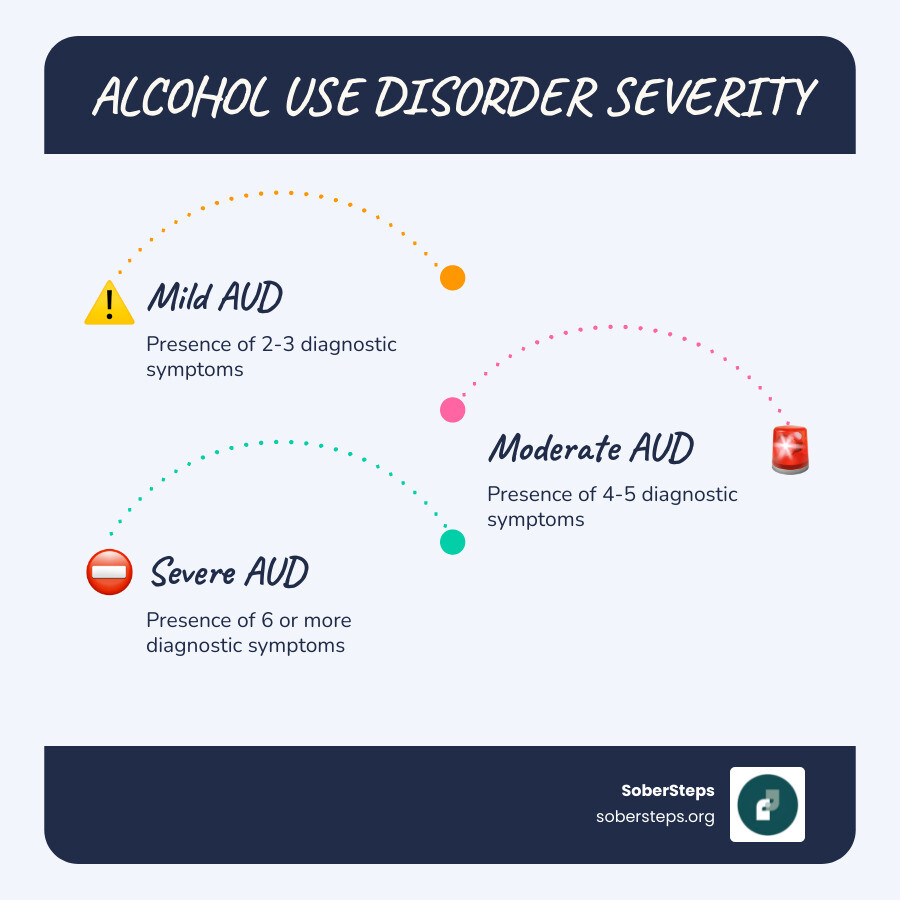
Severity levels: Ranges from mild (2-3 symptoms) to moderate (4-5 symptoms) to severe (6+ symptoms)
Key signs: Drinking more than intended, unable to cut back, spending lots of time drinking or recovering, cravings, and continuing despite harm
Treatment success: Many people recover with the right combination of medication, therapy, and support
Important note: Less than 8% of people with AUD receive treatment, even though effective options exist
AUD used to be called “alcoholism,” “alcohol abuse,” or “alcohol dependence.” The medical community now uses Alcohol Use Disorder because it better describes the spectrum of the condition and reduces stigma. The disorder causes lasting changes in the brain that make it hard to stop drinking and increase the risk of relapse—but these changes can improve with treatment and time.
Genetics play a significant role, accounting for about 60% of AUD risk. Environmental factors like early drinking, trauma, stress, and mental health conditions like depression or anxiety make up the rest. Starting to drink before age 15 increases the likelihood of developing AUD later in life by more than five times compared to waiting until age 21.
At Sober Steps, we’ve helped thousands of individuals steer their recovery journey from Alcohol Use Disorder by connecting them with evidence-based treatment options and compassionate support. Our mission is to make finding help as private, accessible, and straightforward as possible—because no one should face this alone.
Signs, Symptoms, and Diagnosis of AUD
Understanding the signs and symptoms of Alcohol Use Disorder is the first step toward seeking help. AUD is a complex condition that manifests in various ways, impacting an individual’s thoughts, behaviors, and physical health. It’s not always obvious, and sometimes, those closest to the person may be the first to notice changes.
The diagnosis of Alcohol Use Disorder is made by healthcare professionals based on specific criteria outlined in the Diagnostic and Statistical Manual of Mental Disorders, Fifth Edition (DSM-5). These criteria help us understand the severity of the disorder and guide treatment plans. They broadly fall into categories reflecting impaired control over drinking, social impairment, risky use, and physical effects like tolerance and withdrawal.
Here is a list of the 11 diagnostic criteria for Alcohol Use Disorder, which must be met within a 12-month period:
Drinking more or longer than intended: Often consuming larger amounts of alcohol or drinking for a longer period than you meant to.
Unsuccessful efforts to cut down or control alcohol use: You’ve tried to reduce or stop drinking on several occasions but couldn’t.
Spending a great deal of time on alcohol-related activities: This includes obtaining alcohol, drinking it, or recovering from its effects.
Craving alcohol: Experiencing a strong urge or need to drink.
Failure to fulfill major obligations: Alcohol use leads to neglecting responsibilities at work, school, or home.
Continued use despite social or interpersonal problems: Drinking continues even when it causes or worsens relationship issues with family or friends.
Giving up or reducing important activities: You stop or cut back on social, occupational, or recreational activities because of alcohol use.
Recurrent use in physically hazardous situations: Drinking in situations where it’s dangerous, such as driving a car or operating machinery.
Continued use despite physical or psychological problems: You keep drinking even when you know it’s causing or worsening a physical or mental health problem.
Tolerance: Needing to drink more alcohol to get the same effect, or experiencing a diminished effect with the same amount of alcohol.
Withdrawal: Experiencing symptoms when the effects of alcohol wear off, such as sweating, tremors, nausea, or anxiety, or drinking to avoid these symptoms.
If you are concerned about your drinking patterns, we encourage you to explore your drinking patterns further. The National Institute on Alcohol Abuse and Alcoholism (NIAAA) provides a helpful resource for self-assessment on their Rethinking Drinking website.
How is Alcohol Use Disorder Diagnosed?
A healthcare professional will assess your symptoms and history to diagnose Alcohol Use Disorder. They will ask you a series of screening questions related to the 11 criteria mentioned above. The number of criteria you meet determines the severity of your AUD:
Mild AUD: Meeting 2 to 3 criteria.
Moderate AUD: Meeting 4 to 5 criteria.
Severe AUD: Meeting 6 or more criteria.
Even a mild Alcohol Use Disorder can escalate if left unaddressed. Early detection and intervention can make a significant difference in a person’s recovery journey.
Recognizing Alcohol Intoxication and Withdrawal
Beyond the diagnostic criteria, it’s crucial to understand the immediate effects of alcohol, both during and after consumption, especially heavy or prolonged use.
Signs of Alcohol Intoxication: When someone is intoxicated, alcohol affects their brain and body, leading to:
Inappropriate behavior or unstable moods
Poor judgment and decision-making
Slurred speech
Problems with attention or memory
Poor coordination, leading to stumbling or falls
Alcohol Withdrawal Symptoms: When someone who has been drinking heavily and for a prolonged period suddenly stops or significantly reduces their alcohol intake, they can experience withdrawal. This can be a dangerous, even life-threatening, process and often requires medical supervision. Symptoms can appear within several hours to 4 to 5 days after the last drink and may include:
Sweating and rapid heartbeat
Hand tremors or shakiness
Problems sleeping (insomnia)
Nausea and vomiting
Hallucinations (seeing, hearing, or feeling things that aren’t there)
Restlessness and agitation
Anxiety
Occasionally, seizures
If you or a loved one are experiencing severe withdrawal symptoms, seek immediate medical attention. Medically supervised detox can help manage these symptoms safely and prevent complications.
Causes and Risk Factors for Developing AUD
Alcohol Use Disorder doesn’t typically have a single cause; rather, it’s often the result of a complex interplay of genetic, psychological, social, and environmental factors. We like to think of it as a puzzle where many pieces come together to form the full picture.
Genetics and Family History
The role of genetics in Alcohol Use Disorder is substantial. Research suggests that hereditability accounts for approximately 60% of the risk for developing AUD. This means that if you have a parent or other close relative who struggles with alcohol, your risk is significantly higher—three to four times higher, in fact. This isn’t about inheriting a “drinking gene” directly, but rather a predisposition. Genes can influence how your body processes alcohol, how you experience its effects, and your vulnerability to its addictive properties.
Environmental and Psychological Factors
While genetics lay a foundation, environmental and psychological factors often act as triggers or accelerators for Alcohol Use Disorder.
Early Age of Drinking: Studies show that among people ages 26 and older, those who began drinking before age 15 were more than five times as likely to report having AUD in the past year compared to those who waited until age 21 or later. Early exposure can disrupt brain development and increase vulnerability.
Peer Pressure and Social Norms: Especially during adolescence and young adulthood, social circles and cultural norms around drinking can heavily influence alcohol use patterns.
Co-occurring Mental Health Conditions: A wide range of psychiatric conditions are comorbid with AUD and significantly increase the risk. These include:
Depression: People may use alcohol to self-medicate feelings of sadness or hopelessness.
Anxiety: Alcohol can temporarily reduce anxiety, leading to a cycle of use and dependence.
Post-Traumatic Stress Disorder (PTSD): Individuals with PTSD may turn to alcohol to cope with traumatic memories or emotional distress.
Attention Deficit Hyperactivity Disorder (ADHD): Some may use alcohol to calm hyperactivity or focus.
Trauma: A history of trauma, particularly childhood trauma, is a potent environmental risk factor for developing AUD. Unresolved trauma can lead to chronic stress, making individuals more susceptible to using alcohol as a coping mechanism.
Stress: Chronic stress from any source, be it work, relationships, or financial difficulties, can increase the likelihood of turning to alcohol for relief.
Bariatric Surgery: Interestingly, having bariatric surgery has been linked to an increased risk of developing AUD or relapsing.
These factors don’t act in isolation; they often interact in complex ways. For example, someone with a genetic predisposition to AUD who also experiences childhood trauma and later develops depression may face a significantly higher risk.
Health Complications of Chronic Alcohol Use
The impact of Alcohol Use Disorder extends far beyond social and psychological challenges; it can take a severe toll on nearly every organ system in the body. In fact, AUD is the fourth leading preventable cause of death in the U.S. We must understand these health risks to fully grasp the importance of early intervention and treatment.
Physical Health Consequences
Long-term, excessive alcohol use can lead to a multitude of physical health problems, some of which are irreversible:
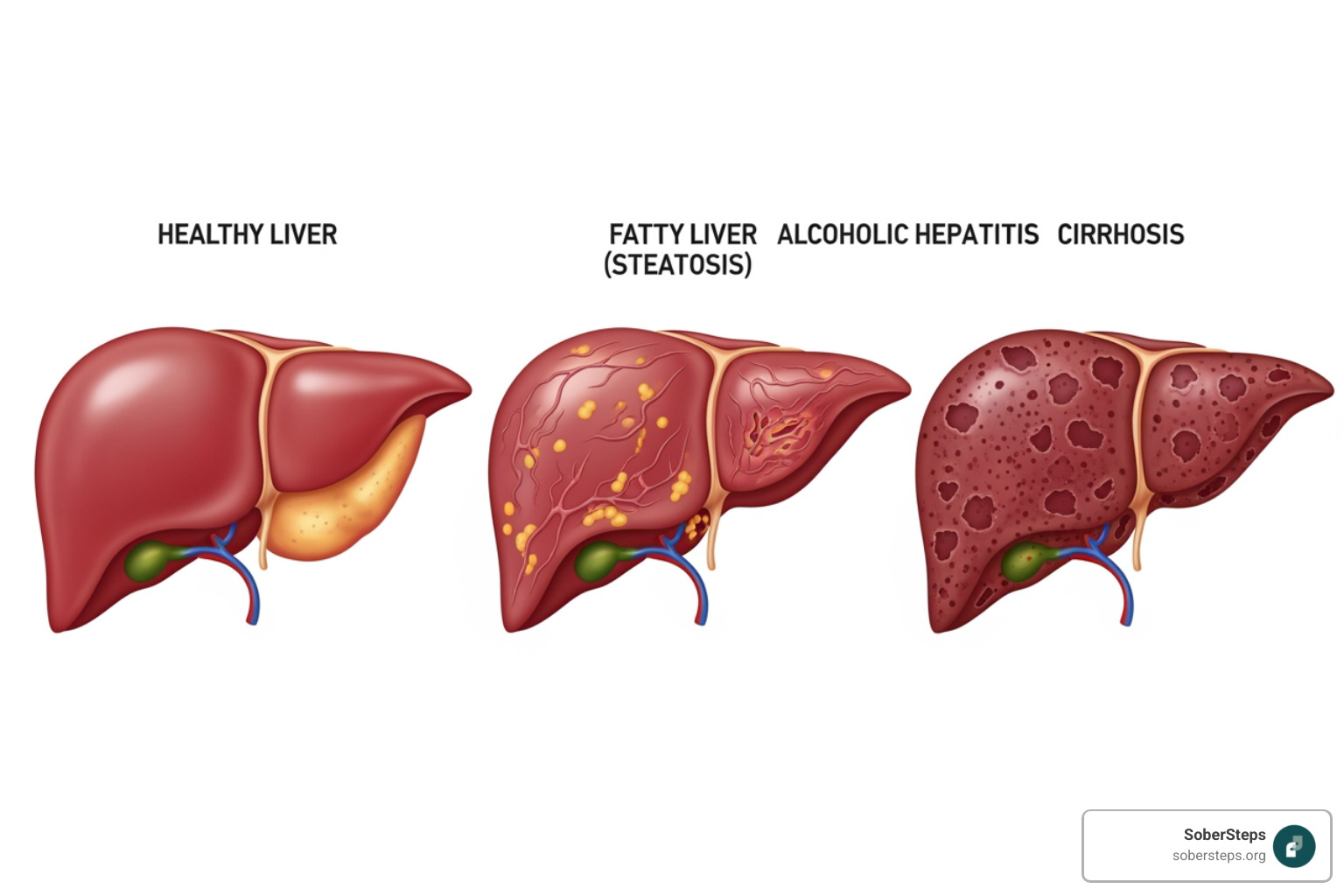
Liver Disease: This is one of the most well-known complications.
Fatty Liver (Hepatic Steatosis): Increased fat deposits in the liver, often the first stage, and usually reversible with abstinence.
Alcoholic Hepatitis: Inflammation of the liver, which can be severe and life-threatening.
Cirrhosis: Over time, heavy drinking causes irreversible destruction and scarring of liver tissue, leading to liver failure.
Heart Problems: Excessive alcohol use can damage the heart muscle (alcoholic cardiomyopathy), leading to an enlarged heart and inefficient pumping of blood. It can also contribute to high blood pressure (hypertension).
Pancreatitis: Inflammation of the pancreas, which produces enzymes for digestion and hormones like insulin. Pancreatitis can cause severe abdominal pain and digestive problems.
Digestive Issues: Alcohol can irritate the digestive tract, leading to gastritis, ulcers, and problems with nutrient absorption.
Weakened Immune System: Excessive drinking makes it harder for your body to resist disease, increasing your risk of various illnesses, especially pneumonia.
Increased Cancer Risk: Long-term, excessive alcohol use has been linked to a higher risk of many cancers, including:
Mouth and Throat Cancer
Esophageal Cancer
Liver Cancer
Colorectal Cancer
Breast Cancer (even moderate drinking can increase this risk)
Diabetes Complications: Alcohol can interfere with the release of glucose from the liver, increasing the risk of dangerously low blood sugar (hypoglycemia) for individuals with diabetes.
Sexual Function Issues: Chronic alcohol use can lead to erectile dysfunction in men and menstrual irregularities in women.
Bone Damage: Alcohol can interfere with new bone formation, leading to osteoporosis and an increased risk of fractures.
Birth Defects: Alcohol use during pregnancy can cause miscarriage, stillbirth, and a range of lifelong physical, behavioral, and intellectual disabilities known as Fetal Alcohol Spectrum Disorders (FASDs).
Mental and Neurological Health Effects
The brain is particularly vulnerable to the effects of chronic alcohol exposure:
Worsening Depression and Anxiety: While alcohol may temporarily mask these feelings, long-term use can exacerbate existing mental health conditions and even trigger new ones.
Neurological Complications:
Memory Problems: Chronic heavy drinking can lead to significant memory impairment, including blackouts and, in severe cases, Wernicke-Korsakoff Syndrome, which causes severe memory loss and confusion.
Brain Damage: Alcohol can cause direct damage to brain cells, leading to cognitive deficits, reduced brain volume, and impaired judgment.
Peripheral Neuropathy: Nerve damage in the extremities, causing pain, numbness, or tingling.
Increased Risk of Suicide: Alcohol use, especially heavy drinking, is a significant risk factor for suicidal thoughts and behaviors. It can lower inhibitions and impair judgment, making dangerous choices more likely.
These health complications underscore the urgency of addressing Alcohol Use Disorder and seeking timely intervention.
Treatment and Recovery from Alcohol Use Disorder
The journey to recovery from Alcohol Use Disorder is deeply personal, but one truth shines through: hope is always available, and treatment is effective. We understand that navigating this path can feel overwhelming, but we want you to know that many people with AUD do recover, and their lives transform for the better.
Recovery is not a linear process; setbacks are common and are often part of the journey. What’s crucial is to view these not as failures but as opportunities to learn and adjust your approach. A personalized treatment plan is key, as there’s no one-size-fits-all solution for AUD. We believe in finding the right combination of support, medication, and therapy that works best for each individual.
Medically-Assisted Treatment (MAT)
Medically-Assisted Treatment (MAT) combines medication with counseling and behavioral therapies to provide a comprehensive approach to treating Alcohol Use Disorder. These medications are not addictive themselves and are used under medical supervision to support recovery, reduce cravings, and prevent relapse.
The U.S. Food and Drug Administration (FDA) has approved three medications specifically to help people stop or reduce their drinking:
Naltrexone: This medication works by blocking the opioid receptors in the brain, which reduces the pleasurable effects of alcohol and helps curb cravings. It’s available as a daily pill or an extended-release injectable form that lasts for about a month.
Acamprosate: This medication helps people maintain abstinence by restoring the balance of certain brain chemicals that are disrupted by chronic alcohol use, reducing the urge to drink. It’s typically taken three times a day.
Disulfiram: This medication creates an unpleasant reaction (nausea, vomiting, headache, sweating) if alcohol is consumed. It acts as a deterrent, discouraging drinking. It’s usually taken once a day.
These medications can be incredibly powerful tools when used as part of a broader treatment plan, helping individuals manage the physical aspects of AUD so they can focus on behavioral and psychological healing.
Behavioral Therapies and Counseling
Behavioral therapies and counseling are cornerstone treatments for Alcohol Use Disorder, helping individuals understand the root causes of their drinking, develop coping skills, and change harmful patterns. These therapies can be delivered individually, in group settings, or even through family sessions.
Some of the most effective behavioral therapies include:
Cognitive Behavioral Therapy (CBT): CBT helps individuals identify and change negative thought patterns and behaviors that contribute to alcohol use. It teaches coping strategies for high-risk situations and triggers.
Motivational Improvement Therapy (MET): MET helps individuals build motivation to change their drinking behavior by exploring and resolving their ambivalence about treatment and recovery.
Marital and Family Counseling: Since AUD affects the entire family system, involving loved ones in therapy can improve communication, address relationship issues, and create a supportive home environment for recovery.
Brief Interventions: Short, structured conversations with a healthcare provider can help individuals recognize problematic drinking and motivate them to make changes.
These therapies equip individuals with the tools they need to steer life without relying on alcohol, helping them develop healthier ways to manage stress, emotions, and social situations.
Peer Support and Community Resources
Beyond formal medical and therapeutic interventions, peer support and community resources play a vital role in long-term recovery from Alcohol Use Disorder. These groups offer a sense of belonging, shared experience, and ongoing encouragement.
Peer Support Groups:
Alcoholics Anonymous (AA): A widely recognized 12-step program that provides a supportive community for individuals seeking sobriety through shared experiences and spiritual principles.
SMART Recovery (Self-Management and Recovery Training): A secular, science-based program that teaches self-empowerment and self-reliance to manage addictive behaviors.
Moderation Management: A program for individuals who wish to reduce their drinking to moderate levels rather than abstain completely.
Support for Families and Loved Ones:
Al-Anon and Al-Ateen: These groups provide support for people affected by someone else’s drinking, including spouses, partners, children, and friends.
Adult Children of Alcoholics/Dysfunctional Families: A 12-step program for individuals who grew up in dysfunctional homes, often impacted by a parent’s alcohol use.
NAMI (National Alliance on Mental Illness): Offers a variety of resources, support lines, and groups for individuals and families dealing with mental health conditions, often comorbid with AUD.
CRAFT (Community Reinforcement and Family Training): CRAFT teaches family and friends effective strategies for helping their loved one to change and to feel better themselves, focusing on positive reinforcement and communication skills.
These groups offer invaluable emotional support, practical advice, and a network of individuals who understand the challenges and triumphs of recovery.
Conclusion: How to Find Help and Start Your Recovery
We’ve covered a lot about Alcohol Use Disorder, from its definition as a medical condition and brain disorder to its complex causes, devastating health complications, and diverse treatment options. The most important takeaway is this: Alcohol Use Disorder is a treatable disease, and recovery is not just possible—it’s happening for millions of Americans every day.
Taking the first step can be the hardest, but it’s also the most courageous. Whether you are personally struggling with AUD or are concerned about a loved one, resources are available to help you begin the journey towards a healthier, more fulfilling life.
At SoberSteps, we are dedicated to connecting individuals with the care they need. We understand the importance of privacy and accessibility when seeking help for mental health and substance use disorders. Our platform is designed to be a confidential, anonymous online resource that guides you to appropriate treatment options.
If you are ready to take that crucial first step, or if you are looking for support for someone you care about, please reach out. We can help you find the right path forward.
To explore the resources and treatment options available, visit us at SoberSteps.
For anyone seeking help for addiction for themselves or a loved one calls to Sober Steps are completely confidential and available 24/7.
Please note: any treatment center listed on our site that receives calls is a paid advertiser.
Calls to a specific treatment center’s listing will be connected directly to that center.
Calls to our general helpline will be answered by treatment providers, all of whom are paid advertisers.
By calling the helpline, you agree to our terms and conditions. These calls are free of charge and carry no obligation to enter treatment. Neither Sober Steps nor anyone answering your call receives a commission or fee based on your choice of treatment provider.
If you’d like to explore additional treatment options or connect with a specific rehab center, you can browse our top-rated listings, visit our homepage, or call us at (844) 491-5566. You may also contact us for further assistance.