

Understanding the Path to Healing with Dual Diagnosis Workbooks
A dual diagnosis workbook pdf is a self-help tool for managing a mental health disorder and a substance use disorder simultaneously. These resources provide:
- Self-assessment tools to identify symptoms and patterns
- Skill-building exercises for coping with both disorders
- Relapse prevention strategies for co-occurring conditions
- Educational content on the interaction between mental health and substance use
- Goal-setting frameworks for a unified recovery plan
If you’re facing both addiction and a mental health condition, you’re not alone. Approximately one in four people with a serious mental illness also have a substance use disorder. However, only a fraction receive integrated treatment, leaving many searching for immediate support.
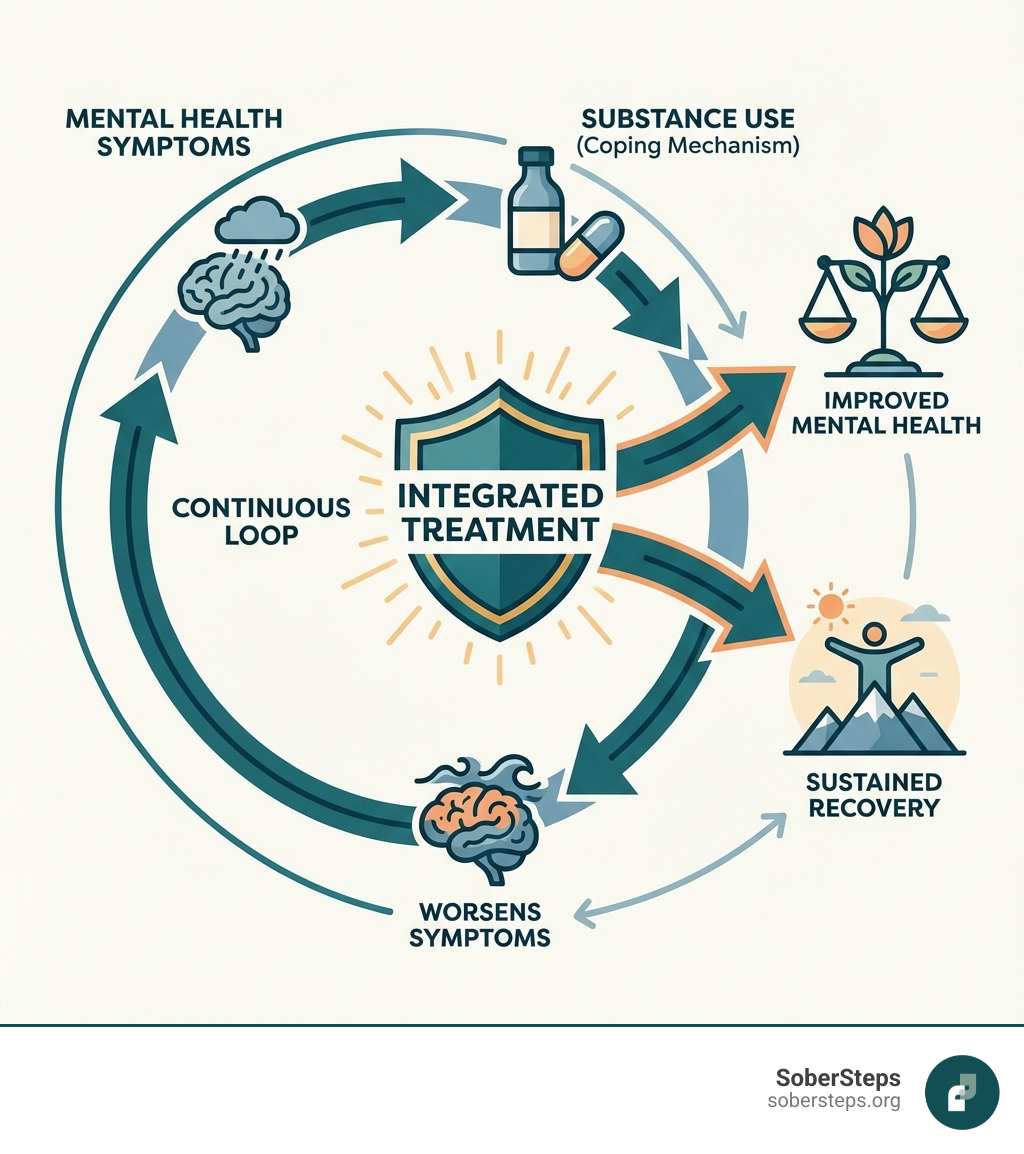
Co-occurring disorders create a difficult cycle: substances can worsen mental health symptoms, which in turn can trigger substance use. Dual diagnosis workbooks help break this cycle by bridging the gap between professional treatment and daily life. They offer structure, education, and exercises to work through at your own pace.
While not a substitute for professional care, these workbooks are a powerful complement to therapy and support groups. At Sober Steps, we help individuals and families steer recovery with our comprehensive co-occurring disorders treatment resources. Finding the right dual diagnosis workbook pdf can be a meaningful first step toward integrated healing.
What is a Dual Diagnosis Workbook and Why is it a Vital Recovery Tool?
Managing recovery from both a substance use disorder and a mental health condition is complex. What helps one issue can sometimes seem to hinder the other. This is why a dual diagnosis workbook pdf is such a vital tool.
A dual diagnosis workbook offers a structured, task-based approach to managing co-occurring disorders. It reframes these conditions as manageable challenges that require skill-building and self-awareness. The goal is to provide a tool for understanding your conditions, developing coping skills, and creating actionable plans for long-term recovery.
The need for these resources is clear. Despite the high prevalence of co-occurring disorders, only 12.7% of people with both conditions receive integrated treatment. Workbooks act as a crucial bridge, offering self-paced learning and a tangible way to engage with recovery principles.
Understanding the Importance of Integrated Treatment
Historically, mental health and substance use disorders were treated separately. However, research overwhelmingly supports integrated treatment, which addresses both conditions simultaneously. This approach, known as Integrated Dual Disorder Treatment (IDDT), is considered the gold standard.
Integration is crucial because the conditions are interconnected. Substance use can worsen psychiatric symptoms, and mental health issues can trigger substance use. For example, someone might use alcohol to cope with anxiety, only to find their anxiety worsens over time. Untreated dual diagnosis can lead to severe consequences, including homelessness, health problems, and higher relapse rates. Workbooks support an integrated approach, which leads to better outcomes by addressing the root causes of both conditions. You can learn more about Dual Diagnosis and its comprehensive treatment approaches.
How Workbooks Help Manage Co-Occurring Disorders
Dual diagnosis workbooks empower you with concrete strategies for managing both disorders. They help in several key ways:
- Simultaneous Symptom Tracking: Use tools to track moods and substance use, helping you see how they influence each other.
- Identifying Connections: Map out timelines to understand the patterns and triggers that link your conditions.
- Building Coping Skills: Learn healthy coping mechanisms for both mental health symptoms and substance cravings.
- Creating a Unified Recovery Plan: Develop a single, integrated plan that addresses both conditions, including therapy and trigger avoidance.
- Fostering Self-Awareness: Through reflection, you learn about your illnesses and their impact, taking an active role in your recovery.
- Providing a Tangible Record of Progress: Completing exercises provides a concrete record of your achievements, which is highly motivating.
These workbooks are an excellent complement to professional guidance. If you’re looking to improve your recovery, we encourage you to explore different therapy options that can be integrated with workbook exercises.
Key Components of an Effective Dual Diagnosis Workbook PDF
An effective dual diagnosis workbook pdf is filled with tools for education, skill-building, and planning for the future. While workbooks vary, most share these core components.
Self-Assessment and Educational Tools
Understanding your conditions is the first step. Workbooks provide tools to build this foundation:
- Understanding Your Diagnosis: Clarify your specific diagnoses and their signs and symptoms.
- Symptom Checklists: Use checklists for conditions like depression or anxiety to identify and track how they manifest.
- Onset of Problems Timeline: Map when your psychiatric and substance use issues began to see patterns and triggers.
- Decisional Balance Worksheets: Weigh the pros and cons of your current behaviors versus making a change to build motivation.
- Identifying Personal Triggers: Pinpoint internal (thoughts, emotions) and external (people, places) triggers.
- Understanding Substance-Psychiatric Interactions: Learn how substances worsen psychiatric symptoms. For example, alcohol can intensify depression, while stimulants can increase anxiety and impulsivity.
To see how these tools fit into a larger plan, explore our guide on finding addiction treatment.
Essential Skill-Building Exercises in a dual diagnosis workbook pdf
Beyond education, a dual diagnosis workbook pdf equips you with practical skills for recovery, often drawn from evidence-based therapies:
- Mindfulness Practices: Learn to observe thoughts and feelings without being overwhelmed by them.
- Cognitive Behavioral Therapy (CBT) Thought Records: Identify and challenge the negative thinking patterns that fuel symptoms and substance use. Cognitive Behavioral Therapy (CBT) is a cornerstone of many recovery programs.
- Distress Tolerance Skills (DBT): Learn to cope with intense emotions without resorting to harmful behaviors. Explore more about Dialectical Behavior Therapy (DBT).
- Communication Skills: Practice assertive communication to express your needs and set healthy boundaries.
- Anger Management Techniques: Identify anger triggers and develop constructive ways to respond.
- Problem-Solving: Use structured methods like the PICBA tool (Problem, Impact, Cost/Benefits, Brainstorm, Actions) to tackle challenges systematically.
- Stress Reduction Exercises: Practice deep breathing, relaxation, and other healthy ways to unwind.
Relapse Prevention and Future Planning
A key part of any dual diagnosis workbook pdf is dedicated to preventing relapse and planning for a stable future.
- Identifying Warning Signs: Learn to recognize the early signs of a potential relapse, such as mood changes or increased stress.
- Creating a Relapse Prevention Plan: Detail your triggers, warning signs, and the specific coping strategies you will use.
- Developing Healthy Coping Strategies: Build a toolbox of healthy ways to manage difficult emotions, stress, and cravings.
- Building a Support Network: Identify supportive people in your life and plan how to use their help.
- Setting Goals: Define short-term and long-term goals for your recovery and life.
- Creating a Daily Schedule: A structured 24-hour plan helps build a new, drug-free lifestyle and reduces opportunities for high-risk behaviors.
Recovery is an ongoing process. If you feel overwhelmed, please get help now if you are struggling.
How to Maximize Your Recovery with a Dual Diagnosis Workbook
A dual diagnosis workbook pdf is a powerful resource, but its effectiveness depends on how you use it. To maximize your recovery, integrate these tools into a broader treatment plan with intention.

Tips for Individuals on Their Recovery Journey
- Set Aside Dedicated Time: Treat your workbook like an important appointment to build routine and commitment.
- Start Small: Break down tasks into manageable sections to avoid feeling overwhelmed.
- Be Patient and Honest: Recovery isn’t linear. Approach the workbook with self-compassion and be truthful in your reflections.
- Review Your Progress: Look back at completed exercises to see how far you’ve come and reinforce your learning.
- Share Your Insights: Discuss your work with a therapist or in group therapy to gain feedback and new perspectives.
- Celebrate Small Victories: Acknowledge every step forward to maintain motivation.
For additional support, you can always find confidential mental health support through our resources.
How Family and Support Systems Can Help
Family and friends play a crucial role. A dual diagnosis workbook pdf can be a valuable tool for them, too:
- Understand the Diagnosis: Reading the workbook can help family members better understand what their loved one is experiencing.
- Facilitate Conversations: Use the workbook’s topics (like triggers or coping skills) as a neutral starting point for supportive discussions.
- Offer Encouragement: Praise your loved one’s efforts and engagement with the workbook without judgment.
- Create a Supportive Environment: Help identify and remove triggers in the home to support recovery goals.
- Practice Self-Care: Recovery is a journey for the whole family. It’s important for support members to learn about boundaries and care for their own well-being.
To explore options for family support, read about our affordable mental health care options.
Understanding the Limitations
While valuable, a dual diagnosis workbook pdf has limitations. It is a tool, not a cure, and cannot replace professional care.
- It’s a Supplement, Not a Replacement: Workbooks are most effective when used with professional guidance from an individual therapy provider or an intensive outpatient program.
- No Substitute for Medical Advice: A workbook cannot diagnose, prescribe, or replace medication management from a doctor or psychiatrist.
- Insufficient for Crises: In a severe mental health crisis or acute withdrawal, a workbook is not enough. These situations require immediate professional intervention.
- Part of a Comprehensive Plan: True recovery requires an integrated approach that may include therapy, medication, and support groups. A workbook is just one piece of that puzzle.
Where to Find a Free Dual Diagnosis Workbook PDF
Finding reliable resources is key when searching for a dual diagnosis workbook pdf. Many excellent, free materials are available from reputable institutions. We’ve curated a list of valuable resources to support your recovery journey.
University of South Florida: Co-Occurring Disorders Treatment Workbook
The University of South Florida offers the “Co-Occurring Disorders Treatment Workbook.” This resource is designed for client use, featuring relatable case stories and simple language to supplement professional treatment. It’s an excellent tool for individuals to use between therapy sessions to reinforce key concepts.
MAT Access Points: TRUST Patient Workbook
The “TRUST Patient Workbook” is another valuable dual diagnosis workbook pdf, especially for those in stimulant use recovery. It provides worksheets on scheduling, identifying triggers, and building a support system. It also explains the brain science behind addiction, helping individuals understand the recovery process. You can download the TRUST Patient Workbook PDF directly.
Treatment Advocacy Center: Dual Diagnosis Evidence Brief
While not a traditional workbook, the Treatment Advocacy Center’s “Dual Diagnosis Evidence Brief” is essential reading. This brief provides critical statistics and explains the need for Integrated Dual Disorder Treatment (IDDT). It deepens the understanding of why integrated approaches and workbooks are so vital for effective recovery.
Always seek materials from vetted sources like universities or established non-profits. For more resources, read more on our addiction recovery blog.
Frequently Asked Questions about Dual Diagnosis Workbooks
Here are answers to common questions about using dual diagnosis workbook pdf resources.
Can a workbook replace professional therapy?
No, a dual diagnosis workbook pdf is a supplementary tool, not a replacement for professional therapy. It is most effective when used alongside treatment like individual therapy or an intensive outpatient program. A therapist provides personalized guidance, helps you interpret exercises, and can address complex issues that a workbook cannot. Think of a workbook as a guide for practice and self-exploration between sessions.
How do I stay motivated to use a dual diagnosis workbook pdf?
Staying motivated can be challenging. Here are some tips:
- Start Small: Focus on one exercise at a time to avoid feeling overwhelmed.
- Set Realistic Goals: Aim for consistency, such as working on it for 15 minutes a few times a week.
- Involve Your Support System: Share your progress with a therapist or trusted friend for encouragement and accountability.
- Remember Your ‘Why’: Revisit your reasons for seeking recovery to reignite your motivation.
- Acknowledge Progress: Celebrate small victories to boost morale and reinforce your efforts.
Are all dual diagnosis workbooks the same?
No, workbooks vary significantly. It’s important to find one that aligns with your needs. They can differ in:
- Therapeutic Approach: Some are based on Cognitive Behavioral Therapy (CBT), while others use Dialectical Behavior Therapy (DBT) or 12-step principles.
- Specific Focus: Some may target recovery from a particular substance or offer more depth on conditions like PTSD or Borderline Personality Disorder (BPD).
- Structure: Some are highly task-oriented, while others are more reflective.
Discuss options with your therapist to find a dual diagnosis workbook pdf that best suits your individual recovery journey.
Take the Next Step in Your Recovery
A dual diagnosis workbook pdf is a practical tool for navigating the complexities of co-occurring disorders. It empowers you with knowledge, skills, and a structured plan for healing. These workbooks are an excellent way to begin taking systematic steps toward managing your conditions.
While these tools are an invaluable part of the journey, they are most effective when integrated into a comprehensive treatment plan supervised by qualified professionals.
SoberSteps is here to help you find the resources and co-occurring disorders treatment you need to build a healthier future. If you’re ready to take the next step, reach out today and let us connect you with the support you deserve.