Why Understanding Crack Cocaine Treatment Matters
Crack cocaine treatment is a comprehensive process combining medical detox, behavioral therapies, and ongoing support to help individuals overcome addiction. Treatment typically includes medically supervised detoxification, therapies like CBT, inpatient or outpatient programs, support groups, and aftercare planning.
For immediate, confidential help, call (844) 491-5566.
Crack cocaine addiction is a serious disease. The 2021 National Survey on Drug Use and Health reported that nearly 1 million people in the U.S. used crack cocaine in the past year. The drug’s intense but brief high (5-10 minutes) can lead to addiction rapidly, sometimes after a single use.
The good news is that recovery is possible. While no FDA-approved medications exist specifically for crack cocaine addiction, effective behavioral therapies like Cognitive Behavioral Therapy (CBT) and Contingency Management significantly improve outcomes. Most people who complete treatment and engage in aftercare maintain sobriety.
Understanding the available treatment options is the first step toward recovery for yourself or a loved one. Effective treatment addresses the whole person, including underlying mental, physical, and social factors. At Sober Steps, we provide confidential, judgment-free guidance to connect you with the resources you need. Our team is available 24/7 at (844) 491-5566.
Understanding Crack Cocaine Addiction
Crack cocaine is a potent, smokable stimulant processed from powdered cocaine. It reaches the brain almost instantly, producing a rapid, intense, but short-lived euphoric rush. This quick onset and offset of effects contribute significantly to its highly addictive nature.
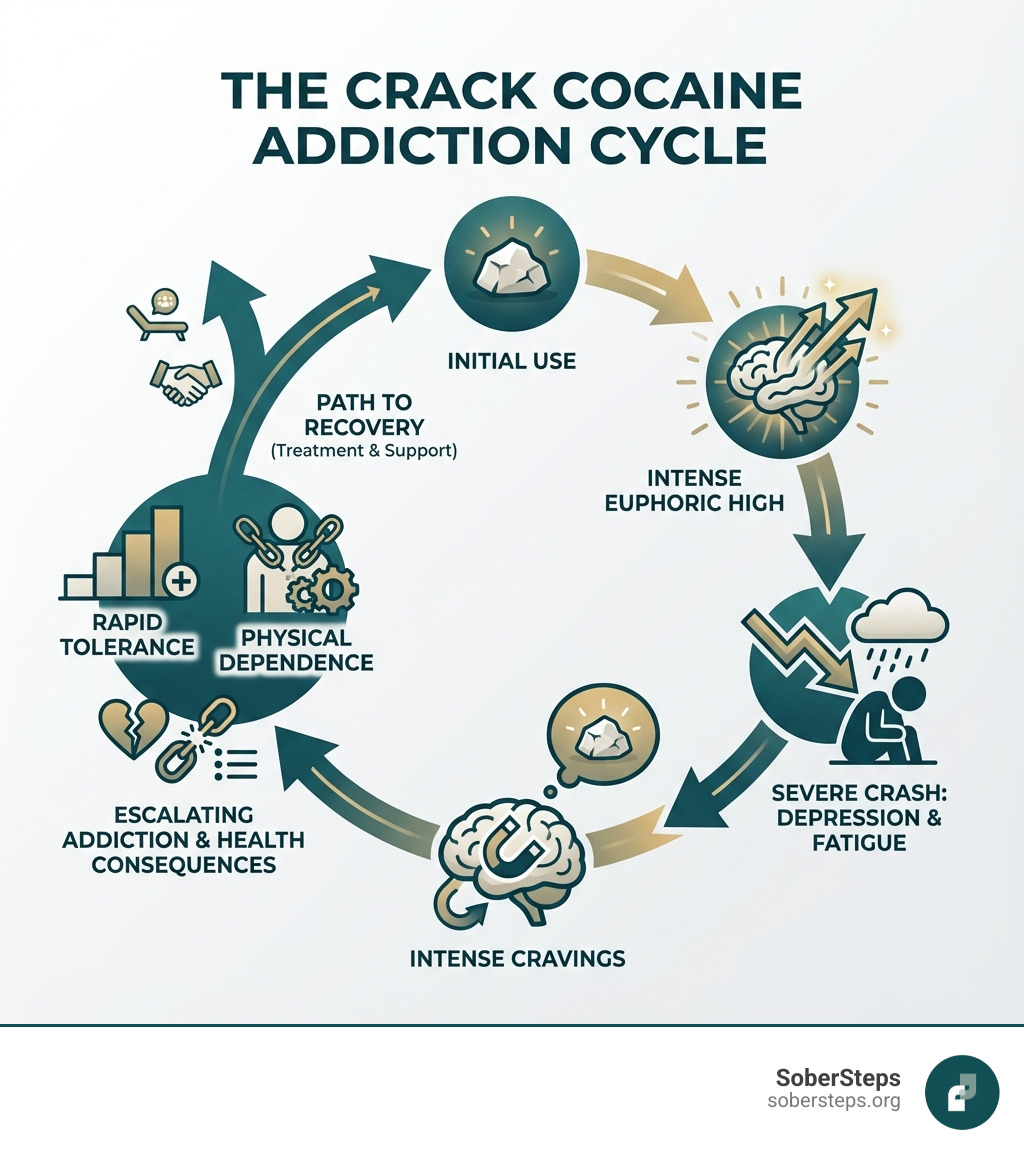
Addiction to crack cocaine is a substance use disorder where drug use continues despite negative consequences. The drug floods the brain’s reward system with dopamine, creating an intense high the brain learns to crave. Over time, the brain’s natural dopamine production diminishes, leading to dependence, intense cravings, and an inability to feel pleasure without the drug. This cycle builds tolerance (needing more of the drug for the same effect) and physical dependence.
According to the 2021 U.S. National Survey on Drug Use and Health, 4.8 million people aged 12 and older used cocaine in 2020, with about 996,000 reporting crack cocaine use. These statistics highlight the nationwide need for crack cocaine treatment. For more details on cocaine, refer to the National Institute on Drug Abuse: What is cocaine?
Signs and Symptoms of Use
Recognizing the signs of crack cocaine addiction is crucial for seeking timely help. These signs can be physical, psychological, and behavioral.
Physical Signs and Symptoms:
- Dilated pupils
- High body temperature and sweating
- Tremors or twitching
- Restlessness
- Significant weight loss
- Poor personal hygiene
- Burn marks on lips or fingers
- Rapid tooth decay (“crack mouth”)
- Unexplained injuries
Psychological Symptoms:
- Irritability and agitation
- Paranoia
- Mood swings
- Obsession with the drug
- Delusions or hallucinations
- Severe depression (especially during the “crash”)
- Anxiety
- Inability to focus
Behavioral Signs:
- Extreme high energy followed by fatigue
- Neglecting responsibilities
- Financial problems or stealing
- Secretive behavior and lying
- Withdrawing from loved ones
- Loss of interest in hobbies
- Erratic or violent behavior
- Binges (continuous use for hours or days)
- Possession of drug paraphernalia (glass pipes, lighters, baggies)
Immediate and Long-Term Health Effects
The effects of crack cocaine are immediate and have devastating long-term consequences. Smoking crack delivers the drug to the brain in seconds, but the intense rush comes at a significant cost.
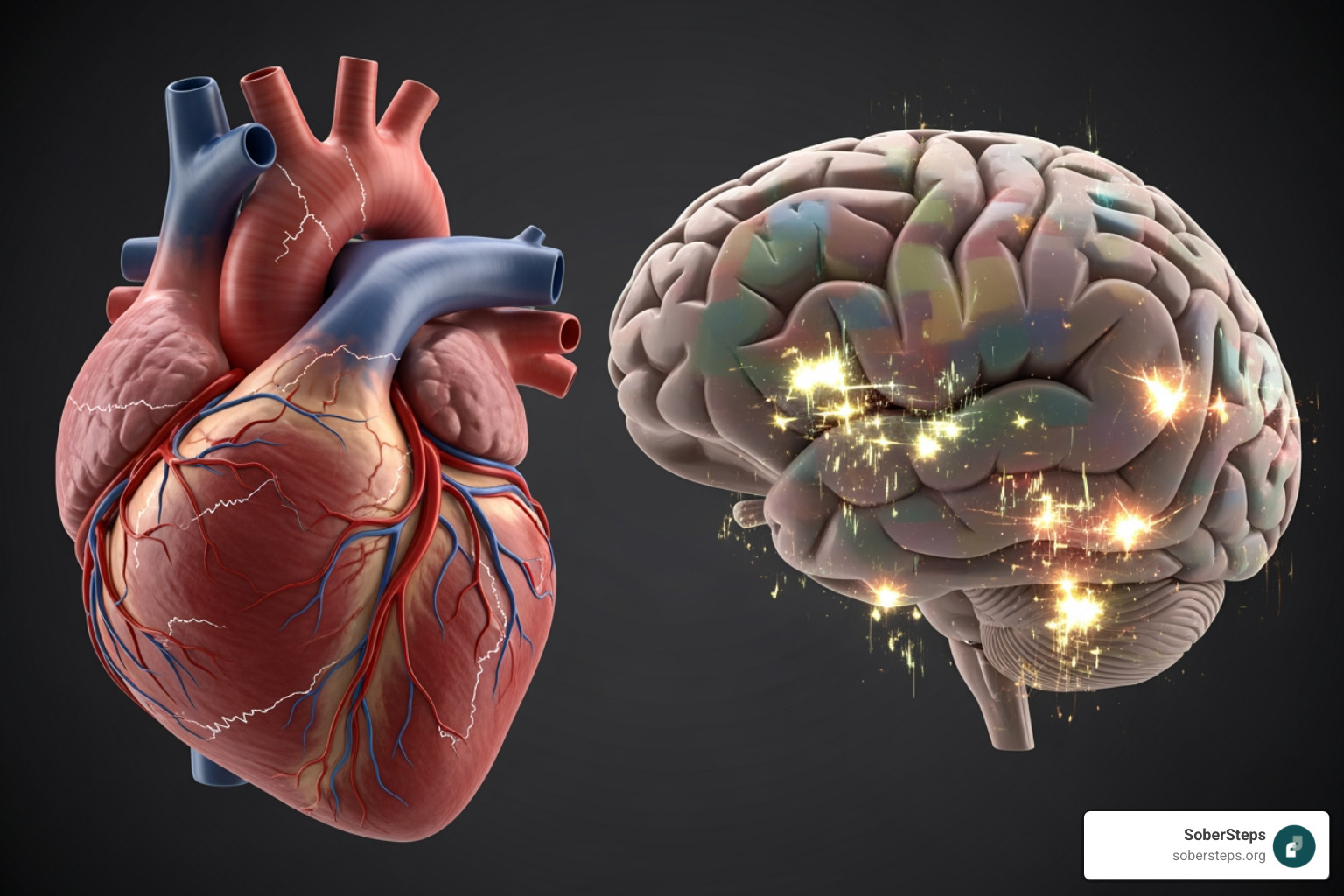
Immediate Effects:
- Increased heart rate and blood pressure
- Loss of inhibitions and risky behaviors
- Anger and paranoia
- Overdose risk: Symptoms include seizures, hallucinations, hyperthermia, and arrhythmia. A severe overdose can cause heart attacks, strokes, or sudden death.
Long-Term Health Effects:
- Cardiovascular damage: Heart attack, stroke, high blood pressure, and weakened heart muscle.
- Respiratory problems: Severe lung damage (“crack lung”), asthma, and respiratory infections.
- Neurological damage: Increased risk of seizures and strokes, plus permanent changes to brain structure affecting impulse control and decision-making.
- Malnutrition and severe weight loss.
- Severe dental issues (“crack mouth”).
- Weakened immune system.
- Infectious diseases: Higher risk of hepatitis C and HIV/AIDS from risky behaviors.
- Mental health disorders: Chronic use can cause or worsen severe depression, anxiety, and drug-induced psychosis.
These profound risks underscore the critical need for effective crack cocaine treatment. For immediate, confidential help, call our 24/7 helpline at (844) 491-5566. Many individuals also require integrated care for co-occurring mental health disorders, which you can learn about on our Dual Diagnosis page. For more information, see this Cigna resource: More info about the effects of cocaine.
The Withdrawal and Detox Process
Stopping or reducing crack cocaine use after developing dependence leads to withdrawal symptoms. This detoxification process can be challenging due to the drug’s intense psychological dependence. The initial “crash” is marked by severe dysphoria and fatigue, driving individuals to use again.
The goal of medically supervised detox is to manage these symptoms safely. While not typically life-threatening, crack cocaine withdrawal can be extremely uncomfortable and may lead to serious psychological issues, including severe depression with suicidal thoughts. Medical supervision is crucial to monitor these risks and prevent relapse. For a safe detox process, call our 24/7 helpline at (844) 491-5566.
Detox is the first step, cleansing the body of the drug. However, detox alone is not crack cocaine treatment; it prepares an individual for the therapeutic work needed for long-term sobriety. Learn more about the general process on our Drug Withdrawal page.
Common Withdrawal Symptoms
Crack cocaine withdrawal symptoms are primarily psychological but can be debilitating as the brain rebalances its chemistry.
Common symptoms include:
- Intense cravings
- Severe depression with feelings of hopelessness and anhedonia (inability to feel pleasure), which can lead to suicidal thoughts.
- Anxiety and agitation
- Fatigue and exhaustion
- Sleep disturbances (insomnia or hypersomnia)
- Vivid nightmares
- Increased appetite
- Poor concentration
- Slowed movements and thought processes (psychomotor retardation)
- Paranoia or psychotic symptoms in severe cases
- Muscle pain and tremors
Withdrawal Timeline and What to Expect
The withdrawal timeline varies based on the duration of use, individual health, and co-occurring disorders. A general progression is:
-
Phase 1: The Crash (1-3 days)
- Begins shortly after the last dose. Characterized by a severe “crash,” intense dysphoria, fatigue, irritability, anxiety, and overwhelming cravings. Hypersomnia (excessive sleeping) is common.
-
Phase 2: Acute Withdrawal (1-2 weeks)
- Depression, anxiety, and intense cravings persist. Sleep patterns remain disrupted, and individuals may experience anhedonia. Agitation and poor concentration are also common.
-
Phase 3: Extinction/Post-Acute Withdrawal Syndrome (PAWS) (Several months)
- Less severe symptoms can persist for weeks or months. PAWS is characterized by intermittent mood swings, anxiety, low energy, poor sleep, and unexpected cravings as the brain continues to heal.
Factors influencing withdrawal include the severity of use, individual physiology, co-occurring mental health conditions, and polydrug use. Medically supervised detox is highly recommended. Finding a Detox Near Me is a critical first step toward effective crack cocaine treatment.
Comprehensive Crack Cocaine Treatment Programs
Effective crack cocaine treatment requires a personalized plan that considers an individual’s unique history, health, and support system. The goal is to address the addiction and its underlying causes while building coping skills for long-term sobriety.
Making the decision to seek help can be daunting. Our team is available at (844) 491-5566 to guide you through the levels of care and find a program that fits your needs. Explore options on our Treatment Rehab Centers page.
Levels of Care for Addiction
The recovery journey involves different levels of care, chosen based on addiction severity, co-occurring disorders, and home environment.
| Feature | Inpatient/Residential Rehab | Outpatient Programs (PHP, IOP, OP) |
|---|---|---|
| Environment | 24/7 supervised, structured, live-in facility | Attend treatment during the day, return home at night |
| Intensity | High; intensive daily therapy, medical monitoring | Moderate to high; varying hours per week |
| Support | Constant medical and therapeutic support | Regular therapeutic support; requires stable home environment |
| Focus | Stabilization, addressing underlying issues, building coping | Continued therapy, integration of skills into daily life |
| Ideal for | Severe addictions, co-occurring disorders, unstable home | Less severe addictions, step-down from inpatient, strong home support |
| Duration | Typically 30-90 days, can be longer for severe cases | Varies; Partial Hospitalization (PHP) is most intensive, then IOP, OP |
Inpatient/Residential Rehabilitation: Inpatient rehab offers 24/7 care in a medical facility, ideal for severe addiction, co-occurring disorders, or an unstable home life. It provides a safe, trigger-free environment for stabilization and intensive therapy.
Outpatient Programs (PHP, IOP, OP): These programs allow individuals to live at home while attending treatment. They range from Partial Hospitalization (PHP), the most intensive, to Intensive Outpatient (IOP) and Standard Outpatient (OP). Outpatient care is suitable for those with less severe addiction or as a step-down from inpatient care. Learn more about these structures on our Levels of Care page.
Behavioral Therapies in Crack Cocaine Treatment
Behavioral therapies are the cornerstone of crack cocaine treatment, as no FDA-approved medications currently exist for this addiction. They help individuals change behaviors and develop healthy coping mechanisms.

Effective therapies include:
-
Cognitive Behavioral Therapy (CBT): Helps individuals identify and change negative thought patterns and behaviors linked to drug use. CBT teaches crucial relapse prevention skills. Learn more on our Cognitive Behavioral Therapy page.
-
Contingency Management (CM): Uses positive reinforcement (vouchers, prizes) to reward periods of sobriety. This method is highly effective for stimulant use disorders.
-
Motivational Interviewing (MI): A client-centered approach that helps individuals resolve ambivalence and find their own motivation to change.
-
Dialectical Behavior Therapy (DBT): Teaches skills in mindfulness, distress tolerance, and emotional regulation, which is useful for those with intense emotional issues. Learn more on our Dialectical Behavior Therapy page.
-
Individual Therapy: One-on-one sessions provide a confidential space to explore personal issues contributing to addiction. More details are on our Individual Therapy page.
-
Group Therapy: Connects individuals with peers, fostering a supportive community to share experiences and practice new skills.
The Role of Medication in Crack Cocaine Treatment
Currently, there are no FDA-approved medications specifically for crack cocaine treatment. This makes behavioral therapies the primary standard of care.
However, research is ongoing. Some medications may be used off-label to manage severe withdrawal symptoms like anxiety or depression. Other drugs, such as baclofen, topiramate, and modafinil, have been studied for their potential to reduce cravings and prevent relapse, but evidence is not yet strong enough for widespread use. For more information, see this journal article: Research on new medications for cocaine dependence.
Medications are, however, vital for treating co-occurring mental health disorders like depression or anxiety. Addressing these conditions is a key part of comprehensive care and can significantly improve treatment outcomes, as detailed on our Co-occurring Disorders Treatment page.
Life in Recovery: Preventing Relapse and Maintaining Sobriety
Achieving sobriety is a major accomplishment, but recovery is a long-term commitment that involves building a new, healthy lifestyle. It’s about developing coping strategies to handle life’s challenges without returning to substance use. For ongoing support, call us anytime at (844) 491-5566.
Maintaining sobriety requires continuous self-improvement and fostering positive relationships. Find inspiration in the stories of others on our Addiction Success Stories page.
The Importance of Support Groups
Support groups are invaluable for long-term recovery from crack cocaine treatment. They offer a community for sharing experiences and challenges with peers who understand.
Key benefits include peer support, shared coping strategies, accountability, and mentorship. Widely recognized groups include:
- Narcotics Anonymous (NA): A 12-step program for recovery from various drug addictions.
- Cocaine Anonymous (CA): A 12-step program specifically for cocaine and crack cocaine addiction.
- SMART Recovery: A science-based program focused on self-empowerment and practical recovery tools.
These groups provide a vital layer of continuous support that complements professional treatment. Explore more resources on our Substance Use Support page.
Relapse Prevention and Aftercare
Relapse is a common part of the recovery process. Effective crack cocaine treatment programs emphasize relapse prevention by teaching individuals to manage triggers.
Potential Relapse Triggers:
- Stress
- People, places, and things associated with past drug use
- Negative or positive emotions
- Social pressure
Developing Coping Strategies:
Relapse prevention involves building a robust set of coping skills, such as:
- Identifying and avoiding triggers
- Using distraction techniques
- Practicing mindfulness and relaxation
- Improving communication and problem-solving skills
- Having a plan for when cravings arise
Aftercare Planning:
Aftercare is the ongoing support provided after an initial treatment program. It is crucial for maintaining sobriety and may include continued therapy, support group participation, sober living homes, and alumni programs. Consistent engagement in aftercare, which often lasts a year or more, significantly improves the likelihood of long-term recovery. For more strategies, visit our Relapse Prevention page.
How to Help a Loved One and Access Treatment
Living with someone addicted to crack cocaine is emotionally draining. It’s crucial for loved ones to understand that addiction is a chronic brain disease, not a moral failing. This perspective helps in not taking the person’s behavior personally.
Families must distinguish between support and enabling. Enabling behaviors, like making excuses or providing money for drugs, hinder recovery. Instead, offer firm, loving support that encourages treatment.
How to support a loved one:
- Educate yourself about addiction.
- Communicate your concerns calmly and lovingly.
- Set and enforce clear boundaries to prevent enabling.
- Prioritize your own self-care through therapy or support groups.
- Encourage professional treatment and consider a professional intervention.
- Join family support groups like Nar-Anon, which you can find using their online search tool.
- Ensure your safety and be prepared to create physical distance if behavior becomes violent.
You cannot force someone into recovery, but you can create an environment where choosing recovery is the best option.
Paying for Treatment
The cost of crack cocaine treatment can be a concern, but it’s an investment in a healthier future that often outweighs the long-term financial and emotional costs of addiction.
Several payment options exist:
- Health Insurance: Most plans are required to cover substance use disorder services. We can help you Verify Insurance benefits to understand your coverage.
- Private Pay & Financing: Many facilities offer private pay rates, payment plans, or work with third-party lenders.
- State-Funded Programs: States often provide publicly funded treatment for eligible individuals.
- Sliding Scale Fees: Some providers adjust fees based on income.
Our team at SoberSteps can help you steer these options.
Finding Professional Help Now
Taking the first step toward crack cocaine treatment is a courageous act. We are here to make the process as simple as possible.
- Contact a Treatment Provider: The most direct way to start is by calling a helpline. Our team at SoberSteps is available 24/7.
- Assessment: An initial assessment helps us understand your situation and recommend the most appropriate level of care.
- Admission: We guide you through the admission process, including insurance verification and other logistics.
SoberSteps provides a confidential platform to connect you with the help you need. Start your journey today by calling (844) 491-5566. You can also explore our Find Addiction Treatment page.
Conclusion
The road to recovery from crack cocaine addiction is challenging, but it is a path filled with hope for a healthier life. We’ve explored the drug’s impact, the withdrawal process, and the comprehensive crack cocaine treatment options available. From medically supervised detox to evidence-based therapies and support groups, effective pathways to sobriety exist.
Recovery is possible, and treatment works. It is a long-term commitment that involves rebuilding a life, learning new coping skills, and cultivating a supportive community. The journey begins with the courageous step of reaching out for help.
At SoberSteps, we are dedicated to being your confidential and anonymous guide on this journey. We connect individuals and families with the resources and professional care needed to overcome crack cocaine addiction and find a hopeful future. Call (844) 491-5566 to speak with our team and begin the path to recovery.