Why Understanding Your Treatment Options Matters
Drug treatment programs are professional services designed to help individuals overcome substance use disorders through a combination of medical care, behavioral therapy, and ongoing support. If you’re exploring treatment programs right now, here’s what you need to know:
Types of Drug Treatment Programs:
- Inpatient/Residential Treatment – 24/7 medical supervision in a live-in facility (typically 30-90 days)
- Partial Hospitalization Programs (PHP) – Intensive daily treatment while living at home
- Intensive Outpatient Programs (IOP) – Multiple therapy sessions per week with flexible scheduling
- Standard Outpatient Care – Weekly counseling and support groups
- Medication-Assisted Treatment (MAT) – FDA-approved medications combined with therapy
- Specialized Programs – Treatment custom to specific substances, ages, or demographics
More than 21 million Americans needed treatment for substance use in 2022, but only a fraction received it. The good news? Addiction is a treatable chronic disease, and research shows that proper treatment helps people stop compulsive drug use, reduce criminal activity, and improve their overall functioning.
The path to recovery isn’t one-size-fits-all. Treatment programs vary widely in intensity, duration, cost, and approach. Some people need the structured environment of inpatient care. Others succeed with outpatient programs that let them maintain work and family commitments. Many benefit from a combination of therapies, medications, and peer support.
Finding the right program can feel overwhelming, especially when you’re already struggling. That’s why confidential, anonymous guidance matters so much. You deserve accurate information without judgment or pressure.
At Sober Steps, we’ve helped thousands of individuals steer their recovery journey by connecting them with appropriate drug treatment programs and providing the educational resources they need. We understand that taking this first step requires courage, and we’re here to guide you through every option available. Call us at (844) 491-5566 for confidential guidance.
Understanding the Landscape: Inpatient Care and SoberSteps Programs
When facing a substance use disorder (SUD), one of the first decisions is determining the right level of care. This decision is crucial because the intensity and structure of a program significantly impact its effectiveness. We offer a range of drug treatment programs, from highly structured inpatient options to flexible outpatient services, designed to meet diverse needs.
Treatment intensity refers to how much time and supervision a program provides. Some individuals require a highly structured, immersive environment to achieve sobriety, especially in the initial stages of recovery. Others may thrive in programs that allow them to integrate treatment with their daily lives, including work, school, and family responsibilities.
The duration of drug treatment programs also varies greatly. While some programs offer short-term stays of 30, 60, or 90 days, research from the National Institute on Drug Abuse (NIDA) indicates that participation for less than 90 days is often of limited effectiveness. For many, sustained recovery requires longer durations, sometimes involving multiple episodes of care.
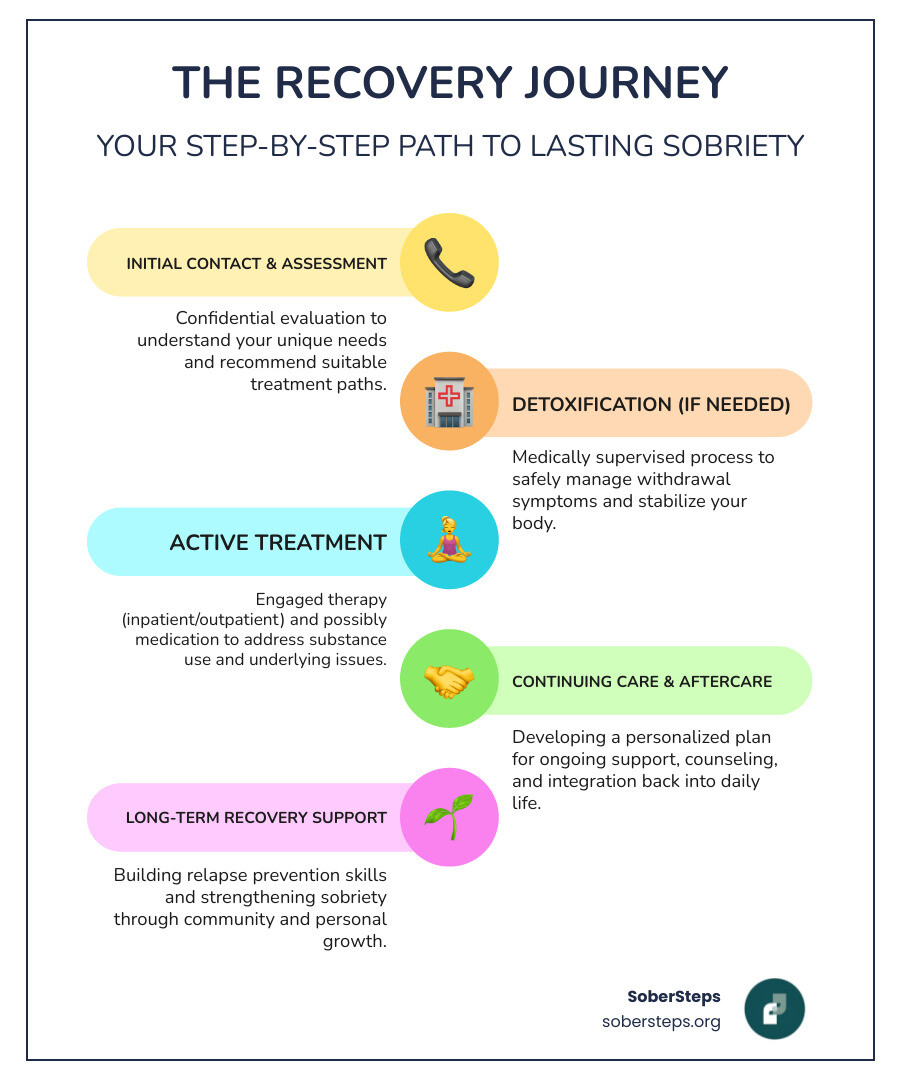
For many individuals, the first step in a drug treatment program is detoxification, or “detox.” This process helps safely manage acute intoxication and withdrawal symptoms under medical supervision. Detoxification is essential for physical stabilization, but it’s rarely sufficient on its own for long-term recovery. It serves as a critical bridge to comprehensive rehabilitation.
Here’s a look at how different levels of care compare, including what you might find within SoberSteps’ offerings:
| Feature | Inpatient/Residential Treatment | SoberSteps Outpatient Services (PHP/IOP) |
|---|---|---|
| Description | 24/7 care in a live-in facility | Intensive treatment while living at home |
| Environment | Highly structured, distraction-free | Flexible, community-integrated |
| Supervision | Constant medical & therapeutic | Scheduled sessions, less direct supervision |
| Best For | Severe SUDs, co-occurring disorders, unstable home environments, initial detox | Moderate SUDs, strong home support, maintaining work/family |
| Duration | Typically 30, 60, 90 days or longer | Weeks to months, depending on intensity |
| Cost | Generally higher | Moderate to lower |
Inpatient and Residential Programs at SoberSteps
For those who need a complete change of environment and constant support, our inpatient and residential drug treatment programs offer an immersive healing experience. These programs provide 24/7 medical supervision and therapeutic care in a safe, structured setting.
Key aspects include:
- 24/7 Medical Supervision: Ensuring your safety and comfort during detoxification and throughout your stay, especially for complex withdrawal symptoms.
- Immersive Therapy: A full schedule of individual, group, and family therapy sessions designed to address the root causes of addiction and develop coping skills.
- Community Living: Living alongside peers who are also on their recovery journey, fostering a sense of camaraderie, mutual support, and shared experience.
- Distraction-Free Environment: Removing you from triggers and negative influences in your home environment, allowing you to focus entirely on your healing.
- Typical Duration: Programs typically range from 30, 60, or 90 days, with options for longer-term residential care depending on individual needs.
- Medically Assisted Detoxification: When necessary, detox is managed by medical professionals to ensure a safe and comfortable withdrawal, preparing you for the deeper therapeutic work.
SoberSteps Outpatient Services
We understand that not everyone can step away from their daily responsibilities for an extended period. Our outpatient drug treatment programs offer flexibility while still providing comprehensive care. These services allow you to live at home and attend treatment sessions multiple times a week.
Our outpatient options include:
- Partial Hospitalization Programs (PHP): Often called “day treatment,” PHP provides intensive care similar to inpatient programs but allows you to return home in the evenings. You typically attend therapy for several hours a day, five days a week.
- Intensive Outpatient Programs (IOP): IOP offers a step down from PHP, with fewer hours of therapy per week. These programs provide a structured schedule of individual and group counseling while allowing you to manage work, school, or family commitments.
- Standard Outpatient Counseling: This involves regular, scheduled counseling sessions, usually once or twice a week, combined with support groups. It’s suitable for those with less severe SUDs or as a step-down from more intensive programs.
These programs are ideal for balancing treatment with work or family life, helping you build a strong foundation for recovery while maintaining your daily responsibilities.

The Core Components of Comprehensive Drug Treatment Programs
Effective drug treatment programs are never one-size-fits-all. They accept a holistic approach, recognizing that addiction impacts every aspect of an individual’s life. At SoberSteps, we believe in crafting individualized treatment plans that address not just the substance use itself, but also the underlying causes, co-occurring mental health issues, and life skills necessary for sustained recovery. This comprehensive approach ensures that all needs – medical, psychological, social, vocational, and legal – are met.
The National Institute on Drug Abuse (NIDA) emphasizes several key principles of effective treatment, including the importance of readily available care, addressing multiple needs, and ensuring adequate treatment duration. You can find more detailed information on these principles in Scientific research on treatment principles.

Evidence-Based Therapies and Practices at SoberSteps
At the heart of our drug treatment programs are evidence-based therapies, which are clinical approaches proven effective through rigorous scientific research. These therapies provide the tools and strategies necessary for overcoming addiction and preventing relapse.
Some of the key behavioral therapies we use include:
- Cognitive-Behavioral Therapy (CBT): This therapy helps individuals identify and change problematic thought patterns and behaviors that contribute to substance use. It teaches coping skills for triggers and cravings.
- Motivational Improvement Therapy (MET): MET helps individuals resolve their ambivalence about entering and engaging in treatment. It builds motivation for change and helps them commit to a recovery plan.
- Family Therapy: Addiction affects the entire family unit. Family therapy involves loved ones in the treatment process, improving communication, addressing dysfunctional patterns, and building a supportive home environment for recovery.
- 12-Step Facilitation: While not a treatment in itself, participation in 12-step programs like Alcoholics Anonymous (AA) and Narcotics Anonymous (NA) can be a powerful complement to professional treatment. We facilitate engagement with these groups, helping individuals benefit from peer support and a structured recovery pathway.
- Community Support: We integrate community support into our programs, recognizing that a strong social network is vital for long-term recovery. This includes peer support groups and connecting individuals with healthy community resources.
For more information on various proven therapies, you can explore the Evidence-Based Practices Resource Center.
The Role of Medication-Assisted Treatment (MAT) at SoberSteps
Medication-Assisted Treatment (MAT) combines FDA-approved medications with counseling and behavioral therapies. It’s a highly effective approach for many substance use disorders, particularly opioid and alcohol addiction.
MAT works by:
- Reducing Cravings: Medications can significantly diminish the intense cravings that often lead to relapse, making it easier to focus on therapy and recovery.
- Managing Withdrawal: They help alleviate uncomfortable and sometimes dangerous withdrawal symptoms, allowing for a safer and more manageable detoxification process.
For opioid use disorder, FDA-approved medications include:
- Methadone: A long-acting opioid agonist that reduces cravings and blocks the euphoric effects of other opioids.
- Buprenorphine: A partial opioid agonist that can be prescribed in office-based settings, also reducing cravings and withdrawal symptoms.
For alcohol use disorder, medications such as Naltrexone can help reduce heavy drinking and prevent relapse.
MAT is not “trading one addiction for another.” When used as prescribed and under medical supervision, these medications help stabilize brain chemistry, reduce the compulsive drug-seeking behavior associated with addiction, and allow individuals to engage more fully in their recovery journey. They are a tool to help individuals regain control of their lives, not a substitute for behavioral change.
You can learn more about the specifics of MAT from SAMHSA’s comprehensive guide: More on Medication-Assisted Treatment (MAT).
Addressing Co-Occurring Mental Health Disorders (Dual Diagnosis)
It’s common for individuals struggling with substance use disorders to also experience mental health conditions. In fact, NIDA reports that as many as 6 in 10 people with an illicit substance use disorder also suffer from another mental illness. This is often referred to as a “dual diagnosis” or “co-occurring disorders.”
At SoberSteps, we understand that these conditions are deeply intertwined and treating only one without addressing the other significantly reduces the chances of long-term recovery. Our drug treatment programs incorporate an integrated treatment approach, meaning we address both the substance use disorder and any co-occurring mental health disorders simultaneously.
This includes:
- Mental Health Screening: Comprehensive assessments to identify conditions like depression, anxiety, post-traumatic stress disorder (PTSD), and other mental health challenges.
- Integrated Treatment: Our therapists and medical staff work collaboratively to develop a treatment plan that addresses both conditions, often incorporating specialized therapies for mental health alongside addiction treatment.
- Treating the Whole Person: We focus on your overall well-being, recognizing that mental health is a foundational component of sustained sobriety.
Accessing reliable information on mental health is vital for understanding these connections. You can find more resources and insights from Information on Mental Health.
Building Recovery Capital for Long-Term Success
Recovery is a journey, not a destination, and building “Recovery Capital” is essential for long-term success and preventing relapse. Recovery Capital refers to the sum of resources that individuals can use to initiate and sustain recovery from substance use. It encompasses various aspects of a person’s life that support their sobriety.
At SoberSteps, we help individuals build their Recovery Capital by focusing on:
- Social Support: Fostering healthy relationships with family, friends, and peers who support sobriety. This includes encouraging participation in mutual-help groups and building new, recovery-oriented social networks.
- Community Involvement: Connecting individuals with positive community activities, volunteer opportunities, and social enterprises that provide purpose and a sense of belonging.
- Relapse Prevention Skills: Equipping individuals with practical strategies to identify triggers, manage cravings, and cope with high-risk situations without resorting to substance use.
- Harm Reduction Strategies: While our primary goal is abstinence, we also incorporate harm reduction principles to minimize the negative consequences of substance use, particularly in the early stages of recovery, and to meet individuals where they are. This approach can engage individuals who might not otherwise seek treatment, encouraging them towards safer choices and eventually, recovery.
- Aftercare Planning: Developing a robust aftercare plan that includes ongoing therapy, support group attendance, sober living arrangements (if needed), and continued access to resources. This plan acts as a protective wall, helping individuals steer life post-treatment.
Specialized Programs for Unique Needs at SoberSteps
We understand that every individual’s journey with substance use is unique. Factors such as the type of substance used, age, gender, and personal history can significantly influence the most effective treatment approach. That’s why our drug treatment programs offer specialized tracks and custom services to cater to these diverse needs. Custom treatment ensures that interventions are relevant and impactful for your individual circumstances.
How SoberSteps Drug Treatment Programs Address Specific Substances
Different substances impact the brain and body in distinct ways, requiring specialized treatment strategies. Our programs are designed to address the unique challenges associated with various substances:
- Opioid Addiction Programs: These programs often incorporate Medication-Assisted Treatment (MAT) with FDA-approved medications like methadone or buprenorphine to manage cravings and withdrawal, combined with behavioral therapies.
- Alcohol Rehab: Treatment for alcohol use disorder may include medications like naltrexone, acamprosate, or disulfiram, alongside comprehensive behavioral therapies such as CBT and motivational interviewing. Medically supervised detox is often a critical first step for alcohol withdrawal.
- Stimulant Addiction Treatment: For stimulants like cocaine or methamphetamine, behavioral therapies such as the Matrix Model, contingency management, and CBT are highly effective, as there are currently no FDA-approved medications specifically for stimulant use disorder.
- Prescription Drug Abuse: Given the rise in prescription drug misuse, our programs address addiction to medications like benzodiazepines, prescription opioids, and stimulants. Treatment combines detox, MAT (for opioids), and behavioral therapies to help individuals manage their use and develop healthier coping mechanisms.
Catering to Different Demographics
Addiction does not discriminate, but its impact and the most effective treatment pathways can vary significantly across different demographic groups. SoberSteps offers programs custom to these specific needs:
- Youth and Adolescent Programs: Adolescents have unique neurocognitive and psychosocial needs. Our programs for younger individuals are developmentally and culturally appropriate, often integrating family therapy and addressing co-occurring mental health problems common in this age group.
- Adult Treatment: Our adult programs are designed for individuals aged 18 and older, focusing on comprehensive recovery strategies, vocational support, and reintegration into the community.
- Gender-Specific Needs: We recognize that men and women may face different social pressures, trauma histories, and treatment barriers. Our drug treatment programs can include gender-specific groups or referrals to specialized centers like Female Rehab Centers to create a safe and supportive environment for healing.
- Programs for Veterans: Veterans often experience unique challenges, including PTSD and other service-related trauma. We connect veterans to specialized programs that understand these experiences and provide appropriate support.
- LGBTQ+ Affirming Care: We ensure that individuals from the LGBTQ+ community receive respectful, inclusive care that addresses their specific needs and experiences within a supportive environment.
Navigating Your Path to Recovery with SoberSteps
Taking the first step towards recovery can feel daunting, but it’s also a powerful act of courage. Many people face barriers, from fear of judgment to concerns about costs or finding the right fit. At SoberSteps, we’re here to help you overcome these obstacles and connect you with the help you deserve. Our process begins with understanding your unique situation through a confidential assessment, guiding you toward the most appropriate drug treatment programs.
How to Find the Right Drug Treatment Programs at SoberSteps
Finding the right program is a critical decision. Here’s how we can help you steer this process:
- Self-Assessment: We encourage you to reflect on your substance use patterns, the impact on your life, and your readiness for change. This initial self-assessment can help clarify your needs.
- Professional Evaluation: Our confidential and anonymous platform can connect you with professionals who can conduct a thorough evaluation. This assessment will help determine the severity of your substance use disorder, identify any co-occurring mental health conditions, and recommend the most suitable level of care.
- Asking Questions: Don’t hesitate to ask about treatment philosophies, staff qualifications, program schedules, and success rates. We believe in transparency and empowering you with information.
- Verifying Credentials: Ensure that any recommended program is licensed, accredited, and employs qualified professionals. We pre-screen our network to ensure reputable providers.
- SoberSteps Confidential Support and Guidance: Our primary goal is to provide confidential and anonymous support. You can speak openly with our team at (844) 491-5566, who will listen without judgment and guide you through your options, helping you make an informed decision about the best drug treatment programs for your needs.
Understanding Costs and Financial Assistance
Concerns about the cost of drug treatment programs are common, but financial limitations should never prevent someone from seeking help. Treatment is an investment in your health and future, and various options are available to make it accessible.
- Treatment Costs: The cost of treatment varies widely depending on the type of program (inpatient vs. outpatient), its duration, location, and the specific services offered. Inpatient programs are generally more expensive due to 24/7 care, while outpatient options tend to be more affordable.
- Insurance Coverage: Most private insurance plans, as well as public programs like Medicaid, offer some level of coverage for substance use disorder treatment. The Mental Health Parity and Addiction Equity Act (MHPAEA) requires many insurance plans to cover mental health and substance use disorder treatment at the same level as medical and surgical care. It’s important to understand your specific plan’s benefits.
- Payment Plans: Many treatment centers offer payment plans to help spread out the cost of care, making it more manageable.
- Sliding Scale Fees: Some facilities offer services on a sliding scale, adjusting costs based on an individual’s income and ability to pay.
We can help you understand your insurance benefits and explore financial assistance options. For more detailed information on mental health and addiction insurance, you can visit Mental Health and Addiction Insurance Help.
Take the Confidential Step to Recovery Today
The journey to recovery from a substance use disorder is profound and life-changing. It requires courage, commitment, and the right support system. Addiction is a treatable chronic disease, and recovery is not just possible—it’s within your reach.
At SoberSteps, we believe that everyone deserves a chance to heal and build a fulfilling life free from the grip of addiction. We are dedicated to providing confidential, anonymous help, ensuring that your first step towards a new beginning is met with understanding and expert guidance.
Don’t let uncertainty or fear hold you back. Take control of your life and find the drug treatment programs that can lead you to lasting sobriety.
Find the right support with our confidential services or call our 24/7 helpline at (844) 491-5566 for anonymous assistance. Your new beginning starts now.