
Why Overcoming Drug Addiction Is Possible
Overcoming drug addiction is one of the most challenging journeys you can face, but it’s also one of the most achievable. If you’re here searching for answers, know this: addiction is not a moral failing or a sign of weakness. It’s a treatable medical condition that changes your brain, and with the right help and support, recovery is within reach.
Quick Answer: Steps to Overcome Drug Addiction
- Acknowledge the problem – Recognize that you need help
- Seek professional treatment – Medical detox, rehab, or outpatient programs
- Engage in therapy – CBT, counseling, and behavioral treatments
- Build a support system – Friends, family, and peer groups
- Develop coping strategies – Manage triggers and cravings
- Maintain long-term recovery – Ongoing support and lifestyle changes
- Get immediate help – Call (844) 491-5566 for confidential guidance
Research shows addiction is a chronic brain disease, but treatment is effective. Studies confirm that those who engage in treatment can stop using drugs and improve their lives in their family, work, and community.
At Sober Steps, we’ve dedicated ourselves to empowering individuals on their journey to recovery from substance use disorders. Our mission centers on providing confidential, supportive resources that guide people through every stage of overcoming drug addiction, because we believe recovery isn’t just possible—it’s achievable with the right support.
Understanding Addiction: Why Quitting is Hard but Possible
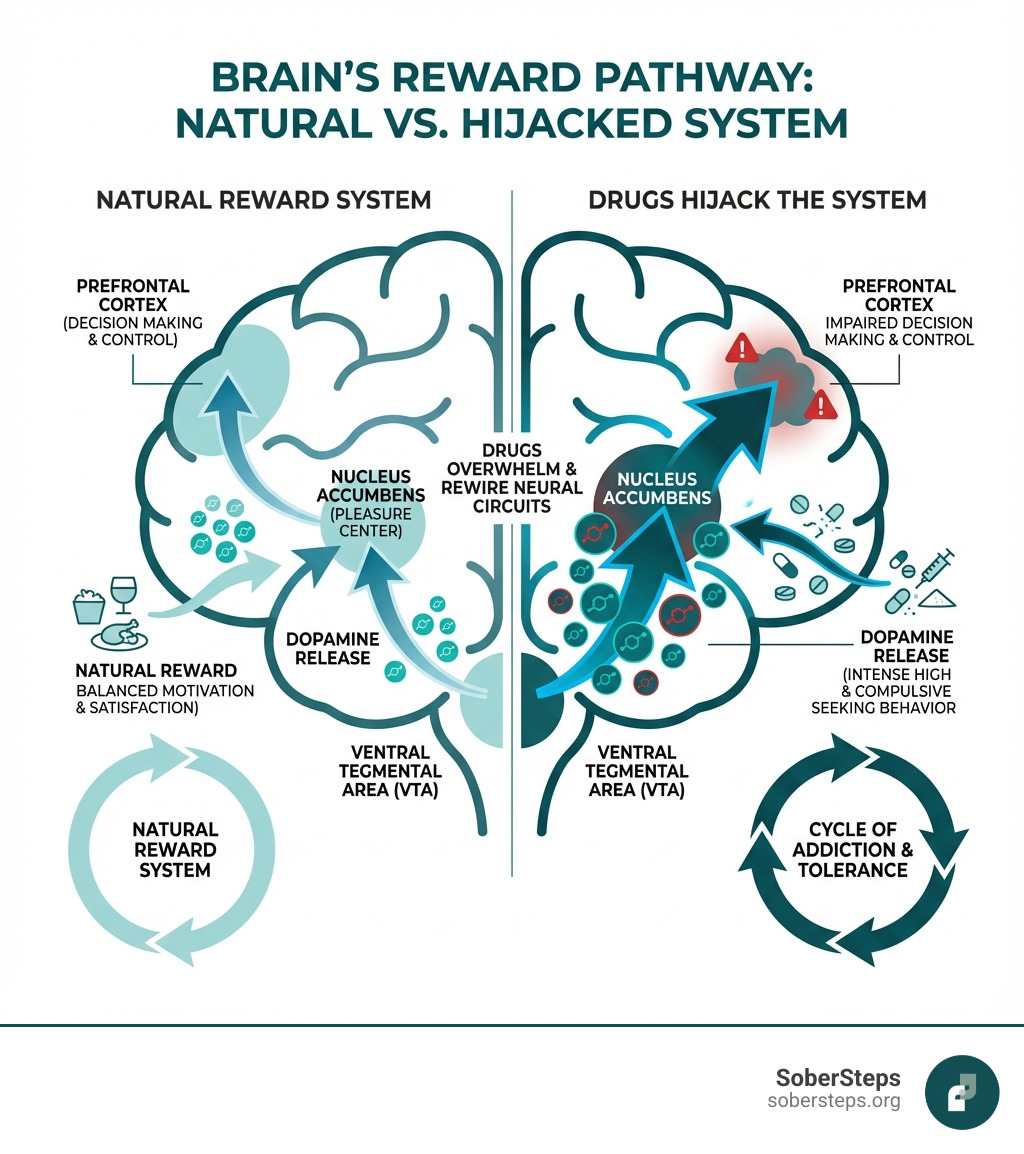
Addiction is a complex, chronic disease that changes the brain, making quitting difficult but not impossible. The National Institute on Drug Abuse (NIDA) defines it as compulsive drug use despite negative consequences. It’s not a lack of willpower. Drugs hijack the brain’s reward system, flooding it with dopamine and creating an intense high the brain seeks to repeat. Over time, this leads to tolerance (needing more of the drug for the same effect) and impairs the frontal cortex, which controls judgment and self-control. This is why addiction is a treatable medical condition, a Substance Use Disorder (SUD). While the first use may be a choice, continued use becomes compulsive. Explore The Science of Addiction.
What are the Signs of a Substance Use Disorder?
Recognizing the signs of a Substance Use Disorder (SUD) is the first step to getting help. According to the DSM-5, experiencing two or more of the following 11 criteria in a year may indicate a problem:
- Increased Usage: Taking more of the substance or for a longer period than you intended.
- Inability to Quit: Persistent desire or unsuccessful efforts to cut down or control substance use.
- Time Spent: Spending a great deal of time in activities necessary to obtain the substance, use the substance, or recover from its effects.
- Cravings: A strong desire or urge to use the substance.
- Neglecting Responsibilities: Recurrent substance use resulting in a failure to fulfill major role obligations at work, school, or home.
- Relationship Problems: Continued substance use despite having persistent or recurrent social or interpersonal problems caused or exacerbated by the effects of the substance.
- Giving Up Activities: Important social, occupational, or recreational activities are given up or reduced because of substance use.
- Risky Use: Recurrent substance use in situations in which it is physically hazardous.
- Continued Use Despite Harm: Continued substance use despite knowledge of having a persistent or recurrent physical or psychological problem that is likely to have been caused or exacerbated by the substance.
- Tolerance: A need for markedly increased amounts of the substance to achieve intoxication or desired effect, or a markedly diminished effect with continued use of the same amount of the substance.
- Withdrawal: The characteristic withdrawal syndrome for the substance, or the substance is taken to relieve or avoid withdrawal symptoms.
If you are unsure whether you need help, asking yourself these questions can be a powerful first step. For more details, see the Mayo Clinic’s information on Drug addiction (substance use disorder).
Risk Factors for Addiction
Addiction doesn’t discriminate, but certain factors can increase a person’s vulnerability. Understanding these can help us approach overcoming drug addiction with greater empathy.
- Genetics and Heredity: Research suggests addiction has a genetic component. A family history of addiction can increase your risk, though genes aren’t destiny and interact with environmental factors.
- Environmental Factors: Your surroundings play a huge role, including peer pressure (especially in adolescence), family conflict or lack of supervision, early exposure to drugs, and high levels of stress or poverty.
- Trauma and Stress: A strong link exists between trauma and addiction. Many turn to substances to self-medicate pain from physical, emotional, or sexual abuse. Integrated treatment for both trauma and addiction is often necessary.
- Co-occurring Mental Health Disorders: Addiction often co-occurs with conditions like depression, anxiety, or ADHD. These disorders can share root causes or worsen each other, making integrated treatment essential for recovery.
- Age of First Use: Using drugs during adolescence, when the brain’s decision-making centers are still developing, can disrupt development and significantly increase the risk of addiction.
The Journey to Recovery: Stages and Preparation
Starting on the path to recovery from drug addiction is a profound journey. It’s a deeply personal process that often involves self-reflection, a commitment to change, and navigating a non-linear path with twists and turns. We understand that this journey can feel overwhelming, but remember, every step forward is progress.

The 5 Stages of Addiction Recovery
Recovery is rarely a straight line; it’s a dynamic process often described through the “Stages of Change” model. Understanding these stages can help us recognize where we are and how to best support ourselves or others in overcoming drug addiction.
- Precontemplation Stage (Denial): Individuals don’t recognize their drug use as a problem and may be defensive. Support should focus on compassionate education, not confrontation.
- Contemplation Stage (Ambivalence): Individuals start to acknowledge a problem but are ambivalent about changing. They weigh the pros and cons. Support involves non-judgmental conversations and exploring motivations for change.
- Preparation Stage (Planning to Act): The individual makes concrete plans to change, like researching treatment or setting a quit date. They are motivated but may feel anxious. Professional support is crucial here.
- Action Stage (Actively Changing): Individuals actively stop using drugs and adopt healthier behaviors, often by entering treatment. This phase requires immense commitment, and strong support systems are vital to manage cravings and mood swings.
- Maintenance Stage (Sustaining Change): The focus shifts to maintaining abstinence and preventing relapse by integrating new coping skills. This stage can last for years and requires continued vigilance and support to manage challenges like complacency.
Individuals can move back and forth between these stages, and relapse can be a part of the process. This is not a failure but an opportunity to learn and adjust the recovery plan. Read more about The five stages of addiction recovery.
How to Prepare to Quit Drugs
Deciding to quit drugs is a monumental step. Proper preparation can significantly increase your chances of success in overcoming drug addiction.
- Admit You Have a Problem: Be honest with yourself about your drug use. Are you using more than intended or lying about it? Acknowledging the issue is the first step.
- Seek Professional Guidance: Quitting alone can be dangerous, especially with substances like alcohol, opioids, or benzodiazepines. A doctor can assess your needs and recommend safe treatment, as medical detox may be essential.
- Identify Your Triggers: Keep a journal to track what makes you want to use—be it people, places, or emotions. Knowing your triggers is key to managing them.
- Make a Plan: Set a quit date and write down your reasons for quitting. Establish realistic short-term goals (e.g., “see a doctor this week”) and reward your successes.
- Build a Support System: Tell trusted friends and family you’re quitting and ask for their support. Avoid people and places associated with drug use.
- Remove Temptations: Clear your home of drugs, paraphernalia, and alcohol. Change routines to avoid situations linked to your drug use.
For more insights, see Preparing to quit drugs.
The Benefits of Quitting
The journey of overcoming drug addiction is challenging, but the rewards are profound and far-reaching. Quitting drugs can transform your life in countless positive ways:
- Improved Physical Health: Your body begins to heal, reducing the risk of organ damage. You’ll likely have more energy, sleep better, and see an improved appearance.
- Better Mental Clarity: Abstaining from drugs can improve concentration, memory, and decision-making as your cognitive functions are no longer clouded.
- Restored Relationships: Quitting opens the door to repairing trust and fostering healthier bonds with friends and family.
- Financial Stability: Sobriety frees up money, allowing you to manage finances better and achieve your financial goals.
- Increased Energy and Motivation: Lethargy from drug use often dissipates, replaced by renewed energy to pursue your interests.
- Reconnecting with Emotions: In recovery, you learn to process feelings healthily, leading to a richer, more authentic emotional life.

Your Toolkit for Overcoming Drug Addiction: Treatment and Therapies
We firmly believe that no one should face drug addiction alone. The path to overcoming drug addiction is unique for everyone, which is why individualized, evidence-based treatment is so critical. There is no single “cure-all”; instead, a comprehensive and long-term approach custom to your specific needs offers the best chance for sustained recovery.
Research consistently shows that engaging in treatment for an adequate duration—at least three months for most individuals—leads to significantly better outcomes. This isn’t a quick fix, but a commitment to healing and rebuilding. We aim to help you steer these options and find the right support for your unique journey. Call (844) 491-5566 for confidential guidance. Read more at Treatment and Recovery | National Institute on Drug Abuse (NIDA).
Key Principles for Effective Treatment
Effective addiction treatment isn’t just about stopping drug use; it’s about addressing the whole person. The National Institute on Drug Abuse (NIDA) outlines several core principles for successful treatment:
- Addiction is a Treatable Chronic Disease: Like diabetes, addiction requires ongoing management. Relapse is common and indicates a need to adjust treatment, not that it has failed.
- No Single Treatment Fits All: Treatment must be personalized to an individual’s drug use patterns, co-occurring conditions, and life circumstances.
- Treatment Needs to Be Readily Available: When someone is ready for help, treatment access should be immediate.
- Address Multiple Needs: Effective programs address not just drug use but also related medical, psychological, social, and vocational issues.
- Adequate Treatment Duration: Longer treatment periods (e.g., at least three months) lead to better outcomes. Detox alone is rarely enough.
- Behavioral Therapies Are Essential: Counseling is crucial for changing attitudes about drug use and developing life skills.
- Medications Are Important: For many addictions (especially opioid and alcohol), medications are a vital part of treatment, especially with behavioral therapies.
- Continuous Assessment and Modification: Treatment plans should be regularly reviewed and adjusted to meet a patient’s changing needs.
- Addressing Co-occurring Mental Disorders: Many people with SUDs also have other mental illnesses. Integrated treatment for both is vital for success. Learn more about Addiction and mental health diagnoses.
- Monitoring Drug Use: Regular monitoring during treatment helps maintain accountability and allows for timely plan adjustments.
These principles emphasize that overcoming drug addiction is a comprehensive process. Consult the Principles of Drug Addiction Treatment.
Types of Treatment Programs
The landscape of addiction treatment offers a variety of programs. The right choice depends on the severity of the addiction, substances involved, and individual needs.
- Medical Detoxification (Detox): This is often the first step, managing withdrawal symptoms safely under medical supervision. It’s critical for substances like alcohol or opioids but must be followed by further treatment for long-term recovery.
- Inpatient/Residential Rehab: These programs provide a structured, 24/7 drug-free environment. Living at a facility for 30-90+ days allows individuals to focus entirely on recovery through intensive therapy and support.
- Outpatient Programs: These allow you to live at home while attending treatment. Intensity varies from Partial Hospitalization (PHP) and Intensive Outpatient (IOP) programs, which offer more hours of care, to standard programs with fewer weekly sessions.
- Sober Living Homes: These drug-free residences offer a supportive transitional environment after treatment, helping residents practice sober skills and reintegrate into society.
Exploring these Treatment options can help you decide which path is best for your journey to overcoming drug addiction.
Medications for Addiction Treatment (MAT)
Medication-Assisted Treatment (MAT) combines FDA-approved medications with counseling. It is a highly effective, evidence-based approach for managing withdrawal, reducing cravings, and preventing relapse. For opioid addiction, medications like buprenorphine and methadone normalize brain function and block euphoric effects. For alcohol addiction, medications can help reduce drinking or maintain abstinence. MAT is not “replacing one addiction with another.” When prescribed by a professional, these medications stabilize individuals, allowing them to fully engage in therapy and build a foundation for recovery. For more on this, see Medications to Treat Opioid Use Disorder.
Behavioral Therapies for Overcoming Drug Addiction
Behavioral therapies are a cornerstone of addiction treatment, helping individuals change problematic behaviors and develop coping mechanisms.
- Cognitive-Behavioral Therapy (CBT): CBT helps you recognize, avoid, and cope with situations where you’re likely to use drugs. It focuses on replacing negative thought patterns and behaviors with healthier ones. A meta-analysis supports the effectiveness of Cognitive-Behavioral Treatment for adult drug users.
- Dialectical Behavior Therapy (DBT): Often used for co-occurring disorders, DBT teaches skills to manage painful emotions, handle stress, and improve relationships.
- Motivational Interviewing (MI): This client-centered approach helps resolve ambivalence about change and strengthens motivation for recovery.
- Family Therapy: Addiction affects the whole family. This therapy improves communication, resolves conflict, and educates family members on how to support recovery without enabling.
Sustaining Sobriety: Strategies for Long-Term Success
Overcoming drug addiction isn’t a destination; it’s a lifelong journey. The initial treatment phases are crucial, but sustaining sobriety requires ongoing effort, new strategies, and a commitment to building a meaningful, drug-free life.
Understanding and Preventing Relapse
Relapse is a common part of recovery and not a sign of failure. Relapse rates for addiction (40-60%) are similar to other chronic illnesses like asthma. It’s an indication that the treatment plan needs adjustment. However, relapse can be dangerous, as tolerance is lower after abstinence, increasing overdose risk. The key is to view it as a learning opportunity: identify what led to it and seek immediate support to get back on track. For more information, explore resources on Managing a relapse.
How to Cope with Cravings and Triggers
Learning to manage cravings and triggers is vital for overcoming drug addiction. Triggers can be people, places, emotions (stress, loneliness), or situations that remind you of drug use.
Here are strategies to cope:
- Identify Your Personal Triggers: Keep a journal to track when cravings occur and what prompted them.
- Stress Management Techniques: Since stress is a major trigger, find healthy coping mechanisms like exercise, yoga, meditation, or hobbies.
- Urge Surfing: Acknowledge a craving without acting on it. Observe it like a wave that rises and falls, and ride it out until it dissipates.
- Distraction: When a craving hits, engage in a healthy activity. Call a friend, watch a movie, or go for a walk.
- Challenge Your Thoughts: When you only remember the “good” feelings of drug use, remind yourself of the negative consequences and your reasons for quitting.
- Talk It Out: Share your cravings with a trusted friend, sponsor, or therapist. Voicing it can lessen its power.
Learning to steer these challenges is a key part of building resilience in recovery. For more coping strategies, see Overcoming Drug Addiction – HelpGuide.org.
Building a Meaningful, Drug-Free Life
True recovery involves building a new, fulfilling life that makes sobriety sustainable. This means replacing old habits with new passions and purpose.
- Find New Hobbies and Interests: Reconnect with old passions or find new ones like art, sports, or learning a skill. Hobbies provide a healthy outlet and a sense of accomplishment.
- Build a Sober Social Network: Build new connections with people who support your sober lifestyle by joining support groups or participating in community activities.
- Volunteer and Engage in Your Community: Contributing to something larger than yourself can provide a profound sense of purpose.
- Set Meaningful Goals: Establish short- and long-term goals that align with your new values, whether they are career, educational, or personal.
- Focus on Physical Health: Prioritize regular exercise, balanced nutrition, and adequate sleep. These practices improve mood, energy, and overall well-being.
Research highlights How Social Relationships Influence Recovery, underscoring the importance of building a supportive network. By actively creating a life rich in purpose and positive connections, you strengthen your foundation for long-term sobriety.
The Role of Support: How Friends, Family, and Community Can Help
No one overcomes drug addiction in isolation. A strong support system—from friends and family to peer groups and professional guidance—is fundamental to both initial recovery and long-term sobriety. Healing relationships and building new, healthy connections are critical components of this journey.
How Friends and Family Can Help
If you have a loved one struggling with drug addiction, your support can make a profound difference. However, it’s important to offer help in constructive ways that promote recovery, rather than enabling continued drug use.
- Offer Support Without Enabling: Express love and concern while setting clear boundaries. Don’t make excuses for their behavior or shield them from consequences.
- Encouragement and Positivity: Focus on positive reinforcement and celebrate small victories. Avoid judgment or blame, which can create distance.
- Educate Yourself: Learn about addiction as a disease to foster empathy and respond more effectively.
- Participate in Family Therapy: Family therapy can heal relationships, improve communication, and create a healthier home environment that supports recovery.
- Offer Practical Support: Help them research treatment, provide transportation to appointments, or simply be there to listen without judgment.
For more guidance, see Tips on helping someone quit drugs. Taking care of your own well-being is also crucial; consider seeking your own support or therapy.
What is an Intervention?
An intervention is a structured process where loved ones, often guided by a professional, confront someone about their addiction and encourage them to seek treatment. The goal is to express love and concern, not to shame. Key elements include involving a professional interventionist, forming a team of close family and friends, presenting a pre-arranged treatment plan, and setting clear consequences if treatment is refused (e.g., no longer providing financial support). The team rehearses what to say, focusing on specific examples of how the addiction has affected them. An intervention can be a powerful catalyst for change. For a comprehensive guide, see Intervention: Help a loved one overcome addiction.
Finding Support Services
Finding the right support is a critical step in overcoming drug addiction. You don’t have to do this alone.
- Support Groups: Peer-led groups offer a safe space to share experiences with others who understand.
- Online Therapy and Counseling: These platforms offer flexible access to licensed therapists from home.
- Helplines: Confidential helplines provide immediate support and referrals.
- SoberSteps Resources: We provide confidential, anonymous help for substance use disorders, connecting you with resources custom to your needs. Our platform is a trusted starting point for anyone seeking treatment. For immediate, confidential help, call our 24/7 helpline at (844) 491-5566.
Conclusion
Overcoming drug addiction is a testament to resilience and support. We’ve explored how addiction is a treatable brain disease and that recovery is a journey. From understanding the stages of change to using evidence-based treatments and building a support system, every step brings you closer to reclaiming your life.
A fulfilling, drug-free life is not just a dream; it’s an achievable reality. With the right tools, professional guidance, and unwavering support, you can conquer cravings, manage triggers, and build a future filled with purpose and joy.
Take the first step today. For immediate, anonymous help and to learn about treatment options, including specialized support for women, call our 24/7 helpline at (844) 491-5566. Your journey to a healthier, happier life starts now.