
Finding Your Center on the Path to Sobriety
Yoga for recovery is a holistic practice combining breath work, gentle movement, and mindfulness. It helps individuals in addiction recovery manage stress, reduce cravings, and rebuild the mind-body connection that addiction often severs. Key benefits include reducing stress hormones like cortisol, decreasing cravings, improving emotional regulation, and building resilience to triggers.
For those starting out, gentle styles are best:
- Restorative & Yin Yoga: Use slow movements and long holds for deep relaxation.
- Hatha Yoga: Focuses on basic postures at a slower pace.
It’s best to avoid intense styles like Power Yoga or Hot Yoga in early recovery, as they can be overwhelming.
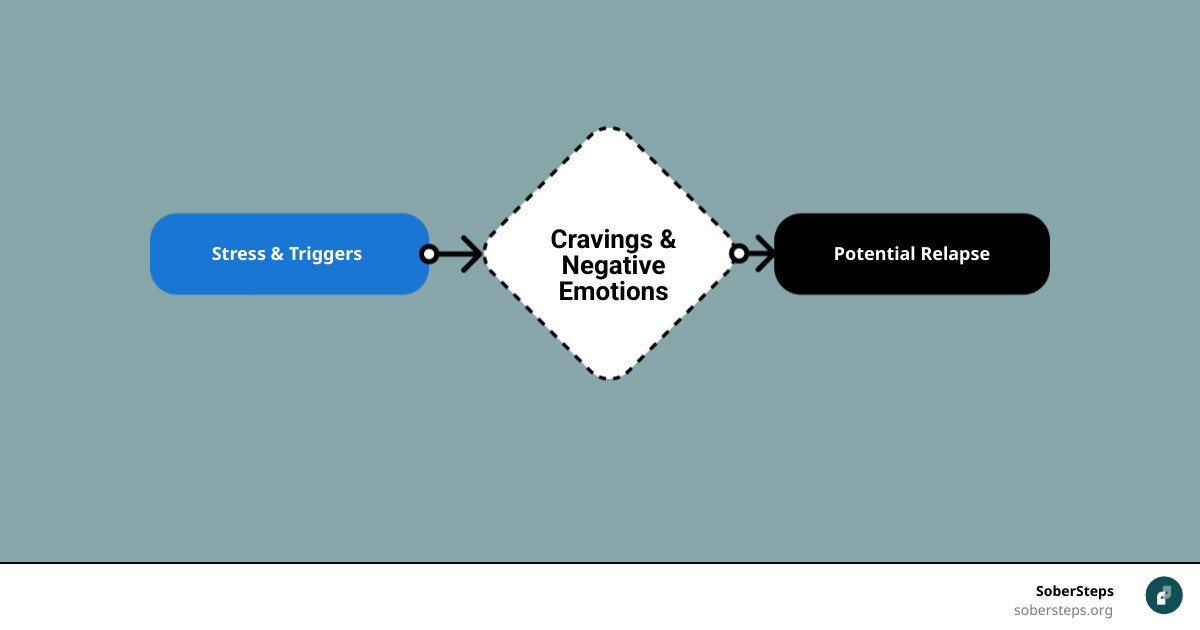
Recovery requires more than just willpower; it demands tools that help us reconnect with ourselves. The word “yoga” means union—the reconnection of mind, body, and spirit. Substance abuse creates a profound disconnection, and research shows that as many as 40-60% of people with a substance use disorder will relapse, often due to stress. Yoga interrupts this cycle by teaching us to sit with discomfort, breathe through cravings, and find peace in the present.
At Sober Steps, we understand that recovery requires compassionate support and evidence-based tools. Our team has guided countless individuals in integrating practices like yoga into their treatment plans. Ready to explore treatment options that include holistic therapies? Learn more about our comprehensive substance abuse treatment programs or connect with our online addiction recovery support groups today.
Understanding the Power of Yoga for Recovery
The essence of yoga, meaning “union,” speaks directly to the goal of recovery: to bring together the fragmented parts of ourselves—mind, body, and spirit. While modern yoga often focuses on physical postures (asanas), its traditional path includes breath control (pranayama) and meditation (dhyana), which are incredibly beneficial for recovery.
Modern science validates what ancient yogis knew. Studies show yoga significantly reduces stress hormones like cortisol, which is crucial as chronic stress is a major relapse trigger. One review found significant improvements in substance abuse, pain, and anxiety outcomes through yoga. This practice complements traditional methods like 12-Step programs, which emphasize spiritual growth. Yoga provides a tangible, body-centered pathway to the self-reflection and mindfulness central to the eleventh step of Alcoholics Anonymous. For more on this, A Narrative Review of Yoga and Mindfulness as Complementary Therapies for Addiction offers a comprehensive look at the research.
How Yoga Specifically Aids in Addiction Recovery
Addiction is often a cycle of numbing emotions and losing touch with oneself. Yoga for recovery directly counters this by cultivating crucial skills:
- Mindfulness and Present Moment Awareness: Yoga teaches us to observe our thoughts and feelings without judgment. This creates a space between a trigger (like a craving) and a reaction, which is vital for preventing relapse.
- Emotional Regulation: By connecting breath to movement, we learn to ground ourselves and shift from a “fight or flight” response to a calmer state. This helps in managing the intense emotions like anxiety and stress that can trigger a relapse.
- Reconnecting with the Body: Substance use numbs physical sensations. Yoga helps rebuild this connection, fostering self-awareness and self-esteem. Feeling more comfortable in your own body is a huge boost for sobriety.
- Building Resilience: Yoga equips us with internal tools to handle life’s challenges without resorting to substances, enhancing overall well-being.
Combining ancient practices with contemporary recovery tools offers a robust path to sobriety. If you’re interested in exploring how these therapies can fit into your journey, learn more about our substance abuse treatment options or our behavioral health support services.
The Role of Ayurveda in a Holistic Recovery
For a deeper holistic approach, many turn to Ayurveda, yoga’s sister science. Meaning “the science of life,” Ayurveda is an ancient Indian system of medicine focused on balancing the body and mind. In recovery, it offers personalized lifestyle and dietary guidance to complement your yoga practice, helping to manage stress, improve digestion, and promote better sleep. This integrated approach, supported by organizations like the International Association of Yoga Therapists (IAYT), can provide a more personalized path to sustained well-being.
The Physical and Mental Benefits of a Consistent Practice
A consistent yoga for recovery practice nurtures both body and mind, building a stronger, more resilient self for the journey ahead.

Physical Healing:
Yoga is a powerful form of active recovery. Gentle yoga increases blood flow to muscles, which helps reduce soreness and speeds up the healing process. It’s a “work-in,” not just a “workout,” focusing on generating positive energy and allowing the body to function optimally. Regular practice improves flexibility, circulation, and lung capacity, and helps regulate the nervous system—all of which can be disrupted by substance abuse. This physical restoration is a cornerstone of a healthy, sober foundation. For more on active recovery, see how yoga helps move through muscle soreness.
Mental and Emotional Well-being:
The mental benefits of yoga are transformative for recovery.
- Stress, Anxiety, and Depression Management: Yoga helps regulate stress hormones like cortisol, providing a natural antidote to the anxiety that often accompanies early recovery. Mindful relaxation is invaluable for staying calm when faced with urges and cravings.
- Calming the Nervous System: Breathwork (pranayama) helps shift the body from a “fight or flight” state to a “rest and digest” state, reducing reactivity and fostering inner peace.
- Developing Non-judgmental Awareness: Yoga teaches us to observe our thoughts and feelings without getting attached to them. This radical acceptance is essential for managing cravings, seeing them as transient sensations rather than commands.
- Fostering Self-Compassion and Connection: The practice encourages us to treat ourselves with kindness. This improved self-image is critical for dismantling the negative self-talk associated with addiction. The spiritual aspect of yoga can also deepen the principles found in many recovery programs.
The community aspect of yoga classes can also improve relational skills, fostering a sense of connection that counteracts the isolation of addiction. For more on yoga’s impact, Harvard Health offers insights on yoga for better mental health. If you’re facing co-occurring mental health challenges, we encourage you to learn about dual diagnosis treatment options or read our addiction recovery blogs for more insights.
Your Practical Guide: How to Start Yoga for Recovery
Starting your journey with yoga for recovery is more accessible than you might think. The key is to approach it with an open mind.
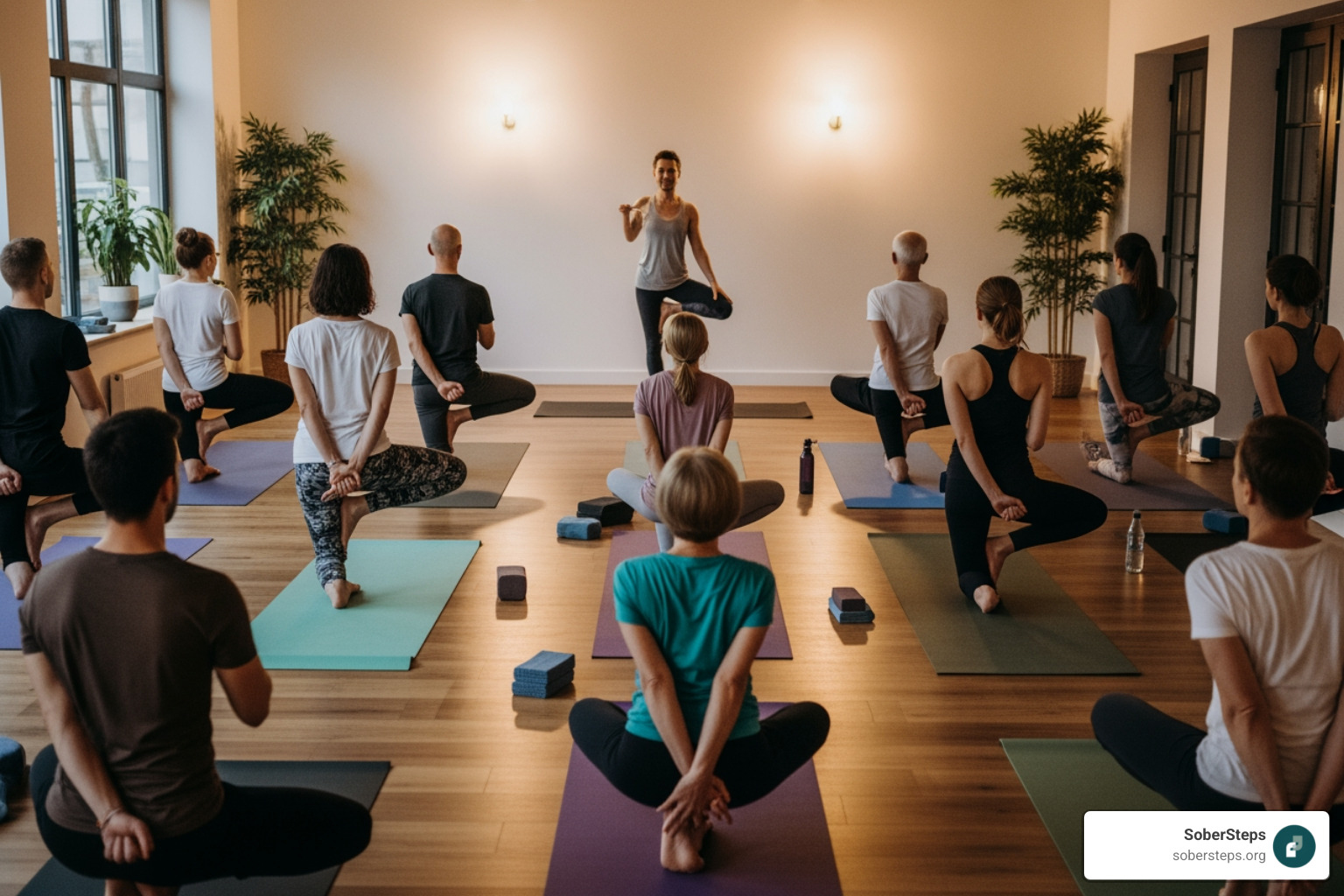
We recommend finding classes online or in-person geared towards beginners or recovery. Look for a certified instructor, perhaps with training in trauma-informed yoga, who creates a supportive, non-competitive environment. A safe space is crucial for healing. You don’t need to be flexible to start; yoga is about connecting with your inner self. For additional support, consider connecting with online addiction recovery support groups.
Beneficial Yoga Styles for Sobriety
Certain gentle and contemplative styles are especially beneficial for yoga for recovery.
| Yoga Style | Key Characteristics | Benefits for Recovery |
|---|---|---|
| Hatha Yoga | Slower pace, holds poses for several breaths, focuses on fundamental postures and breath. | Great for beginners, builds foundational strength and flexibility, helps re-establish body awareness. |
| Restorative Yoga | Uses props (bolsters, blankets) to support the body in gentle, long-held poses (5-20 minutes). | Deeply calming for the nervous system, reduces stress and anxiety, promotes profound relaxation. |
| Yin Yoga | Poses held for 3-5 minutes or longer, targets connective tissues, often seated or supine. | Improves flexibility, encourages introspection, teaches how to sit with discomfort. |
| Slow Flow | Gentle, mindful transitions between poses, synchronizing breath and movement. | Offers a moving meditation, builds body-mind connection, less demanding than faster flows. |
| Trauma-informed Yoga | Specifically designed to be safe and empowering, focuses on choice and internal awareness. | Helps individuals reconnect with their bodies safely, reduces symptoms of PTSD and anxiety. |
These styles prioritize healing and introspection, making them ideal for navigating recovery.
Yoga Styles to Approach with Caution
Some vigorous styles can be counterproductive in early recovery. Approach these with caution:
- Power Yoga & Vinyasa: These , physically demanding styles can be too intense, leading to frustration or injury.
- Hot Yoga (e.g., Bikram): The extreme heat and strenuous poses can be overwhelming and physically taxing for a body in recovery.
The goal is to create a nurturing space for healing, not to induce stress.
6 Essential Yoga Poses for Beginners in Recovery
These foundational poses are excellent for calming the mind and reconnecting with your body.
-
Child’s Pose (Balasana)
- How: Kneel, sink your hips to your heels, and fold your torso forward, resting your forehead on the mat.
- Benefits: A deeply restorative pose that symbolizes surrender and calms the mind. It’s a safe “pause button” when feeling overwhelmed.
-
Cat-Cow Stretch (Marjaryasana-Bitilasana)
- How: On all fours, inhale to drop your belly and lift your chest (Cow); exhale to round your spine (Cat).
- Benefits: Links breath with movement, warms up the spine, and releases tension in the neck and back.
-
Downward-Facing Dog (Adho Mukha Svanasana)
- How: From all fours, lift your hips up and back, forming an inverted V-shape. Press through your hands and let your head hang.
- Benefits: Stretches the entire body, improves circulation, and is both energizing and grounding.
-
Legs-Up-the-Wall (Viparita Karani)
- How: Lie on your back and swing your legs up a wall.
- Benefits: A calming inversion that reduces fatigue, relieves tired legs, and can aid sleep.
-
Seated Forward Bend (Paschimottanasana)
- How: Sit with legs extended, inhale to lengthen your spine, and exhale to fold forward from your hips.
- Benefits: Stretches the entire back of the body, promotes a calm mind, and can help alleviate anxiety.
-
Pigeon Pose (Eka Pada Rajakapotasana)
- How: From Downward-Facing Dog, bring one knee forward toward your wrist and extend the other leg straight back. Fold forward if comfortable.
- Benefits: An excellent hip opener, releasing tension and “stuck” emotions often held in the hips.
For a guided experience, you can follow an active recovery yoga routine on YouTube to flow through these and other beneficial stretches.
Frequently Asked Questions about Yoga in Addiction Recovery
Here are answers to common questions about starting yoga for recovery.
Do I need to be flexible to start yoga for recovery?
Absolutely not. This is a common misconception. Yoga is not about touching your toes; it’s about what you learn on the way down. The focus is on connecting with your breath and body, not achieving perfect poses. A good instructor will offer modifications to meet you where you are. The goal is present moment awareness, which is accessible to everyone.
How often should I practice yoga for it to be effective in my recovery?
Consistency is more important than intensity. Starting with once or twice a week can make a noticeable difference. Even a 10-minute daily routine can be effective for grounding yourself and managing stress. The most effective practice is the one you can stick with. Listen to your body and find a rhythm that supports your recovery without adding pressure.
Can yoga replace traditional recovery methods like therapy or 12-step programs?
No. Yoga for recovery is a powerful complementary therapy, not a replacement for methods like therapy or 12-step programs. Substance use disorder is complex and often requires a multi-faceted approach. Yoga works best when integrated into a comprehensive addiction treatment plan that may include:
- Individual Therapy: Such as Cognitive Behavioral Therapy (CBT) or Dialectical Behavior Therapy (DBT).
- Group Therapy and Peer Support.
- 12-Step Programs or other support groups.
Yoga deepens the effectiveness of these methods by helping you process emotions and build resilience. The goal is integration for holistic healing. To explore your options, learn more about our individual therapy for addiction.
Conclusion: Embracing Wholeness on Your Sober Journey
Our exploration of yoga for recovery reveals a path not just to sobriety, but to wholeness. This ancient practice, backed by modern science, is a powerful ally for managing cravings, reducing stress, and rebuilding the mind-body connection severed by addiction. Through mindful movement and conscious breathing, we learn to build resilience and find peace in the present.
Yoga is more than a temporary fix; it’s a lifelong tool for self-care and empowerment. It teaches us to move through life’s challenges with grace and awareness, guiding us toward a more balanced and fulfilling life.
At SoberSteps, we are dedicated to supporting your path to a balanced life. If you’re ready to build a comprehensive recovery plan that nurtures your mind, body, and spirit, we invite you to explore our complete guide to drug treatment programs. Your journey to wholeness begins now. Get help today.