Why Drug Treatment Options Matter for Your Recovery
Drug treatment options are more varied and accessible than ever before, yet millions of Americans who need help for substance use disorders never receive it. The good news? Addiction is a treatable, chronic disease—not a moral failing—and recovery is possible with the right support and care.
Quick Overview of Available Drug Treatment Options:
- Inpatient/Residential Treatment – 24/7 care in a facility for intensive support
- Outpatient Programs – Scheduled sessions while living at home
- Medication-Assisted Treatment (MAT) – FDA-approved medications combined with therapy
- Behavioral Therapies – CBT, motivational therapy, family counseling, and more
- Support Groups – 12-step programs and peer support networks
- Detoxification Services – Medically supervised withdrawal management
- Integrated Treatment – Addressing co-occurring mental health disorders
In 2022, more than one in six Americans aged 12 or older experienced a substance use disorder. Yet in 2011, only 2.3 million of the 21.6 million people who needed treatment actually received it at a specialty facility. This “treatment gap” exists partly because people don’t know what options are available or feel overwhelmed by the choices.
The reality is there’s no single path that works for everyone. Treatment depends on the substance used, the severity of addiction, whether mental health issues are present, and your personal circumstances. Some people need intensive inpatient care. Others thrive in outpatient settings. Many benefit from medications that reduce cravings and prevent relapse, especially for opioid addiction.
What matters most is understanding that help exists in many forms—and finding the right fit for you.
At Sober Steps, we’ve dedicated ourselves to helping individuals steer the complexities of drug treatment options and find confidential, supportive pathways to recovery. We believe that with the right guidance and resources, lasting recovery isn’t just possible—it’s achievable for anyone ready to take that first step. For confidential help, you can reach us at (844) 491-5566.
This guide will walk you through the landscape of addiction treatment, from understanding your condition to exploring specific therapies, medications, and support systems that can help you reclaim your life.
Understanding Addiction as a Treatable Condition
Addiction is a complex illness, characterized by intense and often uncontrollable drug craving, compulsive drug seeking, and use that persists even when facing devastating consequences. However, we want to emphasize a crucial point: addiction is a treatable disorder. It’s not a moral failing or a lack of willpower; it’s a chronic disease that affects the brain’s reward, motivation, learning, and memory centers.
Research shows that long-term drug abuse causes significant changes in the brain that can endure long after drug use has stopped. These alterations can make it incredibly difficult to control impulses and resist the urge to use drugs, especially when triggered by stress, social cues, or environmental factors. But just like other chronic medical illnesses such as heart disease or asthma, addiction can be managed successfully with effective drug treatment options.
Can Addiction Be Cured?
When we talk about addiction, it’s important to differentiate between “treatment” and “cure.” While there isn’t a “cure” for addiction in the sense that it can be eradicated completely, it is absolutely treatable. Think of it this way: a person with diabetes manages their condition with insulin and lifestyle changes, but the diabetes itself isn’t cured. Similarly, addiction treatment focuses on managing the condition, helping individuals counteract its powerful effects, and regain control of their lives.
Our goal with effective drug treatment options is to help you manage the chronic nature of addiction, empowering you to make choices that support long-term health and well-being. It’s about learning to live a productive, fulfilling life free from the grip of compulsive drug use.
What Does Successful Recovery Look Like?
Stopping drug use is often the first, but certainly not the only, step in a long and complex recovery process. Successful recovery encompasses a much broader change, addressing the “whole person.” It means:
- Improved Health: Addressing physical and mental health issues that may have been exacerbated by or contributed to substance use.
- Productive Living: Re-engaging with work, education, or other meaningful activities.
- Mended Relationships: Repairing strained family ties and building healthy social connections.
- Personal Growth: Developing new coping mechanisms, self-awareness, and resilience.
Recovery is an ongoing journey, not a destination. It involves continuous effort, learning, and adapting. We understand that challenges may arise, but with consistent support and the right drug treatment options, a life of sustained recovery is well within reach. For more detailed information on the scientific principles guiding treatment, we recommend reviewing Scientific research on the principles of addiction treatment.
A Spectrum of Care: Inpatient vs. Outpatient Programs
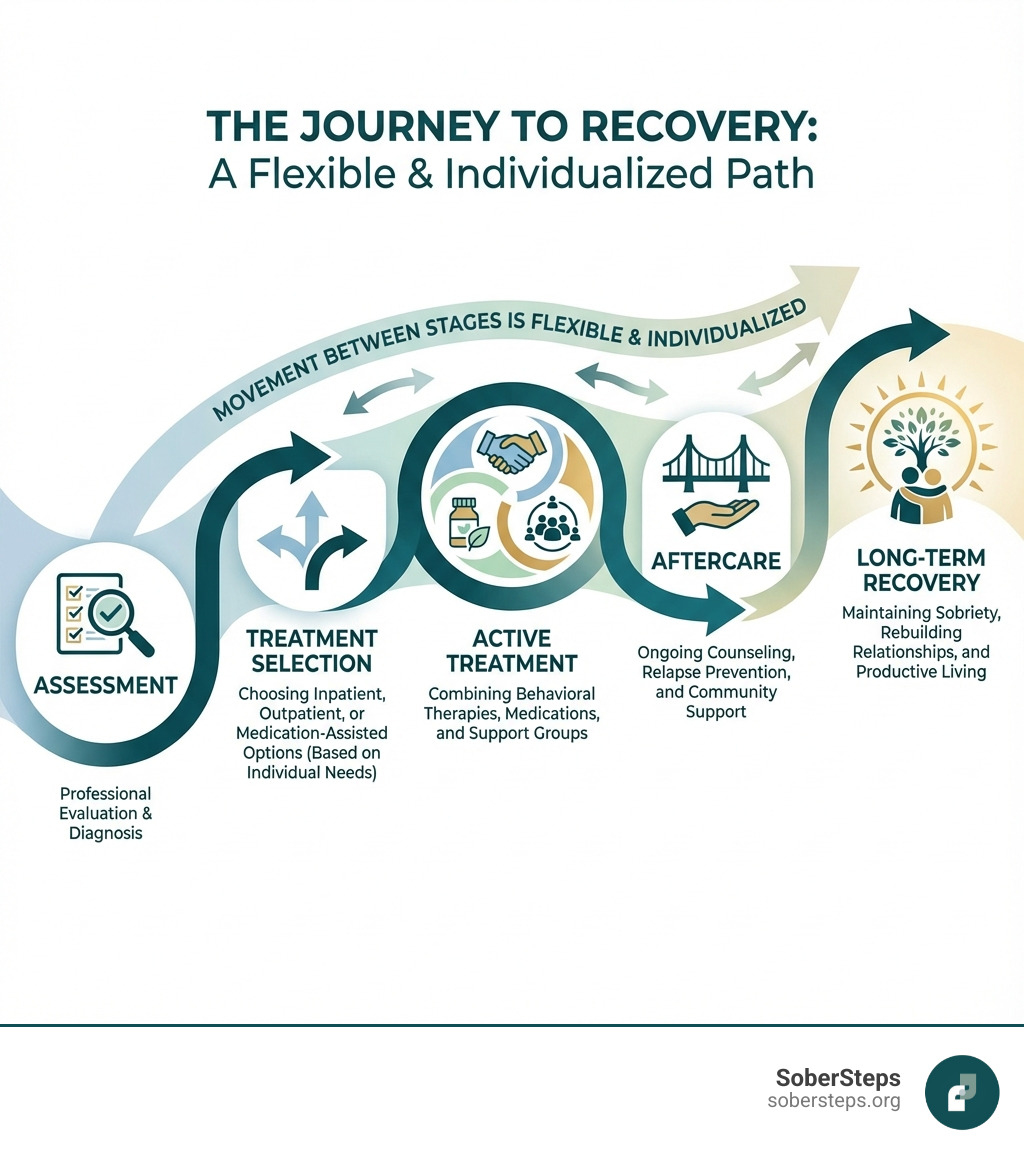
Choosing the right treatment setting is one of the most critical decisions in the recovery journey. There isn’t a one-size-fits-all solution; the most effective drug treatment options are custom to your individual needs, the type of substance used, and any co-occurring conditions. We always begin with a thorough assessment to determine the level of care that will best support your recovery. To get started with a confidential assessment, call us at (844) 491-5566.
Inpatient and Residential Treatment
For individuals who require a highly structured and immersive environment, inpatient and residential treatment programs offer 24/7 care in a dedicated facility. These programs are designed to remove you from daily triggers and stressors, allowing you to focus entirely on healing and recovery.
Key features often include:
- Constant Supervision: Around-the-clock medical monitoring and support, especially crucial during detoxification.
- Structured Environment: A daily schedule packed with therapy sessions, educational workshops, and wellness activities.
- Immersive Healing: The opportunity to build a strong foundation for sobriety away from external influences.
The duration of these intensive programs can vary, typically ranging from 21 days to several months, depending on the severity of the addiction and individual progress. A specialized form of inpatient care is Residential Withdrawal Management (Detox), where individuals are monitored in a facility to safely get a substance out of their system, often with medical interventions to manage withdrawal symptoms.
Outpatient and Virtual Treatment
Outpatient drug treatment options offer flexibility, allowing you to live at home and continue with work, school, or family responsibilities while attending scheduled therapy sessions. These programs vary in intensity, from a few hours a week to more intensive daily sessions.
With advancements in technology, we now also offer:
- Virtual Intensive Outpatient Programs (VIOP): These programs provide structured, intensive treatment remotely, offering a balance of comprehensive care and the convenience of your home environment. They can be particularly beneficial for those who need to maintain their daily routines but still require significant support.
- Telehealth Options: These allow for individual counseling, group therapy, and even some medical consultations to be conducted virtually, making treatment more accessible, especially for those in remote areas or with mobility challenges.
| Feature | Inpatient/Residential Treatment | Outpatient/Virtual Treatment |
|---|---|---|
| Intensity | High; 24/7 care and supervision | Variable; Scheduled sessions, allows for daily life |
| Environment | Controlled, therapeutic facility, removed from triggers | Home-based, integrates with daily life and community |
| Cost | Generally higher due to accommodation and round-the-clock care | Often more affordable, no residential costs |
| Flexibility | Low; Requires stepping away from daily responsibilities | High; Allows continuation of work, school, and family obligations |
| Ideal Candidate | Severe addiction, unstable home environment, co-occurring mental health issues, need for medically supervised detox | Stable home environment, strong support system, less severe addiction, need for flexibility |
The Building Blocks of Effective Drug Treatment Options

Effective drug treatment options are rarely singular. Instead, they often involve a combination of therapies and, for many, medication. Our approach is always to tailor treatment to the individual, addressing not just the substance use but also the underlying issues and the “whole person”—including their physical health, mental well-being, social needs, and vocational aspirations.
Exploring Behavioral Drug Treatment Options
Behavioral therapies are the cornerstone of addiction treatment. They help individuals understand the root causes of their substance use, modify attitudes and behaviors related to drug use, and develop healthier coping mechanisms. These therapies are crucial for handling triggers, preventing relapse, and can significantly improve the effectiveness of any medications used.
Here are some common behavioral therapies we use:
- Cognitive-Behavioral Therapy (CBT): This therapy helps individuals identify and change problematic thinking patterns and behaviors that contribute to drug use. It teaches skills for coping with cravings, managing stress, and avoiding high-risk situations.
- Motivational Improvement Therapy (MET): MET helps individuals resolve ambivalence about treatment and stopping drug use, bolstering their motivation to change and commit to recovery.
- Family Behavior Therapy (FBT): FBT involves both the individual and their family members, addressing substance use and co-occurring problems within the family context. It improves family dynamics and communication, which can be critical for sustained recovery.
- Contingency Management (CM): This approach uses positive reinforcement and tangible rewards to encourage desired behaviors, such as abstinence from drugs or adherence to treatment plans.
Medication-Assisted Drug Treatment Options
Medication-Assisted Treatment (MAT) combines FDA-approved medications with counseling and behavioral therapies. MAT is incredibly effective for certain substance use disorders, helping to manage withdrawal symptoms, reduce cravings, and prevent relapse. These medications are not a “cure” but powerful tools that support recovery, allowing individuals to stabilize and engage more fully in their therapeutic work. For more information on MAT, you can visit Medication-Assisted Treatment (MAT) information from SAMHSA.
- For Opioid Addiction: Medications are often the first line of treatment due to their proven effectiveness in reducing illicit opioid use, improving treatment retention, and lowering overdose risk.
- Methadone: Administered daily in liquid form, typically through certified opioid treatment programs. It helps stabilize individuals and reduce cravings without producing the “rush” associated with abused opioids.
- Buprenorphine (often combined with naloxone as Suboxone, or as an extended-release injection like Sublocade): This medication can be prescribed in office-based settings by qualified physicians, offering flexibility and accessibility. It also helps reduce cravings and withdrawal symptoms.
- Naltrexone: Available as an oral medication or an extended-release injectable. It blocks the euphoric and sedative effects of opioids. For individuals with opioid use disorder, it’s typically used after detoxification to prevent relapse.
- For Alcohol Addiction:
- Acamprosate: Helps reduce alcohol cravings and maintain abstinence in individuals who are already abstinent.
- Disulfiram: Produces unpleasant effects (like nausea and flushing) when alcohol is consumed, discouraging drinking.
- Naltrexone: Reduces alcohol cravings and the pleasurable effects of alcohol, which can help prevent relapse.
- For Nicotine Addiction:
- Nicotine Replacement Therapy (NRT): Patches, gum, lozenges, inhalers, and nasal sprays deliver nicotine without the harmful chemicals in tobacco, reducing withdrawal symptoms.
- Bupropion: An antidepressant that can reduce nicotine cravings and withdrawal symptoms.
- Varenicline: Reduces the pleasure from smoking and withdrawal symptoms.
- For Stimulants (like cocaine or methamphetamine) and Cannabis: Currently, there are no FDA-approved medications available to directly assist in the treatment of stimulant or cannabis use disorders. For these substances, treatment relies solely on behavioral therapies.
Holistic Recovery: Support Systems and Co-Occurring Disorders

Recovery is a journey that extends beyond individual therapy sessions and medication. It thrives within a robust support system and necessitates addressing all aspects of a person’s well-being. At Sober Steps, we believe in treating the “whole person,” recognizing that lasting recovery is built on a foundation of physical, mental, and social health.
Treating Co-Occurring Mental Health Disorders
It’s very common for individuals with substance use disorders to also experience mental health conditions. In fact, as many as 6 in 10 people with an illicit substance use disorder also suffer from another mental illness. This is often referred to as a “dual diagnosis” or co-occurring disorders. Common co-occurring conditions include depression, anxiety, attention-deficit hyperactivity disorder (ADHD), and post-traumatic stress disorder (PTSD).
When both a substance use disorder and a mental health disorder are present, they can significantly impact each other, making both conditions harder to treat. That’s why an integrated treatment approach is crucial. This means that both disorders are treated simultaneously and in a coordinated manner, rather than one after the other. A thorough evaluation by a psychiatrist, psychologist, or licensed alcohol and drug counselor is essential to accurately diagnose and develop a comprehensive treatment plan for co-occurring disorders.
The Role of Support Groups in Recovery
Support groups play a vital role in the recovery process, offering a community of peers who understand the challenges of addiction. These groups provide:
- Peer Support: A sense of belonging and shared experience, reducing feelings of isolation and shame.
- Accountability: Encouragement and gentle challenges from others who have walked a similar path.
- Coping Strategies: Practical advice and emotional support for navigating triggers and maintaining sobriety.
Many, though not all, self-help support groups use the 12-step model, first developed by Alcoholics Anonymous (AA). Other well-known groups include Narcotics Anonymous (NA) and Cocaine Anonymous (CA). These groups emphasize abstinence and spiritual growth, offering a structured pathway to long-term recovery. There are also many alternative support groups that cater to different beliefs and needs. Engaging in these groups provides crucial long-term maintenance and a continuous source of encouragement.
Addressing Social, Legal, and Family Needs
Effective drug treatment options recognize that addiction impacts every area of a person’s life. Our comprehensive approach extends to addressing social, legal, and family needs because a stable, supportive environment is key to long-term recovery. This might include:
- Case Management: A dedicated professional to help coordinate various aspects of your treatment and life, from healthcare appointments to housing.
- Family Therapy: Sessions designed to heal family relationships, improve communication, and educate loved ones on how to support recovery.
- Vocational Support: Assistance with job training, employment placement, or educational opportunities to help rebuild a productive life.
- Legal Assistance: Support or referrals for navigating legal issues that may have arisen due to substance use.
By addressing these broader life circumstances, we help individuals build a solid foundation for a fulfilling, drug-free future. To learn more about our integrated approach to recovery, call (844) 491-5566 today.
Frequently Asked Questions about Drug Treatment
We understand that seeking help can bring up many questions. Here, we address some of the most common inquiries about drug treatment options.
How do I know if I need treatment?
Diagnosing a substance use disorder requires a thorough evaluation by a professional. This assessment typically involves a psychiatrist, a psychologist, or a licensed alcohol and drug counselor. They will consider various factors, including your drug use patterns, the impact on your life, and any physical or psychological symptoms you’re experiencing.
Some signs that you might need treatment include:
- Loss of Control: You use more of the substance than intended or for longer than you meant to.
- Negative Consequences: Your substance use is causing problems in your relationships, job, school, or legal life, but you continue to use.
- Failed Attempts to Quit: You’ve tried to cut down or stop using but haven’t been able to.
- Withdrawal Symptoms: You experience unpleasant physical or psychological symptoms when you stop or reduce use.
- Tolerance: You need more of the substance to get the same effect.
If you recognize these signs in yourself or a loved one, it’s time to seek professional help. A licensed drug and alcohol counselor can provide an initial assessment and guide you toward appropriate drug treatment options. Our team can provide a confidential assessment; call us at (844) 491-5566 to learn more.
Does relapse mean treatment has failed?
Absolutely not. Relapse, or a return to drug use, is a common part of the recovery process for any chronic disease, including addiction. It does not mean that treatment has failed or that you are beyond help. Instead, it serves as a signal that your treatment plan needs to be reviewed, adjusted, or reinstated.
Think of it like managing other chronic illnesses: someone with asthma might have an attack, or someone with diabetes might have a spike in blood sugar. These incidents don’t mean their treatment is a failure; they mean their treatment needs to be re-evaluated. Similarly, a relapse in addiction indicates a need to understand what led to it, learn from the experience, and modify your drug treatment options or support system to prevent future occurrences. We are here to support you through every step, including navigating relapses with compassion and renewed strategies.
How long does drug treatment last?
The duration of drug treatment options varies significantly from person to person, as recovery is a highly individualized process. There is no predetermined length, as individuals progress at different rates based on the type and severity of their substance use disorder, the presence of co-occurring conditions, and their overall needs.
However, research consistently shows that good outcomes are contingent on adequate treatment length. Studies suggest that participation for less than 90 days is of limited effectiveness, and treatment lasting significantly longer often yields the best results. For example, for opioid addiction, 12 months of methadone maintenance is considered a minimum.
Recovery is a long-term process that often requires ongoing support, follow-up care, and engagement with self-help groups even after formal treatment programs conclude. It’s about building a sustainable, drug-free lifestyle.
Finding Your Path to Recovery
Taking the first step toward recovery is a courageous act. We understand that the process can feel daunting, but you don’t have to face it alone. We are committed to providing a pathway to help that respects your privacy and dignity.
Where to Find Help
There are numerous resources available to help you explore drug treatment options and find the support you need:
- Behavioral Health Treatment Services Locator from SAMHSA: This confidential and anonymous resource allows you to search for treatment facilities for substance use and mental health disorders near you. You can access it at Behavioral Health Treatment Services Locator from SAMHSA.
- National Helplines:
- 988 Suicide & Crisis Lifeline: For immediate crisis support, call or text 988. This service provides free and confidential support 24/7.
- Opioid Treatment Program Directories: If you or a loved one are struggling with opioid use disorder, specialized directories can help you find programs offering medications like methadone or buprenorphine. You can find these directories, such as the Opioid Treatment Program Directory by State, through SAMHSA.
- Your Primary Care Provider: Your doctor can be an excellent first point of contact. They can offer an independent perspective, discuss your substance use, provide referrals to specialists, and help you understand your health.
How SoberSteps Can Help
At Sober Steps, we are dedicated to simplifying the search for effective drug treatment options. Our platform provides a confidential and anonymous space for individuals in the United States to connect with the resources they need, without judgment. We understand the importance of privacy and offer a supportive environment where you can explore your choices and take the next step toward healing.
Your Next Step
Recovery is a journey, not a destination, and you are not alone on this path. Millions of Americans have successfully steerd their way to recovery, and you can too.
If you’re ready to explore your drug treatment options, reach out for a confidential assessment. For immediate, confidential help, call us at (844) 491-5566 or explore our resources. We are here to help you take that crucial first step toward a healthier, more fulfilling life.